"I did it, and so can you": master classes from Oleksandr Tereshchenko
December 26, 2025
Share:
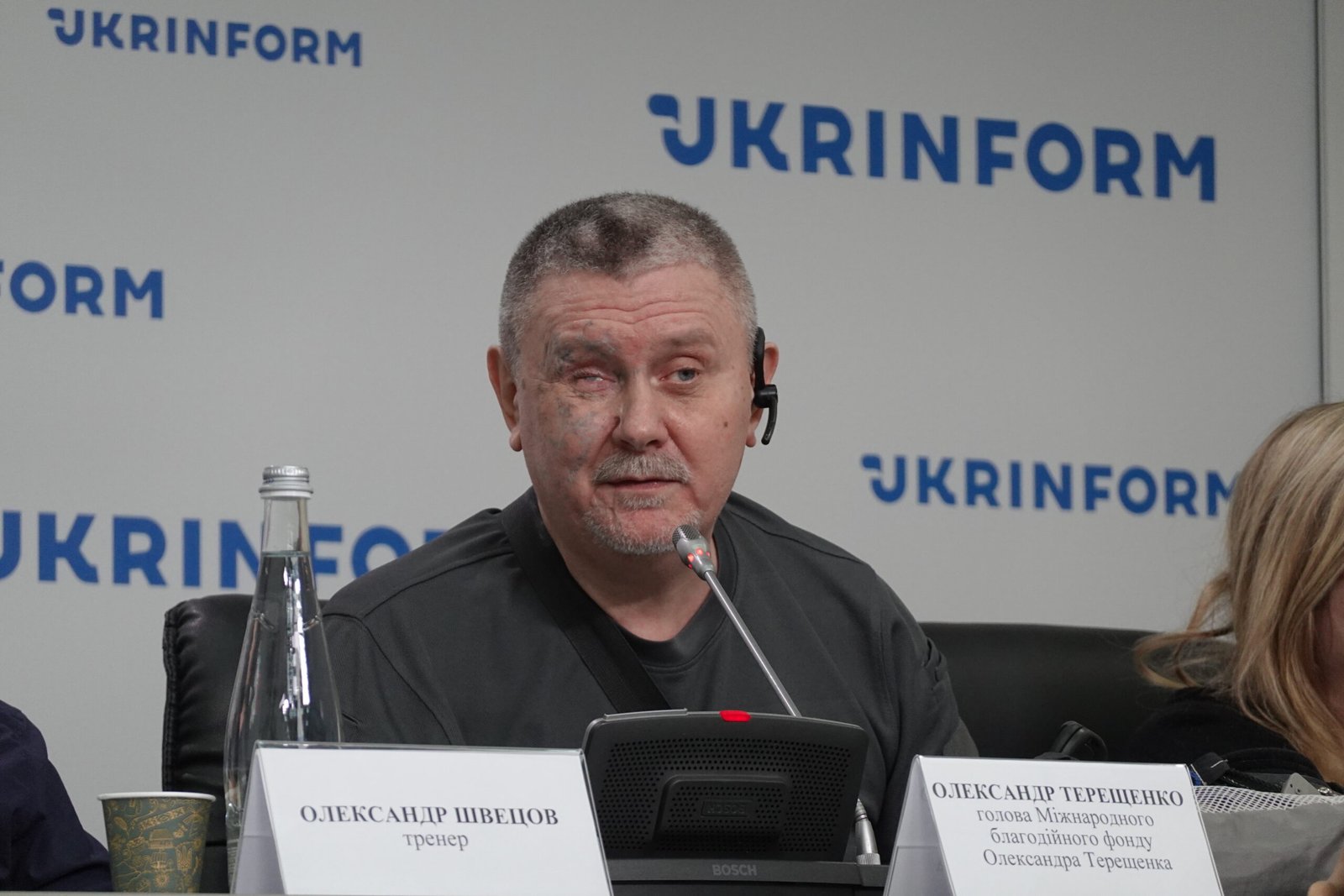
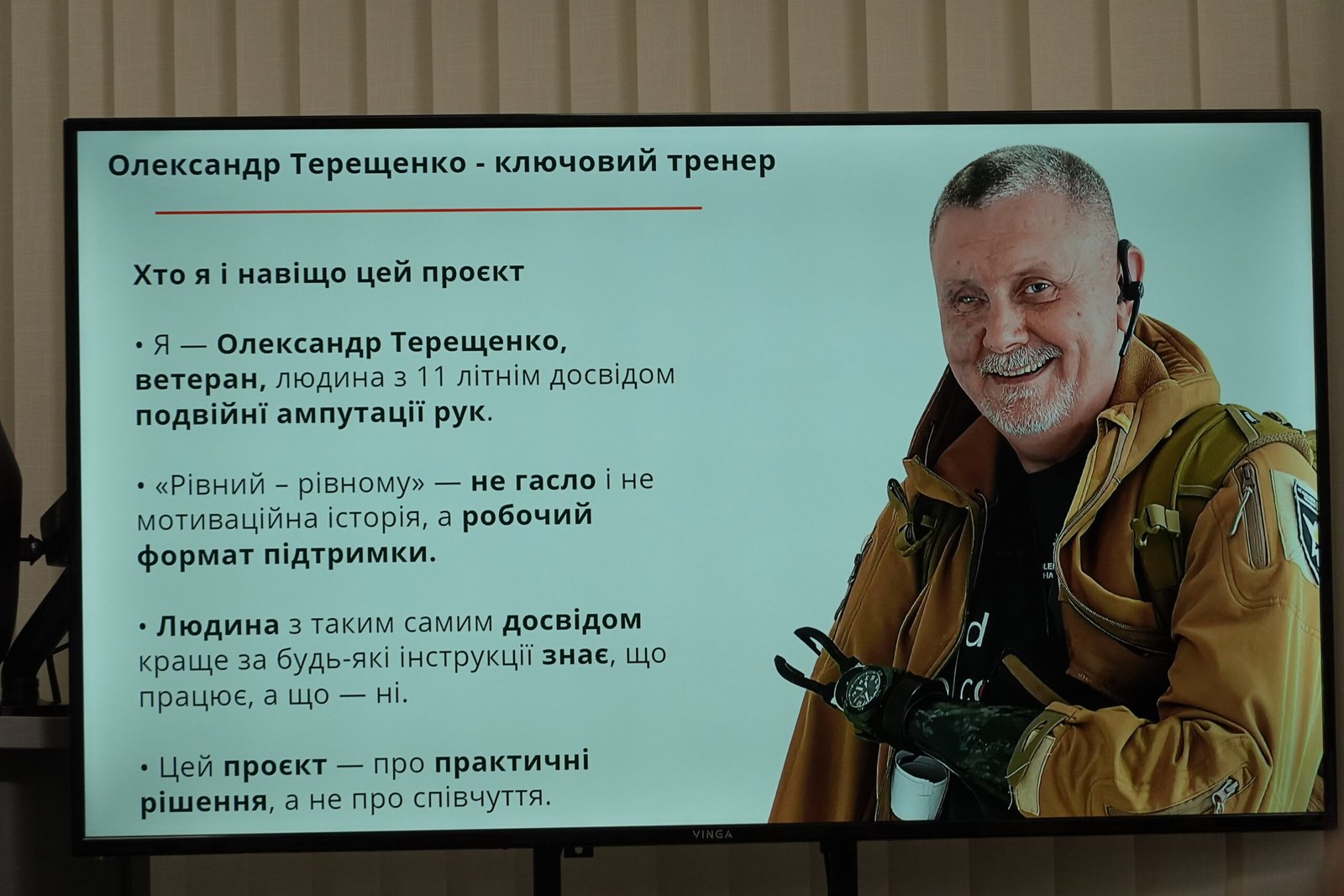
Amputation often divides a person's life into two periods: "before" and "after." Oleksandr Tereshchenko, one of the "cyborgs" of Donetsk Airport, who completely lost his right arm and left hand in battle, emphasises that such injuries are not a death sentence. As an argument, he cites his own experience of how he managed to develop technical devices to adapt to everyday life and successfully pass on his experience to others.
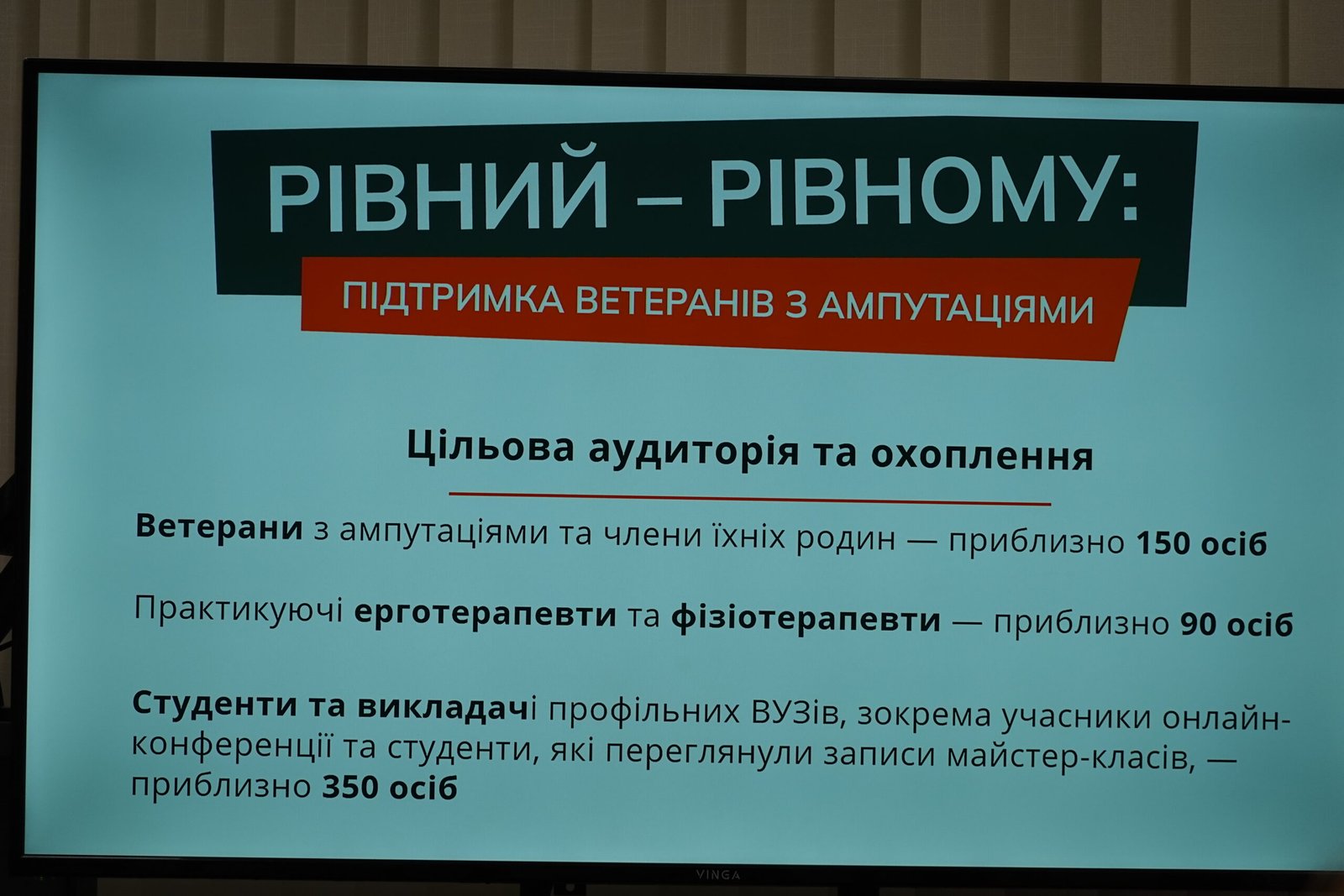
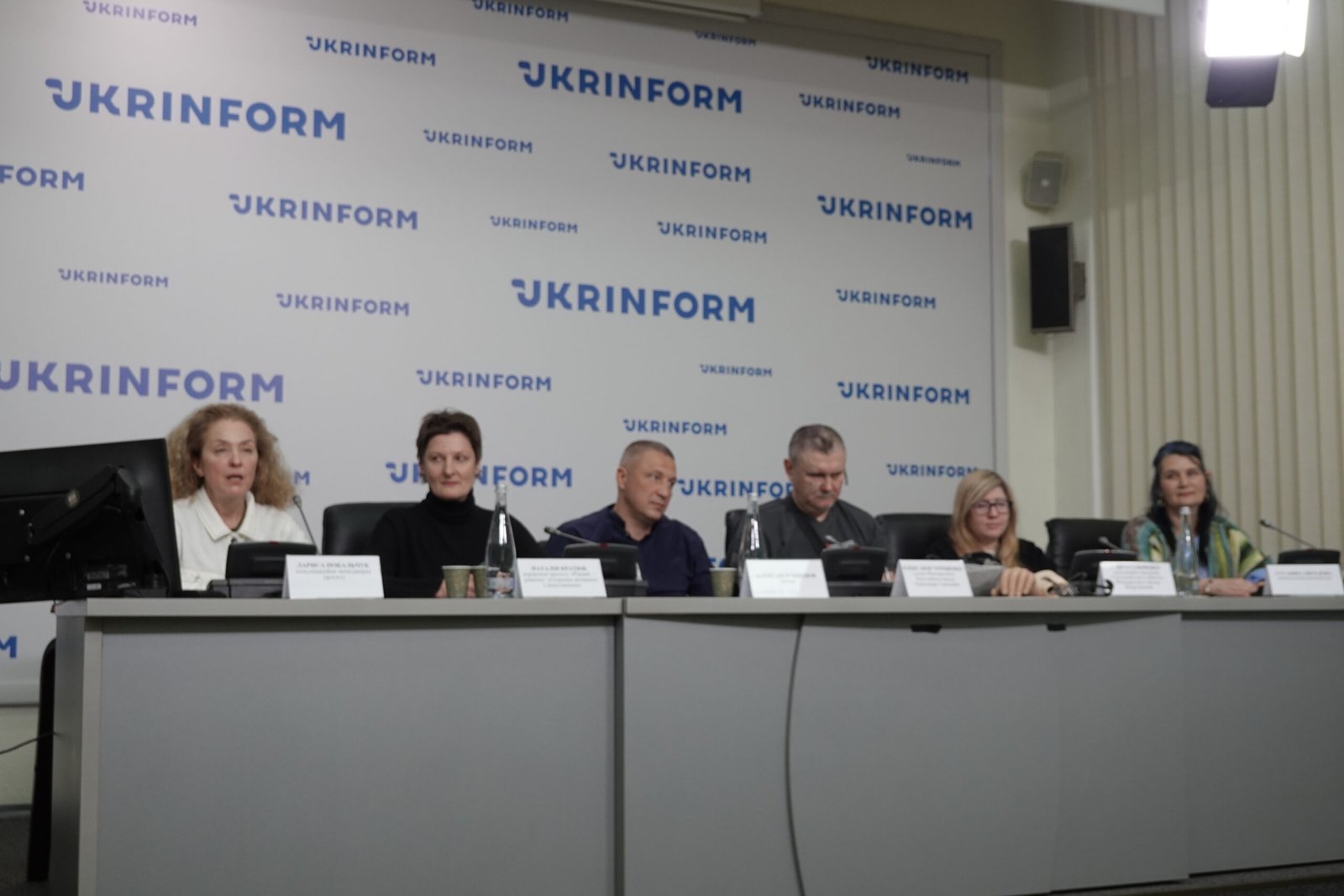
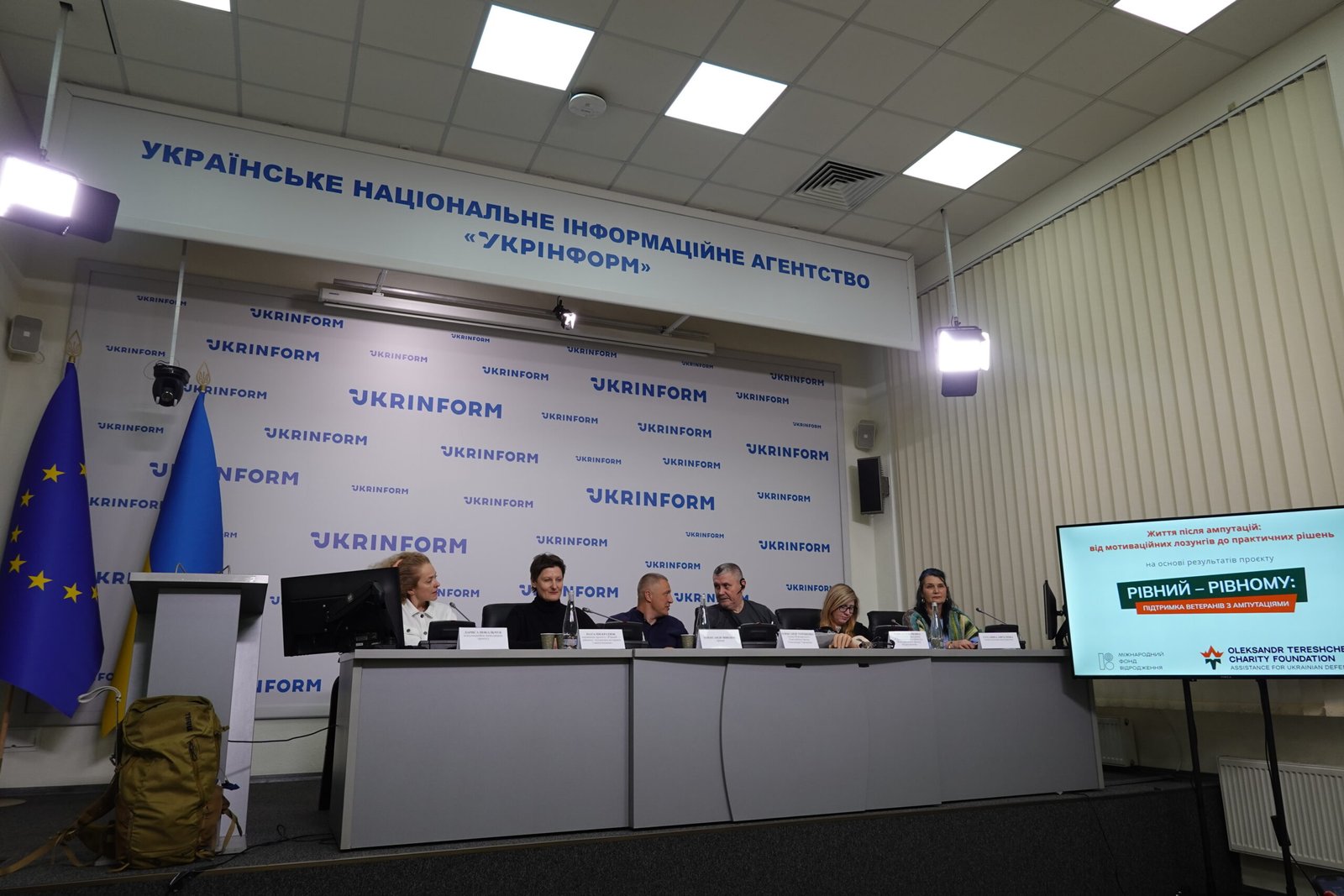
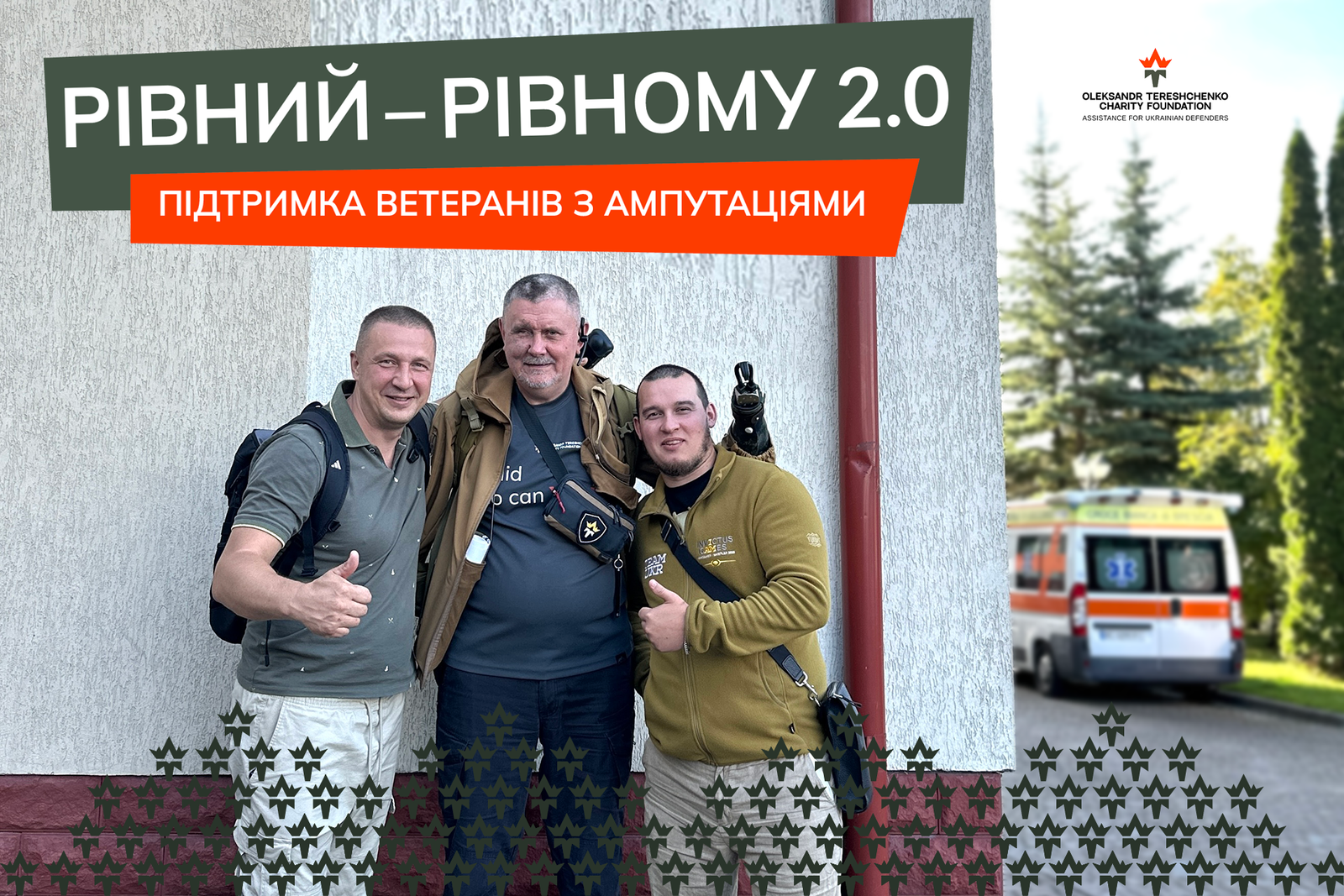
At a press conference entitled "Life after amputation: from motivational slogans to practical solutions," held at the Ukrinform agency, the Alexander Tereshchenko International Charitable Foundation summarised the results of the project "Equal to Equal: Support for Veterans with Amputations."
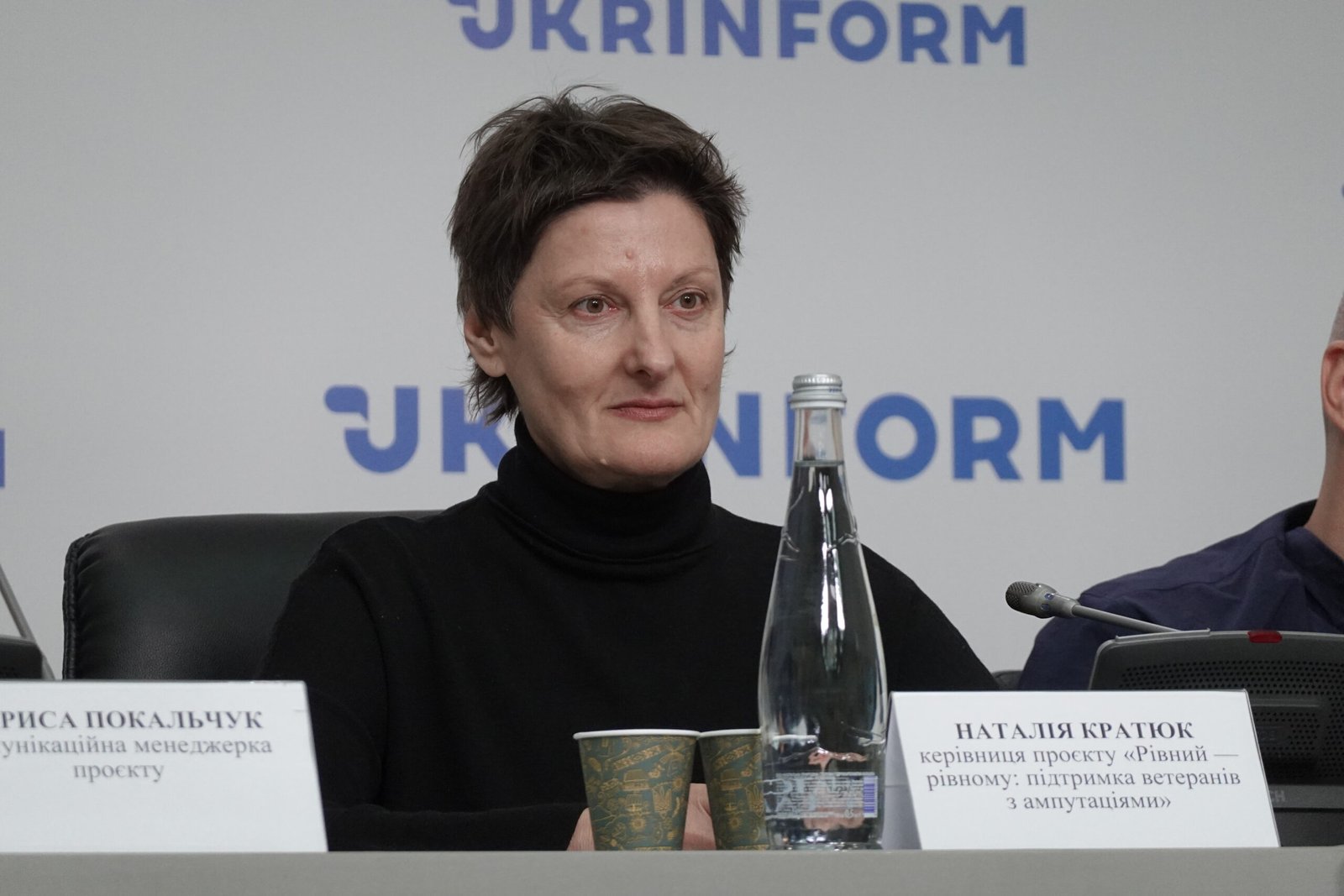
"We focused on practical, clear tasks that help veterans with amputations overcome daily challenges. For many of them, adapting to everyday life is synonymous with social adaptation," said project manager Natalia Kratyuk.
As part of the project, Oleksandr Tereshchenko's team – himself and his like-minded colleagues Oleksandr Shevtsov, Yevhen Tyurin and Yurii Kravchuk – worked with veterans who had undergone amputations and with those who will be developing or are already developing a rehabilitation system in Ukraine. These are specialists, occupational therapists, physiotherapists, etc.
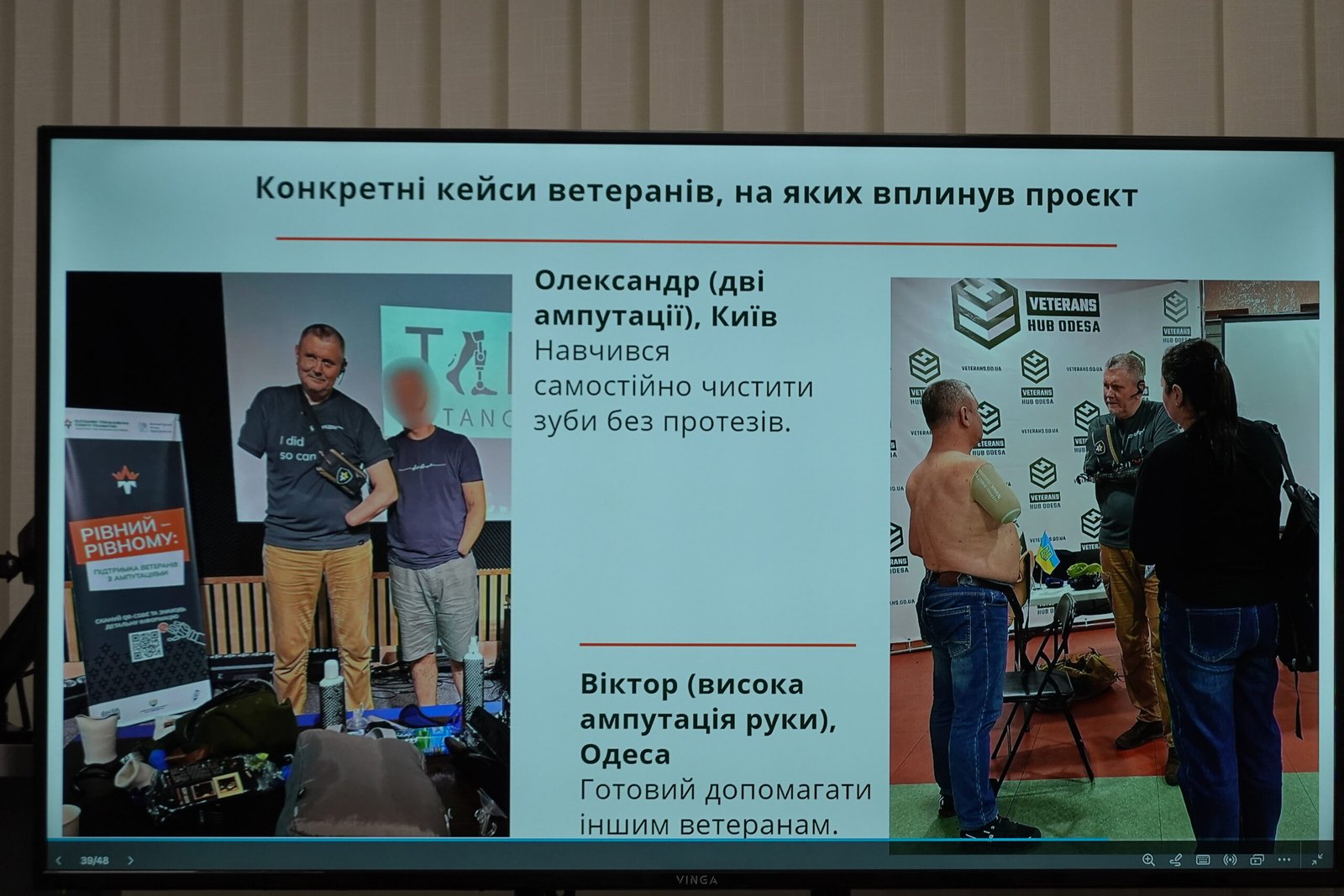
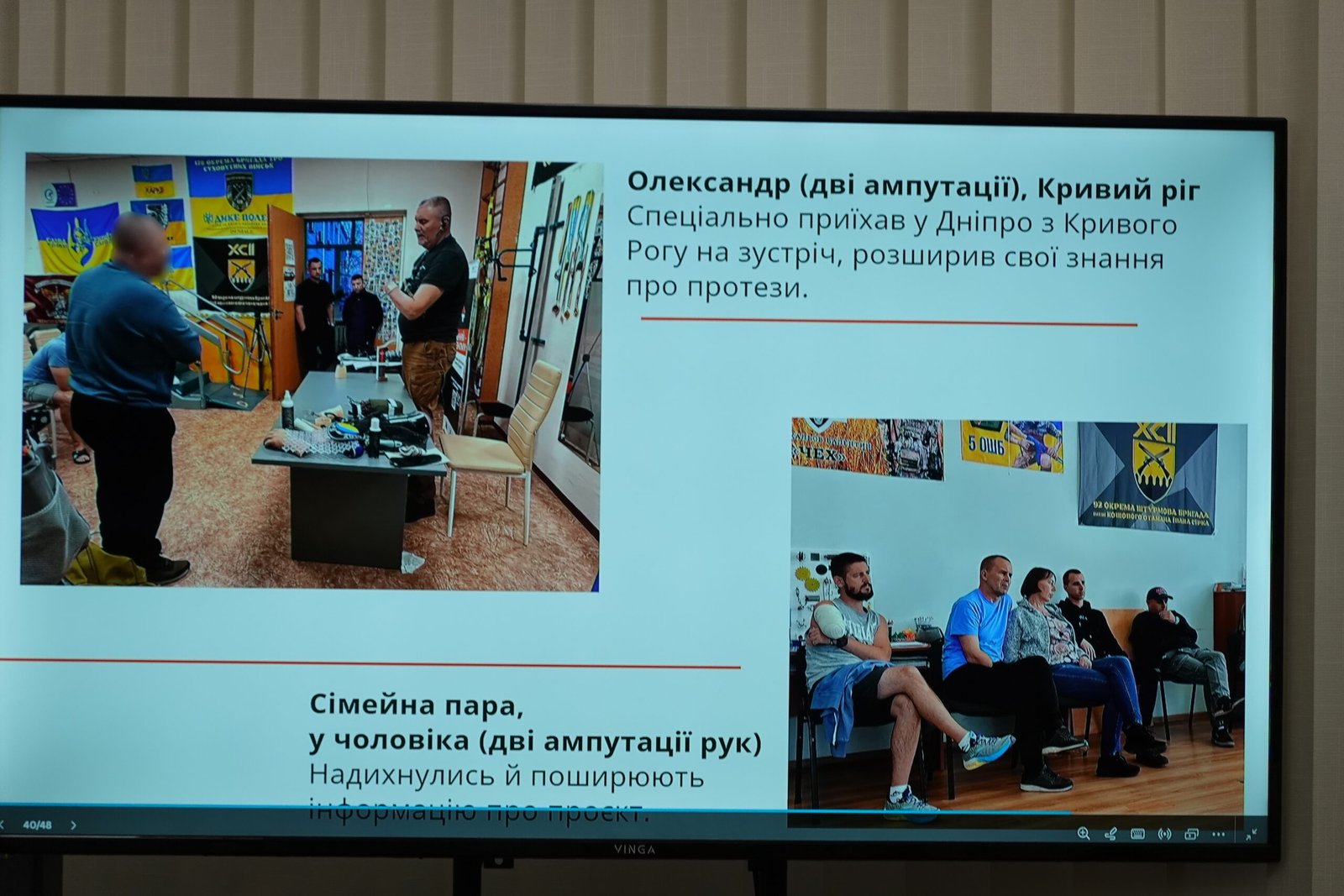
A total of 10 master classes were planned, but 13 were actually held, as the authors of the idea believed that there was a huge need for such training. During the training, the initiators of the master class moved away from abstract motivation and focused on specific practical solutions. For example, they watched and discussed video tips entitled "I did it, and so can you." These videos contain specific, detailed recommendations to help veterans meet their basic needs.
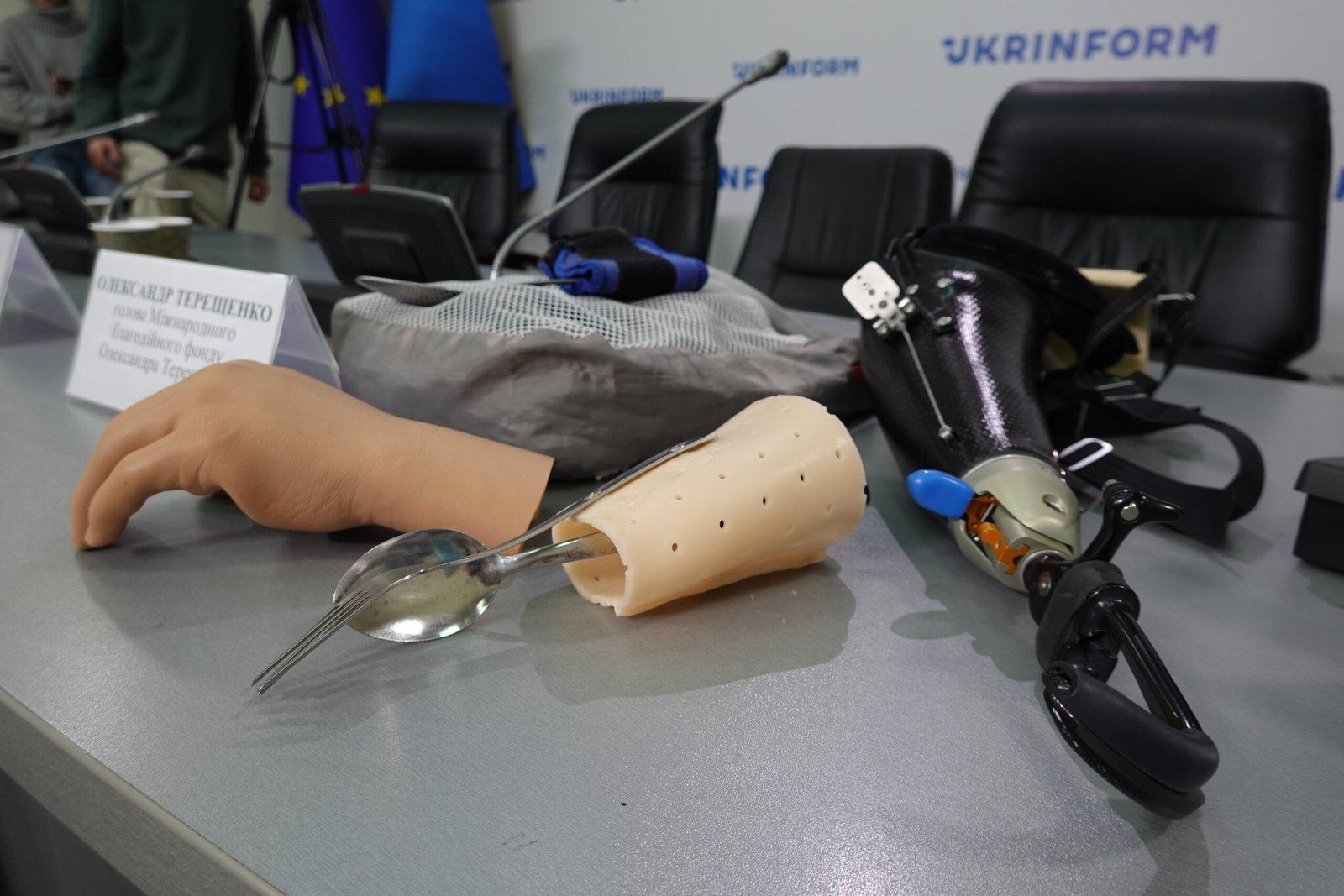
During the master classes, veteran speakers engaged in lively discussions with the audience, sharing their experiences and demonstrating the adaptive devices that veterans use in their daily lives to perform everyday tasks. A survey of participants in Kyiv, Odesa, Dnipropetrovsk, Lviv and Ivano-Frankivsk regions allowed us to collect data on the real needs of veterans and use it to develop two effective intellectual tools: the Self-Help Guide and the Independence Quest. Both developments were presented during a press conference.
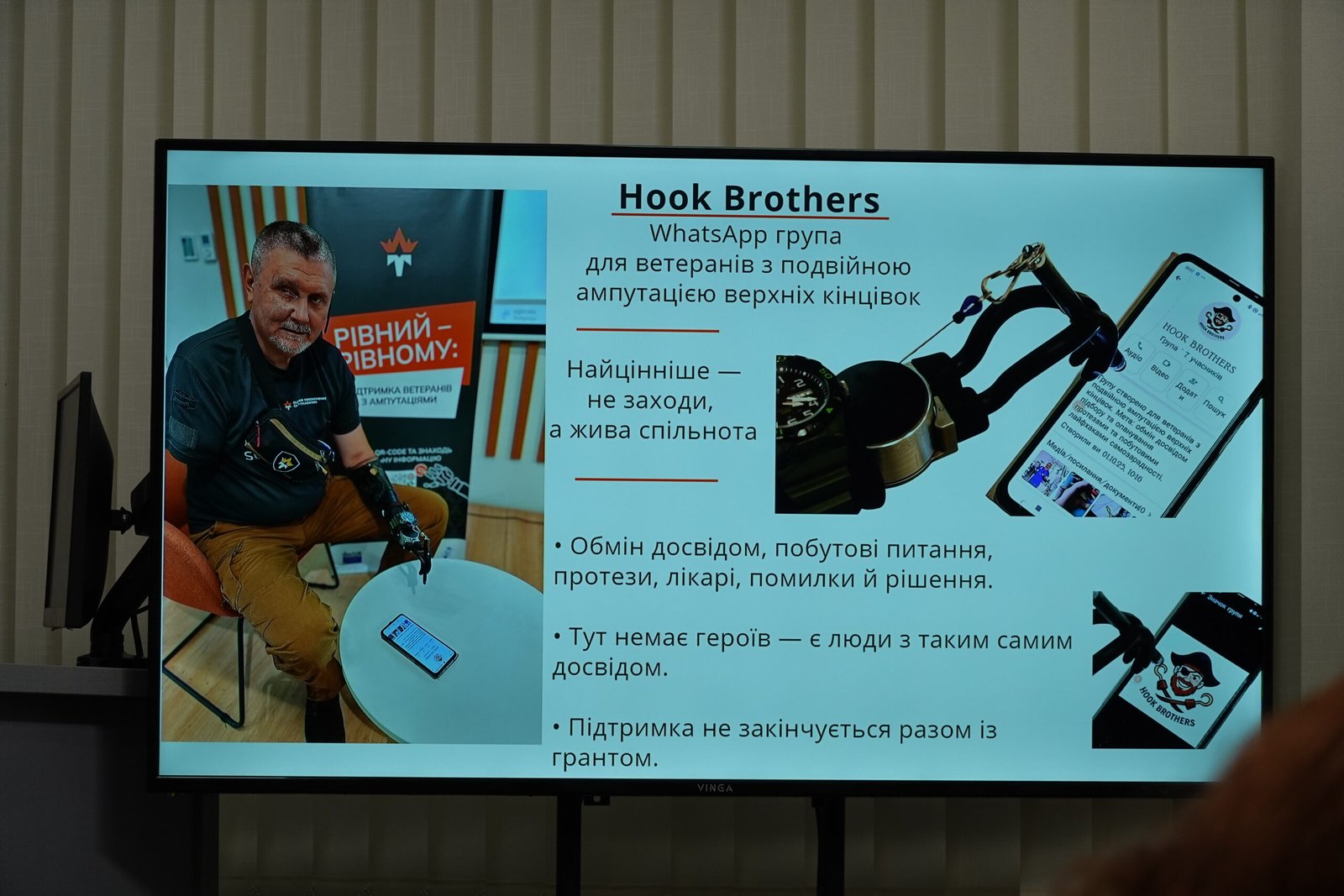
"We have also created a WhatsApp group for people with double amputations. We called it Hook Brothers and invite everyone with double amputations to join. It is a closed group, currently small with 20 veterans, but the number of participants is constantly growing," said Tereshchenko.
Previously, the National Assembly of People with Disabilities wrote about Oleksandr Tereshchenko's book Life After 4:30 p.m. Seven Years Later" and the author's life journey: his injuries, the first months of rehabilitation, and how, after a serious injury, he managed to walk 280 kilometres along the Camino de Santiago, a pilgrimage route in Spain. Our article is available at this link.
The full press conference at Ukrinform can be viewed on the agency's YouTube page at this link.
ДІТИ ВЧАТЬСЯ У ВАС Цей інформаційний продукт став можливим завдяки щедрій підтримці, наданій Урядом Сполучених Штатів Америки. Зміст є відповідальністю Моментум Вілз фор Хьюменіті та не обов’язково відображає погляди Уряду Сполучених Штатів Америки. This media product is made possible by the generous support of the United States Government. The contents are the responsibility of Momentum […]
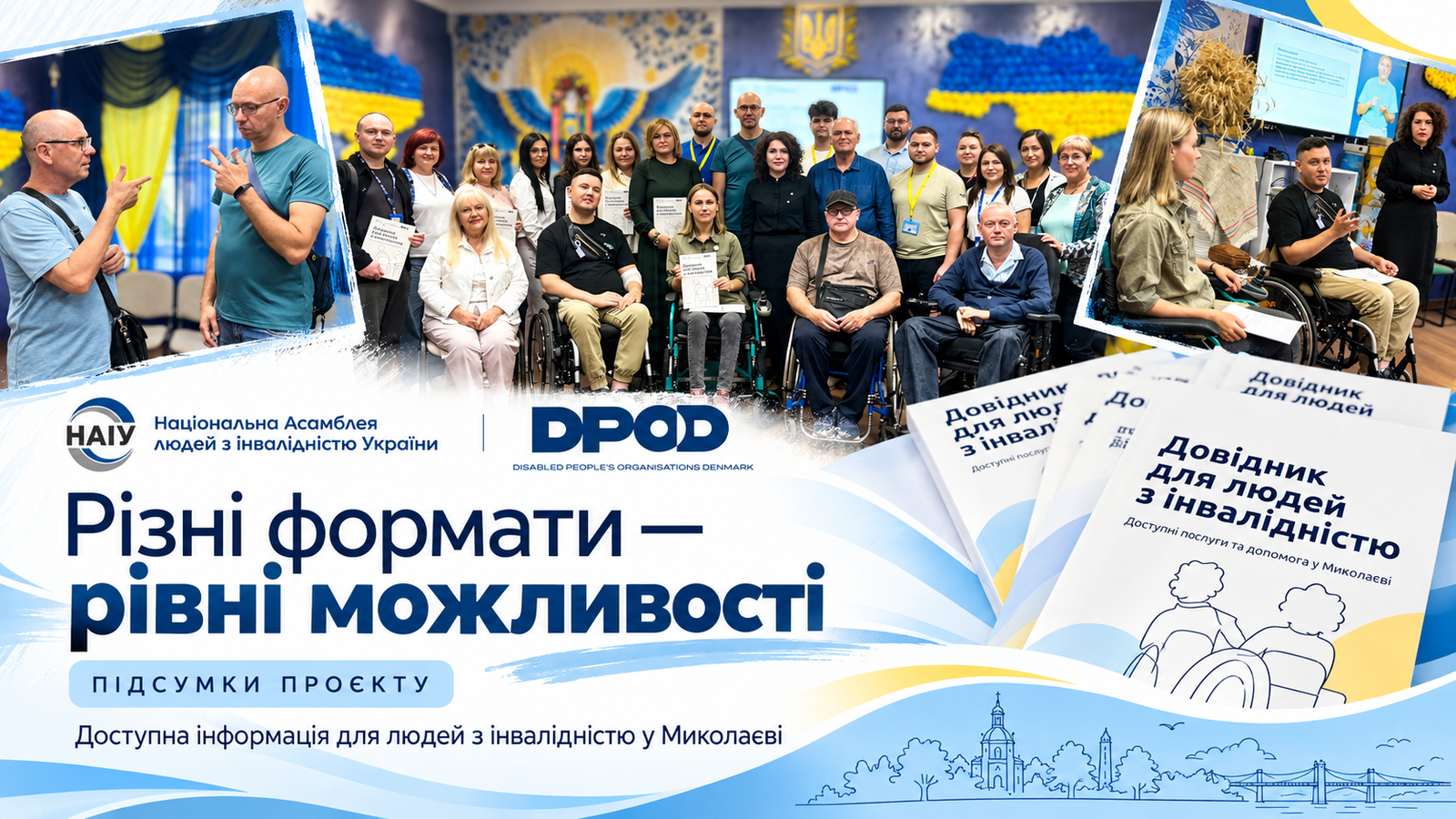
У межах мінігрантової ініціативи Національної Асамблеї людей з інвалідністю України за фінансування Disabled People’s Organisations Denmark (DPOD) п’ять громадських організацій реалізували локальні проєкти, спрямовані на вирішення конкретних проблем людей з інвалідністю у своїх громадах. Одна з таких ініціатив — проєкт «Різні формати — рівні можливості», який упродовж червня–вересня 2026 року реалізувала у Миколаєві ГО «Центр […]
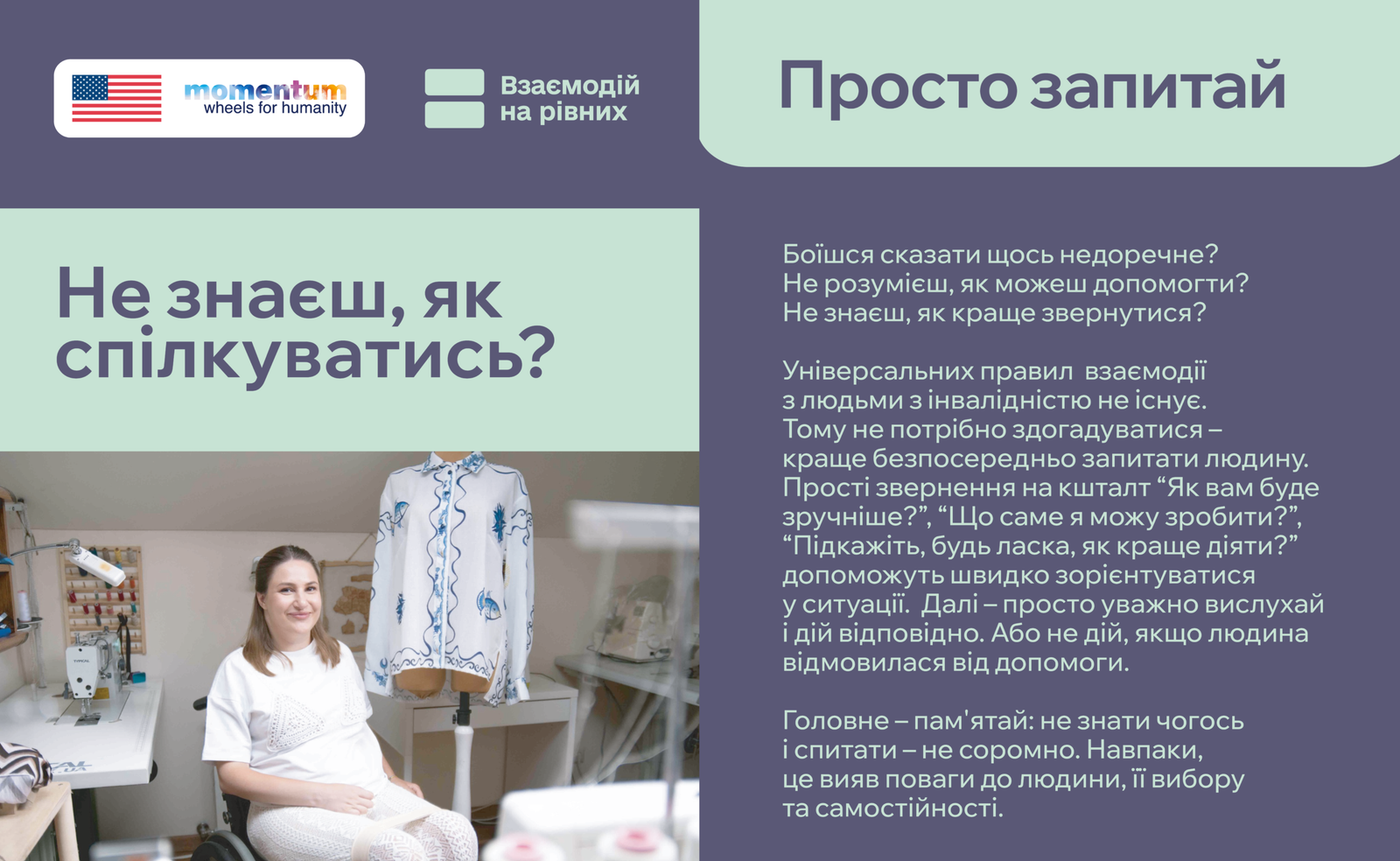
НЕ ЗНАЄШ, ЯК СПІЛКУВАТИСЬ? ПРОСТО ЗАПИТАЙ Боїшся сказати щось недоречне? Не розумієш, як можеш допомогти? Не знаєш, як краще звернутися? Універсальних правил взаємодії з людьми з інвалідністю не існує. Тому не потрібно здогадуватися – краще безпосередньо запитати людину. Прості звернення на кшталт “Як вам буде зручніше?”, “Що саме я можу зробити?”, “Підкажіть, будь ласка, як […]
Фонд Олександра Терещенка оголошує про старт проєкту «Рівний–рівному: підтримка ветеранів з ампутаціями 2.0». Ініціатива продовжує системну роботу Фонду у сфері соціальної та побутової адаптації захисників і захисниць. Мета проєкту — масштабувати вже апробовану модель менторської підтримки, за якої ветерани, які мають власний досвід реабілітації, допомагають іншим після важких поранень і ампутацій опановувати навички незалежного життя, […]
Національна Асамблея людей з інвалідністю України підготувала Інформаційну довідку щодо включення питань людей з інвалідністю в плани гуманітарного реагування та відновлення на 2027 рік. Документ адресований Агенціям ООН, гуманітарним організаціям, кластерам, організаціям, які працюють в інтересах людей з інвалідністю, а також представникам державних інституцій. В основу довідки покладено результати консультацій та опитування за участі 1 […]
Цей матеріал підготовлено в межах проєкту «Зміцнення інклюзивних послуг з охорони здоров’я, реабілітації та захисту постраждалого від війни населення», який допомагає людям у громадах, що постраждали від війни, отримувати інформацію про доступні послуги та державну підтримку. Цього разу пояснюємо, що таке базова соціальна допомога, від чого залежить її розмір і як подати заяву. Базова соціальна […]