Five Institutions — Five Approaches: Inclusion Practices of the Pilot VET Providers
February 13, 2026
Share:
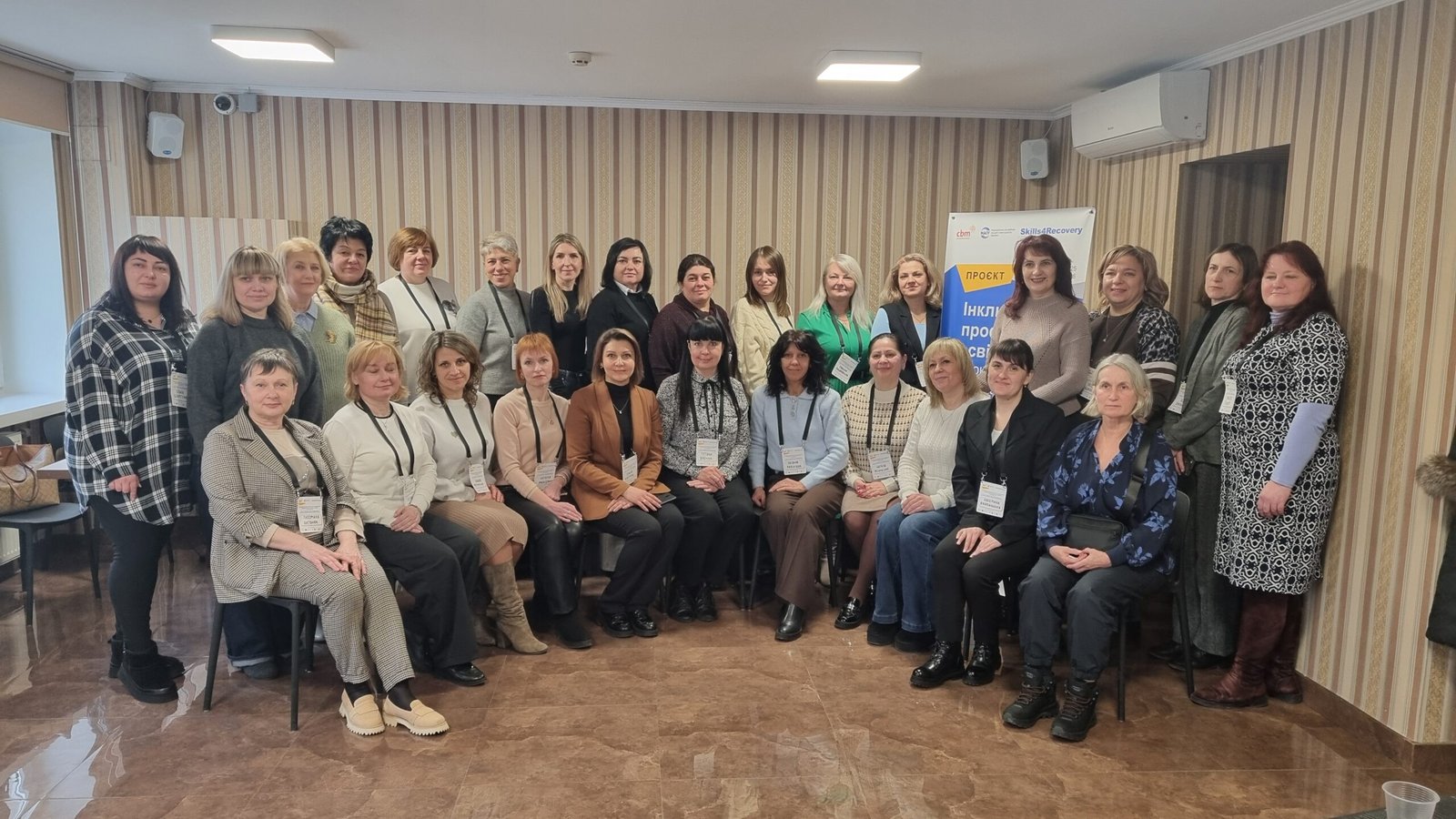
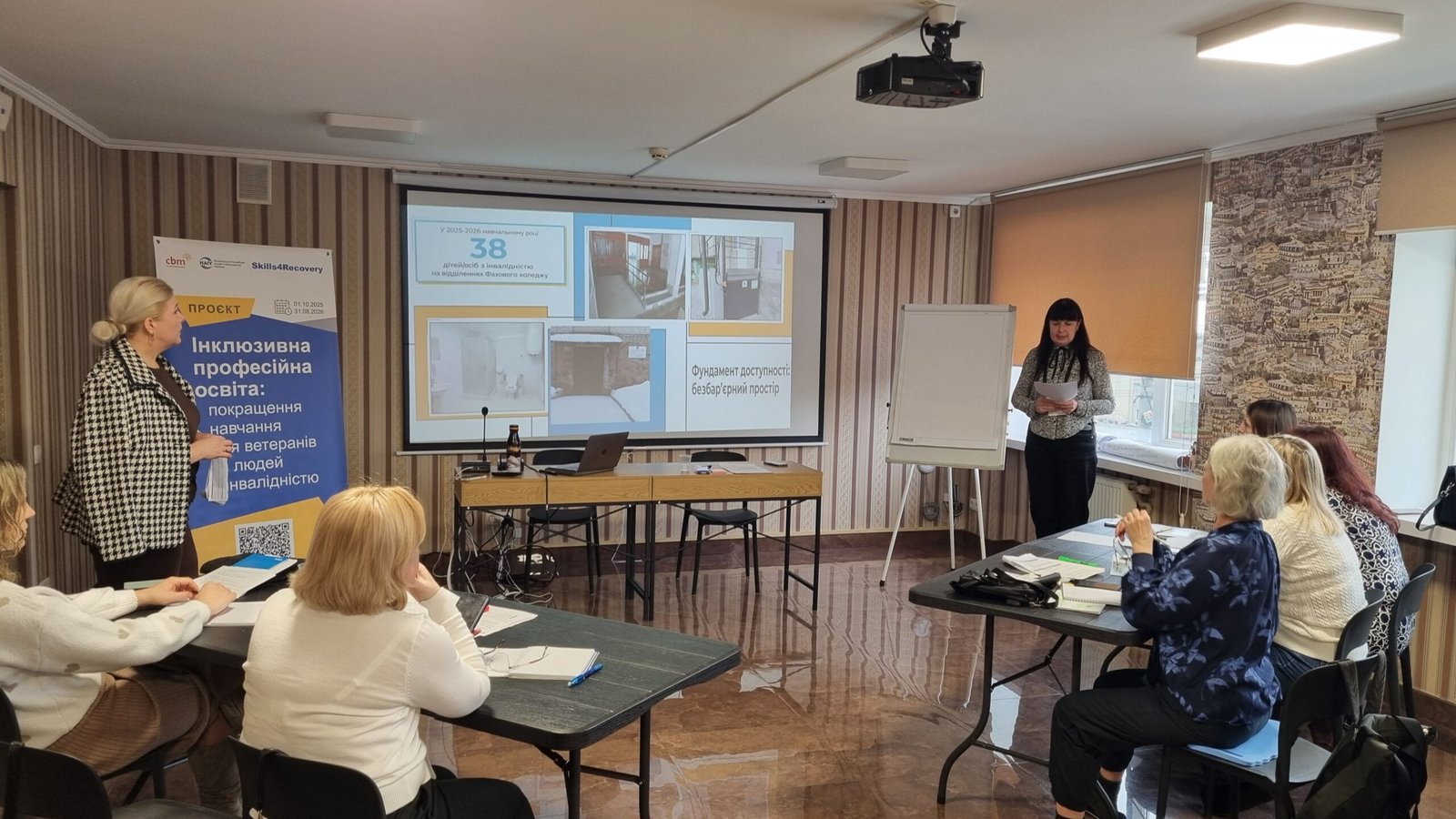
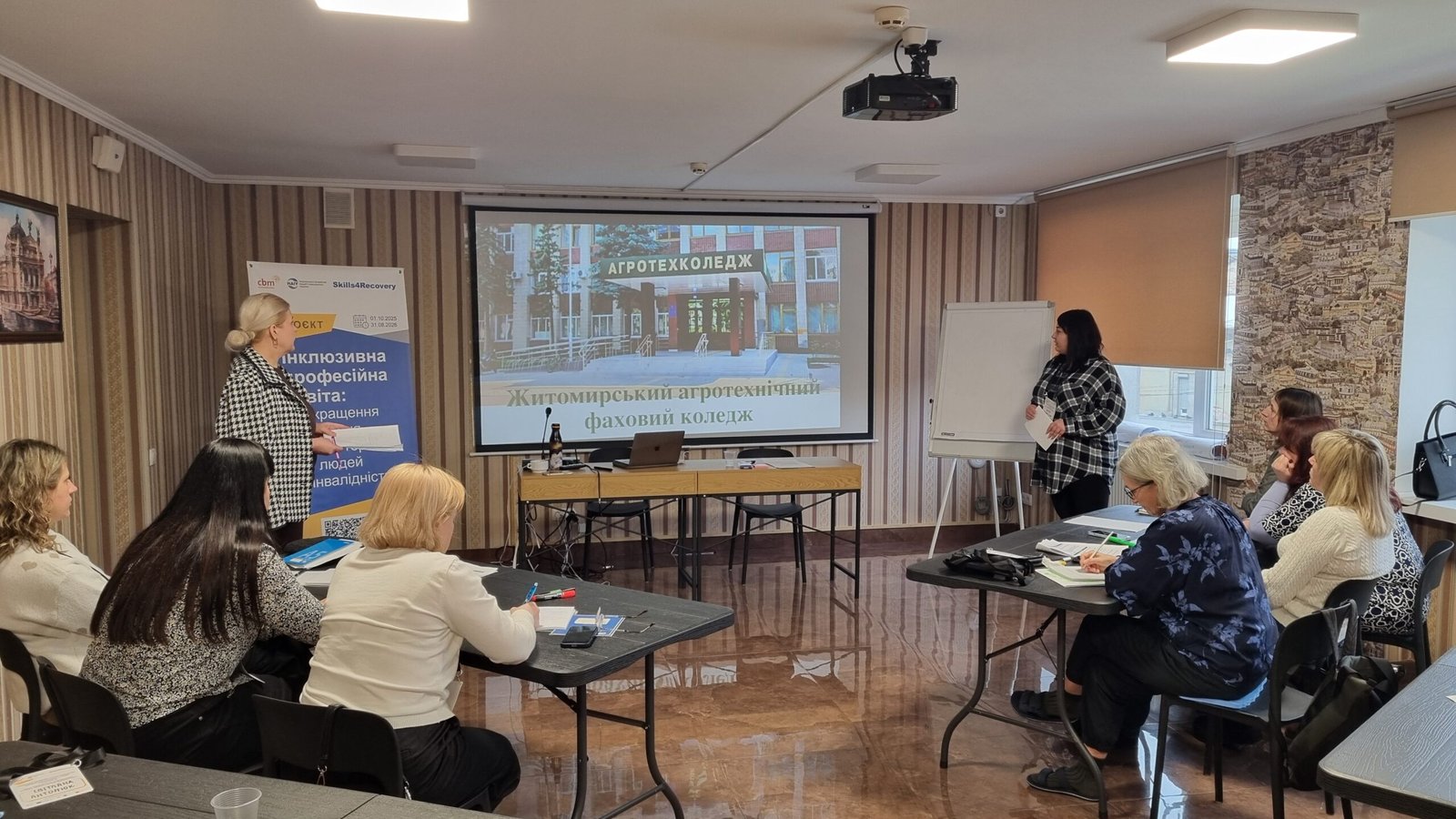
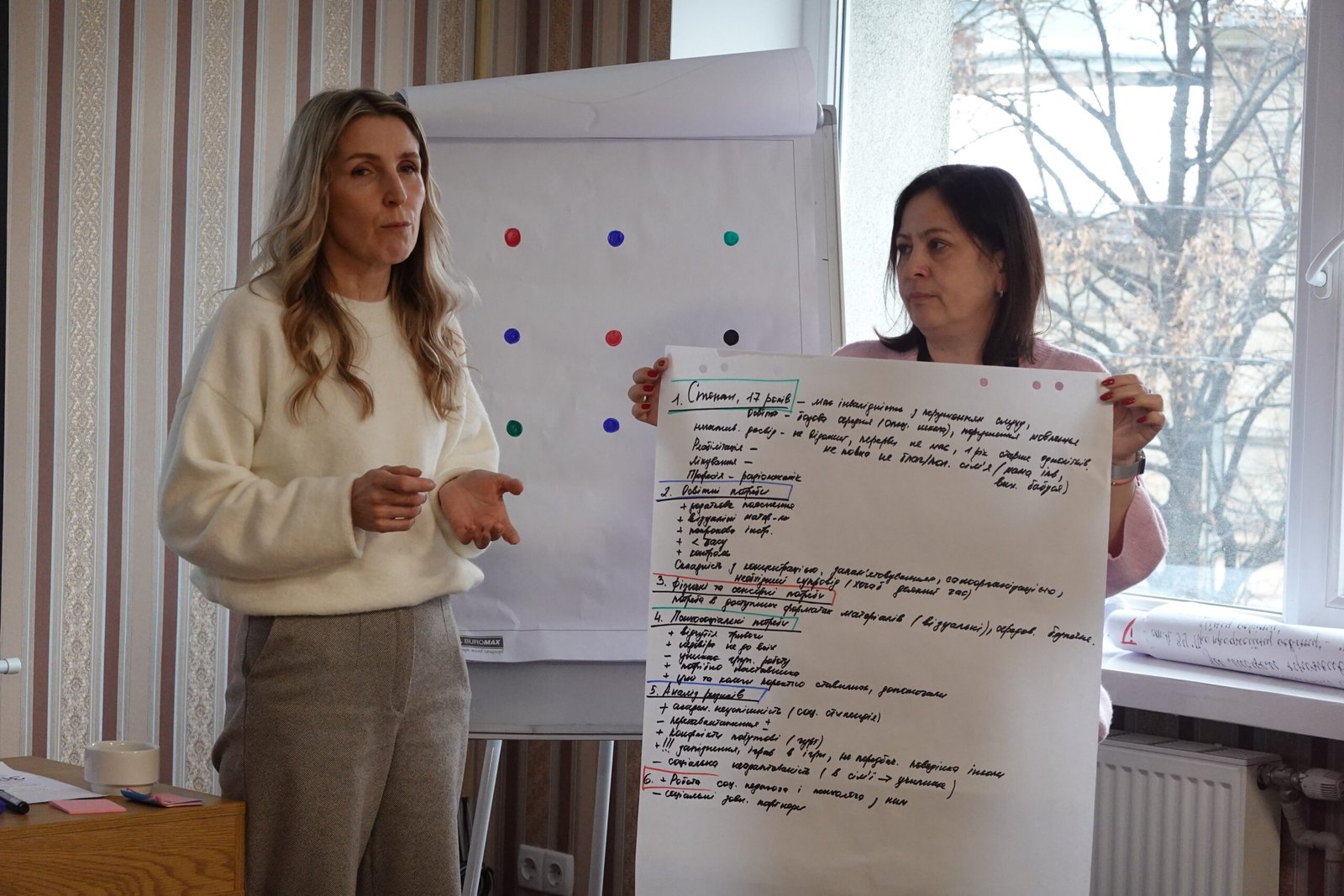
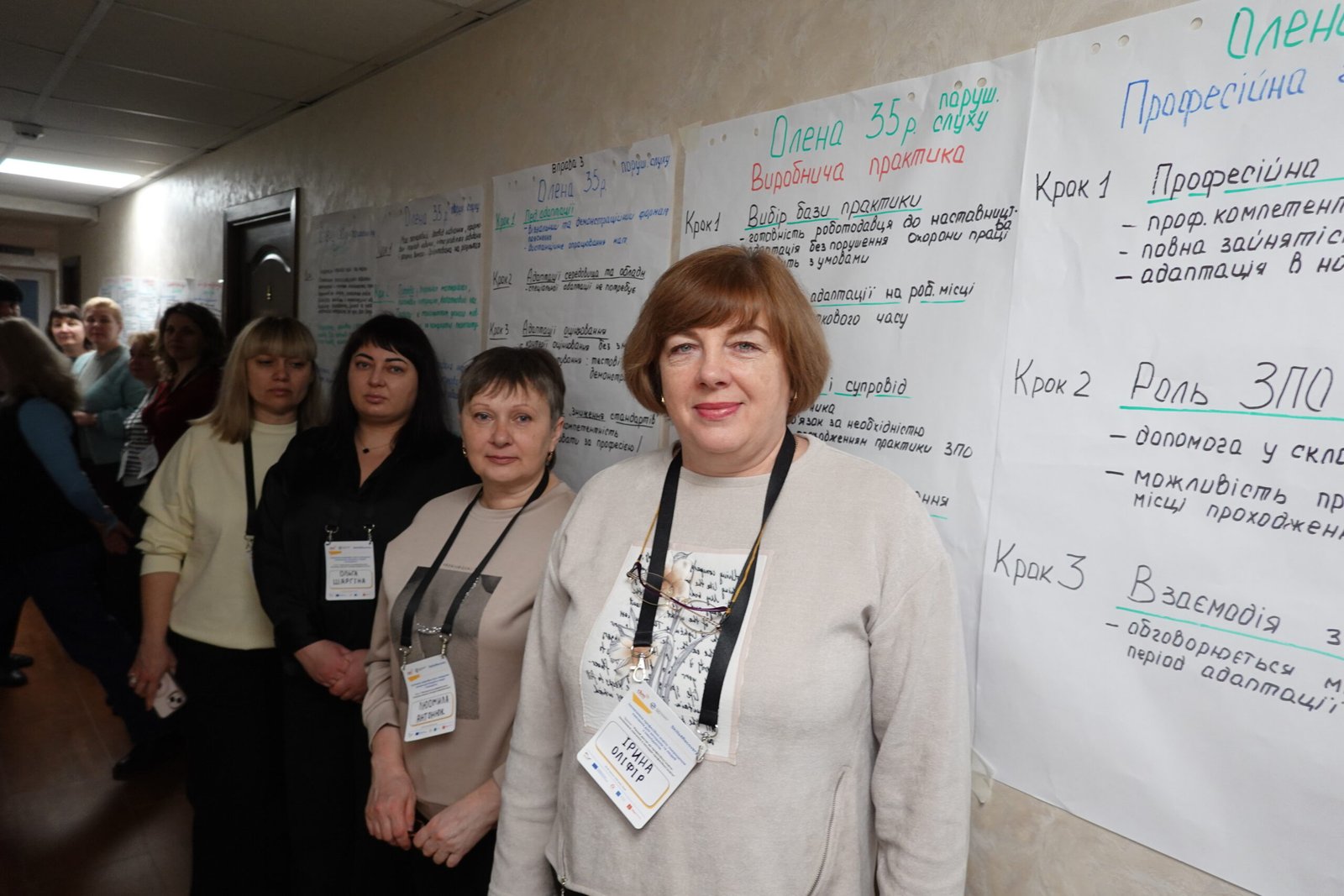
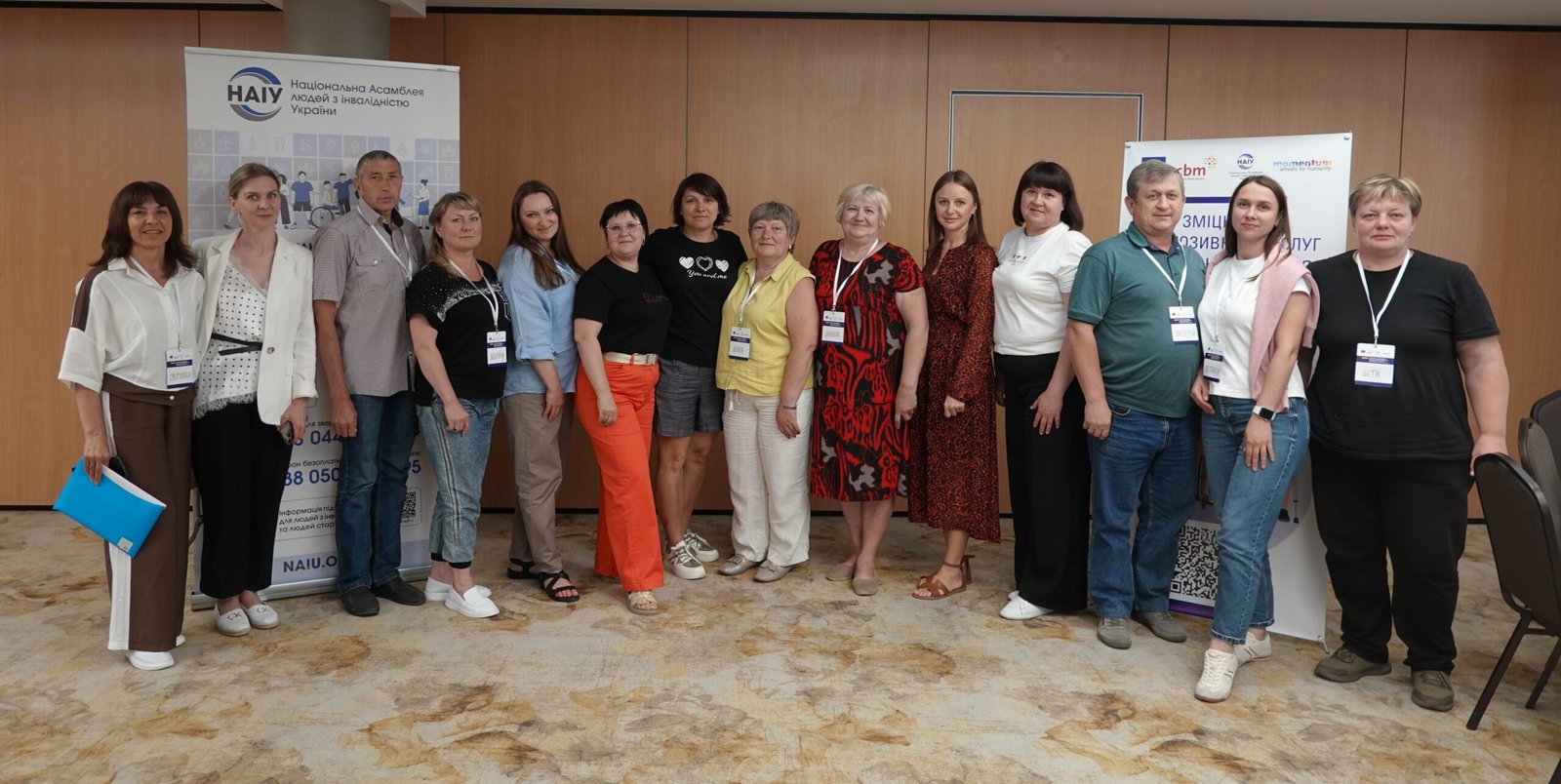
Five pilot vocational education and training (VET) providers arrived in Lviv with different starting conditions — yet with a shared objective: to make inclusion an operational standard of their institutions. In their presentations, the teams focused on specifics: figures, solutions already in place, barriers encountered, and areas requiring reinforcement to ensure that the pathway “from enrolment to employment” becomes a reality for veterans and persons with disabilities.
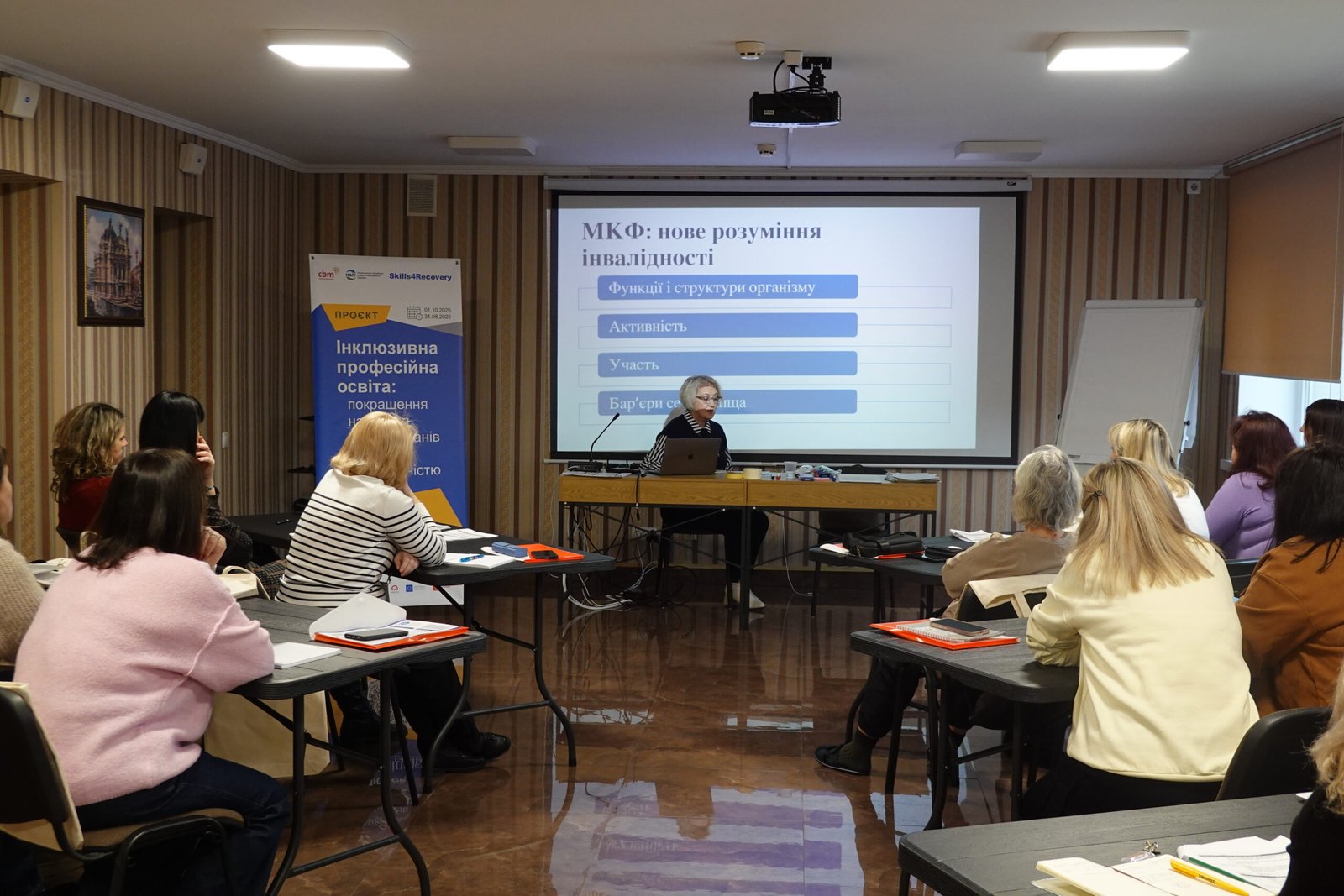
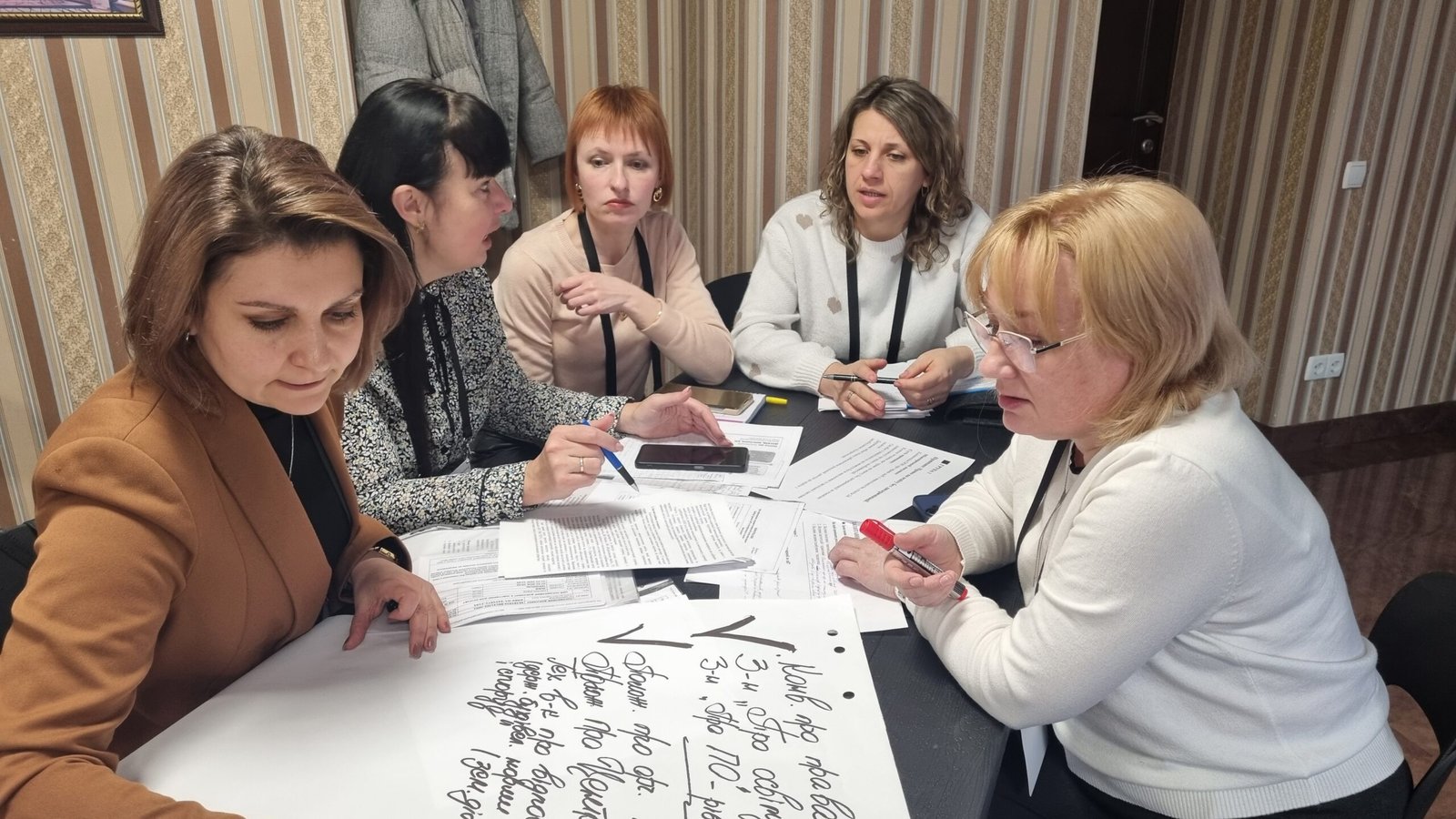
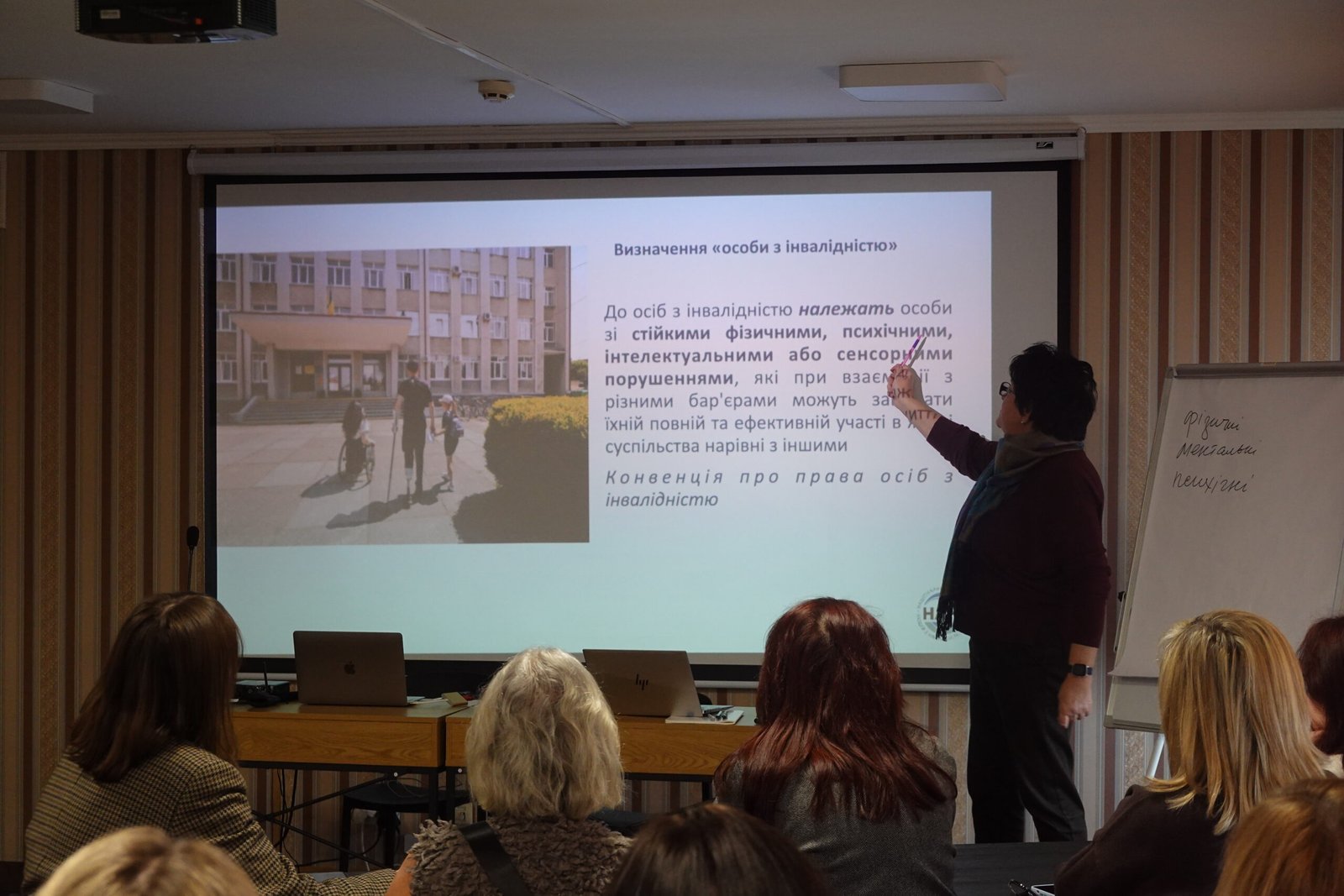
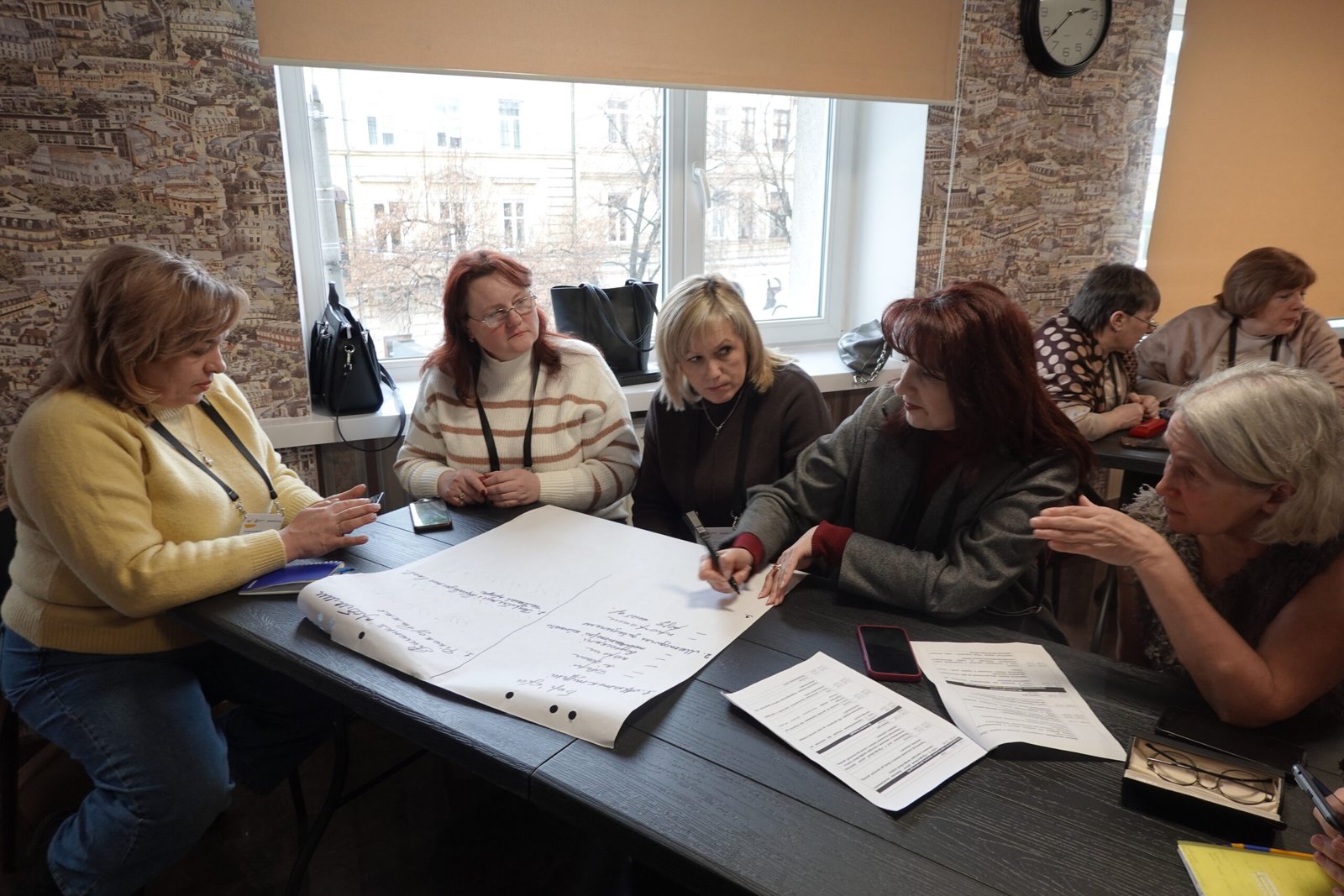
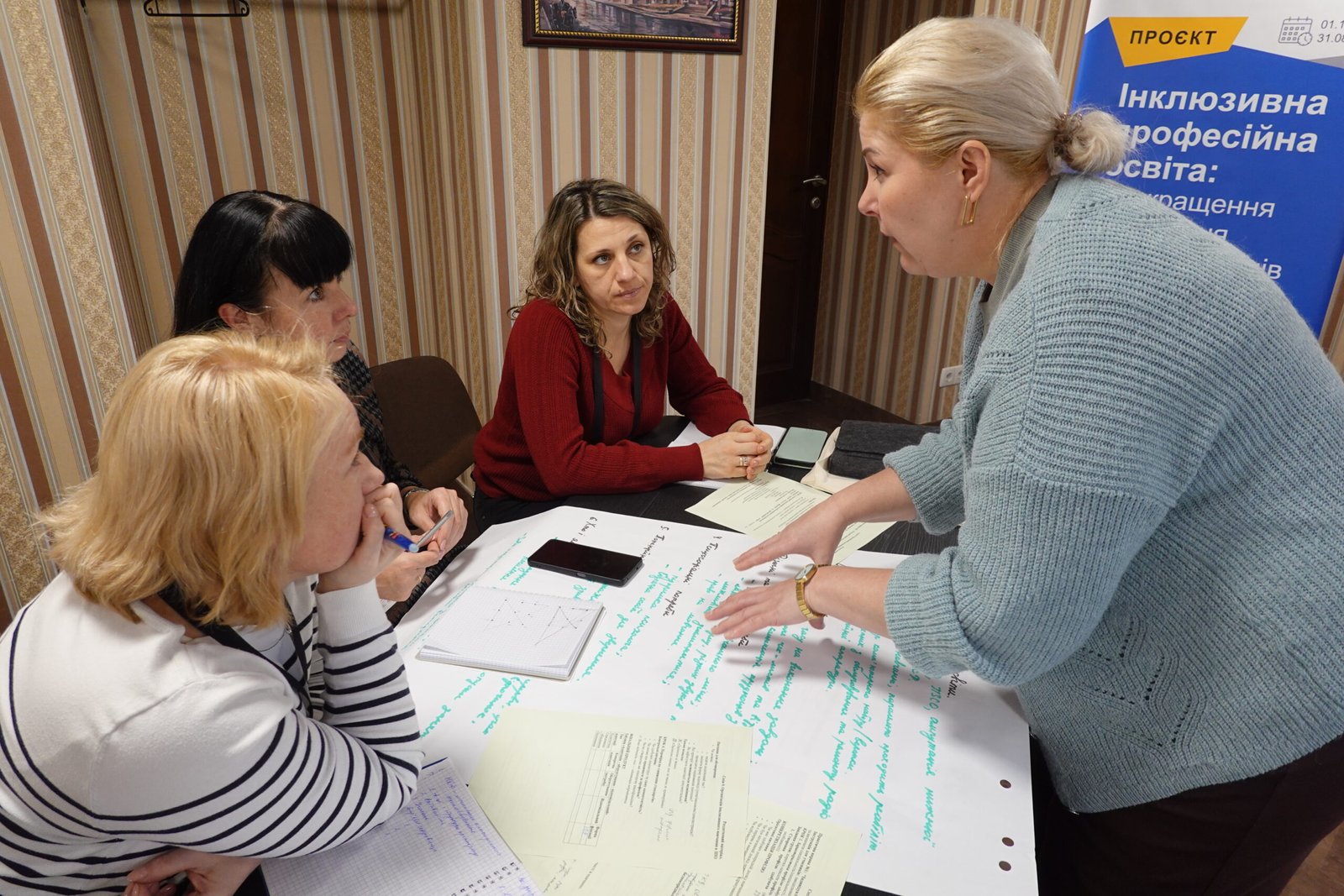
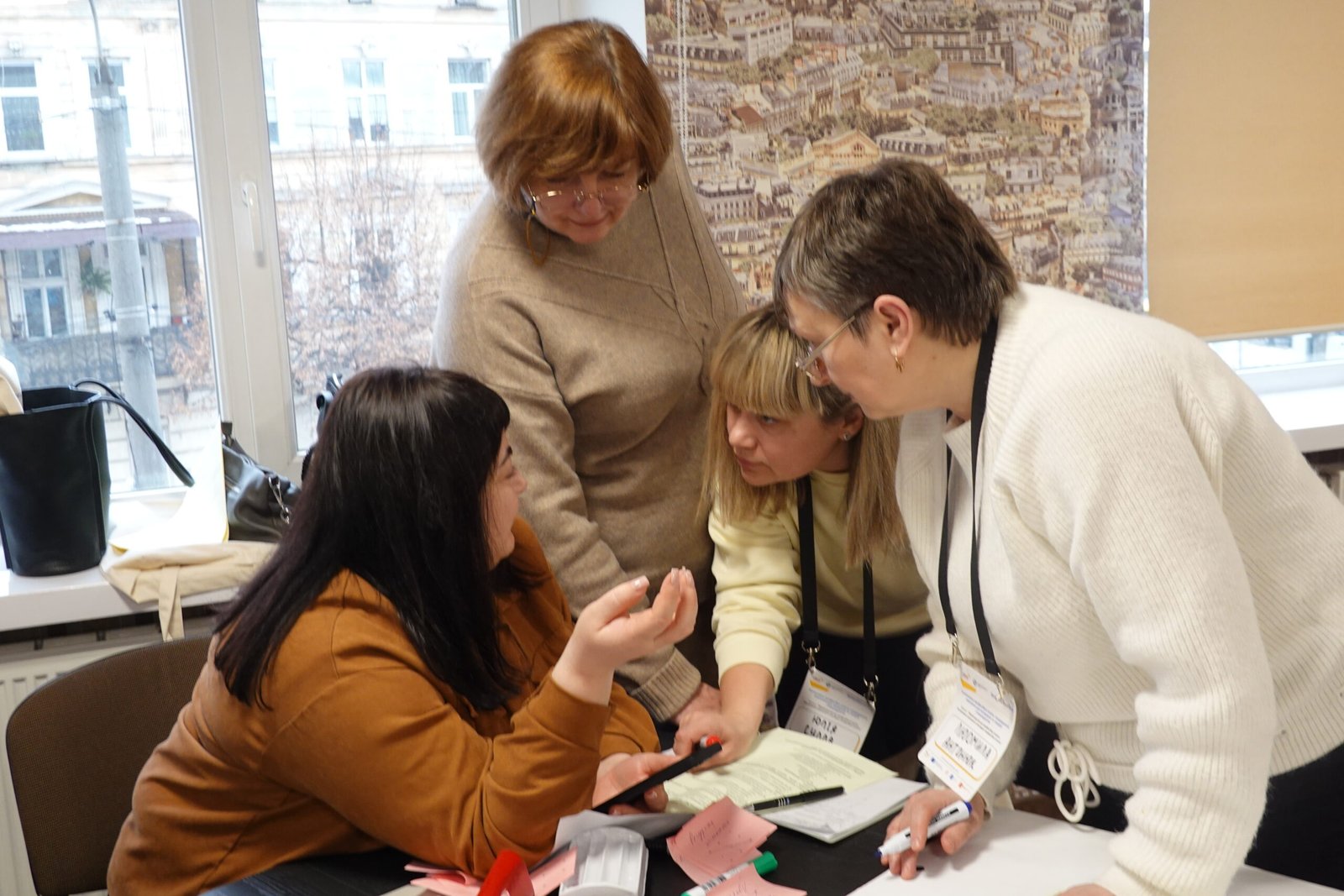
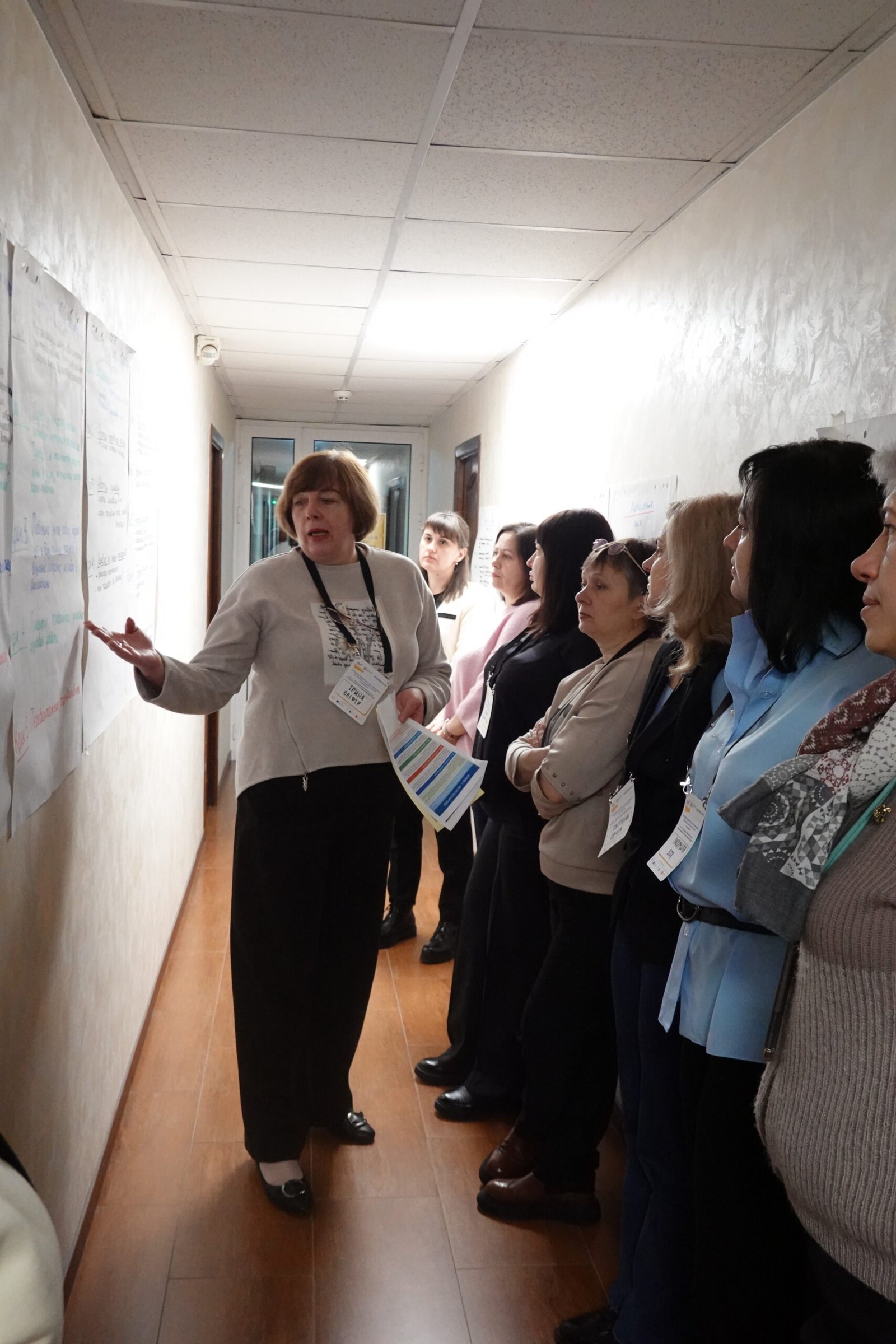
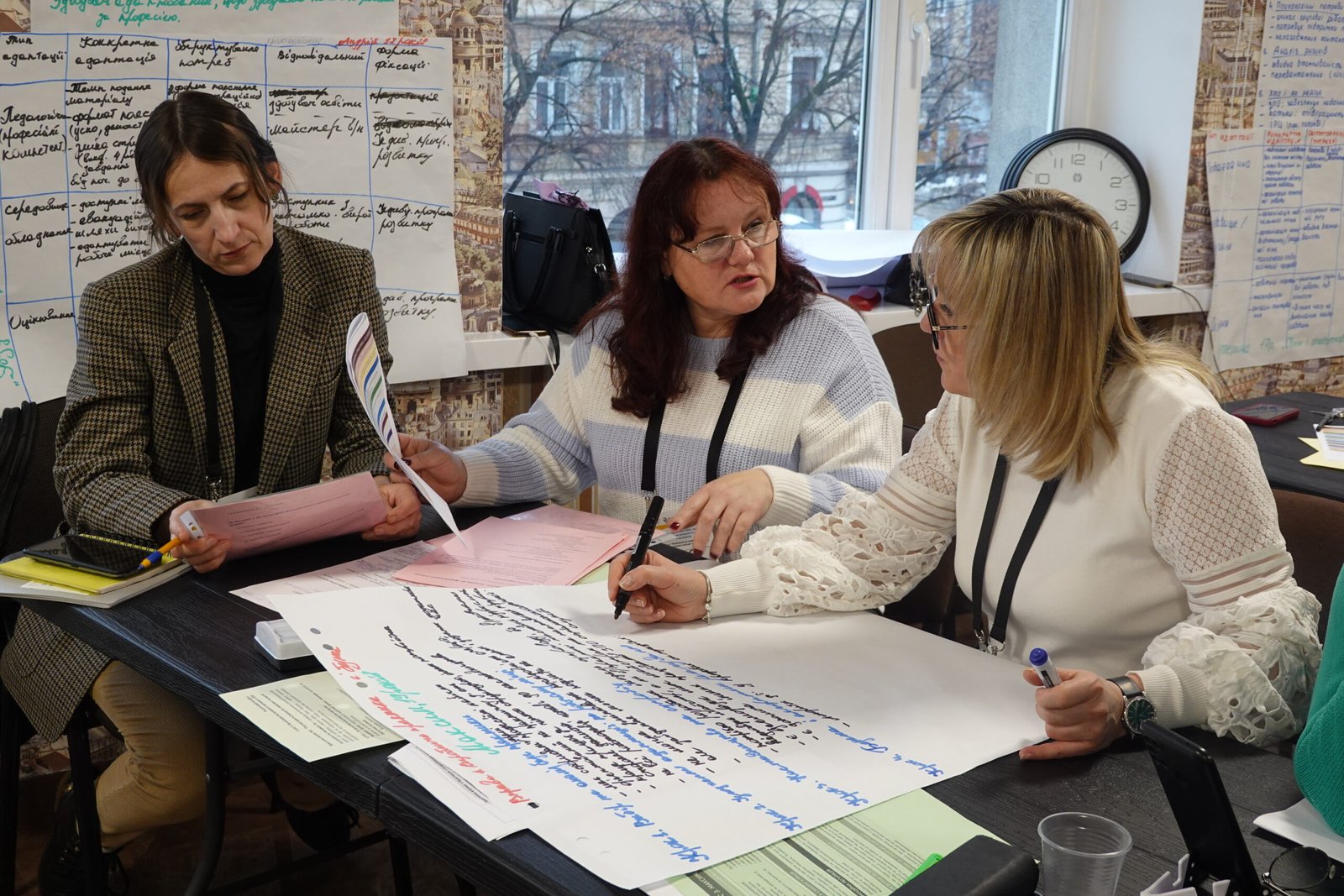
During the training “Equal Access to Vocational Education: Inclusive Learning in VET Institutions,” the institutions presented both their implemented solutions and their requests for further support — ranging from environmental accessibility and communication to learning adaptations and the organisation of practical training. This material offers a concise snapshot of the key messages delivered in their presentations: without excessive theory and with a clear emphasis on administrative and practical steps.
In her welcoming remarks, Sophie Meinke, Component Manager of Skills4Recovery at GIZ, underlined the central focus of the Skills4Recovery initiative: workforce development for the reconstruction of Ukraine, with inclusion embedded at every stage — from accessibility and procedures to training, practical placements, and employment. She also highlighted the partnership between Skills4Recovery, CBM, and NAPD in advancing inclusive solutions within vocational education and training.
The tone of the discussion was further reinforced by Julia Schönborn, CBM’s Project Manager in Ukraine: “Inclusion is a process, with an open dialogue at its core.”
Below are brief institutional “profiles”: key figures, practices that are already working, and principal requests for strengthening capacity.
Zhytomyr Multidisciplinary College: Large Scale and the Need for Systemic Solutions
In figures: 2,315 full-time learners; 16 persons with disabilities; 43 veterans (primarily enrolled in part-time programmes).
The team emphasised that there are no universal solutions — individual learning pathways and trust are essential, as well as the institution’s readiness to operate “by procedure” rather than in a manual or ad hoc mode.
Direct quote: “Even students with the same diagnoses may have different needs; therefore, universal algorithms do not exist. An individual approach and trust are key.”
The main challenges include teacher preparation (including for working with veterans), adaptation of learning materials, and ensuring sufficient resources for barrier-free accessibility. The institution’s main pillar is its psychological service, which serves as the core of the support team.
Higher Vocational School No. 25 of Khmelnytskyi city: From “Intuitive” Practices to Clear Algorithms
The institution has been developing inclusive learning since 2018, at a time when the regulatory framework for vocational education and training was only weakly adapted, and many solutions had to be found in the process. A strong component of its approach is the work of the practical psychologist and the social pedagogue, the cultivation of a tolerant educational environment, and the establishment of an inclusive resource room.
The key needs include high-quality methodological guidance, resources for adapting the equipment, and strengthening the teachers’ readiness to work in line with the social model of disability. The team also specifically highlighted the importance of taking into consideration the specifics of adult learning and the impact of traumatic experiences, which have intensified as a result of the war.
Chernivtsi Higher Vocational School of Radio Electronics: Experience Is in Place, but Employment Remains the Most Vulnerable Link
The institution has been developing inclusive practices since 2007 (when it organised training for a group of learners with hearing impairments supported by assistants). Today, it continues to develop its technical programmes and offers dedicated groups for veterans and persons with disabilities.
The most significant barrier arises at the stages of on-the-job training and subsequent employment, where challenges often emerge beyond the boundaries of the VET institution itself.
Direct quote: “There needs to be greater attention to inclusive education at the systemic level, rather than relying solely on the intuitive efforts of individual teachers.”
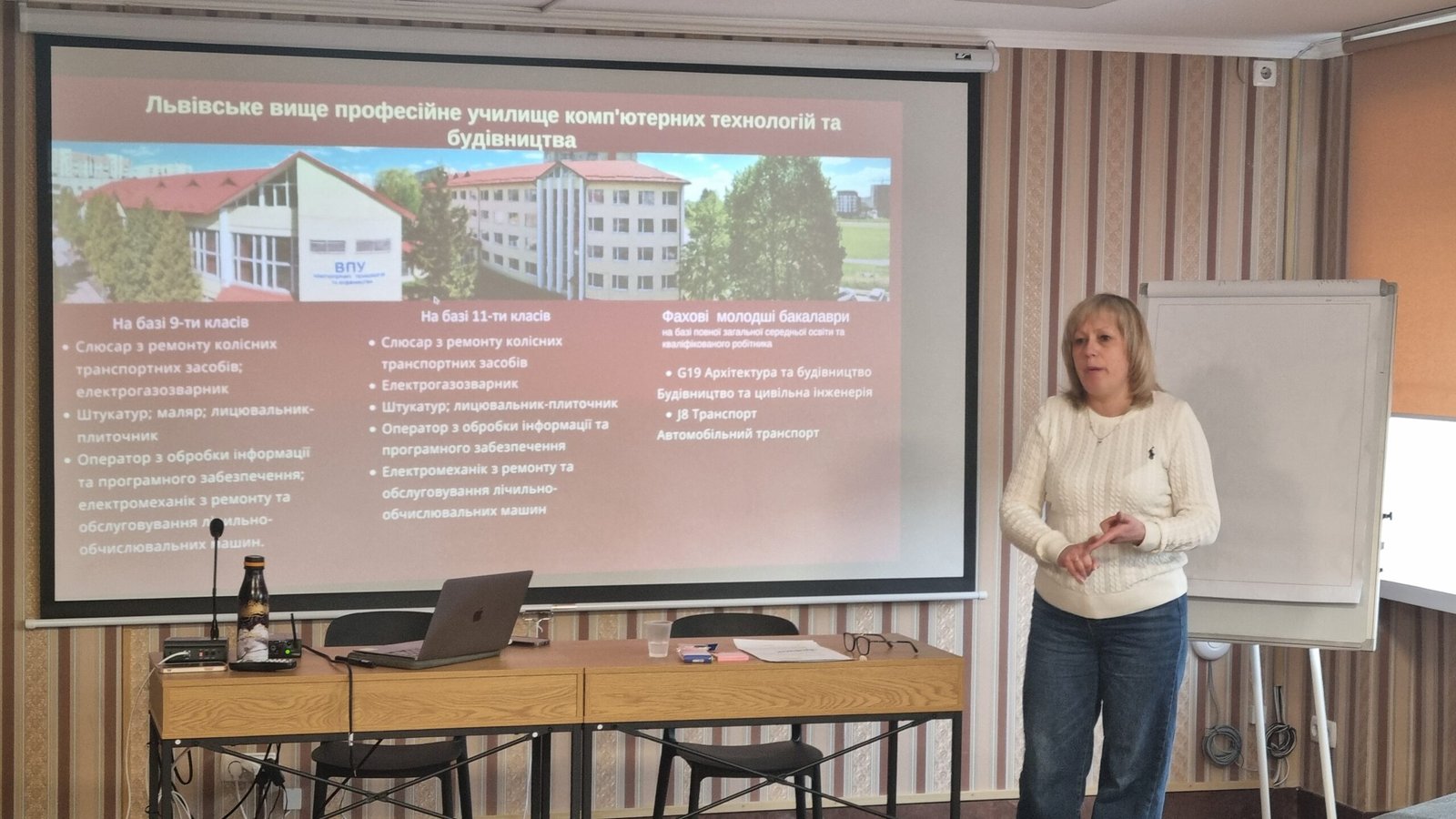
Lviv Higher Vocational School of Computer Technologies and Construction: Readiness Is in Place — Even When There Is No Immediate Demand
The team emphasised that the institution is both willing and capable of developing inclusive learning; however, at present there are no students with disabilities enrolled. At the same time, the school regards advance preparation as a proper investment: when a prospective learner applies, admission and training must be organised without barriers and without relying on improvised, “manual” solutions.
Among the practical approaches discussed were infrastructure improvements and simple communication techniques for interaction with learners who have with hearing impairments: increased use of visual materials, clear articulation, written messaging, and ensuring accessible communication, including the use of sign language.
Ternopil Professional College of Ternopil Ivan Puluj National Technical University
In figures: more than 2,000 learners, including 458 enrolled in the vocational training department.
The team demonstrated a strong and consistent line of work with veterans: 20 veterans completed training for the occupation of turner (a six-month programme combined with socio-psychological support). Short-term retraining programmes were also delivered, including electric welding (22 participants) and practical automotive diagnostics (around 20 participants).
The key demand for further strengthening includes the development of barrier-free accessibility, assistive technologies, advanced training for teaching staff, and psychosocial support. During the discussion, a simple yet fundamental principle was voiced: it is crucial “not to miss and pass by a student” — but instead to provide him or her with a real pathway to a profession and to independent adult life.
What United All Presentations
The institutions differ in terms of experience and resources; however, the logic of change is the same: inclusion works when it is embedded in governance — in rules, roles, support pathways, and partnerships. The transition from “one-time solutions” to an institutional standard was identified by the teams as the key precondition for sustainable results.
Direct quotes: “Inclusive values must become an integral part of the culture of every educational institution… There is no turning back for us.”
The project “Inclusive Vocational Education and Training (VET): Improving Training for Veterans and People with Disabilities” is being implemented by the National Assembly of People with Disabilities of Ukraine (NAPD), jointly with Christoffel-Blindenmission Christian Blind Mission e.V. (CBM), with financial support from the European Union, Germany, Poland, Estonia, and Denmark as part of the Skills4Recovery Multi-Donor Initiative, which is implemented by Deutsche Gesellschaft für Internationale Zusammenarbeit (GIZ) GmbH and Solidarity Fund PL (SFPL).
З 21 до 23 липня у Києві проходив тренінг «Інклюзивне гуманітарне реагування та міжсекторальна координація», організований у межах проєкту, що реалізується за фінансової підтримки Європейського Союзу та співфінансується Christian Blind Mission e.V. / CBM. Тренінг об’єднав представників восьми громад Сумської, Чернігівської, Харківської та Полтавської областей. До навчання долучилися представники органів місцевого самоврядування, закладів охорони здоров’я, […]
30 липня НАІУ провела вебінар «Соціальне підприємництво для громадських організацій: з чого почати?». До навчання долучилися представники організацій — членів НАІУ, які прагнуть розвивати власні послуги, шукати додаткові джерела фінансування та посилювати суспільний вплив. Тренеркою вебінару стала Ксенія Печерська — юристка, тренерка та менторка з розвитку спроможності організацій громадянського суспільства, консультантка національного проєкту «Дія.Бізнес» із […]
У Судововишнянській громаді Львівської області триває адвокаційна робота на підтримку людей з інвалідністю та інших маломобільних груп населення, яку Національна Асамблея людей з інвалідністю України (НАІУ) реалізує в межах проєкту «Реабілітація в Україні» (Rehab4U). Зусилля вже дає відчутні результати: від внесення змін до проєкту капітального ремонту дороги до залучення представника громадської організації до складу конкурсної […]
Пропонуємо переглянути відеозапис вебінару «Індивідуальна програма реабілітації: можливості та виклики». Захід організував Ресурсний центр Національної Асамблеї людей з інвалідністю України в межах проєкту «Реабілітація в Україні» (Rehab4U). До вашої уваги — роз’яснення щодо роботи оновленої системи оцінювання повсякденного функціонування людини і формування індивідуальної програми реабілітації (ІПР): від алгоритму проходження оцінювання до роз’яснення прав людини та […]
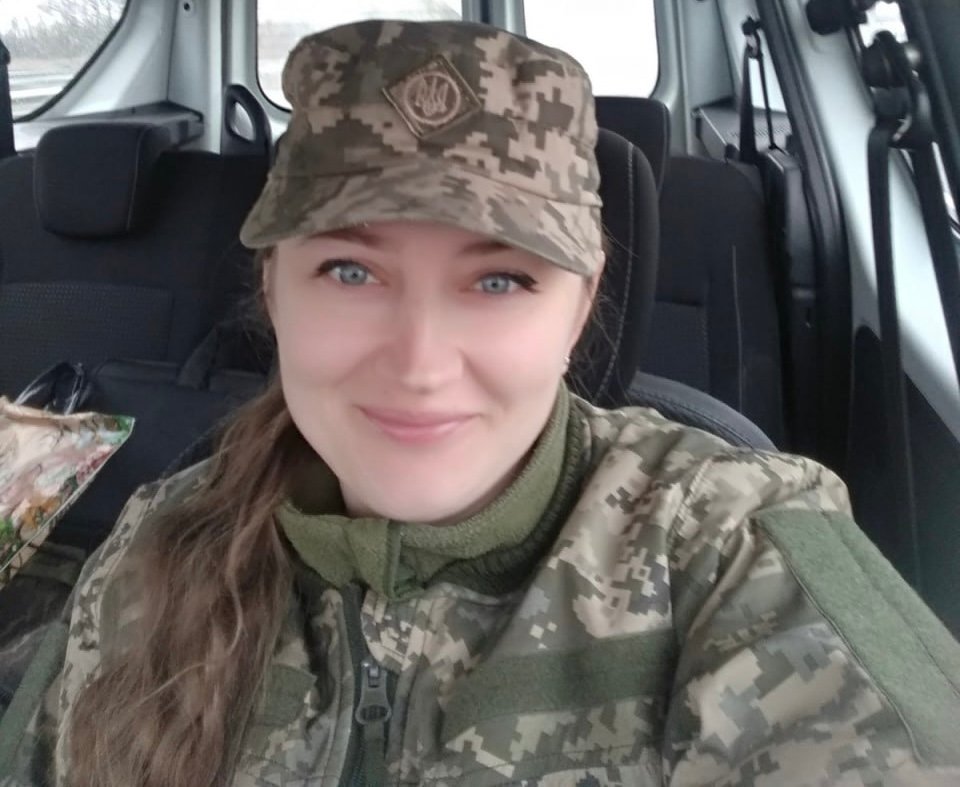
Ірина – молода мама з Полтавщини, яка виховує двох дітей: старшій дитині два з половиною роки, молодшій нещодавно виповнилося три місяці. Зараз жінка перебуває у відпустці по догляду за дитиною, відновлюється після пологів і водночас відвідує реабілітаційний центр. Ірина та її чоловік – військові. Обоє розпочали службу у 2017 році, а після початку повномасштабного вторгнення […]
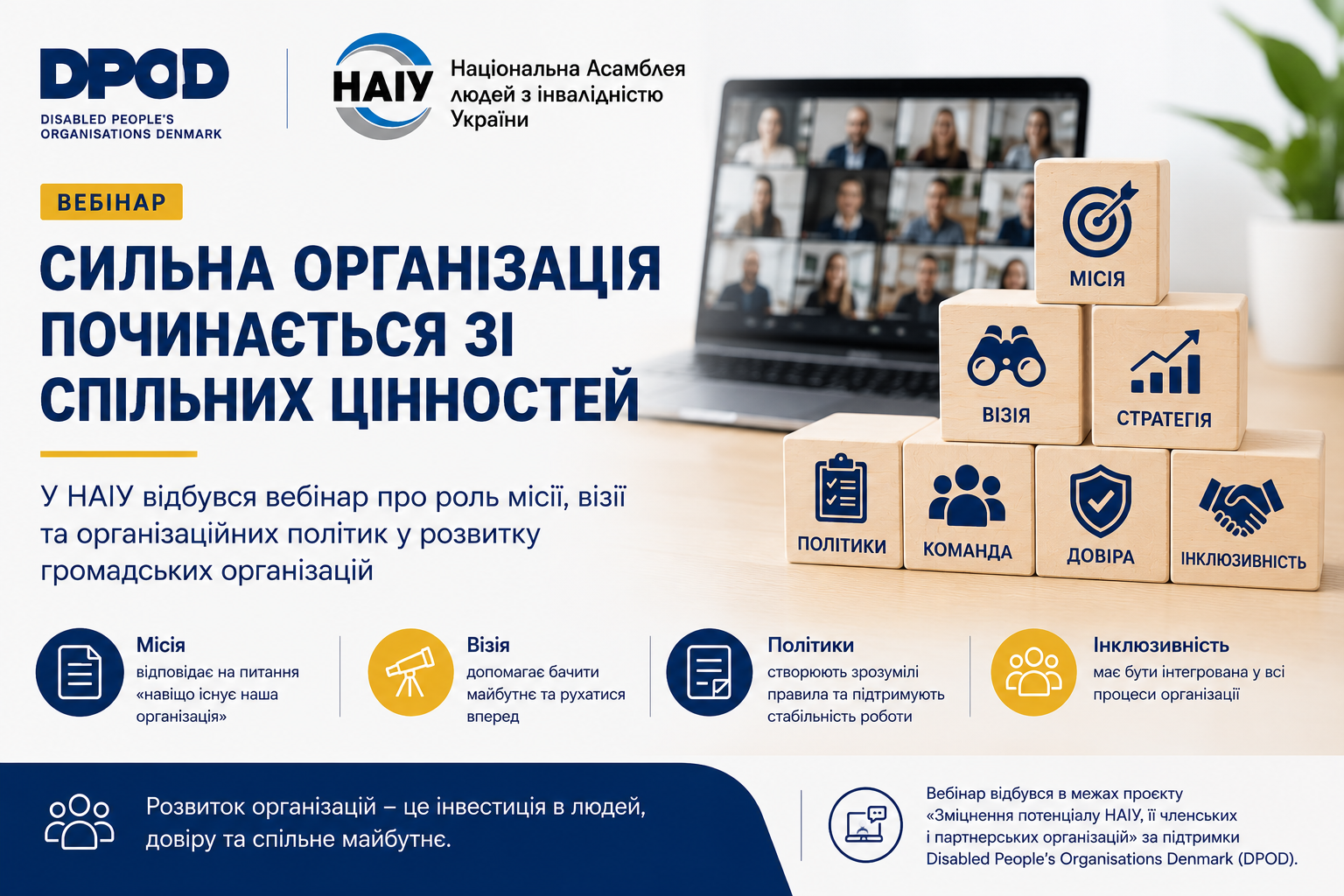
Що робить громадську організацію стійкою? Нові проєкти, сильна команда чи достатнє фінансування? Насправді все починається значно раніше — з розуміння власної місії, спільних цінностей і правил, за якими працює організація. Саме про це йшлося під час вебінару «Розбудова ефективної організації: роль місії, візії та організаційних політик», який Національна Асамблея людей з інвалідністю України провела для […]