Acting together – growing together: results of the NAPD training camp
11 December 2025
Share:
In the Carpathians, at the Western Rehabilitation and Sports Centre of the National Council of People with Disabilities of Ukraine, a five-day training and rehabilitation camp for people with disabilities, entitled "Psychosocial Rehabilitation and Training," has come to an end. The event was organised by the National Assembly of People with Disabilities of Ukraine as part of the project "Together in Action: Enhancing the Capacity of Civil Society in Advocating for the Rights of Persons with Disabilities" in cooperation with the Resource Centre for Non-Governmental Organisations and funded by the Humanitarian Fund for Ukraine (HFU/UHF).
The December meeting was a logical continuation of previous training modules, in particular the camp held in October this year. Together with trainers Mariana Kozlova and Natalia Dolgikh, participants summed up the results of 2025, focusing on achievements and plans to strengthen the capacity of their organisations for the next period.
As in October, leaders and activists of public associations of people with disabilities, representatives of partner structures from the central, eastern and southern regions of Ukraine: Zaporizhzhia, Mykolaiv, Sumy, Kharkiv and Kherson regions joined the camp. Participants of different ages and with different experiences came to deepen their knowledge of advocacy, fundraising and organisational development, as well as to receive psychosocial support before the end of the calendar year.
One of the key components of the programme was working on advocacy skills. The trainers explained why advocacy is important for organisations working with people with disabilities and what the differences are between advocacy, information campaigns and lobbying.
The speakers also provided examples of successful advocacy campaigns in Ukraine and abroad, teaching camp participants how to correctly identify problems and formulate advocacy goals. Special attention was paid to planning advocacy campaigns in communities, interacting with local authorities and the media, and forming coalitions between civil society organisations. Participants discussed ways to improve accessibility in their regions and shared examples of successful initiatives.
Another important part of the training was a module dedicated to finding resources and interacting with donors. Fundraising experts talked about grant opportunities for the coming year, explained how to properly form a budget, present an idea, and establish long-term partnerships. Participants practised their project presentation skills, worked in small groups and honed their short, persuasive pitching techniques.
Psychosocial support traditionally occupied an important place in the programme. Psychologists shared basic knowledge and skills for providing first psychological aid, familiarised participants with self-help methods for dealing with fatigue, and taught techniques for stabilising and overcoming anxiety. Art therapy, meditation exercises, and group sessions contributed to emotional release and recovery.
The camp programme combined intellectual tasks and wellness activities. Participants took part in adaptive physical exercises, themed master classes and group activities, which helped to maintain their physical and mental health during the winter period.
According to participants, the December camp was not only a source of new knowledge, but also a space for mutual support, relaxation and renewal. It brought together people from different regions, provided an opportunity to exchange experiences and jointly plan further steps to strengthen civil society and protect the rights of people with disabilities.
"Once again, we saw a very high level of interest in our event — just like in the autumn, the number of people willing to participate was very high. This shows that people really need such programmes, communication among themselves and discussion of common problems. Civil society organisations strive to develop, expand their activities, attract new partners and plan new initiatives. The training modules we conduct give them the tools for growth, and we are delighted to be able to contribute to this process," said camp leader Yurii Vasylchenko.
The camp participants highly appreciated the format of the event, the selection of information and the systematic approach to its presentation. "Being here is like taking a break from reality: to recover, rethink and recharge your batteries. Such care and such an atmosphere are very valuable in our time," shared Yulia, a representative of the Kharkiv regional branch of the Union of Persons with Disabilities of Ukraine. "I am impressed by the organisation, the presentation of information and the team of participants. It's incredible networking — so many new acquaintances, like-minded people and inspiration to keep going!" added Oksana, a member of the NGO "Healthy Lifestyle in Kharkiv".
"For the first time in my life, I realised that accessibility is a system, not just a bunch of unrelated requirements. This info is a real eye-opener! I'm definitely going to make some small changes in my community right now," said Oleksandr, an activist with the Slobozhanshchyna Initiatives NGO. "What an intense few days! So much new and useful information, but at the same time presented in an easy and understandable way. And then there's the activity, the fresh air, the nature around us... It recharges you and motivates you to work," said Anastasia from the Mykolaiv public organisation "Clean Hearts Movement".
According to most participants, the camp demonstrates the growth of civic activism in Ukraine, effective cooperation between civil society organisations, and the need for them to unite for a common cause.
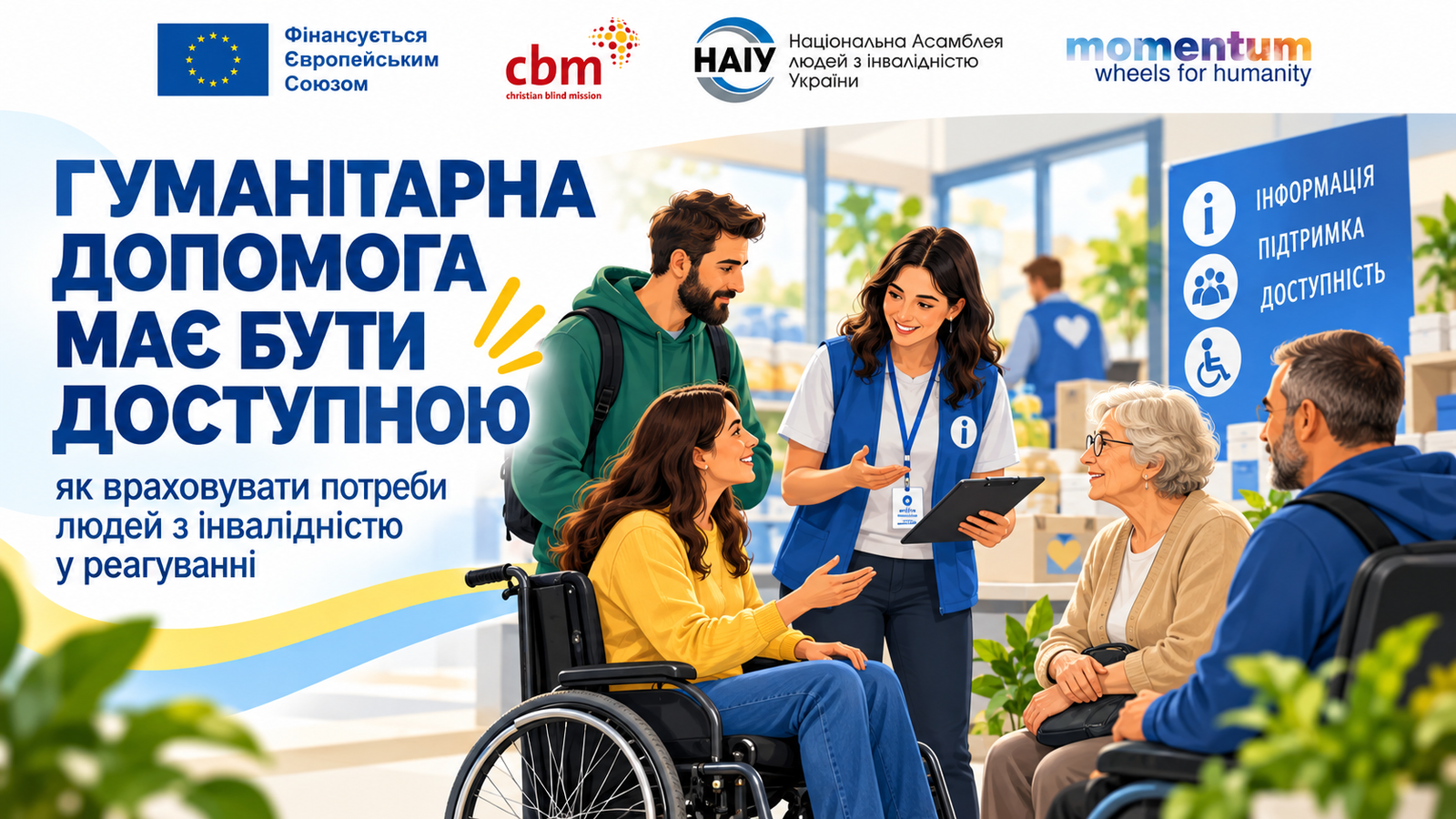
Гуманітарна допомога може бути передбачена програмою, профінансована і навіть доступна у громаді. Але головне питання інше: чи може людина, яка її потребує, реально нею скористатися? Саме про це говорили учасники дворівневого навчання «Гуманітарна діяльність: врахування потреб осіб з інвалідністю», яке у жовтні провела Національна Асамблея людей з інвалідністю України. До навчання долучилися представники гуманітарних і […]
Шукаємо координатора(-ку) з комунікацій у команду НАІУ (на проєкт) Національна Асамблея людей з інвалідністю України (НАІУ) реалізує проєкт «Інклюзія передусім — захист і підтримка дітей з аутизмом та іншими видами інвалідності, ветеранів і ветеранок в Україні», спільно з СВМ та СВМ Італія, спрямований на підтримку ветеранів та ветеранок, розвиток доступних можливостей для їхньої реабілітації, протезування, […]
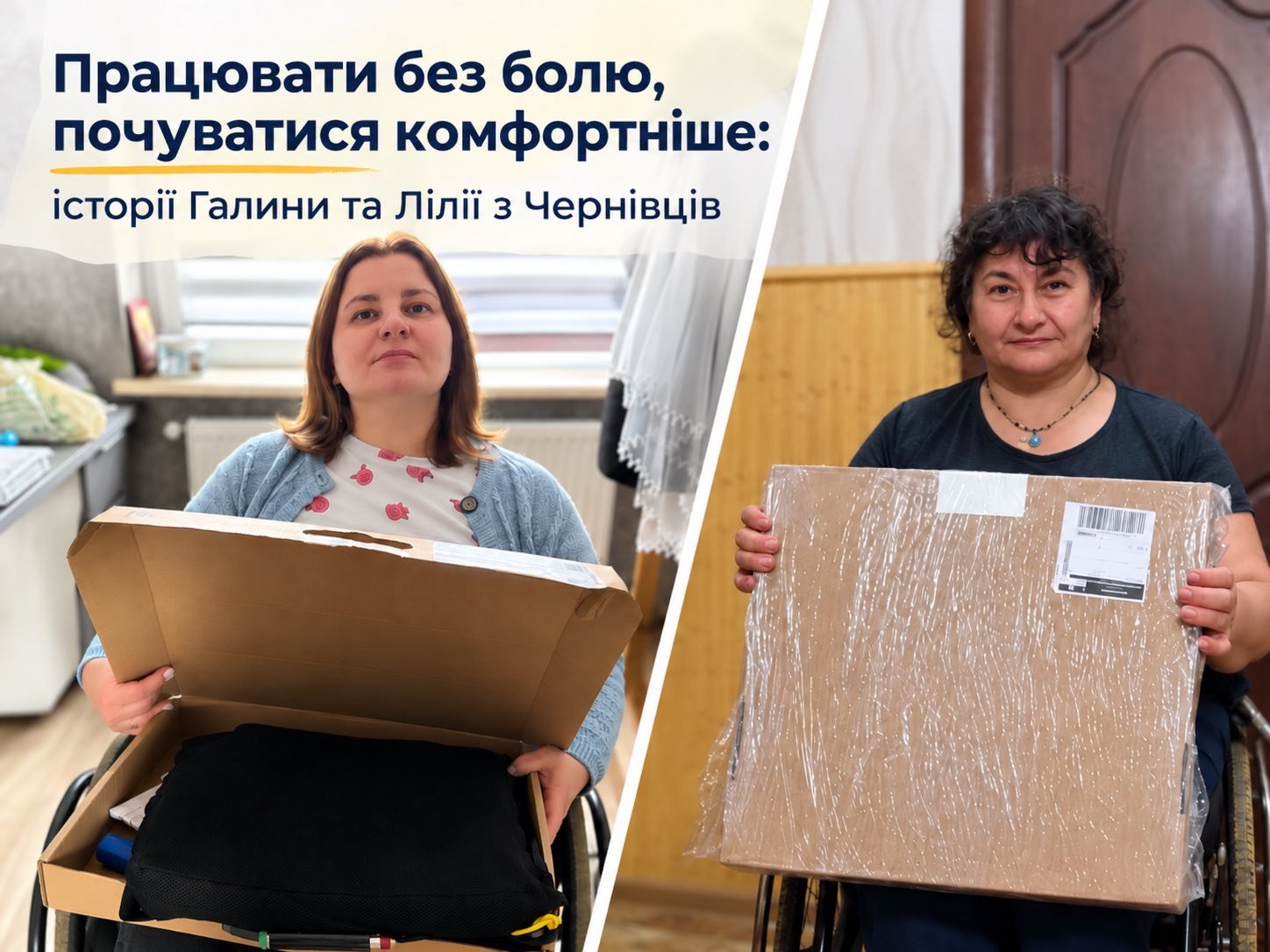
Галина з Чернівців створює весільні аксесуари для наречених. Її робота потребує творчості, терпіння та уваги до найменших деталей. За виготовленням прикрас жінка проводить багато годин, адже кожен виріб вимагає кропіткої ручної праці. Для Галини важливо мати можливість займатися улюбленою справою, однак тривала робота нерідко супроводжується фізичним дискомфортом. Жінка користується кріслом колісним, і через велике навантаження […]
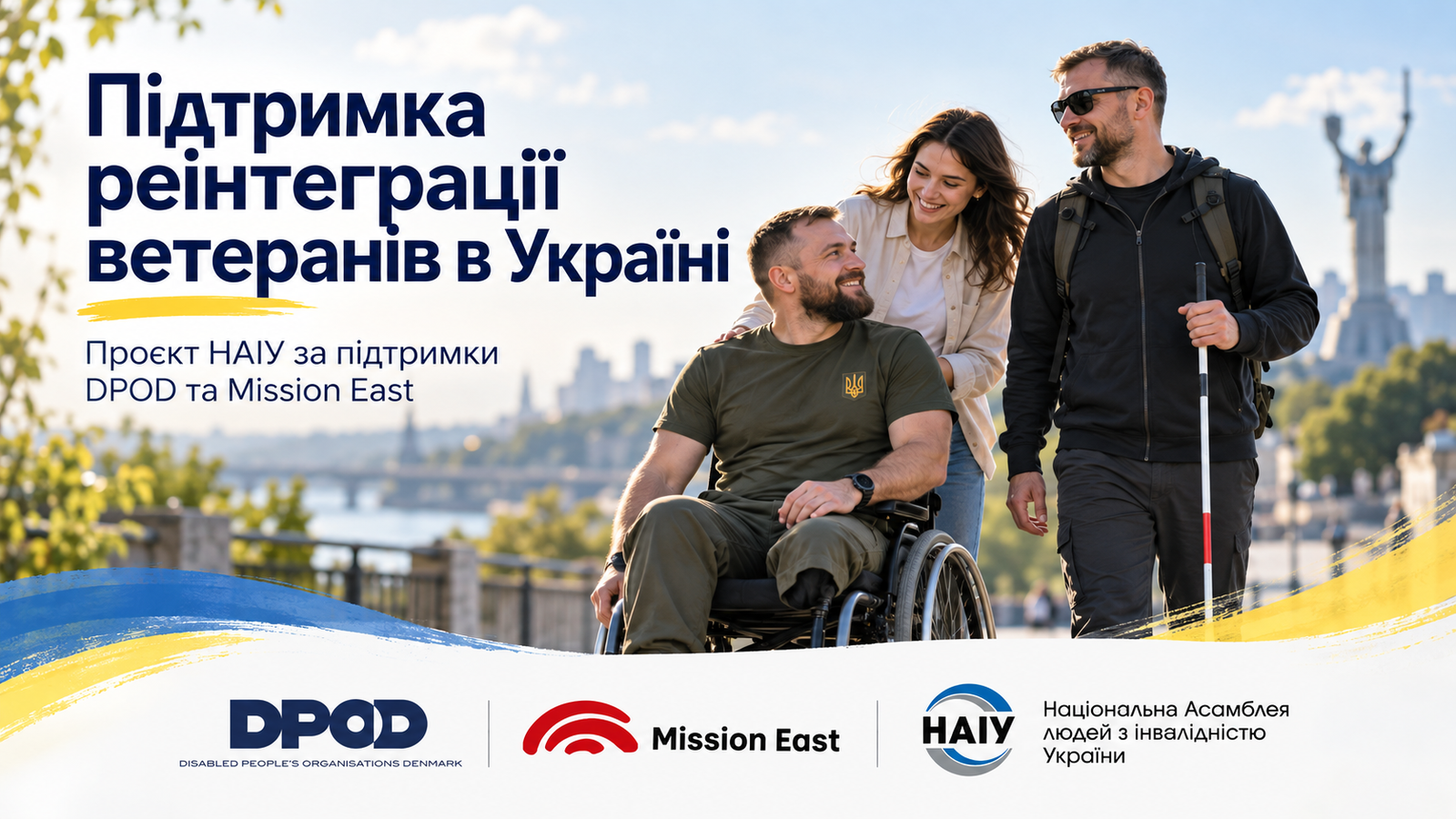
Повернення з військової служби до цивільного життя — це новий етап, який нерідко супроводжується непростими викликами. Особливо для ветеранів і ветеранок, які зазнали поранень або набули інвалідності. Реабілітація, пошук роботи, доступ до послуг, відновлення соціальних зв’язків — усе це потребує не лише особистих зусиль, а й підтримки суспільства. Національна Асамблея людей з інвалідністю України (НАІУ) […]
Упродовж програмного року — з 1 жовтня 2025-го до 30 вересня 2026-го — на гарячій лінії Національної Асамблеї людей з інвалідністю України (НАІУ) було надано 821 консультацію для 680 осіб. Найчастіше люди зверталися за роз’ясненням щодо своїх прав і пільг, зокрема отримання та поновлення виплат, оформлення догляду, встановлення й переоформлення інвалідності. Близько 70% звернень стосувалися […]
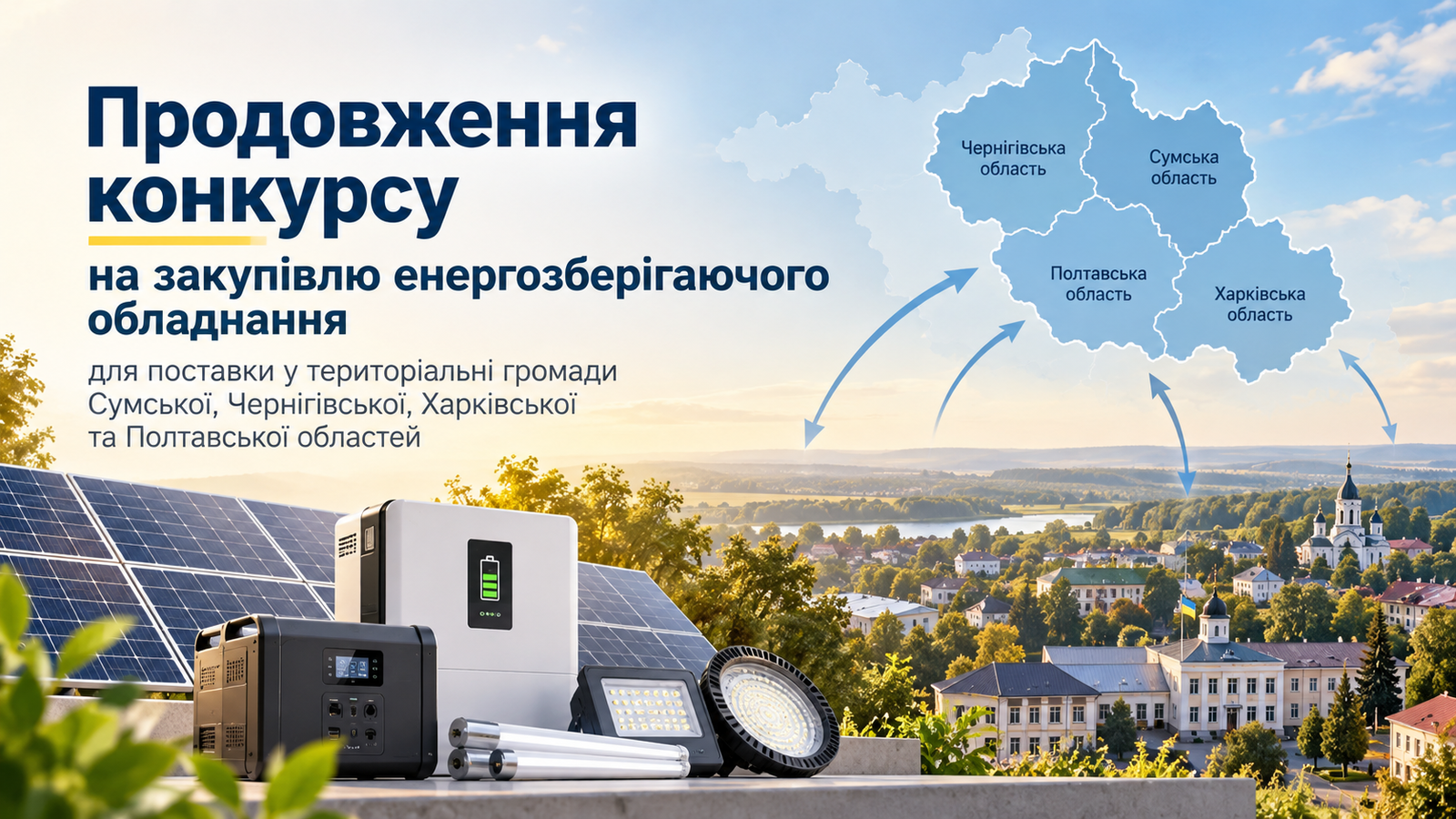
Громадська спілка “Всеукраїнське громадське об’єднання “Національна Асамблея людей з інвалідністю України” (далі – «Організатор») оголошує продовження конкурсу на закупівлю енергозберігаючого обладнання для поставки у територіальні громади Сумської, Чернігівської, Харківської та Полтавської областей. Джерело фінансування закупівлі: Дана закупівля здійснюється в рамках проєкту «Зміцнення інклюзивних послуг з охорони здоров’я, реабілітації та захисту населення, постраждалого від повномасштабного вторгнення в […]