President of the Paralympic Committee Sushkevich: victories at world sporting events unite the world around Ukraine
December 10, 2025
Share:
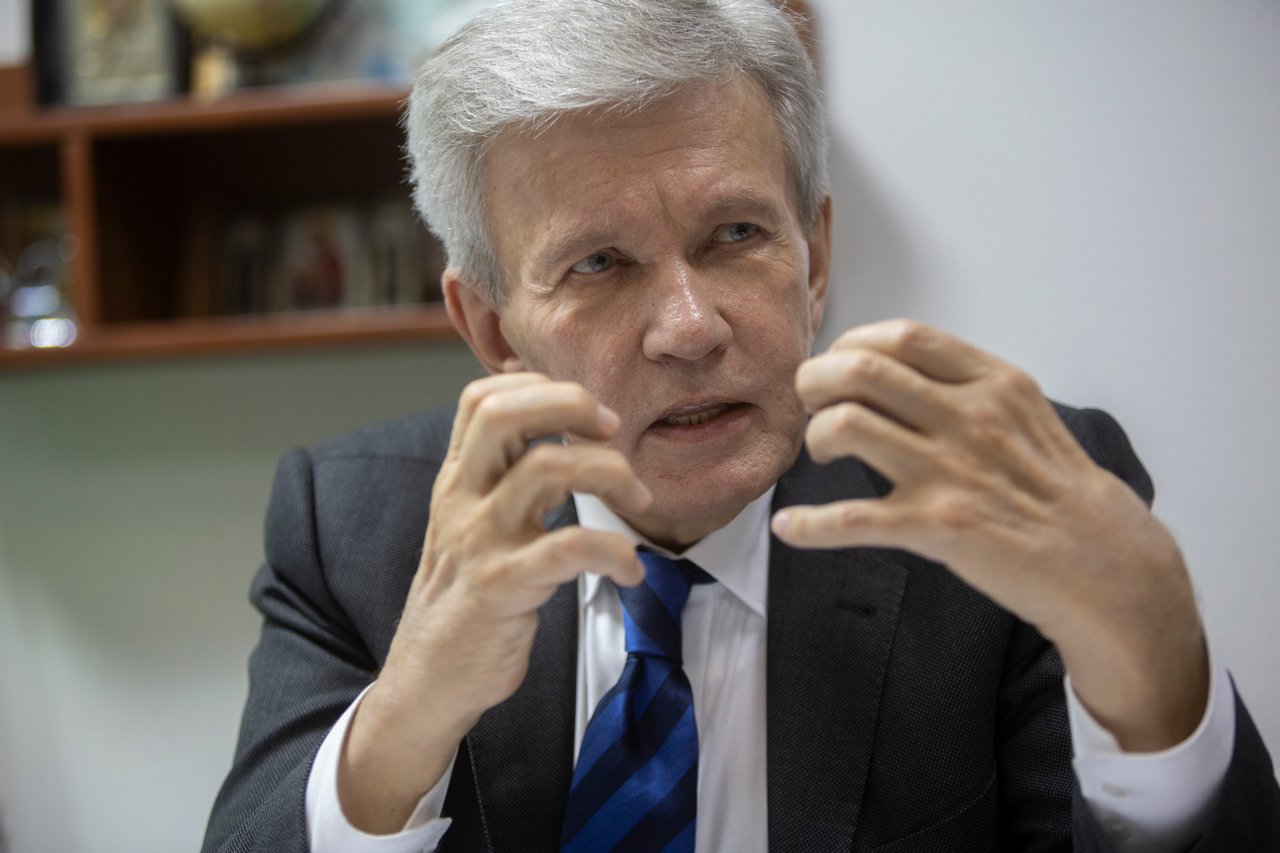
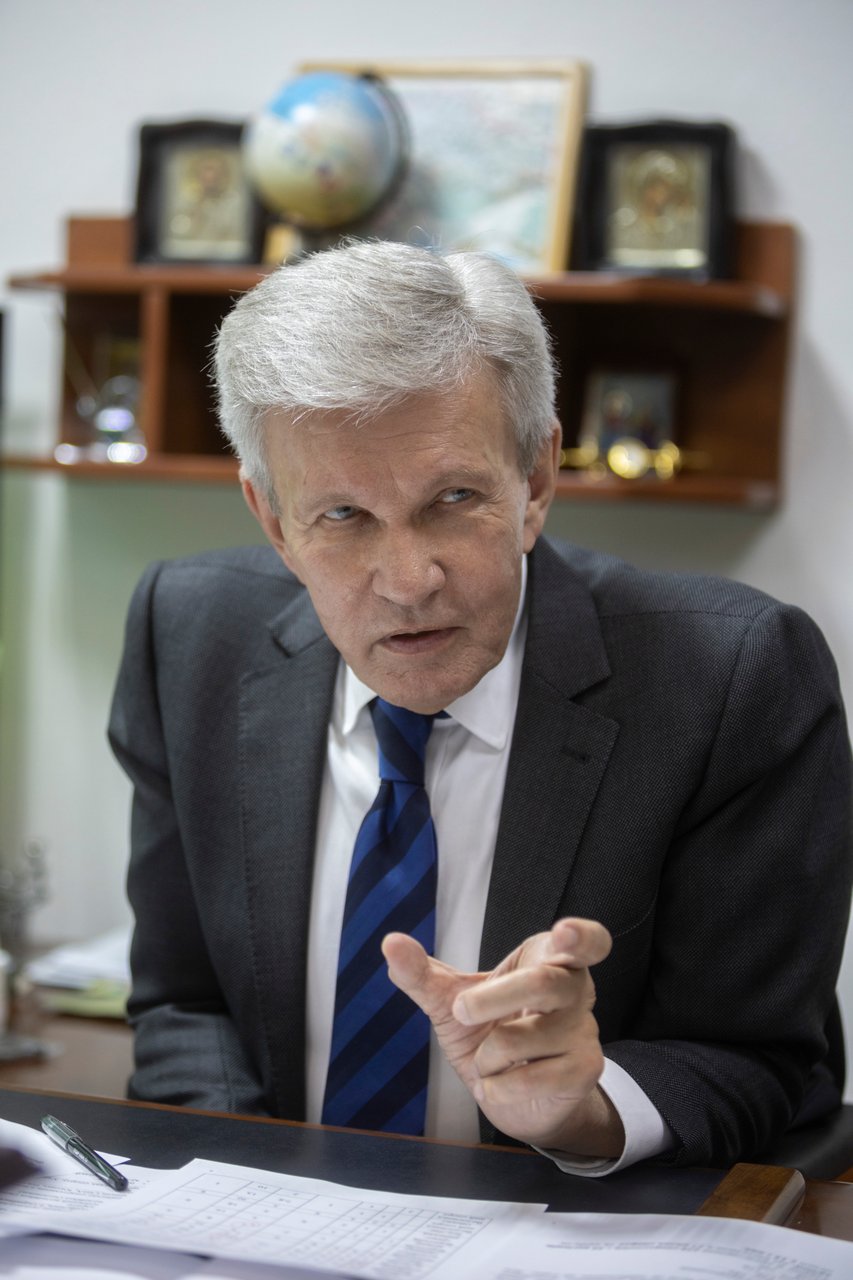
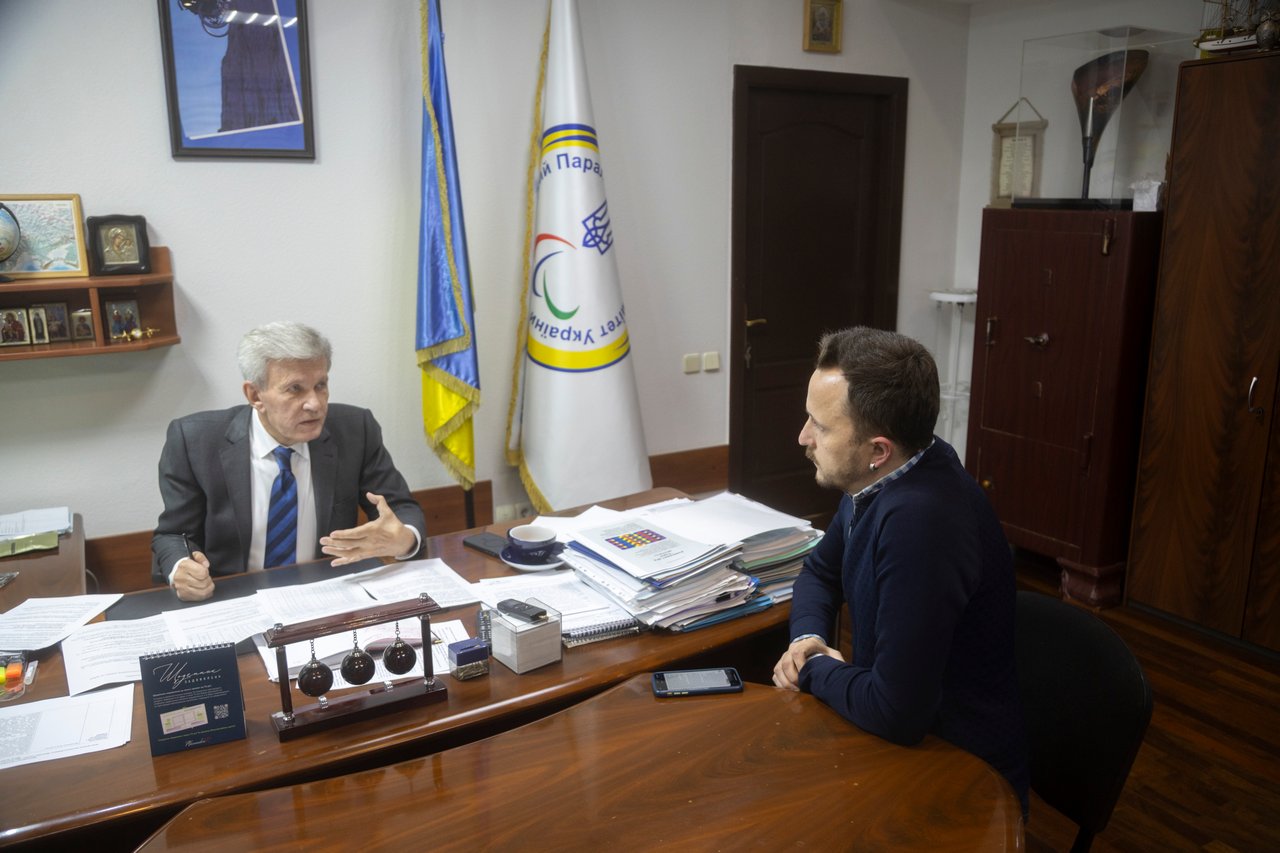
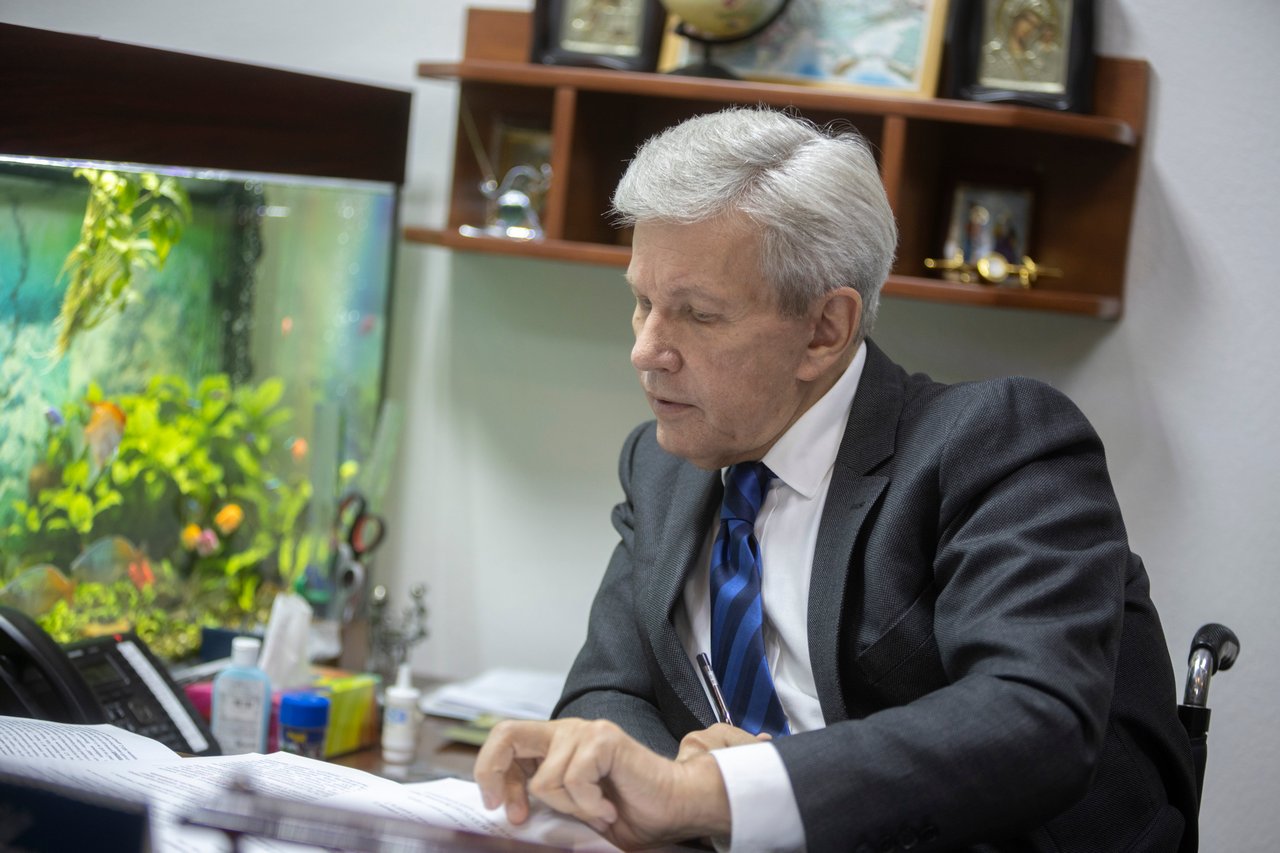
Interview with Valery Sushkevich, Chairman of the National Assembly of People with Disabilities of Ukraine and President of the National Committee of Sports for the Disabled of Ukraine, given to the agency Interfax-Ukraine
Text: Yegor Shumikhin
The war has made life more difficult for all Ukrainians, but people with disabilities faced many challenges even before that, which have only intensified and increased in number. What specific problems has the war highlighted?
Neither the state nor society were prepared for this invasion by a murderous country. When it comes to war and people with disabilities, there are two aspects to consider. The first is that during war, the most vulnerable category are people with hearing and vision impairments, mobility limitations, or mental and intellectual disabilities. They face enormous challenges in terms of how to protect themselves, how to escape from bombs, missiles, drones, and the enemy army advancing on populated areas. During the first hours of the invasion, when people rushed to trains en masse and there was an evacuation from Kyiv, we had to communicate with Ukrzaliznytsia to ensure that priority was given to people with disabilities. Incidentally, even in peacetime, the National Assembly of People with Disabilities gave master classes to State Emergency Service workers on how to evacuate a person with amputated legs who uses a wheelchair, and how to do this with blind people, because there are many important considerations. The second thing is that the war is globalising the problems of people with disabilities, whose numbers are growing. Not only does the state have to think about how to solve the problems of people with disabilities that existed before the war, but now it also has to think about those who are just becoming disabled.
How effectively is the issue of shelter accessibility being addressed, or is it being ignored? Has the issue of transporting people with limited mobility to shelters been properly considered?
Will a person with a disability be able to get into a shelter or bomb shelter? No, they won't! The shelters were completely unprepared for war, and today, unfortunately, I don't see any intensive work being done by the authorities to make all shelters inclusive and accessible. So that you and I can get there equally, so that you and I can take care of our physiological needs. I know of cases where people in wheelchairs were taken down to bomb shelters and fell on the stairs, sustaining additional injuries. I saw a photo of a blind person lying 15 metres from the entrance to a bomb shelter because they simply couldn't get there during an air raid. There is no clear information system to help these people in a specific area. Are such people even registered? Is anyone focused on finding a solution to the issue of accompanying them to shelters? These problems are practically unsolvable.
Is there a well-thought-out system for alerting people with hearing impairments about air raid sirens?
You know, it has already appeared and is working. I won't say that it's everywhere across the country, but it's already there. What's more, they have quietly begun working on making bomb shelters accessible, but still, according to my observations, this is not a systematic solution. Let's take an even simpler example – the underground. The underground is not far from here, and my colleagues sometimes run there during alarms. I understand that, in theory, I can be taken there, but it's quite a problematic situation. Today, as far as I can remember, 12 of all Kyiv metro stations are accessible. This is what we, personally, the National Assembly of People with Disabilities, have been doing with the Kyiv Metro. Now, somehow, this work has quietened down a bit. Today, we need more than just political will; today, there must be an imperative provision that embodies the idea of so-called barrier-free and accessible not only in laws.
In your opinion, what is the current status of the implementation of the National Strategy for Creating a Barrier-Free Environment in Ukraine for the period up to 2030?
When I was a young member of the Dnipropetrovsk Regional Council, in 1991, I was able to include a provision in the draft law "On the Fundamentals of Social Protection for People with Disabilities" that Ukraine should become fully accessible by 2000. Not only that, but we also included in the resolution on the implementation of this law that any facilities that are not architecturally accessible would be prohibited from operation. In 2021, 30 years later, a barrier-free strategy has been adopted, and we are starting this process again. I would not say that the first, second, and now third attempts have been fruitless. All of this creates a public mindset that all people should be equal, particularly in terms of transport, urban infrastructure, education, employment, and so on.
I would like to draw attention to one fact. This year's International Day of Persons with Disabilities passed almost unnoticed by people with disabilities. You have probably heard of the UN Convention on the Rights of Persons with Disabilities. At the time, the National Assembly practically forced the government and then-President of Ukraine Viktor Yushchenko to sign this Convention, and then secured its ratification in parliament. Subsequently, a plan was created for its implementation in Ukraine by 2025. Now the 25 years are coming to an end, but no one is going to do anything. This is a symptomatic and critical moment in a country where the problem of people with disabilities is globalised, and it worries me greatly.
Every time I travel somewhere by train with a heavy suitcase, I wonder when the capital's railway station, like most stations across the country, will have high boarding platforms. And while for me it is simply a matter of discomfort, for people with disabilities it is yet another challenge. What is the main reason why this problem has remained unresolved for years?
I would like to say that there has definitely been progress in Ukrzaliznytsia's work to ensure accessible rail transport. In particular, there are several types of so-called inclusive carriages, and there are wheelchairs in carriages. As for platforms, it would cost a huge amount of money to make them high throughout the country.
I recently returned from Budapest and inquired about how the drop-off would take place at Kyiv Station. They told me: don't worry, we'll take care of everything for you, we'll bring your train to the first platform. I understand that they agreed to this and I am very grateful that they did it for me. But I was curious about something else, so I asked: what if you don't bring me to the first platform? They said: we'll help you down, don't worry, and if you had told us in advance, we would have attached an inclusive carriage for you. And I said: would you do the same for every person in a wheelchair? They replied: no, because there aren't that many such carriages. In the end, they told me that some men would come and take me down if I wasn't taken to the first platform.
I remember how, about 10 years ago, there was a conference in a small provincial town in France. And there was no high platform there. This is how they solved the problem: they secured me in my wheelchair, and as we approached the station, I saw an employee pushing some kind of wheeled structure. It turned out to be a manual lifting platform. I rolled off the train onto it, he lowered me down and wished me all the best.
Could these options be an alternative to the development of a network of high platforms?
Today, there is a lack of systematic, phased, well-thought-out actions and inexpensive but effective solutions to ensure that people with musculoskeletal disorders, visual impairments, or elderly people can use railway stations in any city in Ukraine.
This year, as on many occasions before, Ukraine achieved excellent results at the Deaflympics. What is the main secret behind the consistent success of our deaf athletes?
I am often asked this question in countries all over the world. My answer is this: in September this year, the Minister of Youth and Sports of Ukraine received a letter from the President of the European Paralympic Committee, who wrote: "Minister, Ukraine has created the best system of physical culture and sports for people with disabilities in Europe and the world, which can serve as a model for any country." This system really works and has a high degree of integration and communication with state institutions, not only at the national level, but also in regions and cities. I can say that 59% of the members of Ukraine's national Deaflympic team are athletes who came out of the "Believe in Yourself" Children's and Youth Spartakiad. We have ensured consistency in everything related to sports for people with disabilities. Of course, we have a strong team of people who have tremendous experience, knowledge and know how to work in this system.
Are there any shortcomings in this system? Yes, particularly those related to a lack of funds. But even during the war, we hold competitions for the Children's and Youth Spartakiad. I also noticed that our national team consists of representatives from 22 regions. The country is under bombardment, alarm, destruction, danger, and yet we manage to assemble a team from 22 regions of Ukraine. An interesting detail is that two athletes, one from the United States and the other from Australia, who evacuated there during the war, have not left the system and continue to compete for Ukraine. We also have a certain number of people who are in European countries.
In Beijing, Ukrainian Paralympians set the bar high by taking second place. What are your expectations for the Paralympic Games in Italy?
You know, I practically never make predictions before the Paralympic and Deaflympic Games. Like all athletes, I suppose, I am a bit superstitious. But the thing is, making predictions today, during the war, while our athletes are preparing to reach peak physical condition, is a critically problematic thing to do. But I can say that I know for sure that we will perform well at the next Paralympics.
Of course, during the war, it is extremely difficult to prepare athletes with disabilities for the Games. In addition, there is the critical factor of state funding, which is steadily decreasing. This year, in August, we ran out of money. Ahead of us were several world championships, European championships, and qualifying competitions for the next Paralympic Games. At my request, the then Prime Minister Denys Shmyhal helped a few days before his resignation, and we found a way to make changes to the state budget and saved Ukraine's preparation and victories in world sport. And these victories, you cannot imagine how they unite the world around Ukraine in the world's sporting arenas.
You mentioned that you had funding problems this year. Last week, the state budget for 2026 was approved. Are there sufficient funds allocated?
It's not enough, I asked for more. I'm very afraid of this. Because it's simply unfair to take and stop this system, to stop the work of a person who, despite health-related violations, is capable of achieving victories for Ukraine. And we are talking about very small amounts of money. I look at corruption schemes, I look at other expenditures, and it hurts so much that these pennies are not enough for us to achieve victory for Ukraine. I really hoped that changes would be made to the state budget in the future.
How many licences have been obtained to date for participation in the Paralympics in Milan-Cortina? How many are expected in total?
Today, we have 22 licences in cross-country skiing and biathlon (14 men and 8 women). But the last competitions are still going on, so I can't tell you the final number. I am very excited that one of our athletes, who went through the entire war, received a licence. He is a very good guy who is highly motivated to succeed in sports and in life. He went through our rehabilitation programme at the Western Rehabilitation Sports Centre in the Lviv region. After that, he got into Paralympic sports. I really like him because of his strong will and desire to win. He also plans to obtain a licence in alpine skiing.
Recently, there was a high-profile story involving a decision by the General Assembly of the International Paralympic Committee. After appeals and pressure, the situation was resolved in a certain way, and Russian and Belarusian athletes should not be allowed to participate in the Paralympics under the flags of the aggressor countries. But will they participate as neutral athletes?
Until last week, there should have been no one, not even neutral parties. But the International Arbitration Court in Lausanne decided to allow Russian Paralympic athletes to participate in the qualifying competitions for the Paralympics in Milan-Cortina. This document is very recent. I have not yet understood under what status they will be allowed to participate – neutral or fully legal.
I would like to emphasise that the General Assembly of the International Paralympic Committee made its decision under the influence of the president of a murderous country. This decision was simply appalling, and it contradicts both the IPC Constitution and common sense. But it has been adopted and today remains a problematic factor in Paralympic sport. I can tell you that, in my opinion, despite all my criticism of similar decisions regarding neutral athletes by the Olympic Committee, the influence of the Russian leadership on the International Paralympic Committee is much greater. I do not want to comment on all my suspicions regarding this influence, but it objectively exists. Because when the president of the Russian Paralympic Committee says after the General Assembly: "Thank you to President Putin," it is terrible. This indicates that, contrary to the IPC Constitution, there is political influence from a person who is currently associated with military aggression against Ukraine. Moreover, there is a unique cynical factor – the vice-president of the Russian Paralympic Committee is an FSB colonel, who is also a member of a special working group under the President of the Russian Federation, which is involved in mobilising for the war with Ukraine.
The General Assembly is a collegial body comprising National Paralympic Committees. Have you already figured out whether the Committees of partner countries cast their votes?
The vote is secret, so it is impossible to figure out who voted for whom. But judging by the number of African, Asian and Latin American countries, the balance of the vote is obvious. And the Russian head of the Paralympic Committee openly said that the Russian president influenced the decisions of delegates from Africa, Asia and Latin America. So, unfortunately, there is an obvious factor here related to the dominance of the number of votes.
Last time, you had lengthy discussions with the MPC regarding the form of our national team. Are there any such issues this year?
Before becoming official, the uniform must be reviewed by the International Paralympic Committee. For now, we are keeping the design of our uniform a secret. It was created by Ukrainian designer Viktor Anisimov, who worked on uniforms for the Paralympics in Paris and the Deaflympics in Tokyo. We liked it, and we really appreciated that a Ukrainian designer was doing such powerful and creative work with our athletes. It is also pleasant and meaningful for us that this same designer creates clothing for the President of Ukraine. It was Anisimov who created the jacket for the president after a discussion in the Oval Office. It is a very symbolic moment that the designer who dresses the head of the Ukrainian state is also involved in the uniform of the Paralympic team.
From time to time, scandals arise in sport involving Ukrainian athletes changing their sporting citizenship or moving to another country. Are there any such cases among para-athletes?
Such cases do occur. There are stories of people who got married and have no real plans to return to Ukraine. Then these athletes come to us with a request to be allowed to transfer to the national team of another country in accordance with the regulations. Such cases already exist, and we are working on them.
How many athletes have changed their Ukrainian citizenship to foreign citizenship?
There are two aspects to this. The first is when a person who changes citizenship leaves sport and will no longer compete. The second is when a person changes citizenship and wants to continue their sporting career in that country. So far, the statistics are small, not even dozens, but units. But, you know, there is a slight trend towards an increase in such cases. Mostly, everything happens in a delicate manner and with respect for the country from which these people came as athletes, with respect for our system.
This applies not only to athletes. We have some truly outstanding sports managers who have emigrated. For example, one of the best, if not the best, sports managers in the National Paralympic Committee emigrated first to Europe, then to Canada. He wanted to work in Ukraine, but his wife and children were caught in the bombing in Kyiv while he was in China at the Paralympics, and the couple decided to leave.
There are other examples. Some athletes who were preparing for the Paralympics and Deaflympics and are currently abroad said: sorry, but we will not be coming because we fear for our safety. And because of this, today there are losses in the national Paralympic and Deaflympic teams.
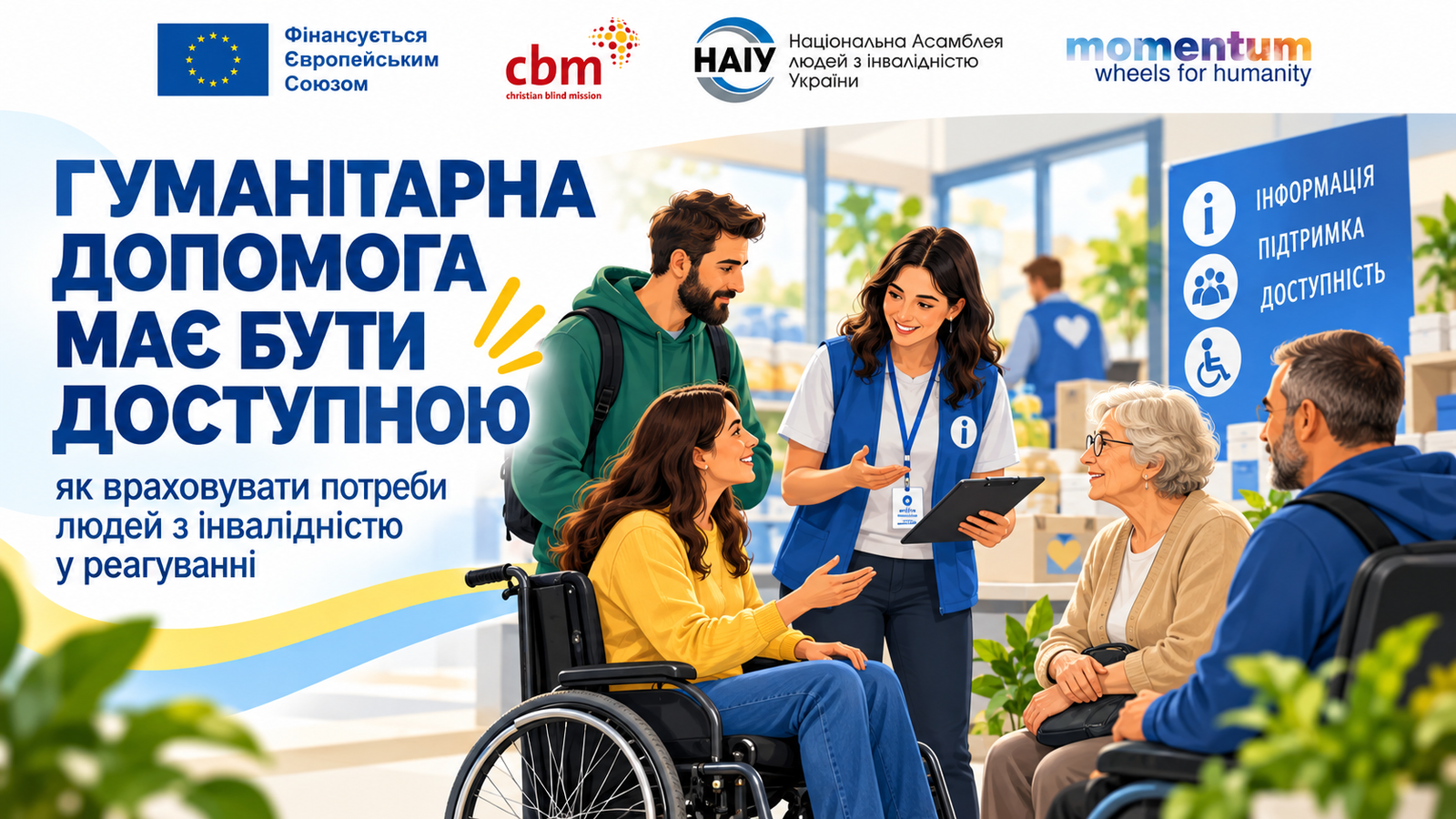
Гуманітарна допомога може бути передбачена програмою, профінансована і навіть доступна у громаді. Але головне питання інше: чи може людина, яка її потребує, реально нею скористатися? Саме про це говорили учасники дворівневого навчання «Гуманітарна діяльність: врахування потреб осіб з інвалідністю», яке у жовтні провела Національна Асамблея людей з інвалідністю України. До навчання долучилися представники гуманітарних і […]
Шукаємо координатора(-ку) з комунікацій у команду НАІУ (на проєкт) Національна Асамблея людей з інвалідністю України (НАІУ) реалізує проєкт «Інклюзія передусім — захист і підтримка дітей з аутизмом та іншими видами інвалідності, ветеранів і ветеранок в Україні», спільно з СВМ та СВМ Італія, спрямований на підтримку ветеранів та ветеранок, розвиток доступних можливостей для їхньої реабілітації, протезування, […]
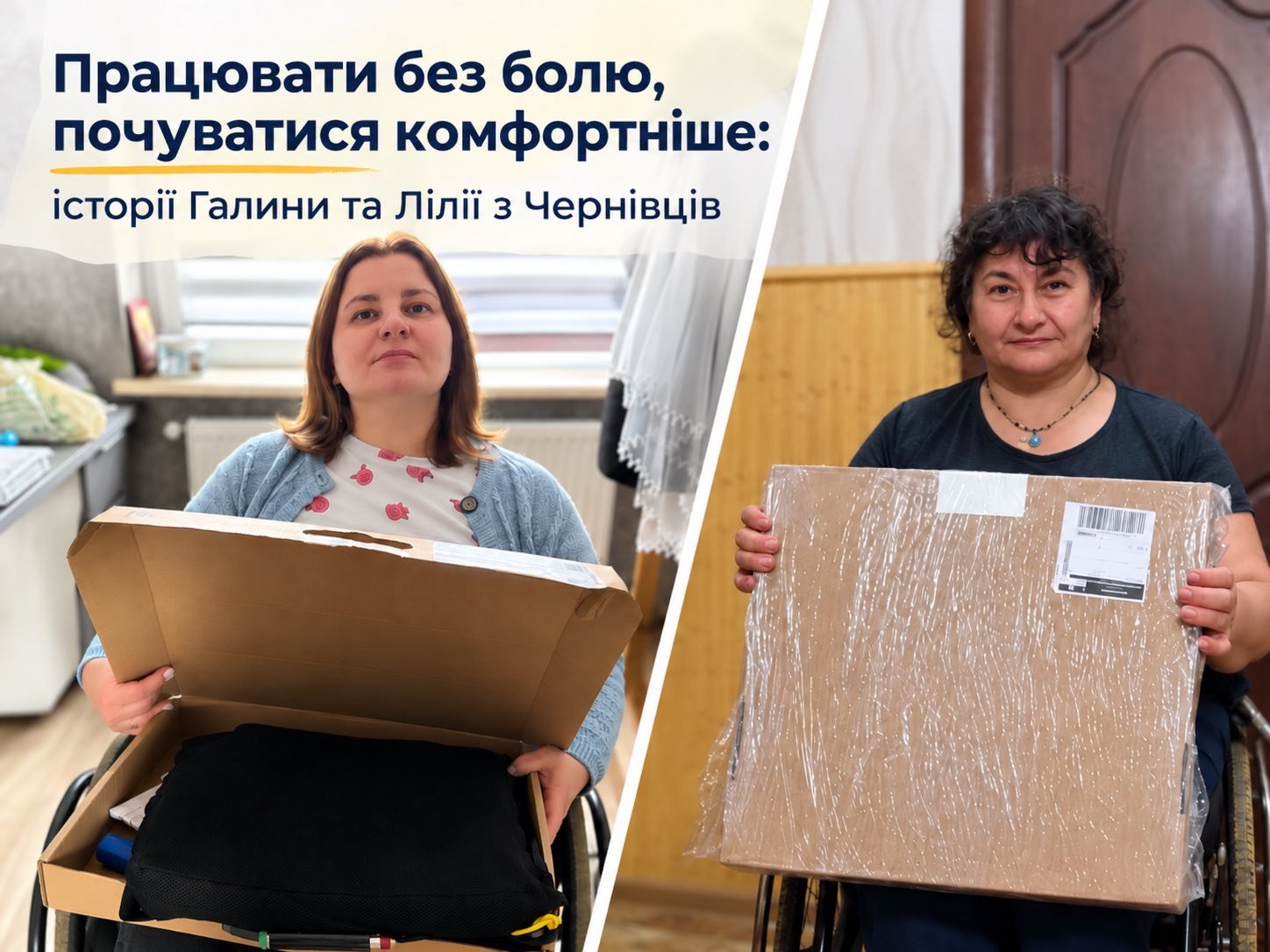
Галина з Чернівців створює весільні аксесуари для наречених. Її робота потребує творчості, терпіння та уваги до найменших деталей. За виготовленням прикрас жінка проводить багато годин, адже кожен виріб вимагає кропіткої ручної праці. Для Галини важливо мати можливість займатися улюбленою справою, однак тривала робота нерідко супроводжується фізичним дискомфортом. Жінка користується кріслом колісним, і через велике навантаження […]
Повернення з військової служби до цивільного життя — це новий етап, який нерідко супроводжується непростими викликами. Особливо для ветеранів і ветеранок, які зазнали поранень або набули інвалідності. Реабілітація, пошук роботи, доступ до послуг, відновлення соціальних зв’язків — усе це потребує не лише особистих зусиль, а й підтримки суспільства. Національна Асамблея людей з інвалідністю України (НАІУ) […]
Упродовж програмного року — з 1 жовтня 2025-го до 30 вересня 2026-го — на гарячій лінії Національної Асамблеї людей з інвалідністю України (НАІУ) було надано 821 консультацію для 680 осіб. Найчастіше люди зверталися за роз’ясненням щодо своїх прав і пільг, зокрема отримання та поновлення виплат, оформлення догляду, встановлення й переоформлення інвалідності. Близько 70% звернень стосувалися […]
Громадська спілка “Всеукраїнське громадське об’єднання “Національна Асамблея людей з інвалідністю України” (далі – «Організатор») оголошує продовження конкурсу на закупівлю енергозберігаючого обладнання для поставки у територіальні громади Сумської, Чернігівської, Харківської та Полтавської областей. Джерело фінансування закупівлі: Дана закупівля здійснюється в рамках проєкту «Зміцнення інклюзивних послуг з охорони здоров’я, реабілітації та захисту населення, постраждалого від повномасштабного вторгнення в […]