From Assessment to Action: Kyiv Hosts Second Module of the “Accessibility Without Barriers” Training
December 2, 2025
Share:
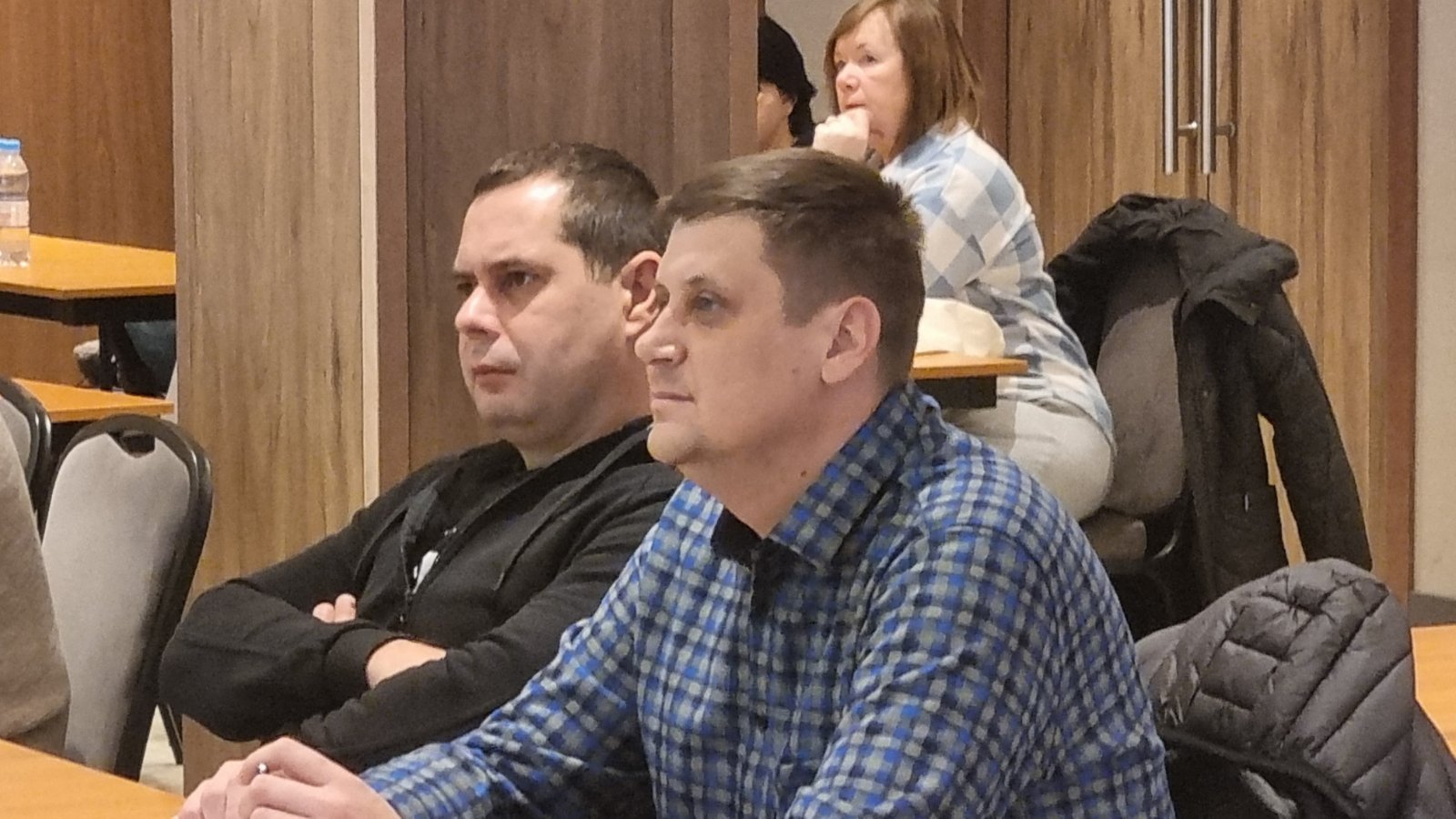
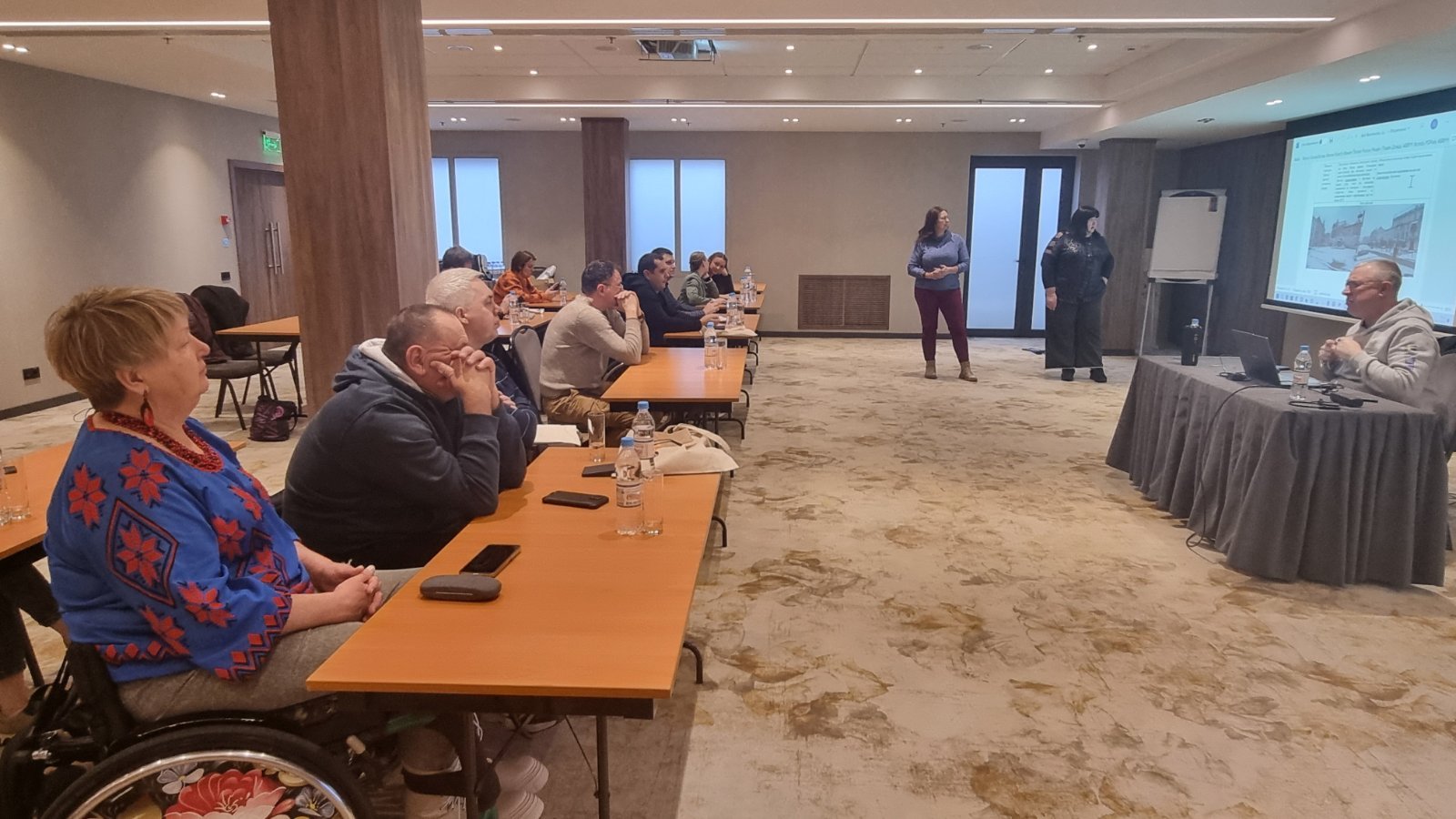
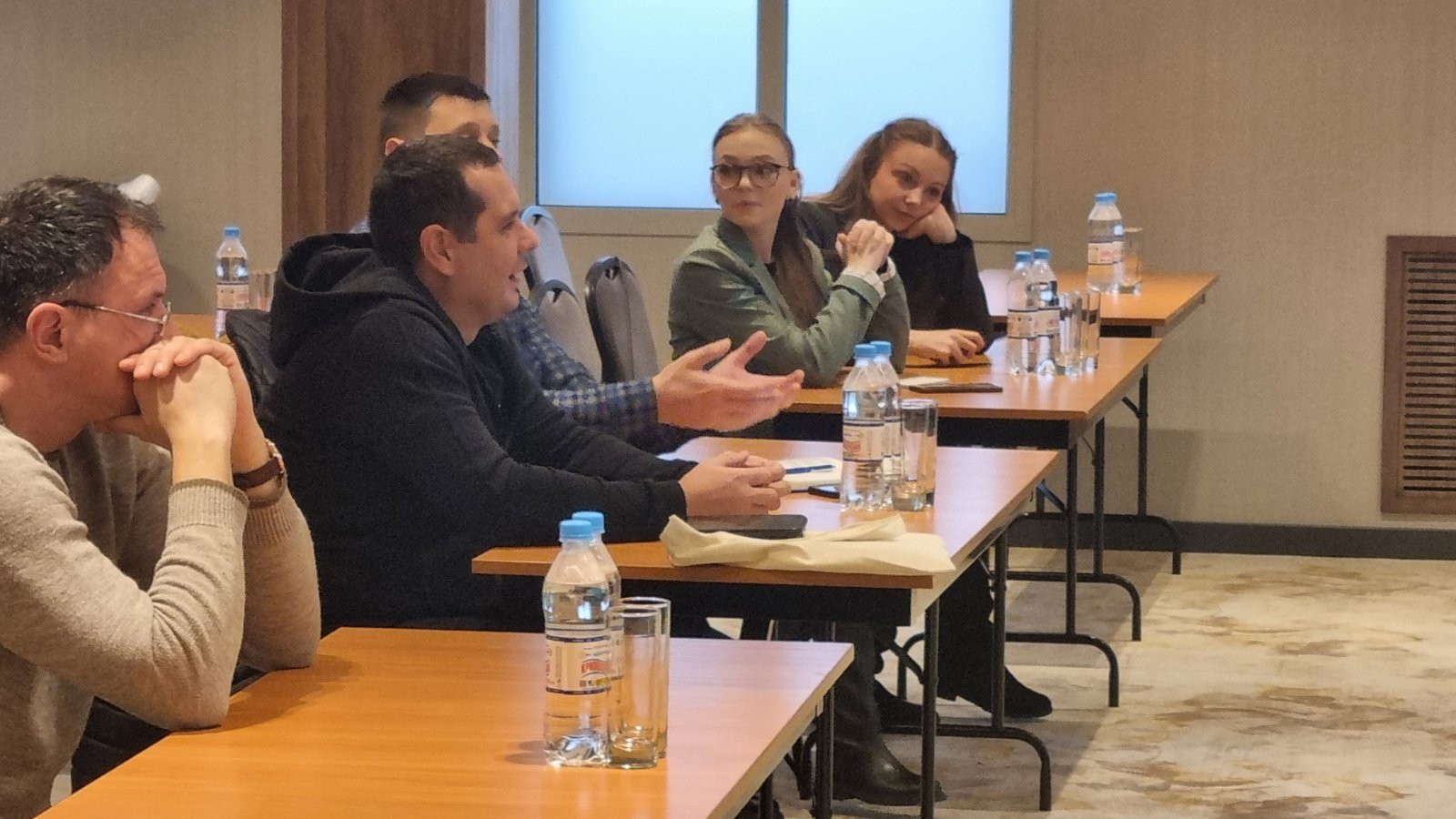
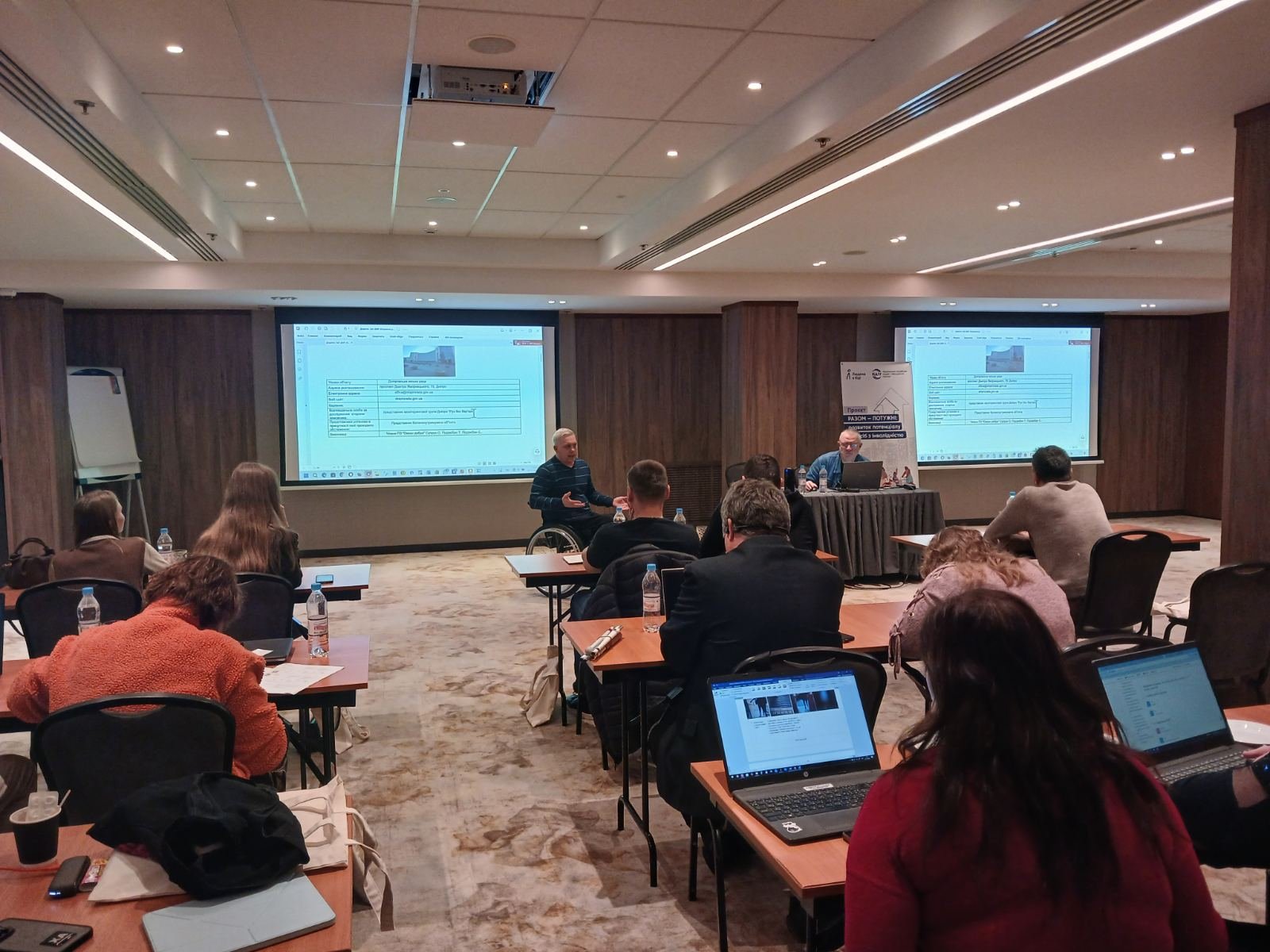
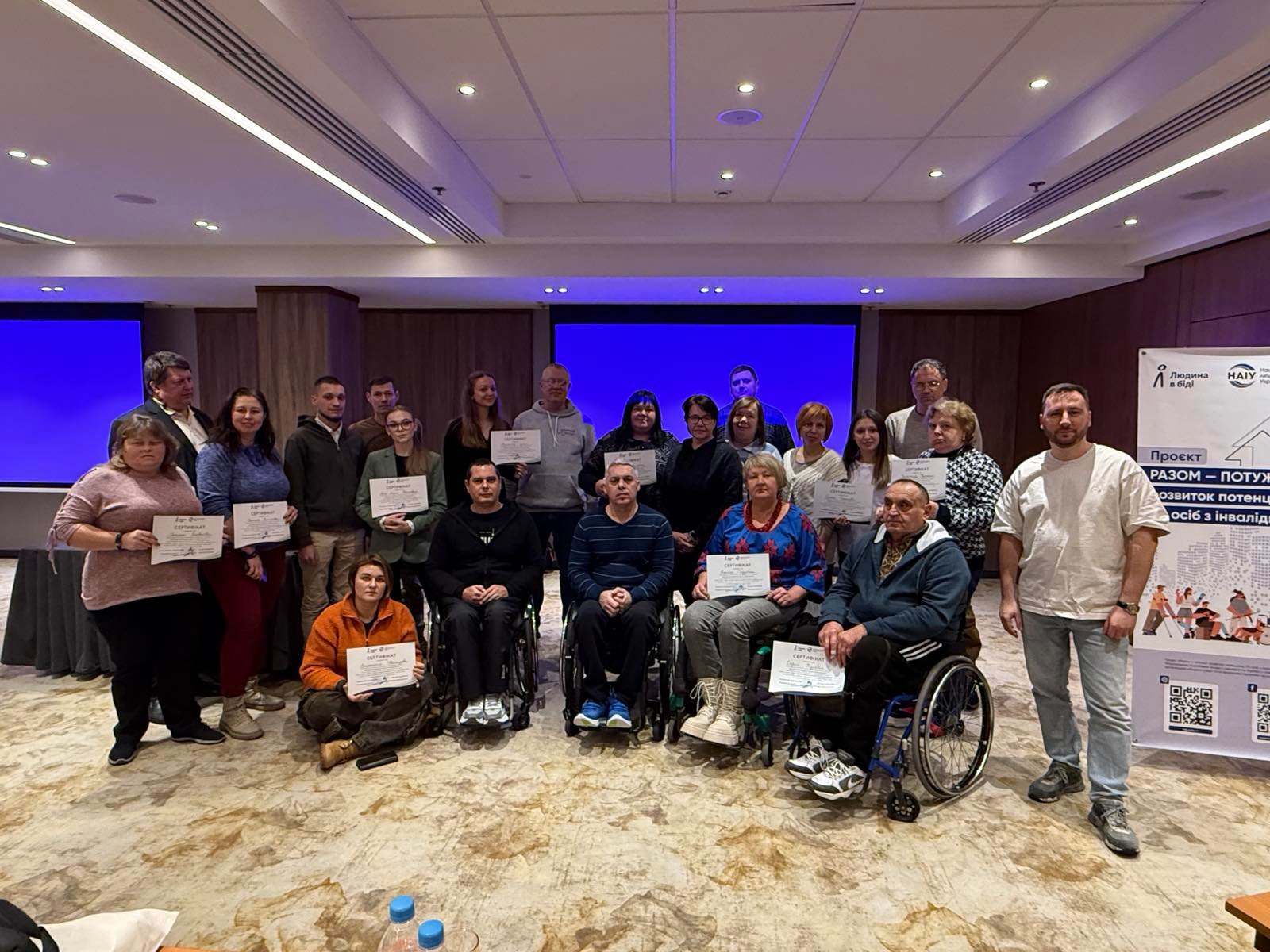
On 27–28 November 2025, Kyiv hosted the second module of the training “Accessibility Without Barriers: How to Assess and Transform Spaces.” Twenty-three participants took part, arriving with completed home assignments – real-world accessibility assessments from their communities – ready to work with practical cases from day one.
The training was held within the project “ Together We Are Powerful: Capacity Building of Public Organizations of People with Disabilities,” implemented by NAPD in partnership with the humanitarian organization “People in Need” and with the financial support from the Czech people.
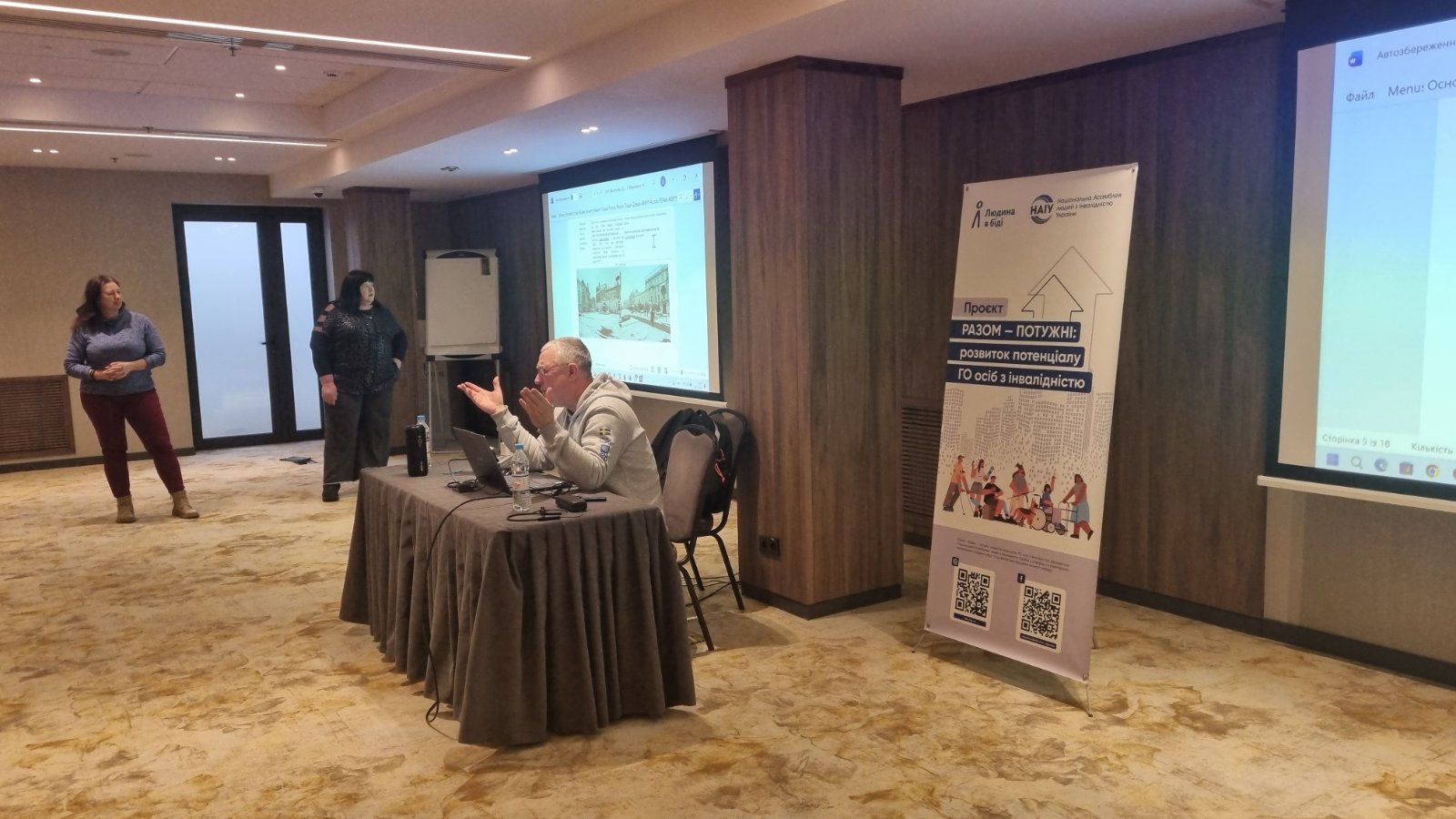
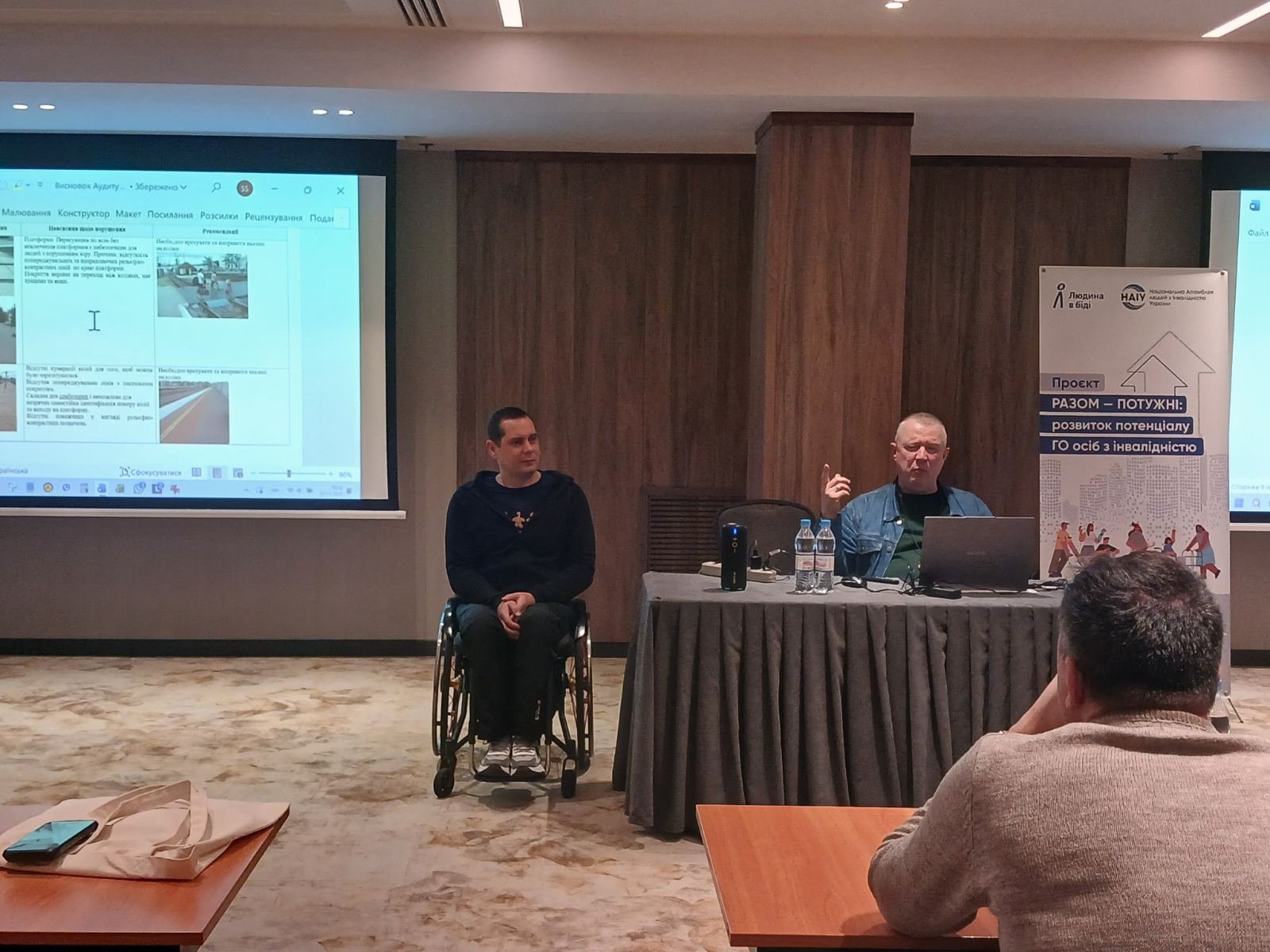
Trainer Yevhen Svet outlined the training logic: “This seminar has three components: the theoretical foundation, independent assessment of a site in one’s community, and presentation of the results. Anyone can read the standards – but what matters to us is how accessibility works functionally for a specific person,” explains Yevhen Svet.
Day 1: Site Assessments and Review
The first day focused on reviewing the home assignments: each team presented its site assessment. Together the group examined what was done well, where inaccuracies appeared, and how to correct them. The key goal is to turn findings into an improvement plan, not just a report.
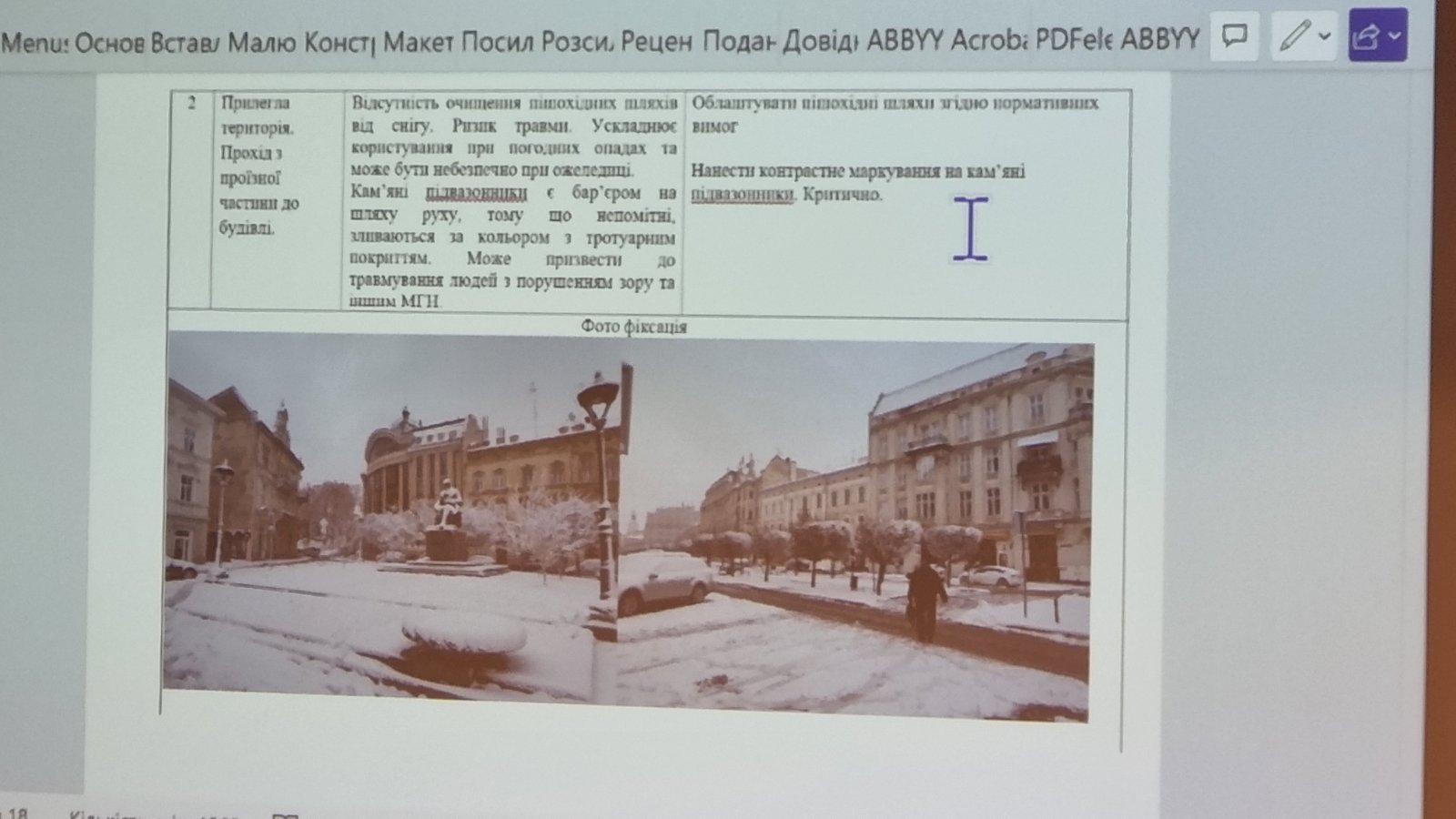
Participants brought assessments of diverse public spaces across their communities, including: a gym and fitness facility, a bank branch, the UTOG sanatorium in Pushcha-Vodytsia near Kyiv, a city council building, a train station and courthouse, a lyceum and a public square.
Teams travelled from Kharkiv, Kyiv, Dnipro, Lviv, and Zaporizhzhia regions.
After the review session, participants refined their materials and set priorities: what can be changed quickly, and what requires management decisions and resource planning.
Yevhen Svet admitted he was most anxious about the independent work, but the outcomes exceeded his expectations: “To be honest, I was a bit worried about the second stage… However, the level of materials and presentations is very high,” the trainer emphasized.
Day 2: Infrastructure and Safety
The second day focused on everyday issues, in particular those felt most acutely during air raid alerts: pedestrian crossings, traffic lights, transport routes, and shelters.
Participants explored accessibility as a journey: from a safe crossing to being able to reach a desired destination.
The group studied audio indicators and requirements of the national standard DSTU 4092:2024 for road traffic signals, as well as how to conduct practical accessibility checks and effectively communicate the need for improvements to responsible authorities.
Next was the topic of shelters: accessible entrances, clear routes, navigation, communication, and basic, low-cost solutions that communities can begin implementing immediately while planning for systemic change.
In the concluding stage, teams turned their assessment results into action plans: immediate improvements that can start now and longer-term solutions requiring coordination with responsible services.
NAPD will continue supporting the teams, ensuring that the training outcomes translate into practical change within communities and public institutions.
Гуманітарна допомога може бути передбачена програмою, профінансована і навіть доступна у громаді. Але головне питання інше: чи може людина, яка її потребує, реально нею скористатися? Саме про це говорили учасники дворівневого навчання «Гуманітарна діяльність: врахування потреб осіб з інвалідністю», яке у жовтні провела Національна Асамблея людей з інвалідністю України. До навчання долучилися представники гуманітарних і […]
Шукаємо координатора(-ку) з комунікацій у команду НАІУ (на проєкт) Національна Асамблея людей з інвалідністю України (НАІУ) реалізує проєкт «Інклюзія передусім — захист і підтримка дітей з аутизмом та іншими видами інвалідності, ветеранів і ветеранок в Україні», спільно з СВМ та СВМ Італія, спрямований на підтримку ветеранів та ветеранок, розвиток доступних можливостей для їхньої реабілітації, протезування, […]
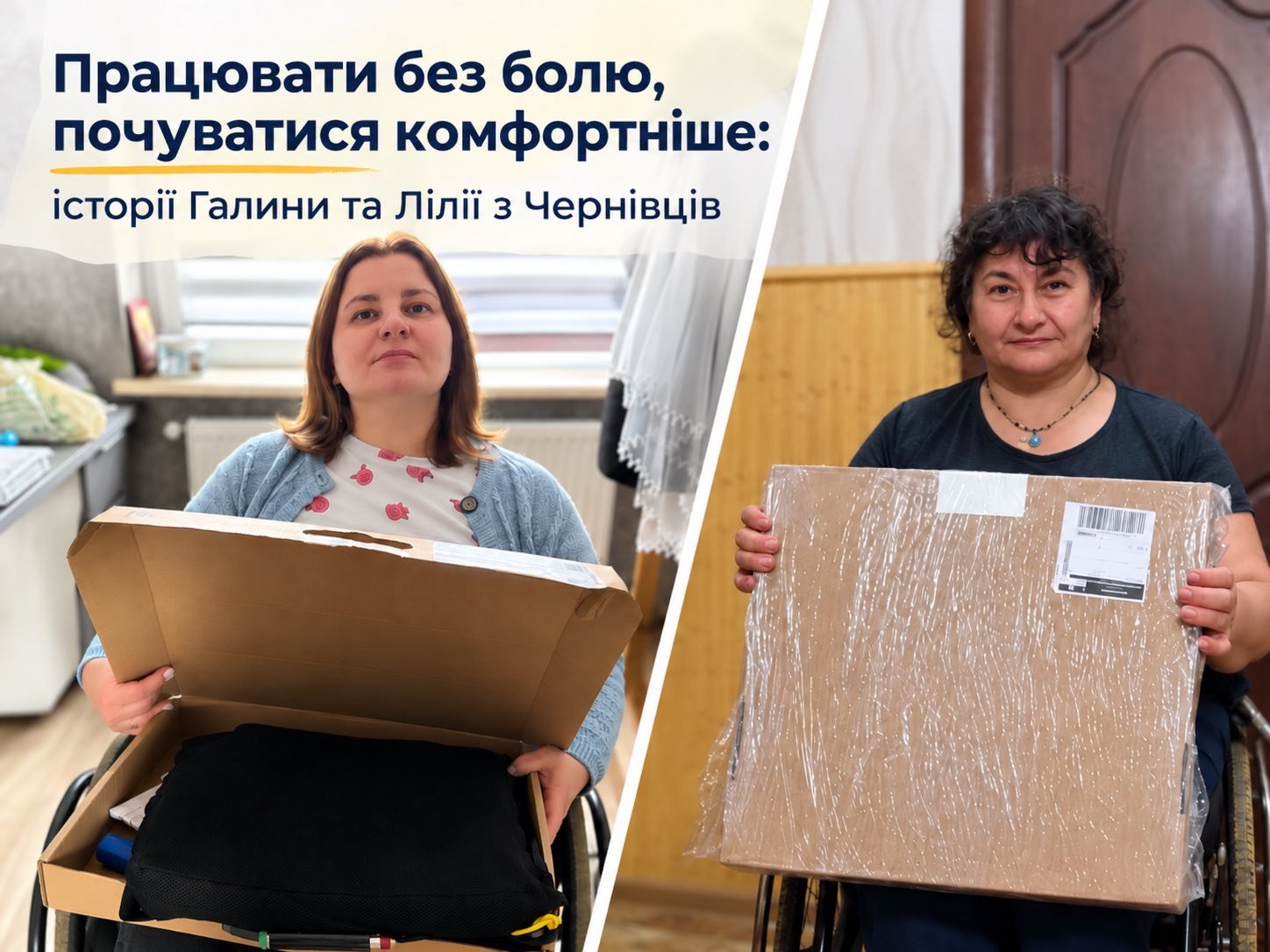
Галина з Чернівців створює весільні аксесуари для наречених. Її робота потребує творчості, терпіння та уваги до найменших деталей. За виготовленням прикрас жінка проводить багато годин, адже кожен виріб вимагає кропіткої ручної праці. Для Галини важливо мати можливість займатися улюбленою справою, однак тривала робота нерідко супроводжується фізичним дискомфортом. Жінка користується кріслом колісним, і через велике навантаження […]
Повернення з військової служби до цивільного життя — це новий етап, який нерідко супроводжується непростими викликами. Особливо для ветеранів і ветеранок, які зазнали поранень або набули інвалідності. Реабілітація, пошук роботи, доступ до послуг, відновлення соціальних зв’язків — усе це потребує не лише особистих зусиль, а й підтримки суспільства. Національна Асамблея людей з інвалідністю України (НАІУ) […]
Упродовж програмного року — з 1 жовтня 2025-го до 30 вересня 2026-го — на гарячій лінії Національної Асамблеї людей з інвалідністю України (НАІУ) було надано 821 консультацію для 680 осіб. Найчастіше люди зверталися за роз’ясненням щодо своїх прав і пільг, зокрема отримання та поновлення виплат, оформлення догляду, встановлення й переоформлення інвалідності. Близько 70% звернень стосувалися […]
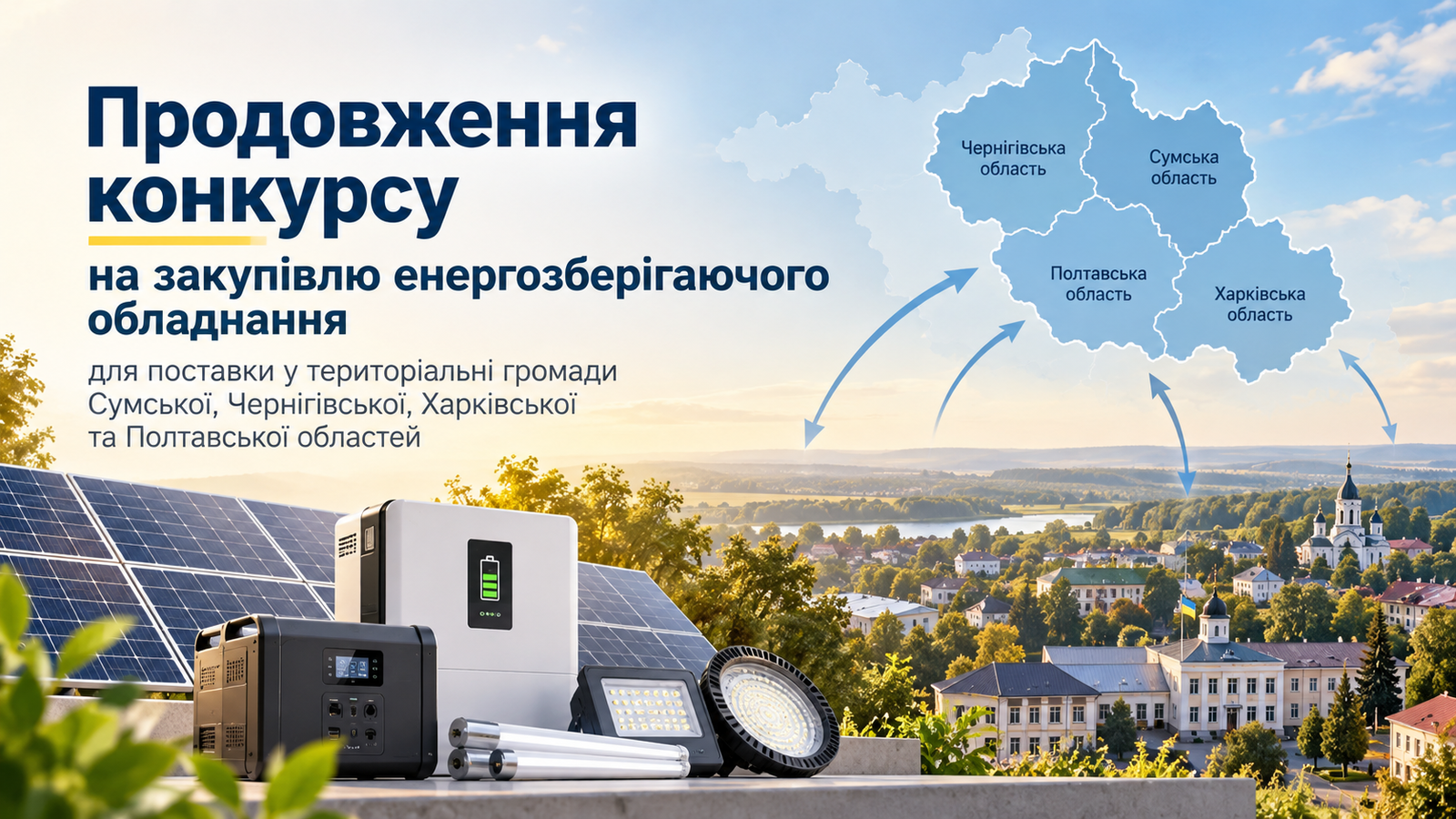
Громадська спілка “Всеукраїнське громадське об’єднання “Національна Асамблея людей з інвалідністю України” (далі – «Організатор») оголошує продовження конкурсу на закупівлю енергозберігаючого обладнання для поставки у територіальні громади Сумської, Чернігівської, Харківської та Полтавської областей. Джерело фінансування закупівлі: Дана закупівля здійснюється в рамках проєкту «Зміцнення інклюзивних послуг з охорони здоров’я, реабілітації та захисту населення, постраждалого від повномасштабного вторгнення в […]