"Bringing help closer": how the Ivankiv community strengthened rehabilitation and social services for people with disabilities
December 24, 2025
Share:
The Ivankiv community is large and diverse, with over 80 villages and a significant number of elderly people, veterans and people with disabilities. For many of them, getting to the hospital, social services or rehabilitation facilities has been a real challenge for years: lack of accessible transport, barriers in buildings, complicated procedures for receiving assistance.
To bring about systemic change, the National Assembly of People with Disabilities of Ukraine (NAPD), in partnership with the International Organisation for Migration (IOM) and with funding from the Spanish Agency for International Development Cooperation (AECID), implemented a set of measures in the Ivankiv community as part of the project "Improving access to quality multidisciplinary physical rehabilitation and inclusion of persons with disabilities in the Ivankiv community".
During the project implementation, several systemic steps were taken simultaneously: strengthening the knowledge of medical professionals, providing tools to social workers, gathering information about services in one place, and improving the accessibility of space and services for community residents, particularly those with limited mobility.
At this stage, NAPD is completing its component — transferring the developed tools, recommendations and practices to the community. At the same time, the project itself continues in partnership with IOM: the solutions developed must be deployed, scaled up and embedded in the daily work of the services.
From audit to decisions: accessibility of institutions
The first area of work concerned physical accessibility. The NAPD expert team surveyed socially important community buildings: social protection offices, social services centres, regional centres, institutions working with veterans, village councils and other facilities where people come for help and services.
Based on the results, eight separate reports were prepared with recommendations for removing barriers — from entrance groups and ramps to bathrooms and internal navigation. The recommendations provided may serve as a basis for phased architectural changes in the specified buildings and structures.
"Surveys are not about 'check and forget'. For us, they are a working roadmap: we can clearly see what needs to be changed, in what order, and where even small decisions can have a tangible impact on people's lives," notes Natalia Tereshchenko, head of the social protection department of the Ivankiv village council.
Professional physical rehabilitation team
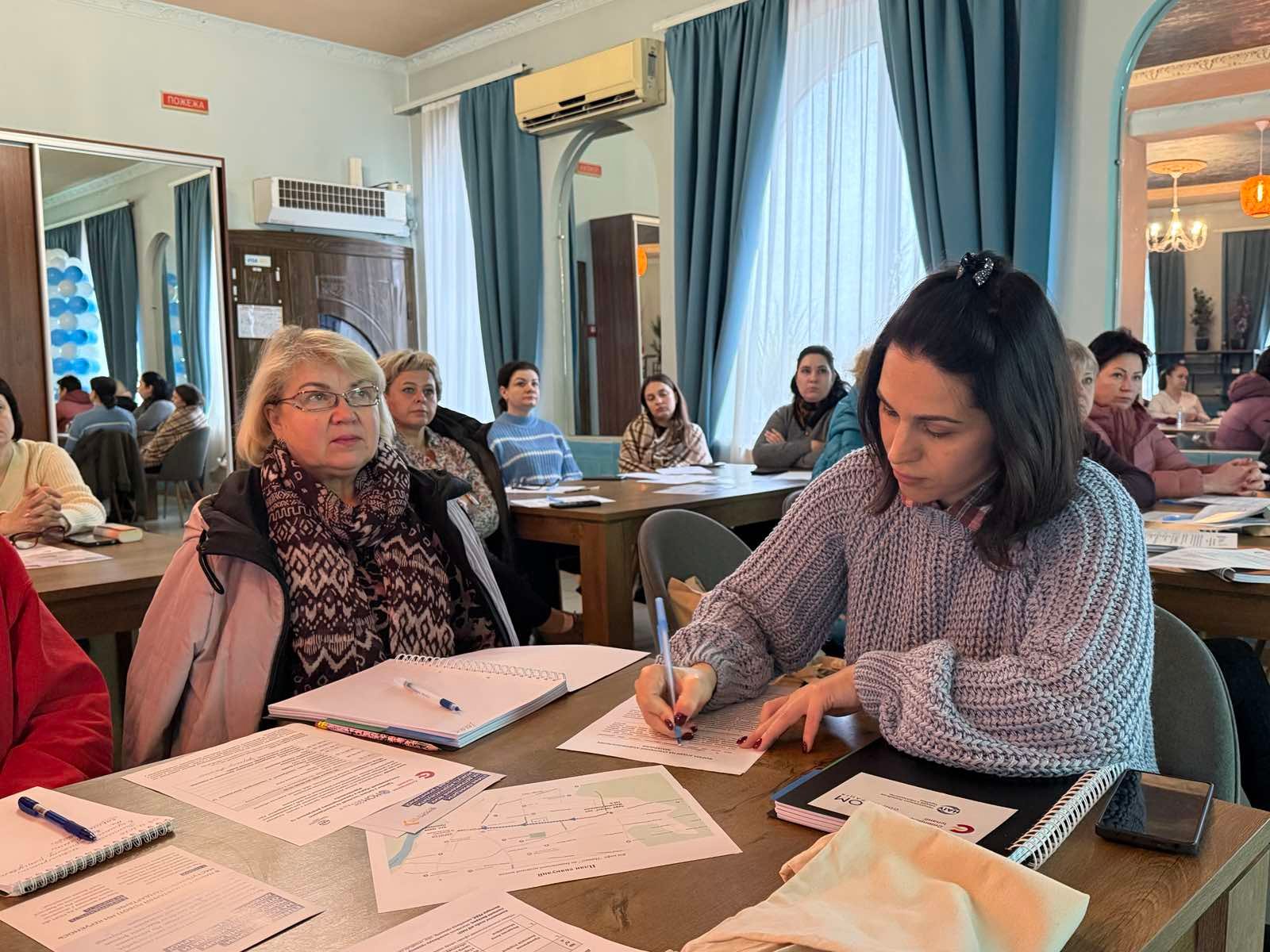
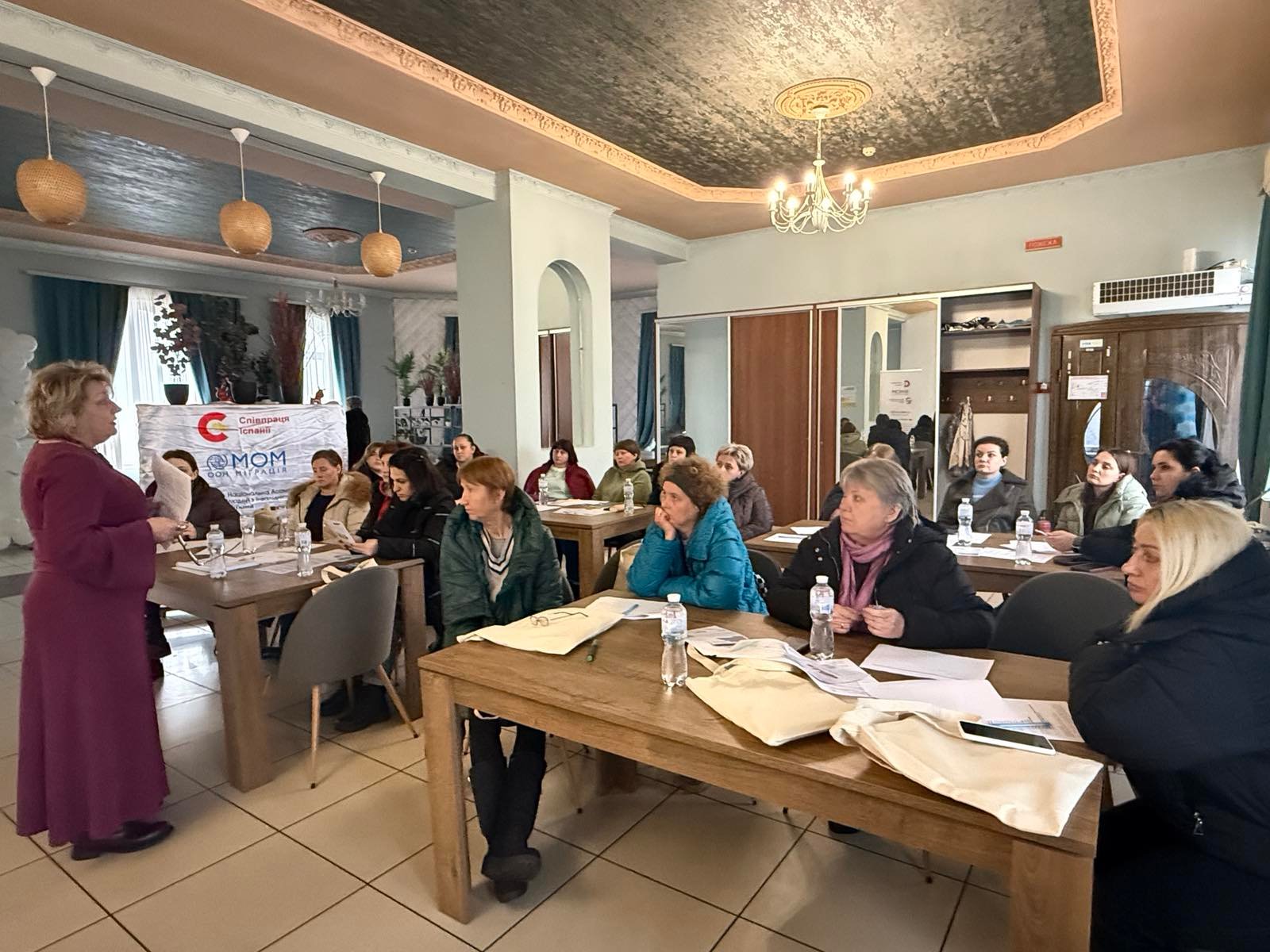
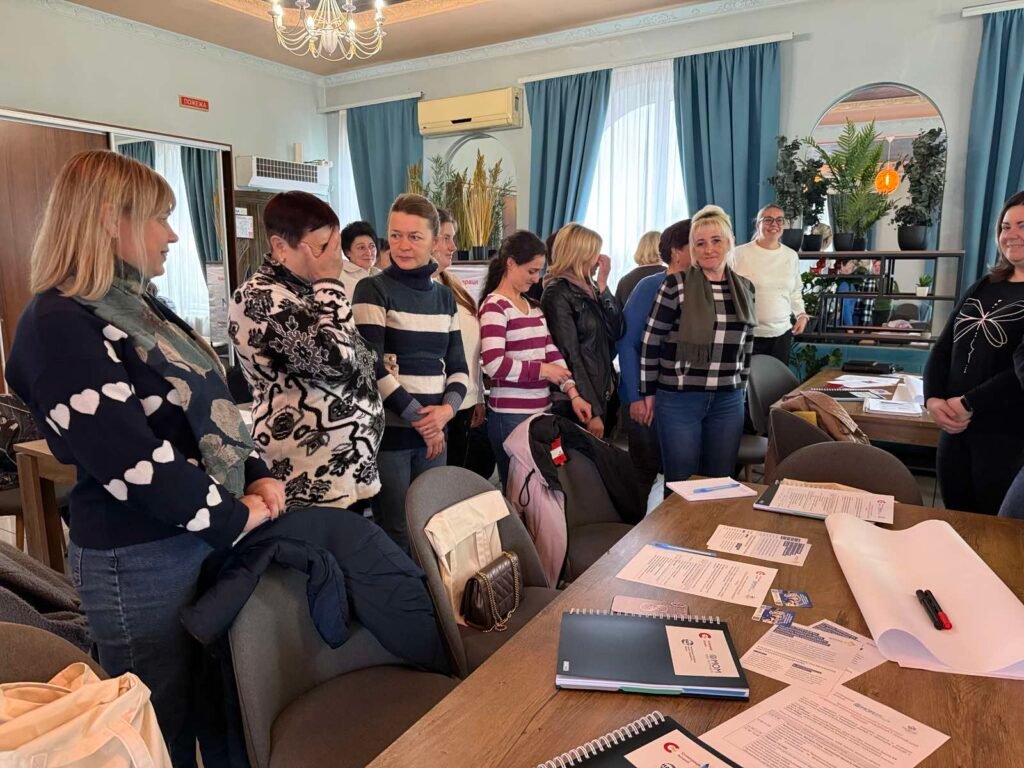
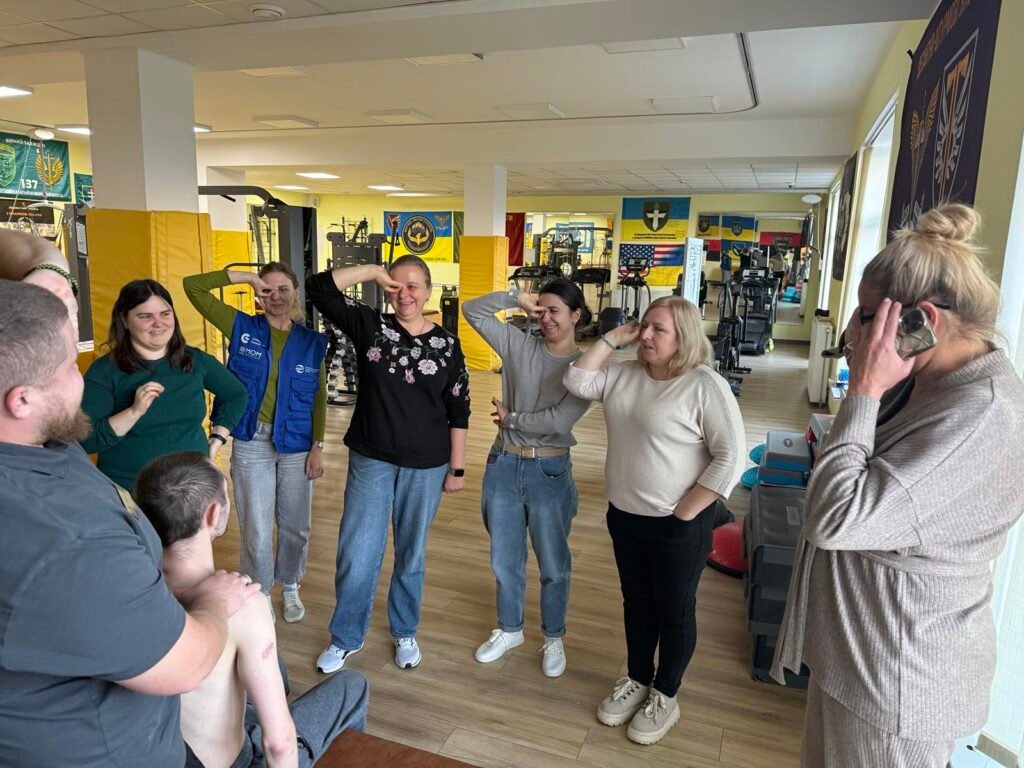
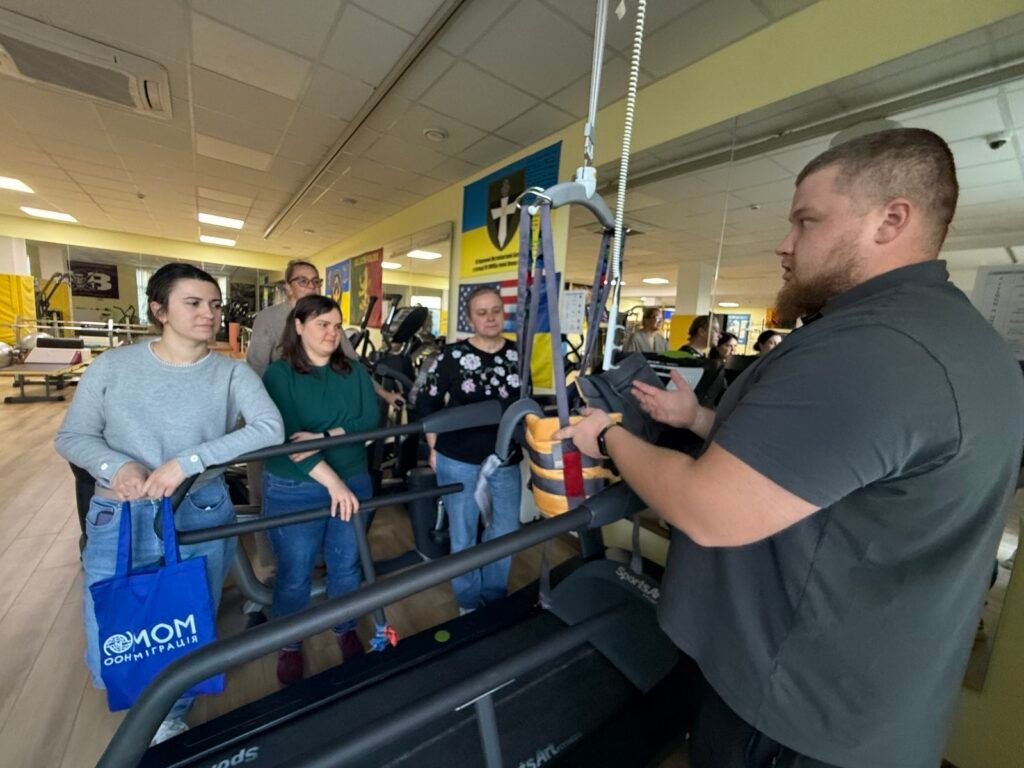
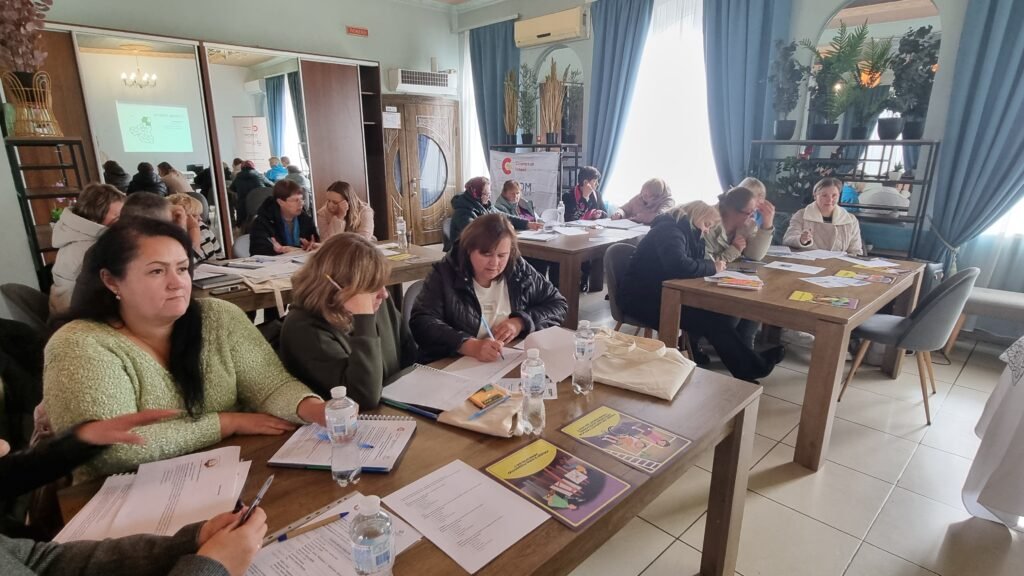
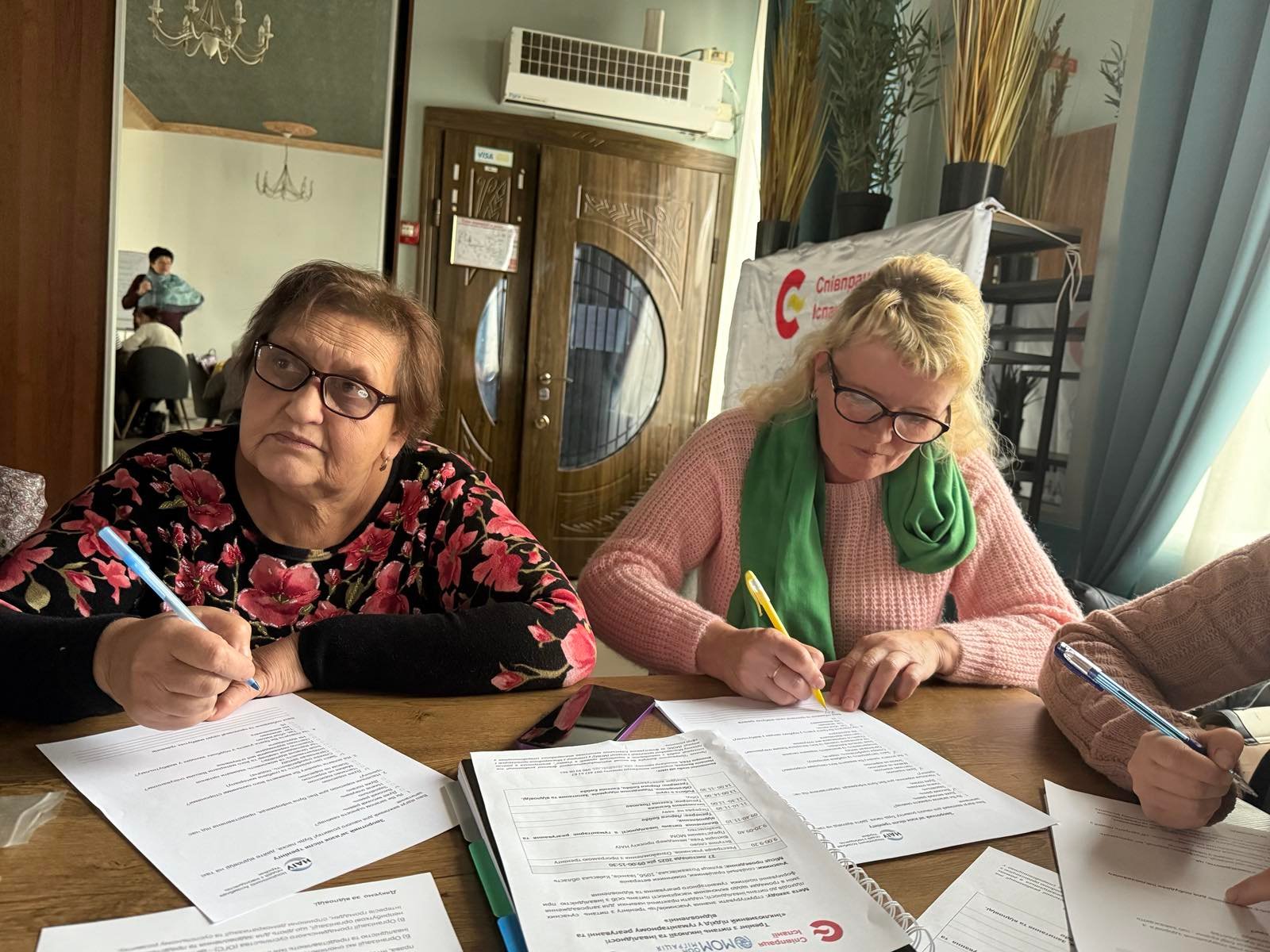
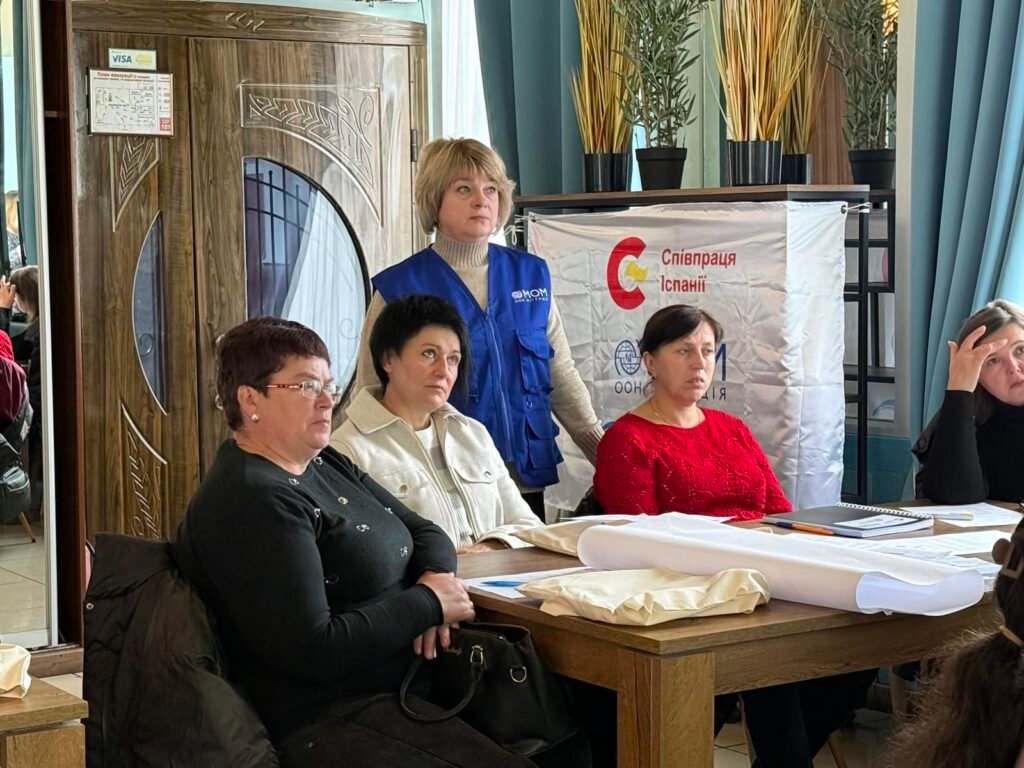
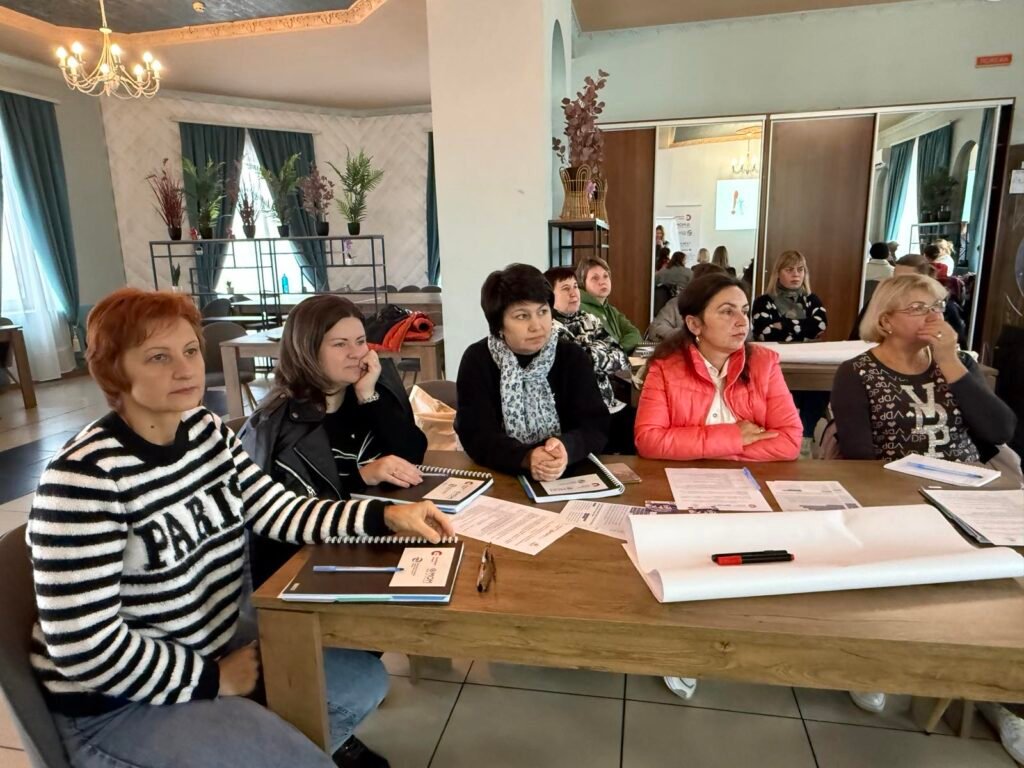
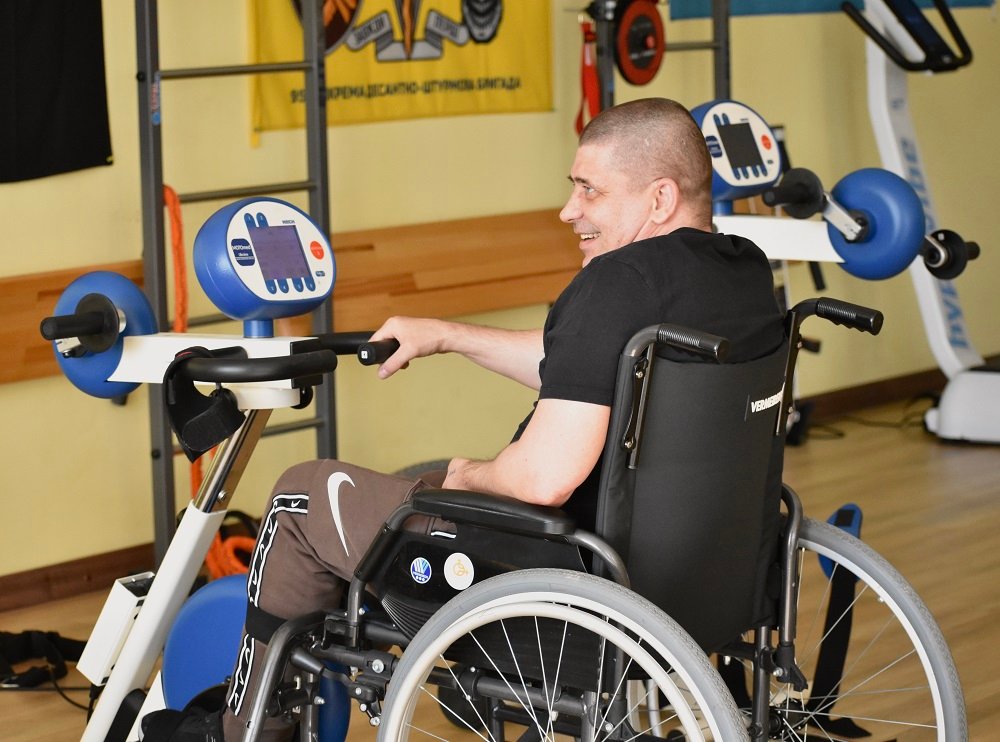
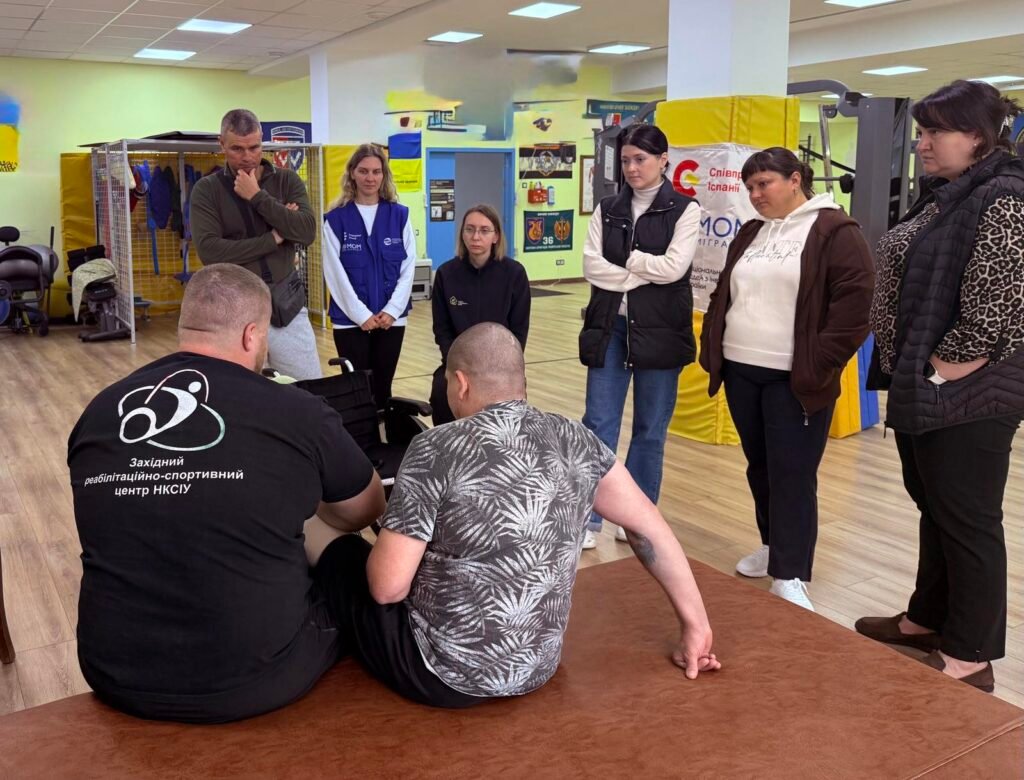
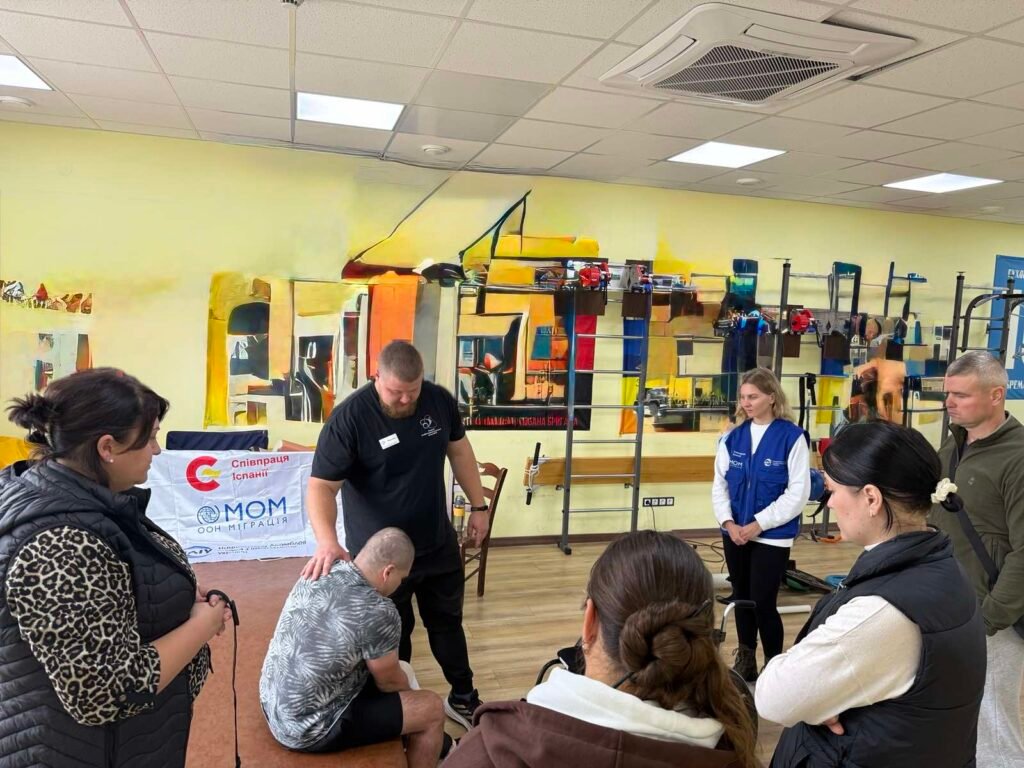
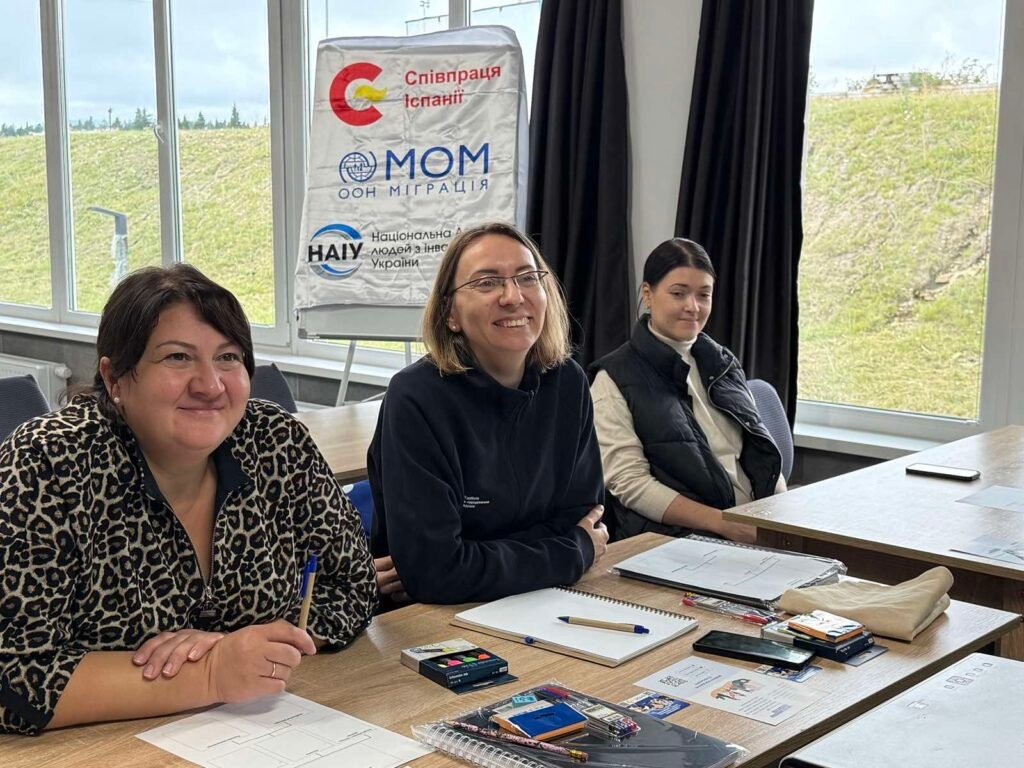
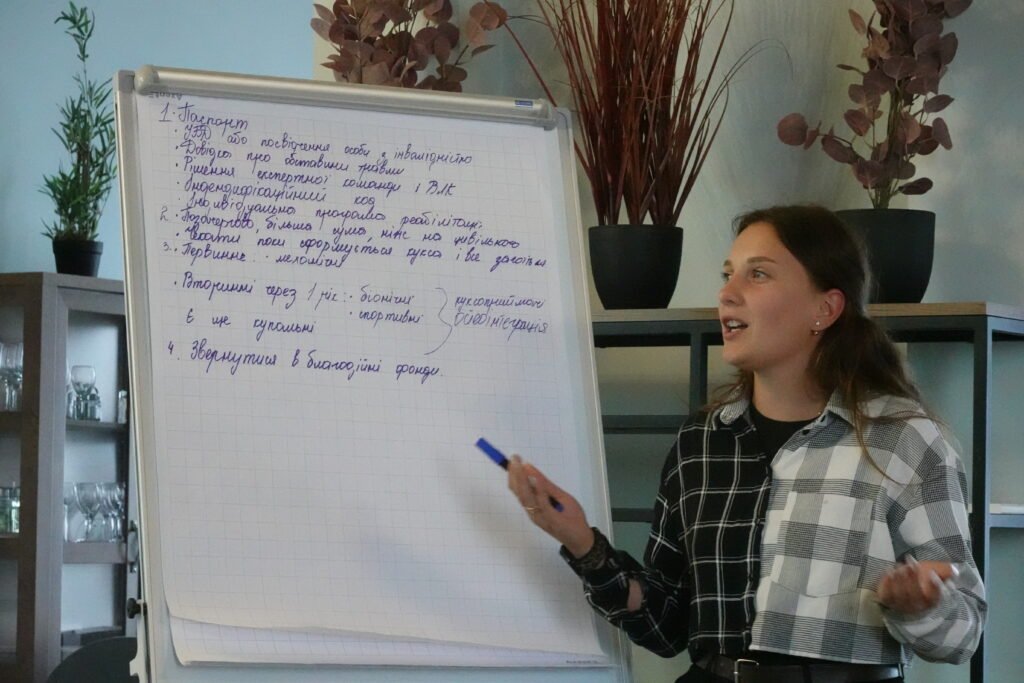
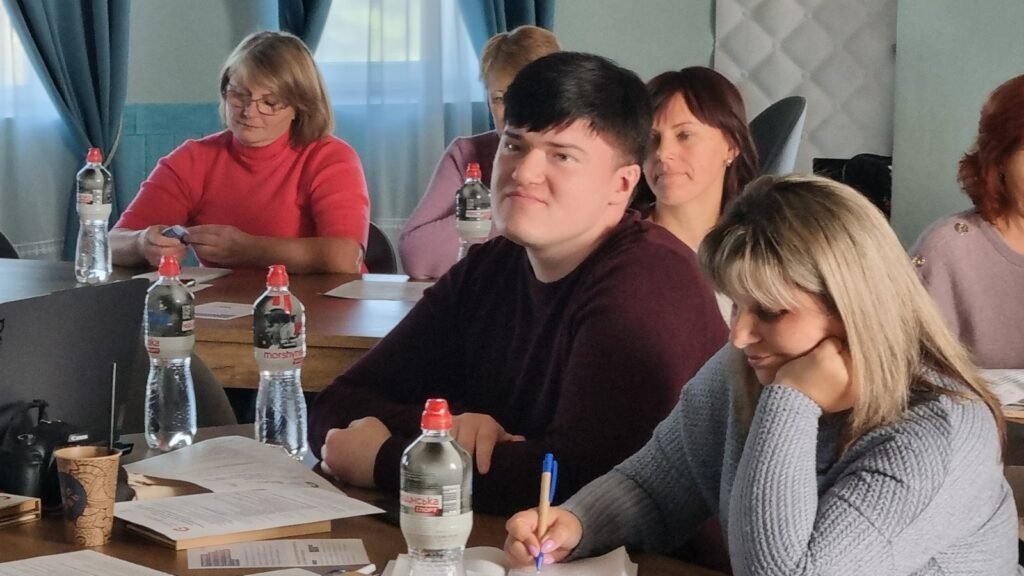
The second area of focus was strengthening the knowledge of specialists at the Ivankiv Hospital and the multidisciplinary team. Two five-day practical training courses at the Western Rehabilitation and Sports Centre of the National Centre for Sports and Physical Culture provided doctors, physical therapists and nurses with the opportunity to gain up-to-date knowledge of physical rehabilitation and practise their skills.
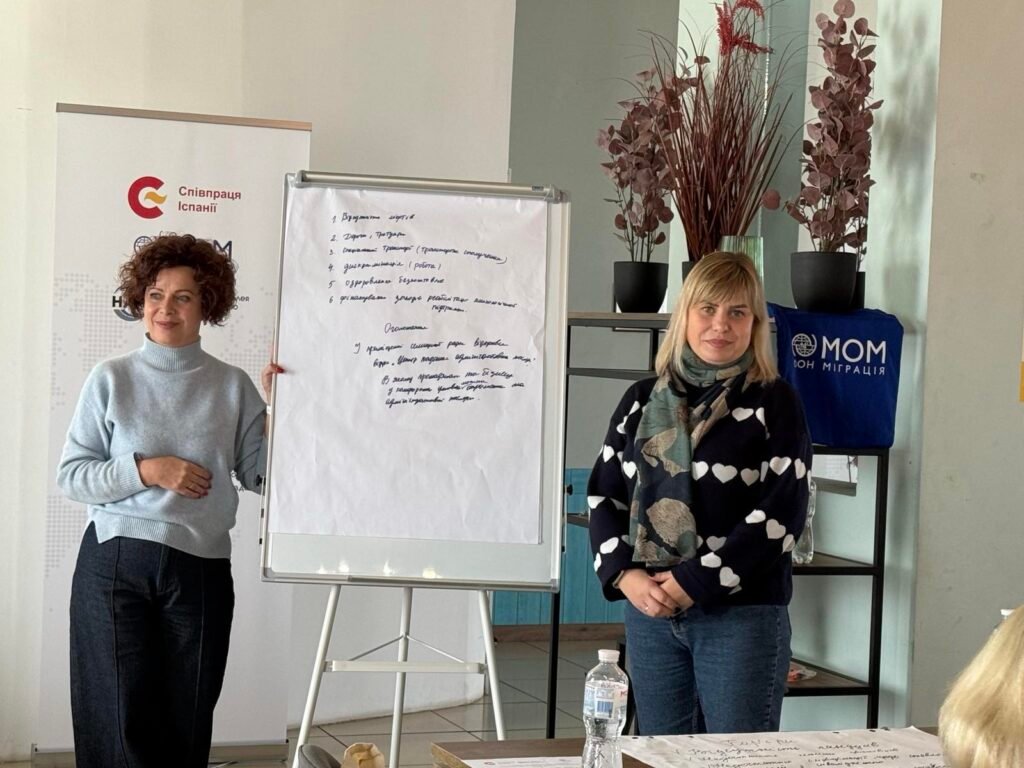
Participants worked in small groups, analysed clinical cases, modelled patient routes, and learned to work as a cohesive team.
“It was critically important for us to move rehabilitation from the level of ‘individual enthusiasts’ to the level of team practice. After the training, we really look differently at patient pathways, interaction between specialists, and how to support people after injuries or illnesses,” says Larisa Tsup, chief physician at the Ivankiv Hospital.
Online training in neurorehabilitation and working with the consequences of injuries and damage to the nervous system complemented face-to-face training and made it possible to involve specialists who are not always able to leave their communities.
Assistive technologies and individual consultations
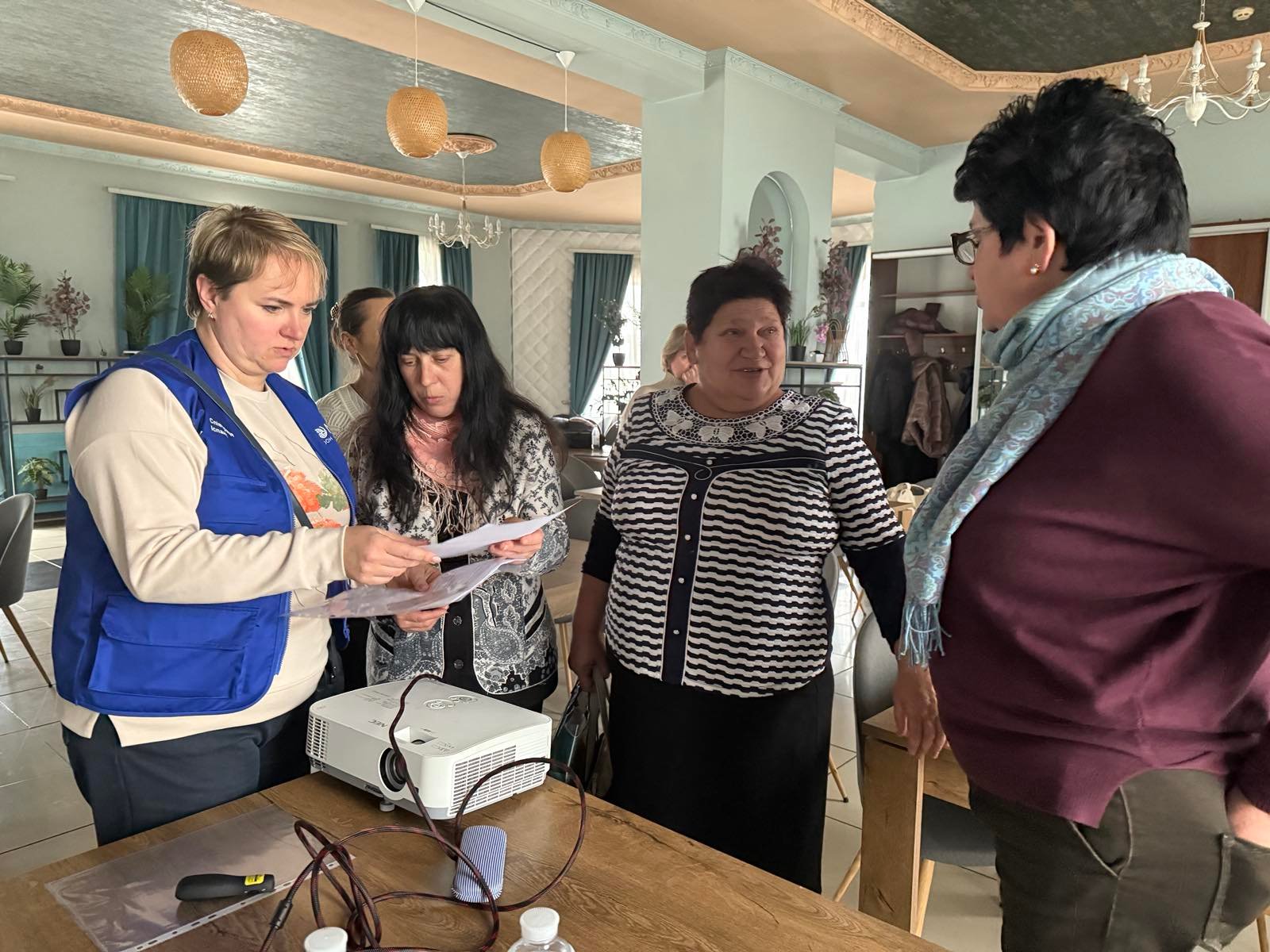
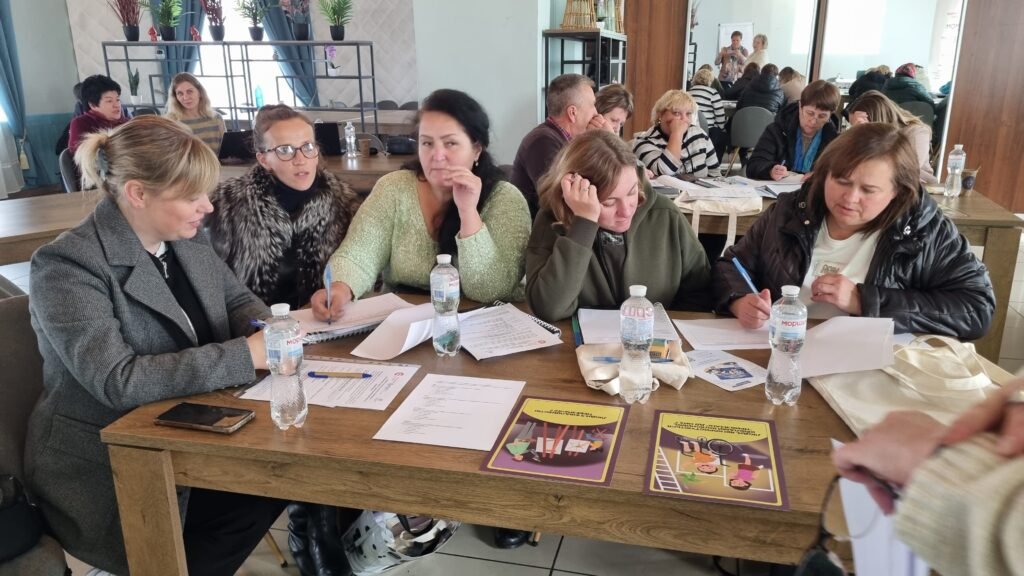
A separate block consisted of a seminar on the legislative aspects of providing assistive rehabilitation devices (ARD) and individual consultations with NAPD experts for the hospital team and social workers.
"For people with disabilities, it is often not only the availability of a resource that is critical, but also understanding how to obtain it. The task of specialists is to be 'navigators' for people, not just to state that the procedure is complicated," emphasises NAPD expert Svitlana Petrusha.
After the training, community specialists received clear algorithms for action, sample documents, and answers to typical questions from residents — from registering for temporary accommodation to providing support during rehabilitation routes.
Information "at your fingertips": a series of booklets
Another outcome of the project is a series of information booklets with practical information for community residents. Materials have been prepared and distributed on the following topics:
how to obtain rehabilitation services;
how to obtain rehabilitation aids;
how to exercise the right to employment;
how to obtain social services;
where and what services are available in the Ivankiv community;
what steps are required to establish disability.
The booklets are distributed through hospitals, social services, and regional centres. They provide clear advice and information and help people navigate legislation and bureaucratic procedures.
"Now, when someone comes to us with a question, we can not only explain it verbally, but also give them a clear 'road map' in the form of a booklet. This saves time for both people and specialists," says Lyudmila Vozna, director of the Social Services Centre of the Ivankiv Village Council.
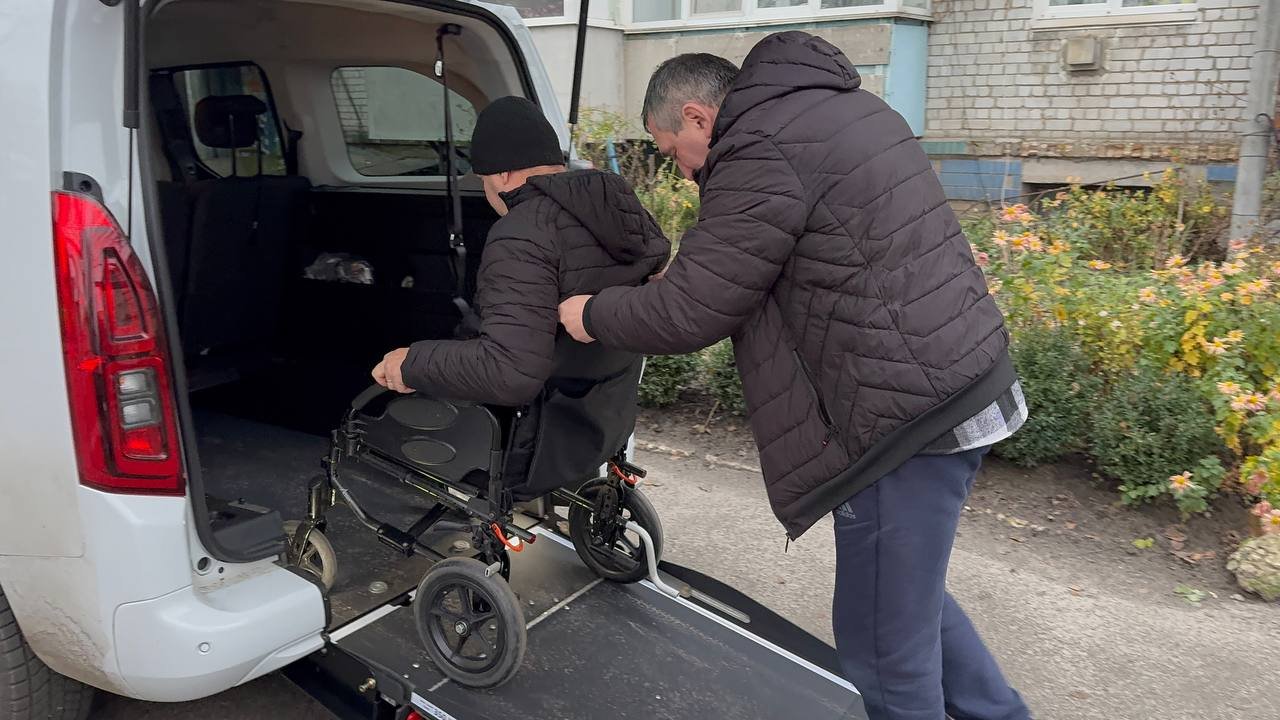
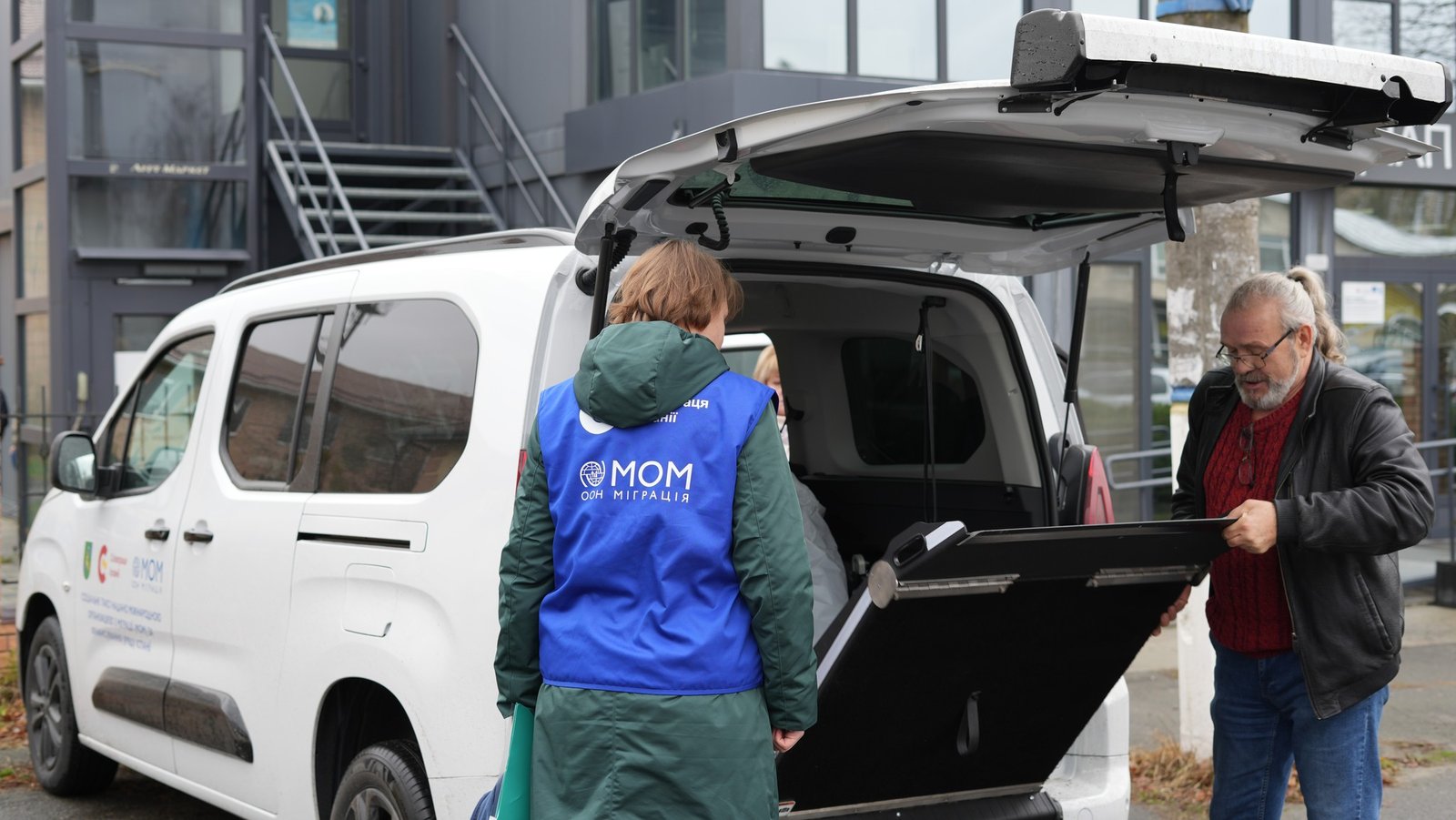
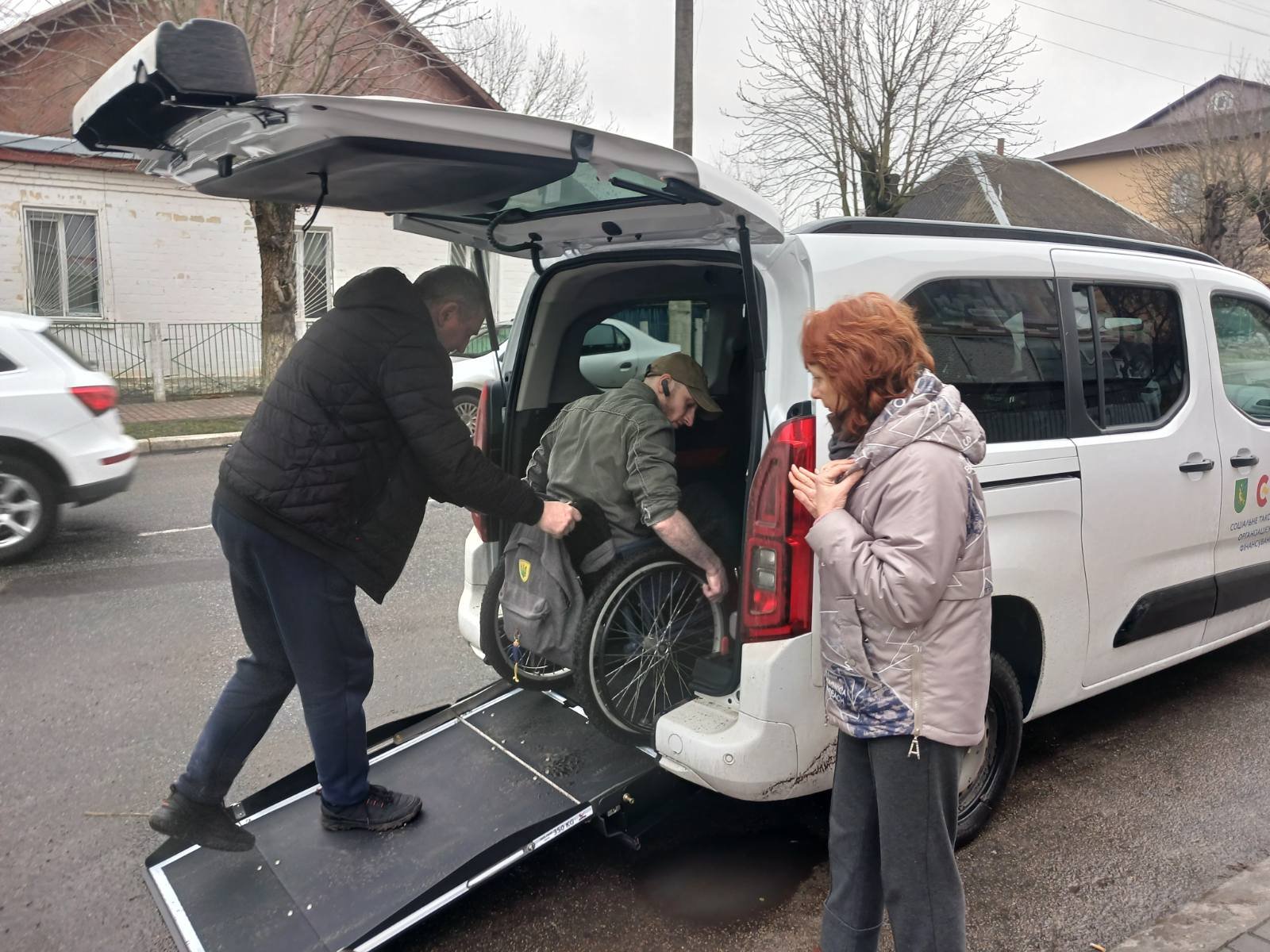
The Resilience Centre plays a special role in this system, where residents can receive support, information about available services, and participate in group activities. Trained specialists, brochures, and accessible transportation make these opportunities truly achievable.
What is changing now — and what will change next
The project brought together a hospital, social services, a regional centre, the Ivankiv village council, the Resilience Centre, and the community itself around the theme of rehabilitation and inclusion.
"Our goal was not to hold a few events and tick a box. Together with the Ivanivka community team, we worked to establish sustainable elements of the system: trained specialists, clear routes, tools for people, and specific plans to remove barriers. This is the foundation on which the community will be able to build in the future," concludes project manager Viktoria Reva.
The project in the community is ongoing, so the next management focus is to consolidate what has been achieved in practice:
the community has tools for planning improvements to the accessibility of socially important buildings;
information materials help residents quickly navigate services;
Adapted transport improves access to services for those who previously tended to stay at home.
The Ivankiv community has taken an important step towards ensuring that people with disabilities, veterans and the elderly feel that support is close at hand and that access to services is shorter, safer and more predictable.
Гуманітарна допомога може бути передбачена програмою, профінансована і навіть доступна у громаді. Але головне питання інше: чи може людина, яка її потребує, реально нею скористатися? Саме про це говорили учасники дворівневого навчання «Гуманітарна діяльність: врахування потреб осіб з інвалідністю», яке у жовтні провела Національна Асамблея людей з інвалідністю України. До навчання долучилися представники гуманітарних і […]
Шукаємо координатора(-ку) з комунікацій у команду НАІУ (на проєкт) Національна Асамблея людей з інвалідністю України (НАІУ) реалізує проєкт «Інклюзія передусім — захист і підтримка дітей з аутизмом та іншими видами інвалідності, ветеранів і ветеранок в Україні», спільно з СВМ та СВМ Італія, спрямований на підтримку ветеранів та ветеранок, розвиток доступних можливостей для їхньої реабілітації, протезування, […]
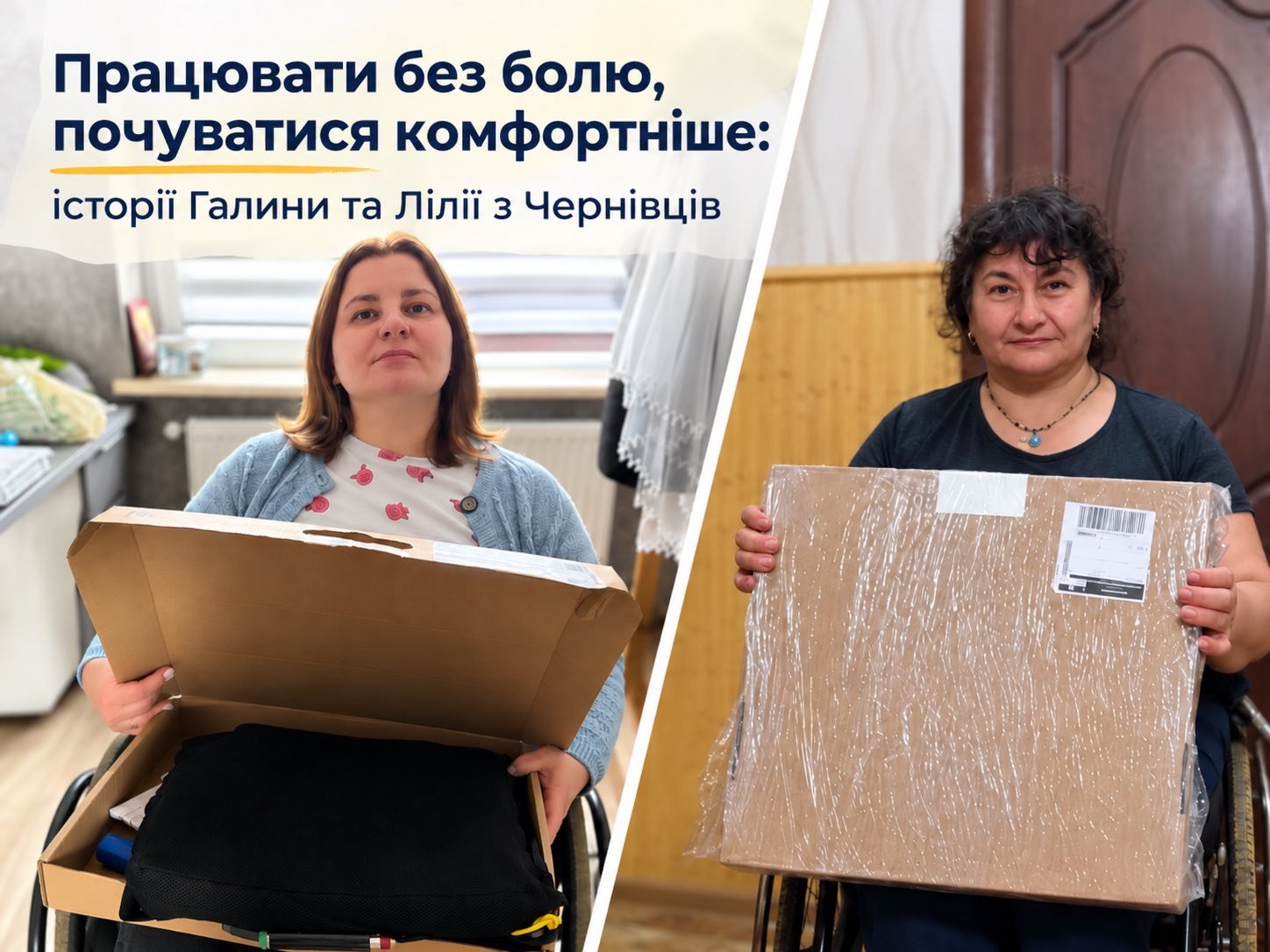
Галина з Чернівців створює весільні аксесуари для наречених. Її робота потребує творчості, терпіння та уваги до найменших деталей. За виготовленням прикрас жінка проводить багато годин, адже кожен виріб вимагає кропіткої ручної праці. Для Галини важливо мати можливість займатися улюбленою справою, однак тривала робота нерідко супроводжується фізичним дискомфортом. Жінка користується кріслом колісним, і через велике навантаження […]
Повернення з військової служби до цивільного життя — це новий етап, який нерідко супроводжується непростими викликами. Особливо для ветеранів і ветеранок, які зазнали поранень або набули інвалідності. Реабілітація, пошук роботи, доступ до послуг, відновлення соціальних зв’язків — усе це потребує не лише особистих зусиль, а й підтримки суспільства. Національна Асамблея людей з інвалідністю України (НАІУ) […]
Упродовж програмного року — з 1 жовтня 2025-го до 30 вересня 2026-го — на гарячій лінії Національної Асамблеї людей з інвалідністю України (НАІУ) було надано 821 консультацію для 680 осіб. Найчастіше люди зверталися за роз’ясненням щодо своїх прав і пільг, зокрема отримання та поновлення виплат, оформлення догляду, встановлення й переоформлення інвалідності. Близько 70% звернень стосувалися […]
Громадська спілка “Всеукраїнське громадське об’єднання “Національна Асамблея людей з інвалідністю України” (далі – «Організатор») оголошує продовження конкурсу на закупівлю енергозберігаючого обладнання для поставки у територіальні громади Сумської, Чернігівської, Харківської та Полтавської областей. Джерело фінансування закупівлі: Дана закупівля здійснюється в рамках проєкту «Зміцнення інклюзивних послуг з охорони здоров’я, реабілітації та захисту населення, постраждалого від повномасштабного вторгнення в […]