Advocacy — Theory, Practice, Action Plan: NAPD Completed Its Training Camp in Yavoriv
December 8, 2025
Share:
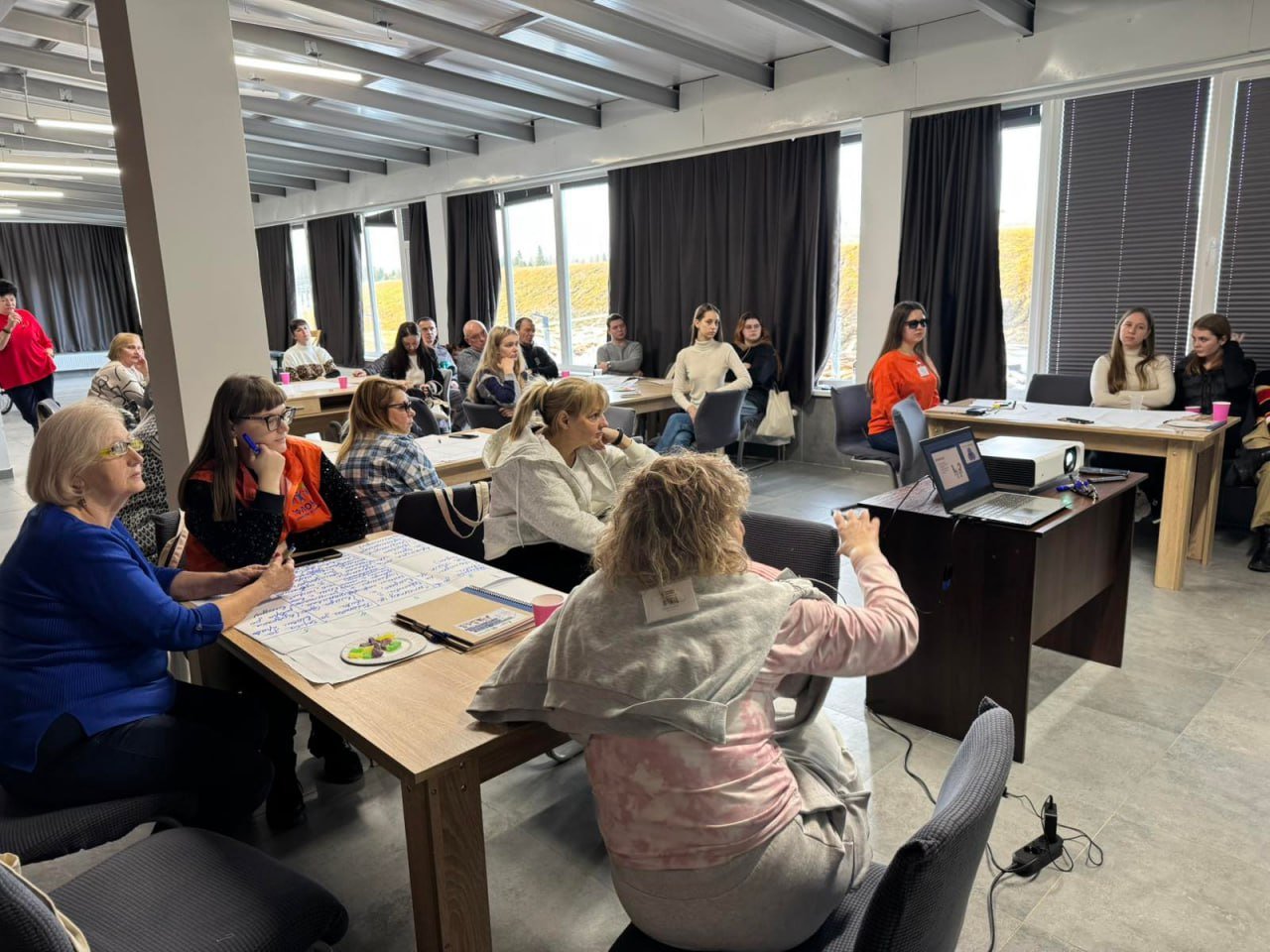
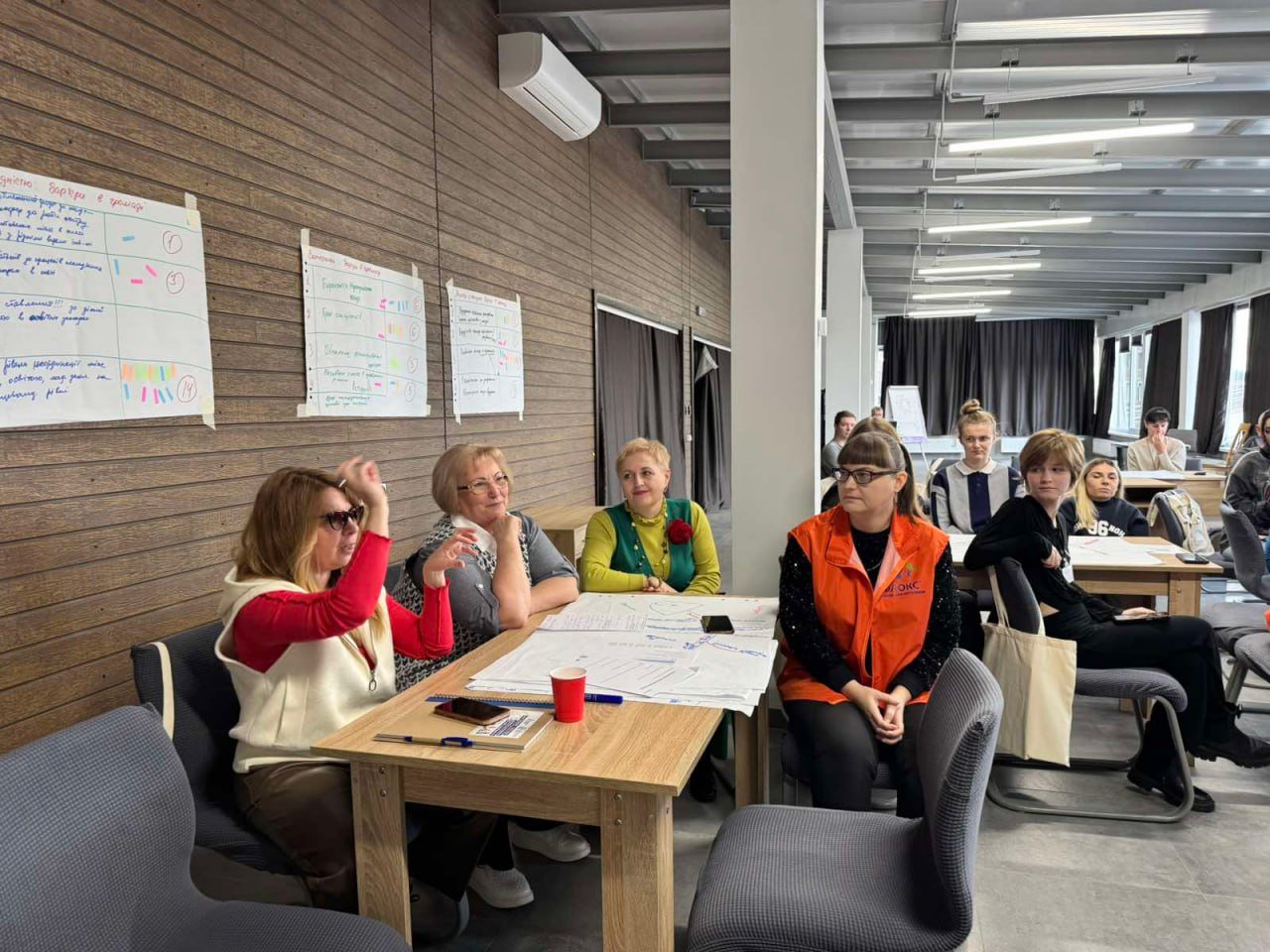
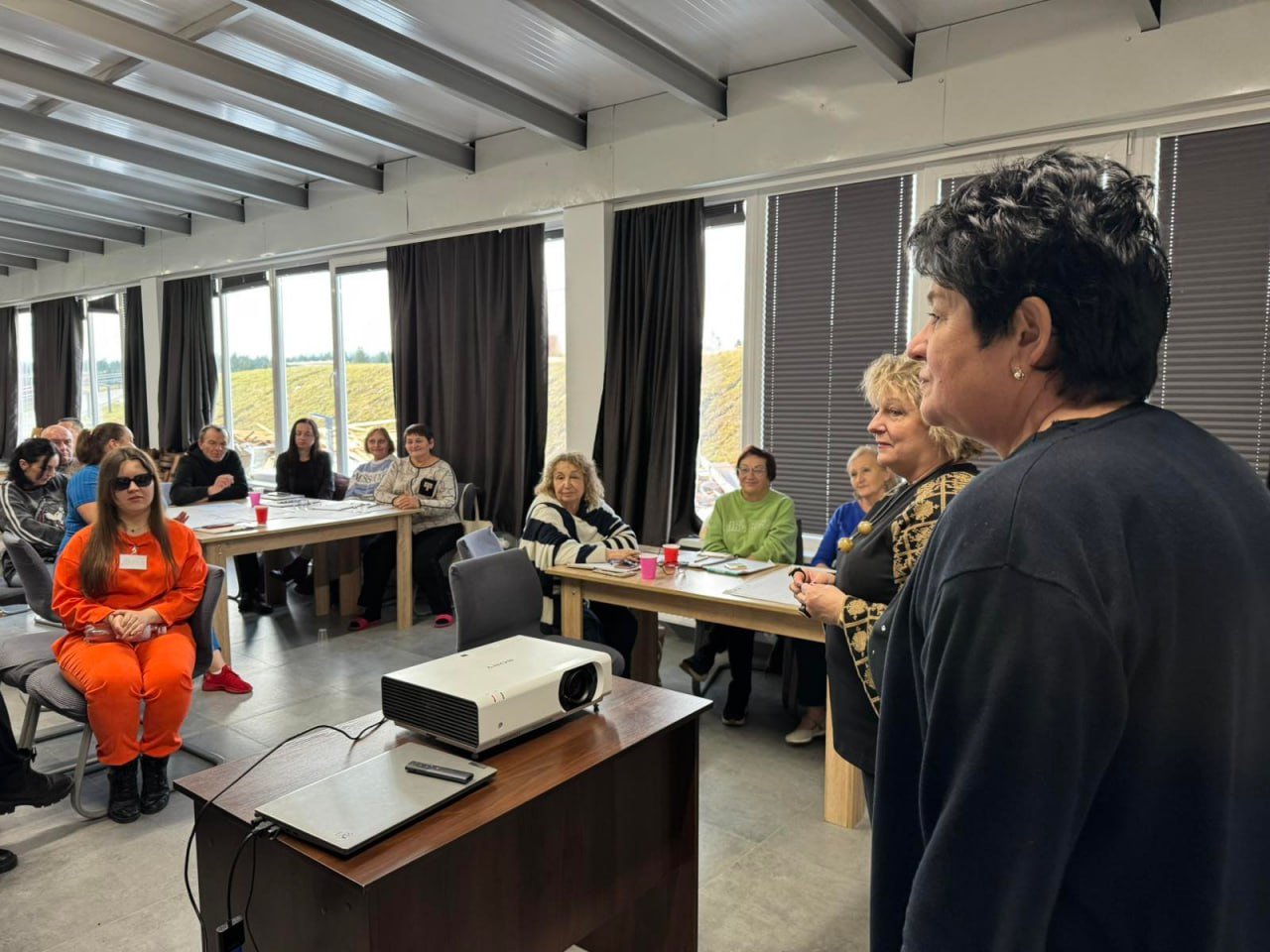
The National Assembly of People with Disabilities of Ukraine (NAPD) held a training camp titled “Strengthening the Capacity of DPOs. Advocacy: Theoretical and Practical Aspects,” which took place on 1–5 December 2025 at the Western Rehabilitation and Sports Centre (Yavoriv, Lviv region).
The camp was carried out within the framework of the project “Together We Are Powerful: Capacity Building of Public Organizations of People with Disabilities,” implemented by NAPD in partnership with the humanitarian organization “People in Need” and with financial support from the people of the Czech Republic.
At a time when communities are simultaneously responding to the challenges of war and preparing for recovery, advocacy becomes a key tool that helps transform people’s needs into concrete solutions – in services, programmes and decision-making processes.
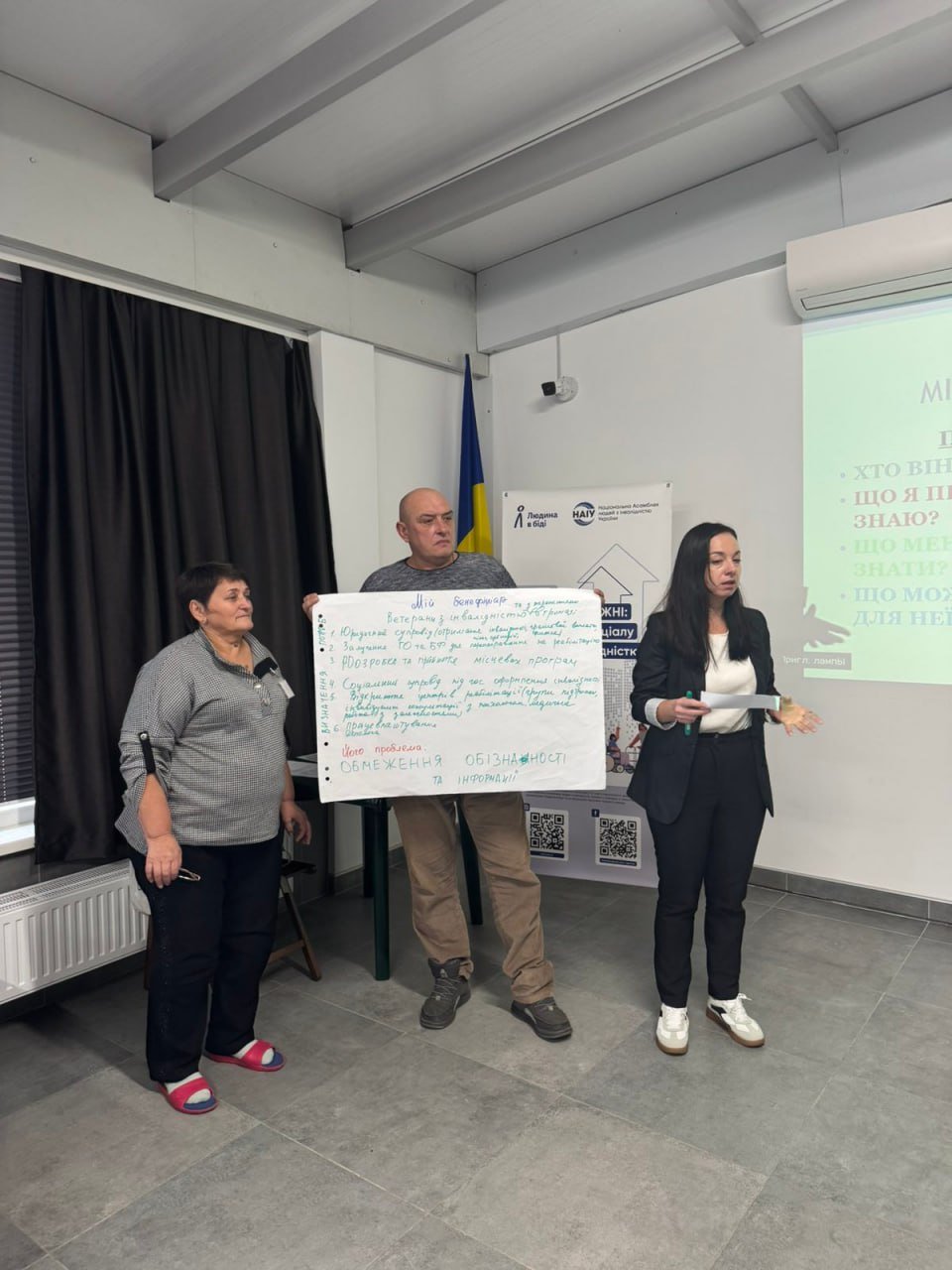
Leaders and activists of disability organisations from Dnipropetrovsk, Donetsk, Zaporizhzhia, Mykolaiv, Kharkiv, Ivano-Frankivsk, and Lviv regions took part in the camp. The main focus was on strengthening organisational capacity, particularly in advocacy.
“We worked in a way that ensured each team returned home not only with an understanding of approaches, but with tools and a draft action plan for their community. Next will be work on the ground and mutual support through the NAPD network,” said Yurii Vasylchenko.
From Understanding Rights to Tools and Strategy
The programme combined work on core topics – the rights of persons with disabilities under the UN Convention, approaches to engagement and participation – with practical modules: “Advocacy in action,” its stages, the difference between advocacy and lobbying, and why this is critically important in humanitarian response and recovery.
Participants also explored advocacy methodologies and tools – from strategy selection to media advocacy, monitoring, and outcome assessment.
The final practical block focused on designing and implementing advocacy strategies and planning concrete advocacy activities in communities based on the logic:
problem → goal → allies/resources → action plan → expected result.
During the practical sessions, teams drafted preliminary advocacy plans for their communities: they identified target audiences, key stakeholders, communication priorities, and criteria to assess impact.
After concluding the programme, participants completed questionnaires and received certificates.
Feedback from participants
Bohdan (Lviv region):
“What I found most valuable was that we didn’t ‘talk in general terms’, but structured advocacy into a clear logic: goal, allies, resources, steps. I am going home with a roadmap, not just notes.”
Iryna (Mykolaiv region):
“The most useful were the practical tools — media advocacy and monitoring. In our work it is important not only to raise an issue, but also to demonstrate results and impact through facts.”
Olha (Mykolaiv region):
“There was a lot of real teamwork. When you analyse cases together, you see how to ‘ground’ rights and standards in solutions in a specific community.”
The next step for teams is to work within their communities and support each other in the NAPD network to promote changes that make environments and services more accessible for persons with disabilities, veterans and other persons with limited mobility.
Гуманітарна допомога може бути передбачена програмою, профінансована і навіть доступна у громаді. Але головне питання інше: чи може людина, яка її потребує, реально нею скористатися? Саме про це говорили учасники дворівневого навчання «Гуманітарна діяльність: врахування потреб осіб з інвалідністю», яке у жовтні провела Національна Асамблея людей з інвалідністю України. До навчання долучилися представники гуманітарних і […]
Шукаємо координатора(-ку) з комунікацій у команду НАІУ (на проєкт) Національна Асамблея людей з інвалідністю України (НАІУ) реалізує проєкт «Інклюзія передусім — захист і підтримка дітей з аутизмом та іншими видами інвалідності, ветеранів і ветеранок в Україні», спільно з СВМ та СВМ Італія, спрямований на підтримку ветеранів та ветеранок, розвиток доступних можливостей для їхньої реабілітації, протезування, […]
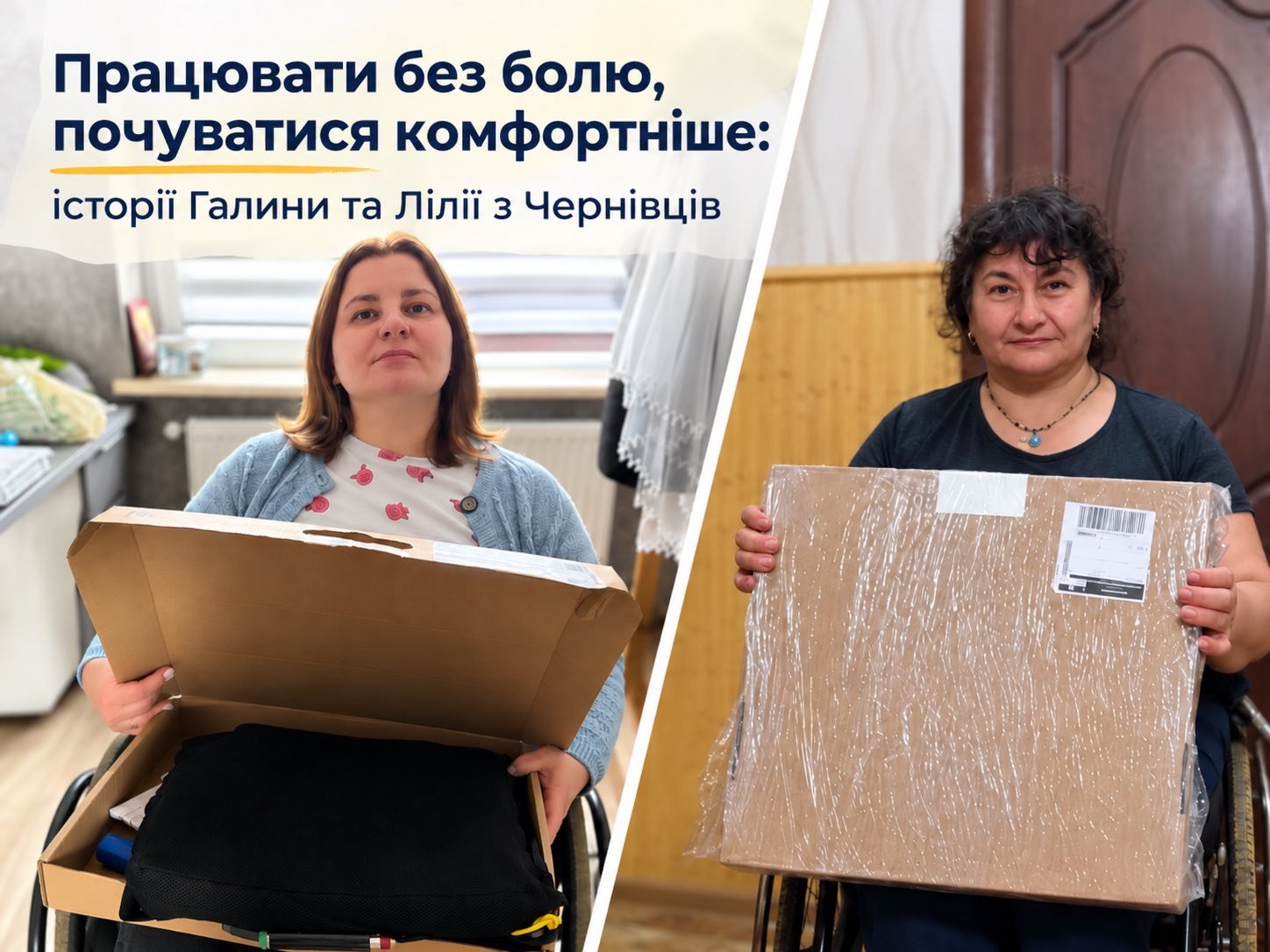
Галина з Чернівців створює весільні аксесуари для наречених. Її робота потребує творчості, терпіння та уваги до найменших деталей. За виготовленням прикрас жінка проводить багато годин, адже кожен виріб вимагає кропіткої ручної праці. Для Галини важливо мати можливість займатися улюбленою справою, однак тривала робота нерідко супроводжується фізичним дискомфортом. Жінка користується кріслом колісним, і через велике навантаження […]
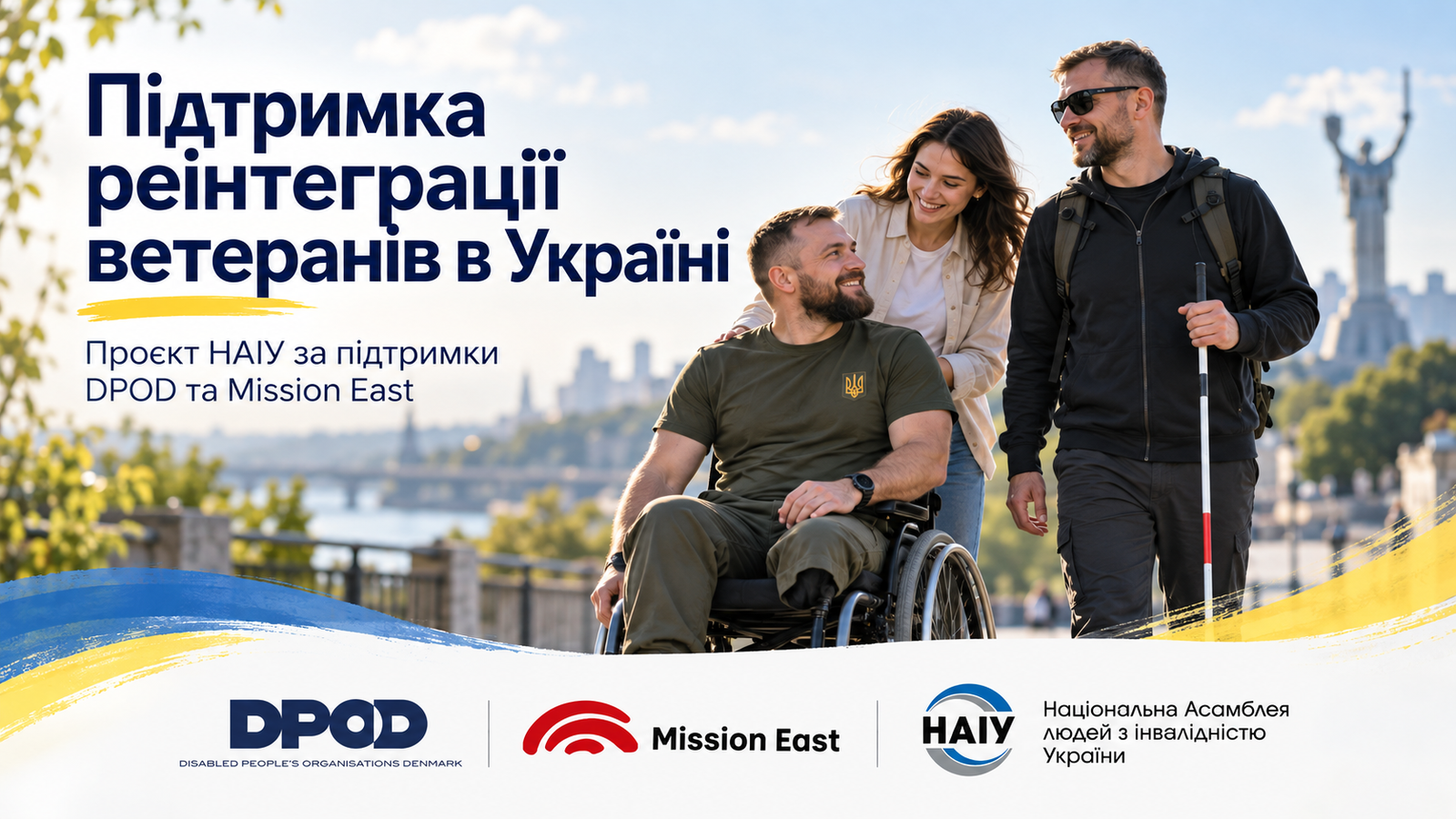
Повернення з військової служби до цивільного життя — це новий етап, який нерідко супроводжується непростими викликами. Особливо для ветеранів і ветеранок, які зазнали поранень або набули інвалідності. Реабілітація, пошук роботи, доступ до послуг, відновлення соціальних зв’язків — усе це потребує не лише особистих зусиль, а й підтримки суспільства. Національна Асамблея людей з інвалідністю України (НАІУ) […]
Упродовж програмного року — з 1 жовтня 2025-го до 30 вересня 2026-го — на гарячій лінії Національної Асамблеї людей з інвалідністю України (НАІУ) було надано 821 консультацію для 680 осіб. Найчастіше люди зверталися за роз’ясненням щодо своїх прав і пільг, зокрема отримання та поновлення виплат, оформлення догляду, встановлення й переоформлення інвалідності. Близько 70% звернень стосувалися […]
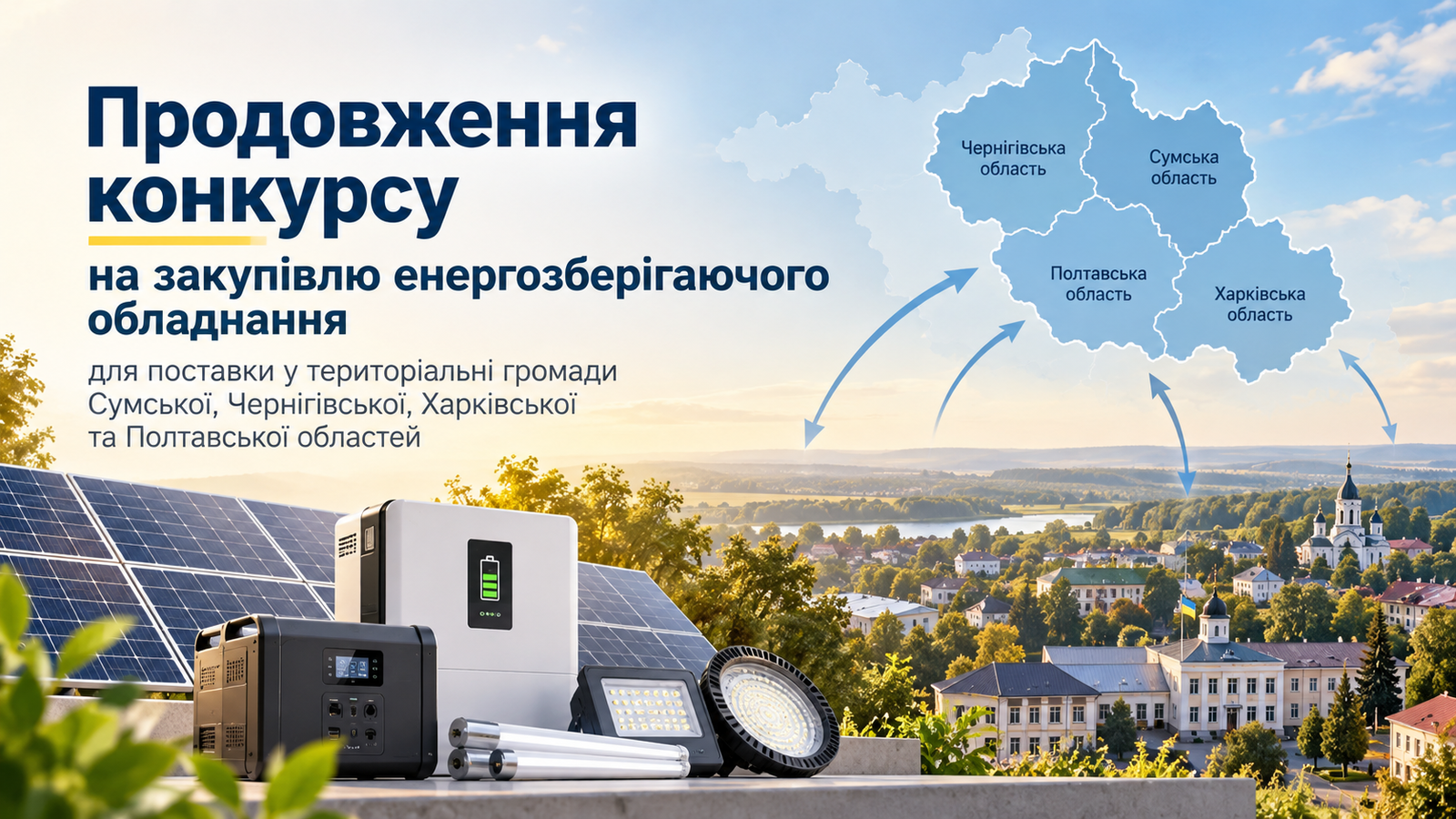
Громадська спілка “Всеукраїнське громадське об’єднання “Національна Асамблея людей з інвалідністю України” (далі – «Організатор») оголошує продовження конкурсу на закупівлю енергозберігаючого обладнання для поставки у територіальні громади Сумської, Чернігівської, Харківської та Полтавської областей. Джерело фінансування закупівлі: Дана закупівля здійснюється в рамках проєкту «Зміцнення інклюзивних послуг з охорони здоров’я, реабілітації та захисту населення, постраждалого від повномасштабного вторгнення в […]