Barrier-Free Admissions: Nine Vocational Education Providers Trained in Kyiv
6 April 2026
Share:
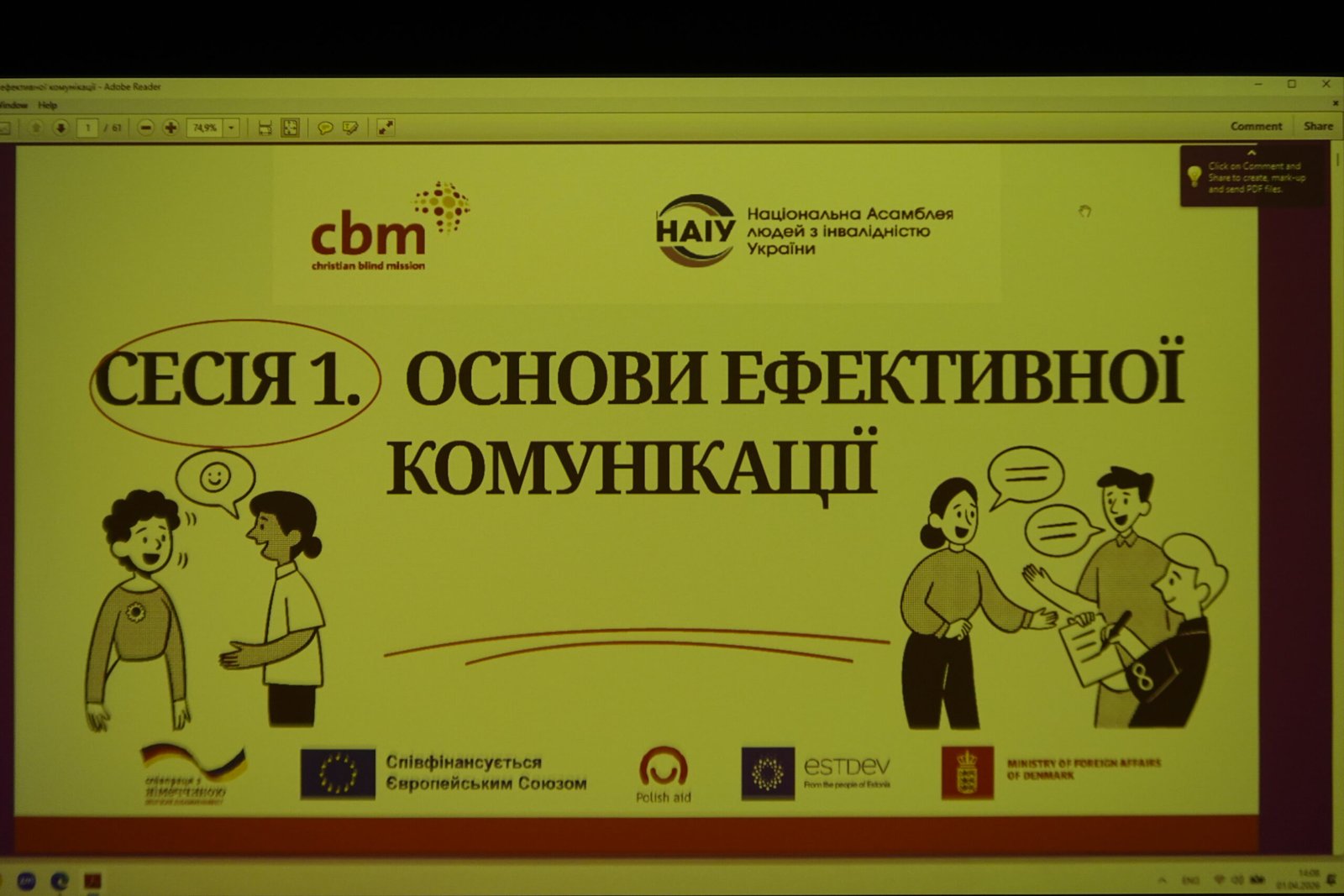
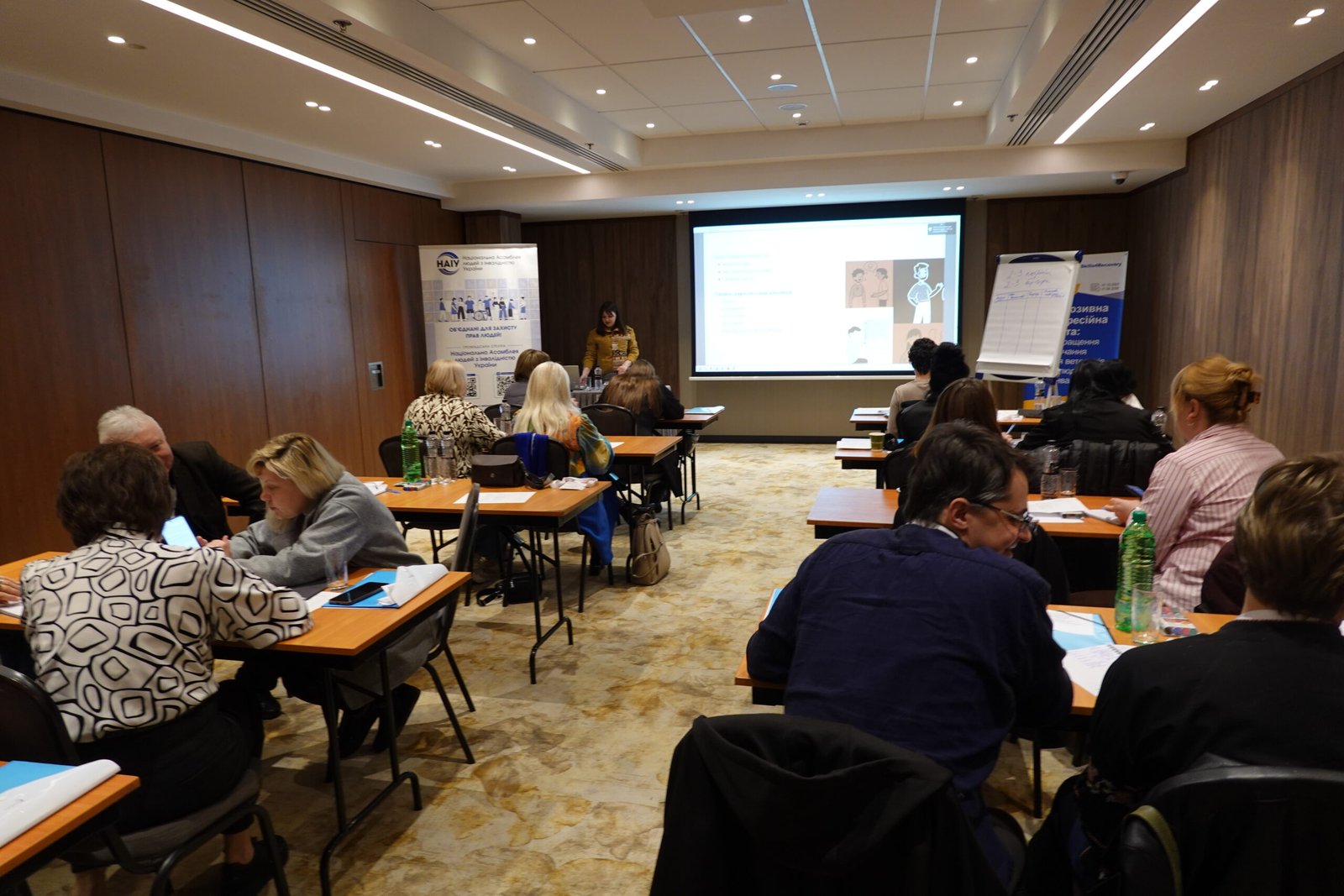
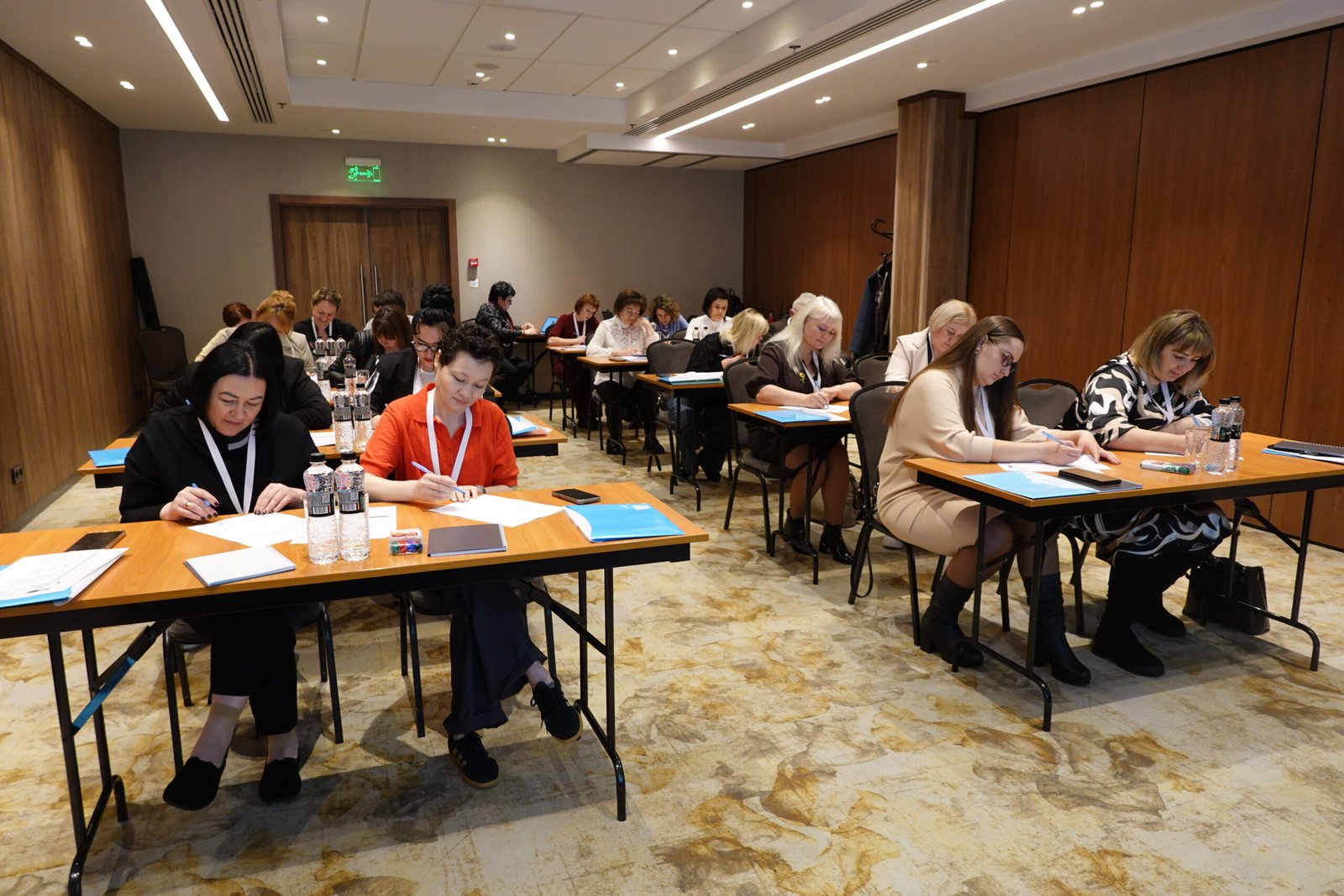
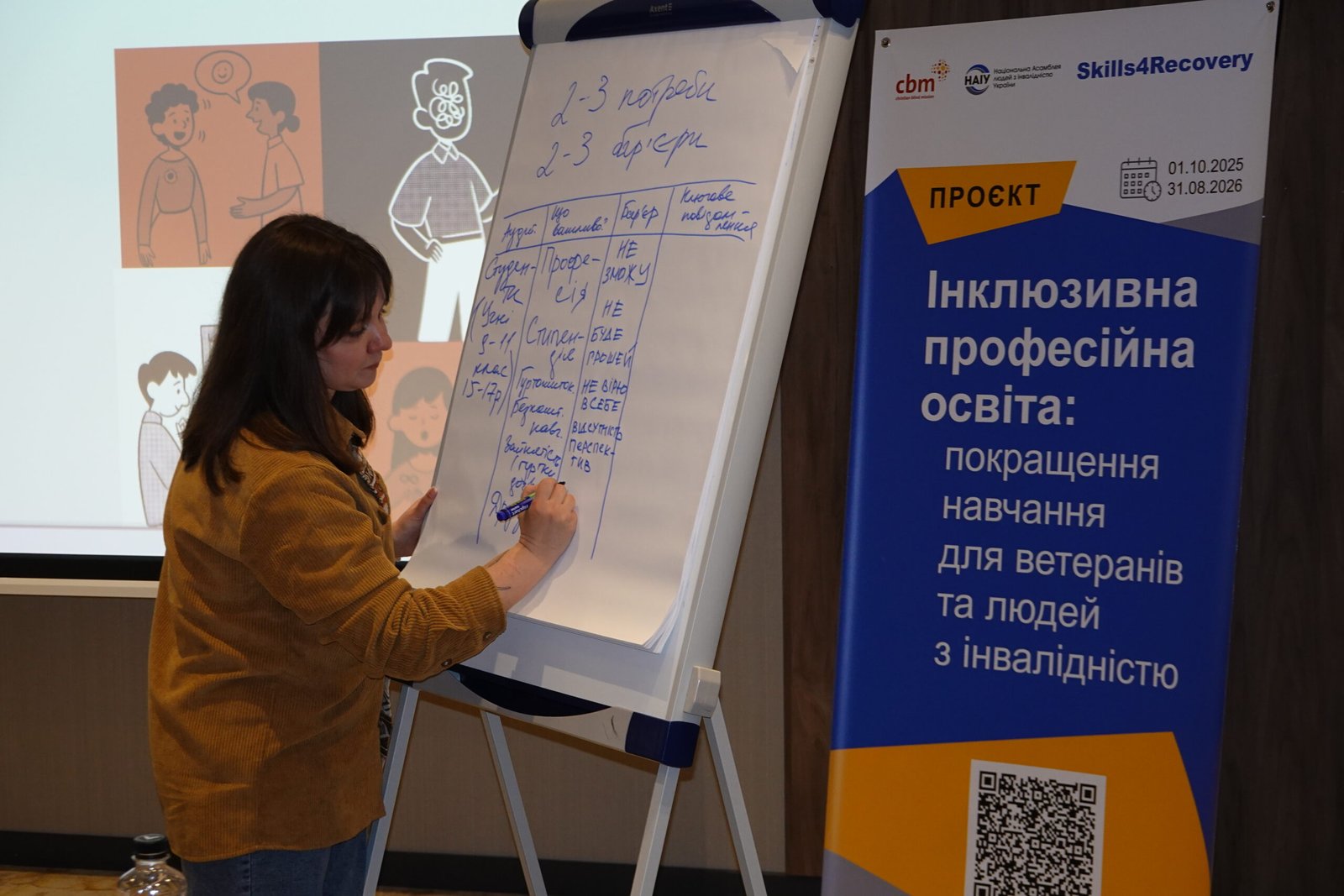
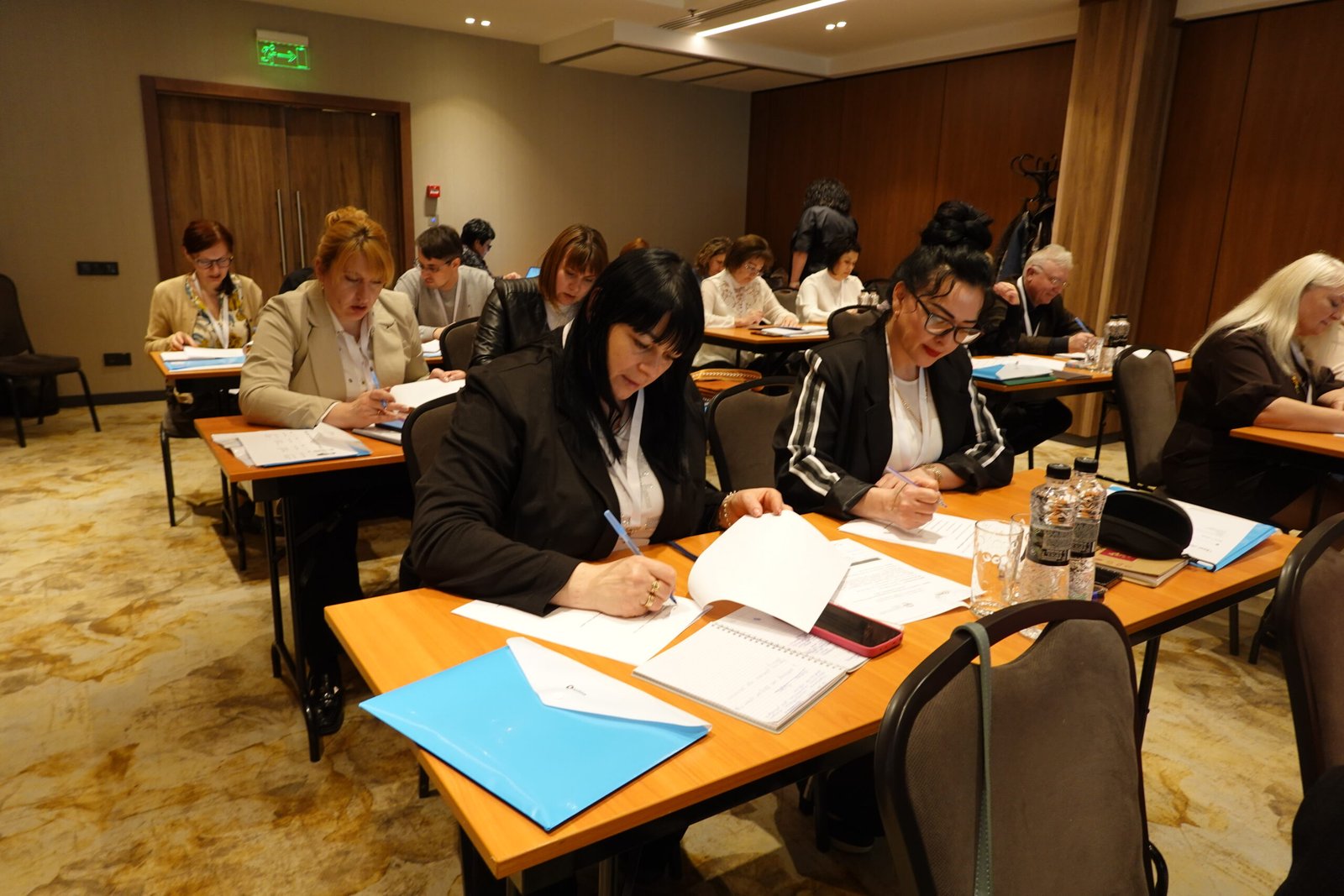
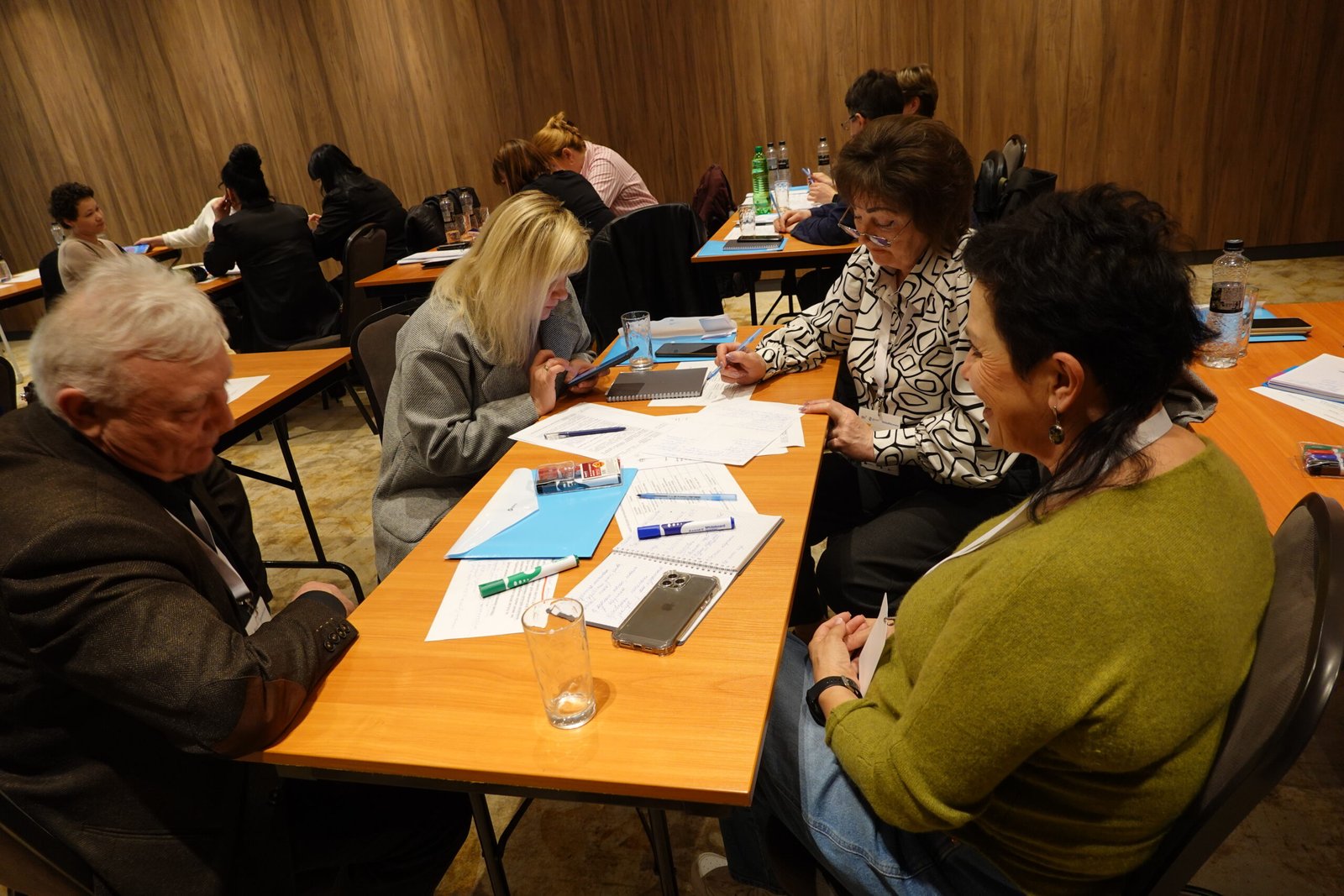
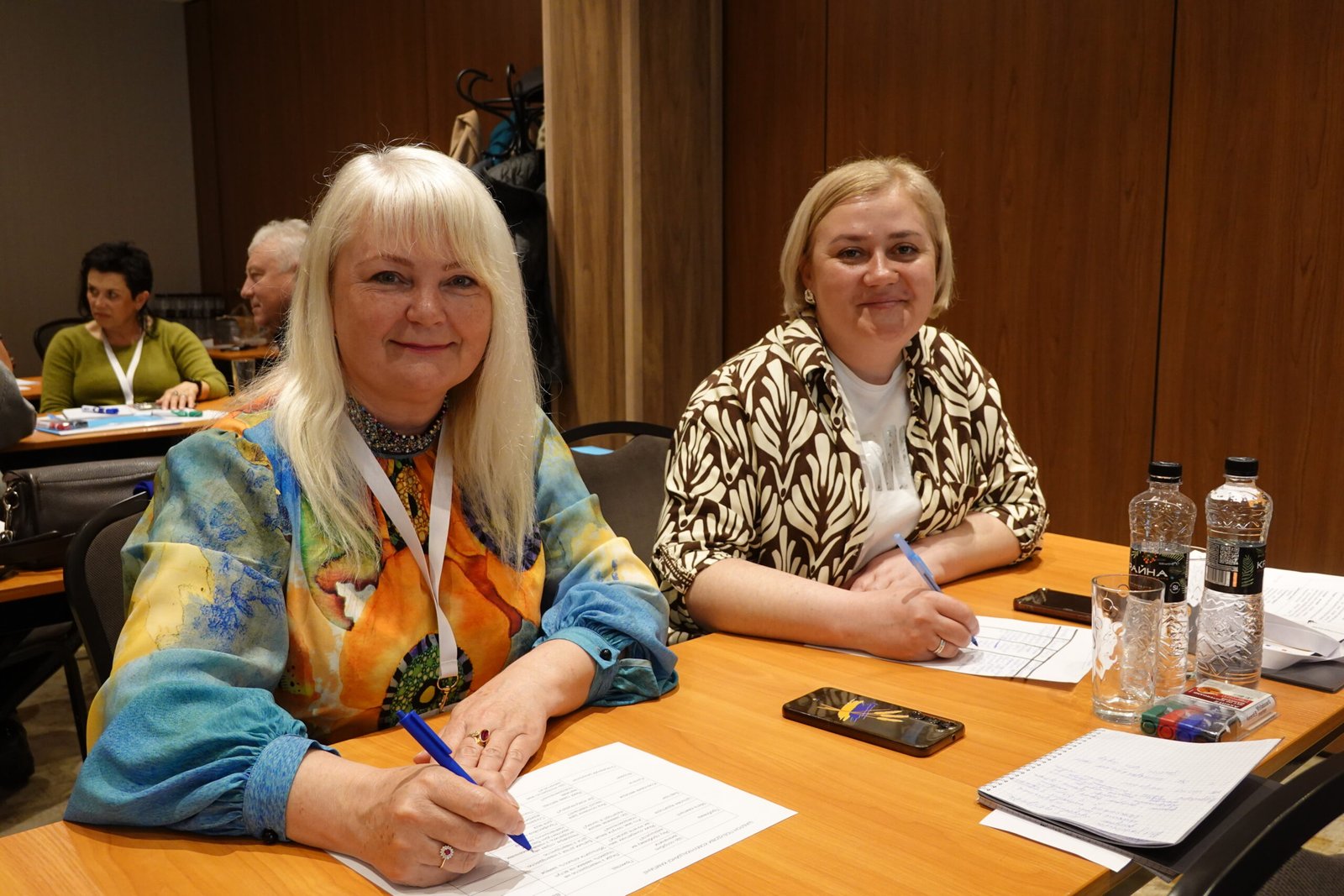
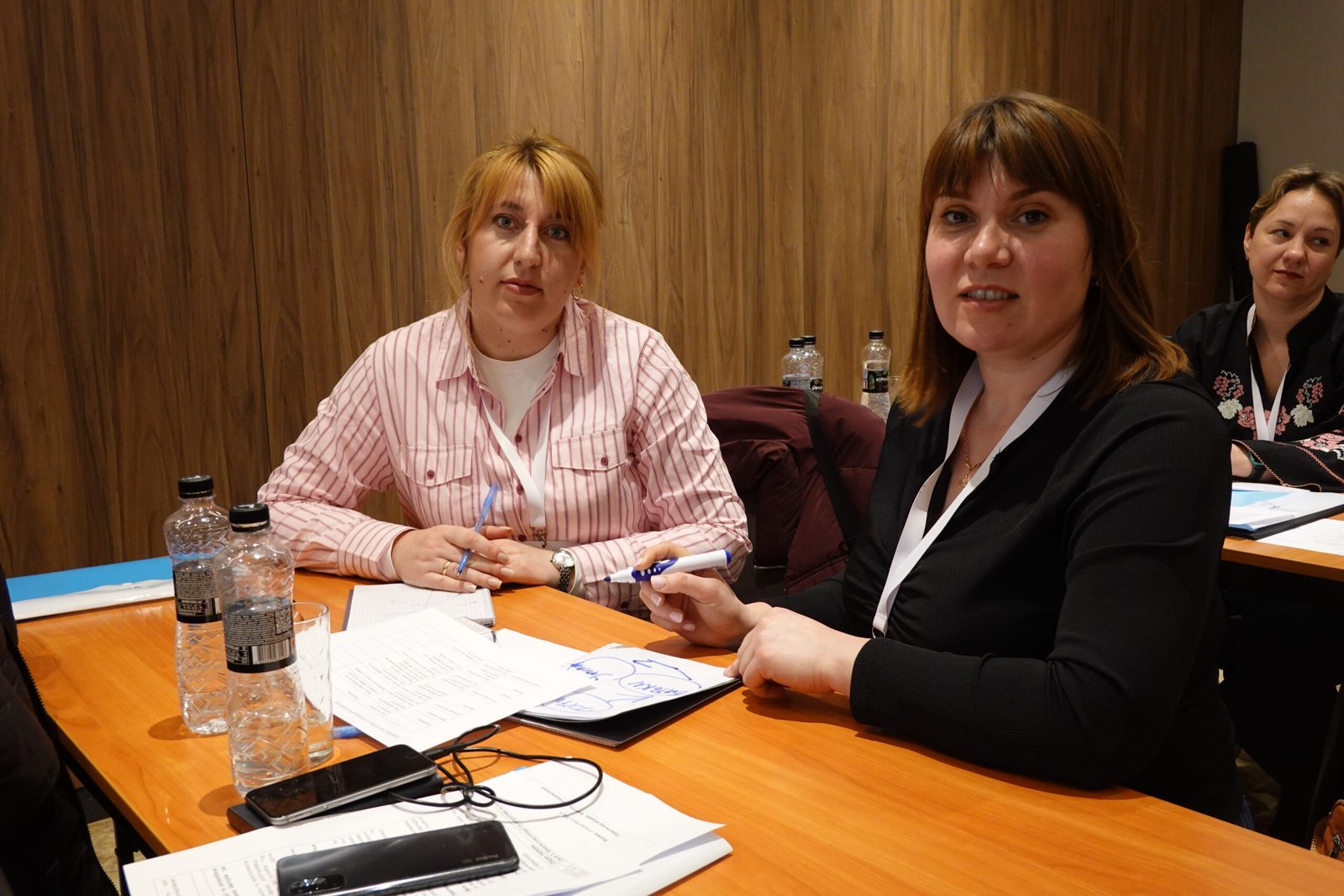
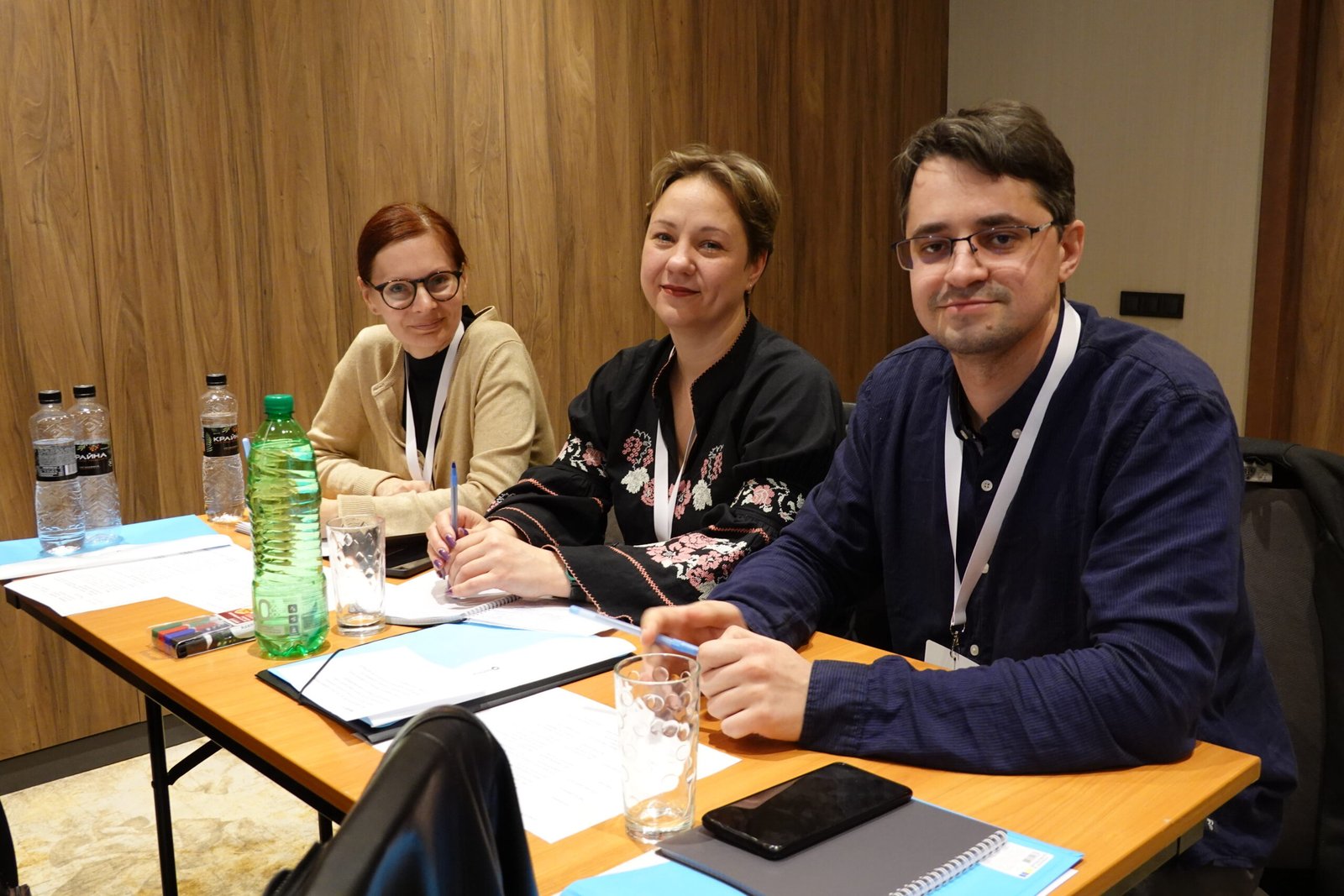
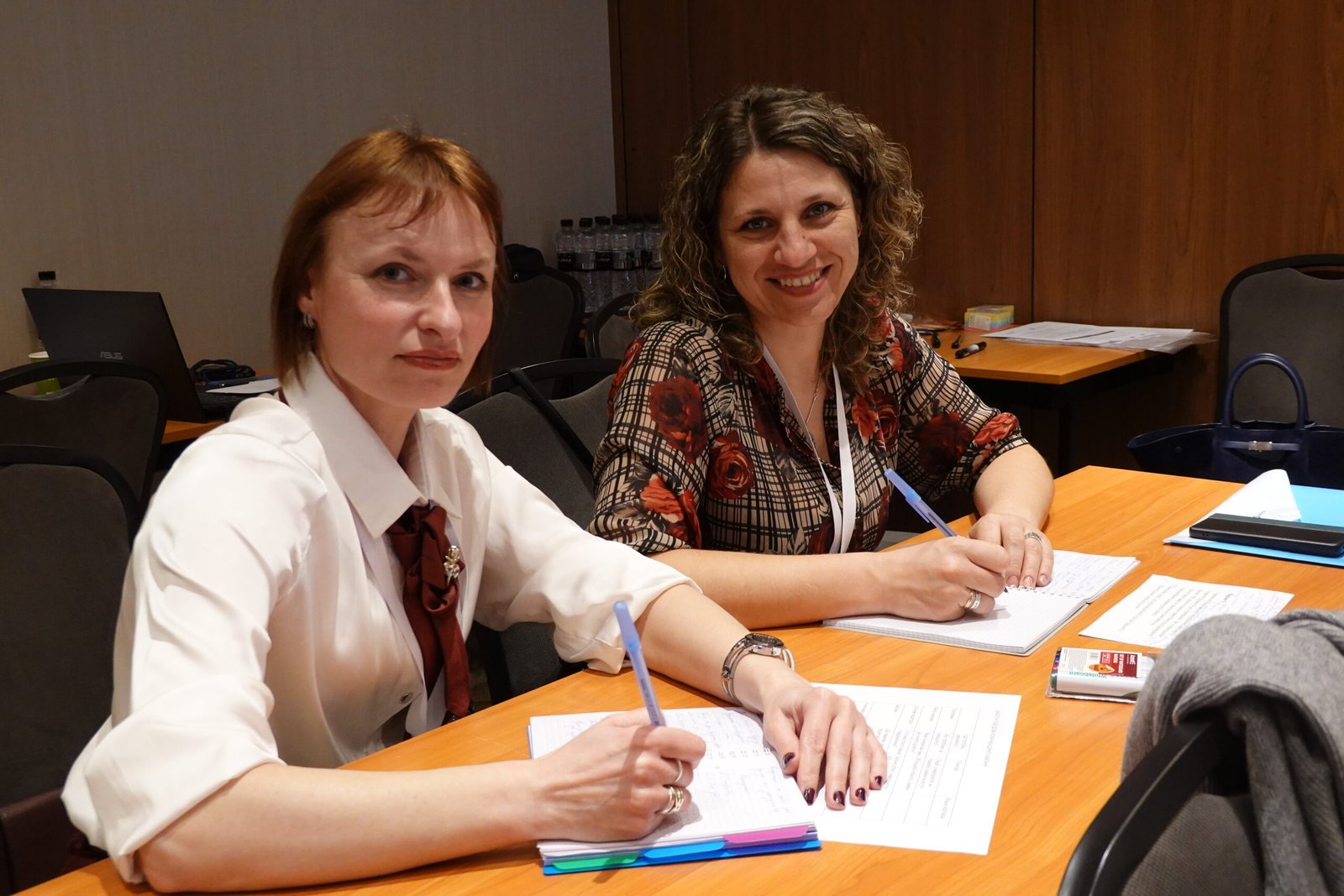
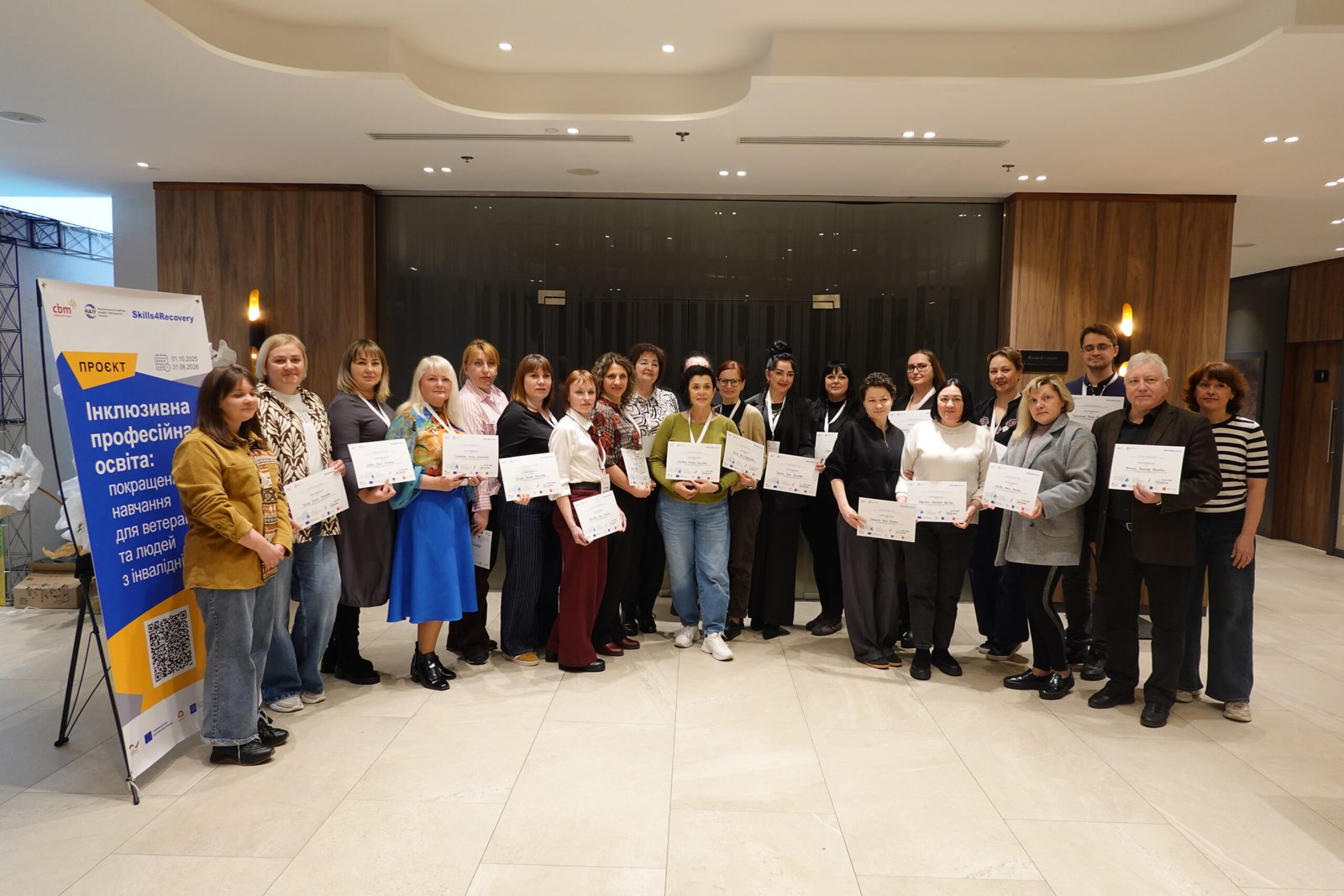
The second stage of training has begun for vocational education and training (VET) providers within the project “Inclusive Vocational Education and Training: Improving Training for Veterans and People with Disabilities.” This phase focuses on managing inclusive communication campaigns: how to talk about admissions in a simple, accessible way that encourages more persons with disabilities to apply to VET institutions. The first training session of this block took place in Kyiv for 9 VET institutions.
During the training, the participants learned how to communicate about their institutions in a simple and understandable way, without stigma or overly complicated language. They explored how to identify their target audiences, formulate key messages, and choose communication channels through which admission-related information can truly reach people. Particular attention was given to the accessibility of information: text structure, plain language, subtitles, alternative text for images, and other elements that make communication more open and inclusive.
Participants also shared their own career guidance practices. Today, a student recruitment campaign is no longer limited to a website alone; it also includes Facebook, Instagram, TikTok, YouTube, open days, outreach master classes in schools, meetings with parents, and other formats. At the same time, it is important not only to be present across different channels, but also to adapt information for different audiences: young people, parents, communities, and employers.
The training also addressed the barriers that may prevent persons with disabilities from enrolling in VET institutions. The participants analysed how communication can help reduce these barriers – through accessible language, open consultations, understandable materials, and real-life stories.
“Communication can either create barriers or remove them,” emphasized trainer Oleksandra Perkova.
This training was the first of two planned within the learning module. The second training session will take place on 6–7 April for another nine vocational education and training (VET) providers. In total, the training will cover 18 VET providers.
For the National Assembly of People with Disabilities of Ukraine (NAPD) and its partners, this is another step towards ensuring that inclusion in vocational education begins from the very first point of contact between a person and an educational institution — from the website, announcement, social media post, or initial consultation. This approach is aligned with the broader objective of the project: to make vocational education and training more open and accessible to veterans and persons with disabilities.
The project “Inclusive Vocational Education and Training (VET): Improving Training for Veterans and People with Disabilities” is being implemented by the National Assembly of People with Disabilities of Ukraine (NAPD), jointly with Christoffel-Blindenmission Christian Blind Mission e.V. (CBM), with financial support from the European Union, Germany, Poland, Estonia, and Denmark as part of the Skills4Recovery Multi-Donor Initiative, which is implemented by Deutsche Gesellschaft für Internationale Zusammenarbeit (GIZ) GmbH and Solidarity Fund PL (SFPL).
У межах мінігрантової ініціативи Національної Асамблеї людей з інвалідністю України за фінансування Disabled People’s Organisations Denmark (DPOD) п’ять громадських організацій реалізували локальні проєкти, спрямовані на вирішення конкретних проблем людей з інвалідністю у своїх громадах. Одна з таких ініціатив — проєкт «Різні формати — рівні можливості», який упродовж червня–вересня 2026 року реалізувала у Миколаєві ГО «Центр […]
Національна Асамблея людей з інвалідністю України (НАІУ) проводе дворівневий онлайн-тренінг «Гуманітарна діяльність: врахування потреб осіб з інвалідністю». Тренінг відбудеться в межах проєкту «Зміцнення інклюзивних послуг з охорони здоров’я, реабілітації та захисту постраждалого від війни населення», який співфінансується Європейським Союзом та Christian Blind Mission (CBM) і реалізується CBM у партнерстві з Momentum Wheels for Humanity (MWH) […]
Посилення представництва інтересів людей з інвалідністю й ветеранів на місцевому рівні — у самоврядуванні, дорадчих та робочих органах стало метою п’яти регіональних ініціатив, які Національна Асамблея людей з інвалідністю України (НАІУ) впроваджувала протягом березня – серпня 2026 року. Проєкт впроваджувався у Вінницькій, Львівській, Одеській, Полтавській областях та місті Черкасах в межах проєкту «Реабілітація в Україні» […]
Ресурсний центр Національної Асамблеї людей з інвалідністю України підготував черговий огляд законодавчих змін, важливих для людей з інвалідністю та членів їхніх родин. Серед основних тем — соціальні гарантії, допомога на опалювальний сезон, підтримка внутрішньо переміщених осіб, освітні гранти, а також проєкти рішень щодо працевлаштування й доступності медіа. Президент України підписав закон, ухвалений за законопроєктом № […]
У Львівській області завершився офлайн-тренінг «Організаційна спроможність ОГС: від оцінки потенціалу до дієвої стратегії». До навчання долучилися представниці і представники громадських організацій людей з інвалідністю з Вінницької, Дніпропетровської, Закарпатської, Запорізької, Полтавської, Сумської, Тернопільської, Харківської та Черкаської областей, а також міста Києва. Захід організувала Національна Асамблея людей з інвалідністю України в межах проєкту «Реабілітація в Україні» […]
У Черкасах для водіїв і контролерів комунального підприємства «Черкасиелектротранс» провели практичне навчання з доступного перевезення людей з інвалідністю та інших маломобільних пасажирів. Працівники освоїли правила безпечної посадки й висадки, використання апарелі, надання допомоги та належної взаємодії з пасажирами. Про це повідомляє громадська організація «Спілка людей з інвалідністю «Перспектива» на своїй сторінці у Facebook. Навчання стало […]