Learning makes us stronger: how to advocate for the rights of persons with disabilities and protect their interests
29 October 2025
Share:
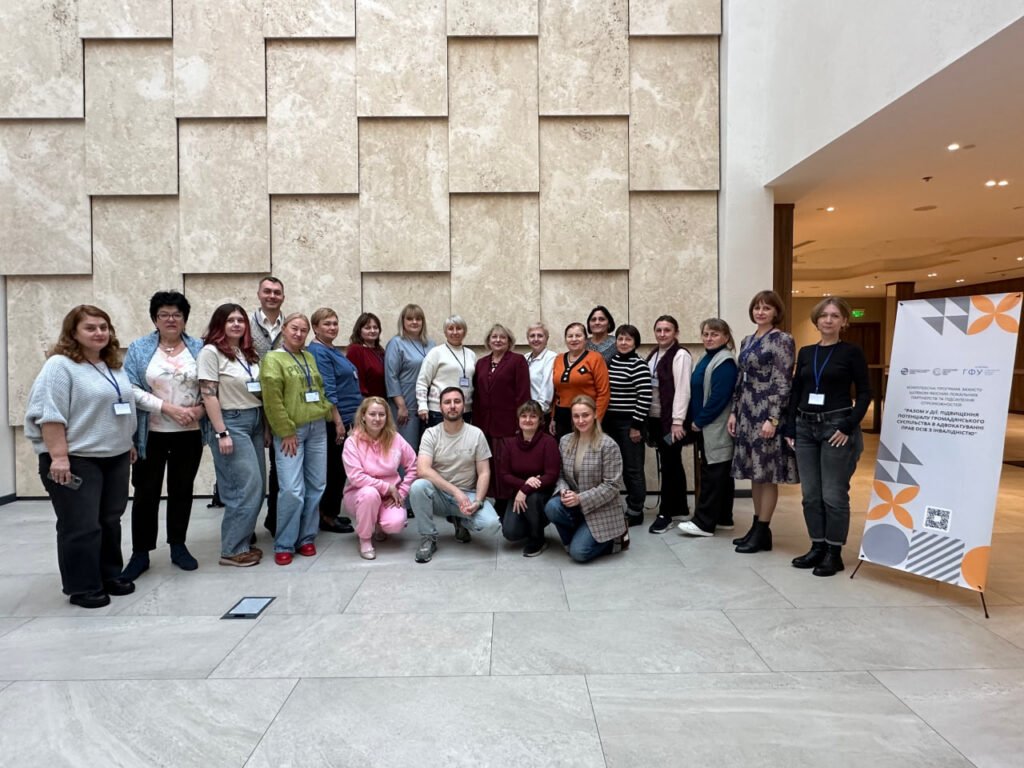
A two-day training course entitled "Including disability issues in humanitarian response and recovery" has concluded in Kyiv. The event was organised by the National Assembly of People with Disabilities of Ukraine as part of the project "Together in Action: Enhancing the Capacity of Civil Society to Advocate for the Rights of Persons with Disabilities".
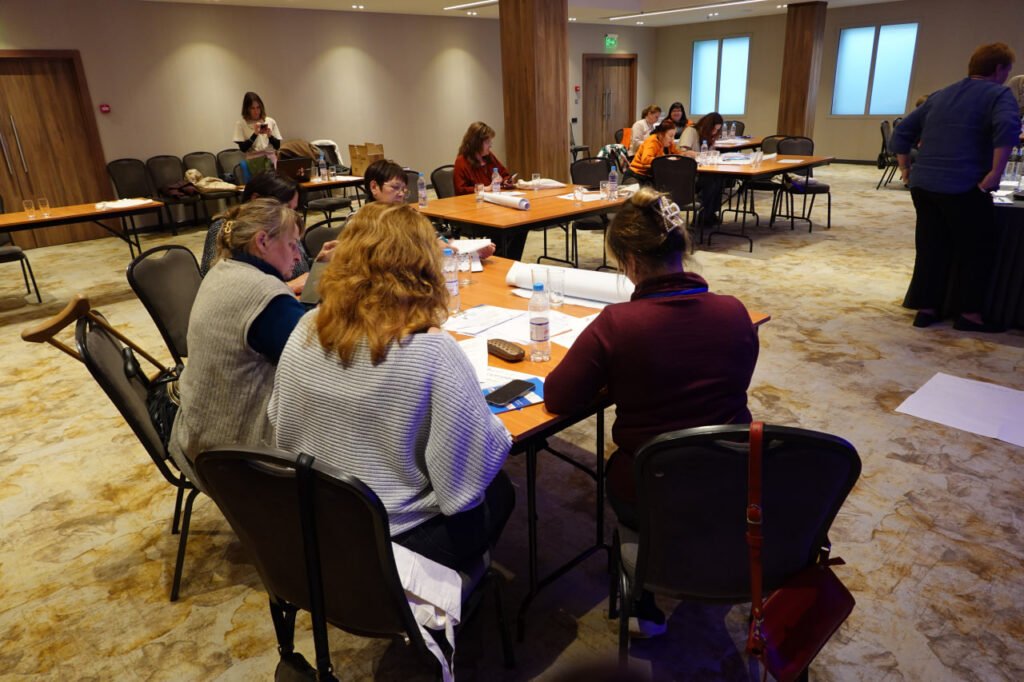
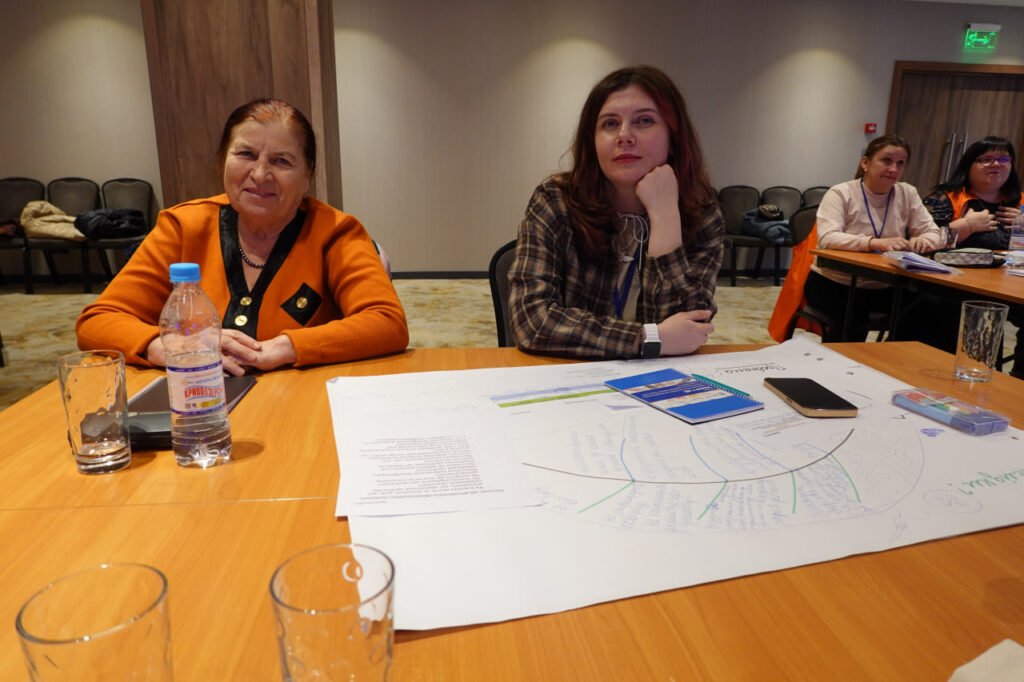
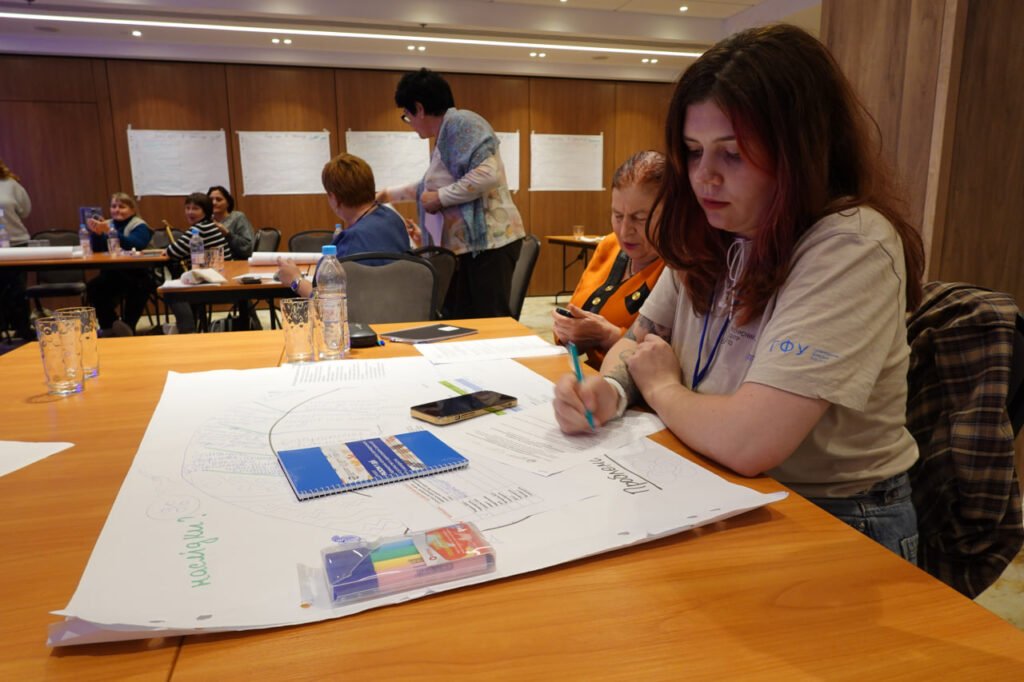
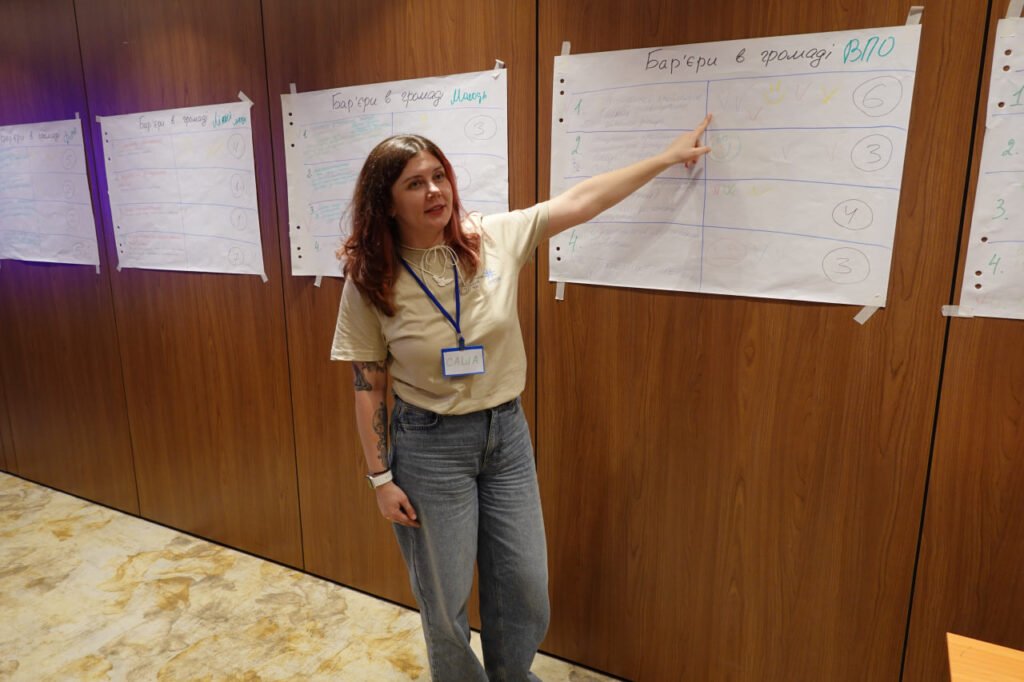
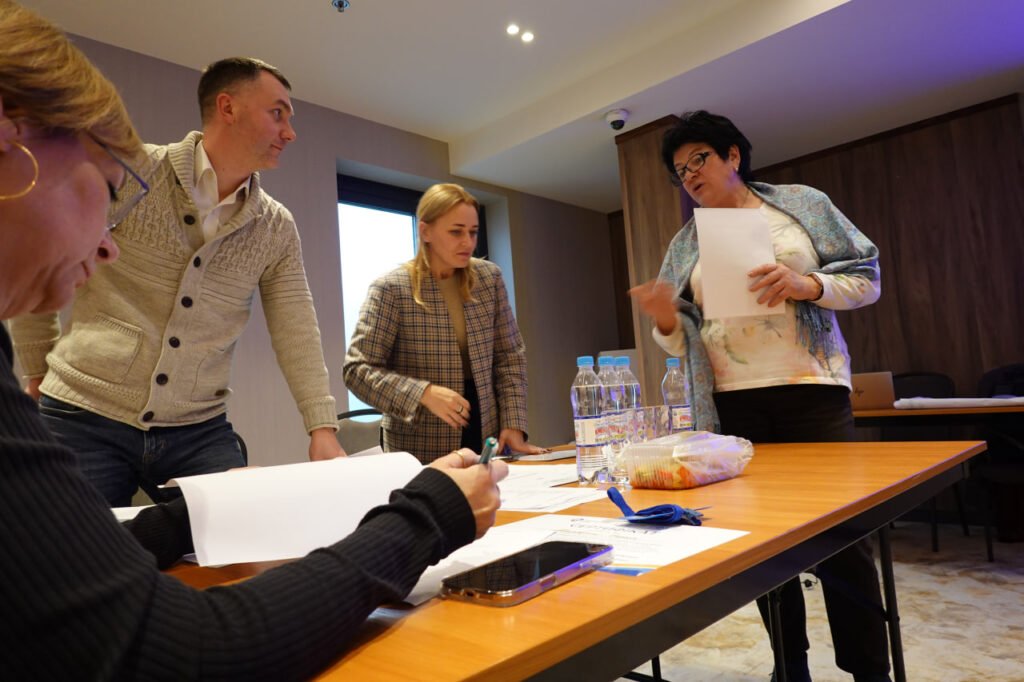
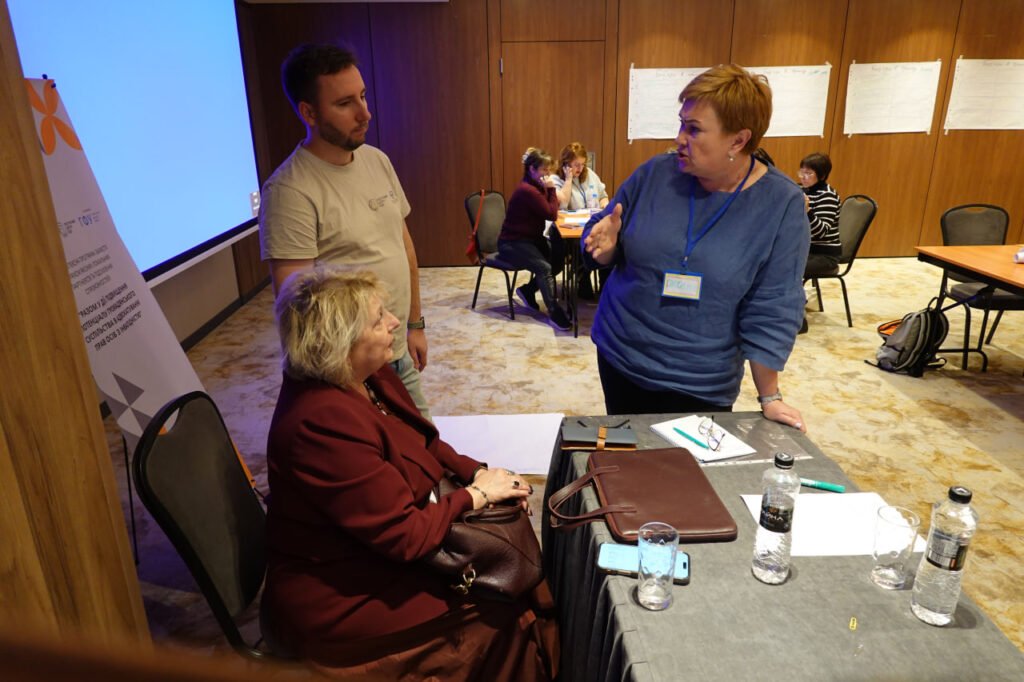
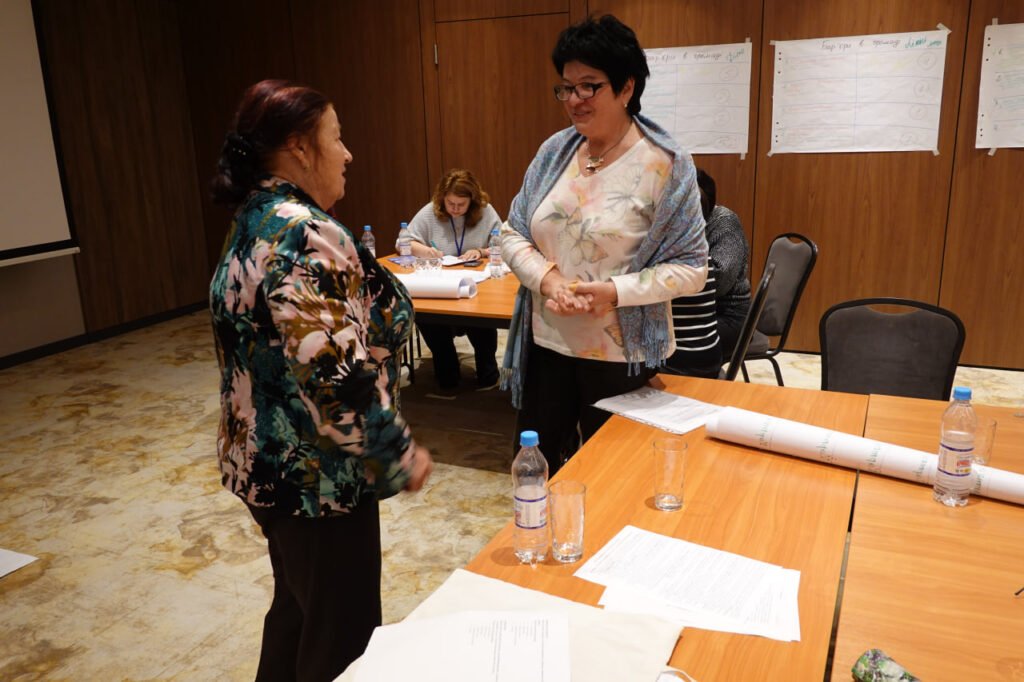
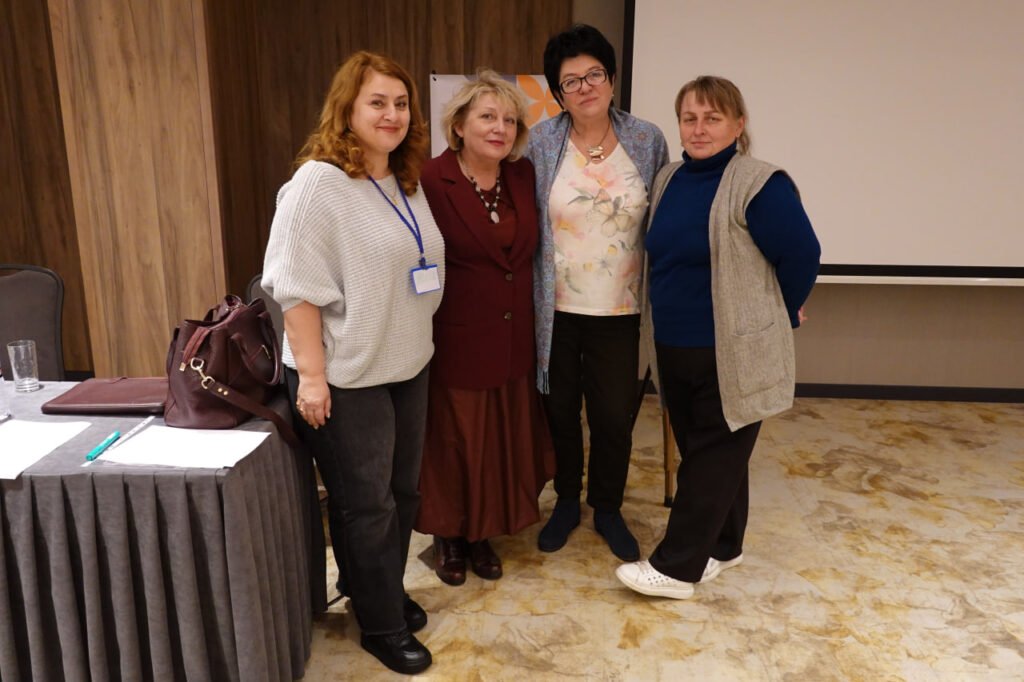
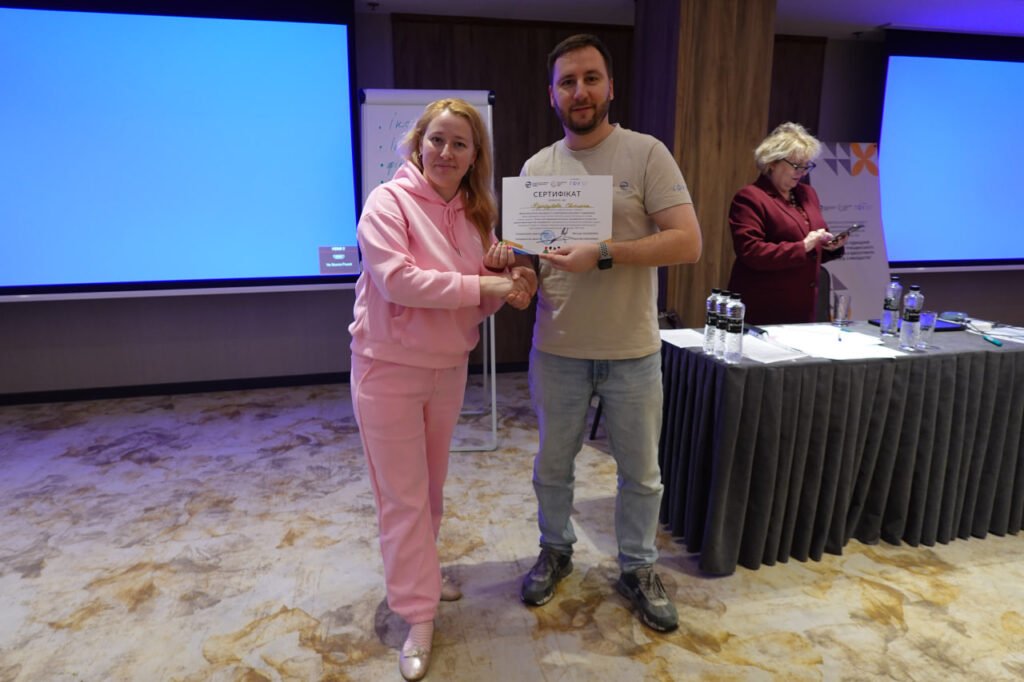
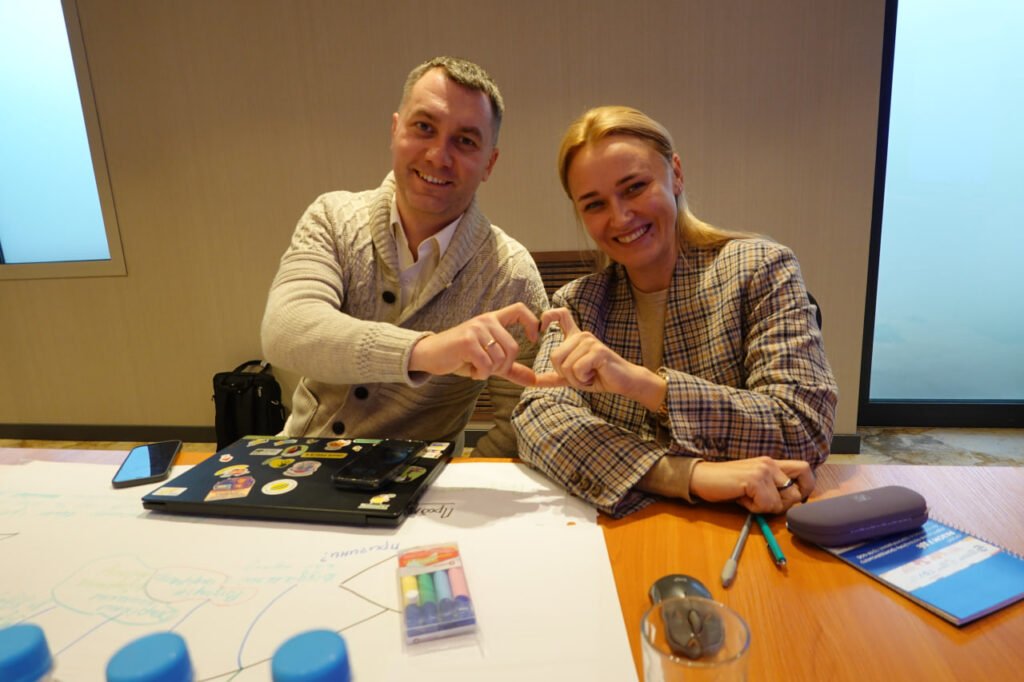
This time, the event brought together representatives of civil society organisations from seven regions of Ukraine. Participants studied various approaches to solving the problems of people with disabilities, learned about advocating for their rights at the local government level and ensuring accessibility in communities. Participants took part in discussions, worked in groups, analysed real-life situations, exchanged experiences and sought practical solutions that could be implemented in their regions.
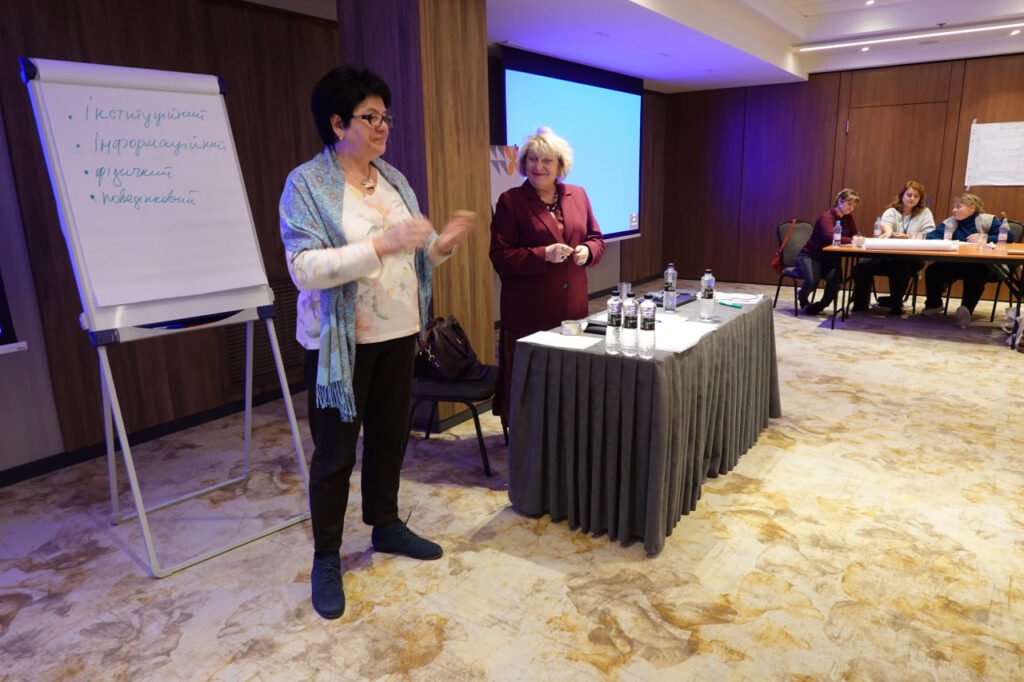
The lives of people with disabilities in our society are still accompanied by myths, stereotypes, and a lack of understanding of their basic needs. Therefore, training speaker Larysa Baida began with the basics: she familiarised the audience with the approaches defined in one of the main international documents in this field – the UN Convention on the Rights of Persons with Disabilities. During the training, the audience received answers to questions that no one was able to answer comprehensively during their first meeting with the trainers: who, in fact, can we consider a person with a disability, and what are their primary needs?
They focused separately on overcoming barriers and stereotypes that accompany the daily lives of people with disabilities and prevent them from effectively adapting to society. The trainer familiarised the participants with models of disability, outlining the impact of each on the formation of humanitarian response policies: charitable, medical, social and legal.
According to the spokesperson, Article 9 of the UN Convention on the Rights of Persons with Disabilities requires that persons with disabilities be provided with access on an equal basis with others to the physical environment, transportation, information and communications, including information and communications technologies and systems, and other facilities and services, both in urban and rural areas. Ukraine, which has undertaken to implement international legislation, is obliged to comply with these requirements.
The mission of a humanitarian organisation in such a situation is to assess the accessibility of buildings, street space and infrastructure facilities for unhindered use by people with disabilities. The training provided detailed information on the tools and technologies that can be used: checklists, accessibility audits, barrier assessments, accessibility monitoring and evaluation, and barrier removal plans.
When defending the interests of people with disabilities, it is very important to communicate effectively with partners, colleagues and authorities. Participants learned how to formulate the key message of an advocacy campaign, come up with its name and slogan, and draw up a budget. Among the practical tasks that trainer Yevheniia Pavlova set for the participants was to convey important information to the head of the local community in a very limited time, no more than 30 seconds.
An important task for people with disabilities is the adoption of universal design principles – an approach to designing environments, products, services or information that ensures that all people, regardless of their physical, sensory, cognitive or age characteristics, can use them comfortably, without the need for adaptation or special conditions. Today, the concept of universal design has gone beyond accessibility and is widely implemented in European countries. According to the speakers at the training, the role of civil society organisations in Ukraine is to advocate for the implementation of this principle in our country.
"We wanted to show that inclusiveness is not a separate issue, but part of any action, any policy. Only by involving civil society organisations and people with disabilities can we create effective solutions that really work," emphasised trainer Larysa Baida, programme director at NAU.
"We managed to create an environment where everyone felt that their voice was important. This gives them the confidence to continue working in their communities," concluded trainer Yevgeniya Pavlova.
“I am pleasantly impressed by the organisation of the event and the selection of trainers. Very interesting topics are presented in a clear, simple language, and the supportive atmosphere helped me to open up and share my experience,” said Oksana, a member of the Rokada Charitable Foundation (Zaporizhia), sharing her impressions of the training.
"The information is extremely useful and well structured. The material is presented in simple language, without excessive terminology, so everything you hear is easy to understand, even quite complex things. For me, this training is about development and motivation to act," shared Maria from Bashtanka, a member of the Pokrovsk Human Rights Organisation "Shield" (Mykolaiv region).
"Such meetings are not just about learning. They are a space for joint action, partnership and inspiration. It is thanks to them that new ideas are born, which become real changes," said project coordinator Yuriy Vasylchenko.
Національна Асамблея людей з інвалідністю України (НАІУ) та громадська спілка «Сучасний погляд» підписали Меморандум про співпрацю з Інститутом очних хвороб і тканинної терапії ім. В. П. Філатова НАМН України про створення інтегрованого простору Filatov Vision Hub — першого в Україні центру ранньої реабілітації для людей із тяжкими ураженнями очей. Про це на своєму сайті повідомляє […]
Безоплатне забезпечення допоміжними засобами реабілітації – це не пільга, а гарантоване законом право. Проте опинившись перед такою необхідністю, люди часто губляться в процедурах: не знають, з чого почати, куди звертатися і які саме вироби можна отримати. Фахівці Ресурсного центру Національної Асамблеї людей з інвалідністю України детально пояснюють усі тонкощі: від правових підстав до підписання акта […]
Some citizens who own real estate had their property rights registered with the Bureau of Technical Inventory only on paper before January 1, 2013. As a result, such information is not available in the State Register of Real Property Rights and in the Register of Ownership Rights to Real Estate, the archival part of this register. As explained on its website [...]
The electronic employment record book, introduced in 2021, contains digital data on hiring, transfers, dismissals, and other changes related to employment. According to the Pension Fund of Ukraine on its website, information from a paper employment record book, which was the main document on a person's employment, may be digitized before January 1, 2004. After that, the information [...]
The Cabinet of Ministers of Ukraine has approved a procedure under which the state will pay for health and recreation services for children in need of special social attention and support. According to the website of the Ministry of Social Policy, Family and Unity of Ukraine, children from Ukrainian families in need of support will be able to undergo rehabilitation in institutions included in the State Register of Property Objects of Rehabilitation and [...]
Ukrainians fleeing the war abroad can continue to acquire insurance record for their future pension. This is especially important for those who have little time left before retirement or who are in countries with which Ukraine does not have a social security agreement. As the Pension Fund of Ukraine states on its website, voluntary contributions to the Fund [...]