A Group of Students with Disabilities in the “Turner, Grade 3” Programme and a Focus on Employment
8 April 2026
Share:
This is the second story in a series of stories highlighting how inclusive solutions implemented by vocational education and training (VET) providers enable veterans and persons with disabilities to acquire new skills and transition into employment or self-employment.
In vocational education and training, it is important not only to teach, but also to lead to a specific result — so that a person acquires practical skills and has a real opportunity to find employment. This case from Kharkiv demonstrates how inclusion works in practice through the organisation of the learning process, workplace adaptations, and support at the “transition-to-work” stage. "на виході».
Kharkiv: “Turner, Grade 3” and Focus on Employment
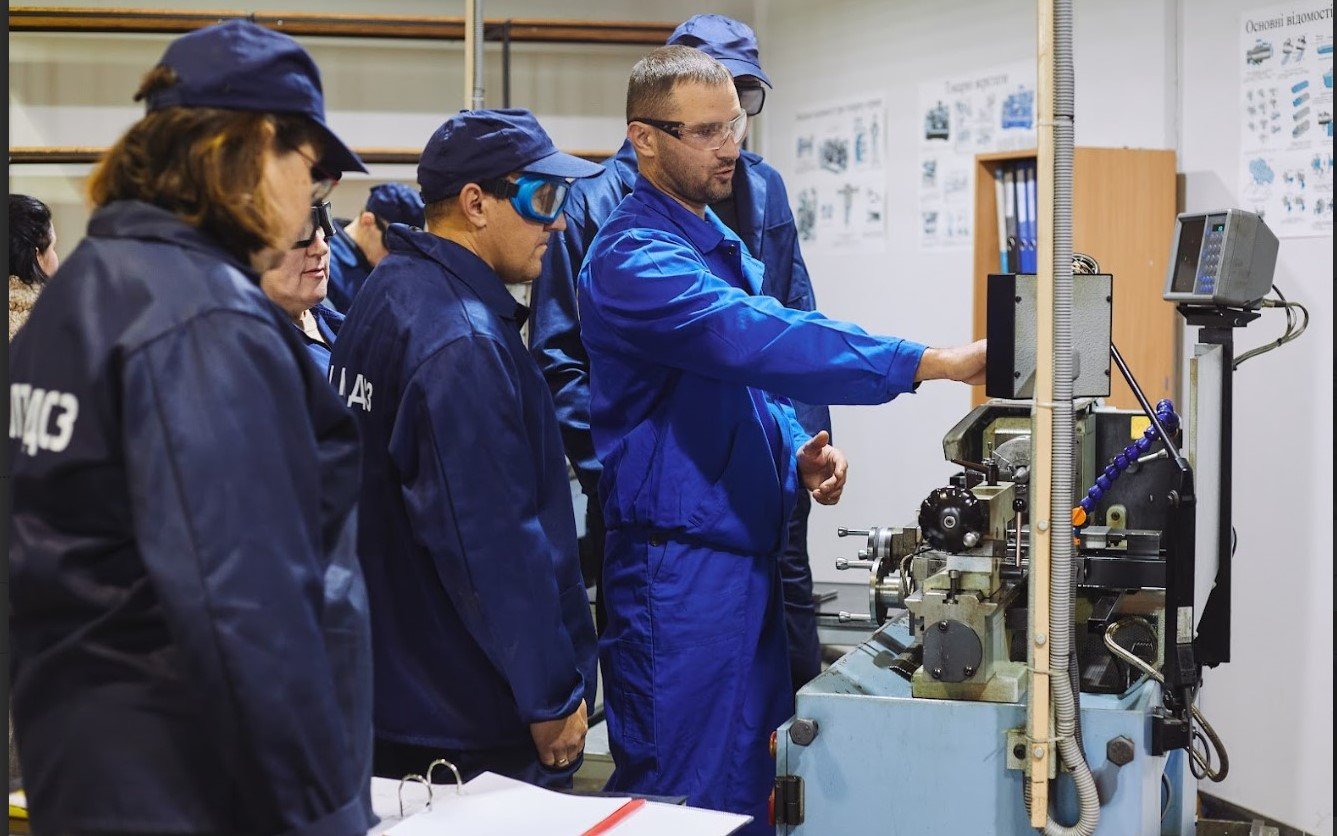
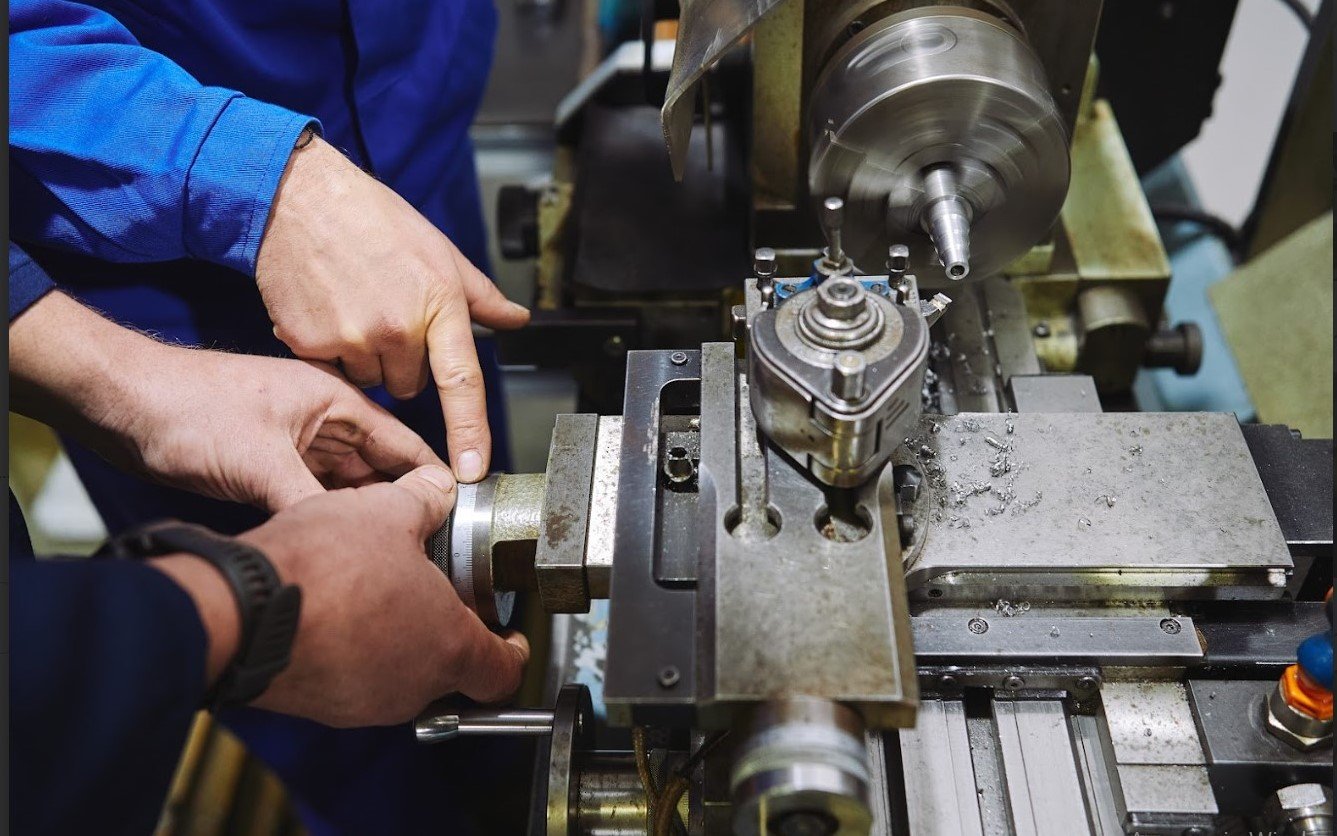
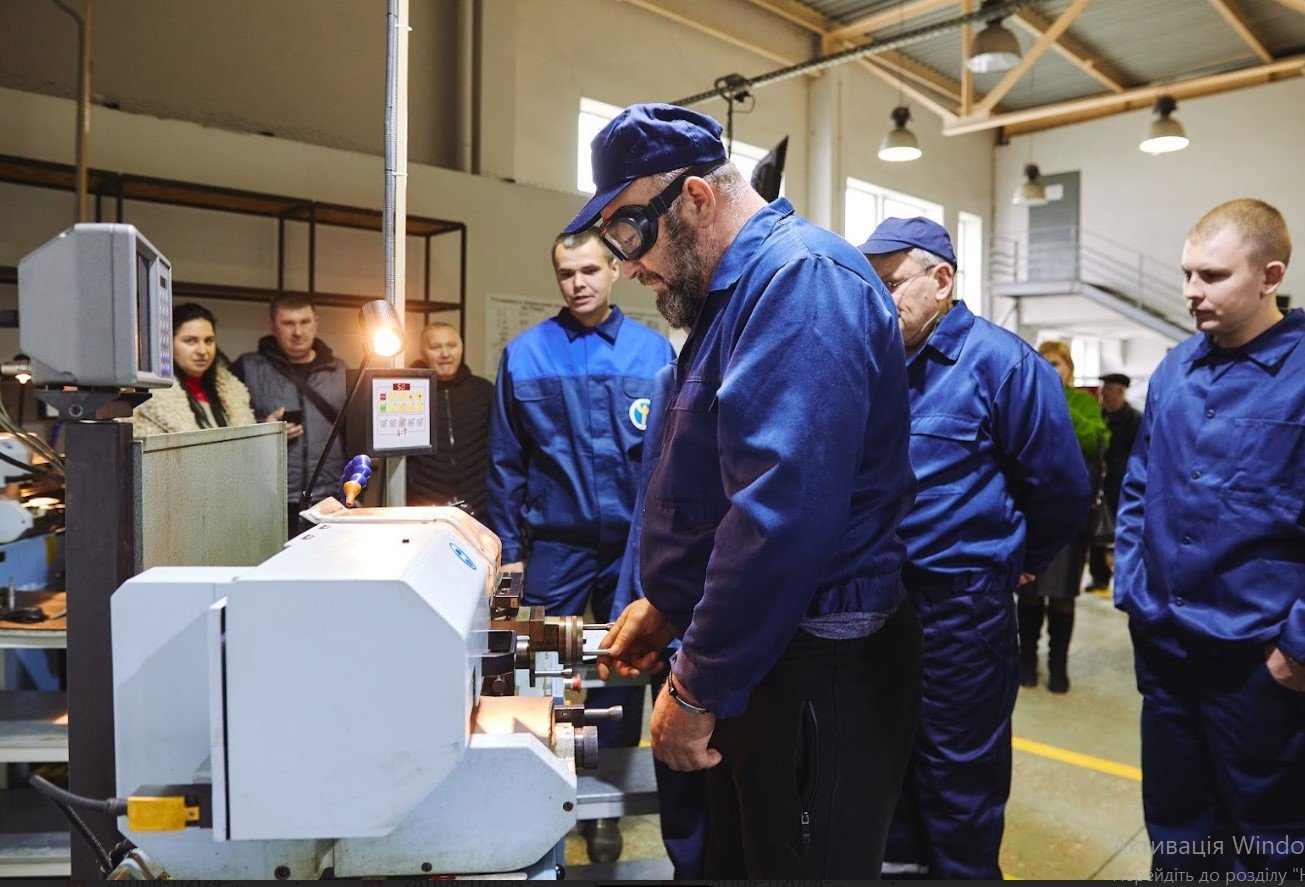
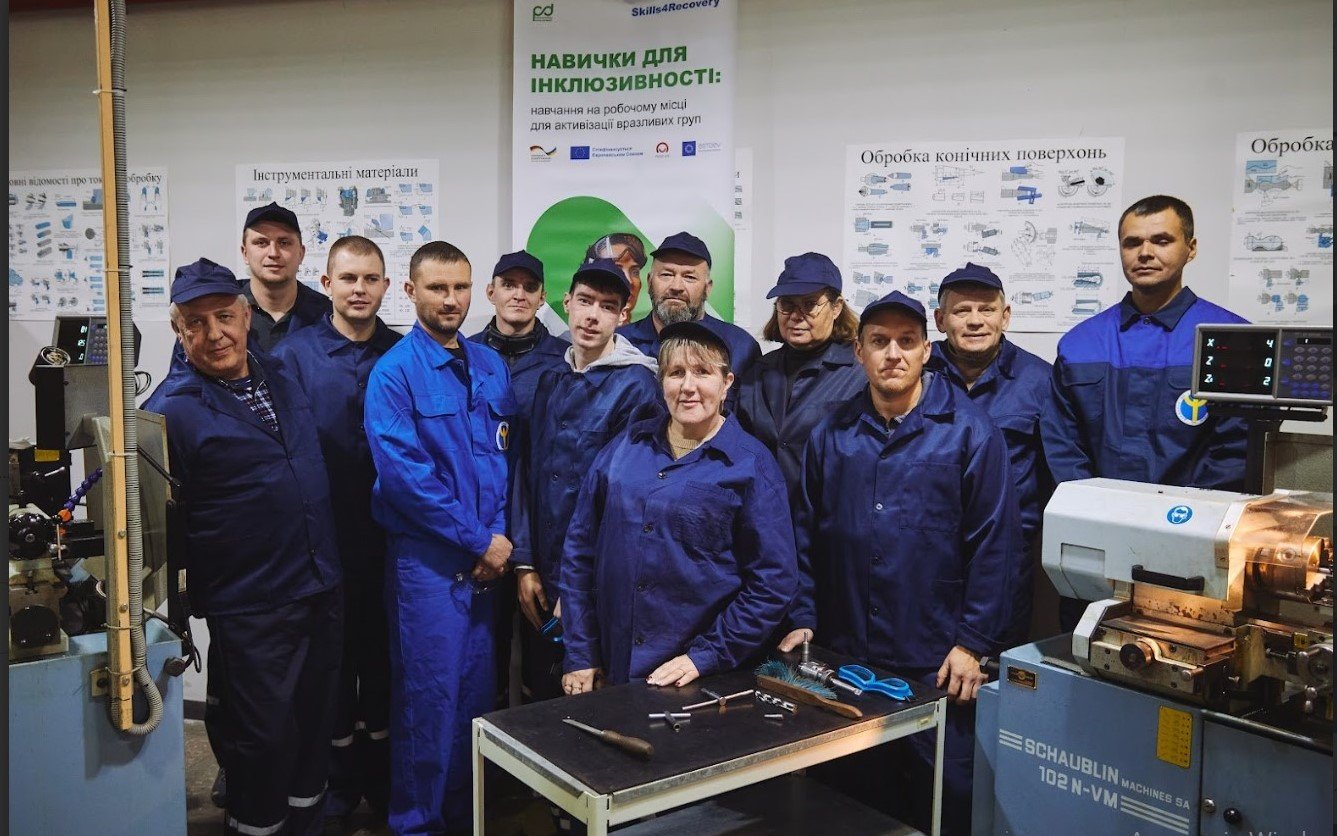
In 2025, a group of eight learners studied under the “Turner, Grade 3” programme at the Kharkiv Vocational Education and Training Centre of the State Employment Service. It was an entire group consisting of veterans and persons with disabilities with different types of impairments, including visual, hearing, and musculoskeletal disorders. An important detail is that, in a profession that is often perceived as “traditionally male,” three of the learners were women.
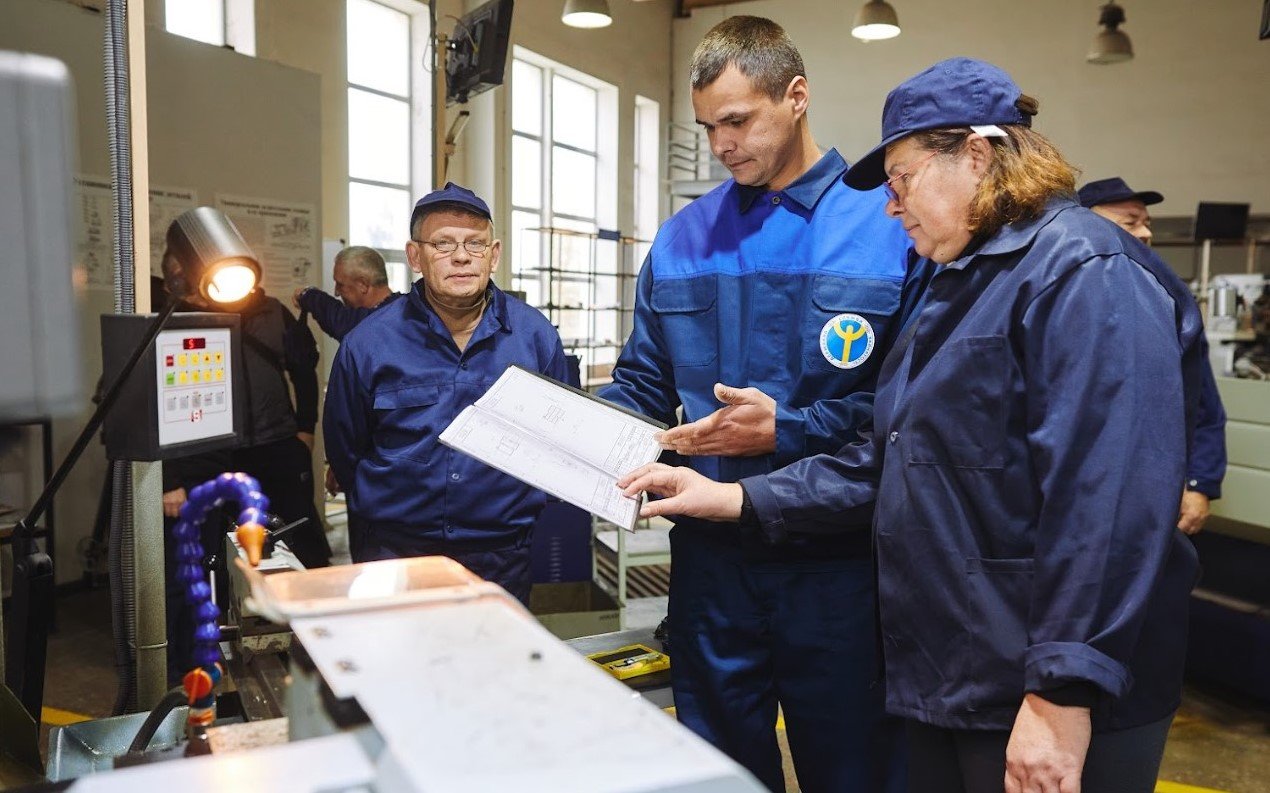
The Centre’s team designed the programme taking into account the level of preparation and individual needs of each student and strengthened the workstations with practical accommodations, including:
• additional lighting;
• a screen/television for displaying details in an enlarged format;
• additional shelves and handrails for persons with musculoskeletal impairments.
A separate focus was placed on the transition to employment: psychological support, assistance with CV preparation, interview coaching, and employment support.
“For us, the key priority is that training leads to a practical result — that a person completes the programme and clearly understands their next step towards employment,” representatives of the VET provider’s administration emphasise.
Oleksandr’s Story: Motivation Means Stable Employment
Oleksandr is a veteran and a combatant. While defending Ukraine, he was wounded. He acquired a disability, and underwent surgery to implant an artificial hip joint. Now Oleksandr is preparing for another surgery and, in the meantime, using a cane to move around. Yet none of these challenges prevented him from mastering a new profession.
“Life does not end at 45. And life continues after returning from the war,” says Oleksandr. “My main motivation is to find stable employment… I am currently through interviews about a job with the Kharkiv Metro system,” he adds.
What Exactly Made This Case Work
Personalized training programme: The training was tailored to the level and needs of the group.
Accommodations “in practice”: More lighting, enlarged details, supportive fixtures — measures that genuinely help remove barriers.
Employment support: CV preparation, interview guidance, and ongoing support to ensure that training leads to employment.
This case has been prepared as an evidence-based example of effective solutions by the team of the project “Inclusive Vocational Education and Training: Improving Training for Veterans and People with Disabilities,” implemented by the National Assembly of People with Disabilities of Ukraine (NAPD) in cooperation with Christoffel-Blindenmission Christian Blind Mission e.V. (CBM), with financial support from the European Union, Germany, Poland, Estonia, and Denmark, as part of the Skills4Recovery Multi-Donor Initiative, implemented by the Deutsche Gesellschaft für Internationale Zusammenarbeit (GIZ) GmbH and the Solidarity Fund PL (SFPL).
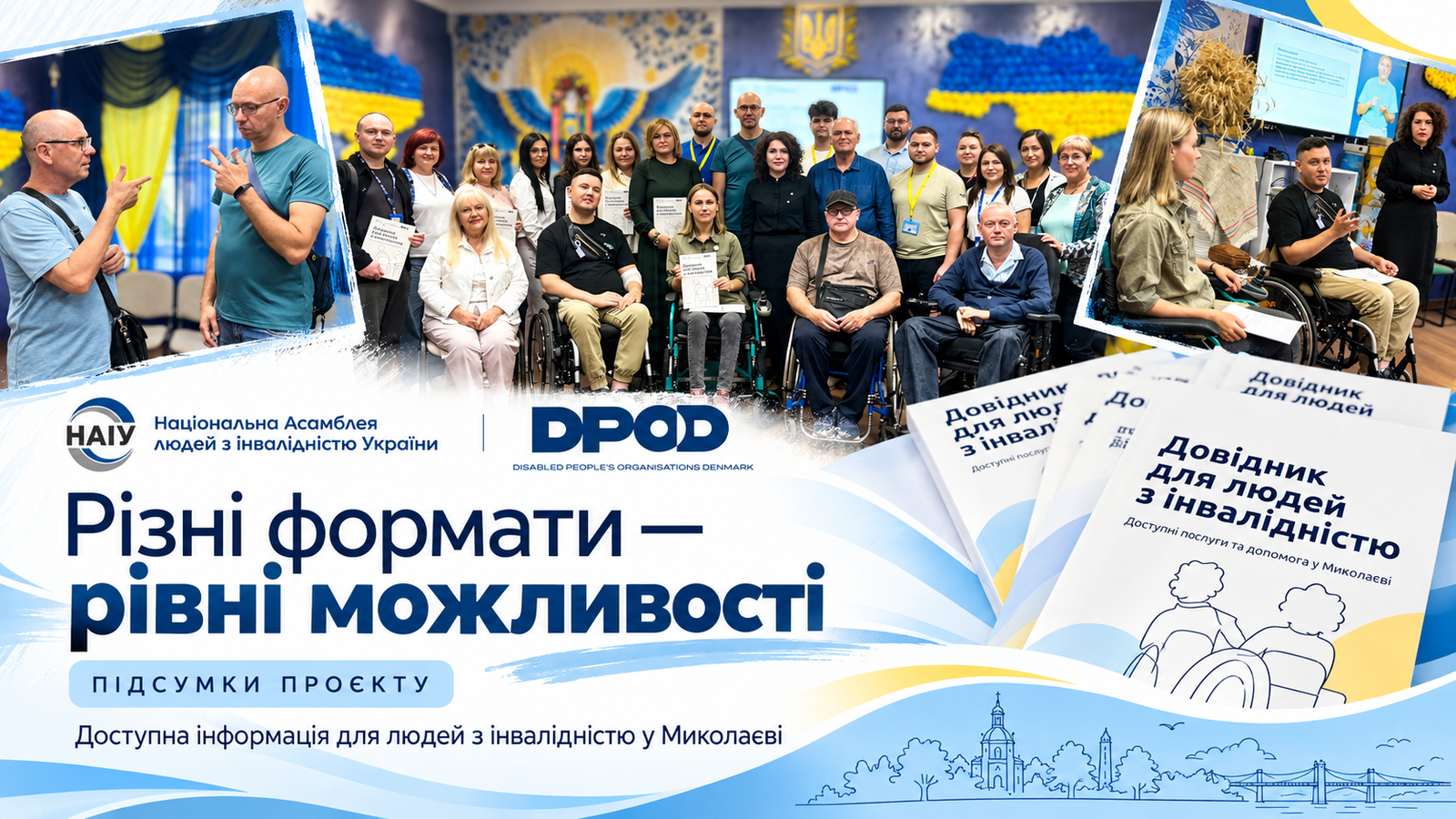
У межах мінігрантової ініціативи Національної Асамблеї людей з інвалідністю України за фінансування Disabled People’s Organisations Denmark (DPOD) п’ять громадських організацій реалізували локальні проєкти, спрямовані на вирішення конкретних проблем людей з інвалідністю у своїх громадах. Одна з таких ініціатив — проєкт «Різні формати — рівні можливості», який упродовж червня–вересня 2026 року реалізувала у Миколаєві ГО «Центр […]
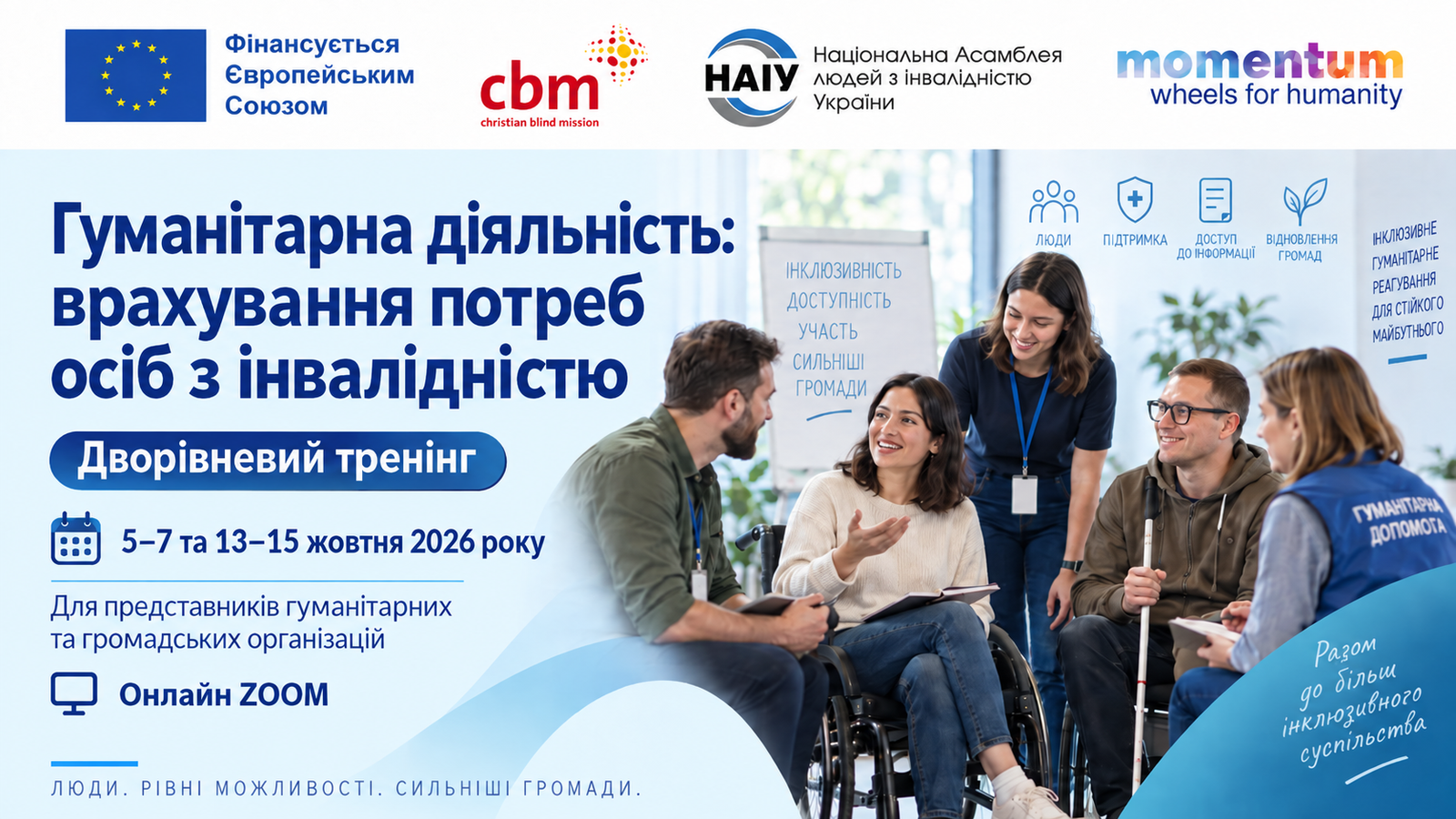
Національна Асамблея людей з інвалідністю України (НАІУ) проводе дворівневий онлайн-тренінг «Гуманітарна діяльність: врахування потреб осіб з інвалідністю». Тренінг відбудеться в межах проєкту «Зміцнення інклюзивних послуг з охорони здоров’я, реабілітації та захисту постраждалого від війни населення», який співфінансується Європейським Союзом та Christian Blind Mission (CBM) і реалізується CBM у партнерстві з Momentum Wheels for Humanity (MWH) […]
Посилення представництва інтересів людей з інвалідністю й ветеранів на місцевому рівні — у самоврядуванні, дорадчих та робочих органах стало метою п’яти регіональних ініціатив, які Національна Асамблея людей з інвалідністю України (НАІУ) впроваджувала протягом березня – серпня 2026 року. Проєкт впроваджувався у Вінницькій, Львівській, Одеській, Полтавській областях та місті Черкасах в межах проєкту «Реабілітація в Україні» […]
Ресурсний центр Національної Асамблеї людей з інвалідністю України підготував черговий огляд законодавчих змін, важливих для людей з інвалідністю та членів їхніх родин. Серед основних тем — соціальні гарантії, допомога на опалювальний сезон, підтримка внутрішньо переміщених осіб, освітні гранти, а також проєкти рішень щодо працевлаштування й доступності медіа. Президент України підписав закон, ухвалений за законопроєктом № […]
У Львівській області завершився офлайн-тренінг «Організаційна спроможність ОГС: від оцінки потенціалу до дієвої стратегії». До навчання долучилися представниці і представники громадських організацій людей з інвалідністю з Вінницької, Дніпропетровської, Закарпатської, Запорізької, Полтавської, Сумської, Тернопільської, Харківської та Черкаської областей, а також міста Києва. Захід організувала Національна Асамблея людей з інвалідністю України в межах проєкту «Реабілітація в Україні» […]
У Черкасах для водіїв і контролерів комунального підприємства «Черкасиелектротранс» провели практичне навчання з доступного перевезення людей з інвалідністю та інших маломобільних пасажирів. Працівники освоїли правила безпечної посадки й висадки, використання апарелі, надання допомоги та належної взаємодії з пасажирами. Про це повідомляє громадська організація «Спілка людей з інвалідністю «Перспектива» на своїй сторінці у Facebook. Навчання стало […]