How to Ensure the Rights and Needs of Women with Disabilities During Wartime: Kyiv Hosts the “Women’s Health” Project Seminar
17 June 2026
Share:
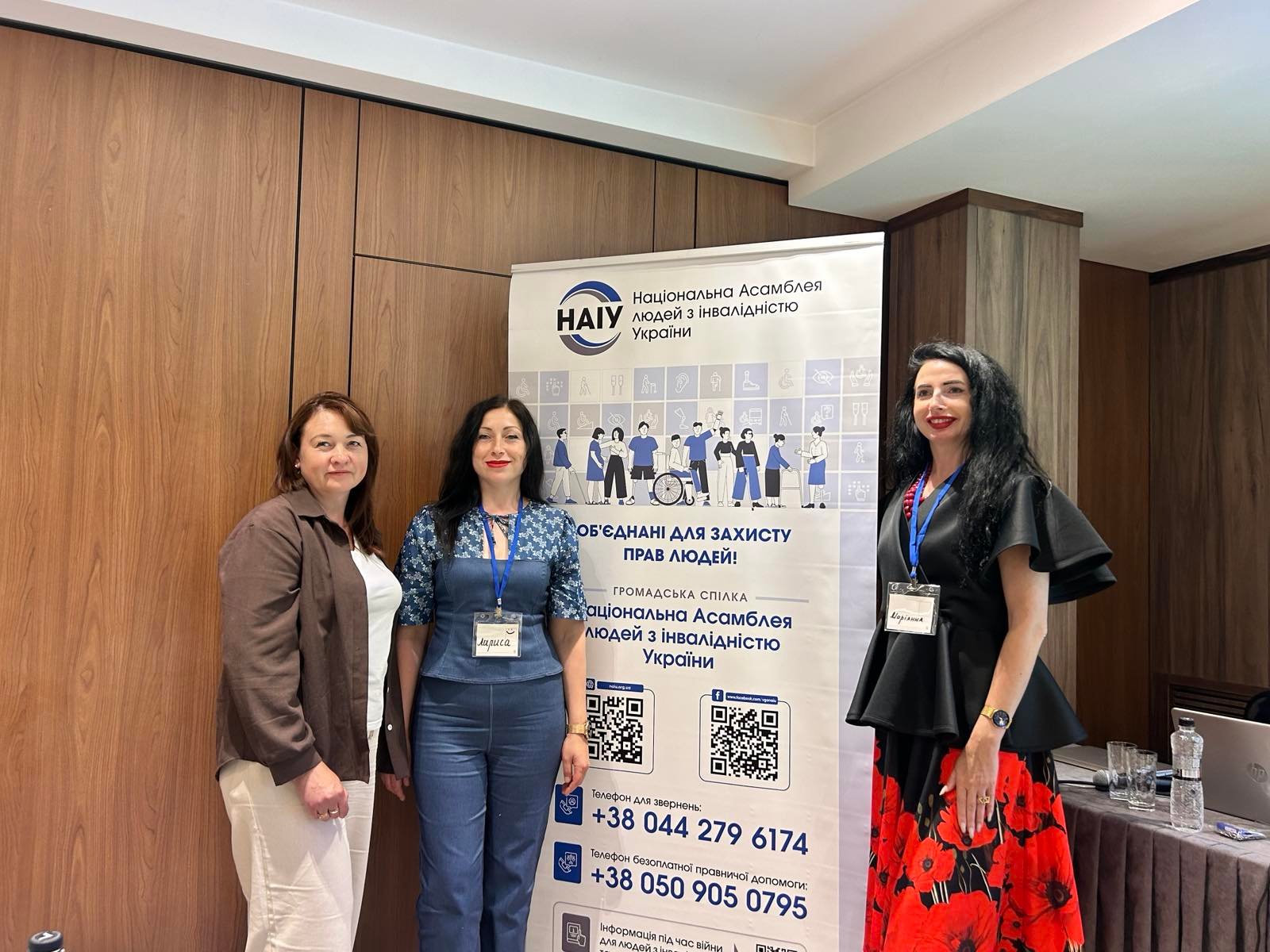
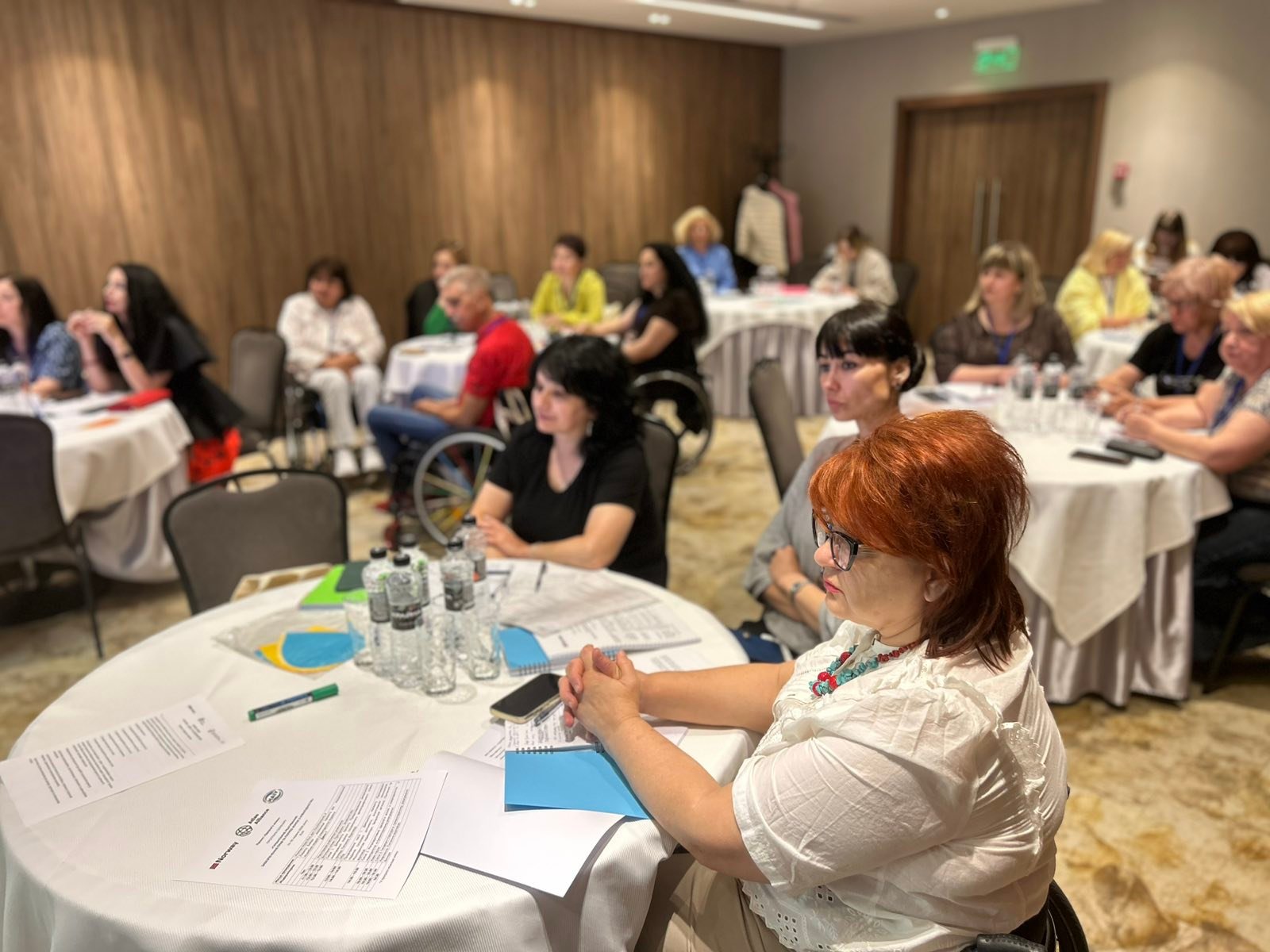
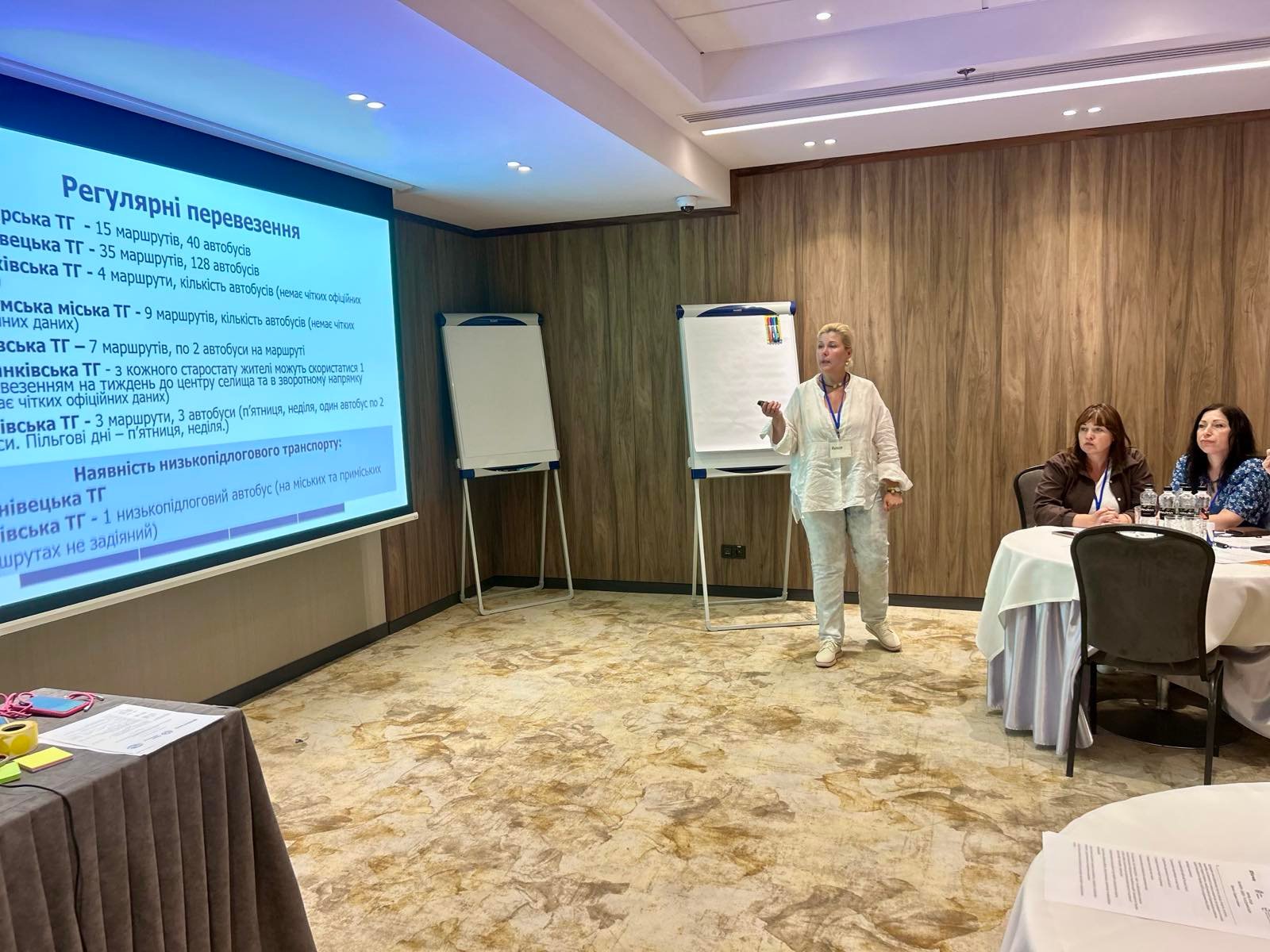
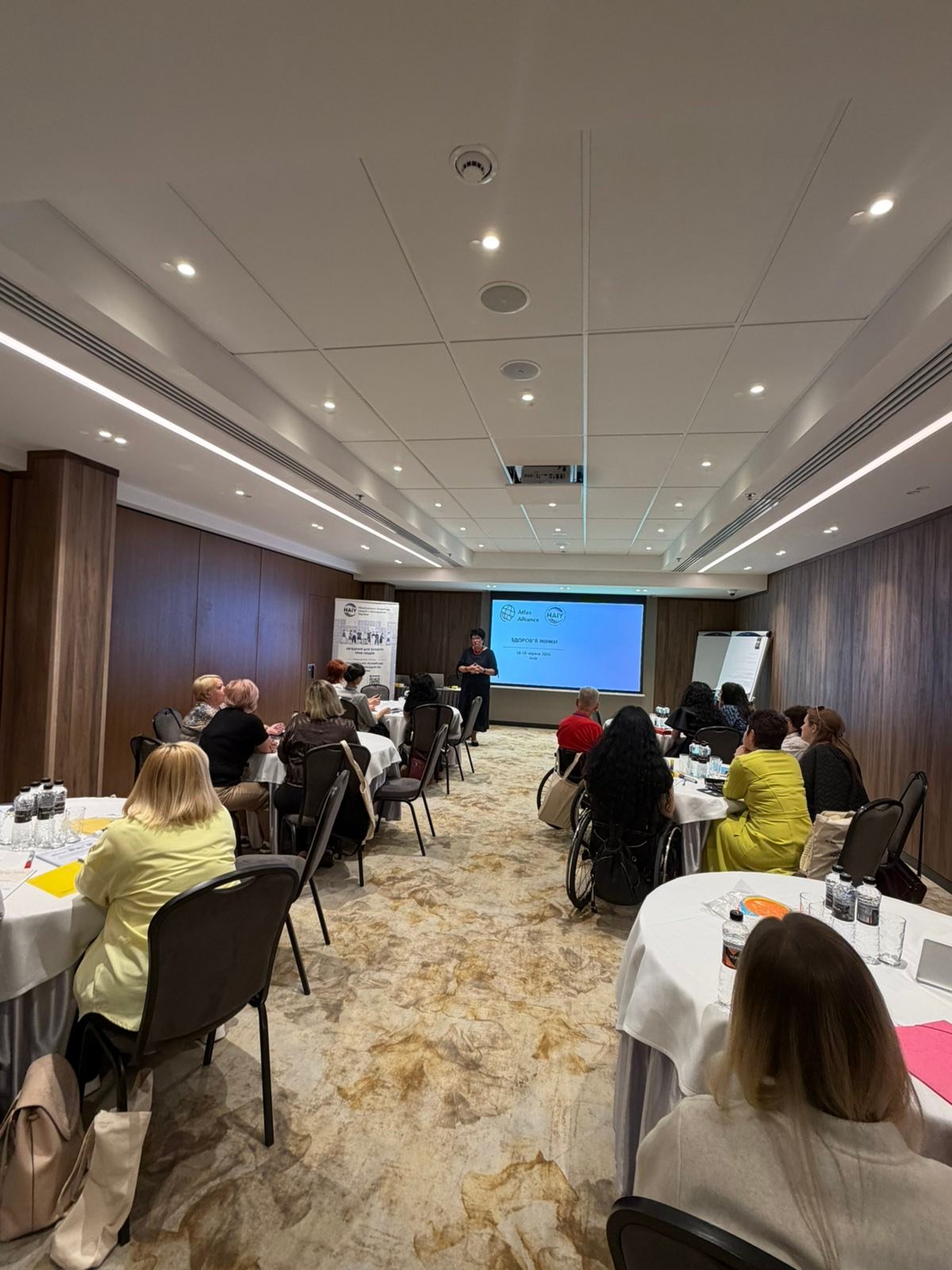
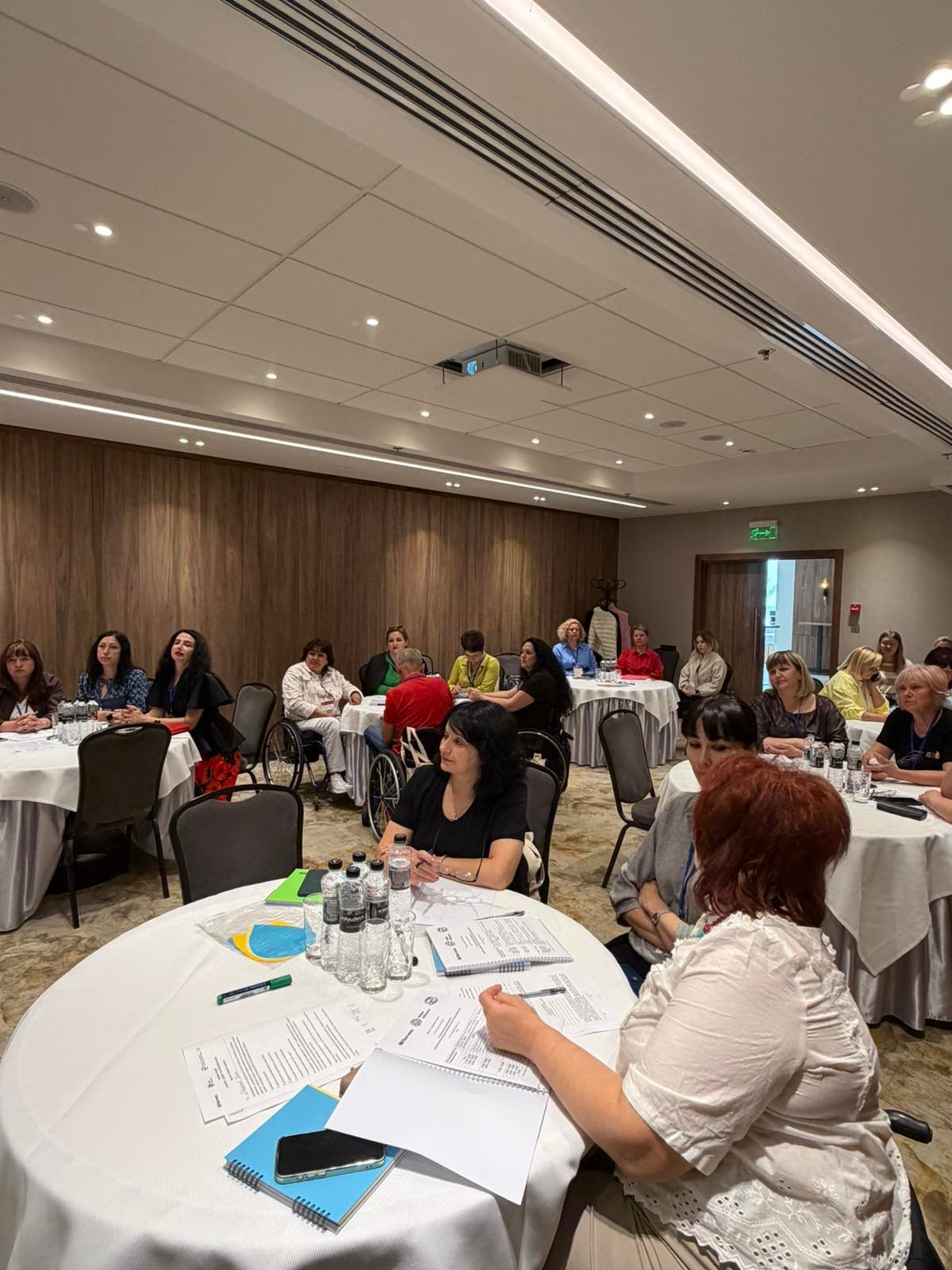
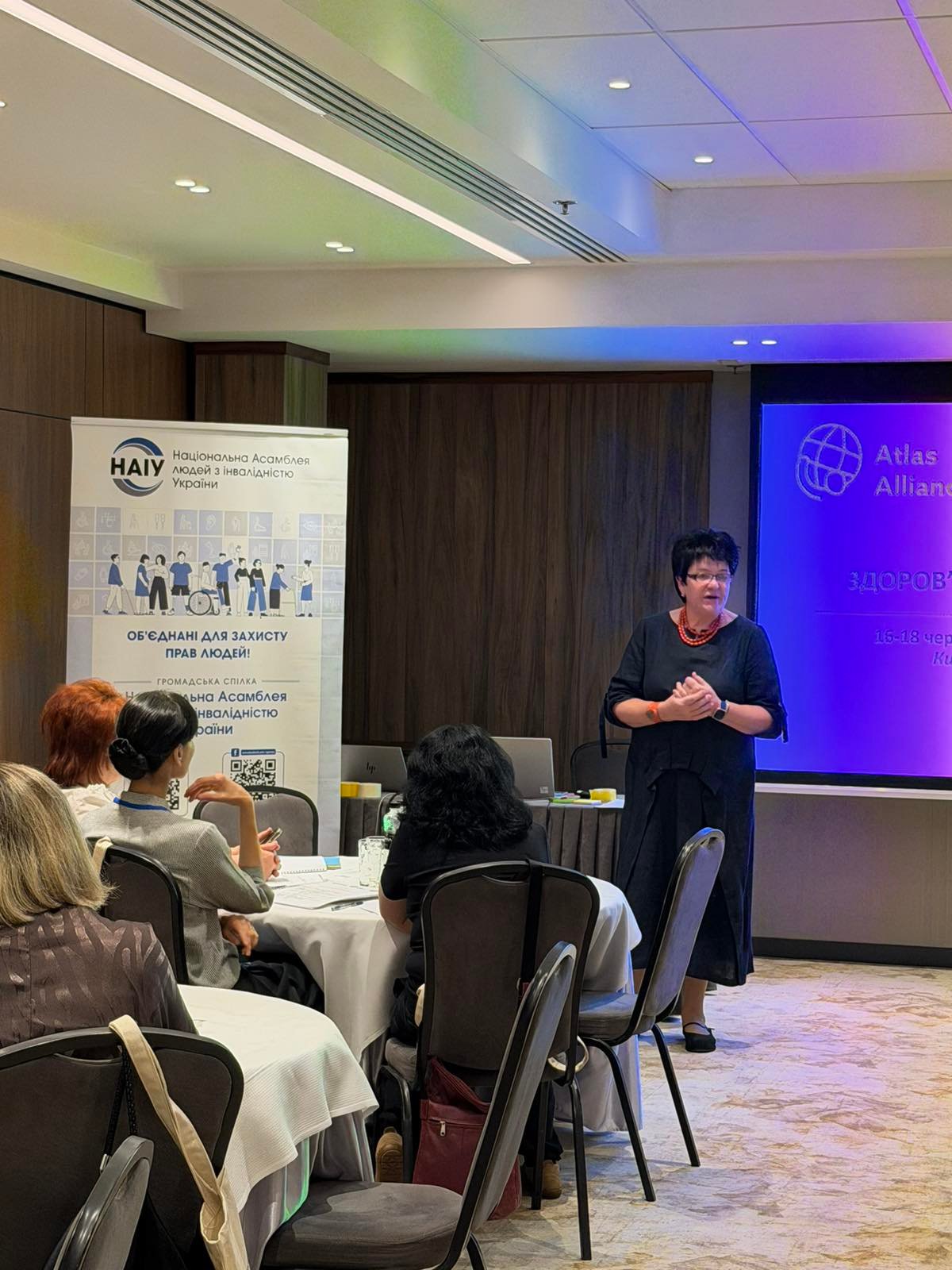
A three-day inception seminar, “Humanitarian Response: Ensuring the Rights and Needs of Women with Disabilities,” is currently taking place in Kyiv. The event is the first major gathering within the framework of the Women’s Health project.
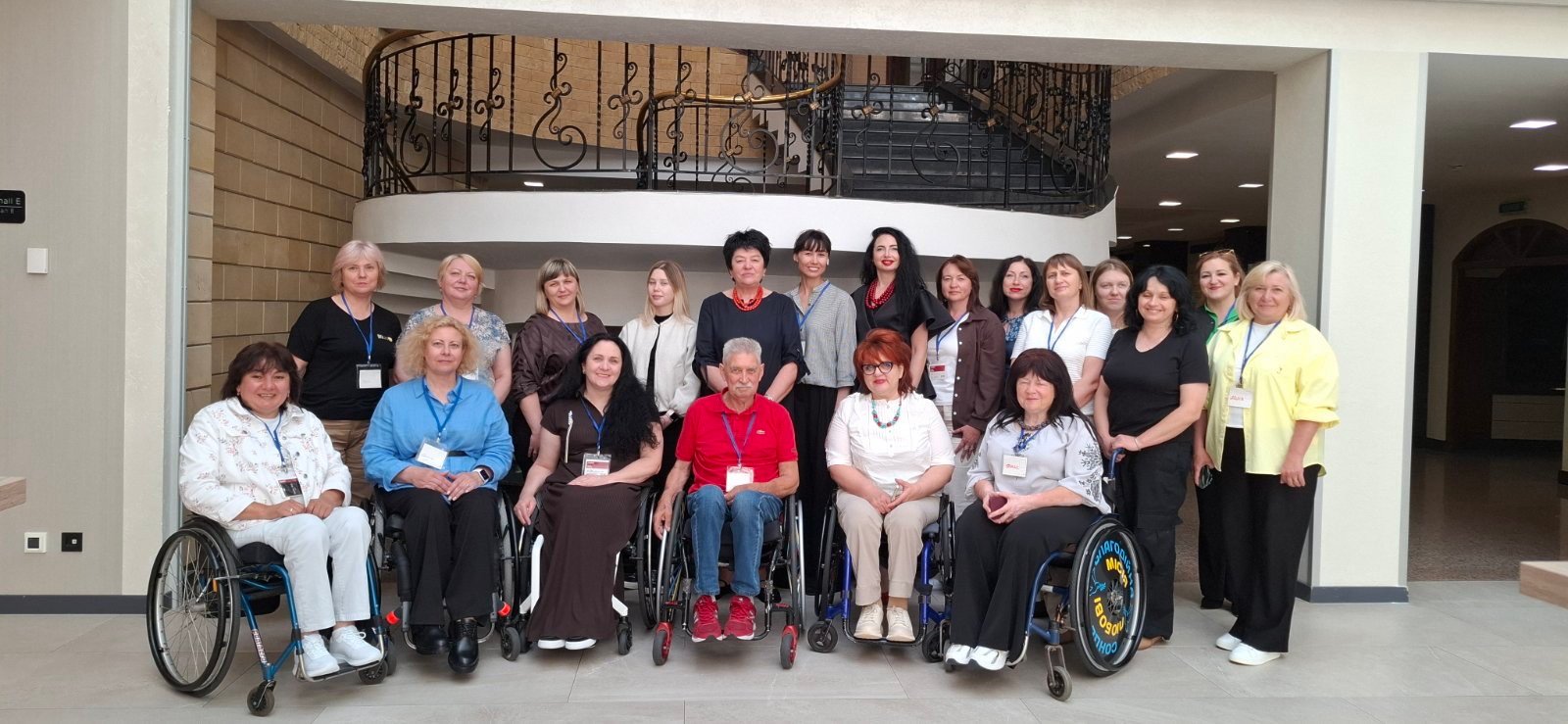
The seminar brings together project coordinators, women leaders, representatives of organizations of persons with disabilities (OPDs), and civil society organizations from the pilot communities where the project is being implemented. The event serves as a starting point for team-building, partnership development, and establishing a shared vision for future work.
According to Larysa Bayda, Program Director of the National Assembly of People with Disabilities of Ukraine (NAPD) and Project Manager of Women’s Health, the meeting is about much more than coordination.
“In addition to building a strong team and partnerships, our goal is to discuss the current situation regarding women with disabilities’ access to their reproductive rights and their participation in humanitarian response efforts.”
Reproductive Health Cannot Wait Until the War Ends
Throughout the seminar, participants are discussing the challenges faced by women with disabilities during wartime, including access to reproductive health services, psychosocial support, referral mechanisms to essential services, and the protection of women’s rights within humanitarian response systems.
“Sometimes it may seem that reproductive health and war are unrelated topics. In reality, life goes on. Reproductive health is a much broader concept that encompasses women’s health, family well-being, and access to information and services. That is precisely why these issues cannot be postponed until later,” Larysa Bayda emphasized.
Particular attention within the project will be paid to women with different types of disabilities, girls with disabilities, internally displaced women, and other groups that may face additional barriers in accessing services.
Building a Shared Vision for Collective Action
One of the key objectives of the inception seminar is to establish a common understanding of approaches to advancing and protecting the reproductive rights of women with disabilities.
According to the project manager, a long-term initiative of this scale requires coordinated action among all stakeholders to ensure that communities implement sustainable systemic changes rather than short-term solutions.
“We need to work as one ecosystem. If we fail to develop a shared vision from the outset, we risk creating fragmented and inconsistent solutions later. Our task is to build a systematic approach to realizing women’s reproductive rights and strengthening services in seven pilot communities,” said Larysa Bayda.
The project will engage not only women with disabilities but also healthcare institutions, local authorities, civil society organizations, and other local partners.
Research Findings Shape the Priorities
An important foundation for planning project activities has been the results of a study on access to reproductive health services for women with disabilities, as well as an analysis of the social and demographic situation in the participating communities conducted at the beginning of the project.
The findings revealed that many women do not seek medical care due to a lack of accessible information, transportation difficulties, physical inaccessibility of healthcare facilities, limited awareness of available services, and negative attitudes from healthcare professionals.
A particularly pressing issue remains access to information for women and girls with intellectual disabilities.
“We found that preventive information is virtually unavailable for this group. There are no materials in plain language or Easy-to-Read format. In many ways, such information simply does not exist today,” Larysa Bayda noted.
From Accessible Transportation to Information Campaigns
As part of the project, communities will examine not only healthcare services but also the broader context of women’s daily lives.
The project team will assess the availability of accessible transportation, routes to healthcare facilities, channels for receiving information, opportunities to access social and humanitarian support, and logistical mechanisms needed to ensure access to assistive products and quality, accessible healthcare services.
This comprehensive approach will help identify specific needs and develop effective action plans tailored to each community.
Women with Disabilities Must Be More Than Service Recipients
A dedicated component of the project focuses on strengthening leadership and building the capacity of women with disabilities and the organizations they represent.
Project organizers emphasize that women with disabilities should not only be recipients of services but also active participants in decision-making processes and advocates for their own rights.
“We want women with disabilities to be more than beneficiaries of assistance. They should become active agents of change, advocate for their rights, and influence decisions that affect their lives,” the project manager stressed.
The Beginning of Long-Term Change
Seminar participants have begun developing a shared project roadmap and identifying priority areas for action over the coming years.
The project is expected to contribute to improved accessibility of healthcare services in participating communities, increased awareness among women of their rights and opportunities, stronger local leadership, and the development of a more inclusive support system for women with disabilities.
The inception seminar marks the first step on this journey and lays the foundation for future cooperation among communities, civil society organizations, and women leaders working to ensure that the health and rights of women with disabilities remain a priority within humanitarian response efforts, even amid the ongoing full-scale war in Ukraine.
“Our goal is to identify the most pressing reproductive health needs of women with disabilities and address them step by step. We are committed to creating sustainable systemic change and equipping women leaders with the knowledge and skills needed to ensure that progress in their communities continues long after the project ends,” Larysa Bayda concluded.
Oleksandra Perkova, Communications Manager of the Project
Повернення з військової служби до цивільного життя — це новий етап, який нерідко супроводжується непростими викликами. Особливо для ветеранів і ветеранок, які зазнали поранень або набули інвалідності. Реабілітація, пошук роботи, доступ до послуг, відновлення соціальних зв’язків — усе це потребує не лише особистих зусиль, а й підтримки суспільства. Національна Асамблея людей з інвалідністю України (НАІУ) […]
Упродовж програмного року — з 1 жовтня 2025-го до 30 вересня 2026-го — на гарячій лінії Національної Асамблеї людей з інвалідністю України (НАІУ) було надано 821 консультацію для 680 осіб. Найчастіше люди зверталися за роз’ясненням щодо своїх прав і пільг, зокрема отримання та поновлення виплат, оформлення догляду, встановлення й переоформлення інвалідності. Близько 70% звернень стосувалися […]
2 вересня 2026 року Генеральна Асамблея ООН ухвалила резолюцію 80/305 «Доступ до асистивних технологій». Це важливий крок до того, щоб технології, які допомагають людям навчатися, працювати, спілкуватися та жити самостійно, стали доступнішими в усьому світі. Сьогодні понад 2,5 мільярда людей потребують асистивних технологій. Це, зокрема, крісла колісні, слухові апарати, засоби комунікації та інші пристрої, які […]
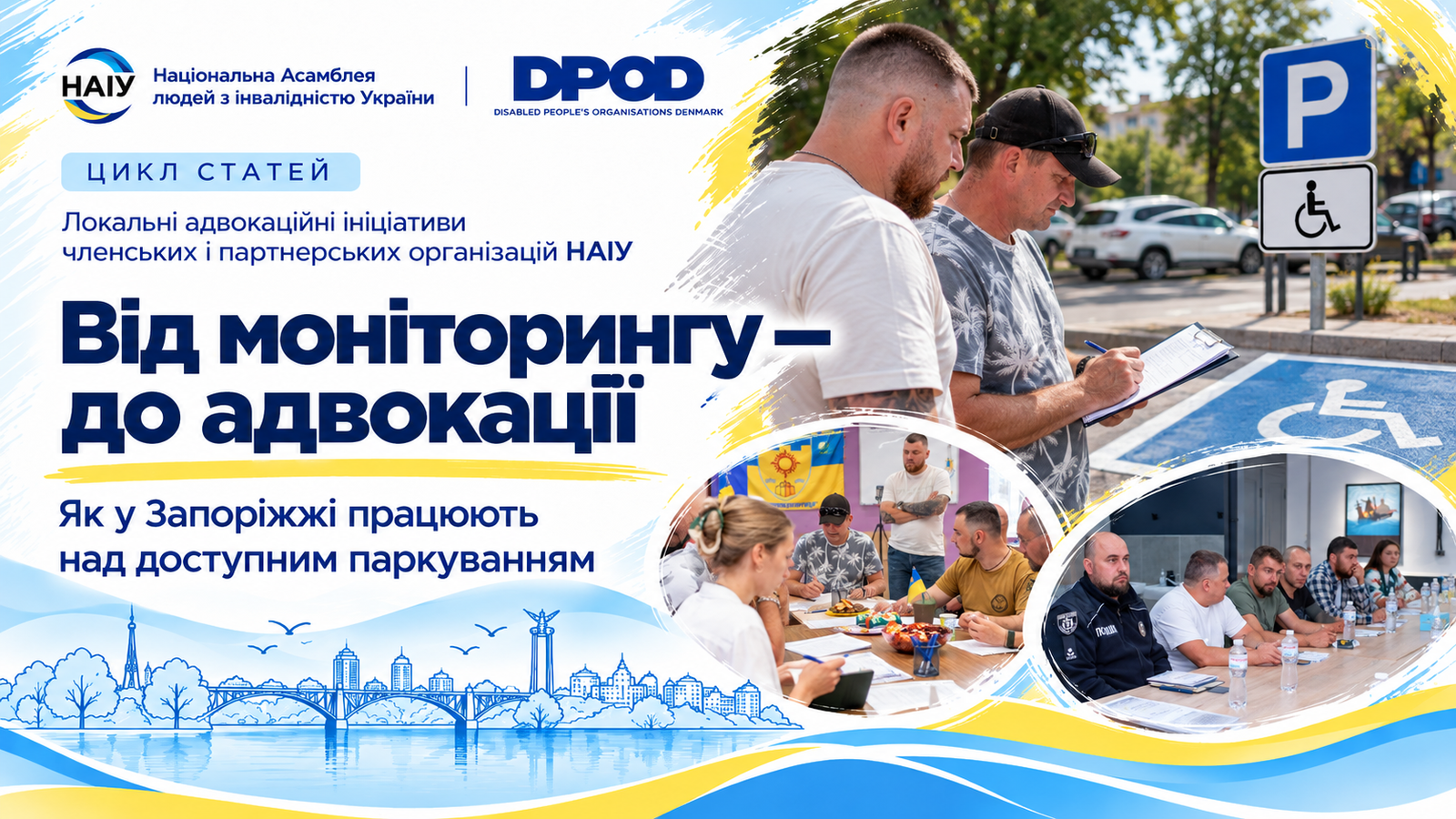
НАІУ продовжує цикл матеріалів про локальні адвокаційні ініціативи членських і партнерських організацій за підтримки та фінансування Disabled People’s Organisations Denmark (DPOD). П’ята історія — про досвід запорізької ГО «СИЛА РОЗВИТКУ», яка порушила питання доступності паркувального простору та відповідального паркування. Паркомісце для людини з інвалідністю — це не просто питання зручності. Якщо воно зайняте, неправильно облаштоване […]
13 жовтня 2026 року з 11:00 до 13:00 відбудеться друга лекція в межах проєкту «Голос жінок і лідерство: нова сила», присвячена розвитку світового та українського феміністичного руху в контексті захисту прав жінок з інвалідністю. Тема зустрічі – «Феміністичний рух світу та України крізь призму захисту прав жінок з інвалідністю». Феміністичний рух у світі та Україні пройшов тривалий […]
Іноді потрібна послуга є — але людина не знає про неї. Інформація опублікована — але її складно зрозуміти. Лікарня працює — але до неї важко дістатися. Цифровий сервіс доступний — але скористатися ним самостійно може не кожен. Саме з таких повсякденних ситуацій розпочалася адвокаційна робота Інгулецької районної організації ветеранів м. Кривого Рогу в межах проєкту […]