Vocational Education as a New Start: Third Training for Education Providers’ Teams Takes Place in Kyiv
17 March 2026
Share:
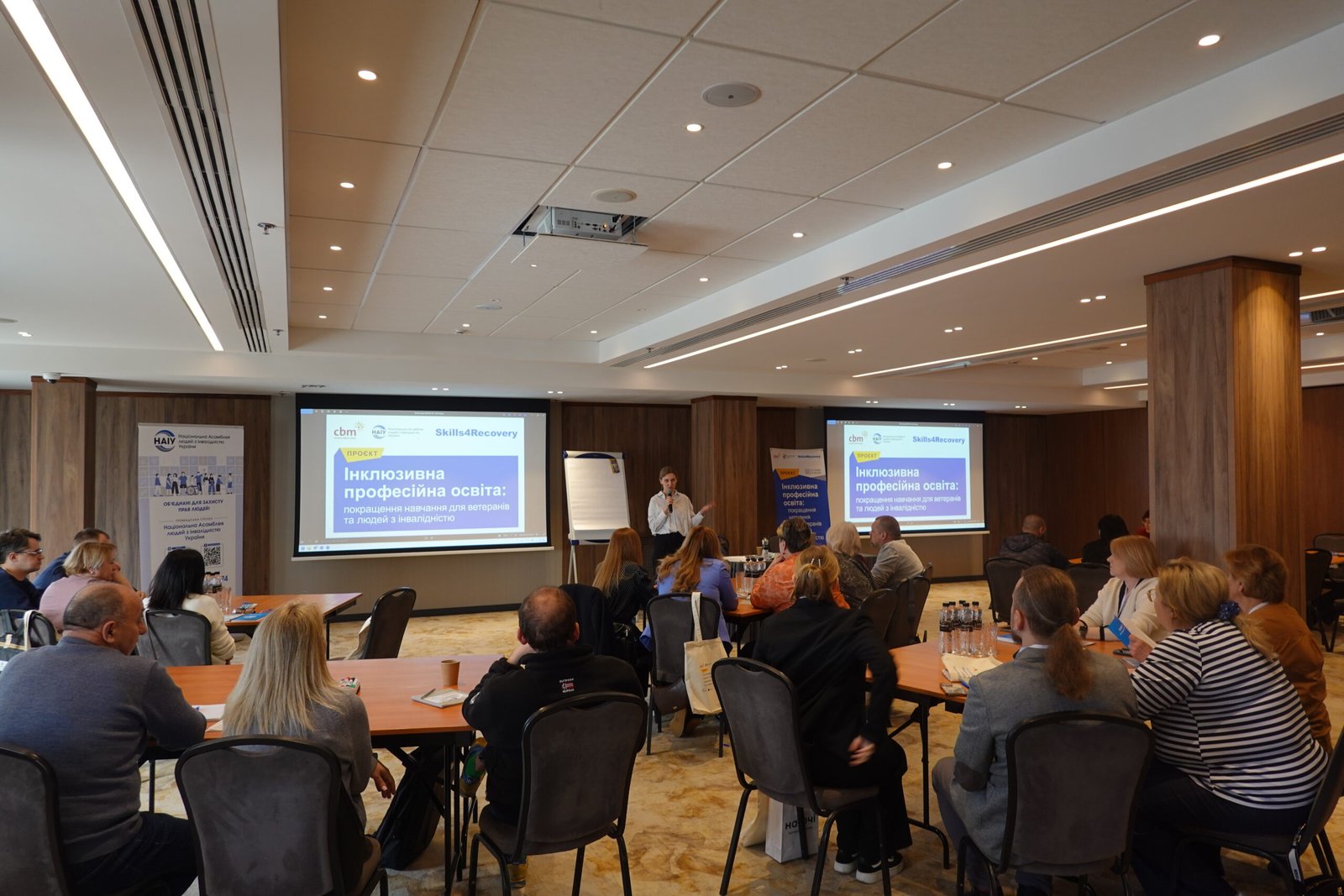
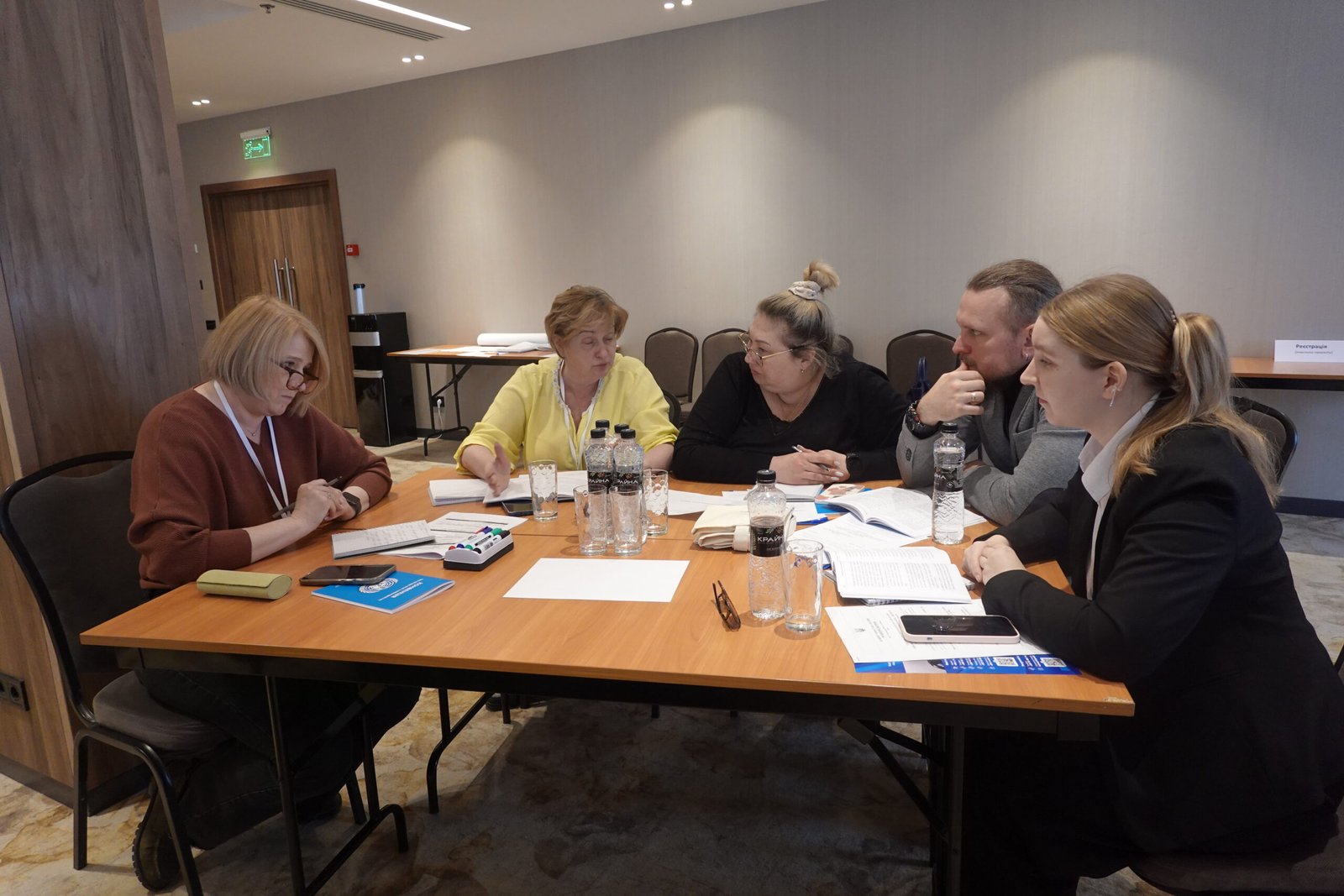
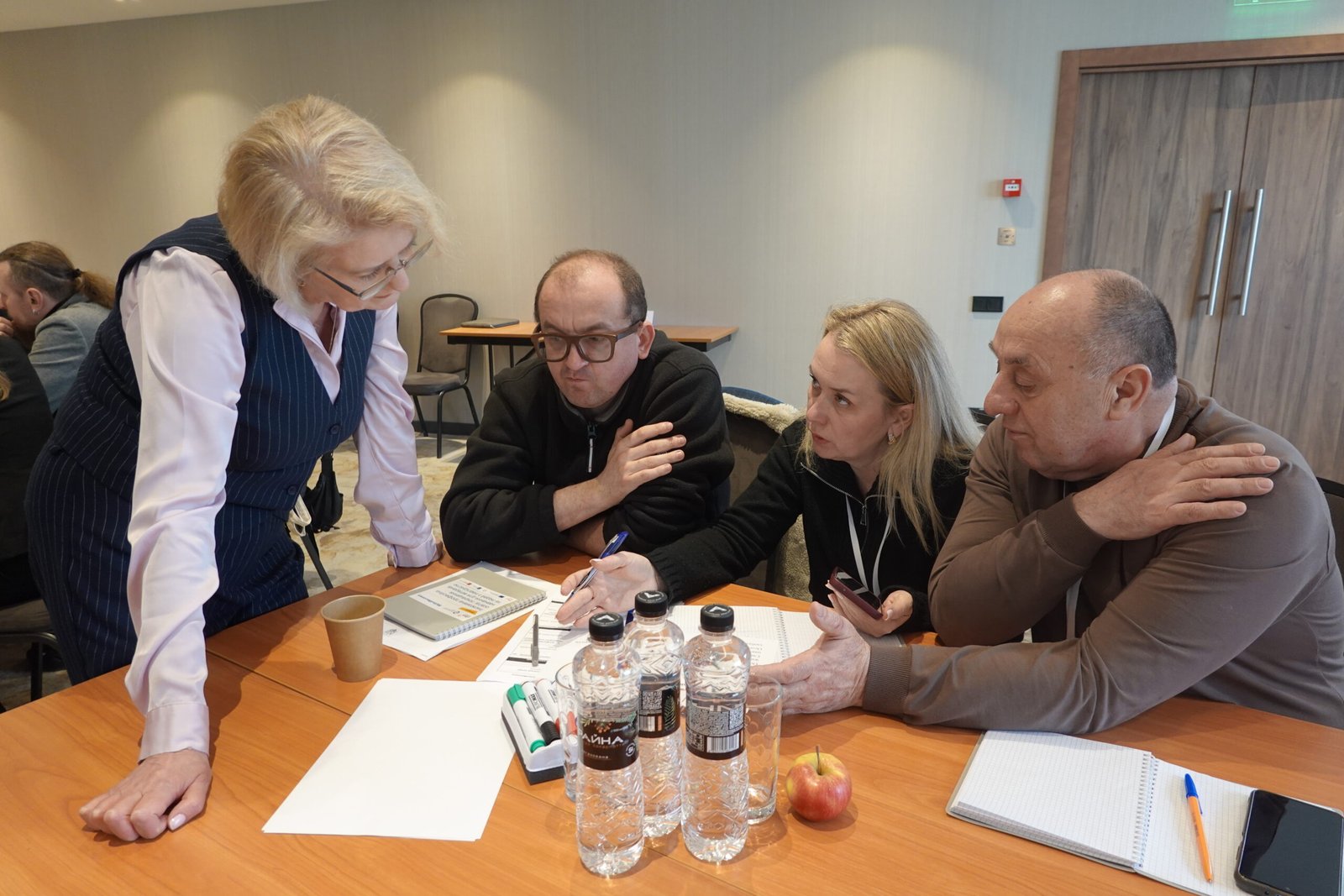
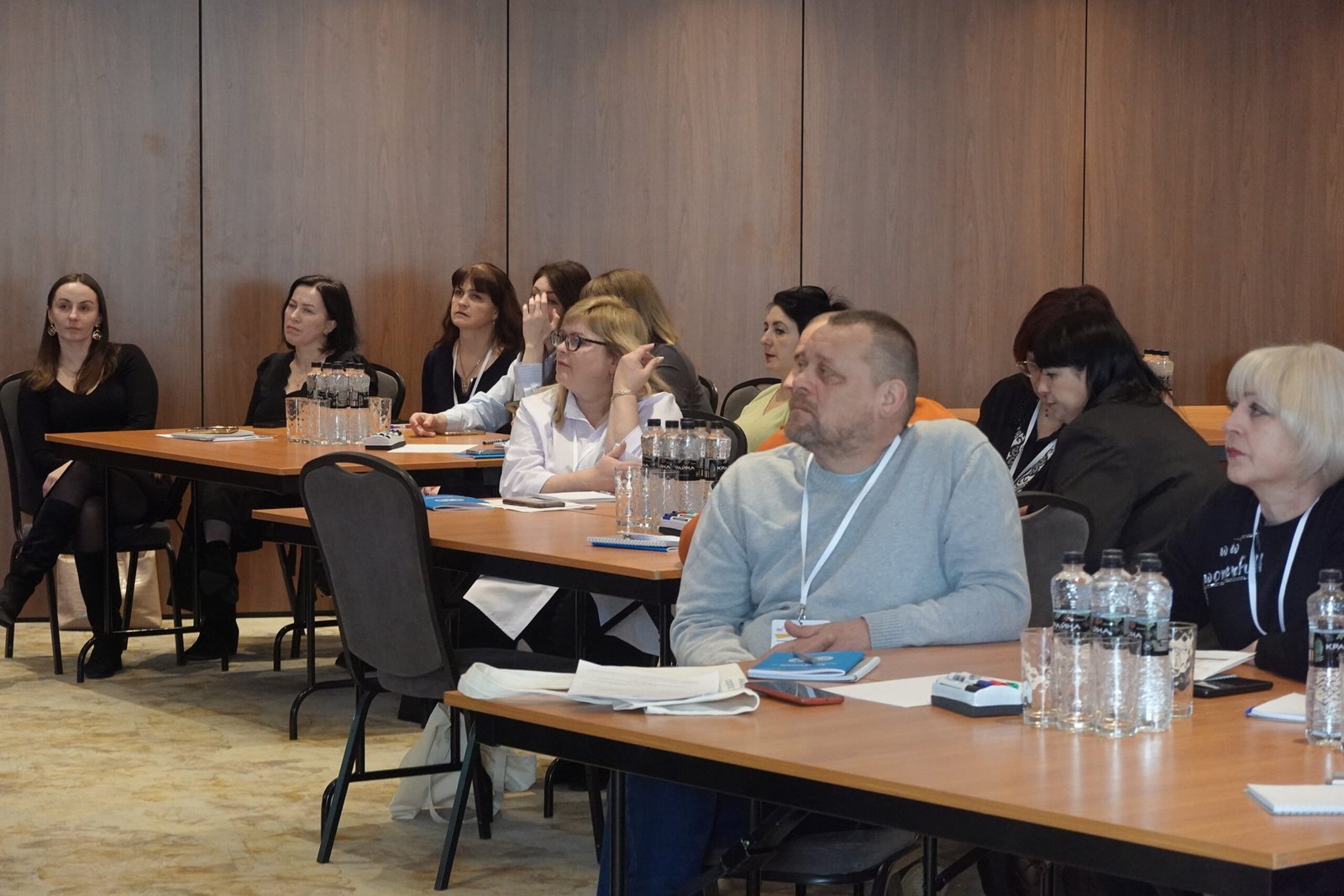
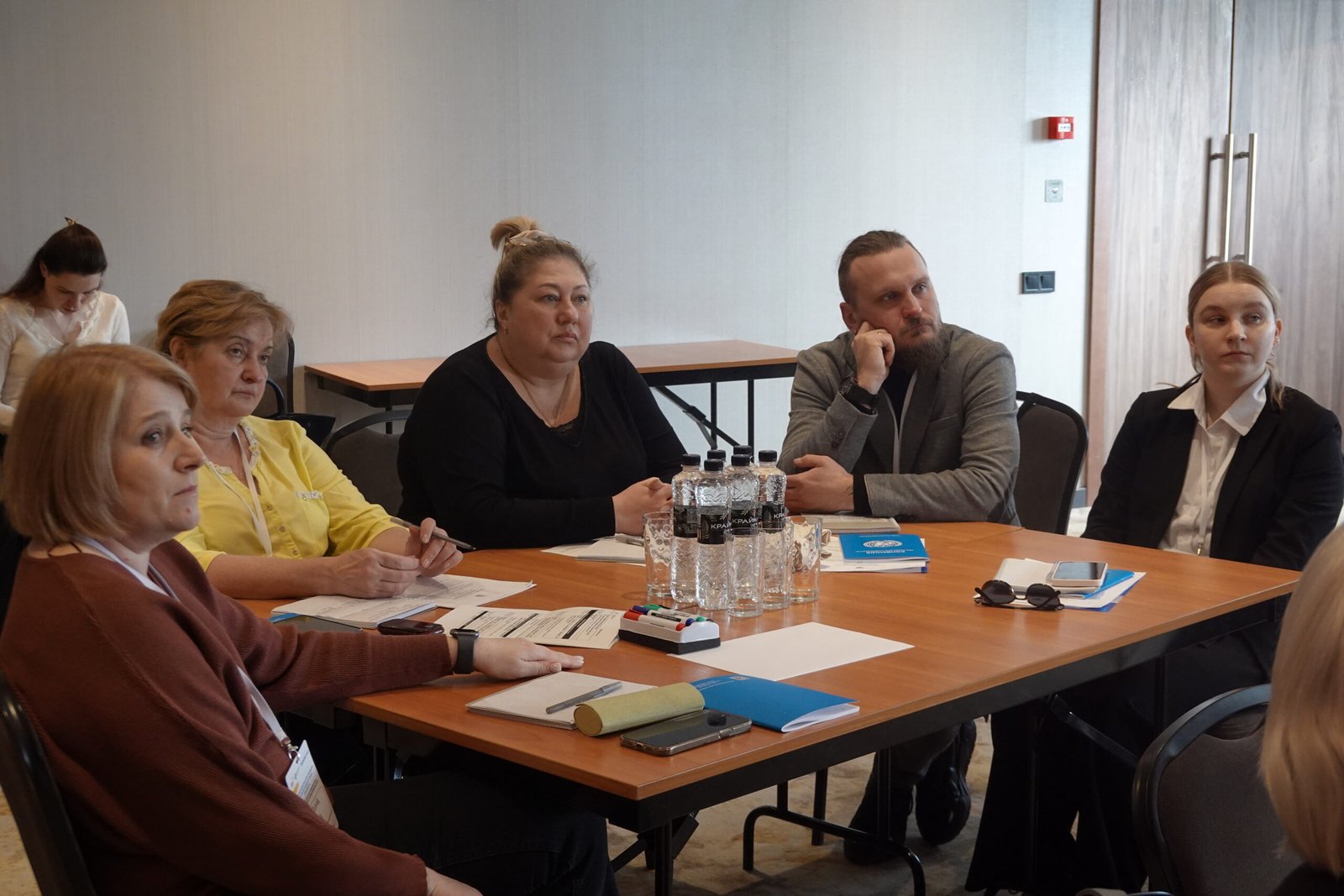
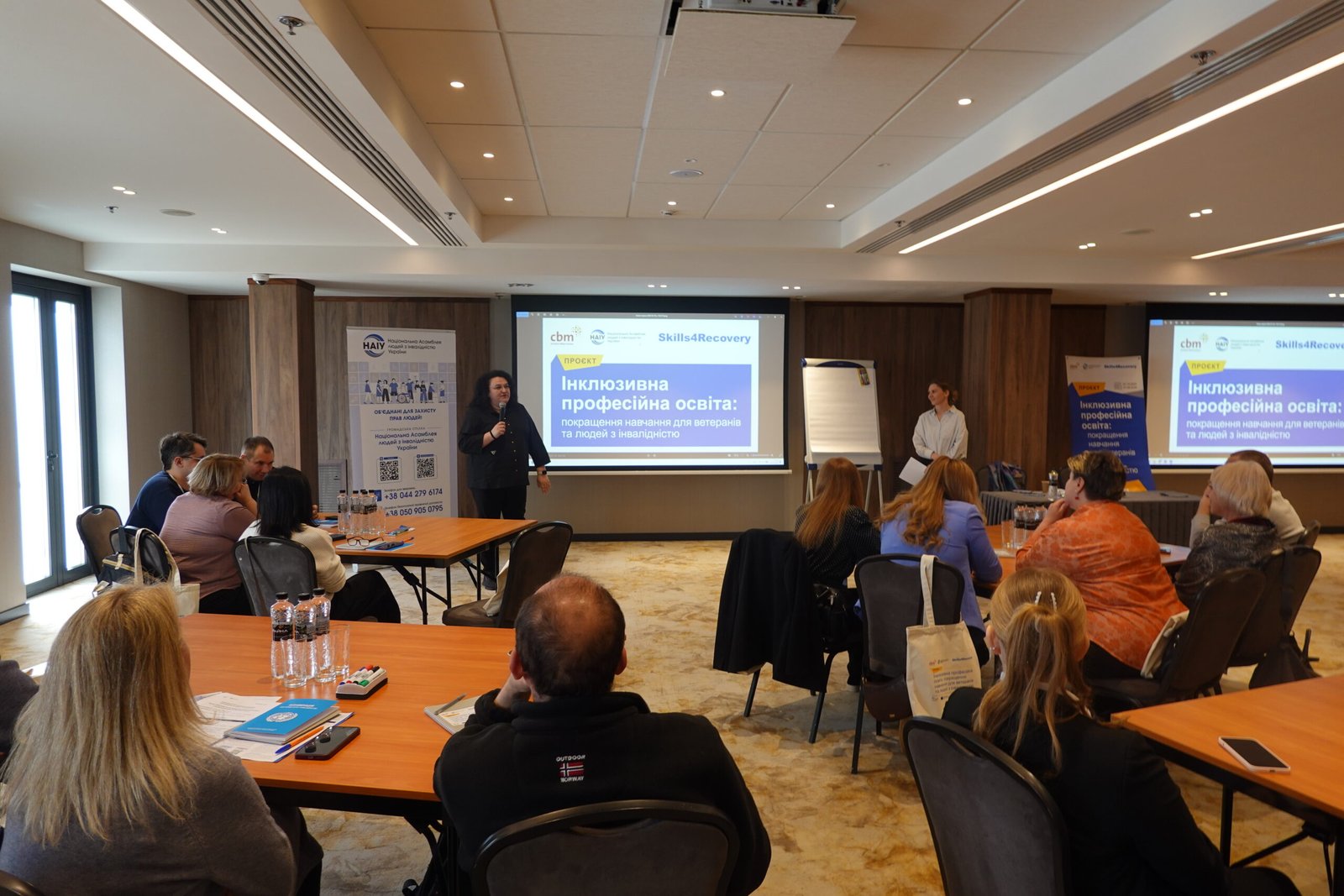
The third of four training sessions within the project on inclusive vocational education is currently taking place in Kyiv. This session focuses on how vocational education and training (VET) providers can respond to the challenges of war, internal displacement, and veterans’ reintegration, ensuring that learning is genuinely accessible for persons with disabilities and all learners requiring additional support.
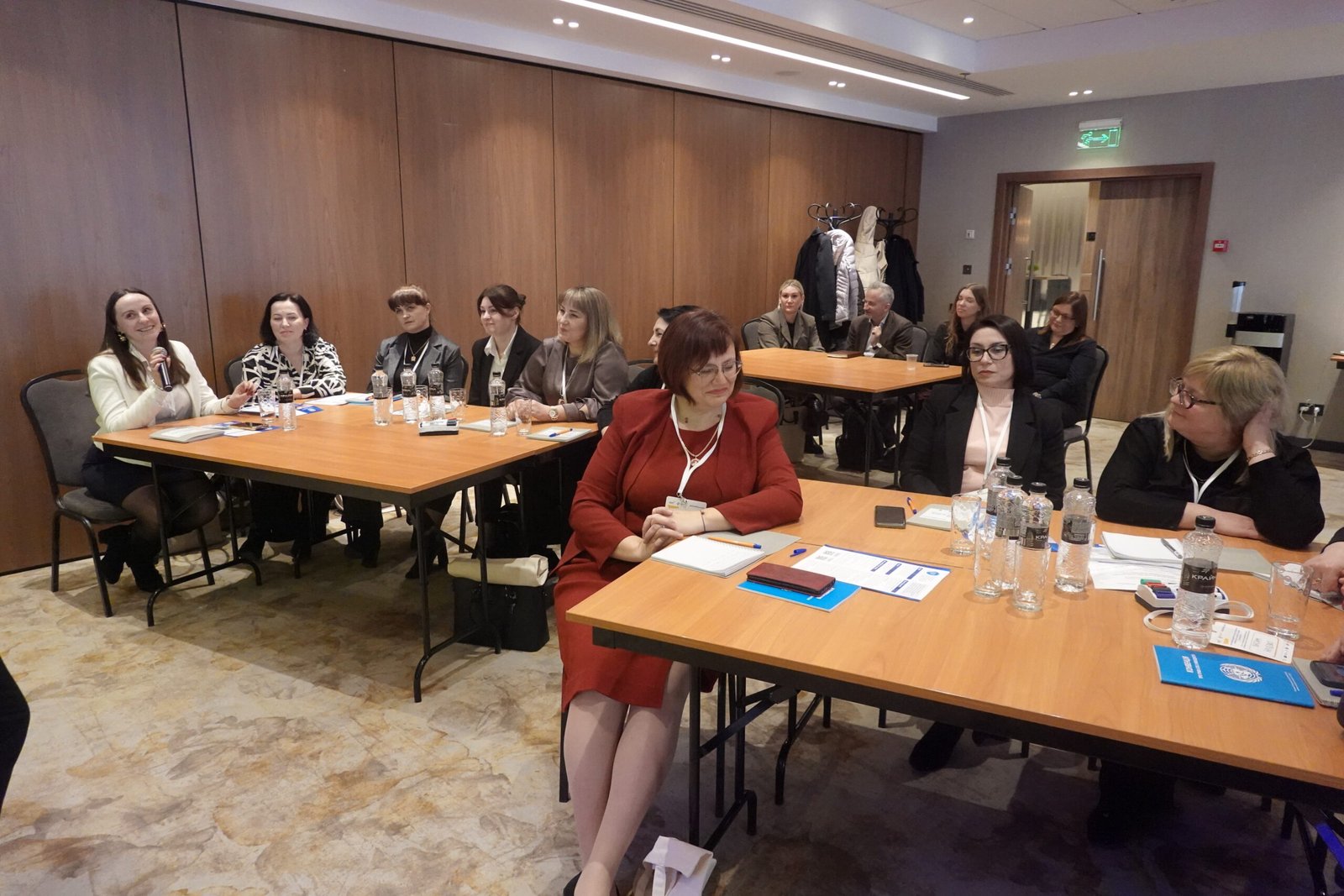
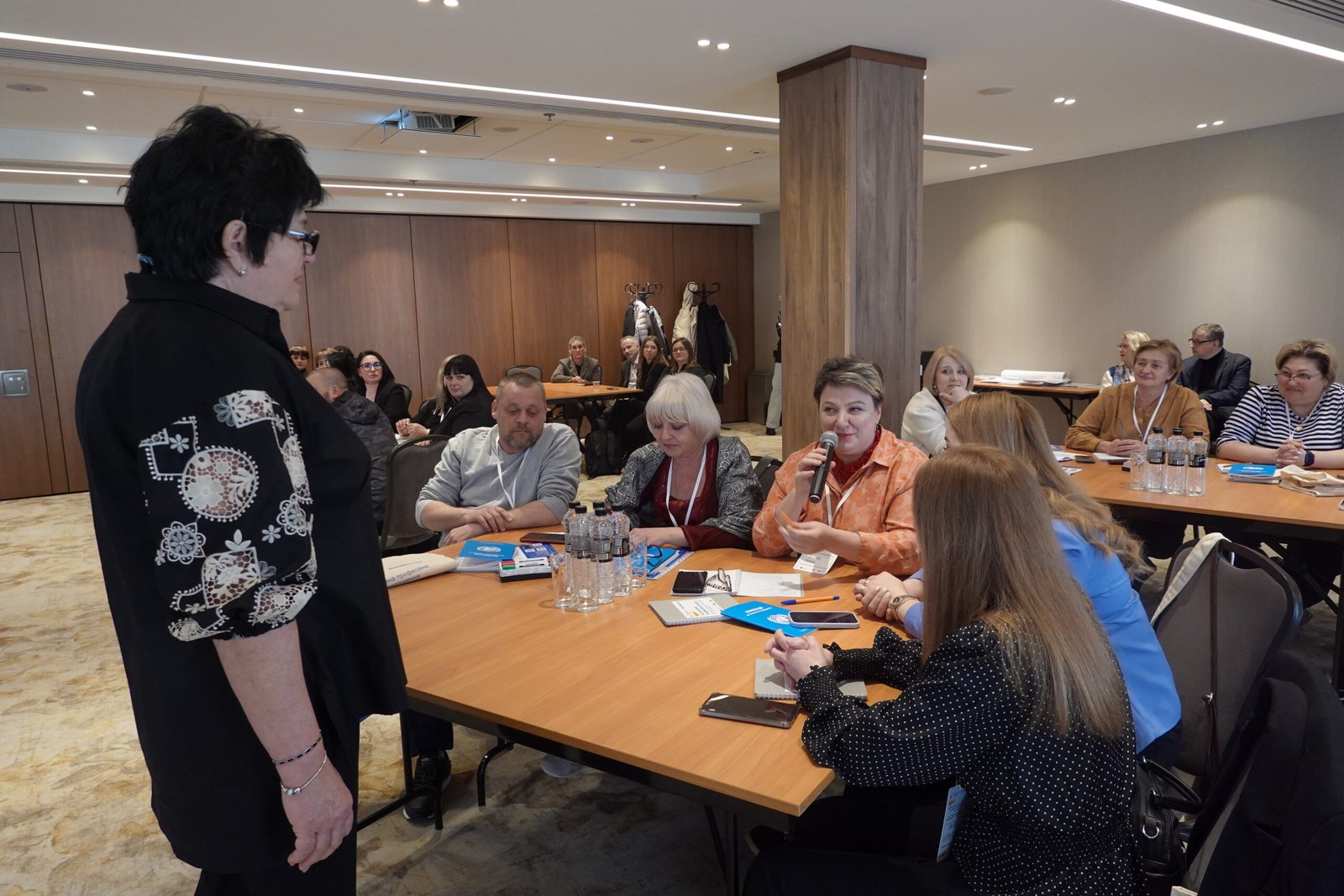
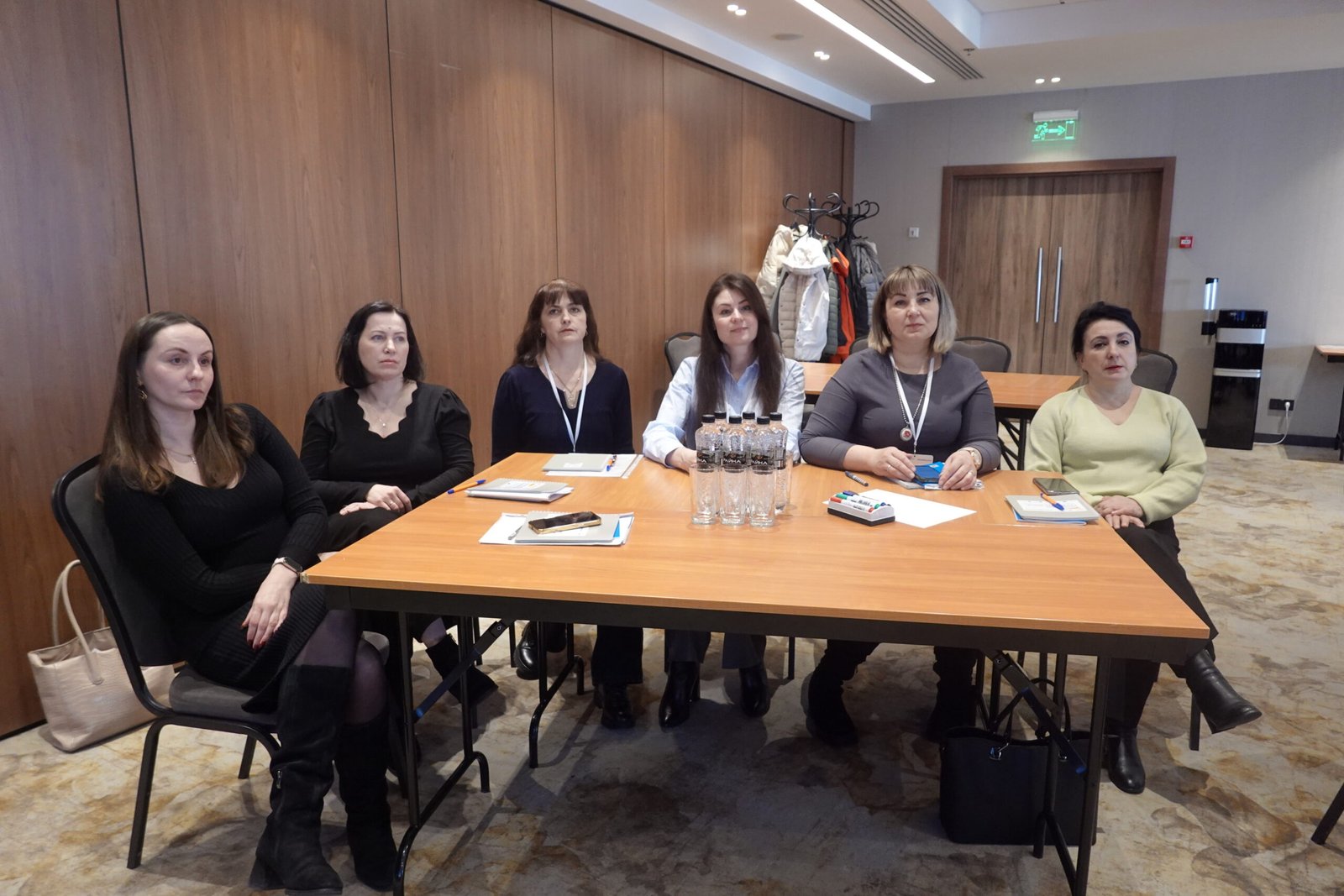
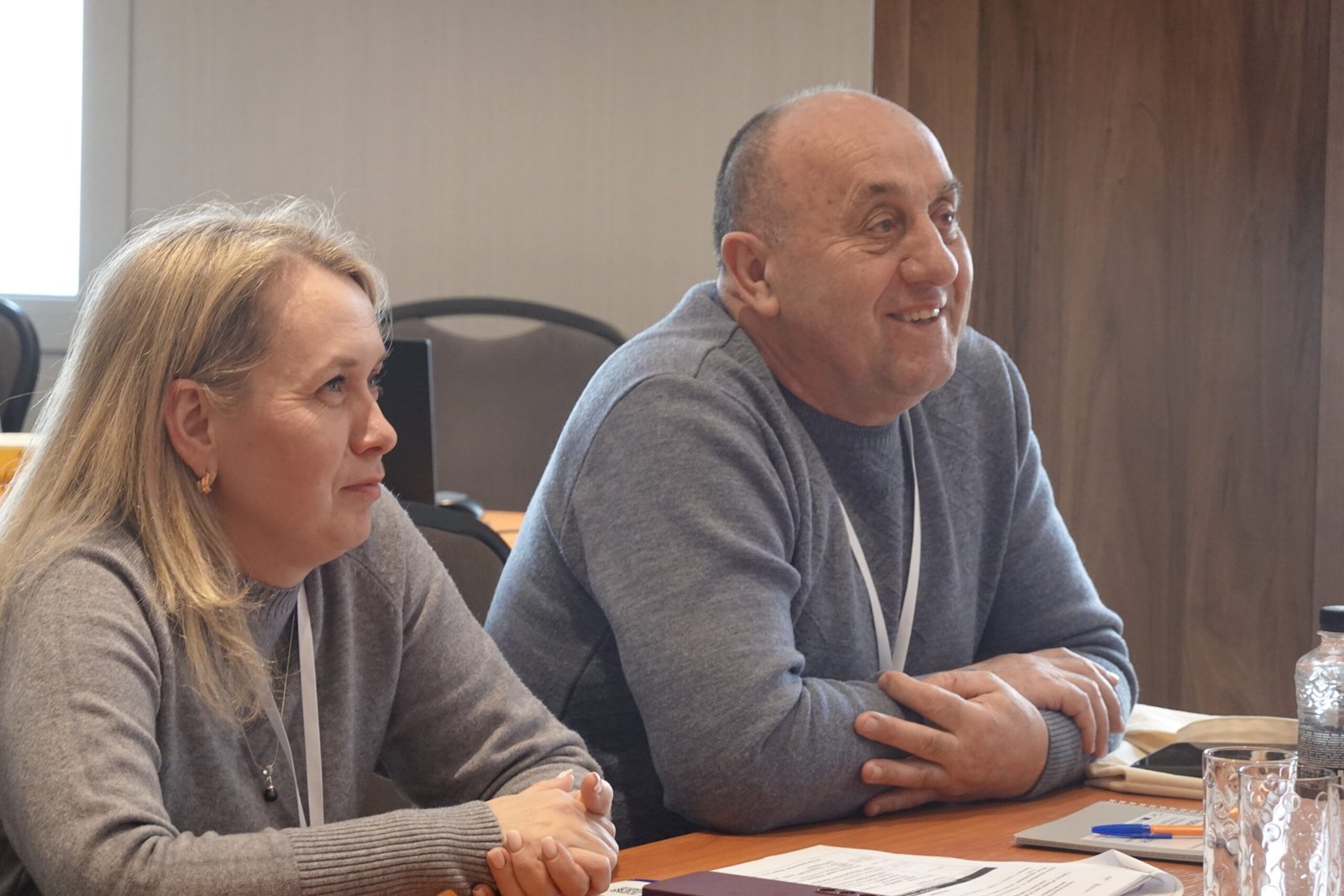
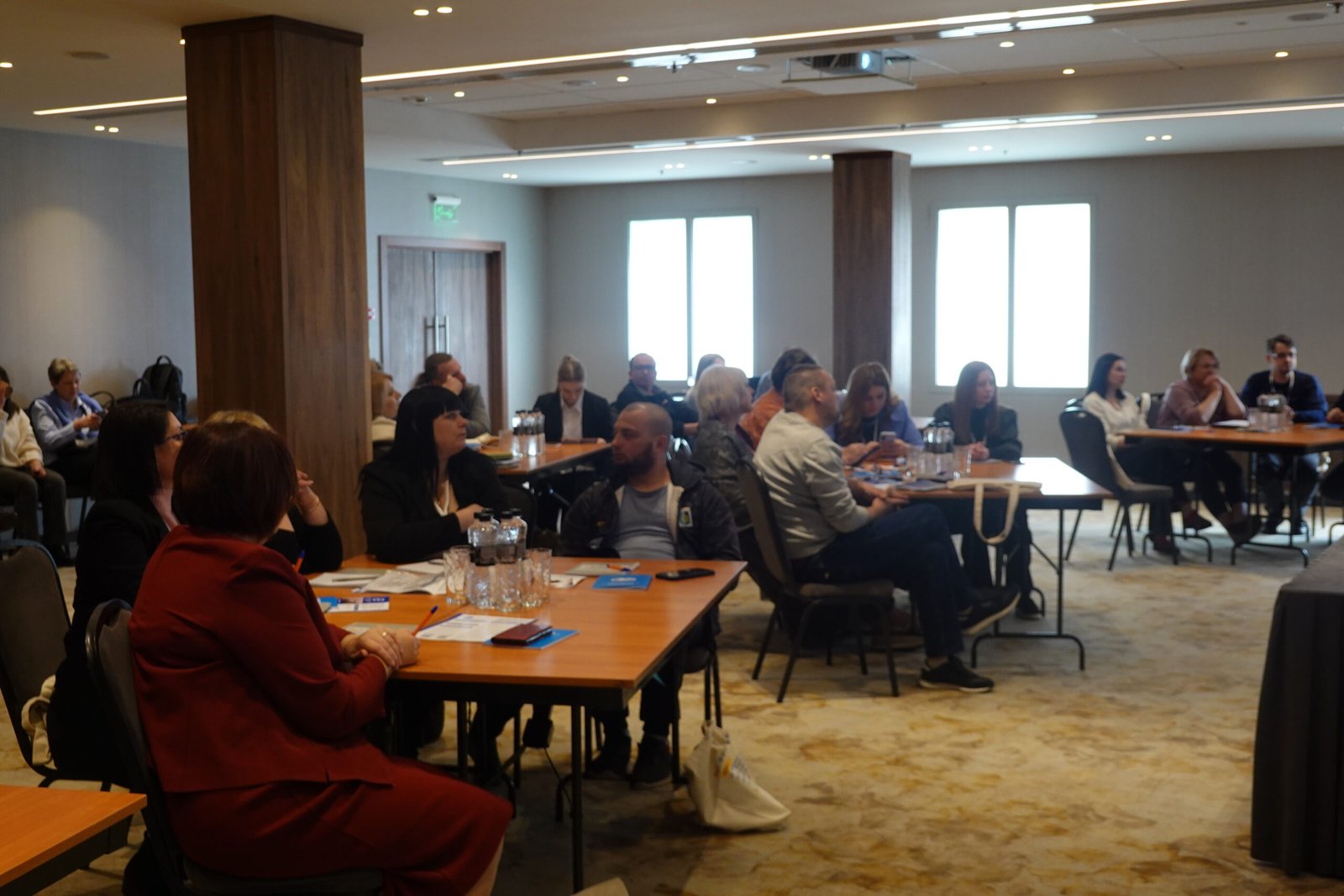
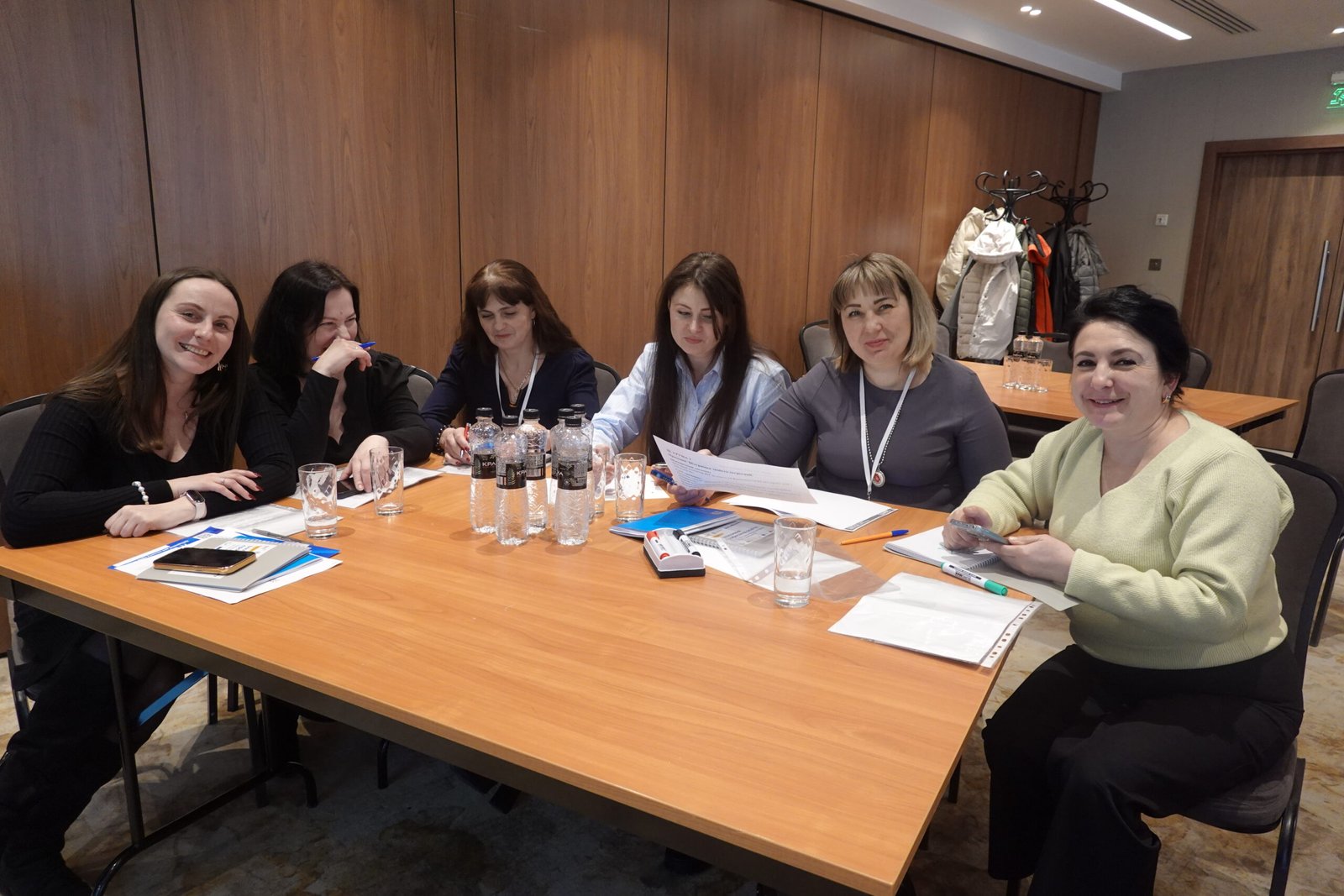
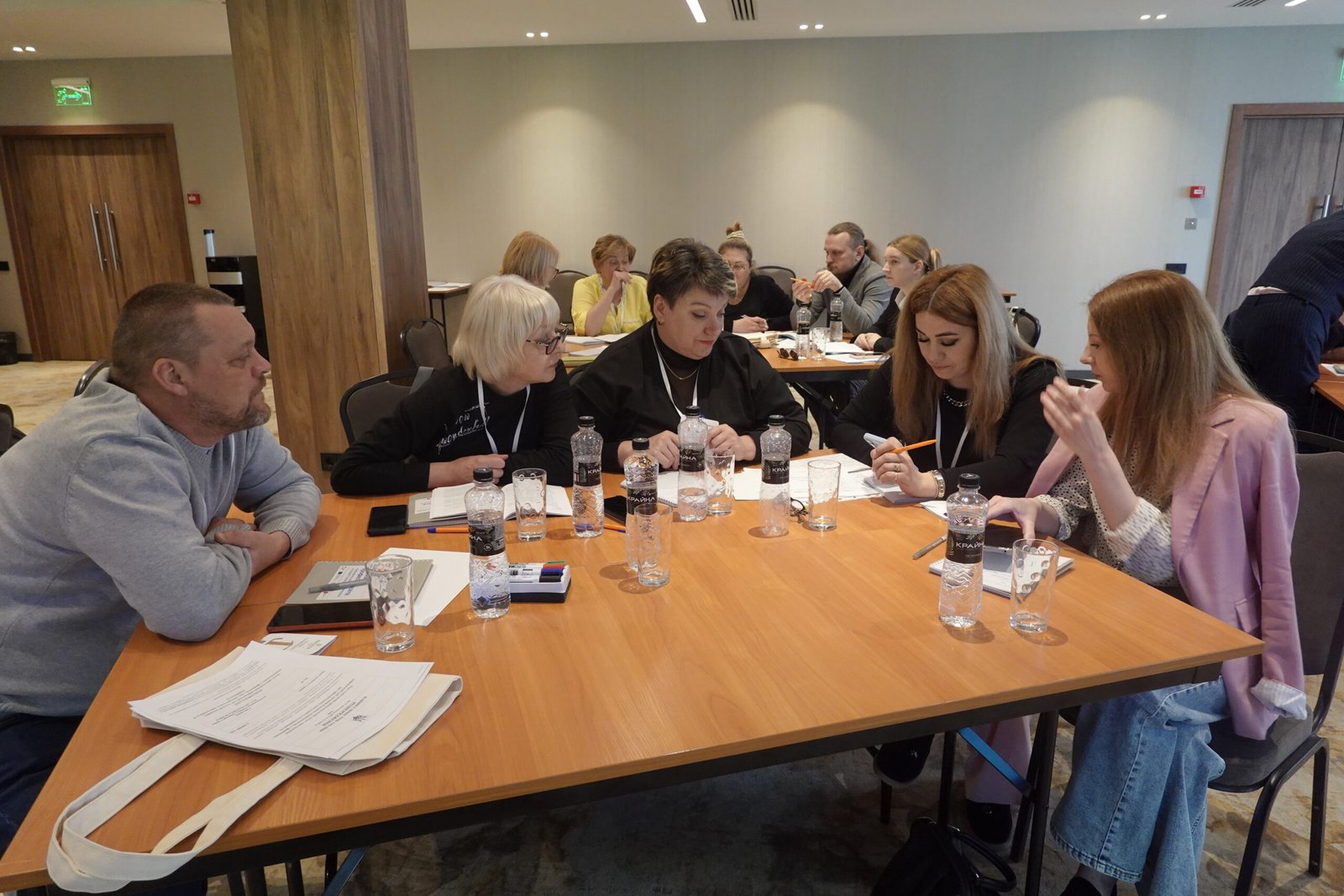
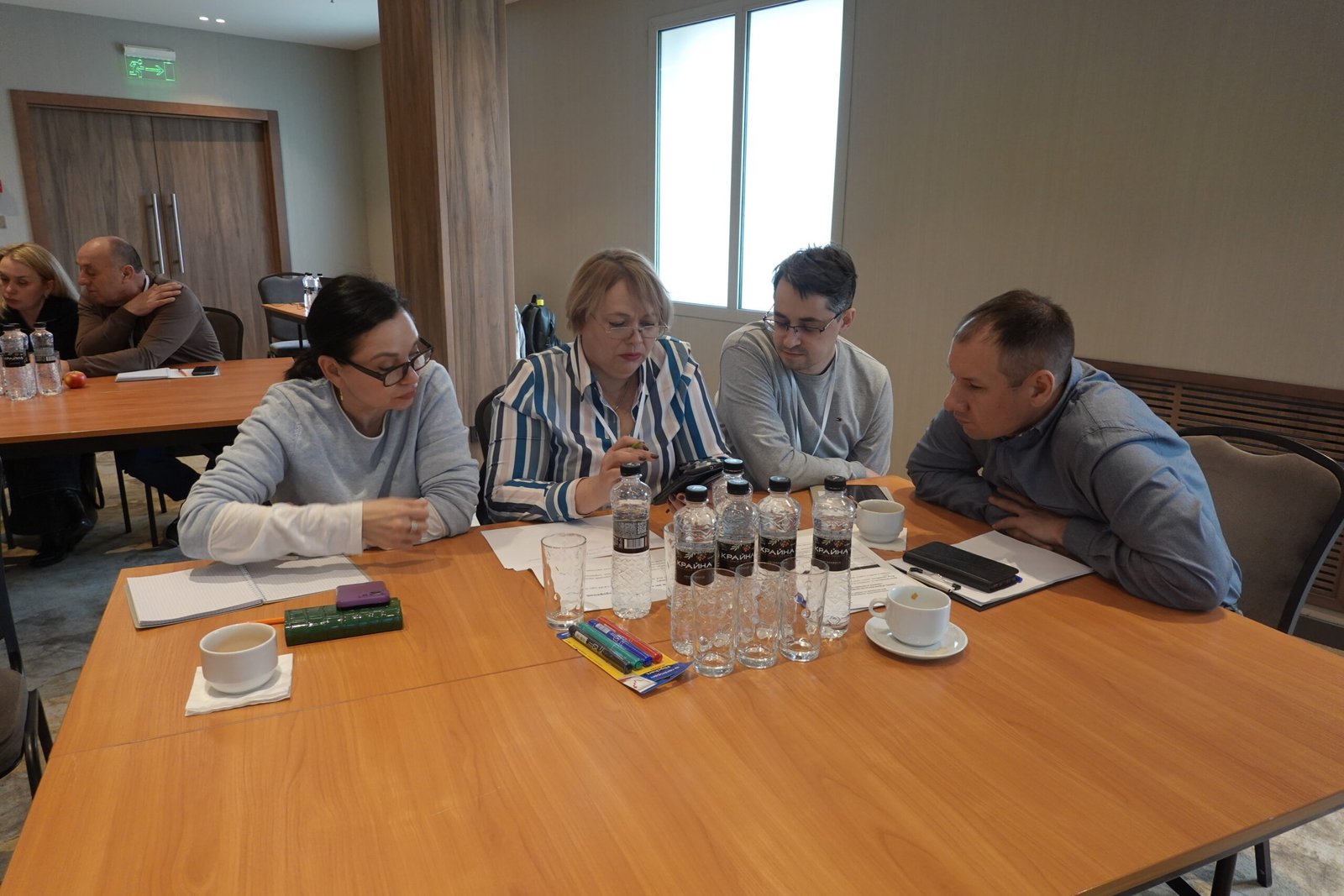
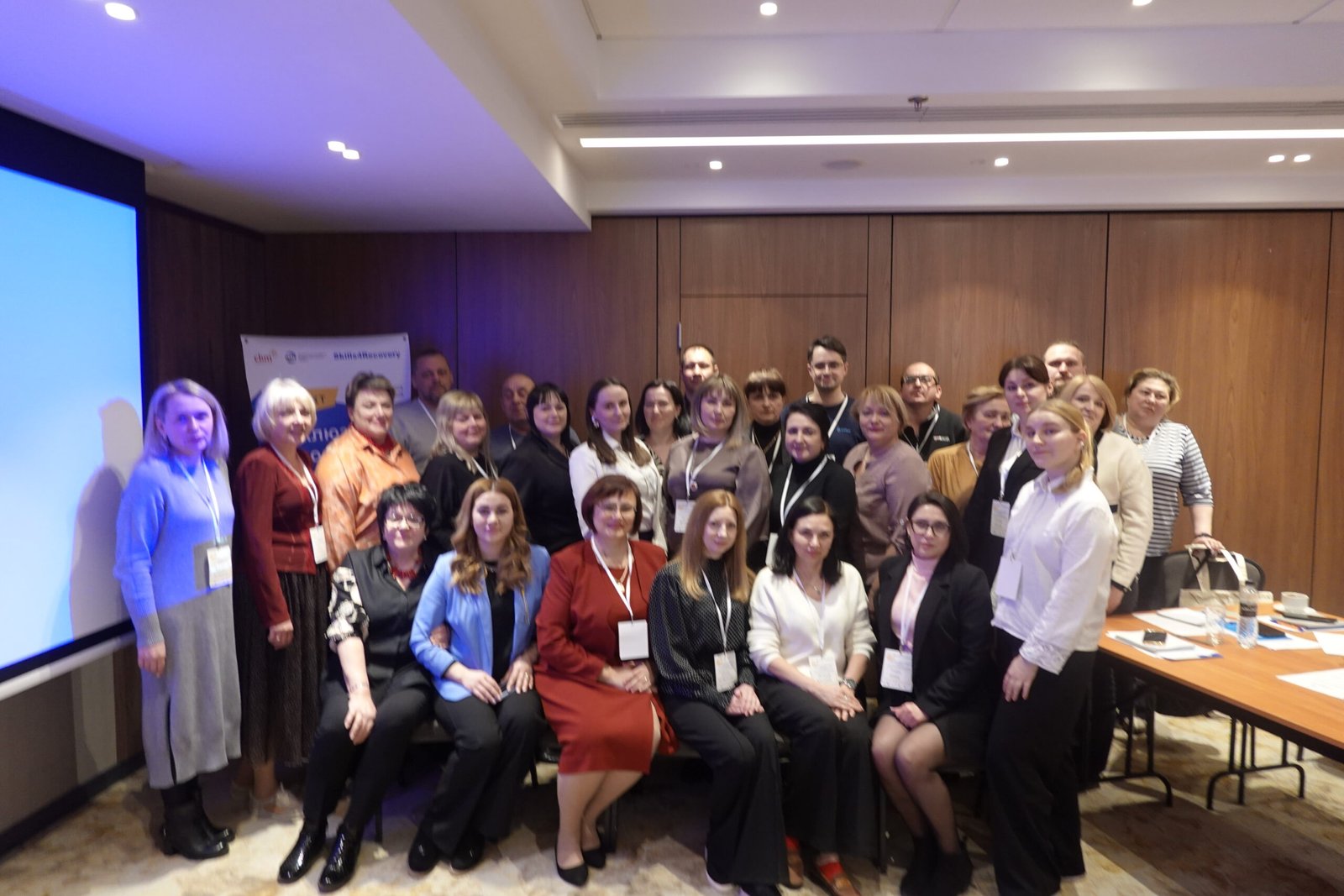
The third training under the project “Inclusive Vocational Education and Training: Improving Training for Veterans and People with Disabilities” has officially started in Kyiv. From 16 to 20 March, teams from six VET providers are working on practical approaches to making education both accessible and relevant for persons with disabilities, veterans, internally displaced persons, and other learners in need of additional support.
Representatives of Kyiv Applied College of Architecture, Construction, and Management, Rivne Technical Vocational College of the National University of Water and Environmental Engineering, Higher Professional Mining and Building Vocational School, Korostyshiv Vocational College, Nova Odesa Vocational College, and Dnipropetrovsk Centre for Vocational and Technical Training of the State Employment Service are taking part in the training.
This training focuses on how vocational education and training (VET) can respond to the emerging challenges of our time. In the context of war, internal displacement, and the reintegration of veterans into civilian life, access to education must be not merely formal, but real and effective. This is why the emphasis is placed not only on the values of inclusion, but also on practical, concrete solutions that enable educational institutions to operate in a barrier-free environment.
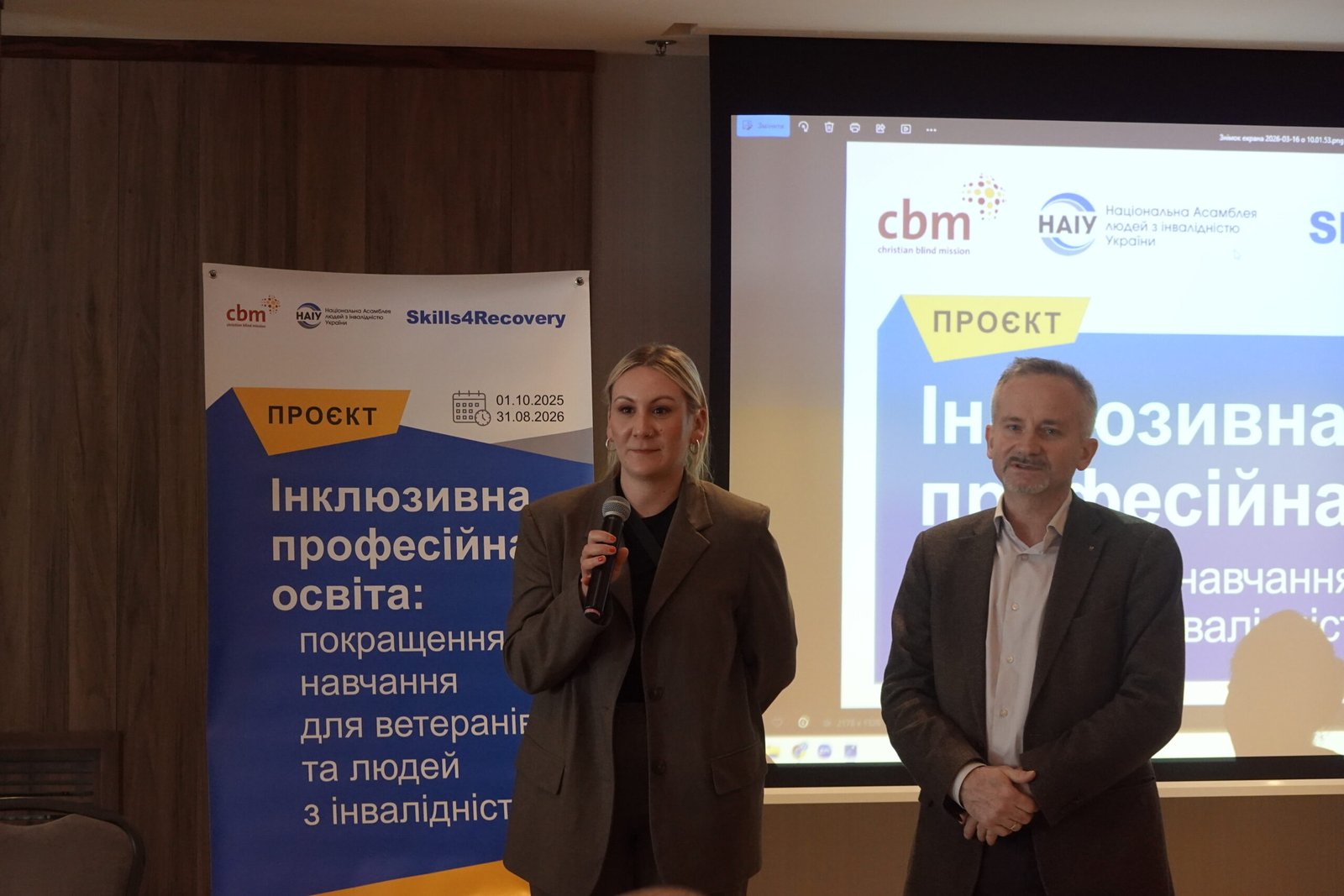
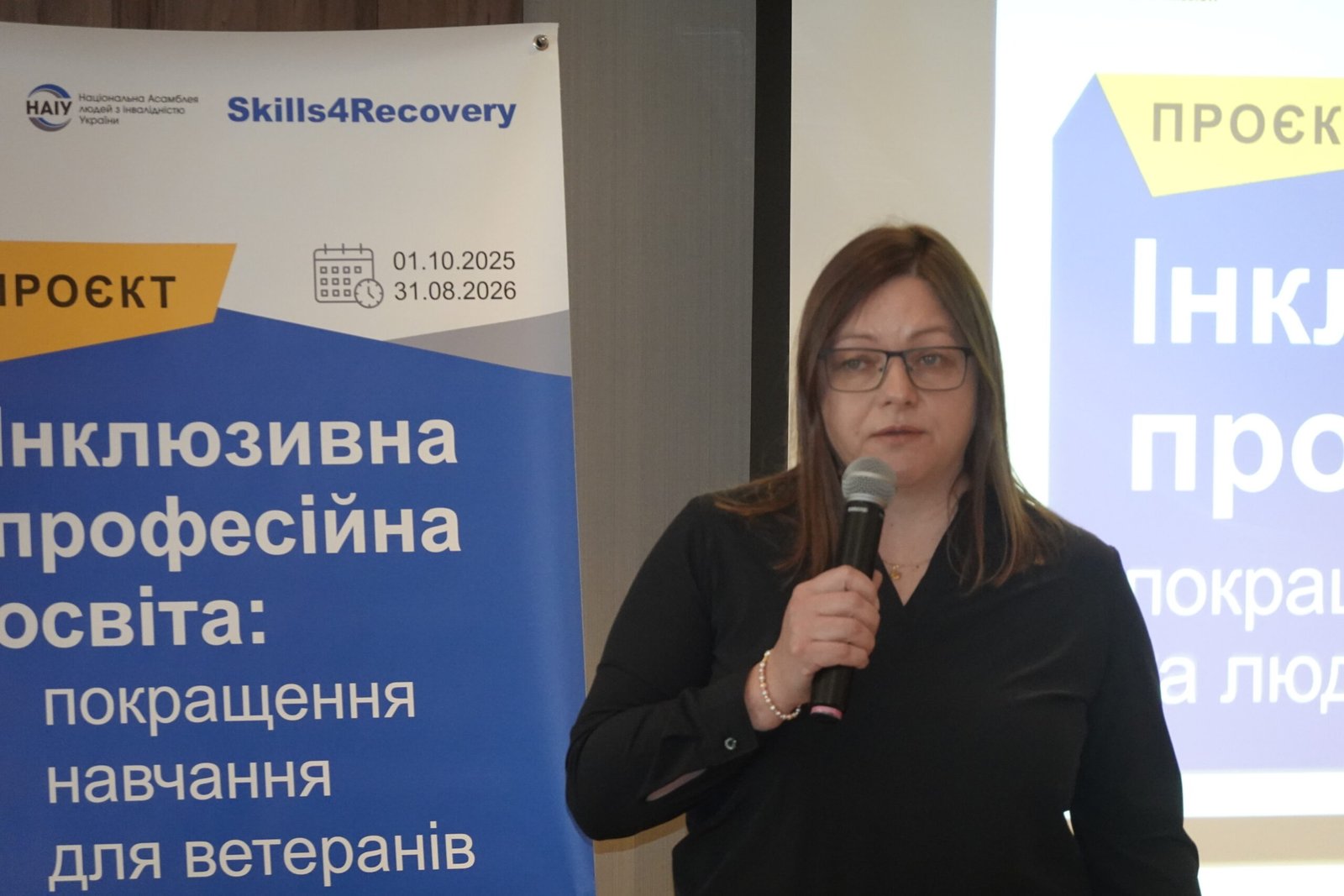
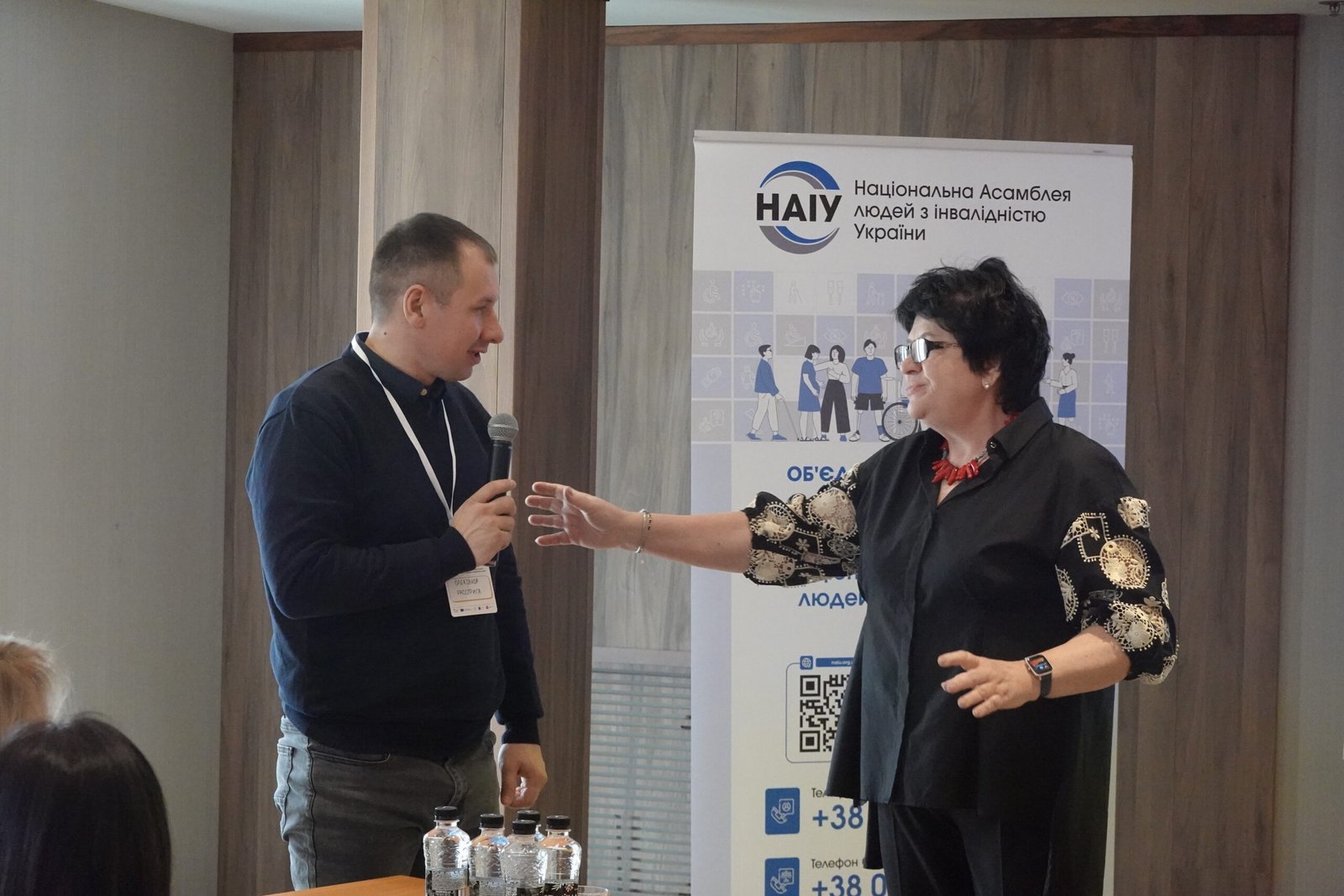
Opening remarks were delivered by Julia Schönborn, Programme Coordinator Ukraine at Christoffel-Blindenmission Christian Blind Mission e.V. (CBM); Tetiana Dovbush, Programme Implementation Advisor for Skills4Recovery (GIZ Ukraine); and Svitlana Petrusha, Project Coordinator from the National Assembly of People with Disabilities of Ukraine (NAPD). They emphasised the shared objective — to strengthen the capacity of vocational education and training (VET) providers to implement inclusive approaches and to create an environment in which persons with disabilities and veterans have genuine access to education, reskilling, and professional development.
The training programme covers contemporary approaches to understanding disability, barriers, accessibility, universal design, reasonable accommodation, interagency cooperation, and practical tools for supporting learners. Particular emphasis is placed on peer exchange among institutions, enabling teams not only to learn but also to observe how inclusive solutions function in real-life settings.
For Ukraine today, this is more than an educational topic. It is about enabling people to acquire a new profession, regain independence, and return to active life. For education providers, it is about their readiness to become part of these changes.
The training series is ongoing: the first two training sessions have already brought together 10 vocational education and training (VET) providers, and the final stage for the pilot institutions is scheduled next to ensure that the approaches developed can be scaled across different regions of Ukraine. In the upcoming material, we will take a closer look at six institutions — what challenges they brought with them to Kyiv and the solutions they are ready to implement first.
The project “Inclusive Vocational Education and Training (VET): Improving Training for Veterans and People with Disabilities” is being implemented by the National Assembly of People with Disabilities of Ukraine (NAPD), jointly with Christoffel-Blindenmission Christian Blind Mission e.V. (CBM), with financial support from the European Union, Germany, Poland, Estonia, and Denmark as part of the Skills4Recovery Multi-Donor Initiative, which is implemented by Deutsche Gesellschaft für Internationale Zusammenarbeit (GIZ) GmbH and Solidarity Fund PL (SFPL).
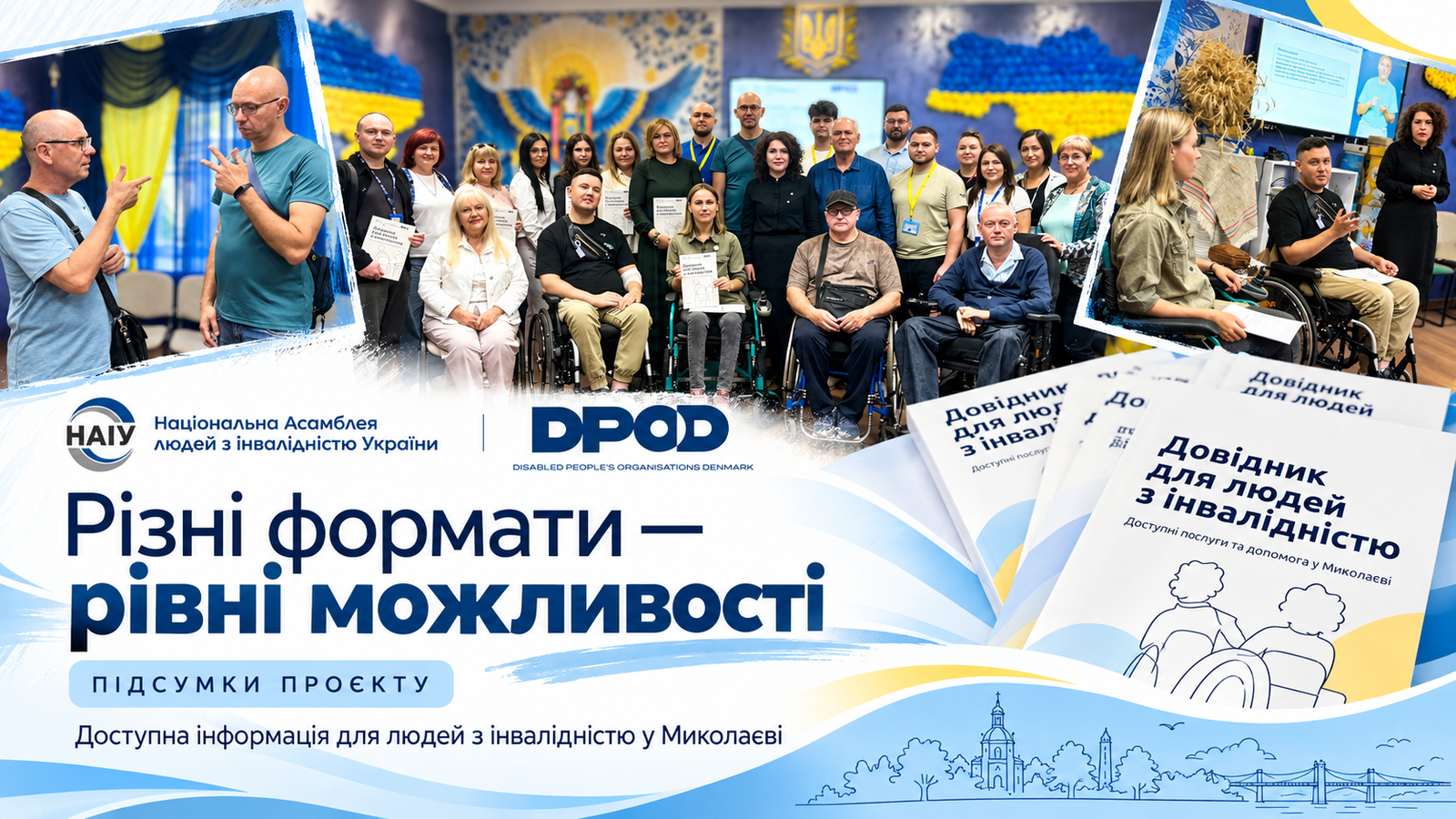
У межах мінігрантової ініціативи Національної Асамблеї людей з інвалідністю України за фінансування Disabled People’s Organisations Denmark (DPOD) п’ять громадських організацій реалізували локальні проєкти, спрямовані на вирішення конкретних проблем людей з інвалідністю у своїх громадах. Одна з таких ініціатив — проєкт «Різні формати — рівні можливості», який упродовж червня–вересня 2026 року реалізувала у Миколаєві ГО «Центр […]
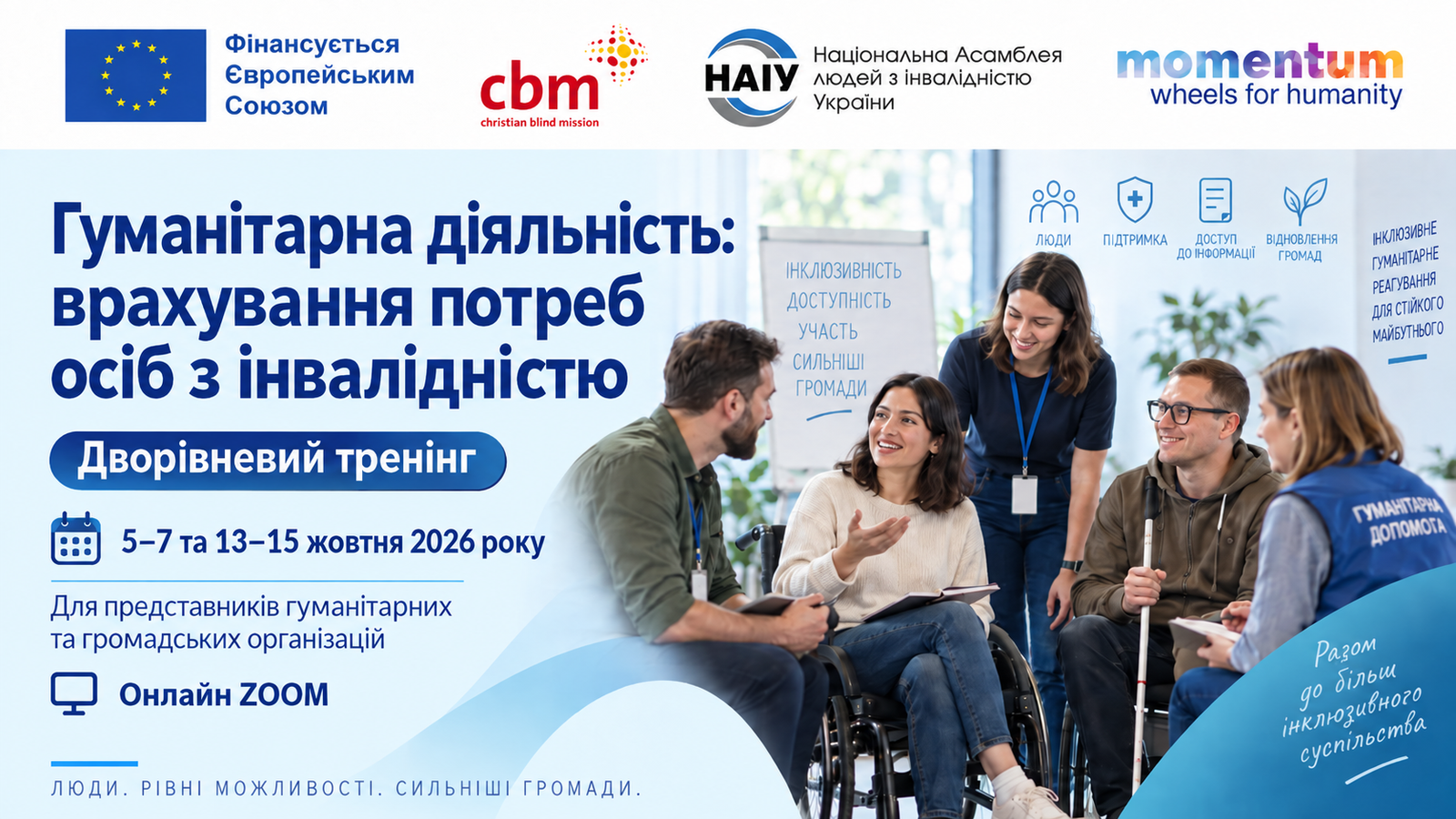
Національна Асамблея людей з інвалідністю України (НАІУ) проводе дворівневий онлайн-тренінг «Гуманітарна діяльність: врахування потреб осіб з інвалідністю». Тренінг відбудеться в межах проєкту «Зміцнення інклюзивних послуг з охорони здоров’я, реабілітації та захисту постраждалого від війни населення», який співфінансується Європейським Союзом та Christian Blind Mission (CBM) і реалізується CBM у партнерстві з Momentum Wheels for Humanity (MWH) […]
Посилення представництва інтересів людей з інвалідністю й ветеранів на місцевому рівні — у самоврядуванні, дорадчих та робочих органах стало метою п’яти регіональних ініціатив, які Національна Асамблея людей з інвалідністю України (НАІУ) впроваджувала протягом березня – серпня 2026 року. Проєкт впроваджувався у Вінницькій, Львівській, Одеській, Полтавській областях та місті Черкасах в межах проєкту «Реабілітація в Україні» […]
Ресурсний центр Національної Асамблеї людей з інвалідністю України підготував черговий огляд законодавчих змін, важливих для людей з інвалідністю та членів їхніх родин. Серед основних тем — соціальні гарантії, допомога на опалювальний сезон, підтримка внутрішньо переміщених осіб, освітні гранти, а також проєкти рішень щодо працевлаштування й доступності медіа. Президент України підписав закон, ухвалений за законопроєктом № […]
У Львівській області завершився офлайн-тренінг «Організаційна спроможність ОГС: від оцінки потенціалу до дієвої стратегії». До навчання долучилися представниці і представники громадських організацій людей з інвалідністю з Вінницької, Дніпропетровської, Закарпатської, Запорізької, Полтавської, Сумської, Тернопільської, Харківської та Черкаської областей, а також міста Києва. Захід організувала Національна Асамблея людей з інвалідністю України в межах проєкту «Реабілітація в Україні» […]
У Черкасах для водіїв і контролерів комунального підприємства «Черкасиелектротранс» провели практичне навчання з доступного перевезення людей з інвалідністю та інших маломобільних пасажирів. Працівники освоїли правила безпечної посадки й висадки, використання апарелі, надання допомоги та належної взаємодії з пасажирами. Про це повідомляє громадська організація «Спілка людей з інвалідністю «Перспектива» на своїй сторінці у Facebook. Навчання стало […]