Not Just Learning, but Teaching Others: A Training of Trainers on Inclusive Vocational Education and Training Held in Kyiv
9 June 2026
Share:
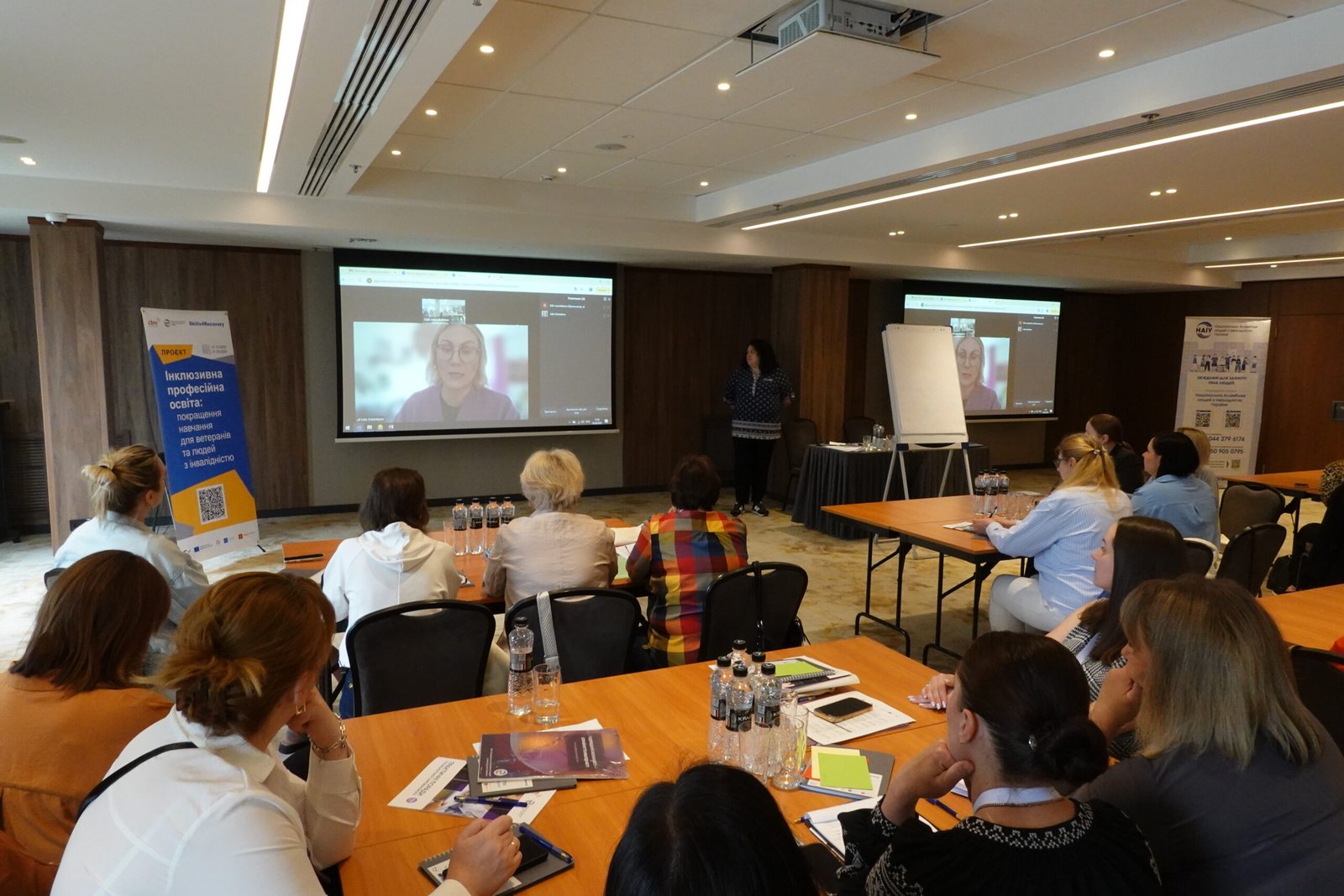
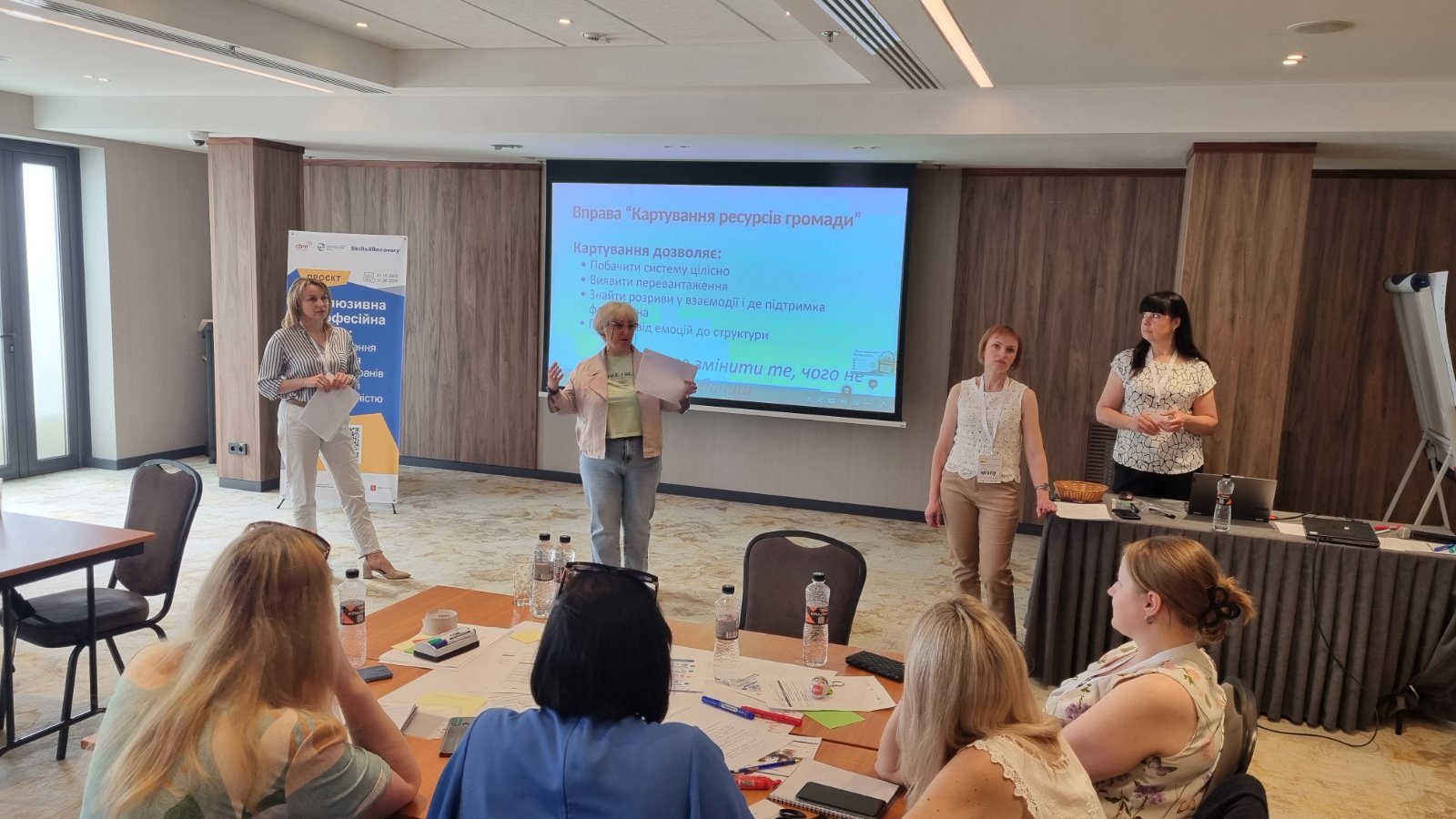
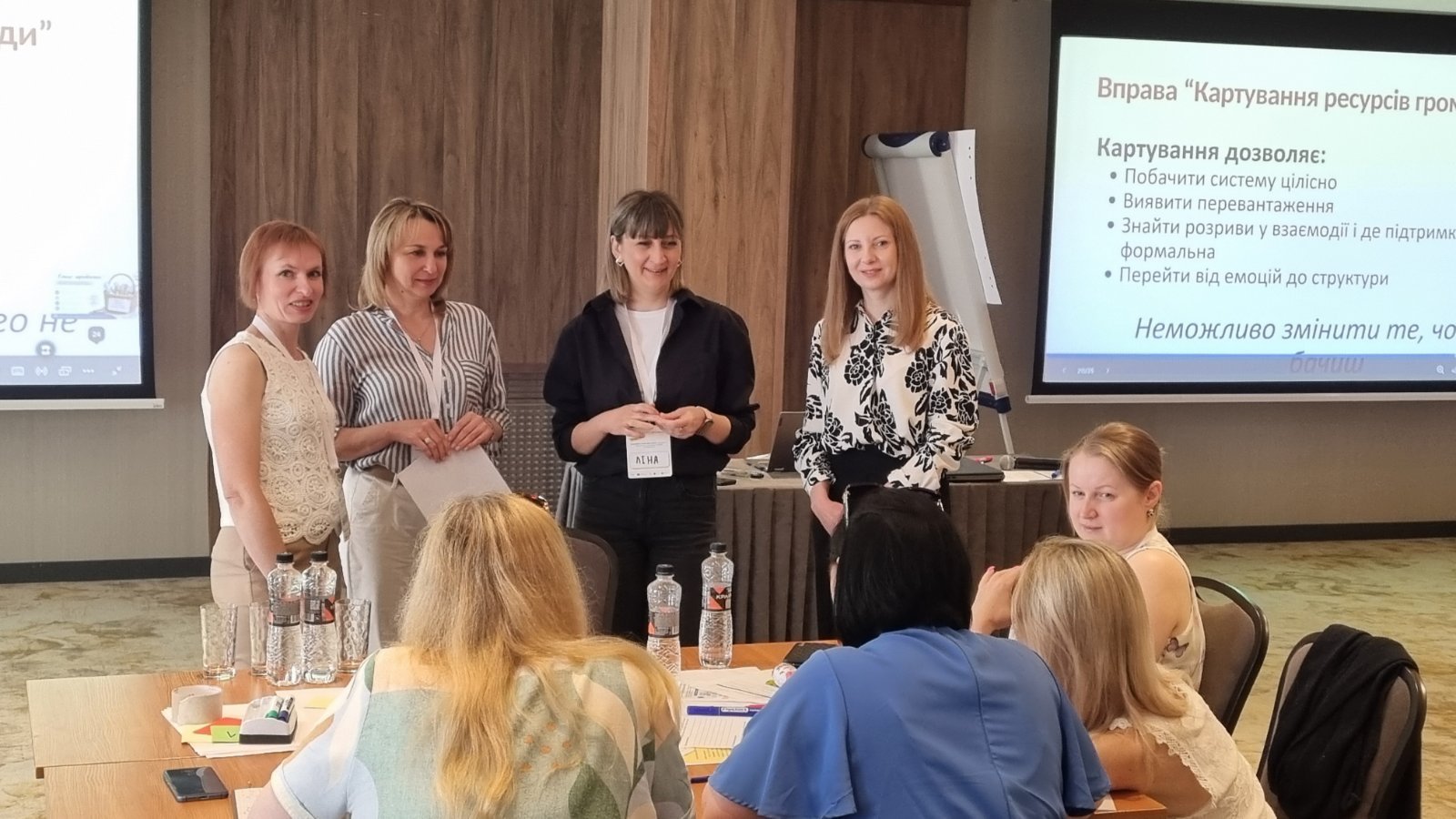
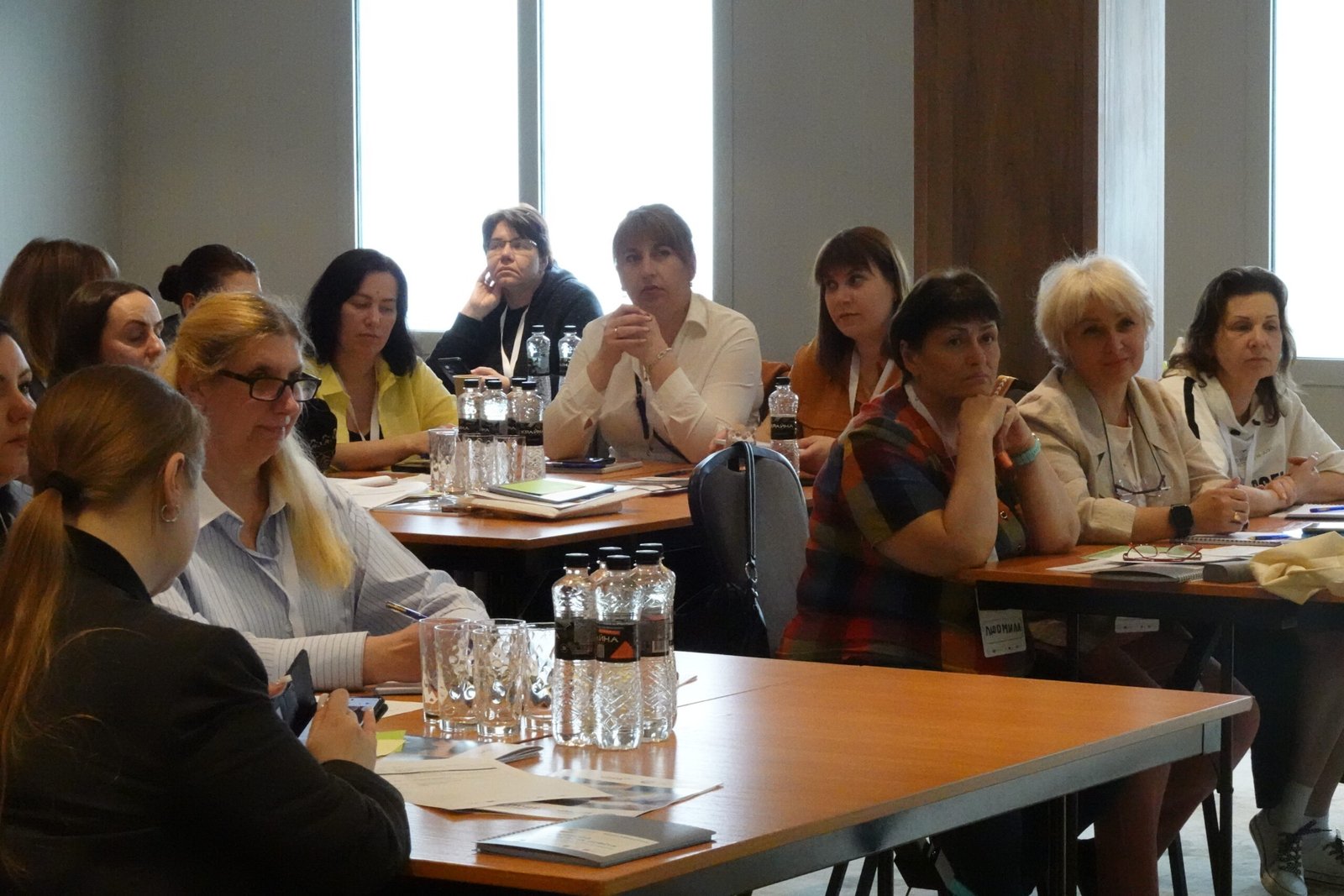
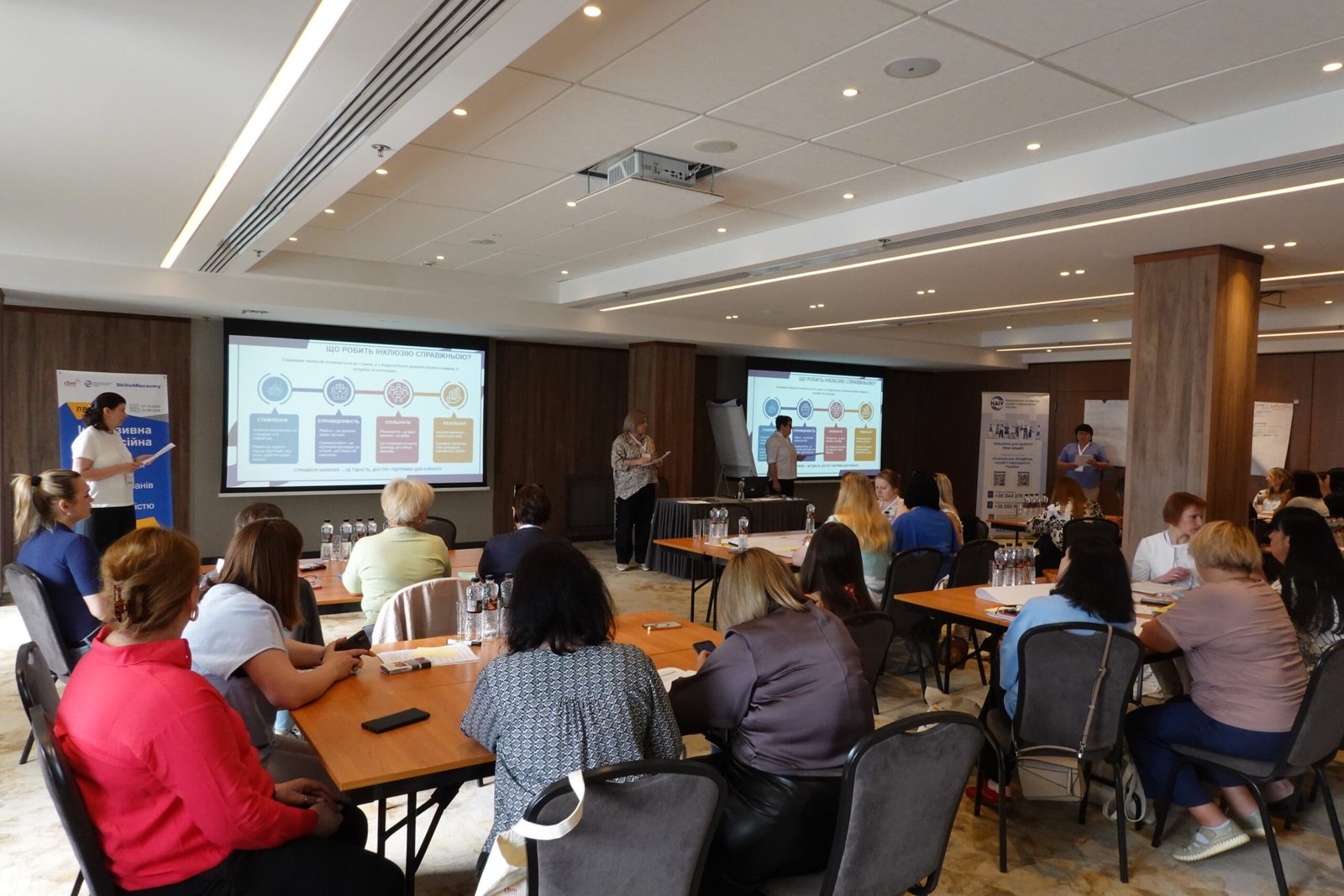
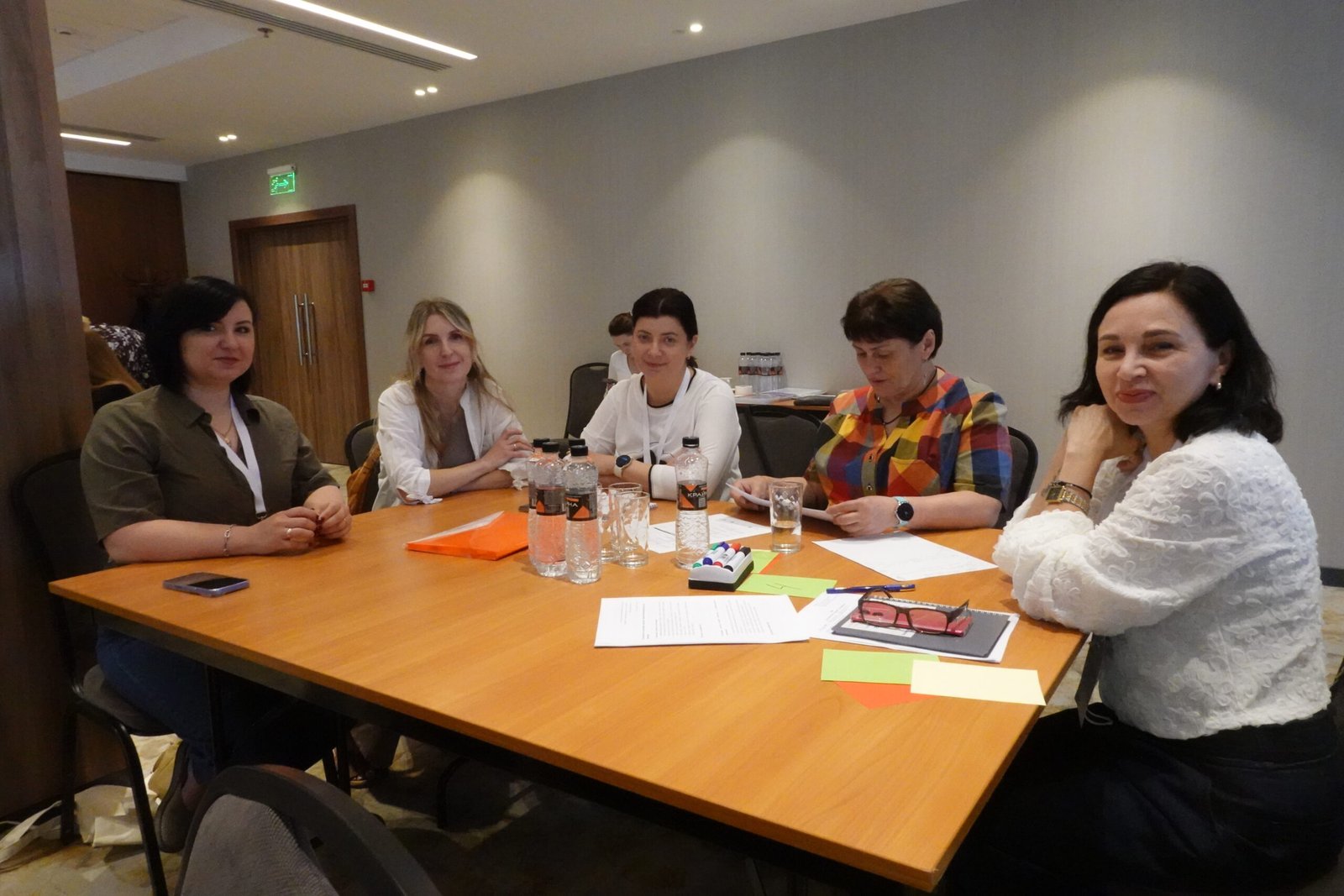
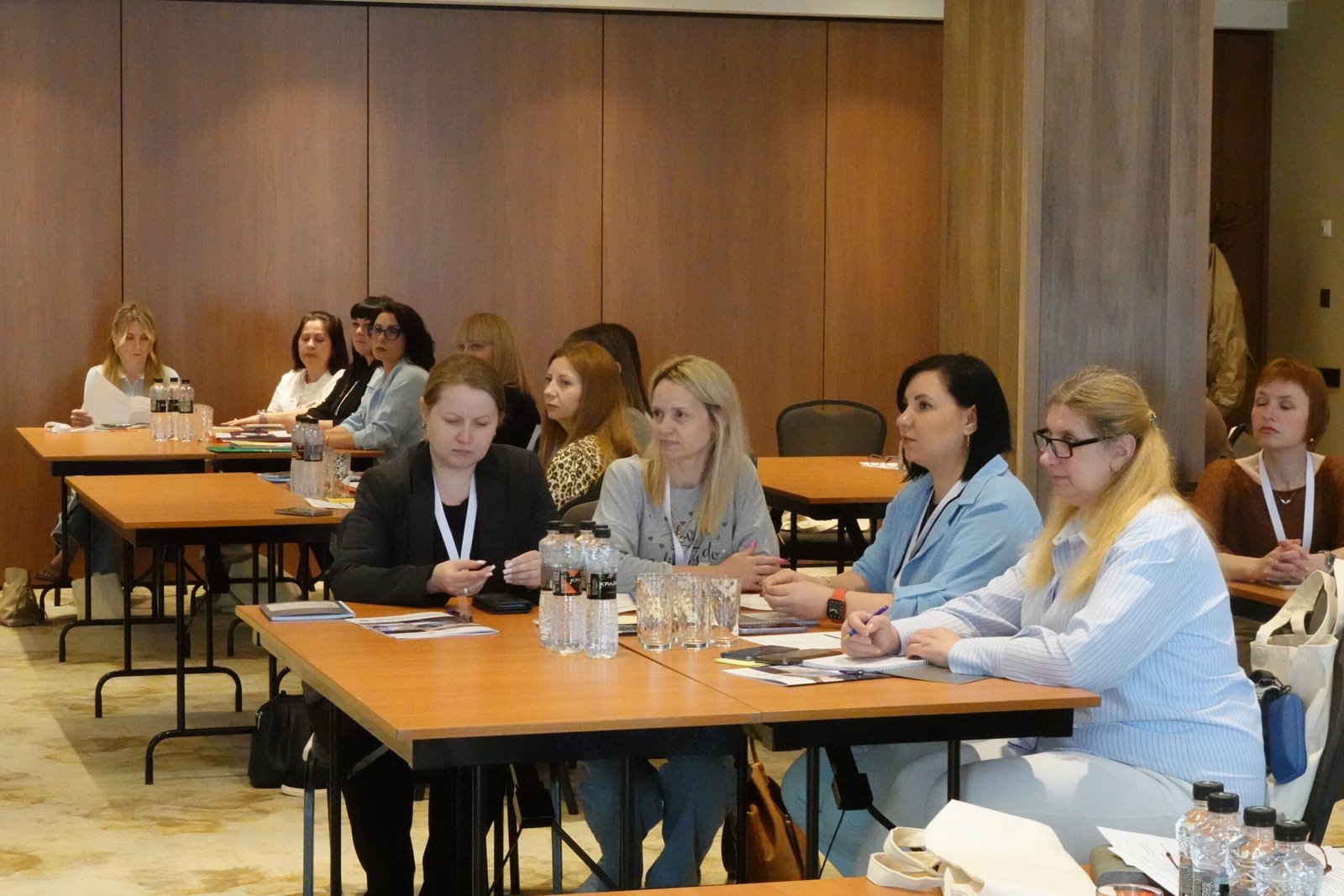
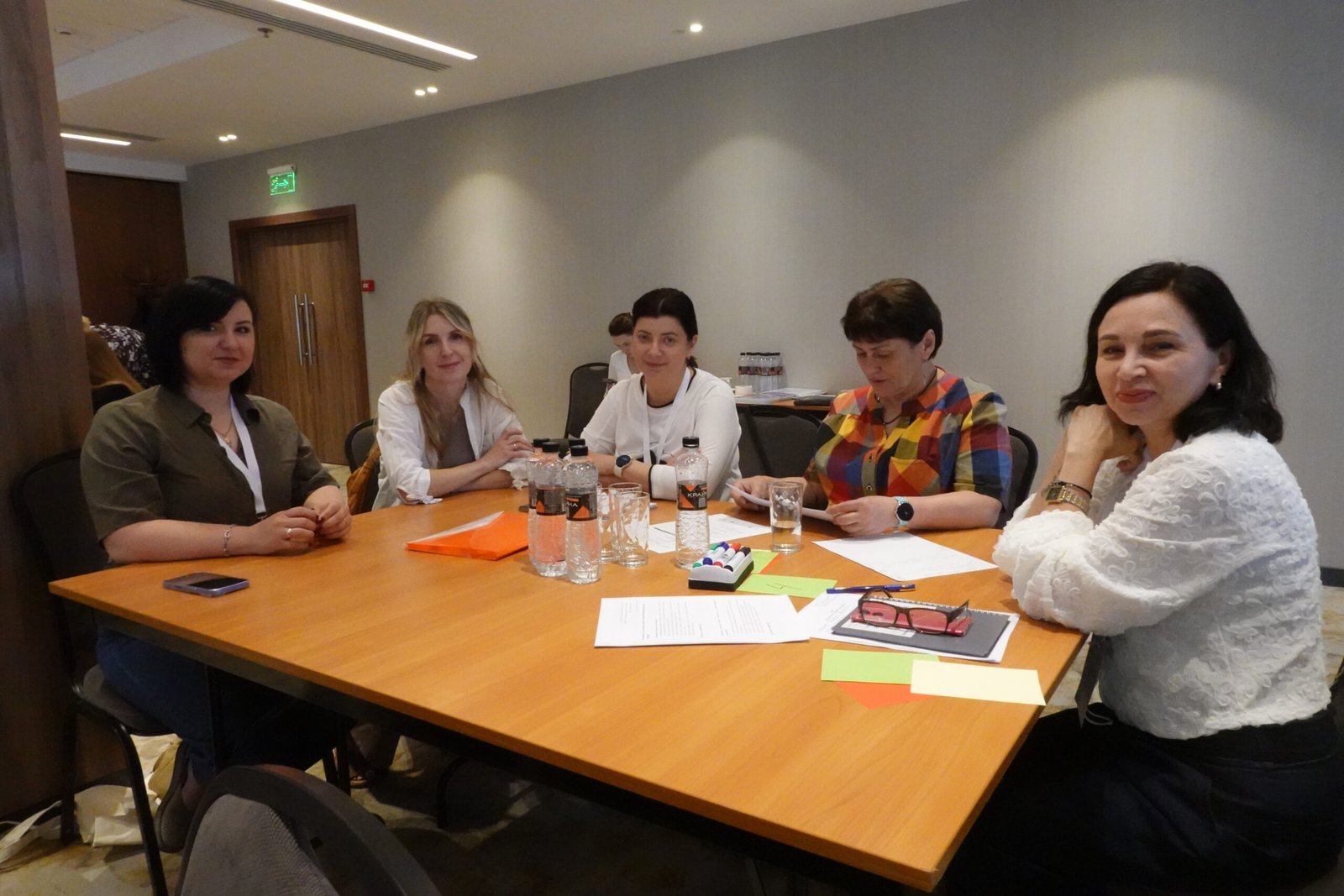
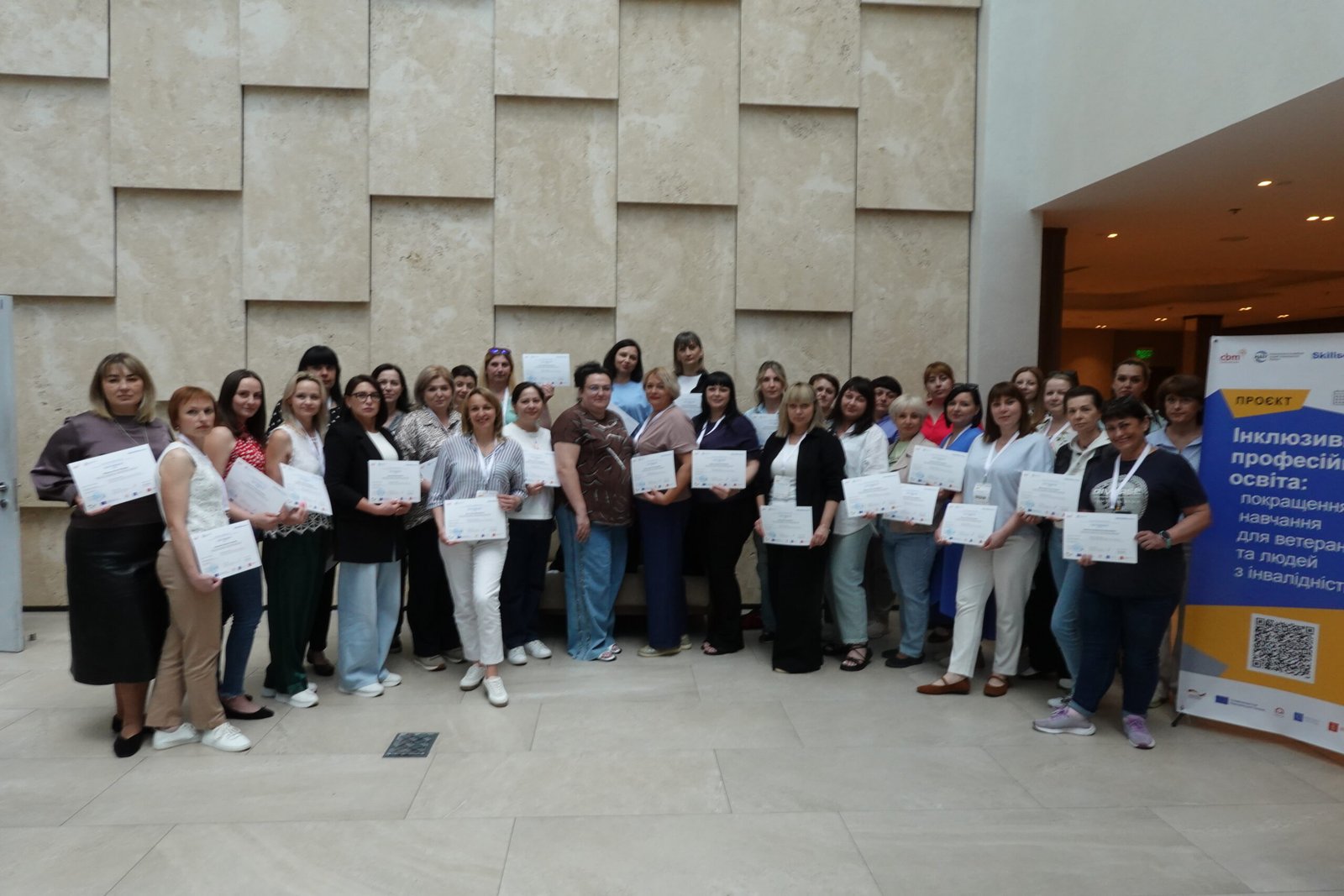
On 3–5 June 2026, Kyiv hosted the training of trainers “Equal Access to Vocational Education and Training: Developing Inclusive Practices in VET Providers.” The event brought together 31 representatives of 14 vocational education and training providers.
The training became the final practical stage of the project “Inclusive Vocational Education and Training (VET): Improving Training for Veterans and People with Disabilities”, implemented by the National Assembly of People with Disabilities of Ukraine in cooperation with Christoffel-Blindenmission Christian Blind Mission e.V. (CBM) as part of the Skills4Recovery Multi-Donor Initiative.
Its main idea was simple and highly practical: participants should not only gain a deeper understanding of inclusive approaches, but also be able to pass this knowledge on to their colleagues. In other words, they should be able to conduct training sessions at their own institutions, moderate discussions, explain complex issues in plain language, and help teams find solutions for their day-to-day work.
Summing Up Previous Work and Starting a New Role
By this stage of the project, more than 100 representatives of vocational education and training institutions had already completed training in Kyiv and Lviv. The participants worked on the topics of inclusive education, pre-medical care, psychosocial support, and inclusive information campaigns for students.
Following the training sessions and supervisions, it became clear that the institutions have active teams ready to take change forward. This is why the training of trainers became the next step — an opportunity to assess the participants’ readiness for trainer work and strengthen their confidence in this role.
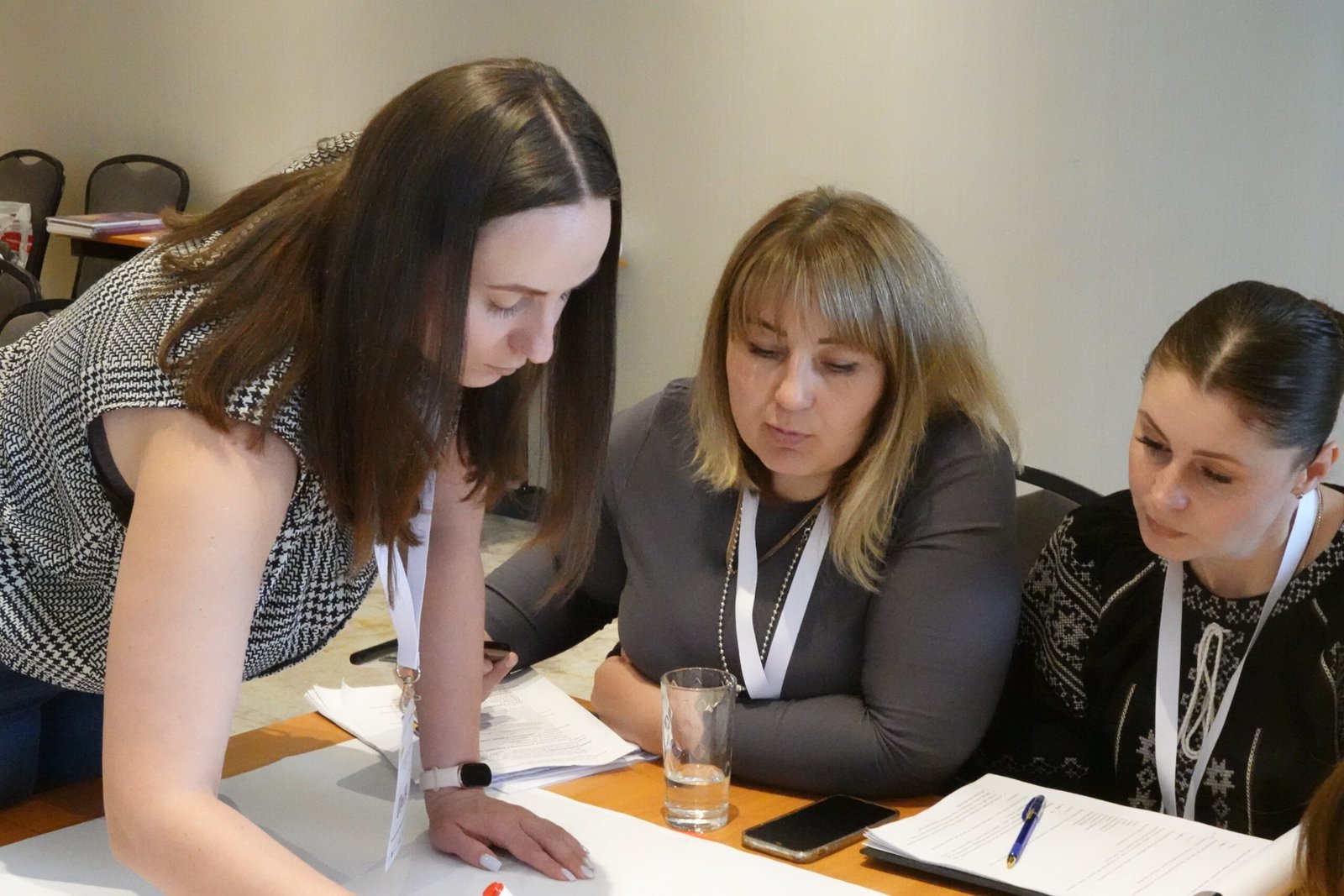
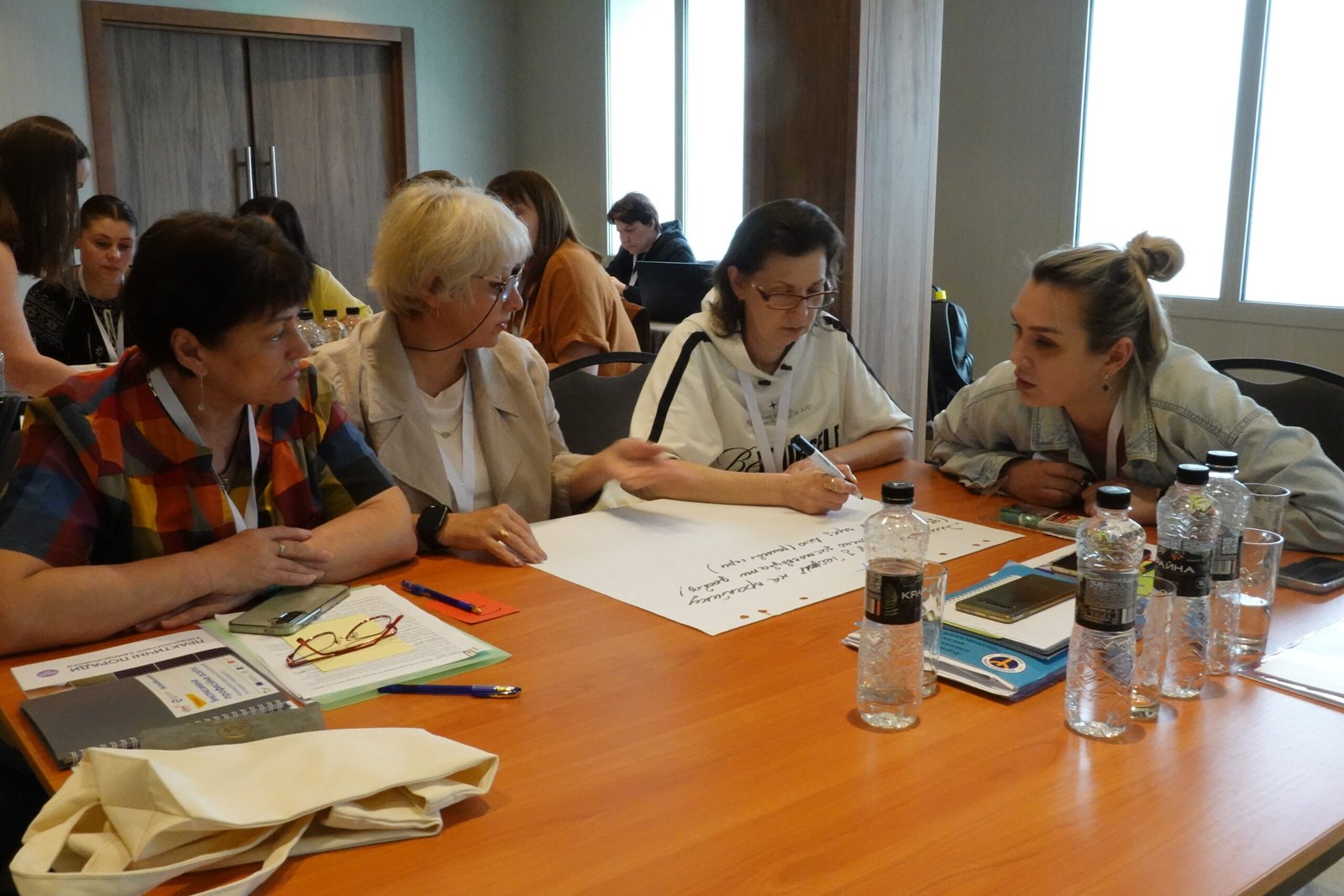
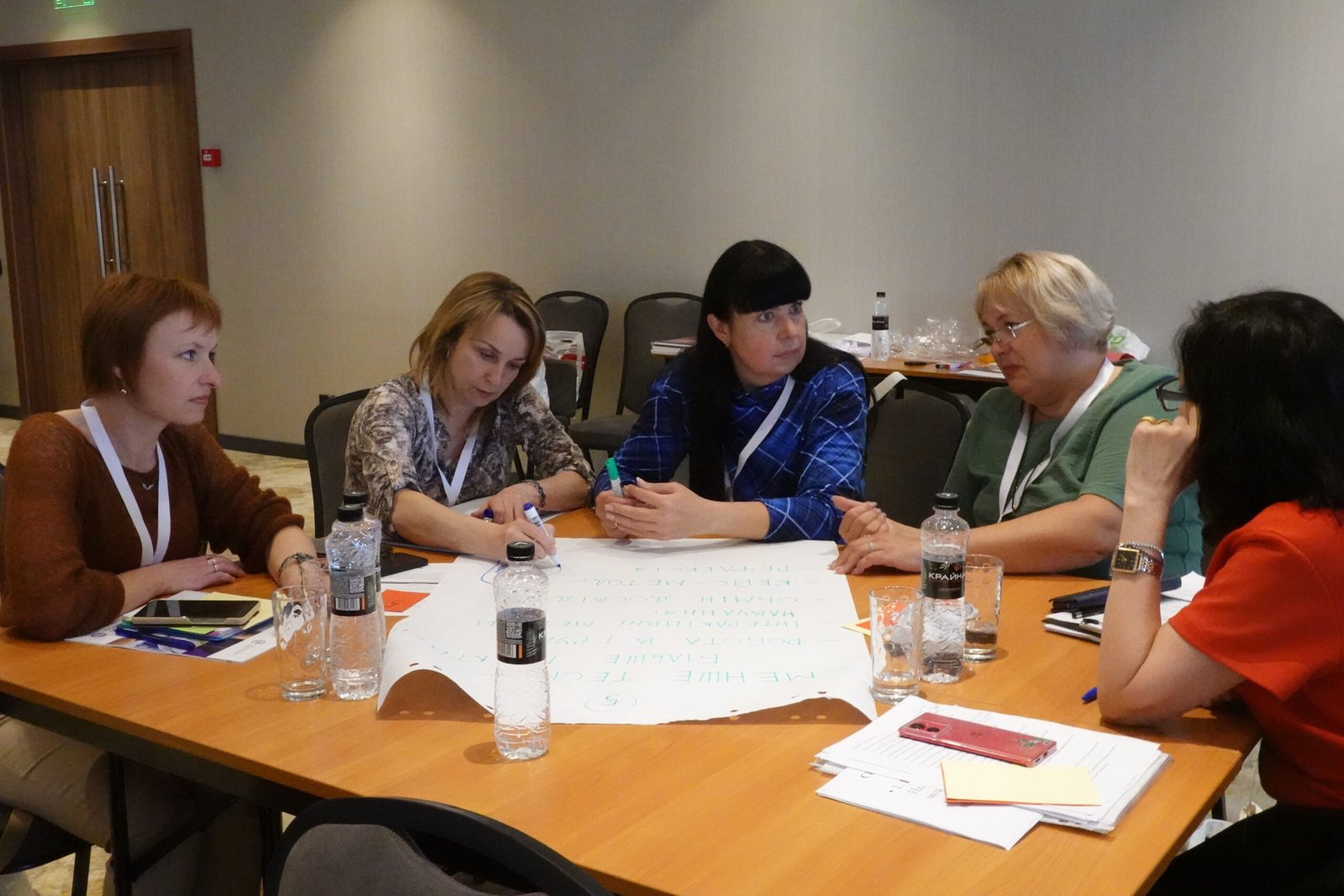
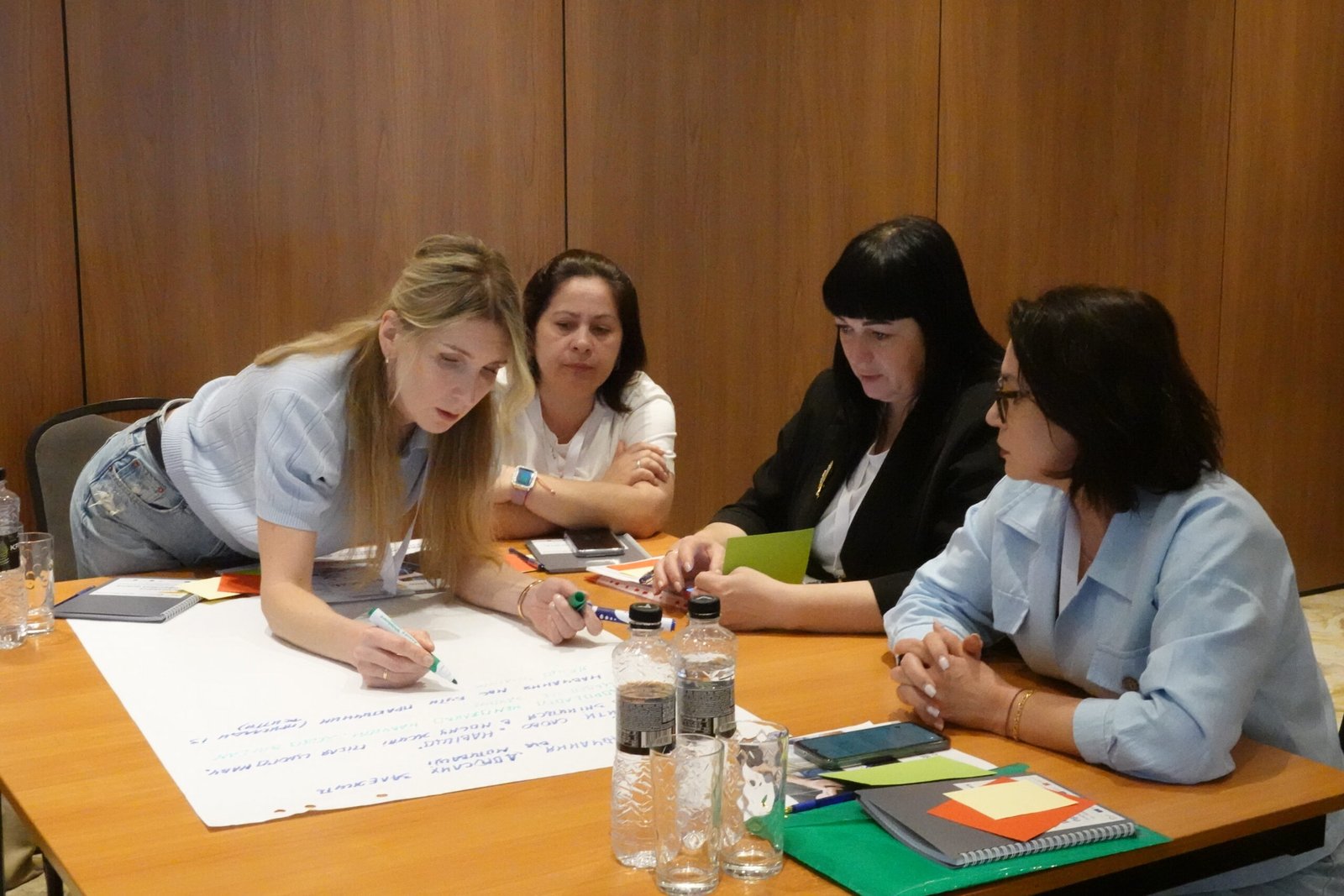
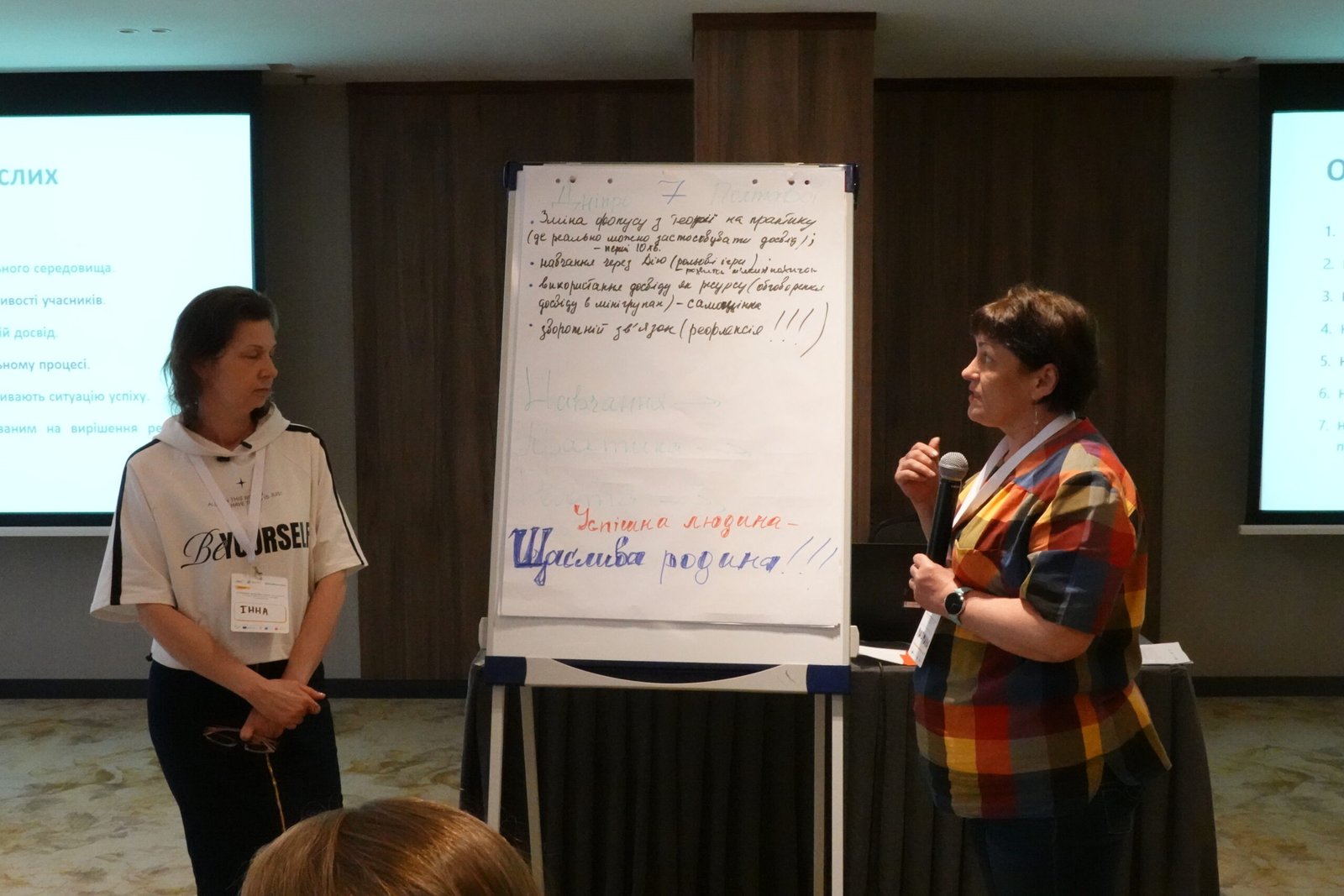
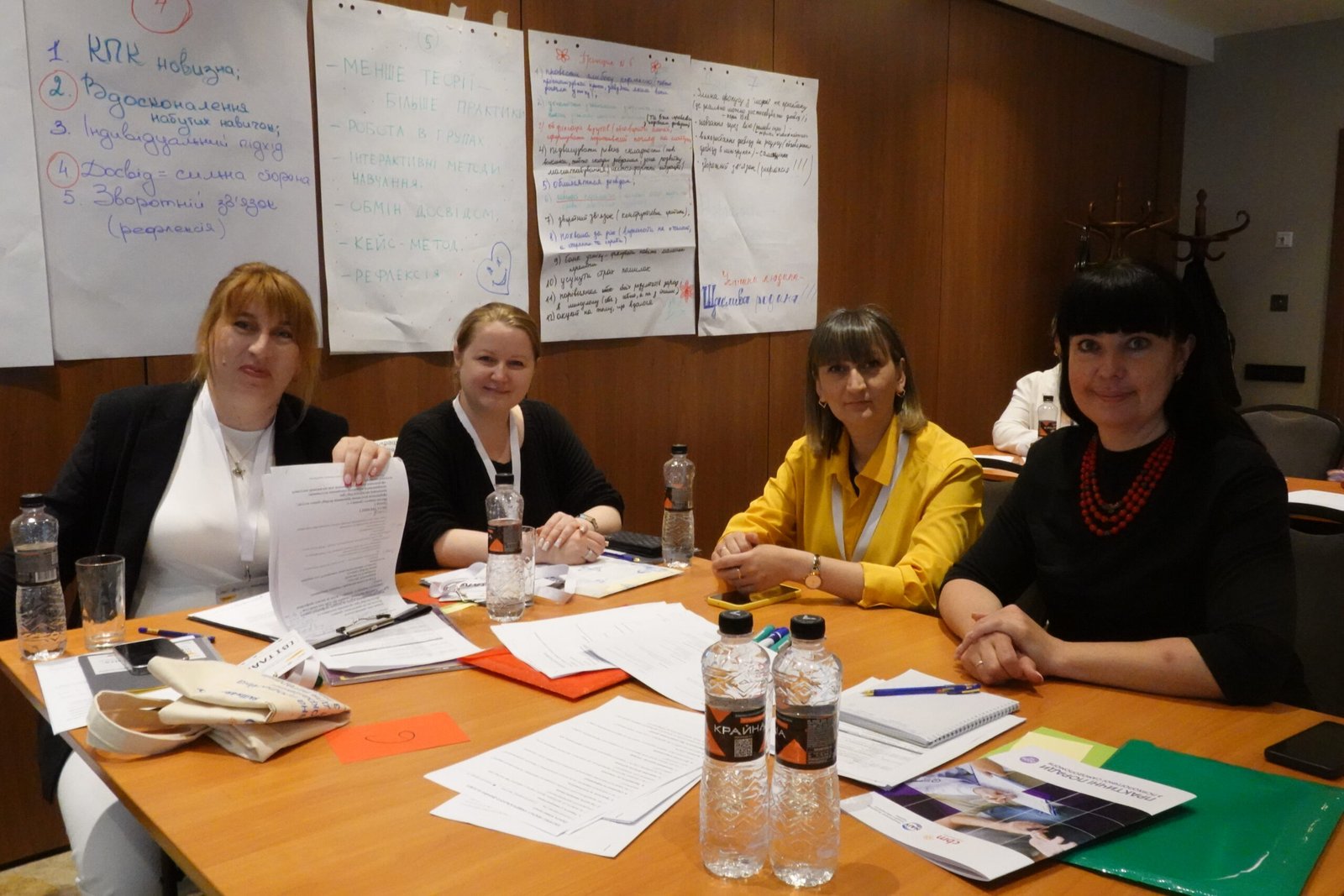
For the participants, it was a kind of trainer school. They not only listened to the trainers, but also conducted parts of training sessions themselves, worked with the group, received feedback, and improved their own approaches.
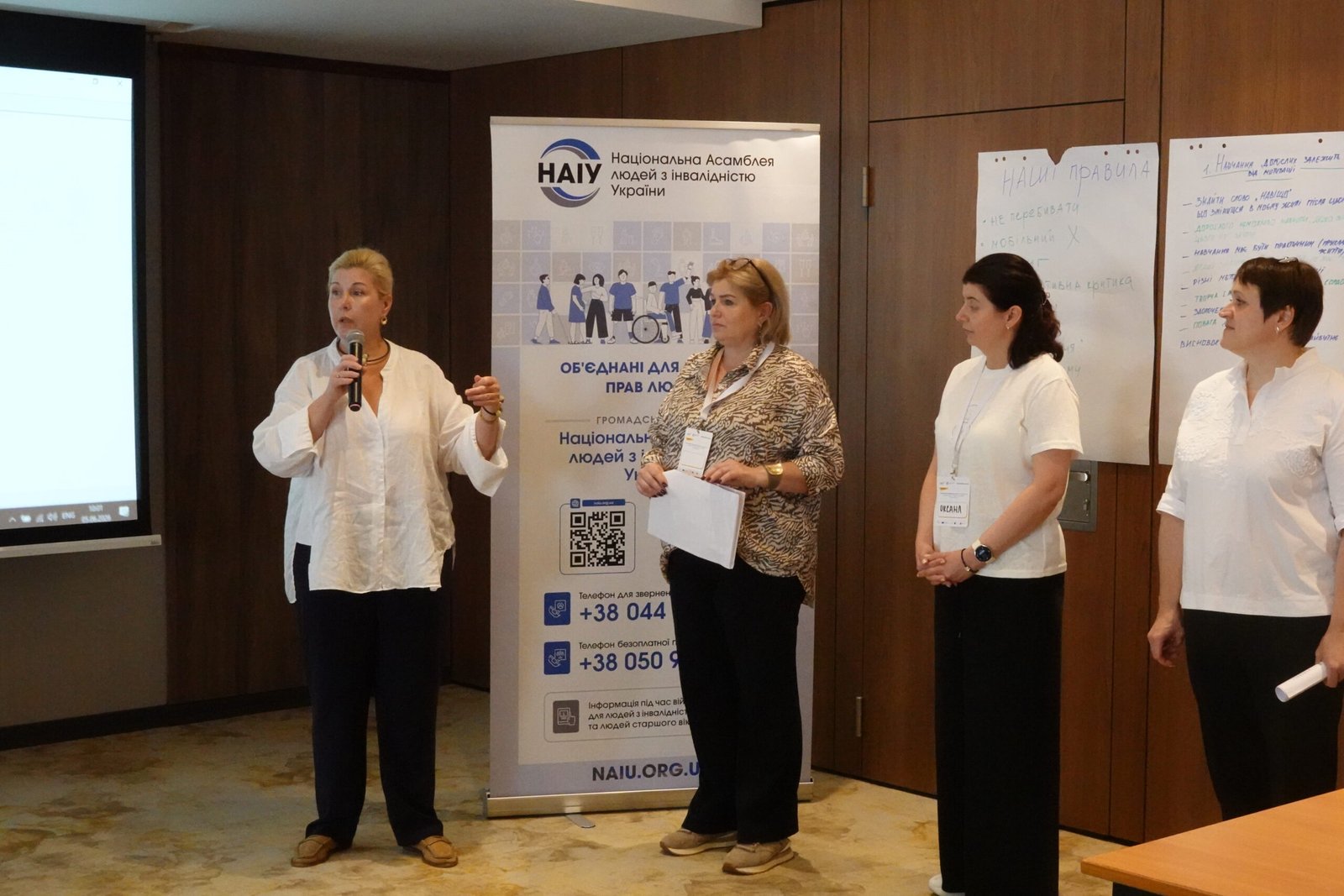
“We want participants to return to their institutions after the training not only with materials, but also with the confidence that they can train their colleagues and launch changes within their teams. Inclusion works when it is understood by the entire institution,” emphasized Svitlana Petrusha, Project Coordinator at NAPD.
Practice Instead of Formal Training
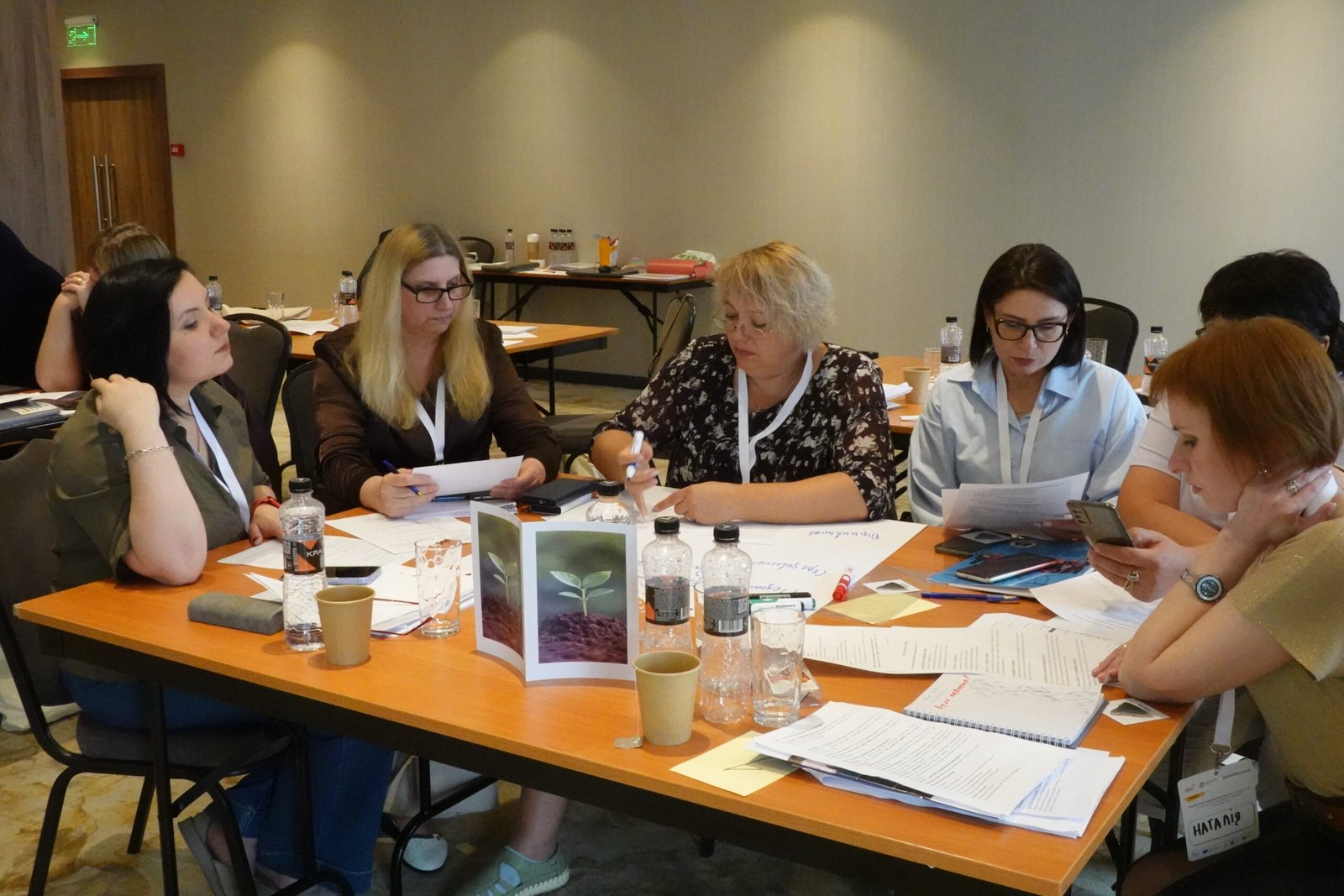
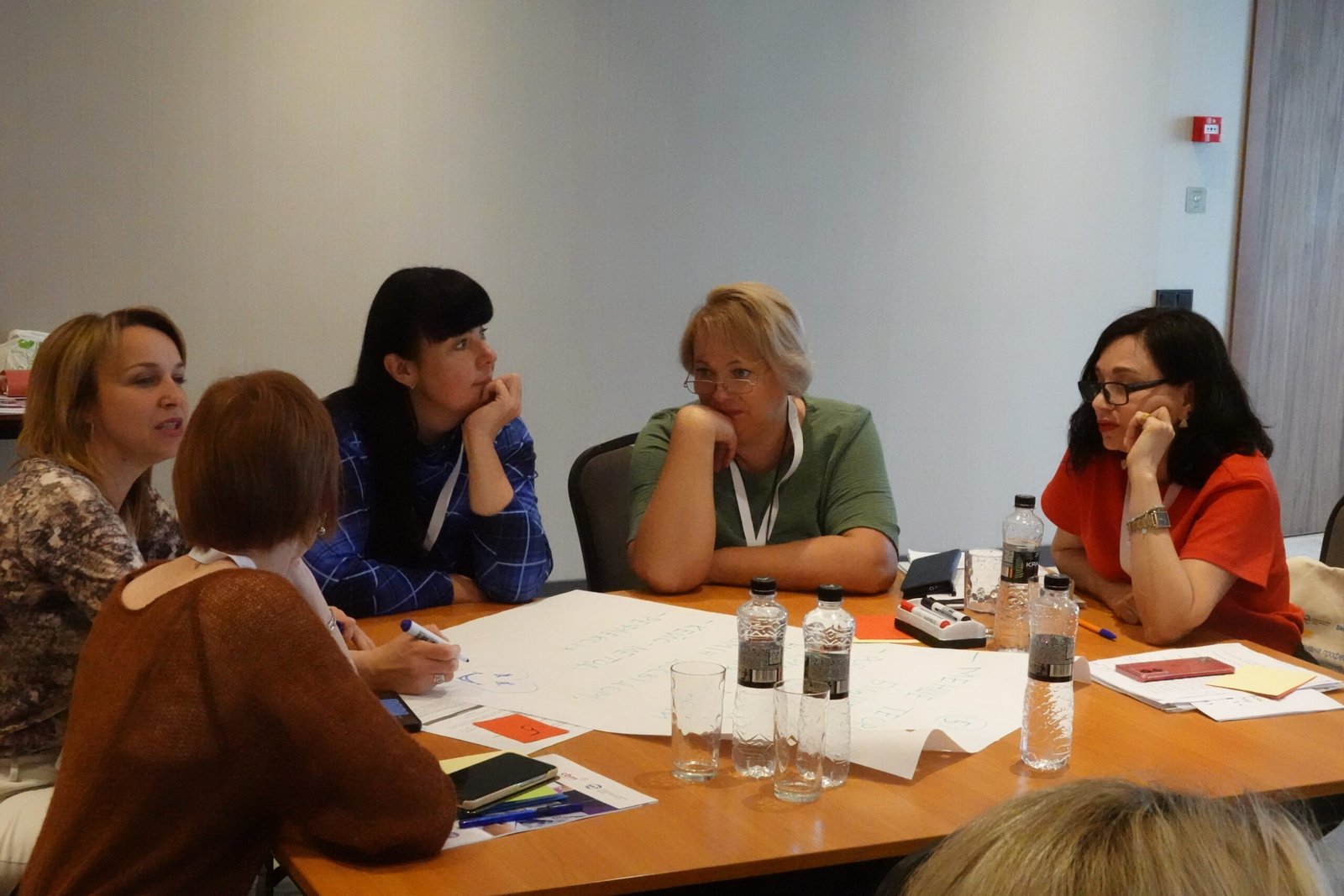
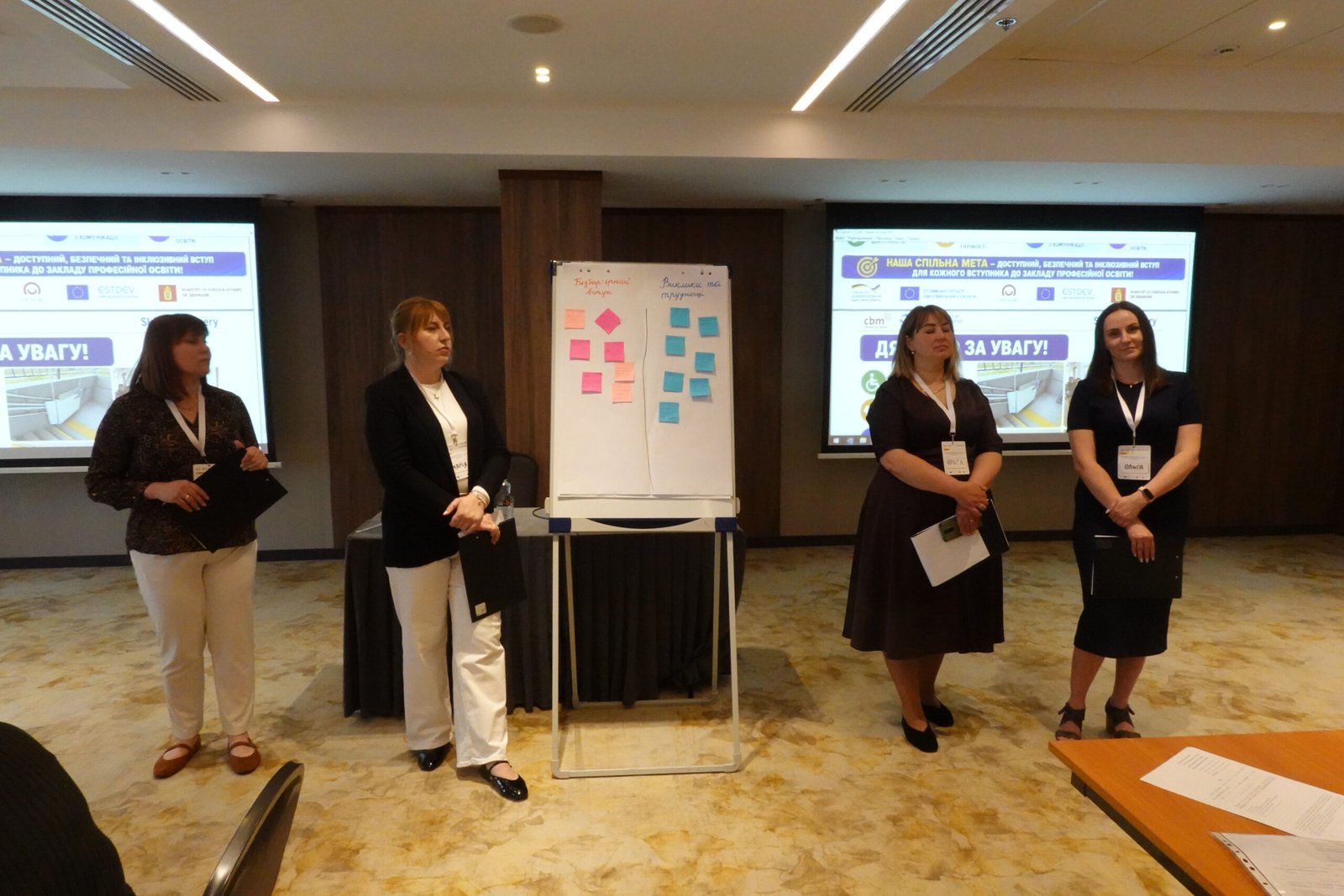
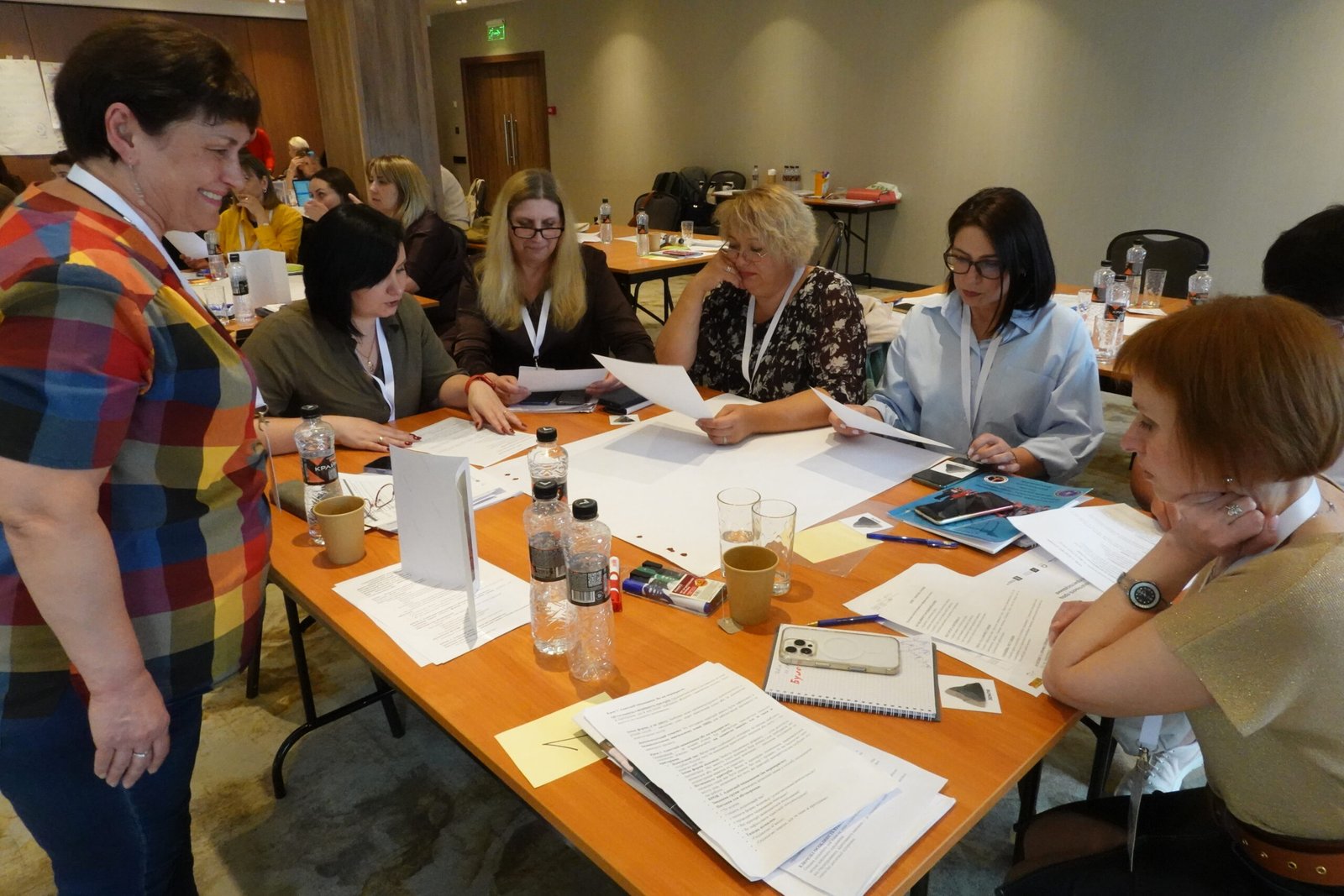
The training format was built around practice. Each participant, or pair of participants, prepared one of the topics and presented it to the group.
This was not a conventional presentation. Participants had to demonstrate how they would explain the topic, ask questions, engage the group in the learning process, and use exercises and real-life examples from vocational education and training institutions.
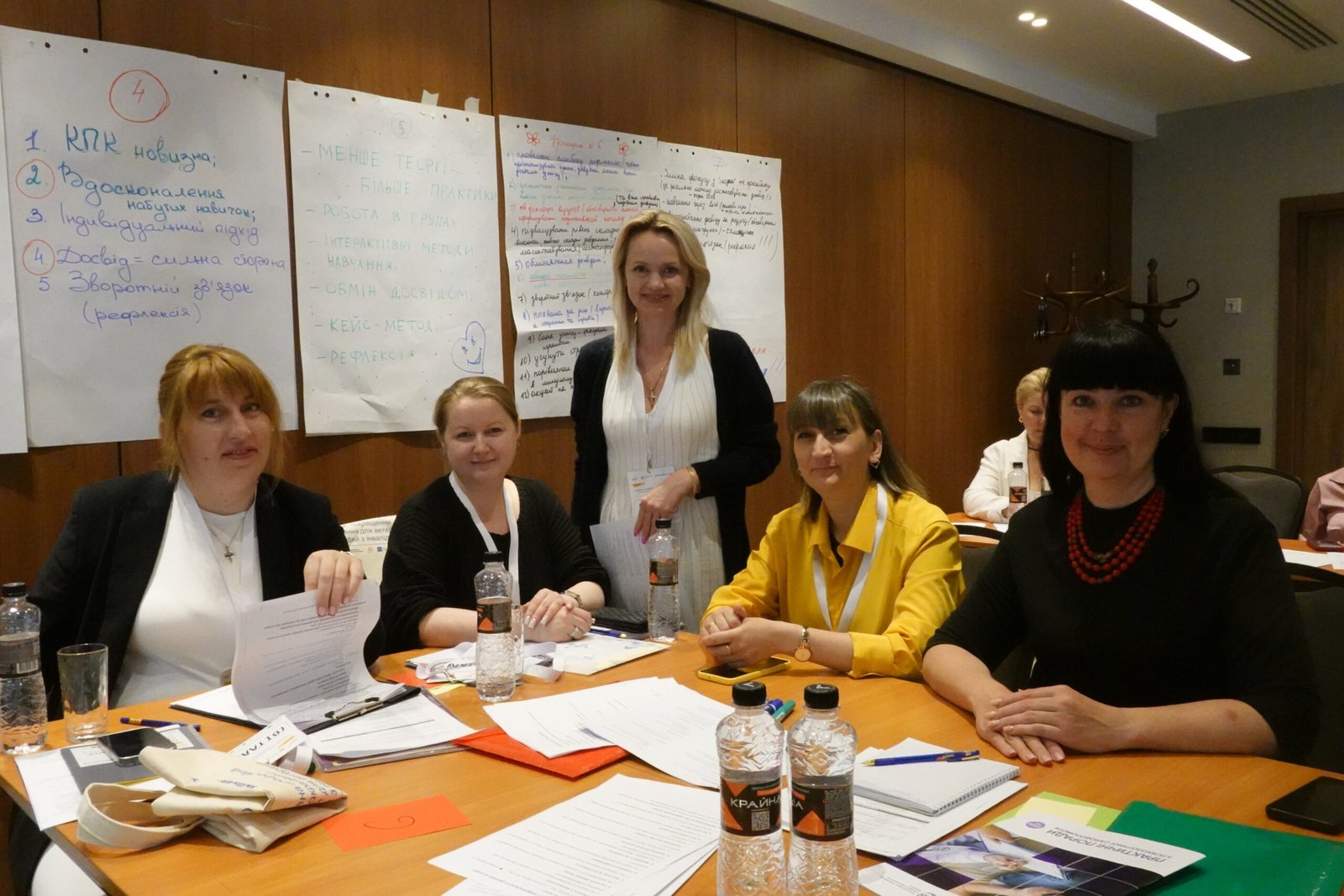
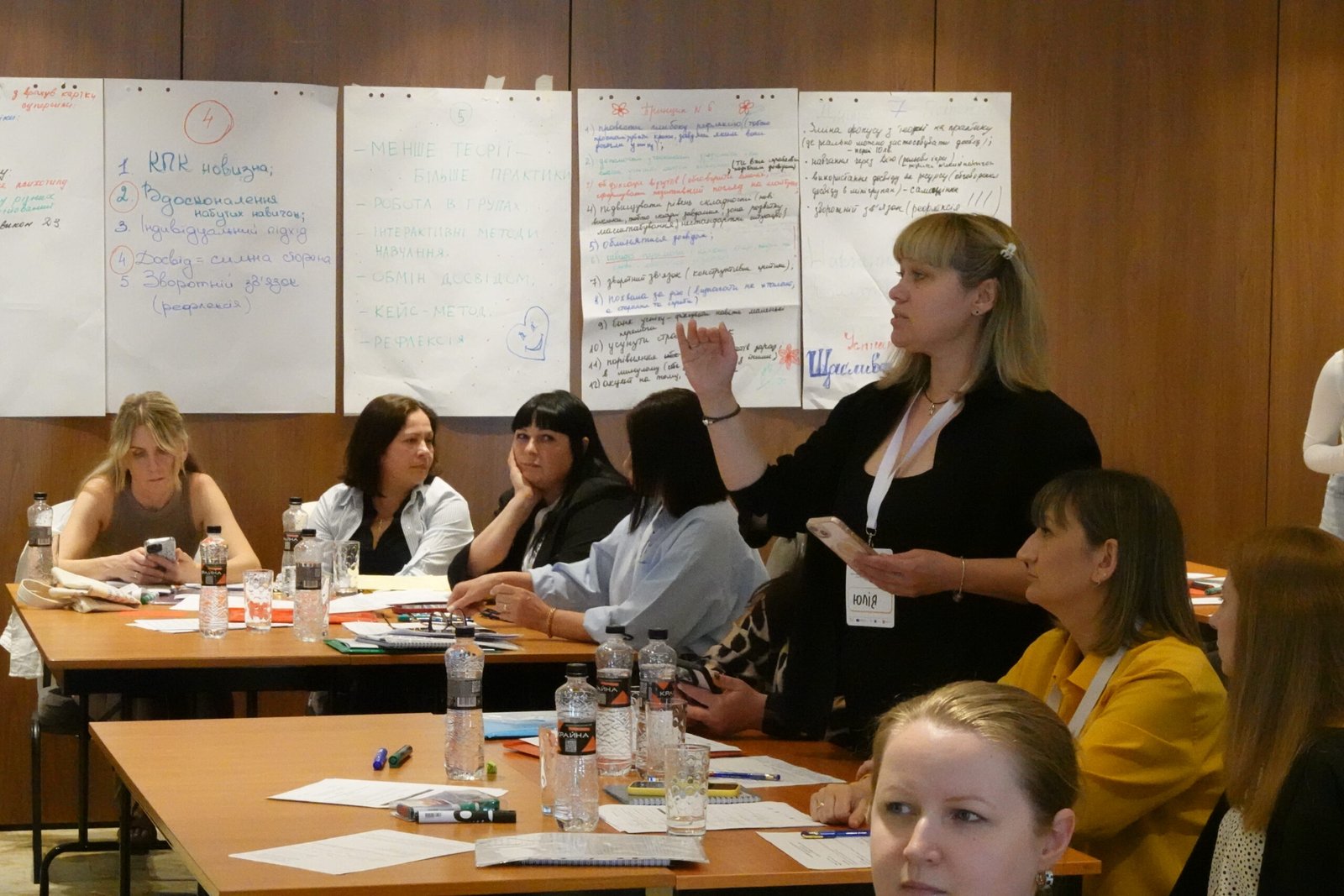
Each presentation was followed by self-reflection, comments from peers, and feedback from the trainers. The assessment focused not only on the content, but also on the participants’ training skills: time management, session structure, interaction with the group, the ability to communicate in an accessible way, and the ability to facilitate discussion.
This format is what helps participants to prepare for real work in their own institutions. After all, conducting training for colleagues is not simply about retelling the material. It is about helping the team to see how inclusive approaches work in admission, learning, work-based training, communication with parents, and preparing learners for employment.
Topics that VET Providers Need Every Day
During the training, participants worked with topics that are directly relevant to the day-to-day work of vocational education and training providers.
These included the modern understanding of disability, accessibility, universal design, reasonable accommodation, international principles of inclusion, accessible and non-discriminatory admission, identifying learners’ needs, and planning support.
Special attention was paid to the organisation of work-based training, safety, pedagogical support, ethical issues, cooperation within the VET provider’s team, and preparation for employment.
These topics are important not only for working with persons with disabilities. They help VET providers to better support a wide range of learners, including veterans, adult learners, internally displaced persons, and young people with different life experiences and educational needs.
A Manual Designed to Work in Practice
A separate objective of the training was to further develop a practical manual on inclusive vocational education and training. Participants worked with the materials, tested individual topics, shared suggestions, and provided examples from their own institutions.
This is important because the manual should not be a formal document, but a working tool. It should help institutions to introduce inclusive practices step by step: from the first contact with an applicant to support during training, practical placement, and transition to employment.
In her address to the participants, Julia Schönborn, CBM Project Coordinator, thanked them for their active engagement and willingness to continue this work in their institutions. She also emphasised that vocational education and training is an important pathway to socialisation, integration into society, and professional fulfilment, and that trainers in educational institutions can become agents of these changes.
What Participants Highlighted
Participants said that the practical format was the most valuable aspect of the training. They not only received information but also immediately tried to apply it in the role of trainers.
“It was important not just to hear about inclusion, but to try to explain this topic to others. After such a practical session, you have a better understanding of how to speak with colleagues and where to begin introducing changes in your own institution.”
Another important element was feedback. It helped participants see their strengths and understand what could be improved before conducting training sessions for their own teams.
“The most useful part was the feedback. When you deliver a fragment of a session and immediately hear comments, it becomes clear what can be improved: the structure, the examples, the questions for the group, and time management.”
What’s Next
After the training, participants will be able to conduct internal training sessions in their institutions, share materials with colleagues, and support their teams in implementing inclusive approaches.
For the project, this is an important step towards sustainability. The expected result is not only participation in training, but also the emergence of people within institutions who can pass on knowledge, work with their teams, and help put changes into practice.
For vocational education and training institutions, this means greater confidence in working with diverse learners. For students, it means more opportunities to receive support where it is genuinely needed. And for the VET system, it is another step towards making inclusive approaches part of everyday practice.
The project “Inclusive Vocational Education and Training (VET): Improving Training for Veterans and People with Disabilities” is being implemented by the National Assembly of People with Disabilities of Ukraine (NAPD), jointly with Christoffel-Blindenmission Christian Blind Mission e.V. (CBM), with financial support from the European Union, Germany, Poland, Estonia, and Denmark as part of the Skills4Recovery Multi-Donor Initiative, which is implemented by Deutsche Gesellschaft für Internationale Zusammenarbeit (GIZ) GmbH and Solidarity Fund PL (SFPL).
Візуальна доступність — це не лише про дизайн. Це про можливість людини самостійно зрозуміти, де вона перебуває, куди потрібно рухатися, де знайти необхідну інформацію і як скористатися простором без сторонньої допомоги. Саме цю тему ГО «Полтава ДАУН СИНДРОМ» зробила основою адвокаційного проєкту «Візуальна доступність — невід’ємна частина безбар’єрності», реалізованого в межах мінігрантової підтримки членських і […]
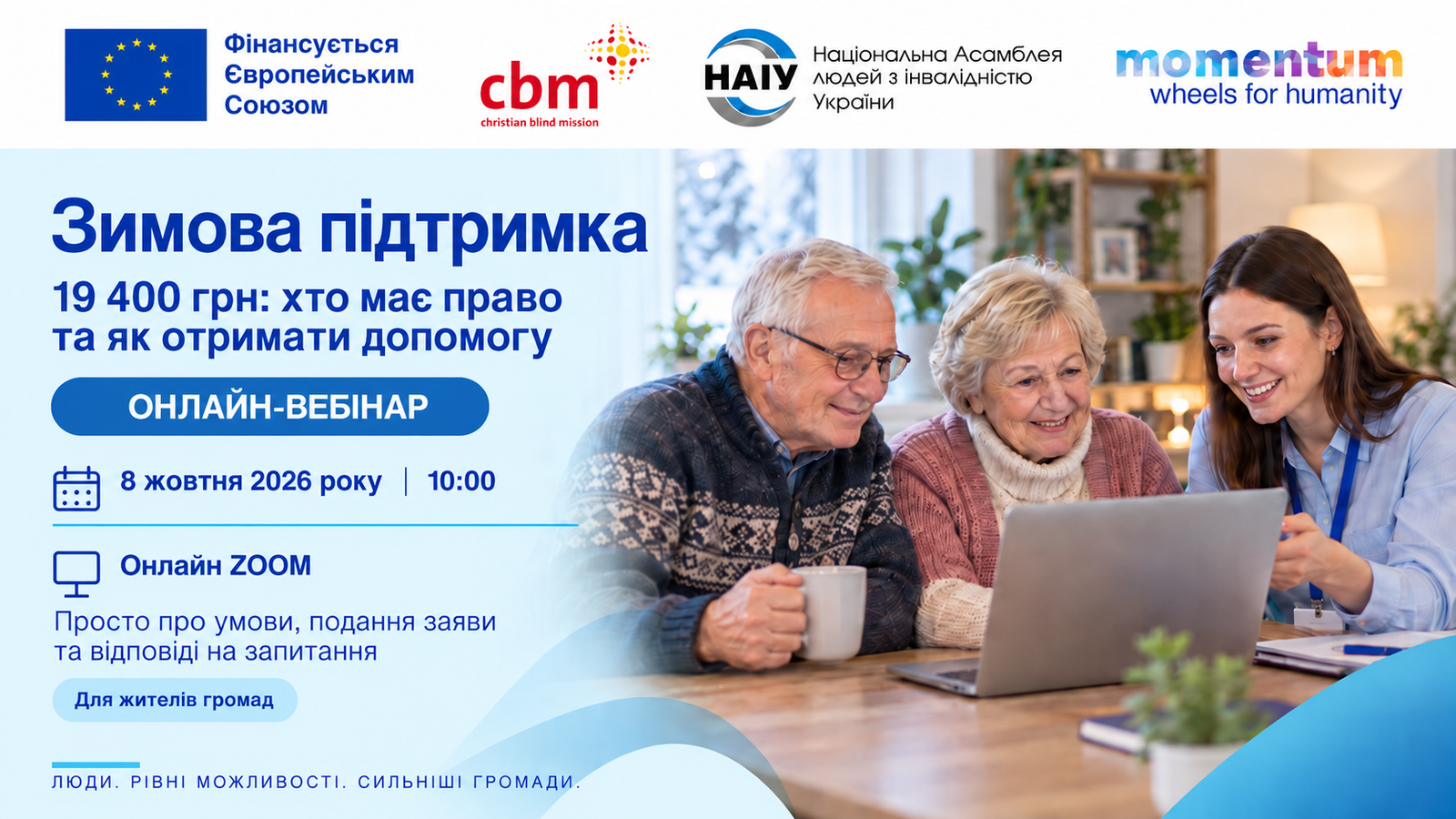
Кабінет Міністрів України затвердив порядок надання одноразової грошової допомоги «Зимова підтримка» на опалювальний сезон 2026/27 року. Допомога передбачена для вразливих категорій населення, які проживають у визначених територіальних громадах, де ведуться або велися бойові дії. Розмір допомоги становить 19 400 грн на одне домогосподарство. Виплата є одноразовою на весь опалювальний сезон 2026/27 року та не залежить […]
В межах проєкту «Здоров’я жінки» відбувся онлайн-семінар «Репродуктивне здоров’я жінок з інвалідністю: забезпечення рівного доступу до медичних послуг». До навчання долучилися гінекологи, акушери-гінекологи та сімейні лікарі й лікарки. Протягом трьох днів лікарі із семи пілотних громад проєкту мали можливість поглибити свої знання щодо комунікації з жінками з різними порушеннями, доступності гінекологічних кабінетів, пологових і гінекологічних […]
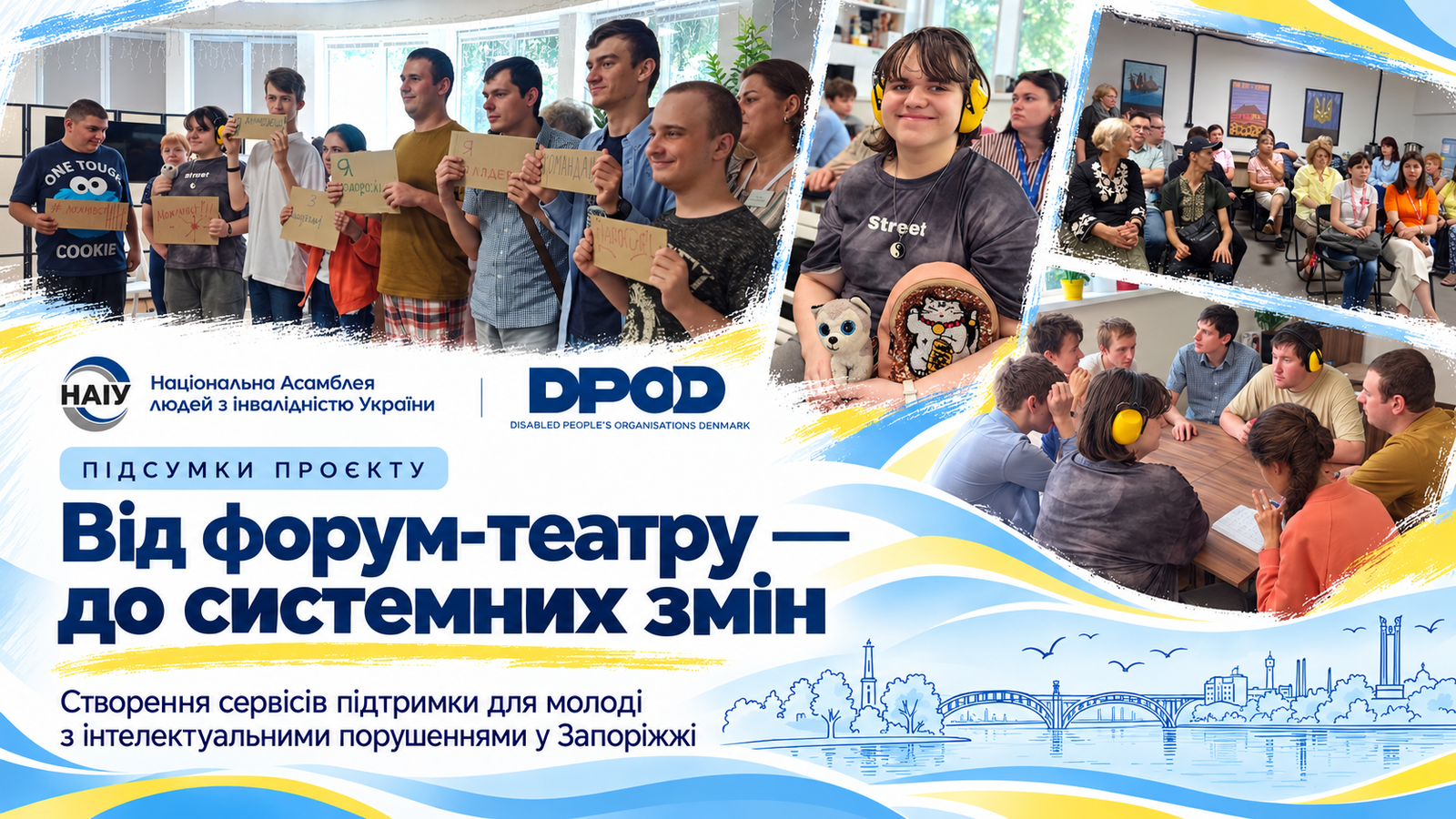
Що відбувається з підтримкою молодої людини з інтелектуальними порушеннями після 18 років? Де вона може спілкуватися, розвивати самостійність, навчатися, працювати та отримувати необхідні послуги? Для багатьох родин у Запоріжжі ці питання залишаються відкритими. Саме на пошук практичних рішень був спрямований проєкт «Форум-театр як інструмент адвокації: “Ми залишаємось у Запоріжжі!” — створення сервісів підтримки для молоді […]
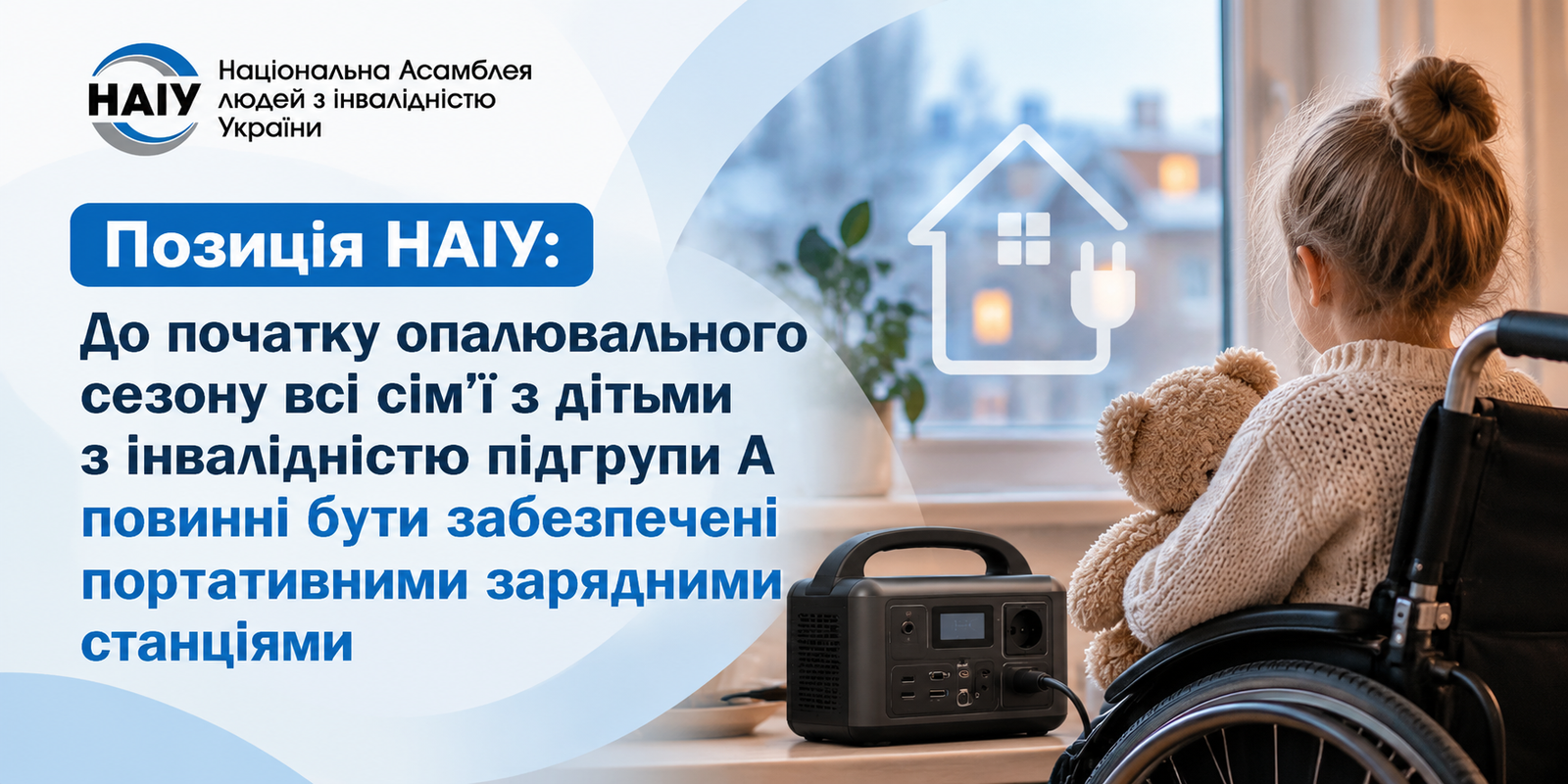
Упродовж 2026 року НАІУ неодноразово порушувала питання про необхідність прискорення виконання державної програми із забезпечення дітей з інвалідністю підгрупи А портативними зарядними станціями. Ще у березні Асамблея звернулася до Прем’єр-міністерки України та передала інформацію про 41 конкретну ситуацію, з якими зіткнулися родини: відмови у прийнятті заяв, помилки в базах даних, незрозуміла черговість, тривале очікування та […]
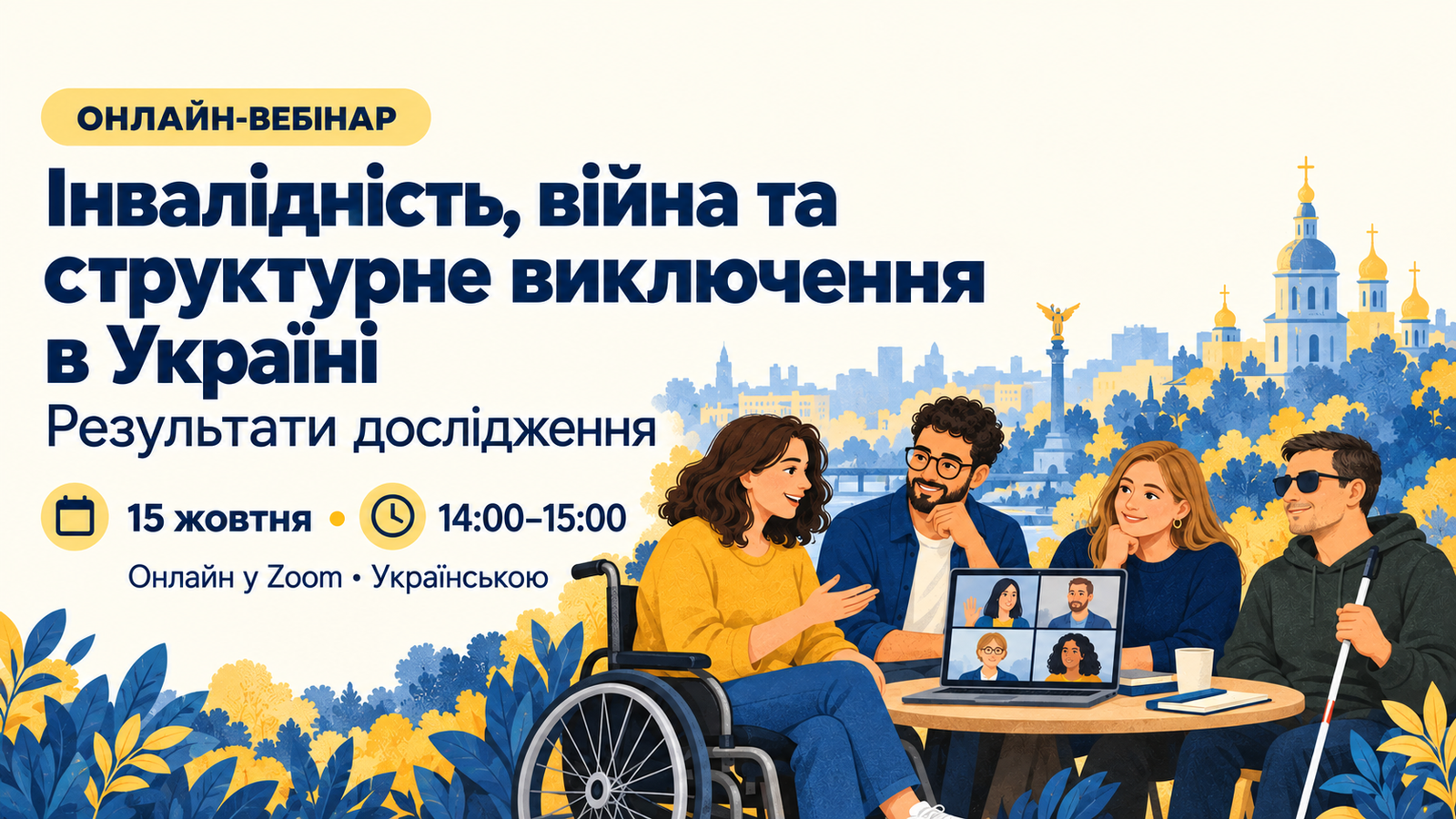
Як люди з інвалідністю переживають повномасштабну війну? Як війна посилила проблеми, що існували ще до 2022 року? Яку роль у підтримці відіграють організації людей з інвалідністю та неформальні мережі взаємодопомоги? Запрошуємо на вебінар, присвячений результатам дослідження, заснованого на 15 інтерв’ю з людьми з інвалідністю, проведених у 2024 році. Дослідження розглядає питання доступності, державної підтримки та […]