When Every Minute Matters: VET Providers Learn to Act in Crisis Situations
11 May 2026
Share:
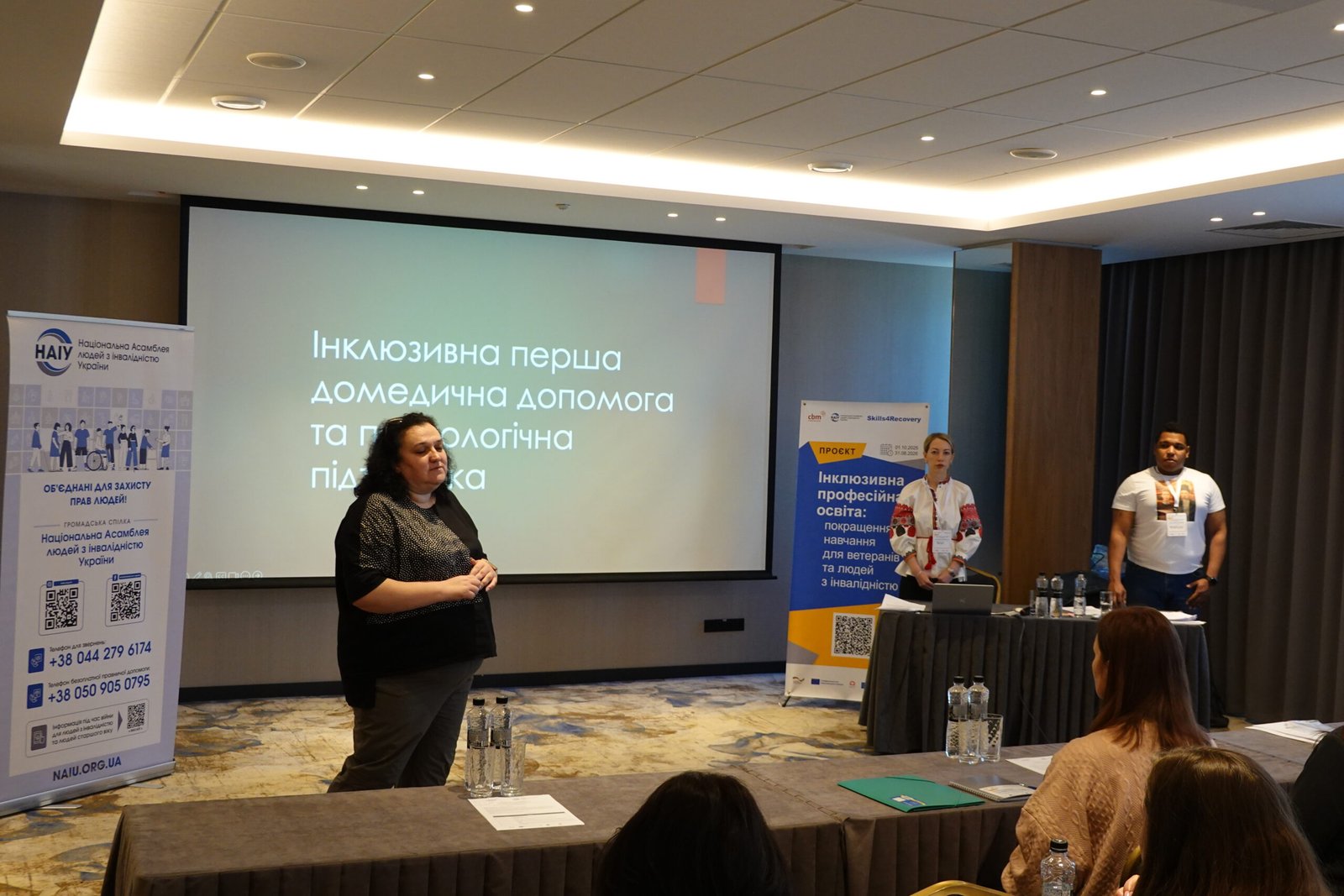
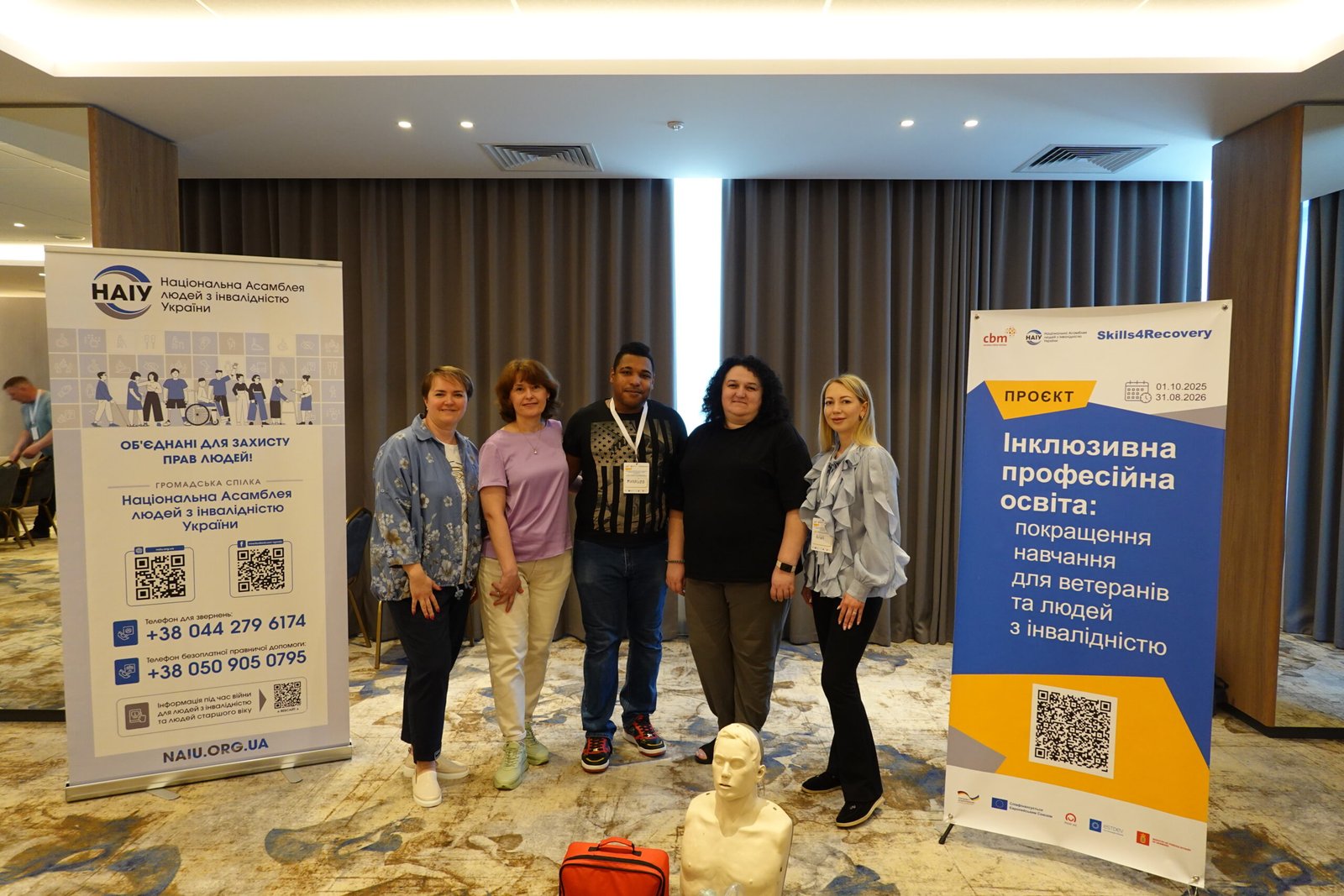
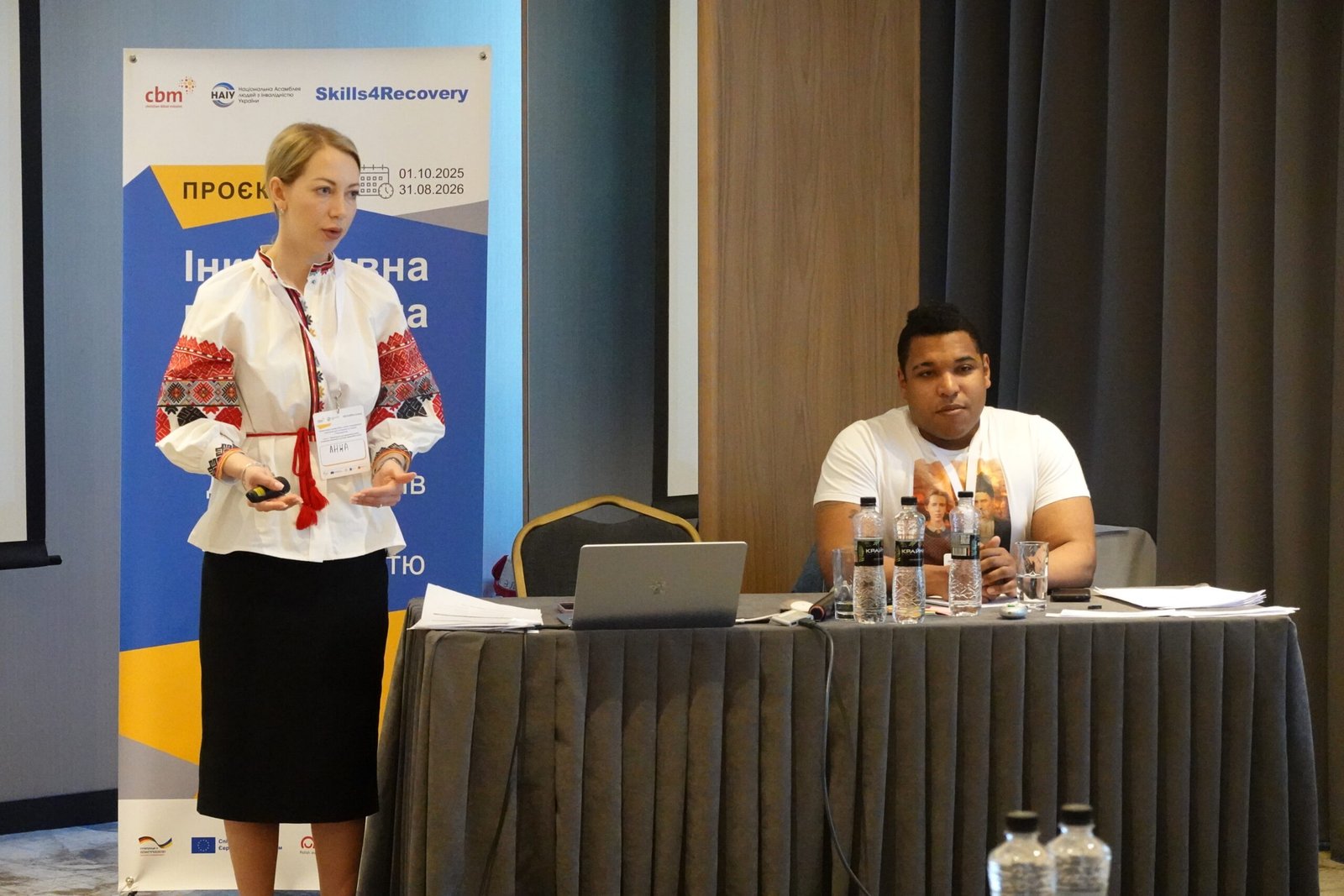
As part of the Skills4Recovery Multi-Donor Initiative, the National Assembly of People with Disabilities of Ukraine, in cooperation with Christoffel-Blindenmission Christian Blind Mission e.V. (CBM), conducted two training sessions in Kyiv from 5 to 8 May on inclusive first aid and effective communication with people in crisis or post-crisis conditions. The training was delivered by Mykhailo Katahira and Anna Havrylenko.
It was the third thematic training module within the project “Inclusive Vocational Education and Training: Improving Training for Veterans and People with Disabilities.” Its purpose is to strengthen the readiness of vocational education and training (VET) providers to work with diverse groups of learners, including veterans and persons with disabilities, and to respond quickly in situations where a person requires urgent support.
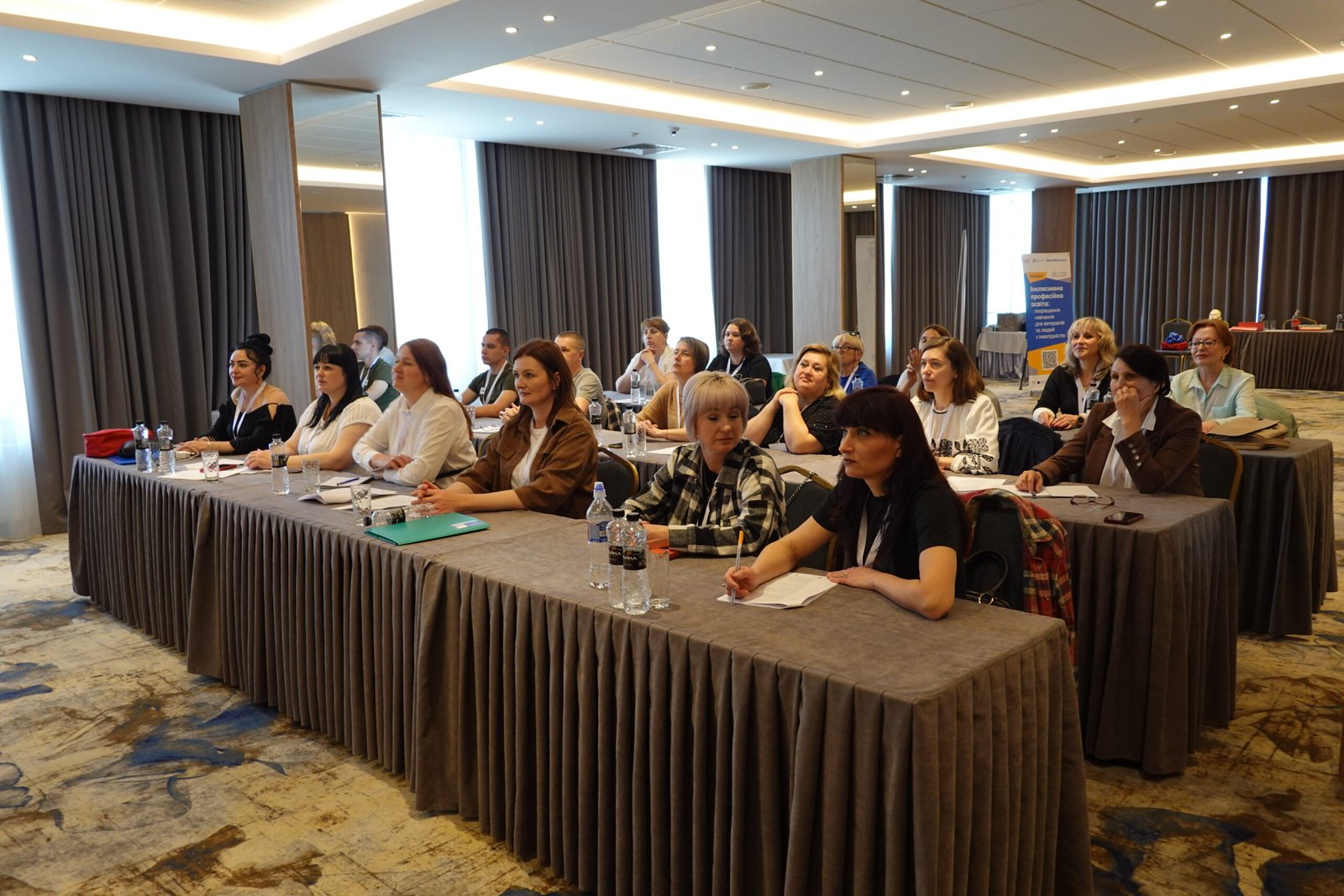
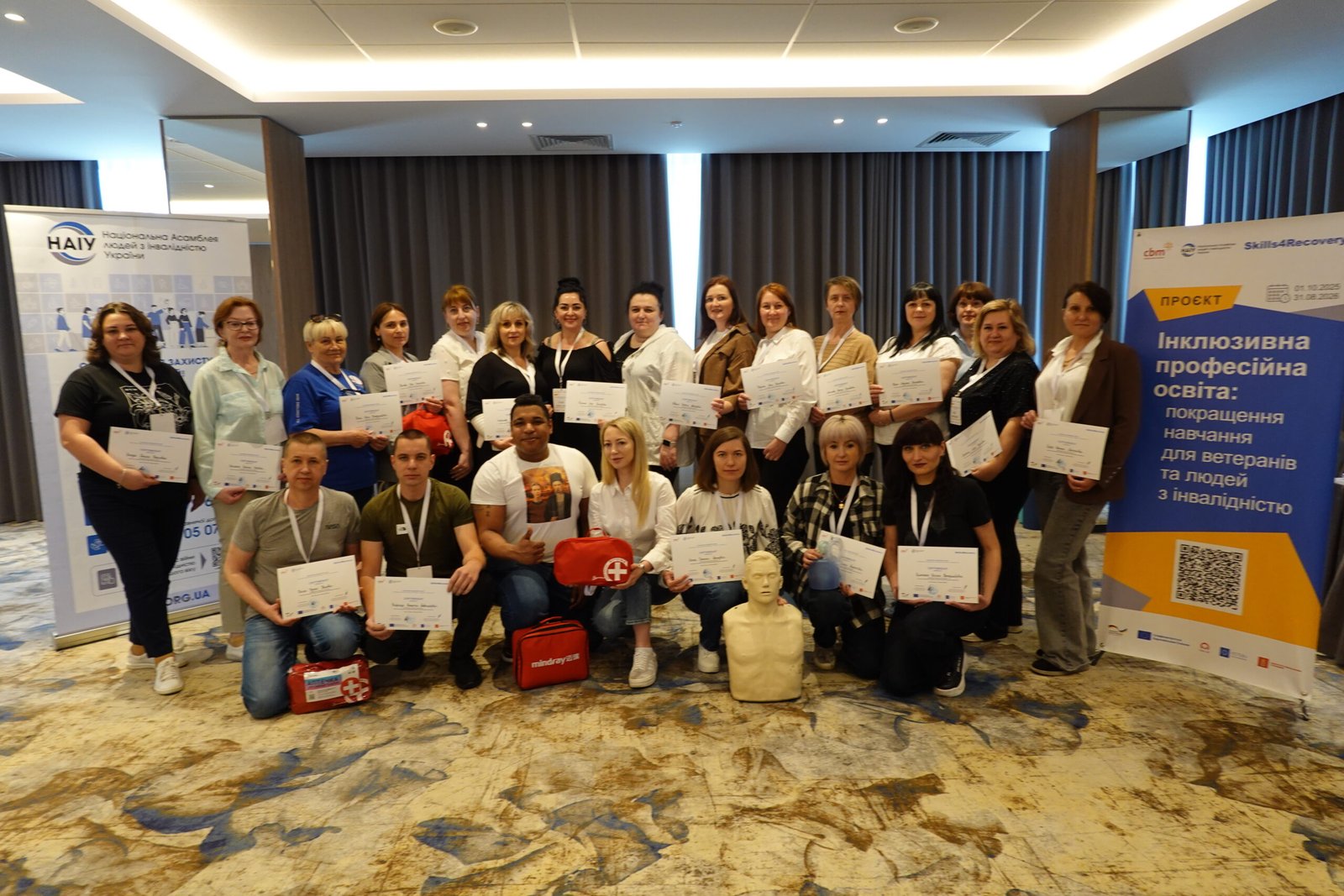
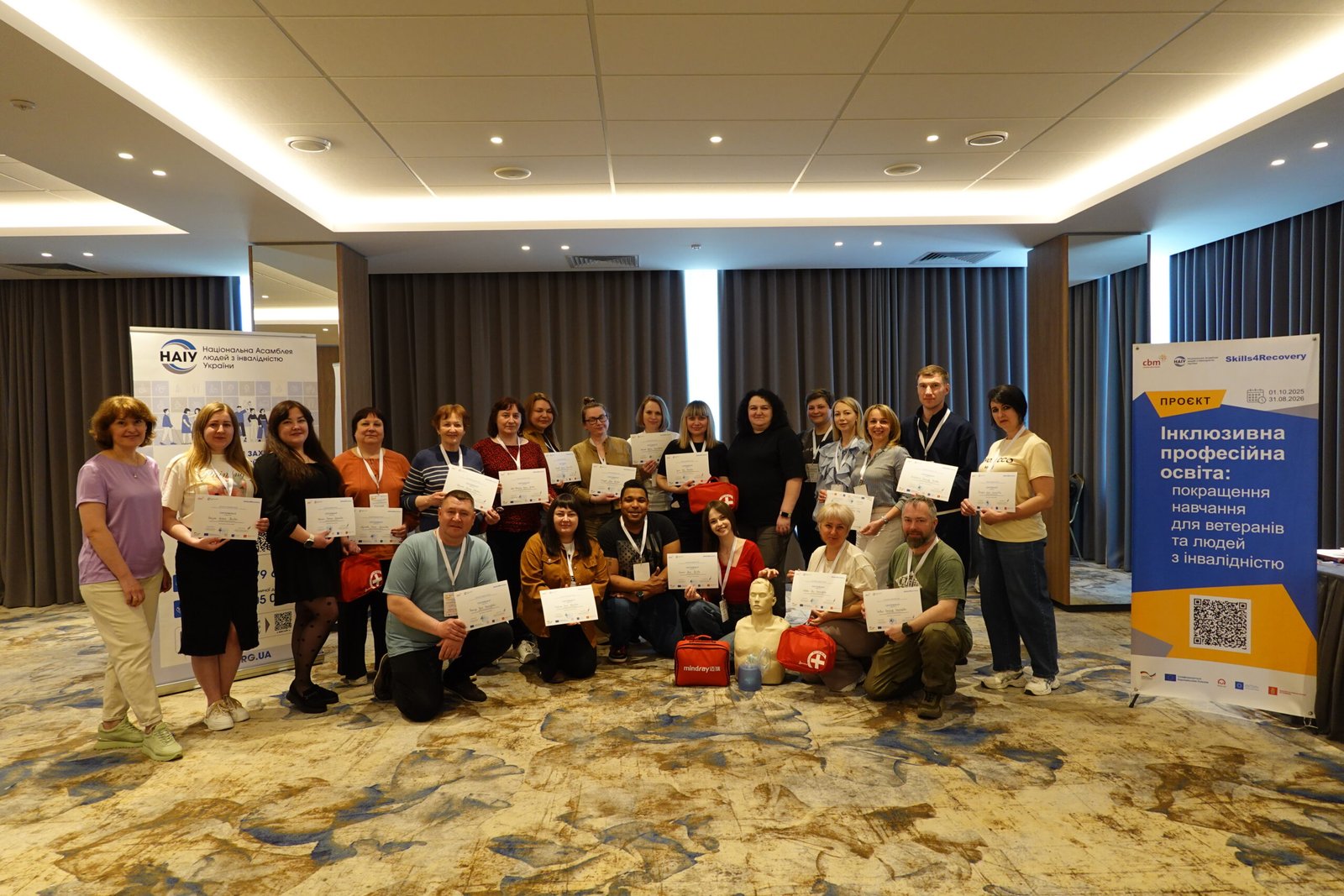
Representatives of 18 vocational education and training institutions participating in the project took part in the training sessions. The participants acquired knowledge and practical skills that they will subsequently be able to share with their institutional teams.
Do Not Panic and Do No Harm
A critical situation can arise in an educational institution at any time: during classes, practical training, an event, an evacuation, or an ordinary working day. A person may suddenly feel unwell or experience panic, shock, severe stress, or the effects of a traumatic experience.
In such moments, it is important not only to call medical professionals. It is equally important to assess the situation properly, remain calm, support the person until specialists arrive, and communicate in a way that does not worsen their condition.
This was precisely the focus of the training. Participants learned how to provide basic first aid, how to communicate with a person in distress, and how to take into account individual needs — physical, sensory, cognitive, or psychological.
“Inclusive vocational education and training is not only about accessible admission procedures or adapted learning materials. It is also about safety, respect for the individual, and a team’s readiness to provide support at a moment of vulnerability,” noted Svitlana Petrusha, Project Coordinator from the National Assembly of People with Disabilities of Ukraine (NAPD).
Practice that Builds Confidence
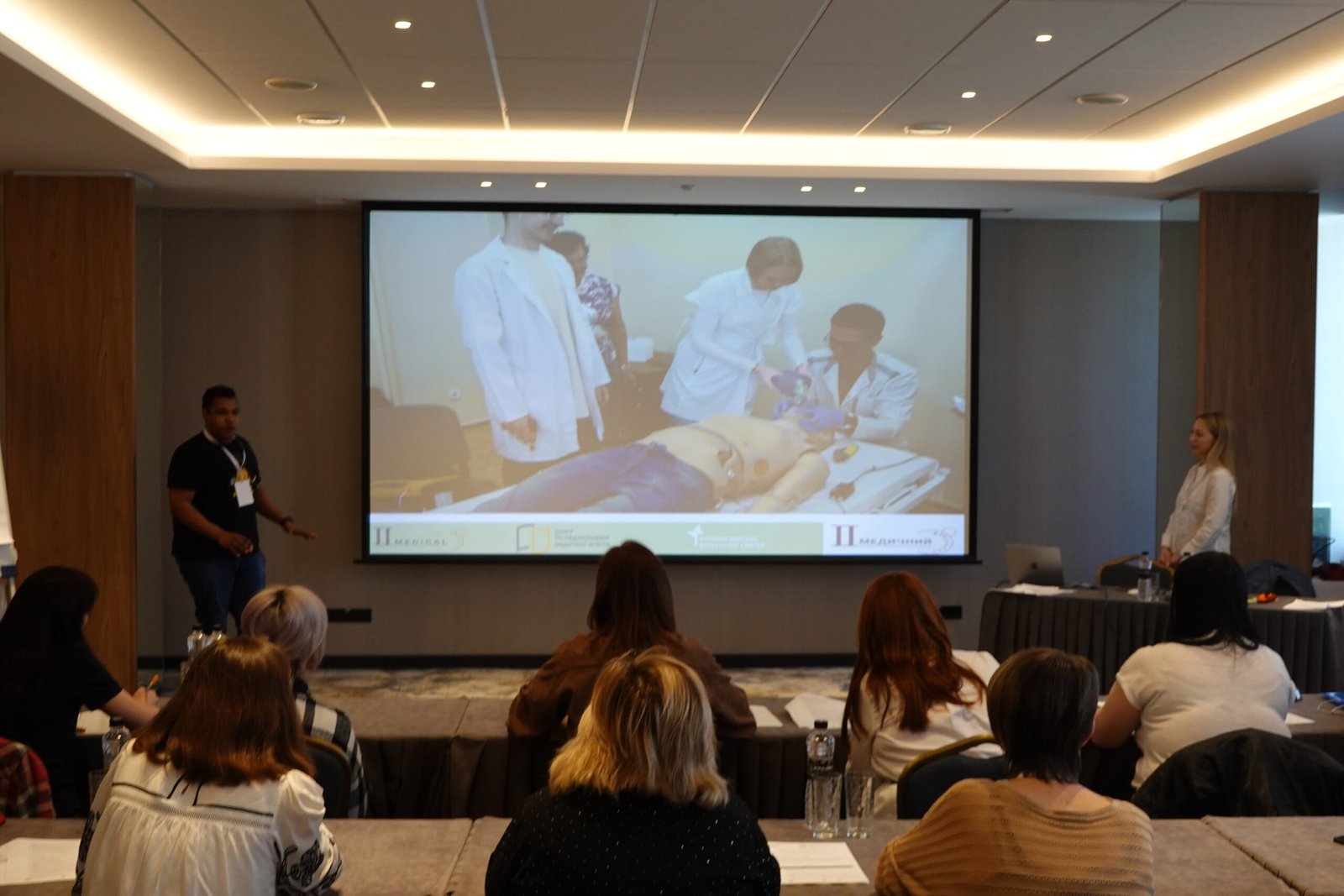
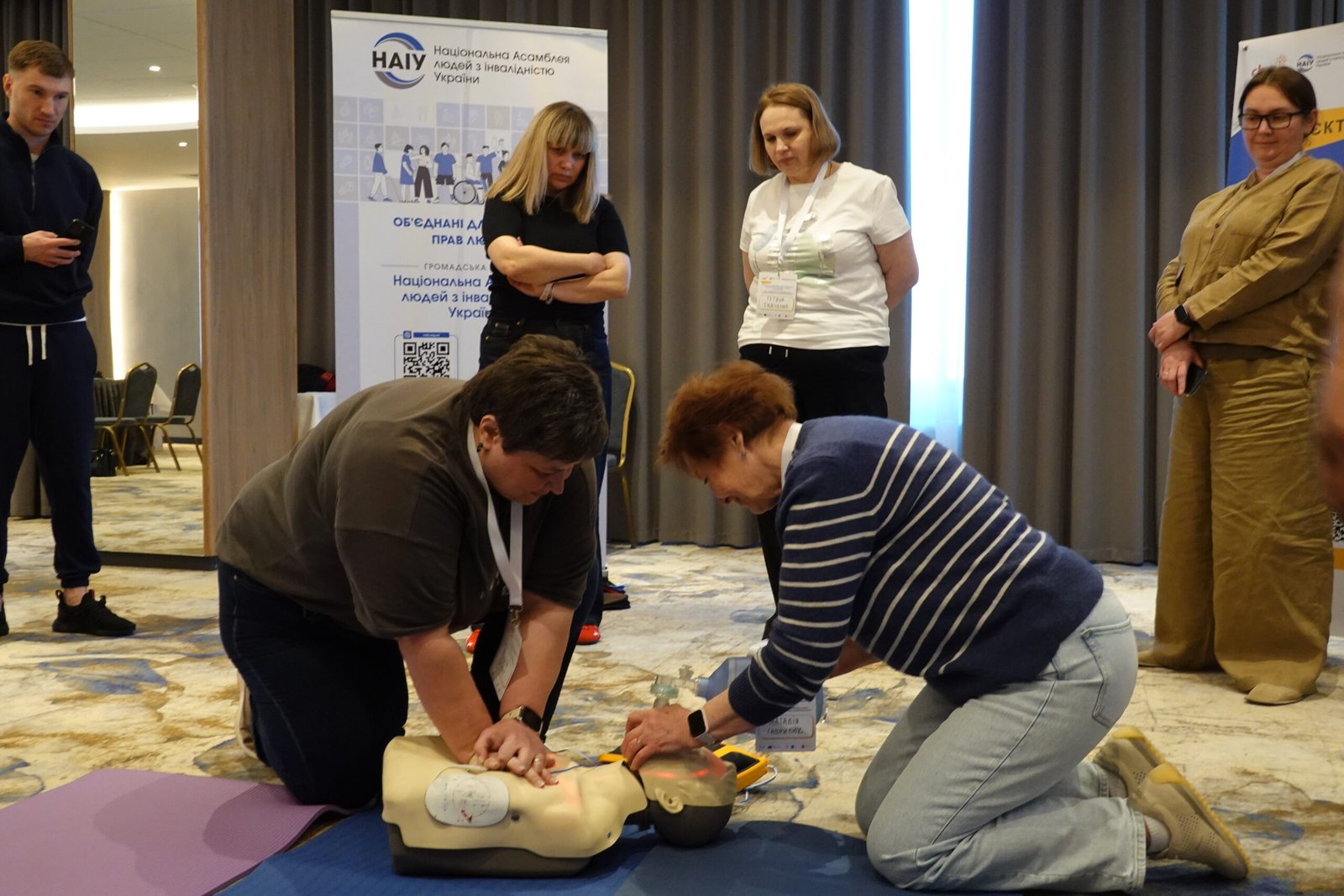
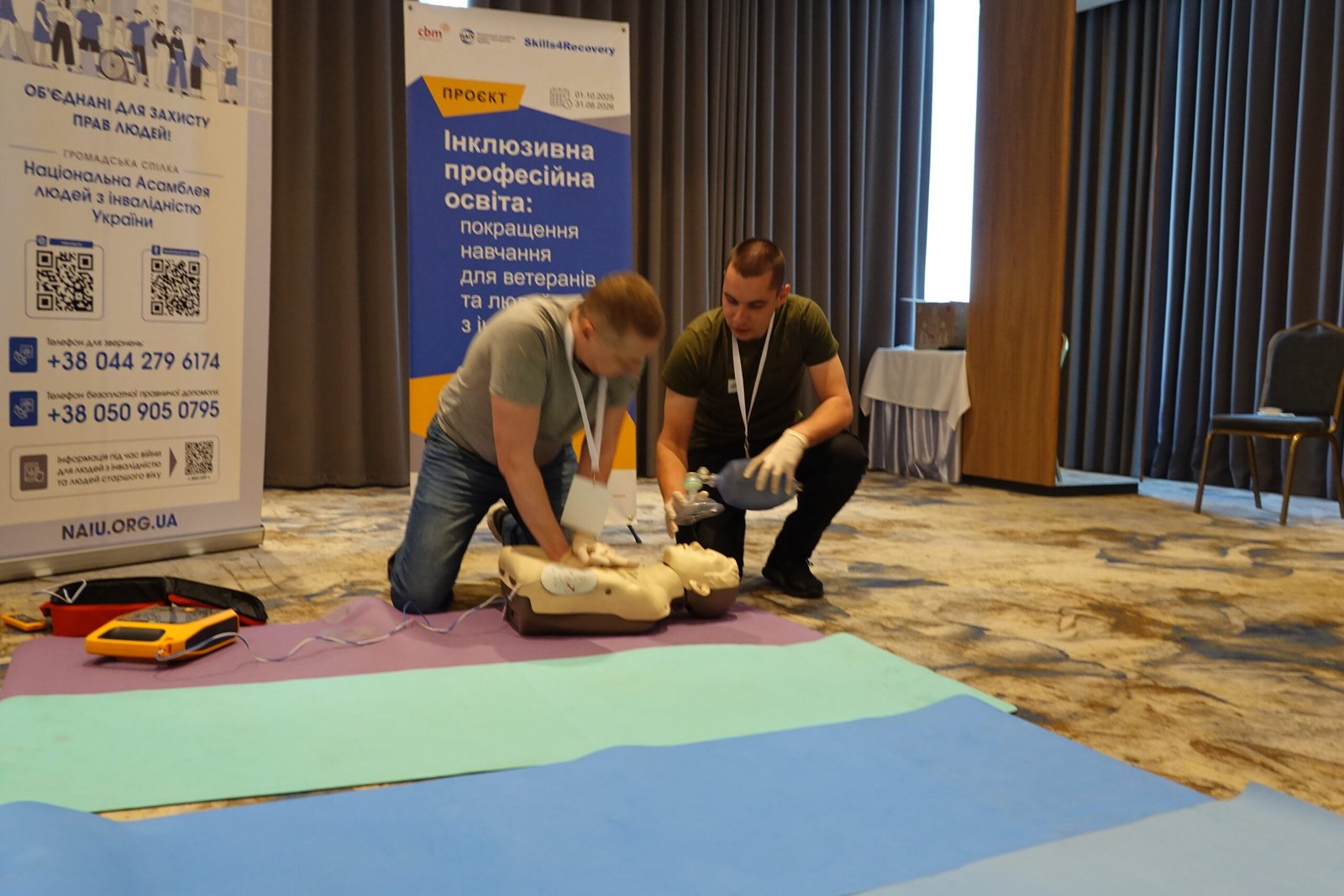
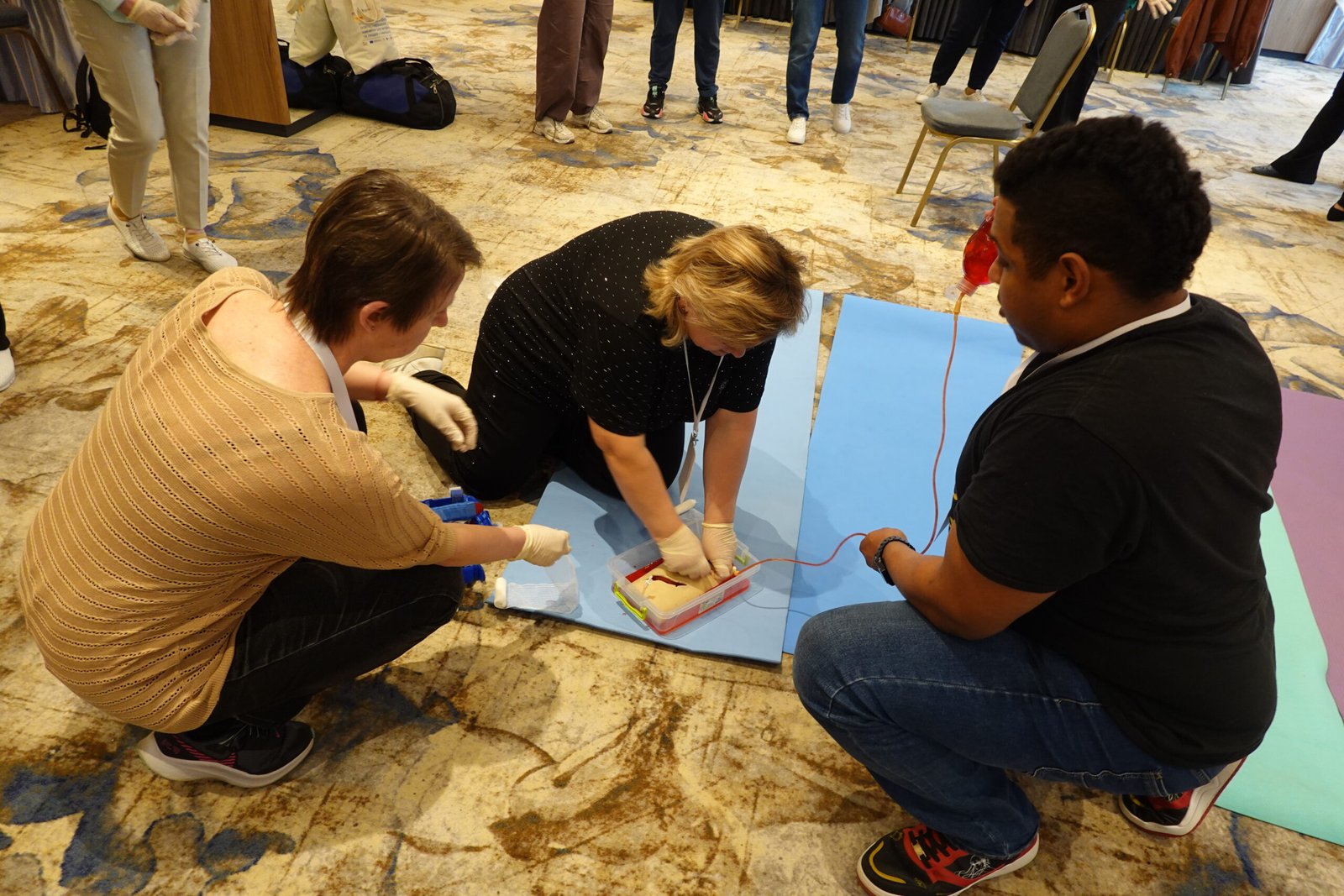
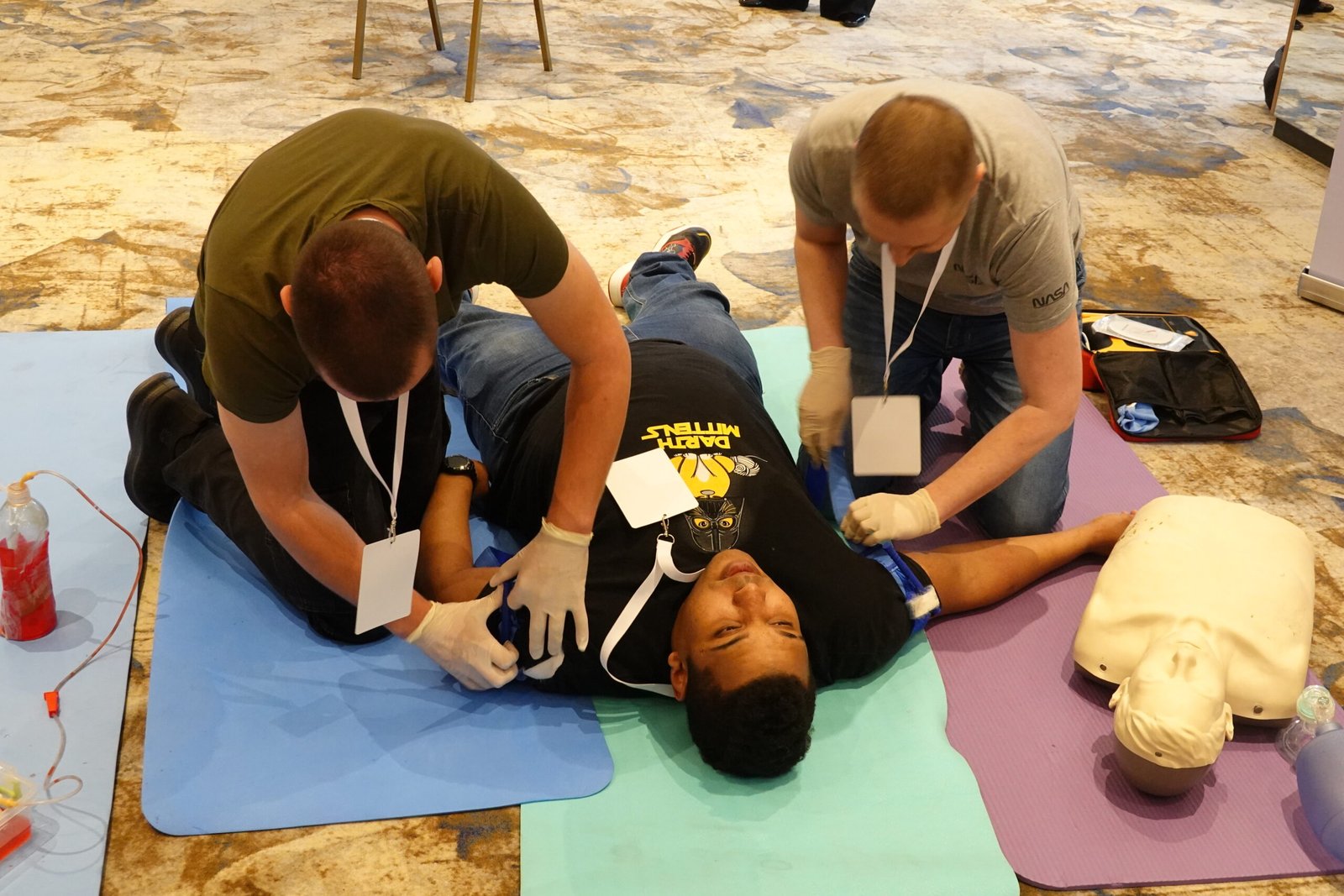
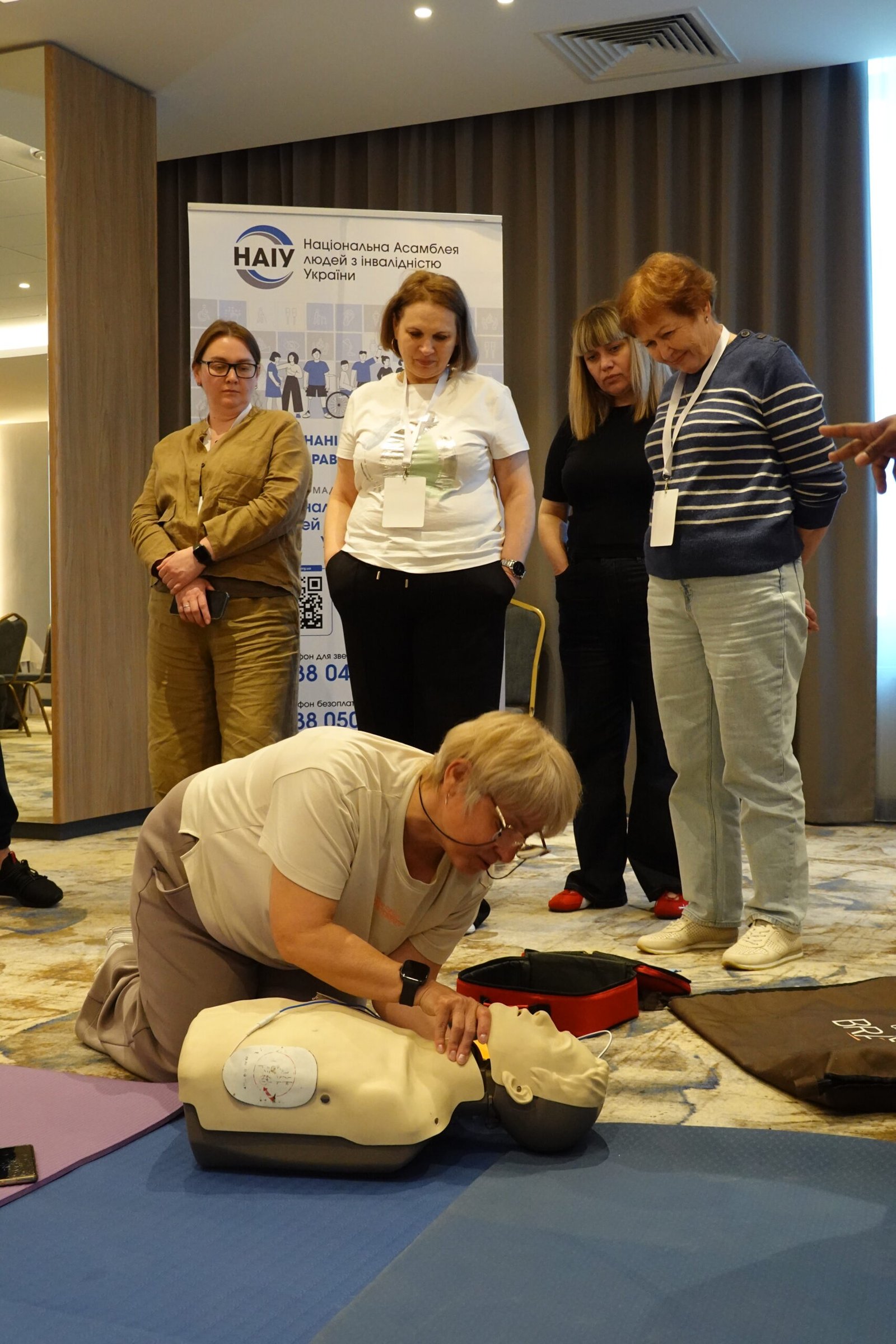
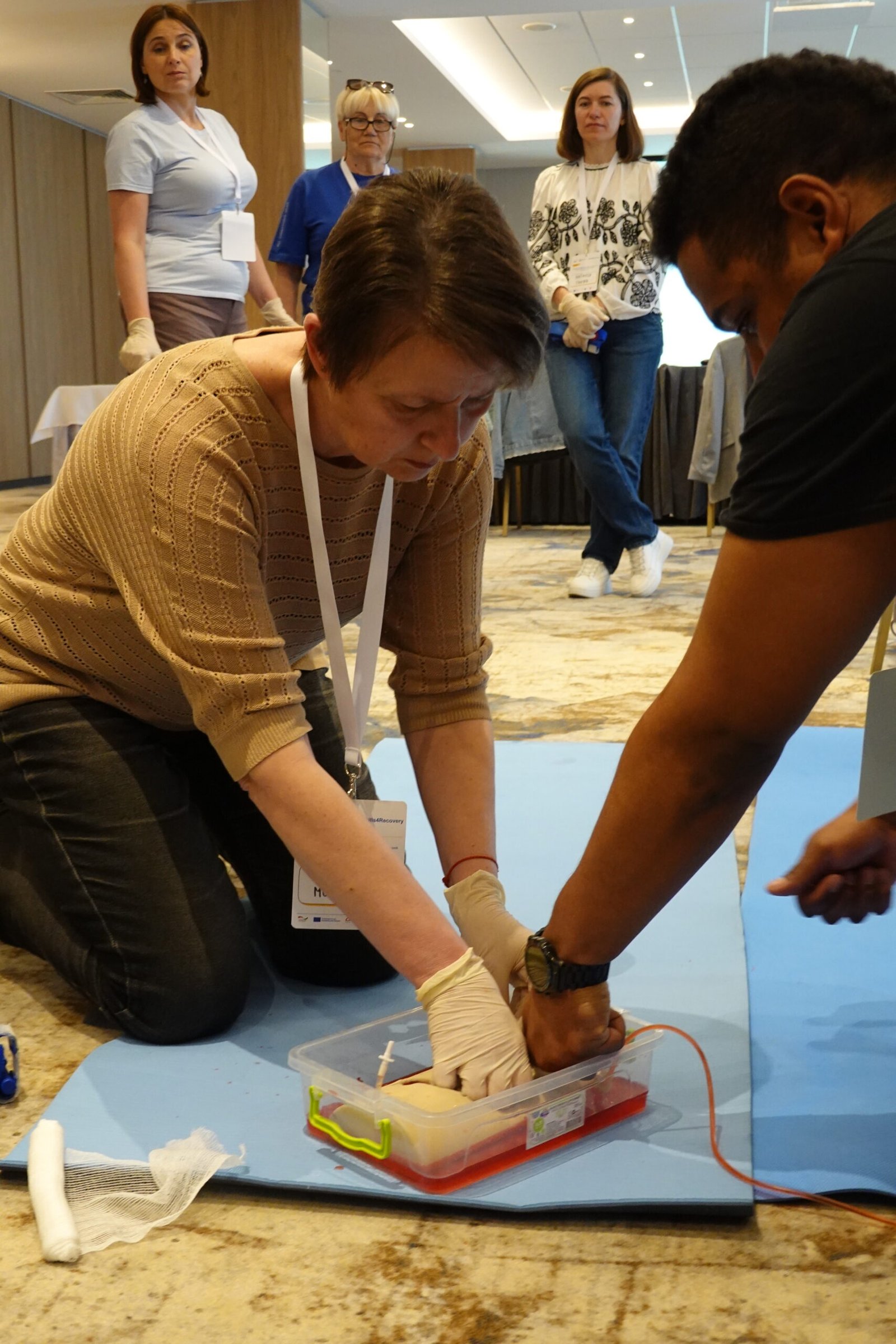
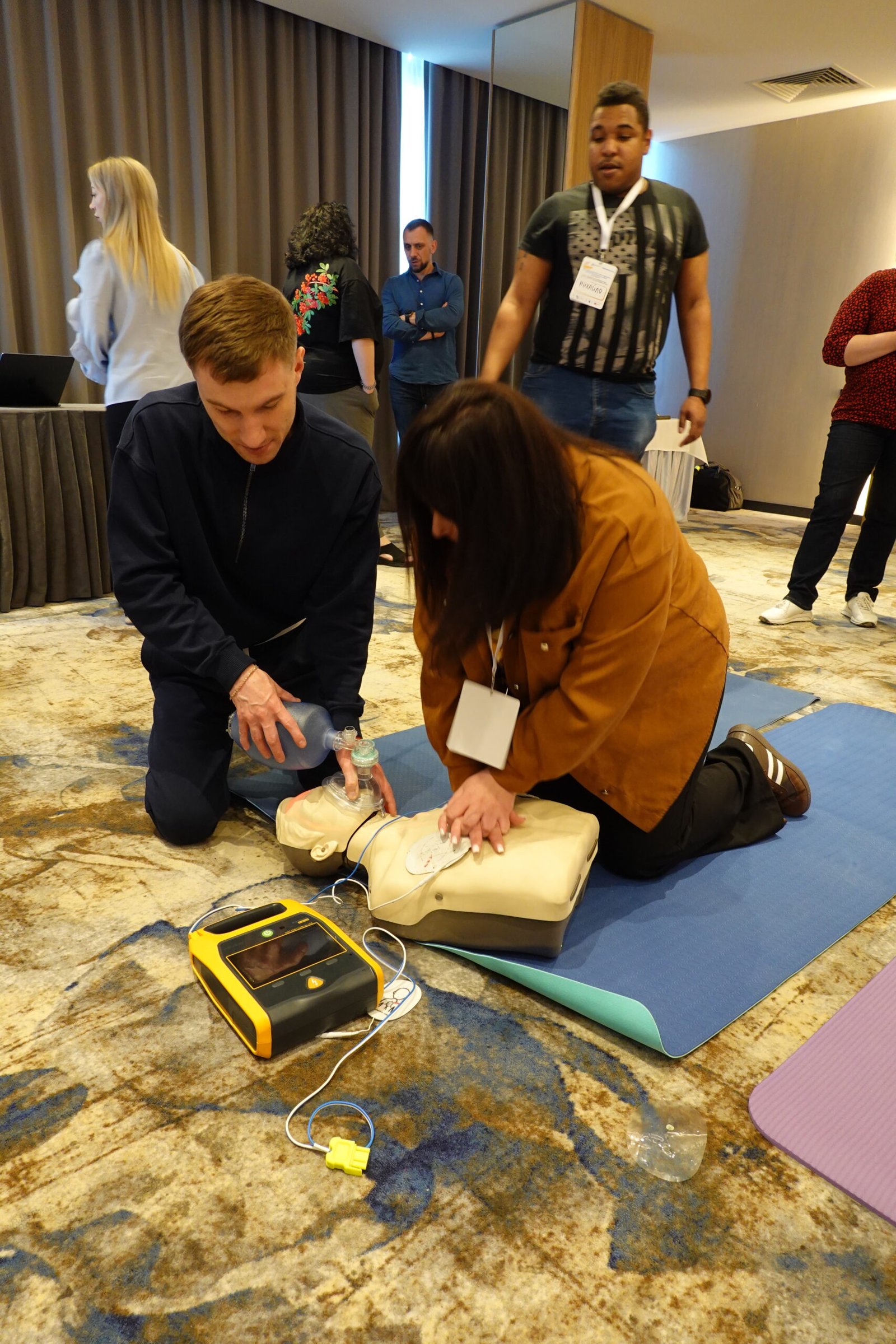
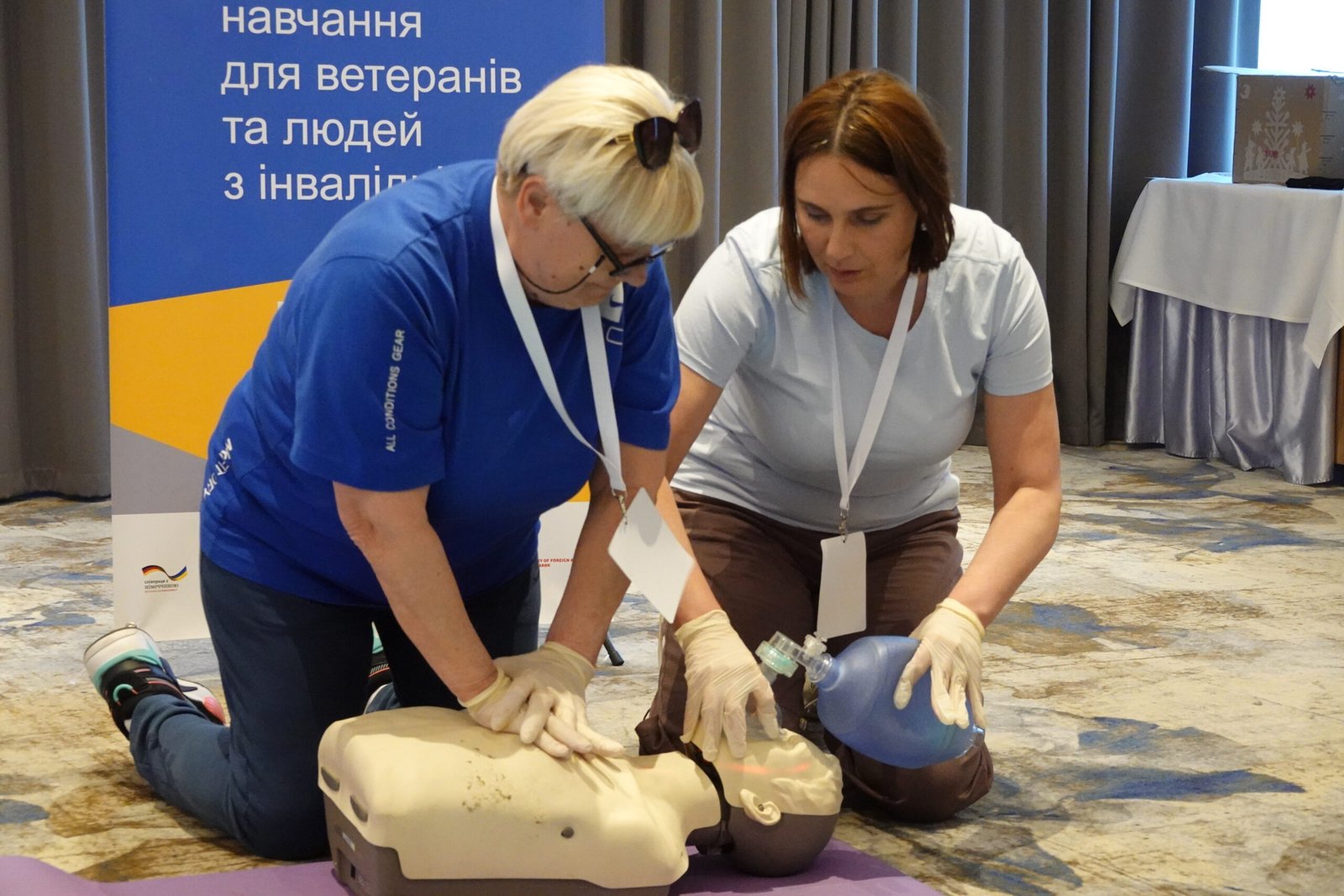
The training programme lasted one and a half days and combined short theoretical modules with intensive practical exercises. Participants practised response algorithms for critical bleeding, basic life support, cardiopulmonary resuscitation, the use of an automated external defibrillator, calling emergency medical services, and teamwork in emergency situations.
Special attention was devoted to crisis communication. Participants learned how to communicate with people experiencing panic, aggression, shock, or stupor — using clear, concise language, without pressure or complicated explanations.
This is particularly important in an inclusive environment. A person may have hearing, visual, speech, or mobility impairments, as well as intellectual or cognitive disabilities. Therefore, assistance must be not only rapid, but also appropriate and person-centred — taking into account how a person perceives information, responds, or communicates their needs.
During the practical sessions, participants worked in pairs and small groups, practising tourniquet application, direct pressure on wounds, wound packing, chest compressions, the use of first aid kits, and role-based emergency scenarios.
“In a crisis situation, technical skills alone are not enough. What also matters is how we communicate with a person, how we provide instructions, and how we remain calm. That is why first aid and communication must go hand in hand,” the trainers emphasized.
What This Means for VET Providers
For vocational education and training, such trainings have a strong practical dimension. Today, VET institutions are working with young people, adult learners, veterans, internally displaced persons, persons with disabilities, and people who have experienced war-related trauma.
Therefore, inclusion is not a separate activity carried out “for reporting purposes.” It is an everyday managerial and pedagogical practice: how to welcome a person, how to explain information, how to provide support, and how to act in an unforeseen situation.
The knowledge and skills gained will help the participants deliver internal briefings within their institutions, share practical algorithms and approaches with colleagues, apply them within the educational process, and gradually foster a culture of safety and support within their institutions.
In addition to the training itself, 18 vocational education and training institutions will receive first aid kits for emergency pre-medical assistance. This practical support will help institutional teams not only understand response procedures, but also have essential basic supplies readily available for responding to critical situations before medical professionals arrive.
What Participants Say
After the practical sessions, participants noted that the training gave them greater confidence in responding to crisis situations. They especially valued the combination of three components: first aid, psychological support, and barrier-free communication.
“The most valuable part was that we were not just listening to theory, but practising concrete actions. Now there is a clearer understanding of how not to panic, how to assess a situation, and what to do before medical professionals arrive.”
“For me, the communication component was particularly important. In a crisis situation, a person may not be able to process complex explanations or may react differently from what we expect. After the training, it became much clearer how to communicate calmly, briefly, and with respect.”
The participants also emphasized the importance of sharing this knowledge with colleagues within their institutions. In a critical situation, it is not enough for only one person to be prepared — the entire team must be ready to respond.
For the project, this represents another step towards systemic change in vocational education and training. An inclusive environment is not only about access to learning. It is also about an institution’s readiness to support a person at the moment when they need assistance the most — professionally, safely, and with respect for their dignity.
The project “Inclusive Vocational Education and Training (VET): Improving Training for Veterans and People with Disabilities” is being implemented by the National Assembly of People with Disabilities of Ukraine (NAPD), jointly with Christoffel-Blindenmission Christian Blind Mission e.V. (CBM), with financial support from the European Union, Germany, Poland, Estonia, and Denmark as part of the Skills4Recovery Multi-Donor Initiative, which is implemented by Deutsche Gesellschaft für Internationale Zusammenarbeit (GIZ) GmbH and Solidarity Fund PL (SFPL).
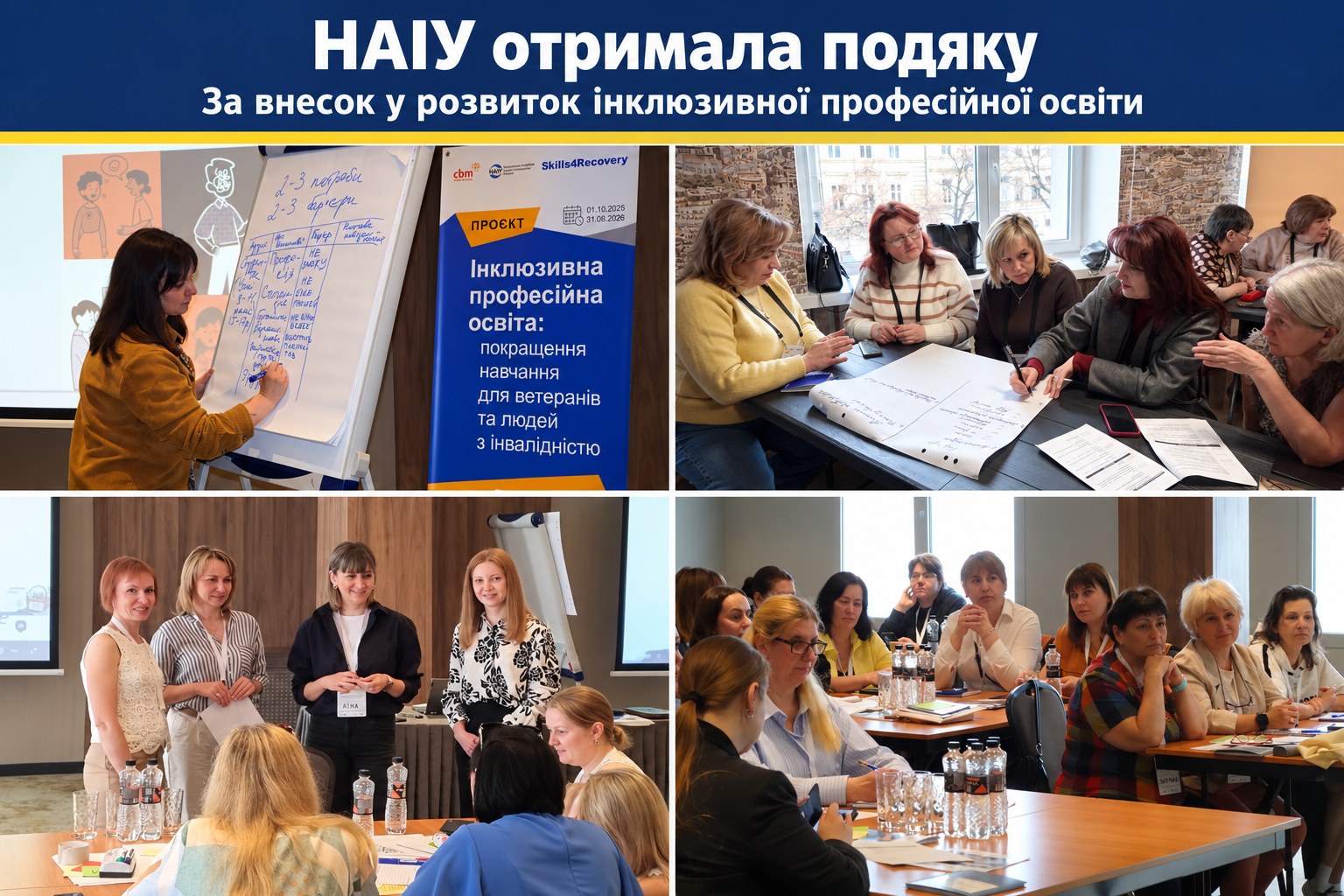
Під час підсумкової партнерської зустрічі Національна Асамблея людей з інвалідністю України отримала слова подяки за реалізацію проєкту «Інклюзивна професійна освіта: покращення навчання для ветеранів та людей з інвалідністю». Партнери відзначили професіоналізм команди НАІУ, якісну координацію роботи та практичну цінність проведених навчань і розроблених матеріалів для закладів професійної освіти. Особливу увагу приділили тому, як педагоги застосовують […]
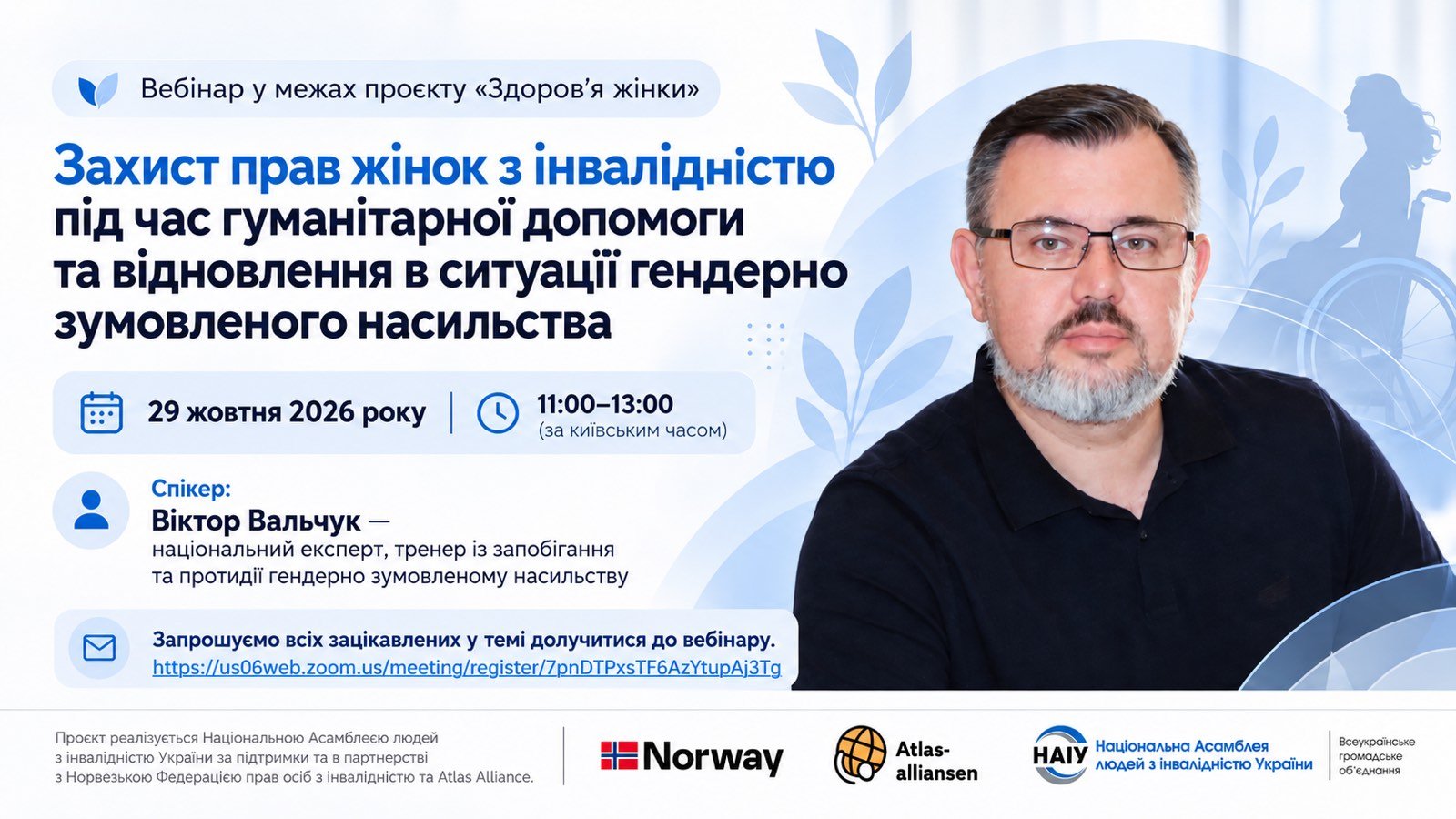
29 жовтня 2026 року Національна Асамблея людей з інвалідністю України (НАІУ) запрошує долучитися до вебінару «Захист прав жінок з інвалідністю під час гуманітарної допомоги та відновлення в умовах гендерно зумовленого насильства». В умовах повномасштабної війни жінки з інвалідністю можуть стикатися з додатковими ризиками гендерно зумовленого насильства, а також із бар’єрами під час звернення по допомогу […]
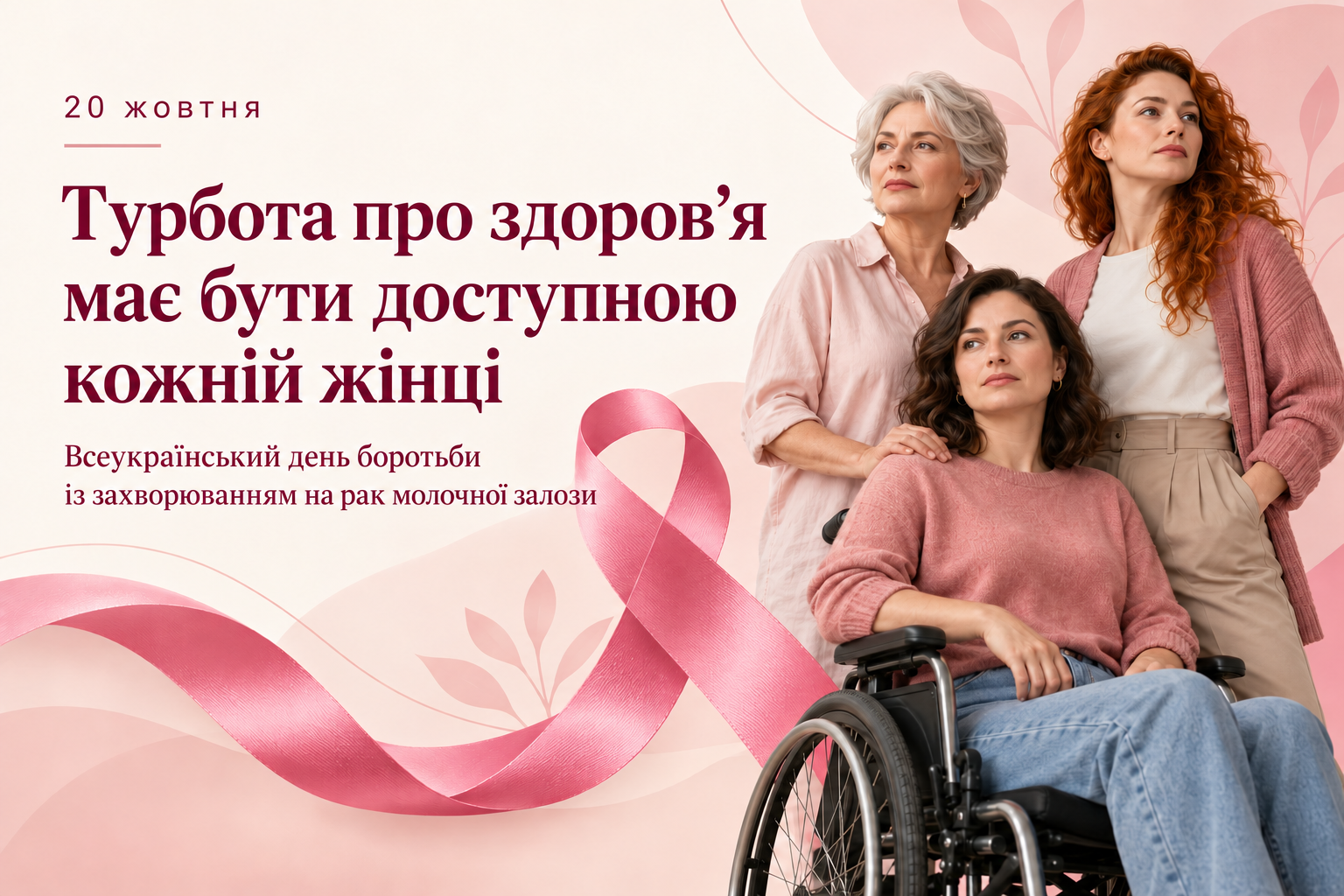
20 жовтня — Всеукраїнський день боротьби із захворюванням на рак молочної залози. Заклик «пройдіть обстеження» важливий. Але за ним має стояти реальна можливість потрапити до лікаря. Для жінок з інвалідністю це означає доступний транспорт і медичний заклад, обладнання, яким можна скористатися, зрозумілу інформацію та поважне спілкування. Без упереджень, зі збереженням приватності та увагою до потреб […]
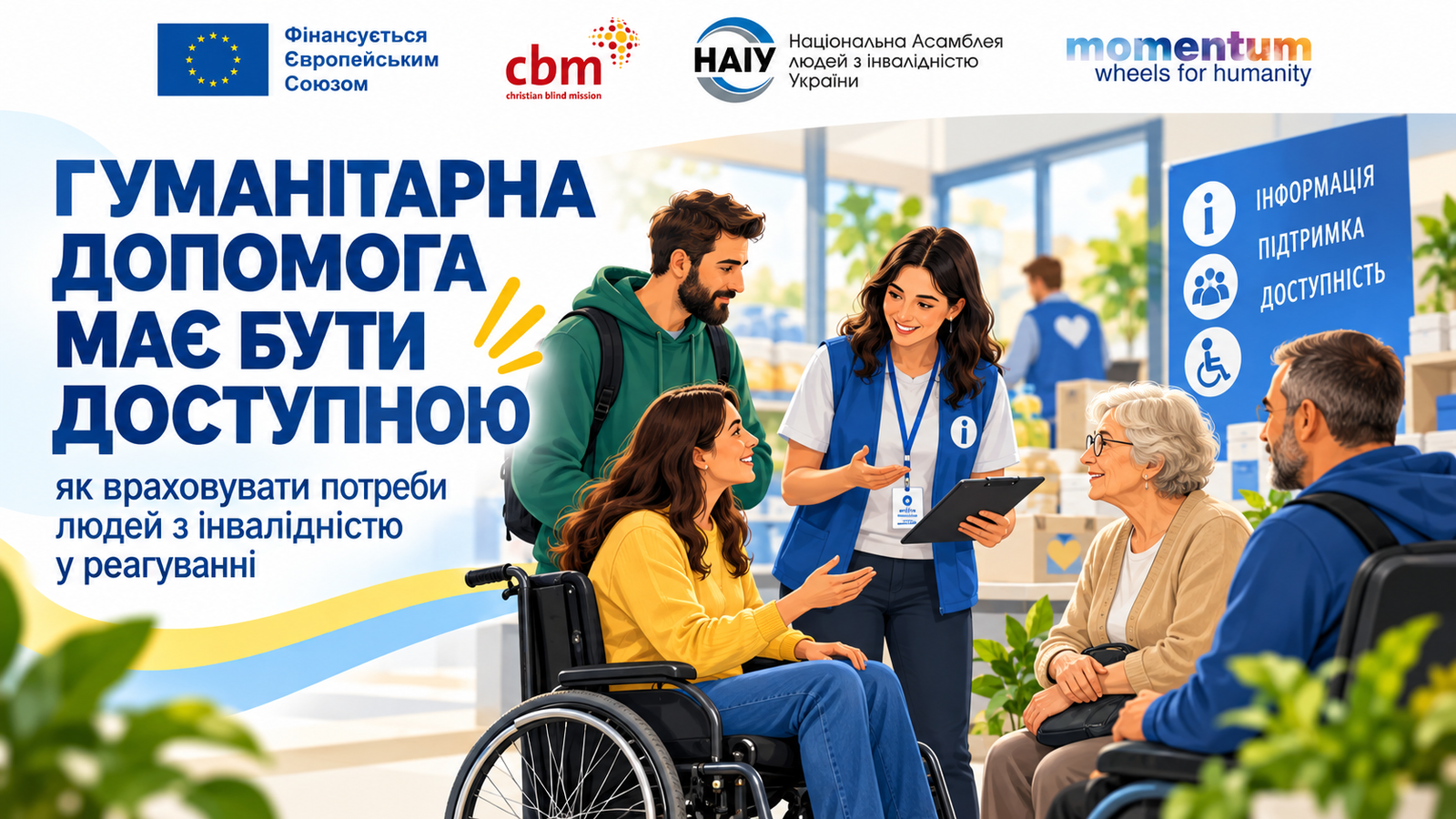
Гуманітарна допомога може бути передбачена програмою, профінансована і навіть доступна у громаді. Але головне питання інше: чи може людина, яка її потребує, реально нею скористатися? Саме про це говорили учасники дворівневого навчання «Гуманітарна діяльність: врахування потреб осіб з інвалідністю», яке у жовтні провела Національна Асамблея людей з інвалідністю України. До навчання долучилися представники гуманітарних і […]
Шукаємо координатора(-ку) з комунікацій у команду НАІУ (на проєкт) Національна Асамблея людей з інвалідністю України (НАІУ) реалізує проєкт «Інклюзія передусім — захист і підтримка дітей з аутизмом та іншими видами інвалідності, ветеранів і ветеранок в Україні», спільно з СВМ та СВМ Італія, спрямований на підтримку ветеранів та ветеранок, розвиток доступних можливостей для їхньої реабілітації, протезування, […]
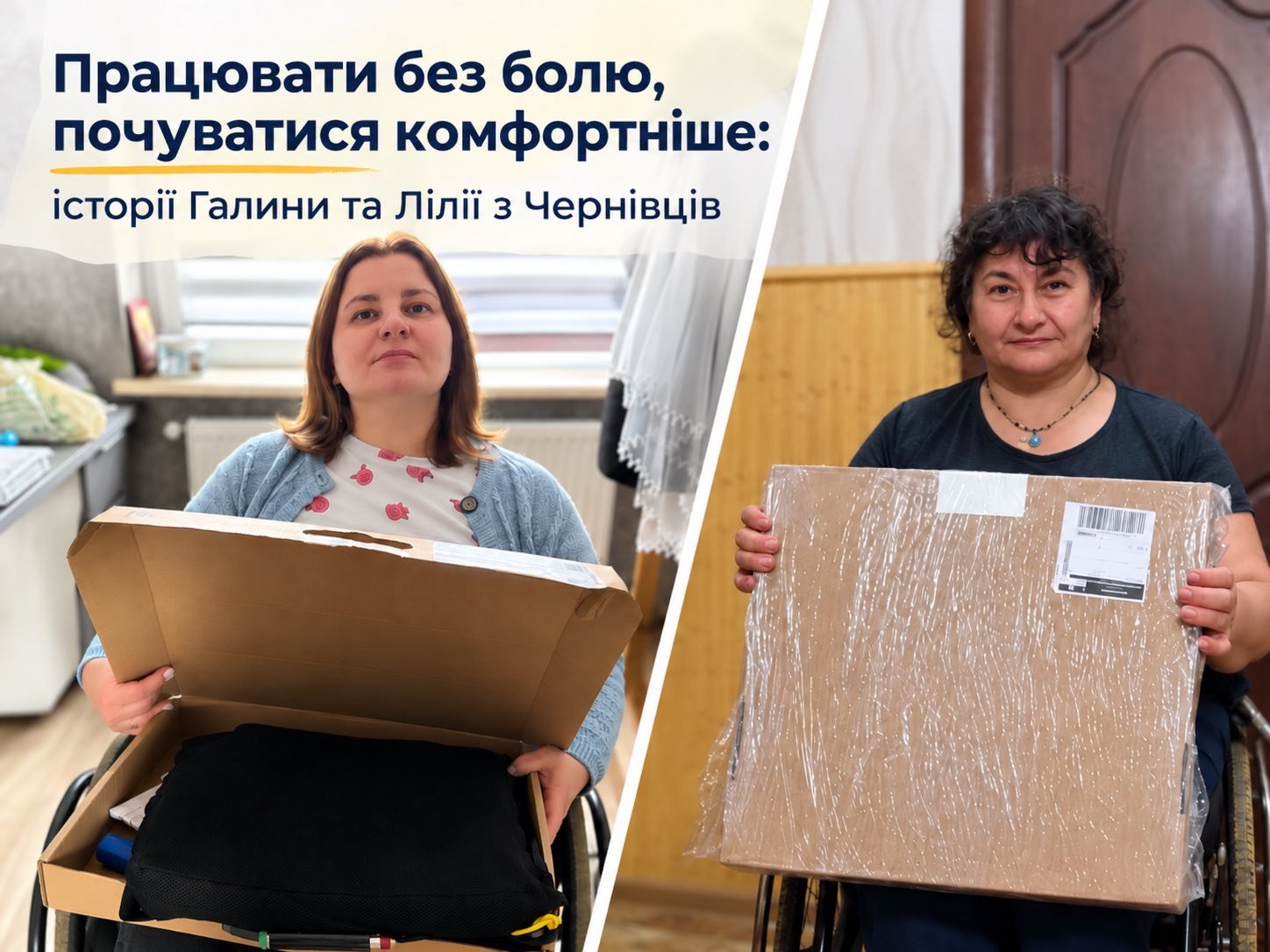
Галина з Чернівців створює весільні аксесуари для наречених. Її робота потребує творчості, терпіння та уваги до найменших деталей. За виготовленням прикрас жінка проводить багато годин, адже кожен виріб вимагає кропіткої ручної праці. Для Галини важливо мати можливість займатися улюбленою справою, однак тривала робота нерідко супроводжується фізичним дискомфортом. Жінка користується кріслом колісним, і через велике навантаження […]