Inclusive Security: Why It Matters and How to Ensure It
March 17, 2025
Share:
In times of war, security becomes a matter of life and death for everyone. But are security measures truly accessible to all? Can everyone evacuate in case of danger, hear air raid sirens, or receive information about threats?
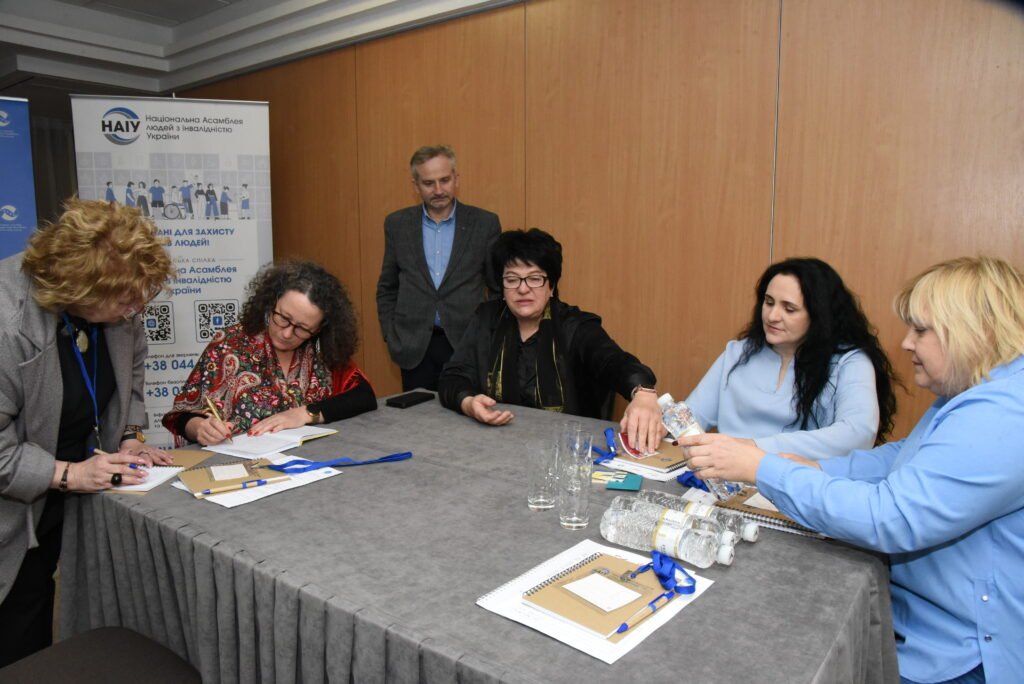
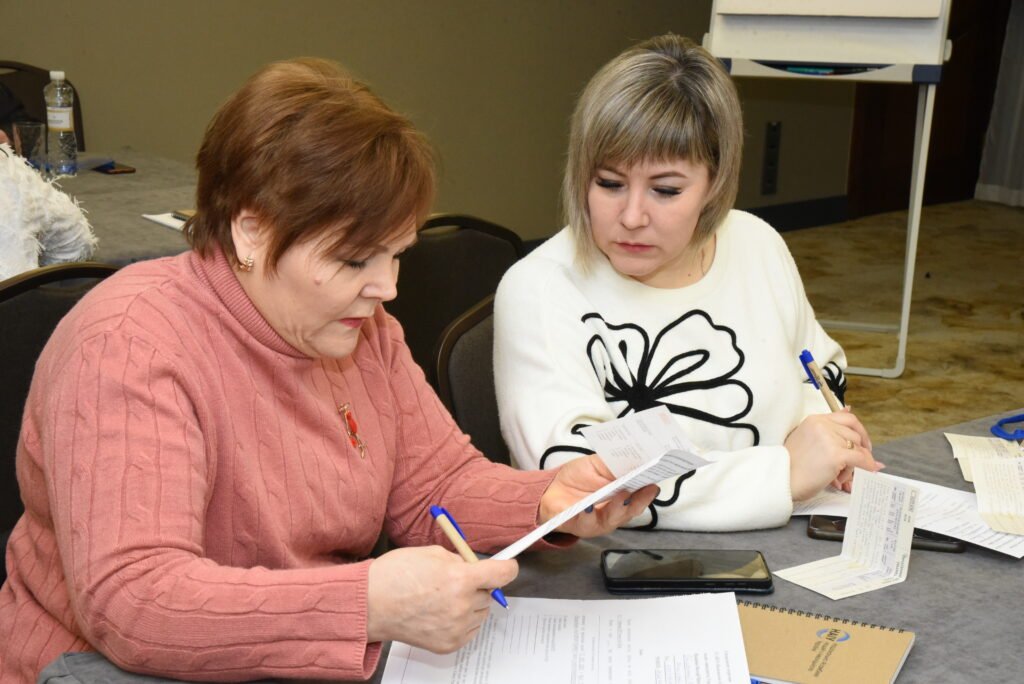
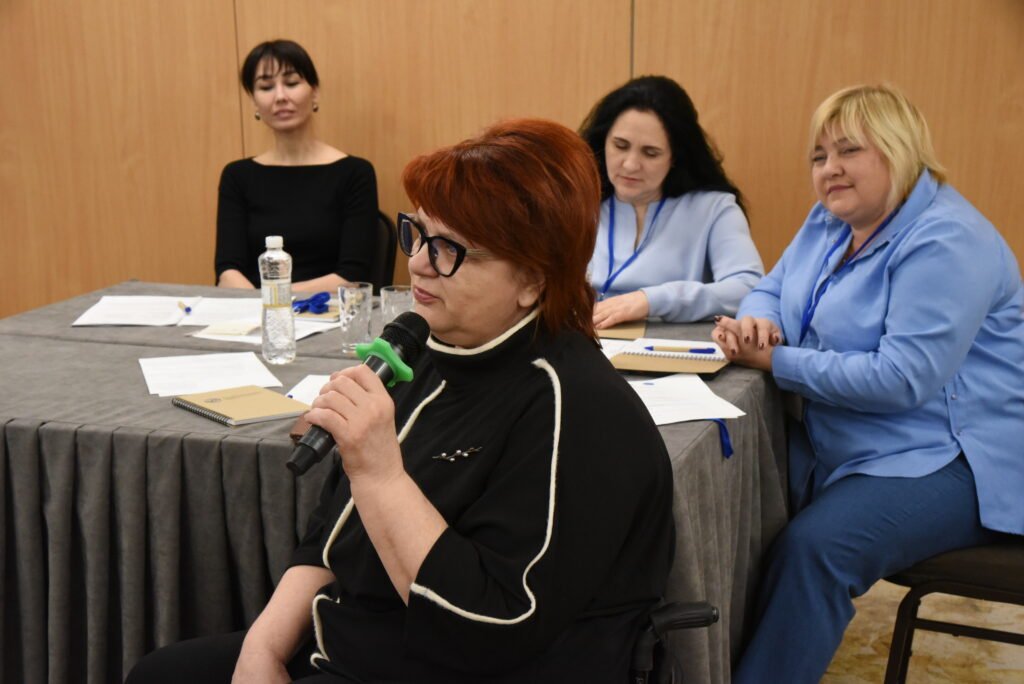
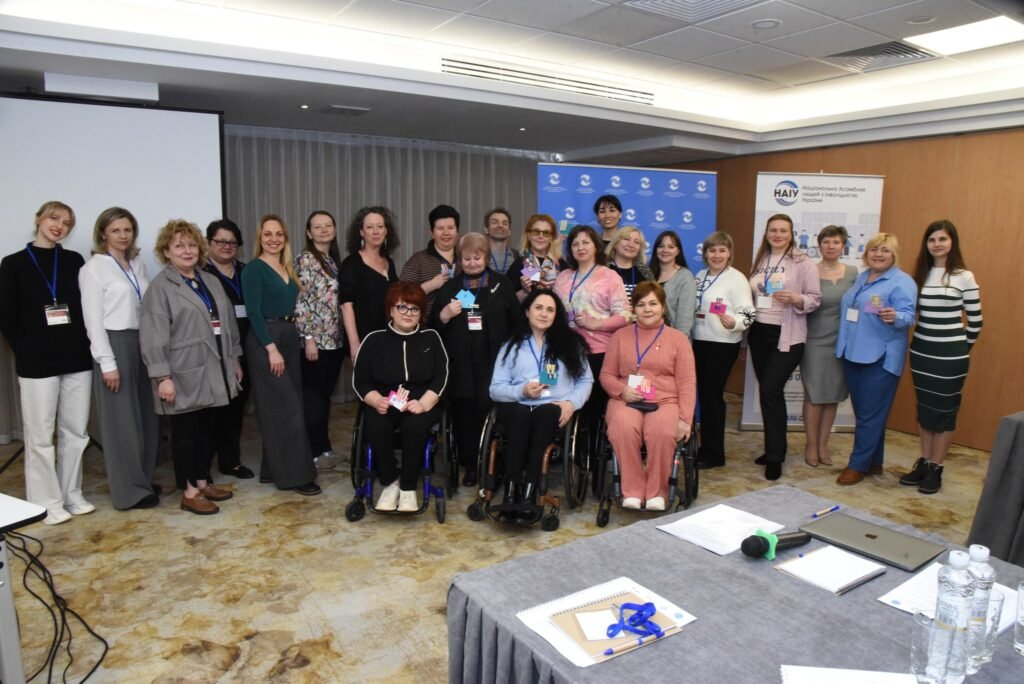
These questions were at the core of a two-day training session for trainers on inclusive security for people with disabilities. The event was organized by the National Assembly of People with Disabilities of Ukraine as part of the project “Multi-sectoral Humanitarian Assistance with Consideration for Disabilities for Internally Displaced Persons, Returnees, Veterans, and Host Communities in Ukraine.”".
For people with disabilities, safety measures often involve additional barriers. Standard evacuation plans, training sessions, and infrastructure solutions are usually designed for individuals without physical or sensory impairments. As a result, a significant part of the population remains vulnerable to threats and unable to properly ensure their own safety.
This is why understanding the concept of inclusive security is crucial. It is a system of measures that considers the needs of all people, regardless of their physical or cognitive abilities.
Traditional security approaches are based on the assumption that people can:
• React quickly to danger,
• Hear warning sirens,
• Run to shelters,
• Read information about threats.
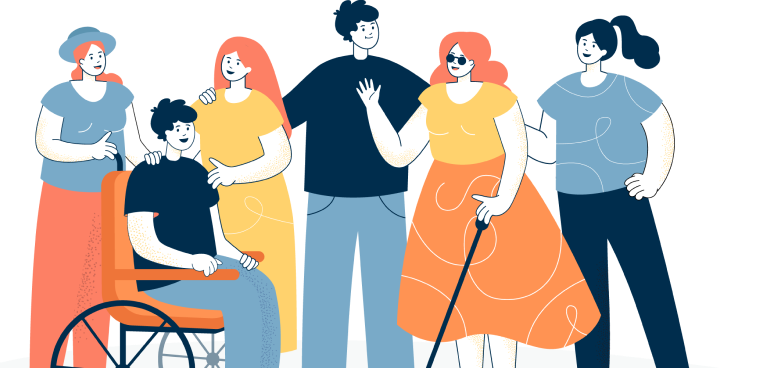
But what about wheelchair users, deaf individuals, or those with visual impairments? If infrastructure, communication, and training do not take their needs into account, they face even greater danger.
People with disabilities encounter accessibility challenges even in peacetime: inaccessible buildings, complicated public transportation routes, and a lack of information in alternative formats (such as Braille or sign language). During war, these challenges multiply.
• Evacuation may be impossible if transportation is not equipped for people with disabilities.
• Information about danger is not always accessible—for example, verbal announcements are not suitable for deaf individuals.
• Shelters are often unadapted—they may have stairs without ramps, narrow doors, or lack accommodations for people with visual impairments.
This creates a situation where security becomes a privilege for those who can act quickly and independently.
Additionally, societal biases towards people with disabilities persist. They are often seen as individuals who always require external assistance or are “incapable” of acting independently. This leads to their exclusion from decision-making processes related to security measures.
Inclusive security is not a privilege or an optional addition—it is a fundamental necessity. People with disabilities are not “vulnerable individuals” who need to be taken care of. They have the right to equal access to all security measures and can be active participants in crisis situations.
To make society truly safe, we must break down barriers and create conditions where everyone can protect themselves.
Oleksandra Perkova
Communications Manager of the Project
Національна Асамблея людей з інвалідністю України (НАІУ) та громадська спілка «Сучасний погляд» підписали Меморандум про співпрацю з Інститутом очних хвороб і тканинної терапії ім. В. П. Філатова НАМН України про створення інтегрованого простору Filatov Vision Hub — першого в Україні центру ранньої реабілітації для людей із тяжкими ураженнями очей. Про це на своєму сайті повідомляє […]
Безоплатне забезпечення допоміжними засобами реабілітації – це не пільга, а гарантоване законом право. Проте опинившись перед такою необхідністю, люди часто губляться в процедурах: не знають, з чого почати, куди звертатися і які саме вироби можна отримати. Фахівці Ресурсного центру Національної Асамблеї людей з інвалідністю України детально пояснюють усі тонкощі: від правових підстав до підписання акта […]
Some citizens who own real estate had their property rights registered with the Bureau of Technical Inventory only on paper before January 1, 2013. As a result, such information is not available in the State Register of Real Property Rights and in the Register of Ownership Rights to Real Estate, the archival part of this register. As explained on its website [...]
The electronic employment record book, introduced in 2021, contains digital data on hiring, transfers, dismissals, and other changes related to employment. According to the Pension Fund of Ukraine on its website, information from a paper employment record book, which was the main document on a person's employment, may be digitized before January 1, 2004. After that, the information [...]
The Cabinet of Ministers of Ukraine has approved a procedure under which the state will pay for health and recreation services for children in need of special social attention and support. According to the website of the Ministry of Social Policy, Family and Unity of Ukraine, children from Ukrainian families in need of support will be able to undergo rehabilitation in institutions included in the State Register of Property Objects of Rehabilitation and [...]
Ukrainians fleeing the war abroad can continue to acquire insurance record for their future pension. This is especially important for those who have little time left before retirement or who are in countries with which Ukraine does not have a social security agreement. As the Pension Fund of Ukraine states on its website, voluntary contributions to the Fund [...]