How to Make Humanitarian Aid Inclusive: A Coordination Training in Chernivtsi Region
May 13, 2025
Share:
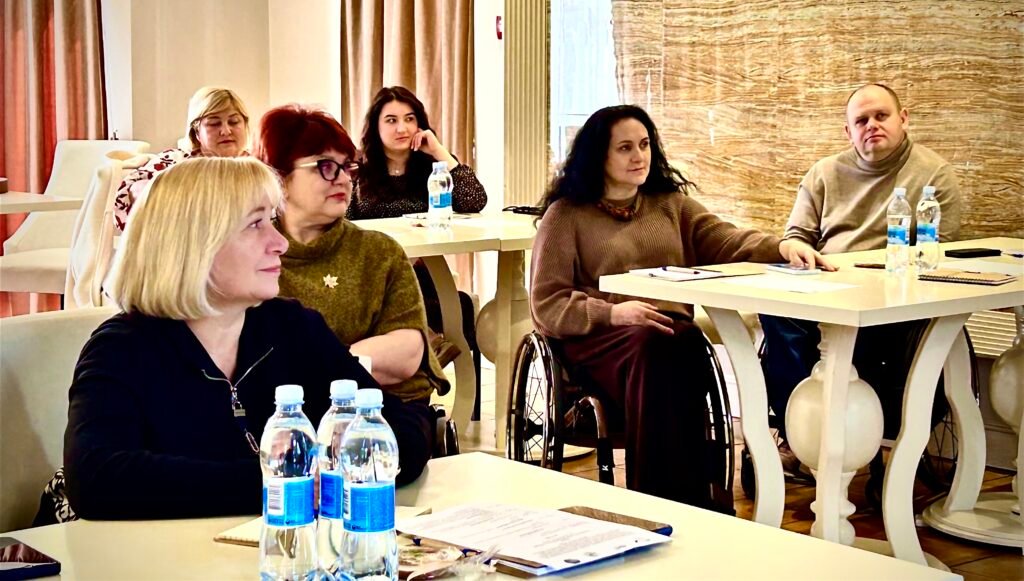
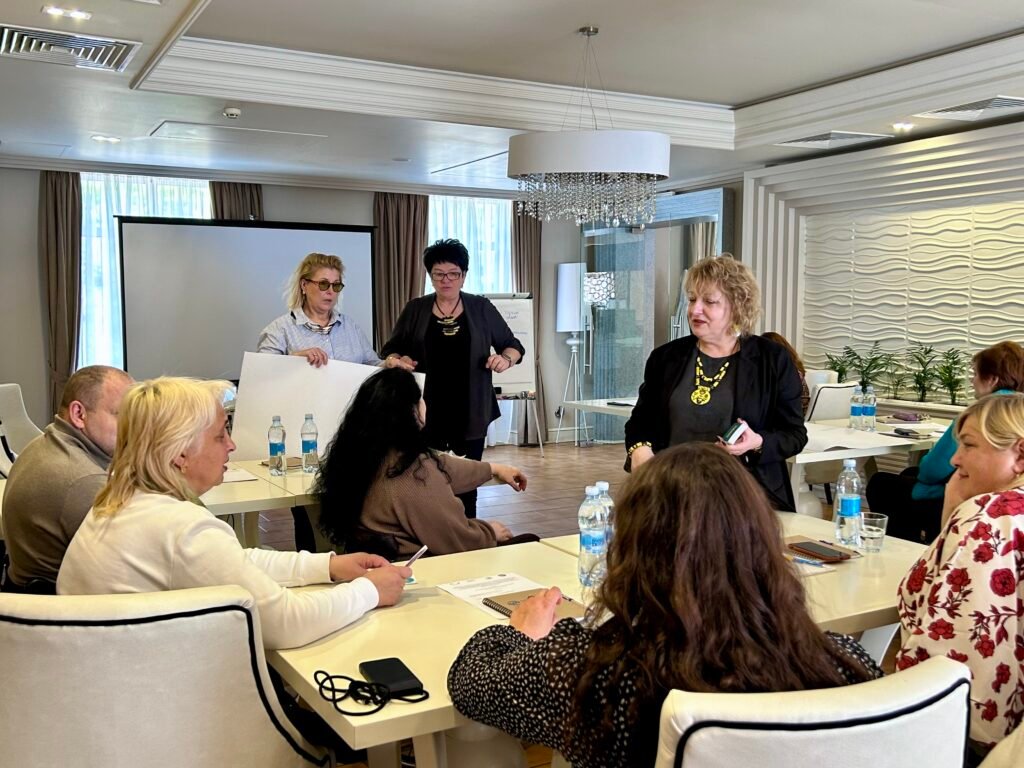
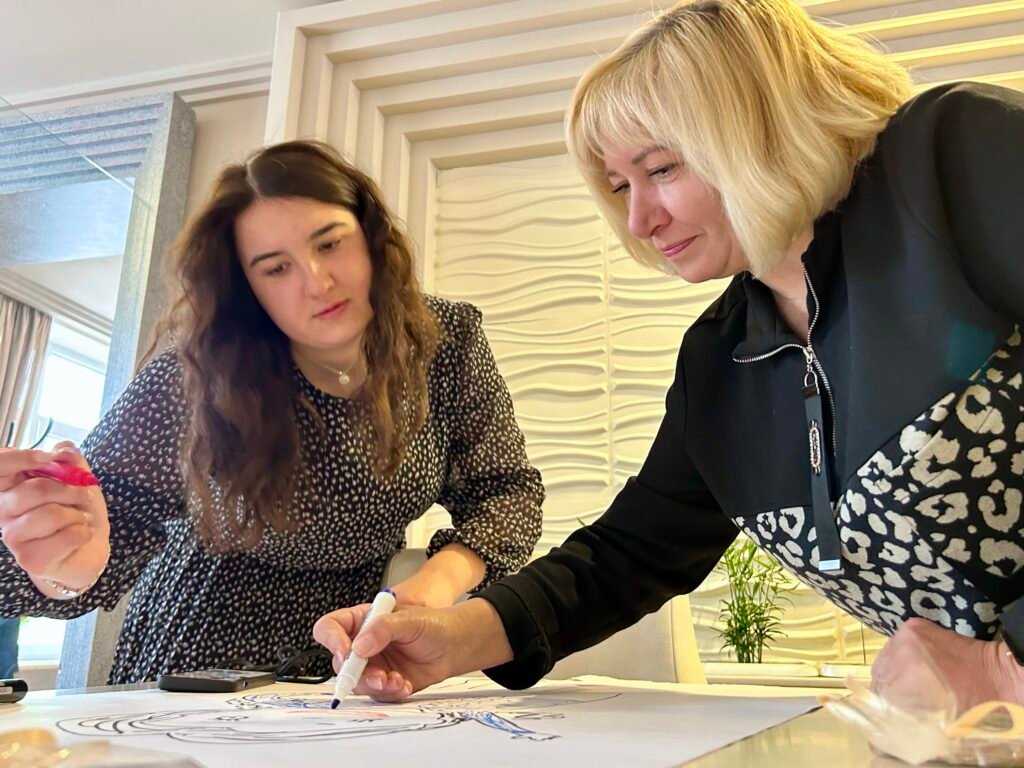
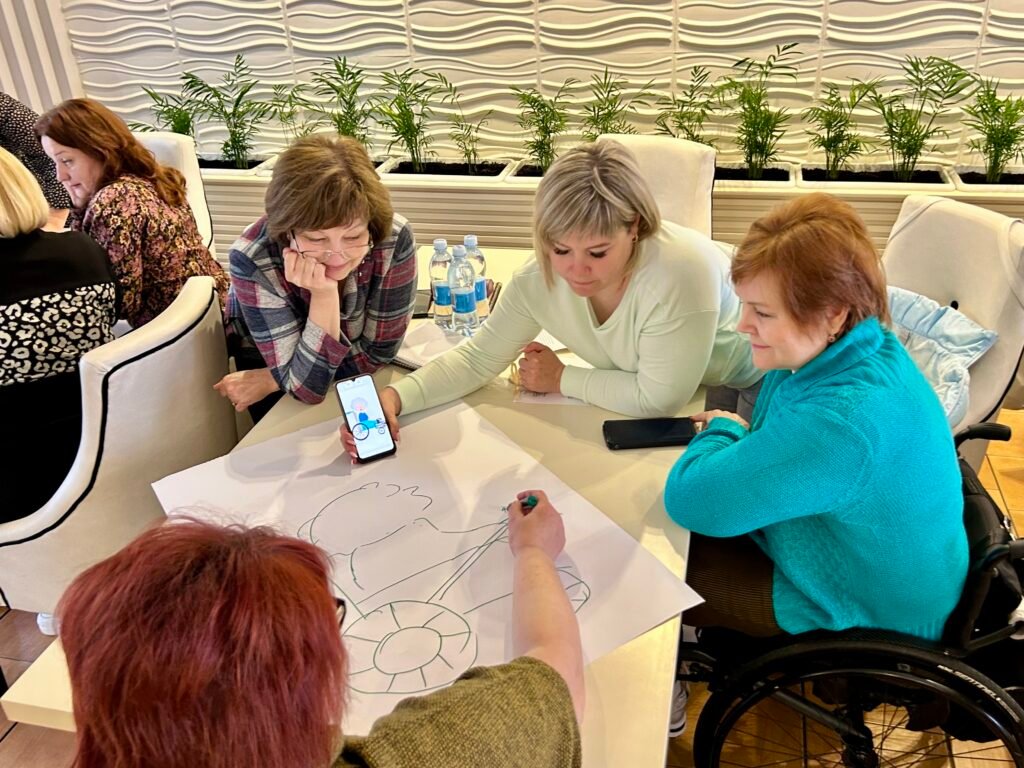
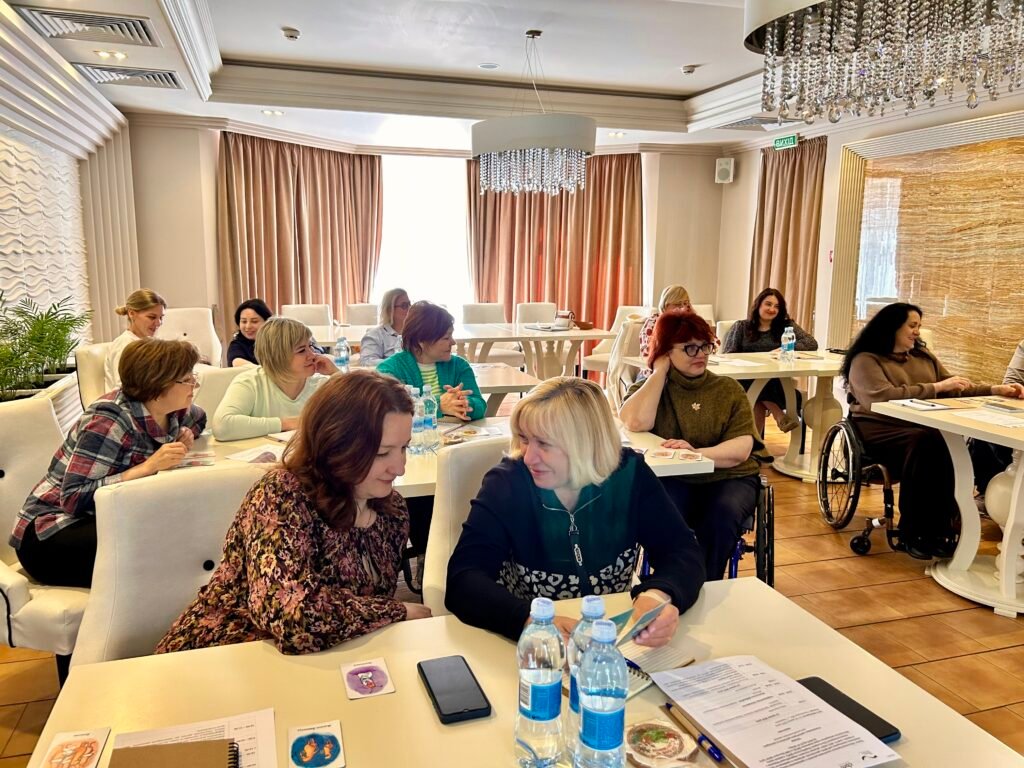
From May 12 to 16, 2025, a five-day training titled “Inclusive Humanitarian Aid in Communities” will take place in the village of Tarashany, Bukovyna. The event is designed for coordinators of the project “Multisectoral Humanitarian Aid with a Disability-Inclusive Approach for IDPs, Returnees, Veterans, and Host Communities in Ukraine,” implemented by the National Assembly of People with Disabilities of Ukraine (NAPD) in partnership with the European Disability Forum (EDF), and supported by the German Federal Foreign Office (GFFO) and CBM.
In times of war, humanitarian aid is a lifeline. But it must be not only rapid, but also inclusive—sensitive to the needs of every individual, particularly persons with disabilities. That is the core goal of this training: to enhance the capacity of local communities, which are often the first to respond to crises and are key to implementing sustainable and inclusive solutions.
The coordinators will become acquainted with the Core Humanitarian Standard (CHS), including its nine key commitments to people affected by war and other crises. They will learn how to apply these principles in their daily work and how to foster environments where humanitarian aid is truly for everyone.
The training program will include a detailed exploration of the nine CHS commitments, with particular emphasis on coordinated humanitarian aid. This ensures that people and communities receive assistance without duplication or gaps, and with a focus on their individual needs.
After all, coordination is not just logistics — it's a new form of solidarity. Only through collaboration between sectors — from civil society organizations to local governments — can we build an inclusive support ecosystem.
The training will also include field visits to organizations that are already implementing inclusive practices, such as “Help for Life” and “Dreams of Special Children” non-governmental organization in the Mamaivtsi community.
These visits will give participants the chance to witness real-life examples of working with children and adults with disabilities, communicate with families, and learn directly about both challenges and achievements.
In wartime conditions, where needs are growing and resources are limited, ethical management of humanitarian aid becomes a serious challenge. Persons with disabilities, veterans, and internally displaced people are not just “vulnerable groups” — they are citizens with equal rights, needs, and potential.
True inclusion is not a separate policy but a lens through which all activities should be viewed. And it is the local coordinators who can become the drivers of these changes.
When humanitarian aid is uncoordinated, imbalances arise: some communities receive more than they need, while others are left without essentials. People get lost in the flood of information, efforts are duplicated. Coordinated aid brings order, transparency, and fairness. It's when each initiative reinforces another, forming a clear, cooperative structure.
The training “Inclusive Humanitarian Aid in Communities” is a space for building partnerships and shaping a vision of an inclusive future.
Oleksandra Perkova, Communications Manager of the Project
Національна Асамблея людей з інвалідністю України (НАІУ) та громадська спілка «Сучасний погляд» підписали Меморандум про співпрацю з Інститутом очних хвороб і тканинної терапії ім. В. П. Філатова НАМН України про створення інтегрованого простору Filatov Vision Hub — першого в Україні центру ранньої реабілітації для людей із тяжкими ураженнями очей. Про це на своєму сайті повідомляє […]
Безоплатне забезпечення допоміжними засобами реабілітації – це не пільга, а гарантоване законом право. Проте опинившись перед такою необхідністю, люди часто губляться в процедурах: не знають, з чого почати, куди звертатися і які саме вироби можна отримати. Фахівці Ресурсного центру Національної Асамблеї людей з інвалідністю України детально пояснюють усі тонкощі: від правових підстав до підписання акта […]
Some citizens who own real estate had their property rights registered with the Bureau of Technical Inventory only on paper before January 1, 2013. As a result, such information is not available in the State Register of Real Property Rights and in the Register of Ownership Rights to Real Estate, the archival part of this register. As explained on its website [...]
The electronic employment record book, introduced in 2021, contains digital data on hiring, transfers, dismissals, and other changes related to employment. According to the Pension Fund of Ukraine on its website, information from a paper employment record book, which was the main document on a person's employment, may be digitized before January 1, 2004. After that, the information [...]
The Cabinet of Ministers of Ukraine has approved a procedure under which the state will pay for health and recreation services for children in need of special social attention and support. According to the website of the Ministry of Social Policy, Family and Unity of Ukraine, children from Ukrainian families in need of support will be able to undergo rehabilitation in institutions included in the State Register of Property Objects of Rehabilitation and [...]
Ukrainians fleeing the war abroad can continue to acquire insurance record for their future pension. This is especially important for those who have little time left before retirement or who are in countries with which Ukraine does not have a social security agreement. As the Pension Fund of Ukraine states on its website, voluntary contributions to the Fund [...]