A Group of Students with Disabilities in the “Turner, Grade 3” Programme and a Focus on Employment
8 April 2026
Share:
This is the second story in a series of stories highlighting how inclusive solutions implemented by vocational education and training (VET) providers enable veterans and persons with disabilities to acquire new skills and transition into employment or self-employment.
In vocational education and training, it is important not only to teach, but also to lead to a specific result — so that a person acquires practical skills and has a real opportunity to find employment. This case from Kharkiv demonstrates how inclusion works in practice through the organisation of the learning process, workplace adaptations, and support at the “transition-to-work” stage. "на виході».
Kharkiv: “Turner, Grade 3” and Focus on Employment
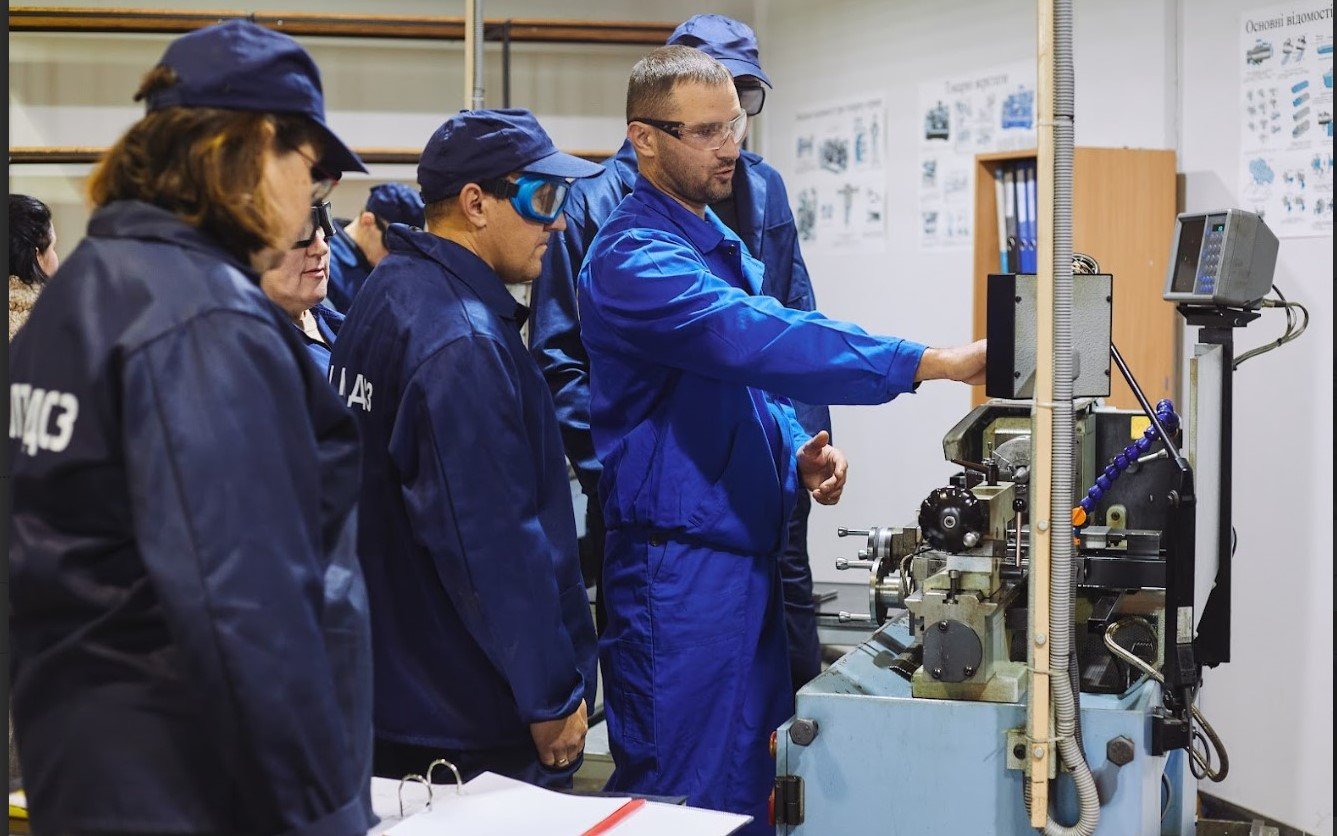
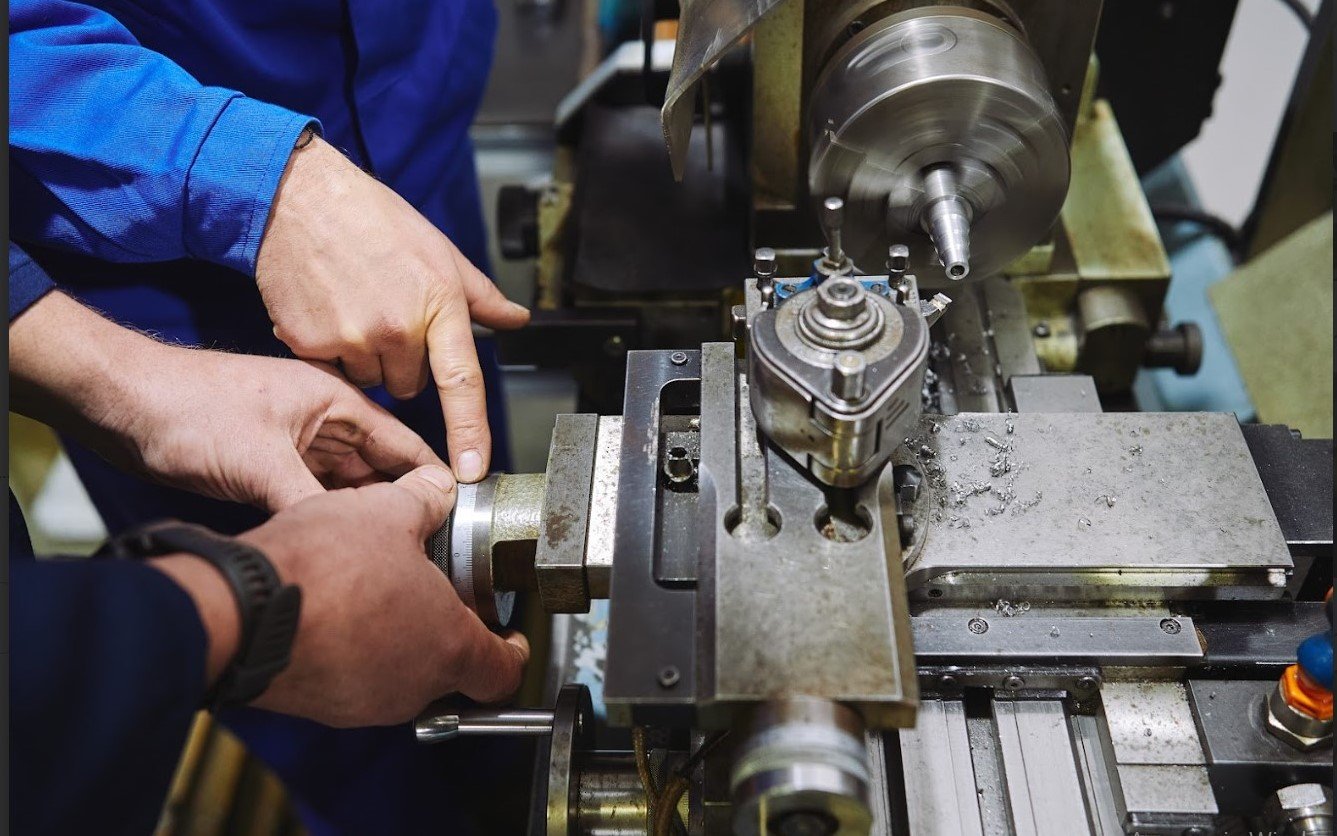
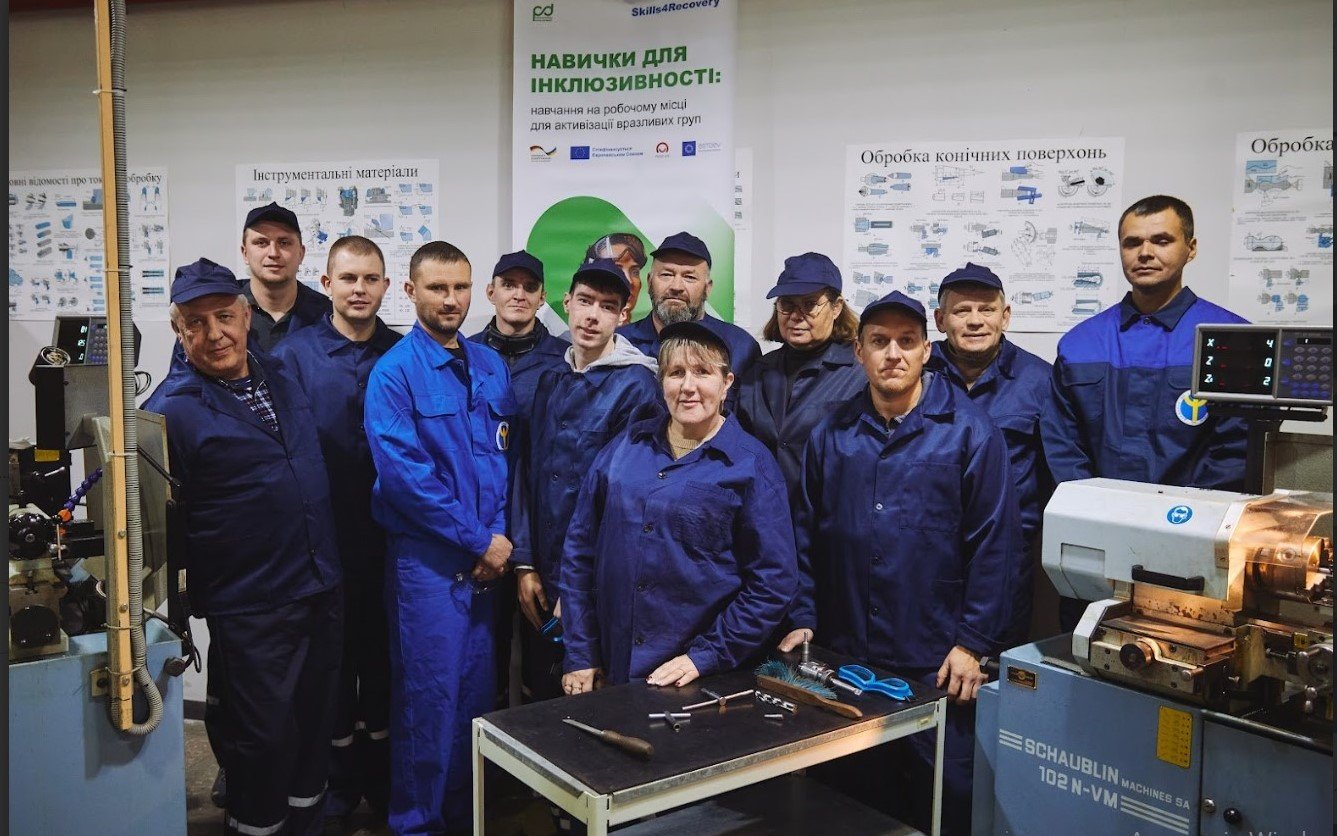
In 2025, a group of eight learners studied under the “Turner, Grade 3” programme at the Kharkiv Vocational Education and Training Centre of the State Employment Service. It was an entire group consisting of veterans and persons with disabilities with different types of impairments, including visual, hearing, and musculoskeletal disorders. An important detail is that, in a profession that is often perceived as “traditionally male,” three of the learners were women.
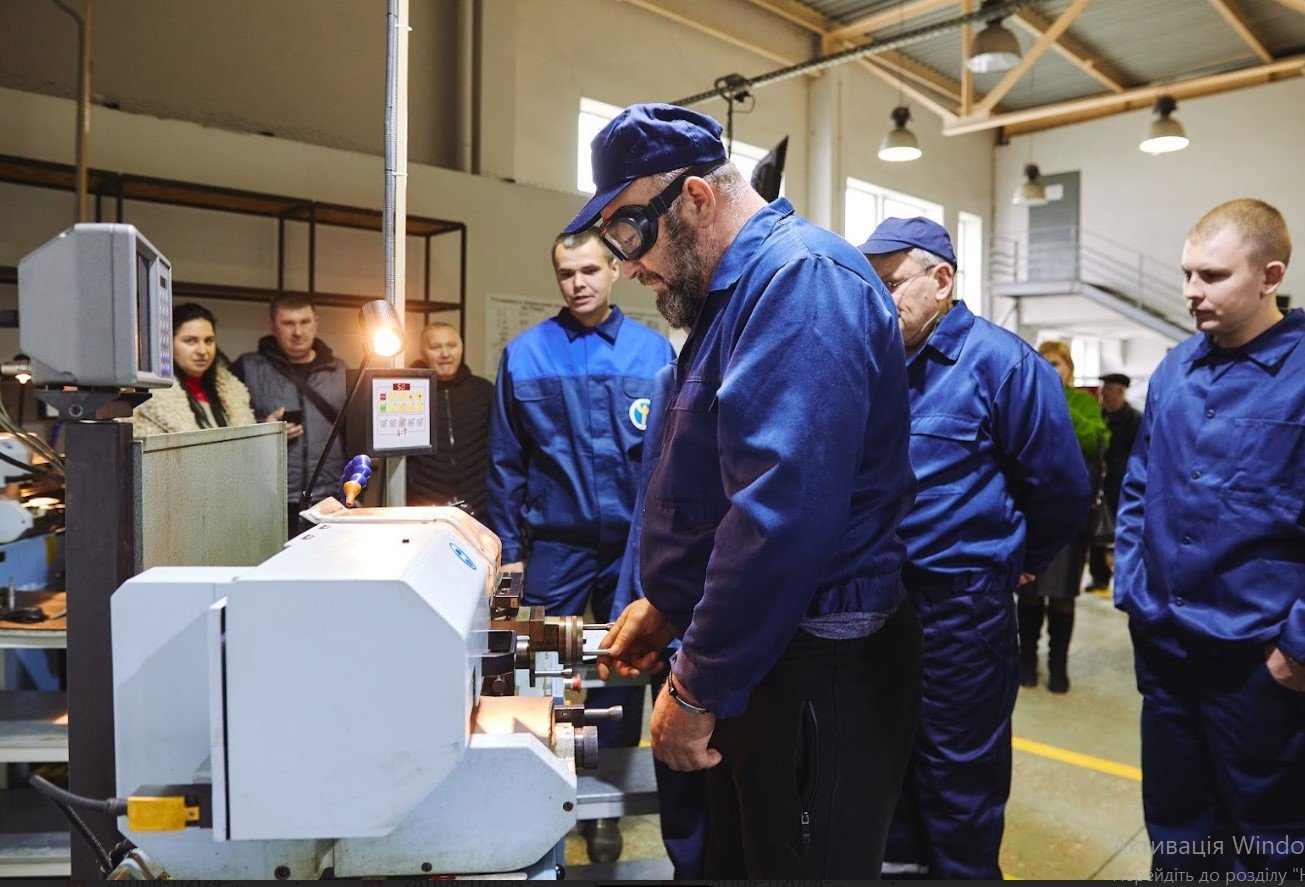
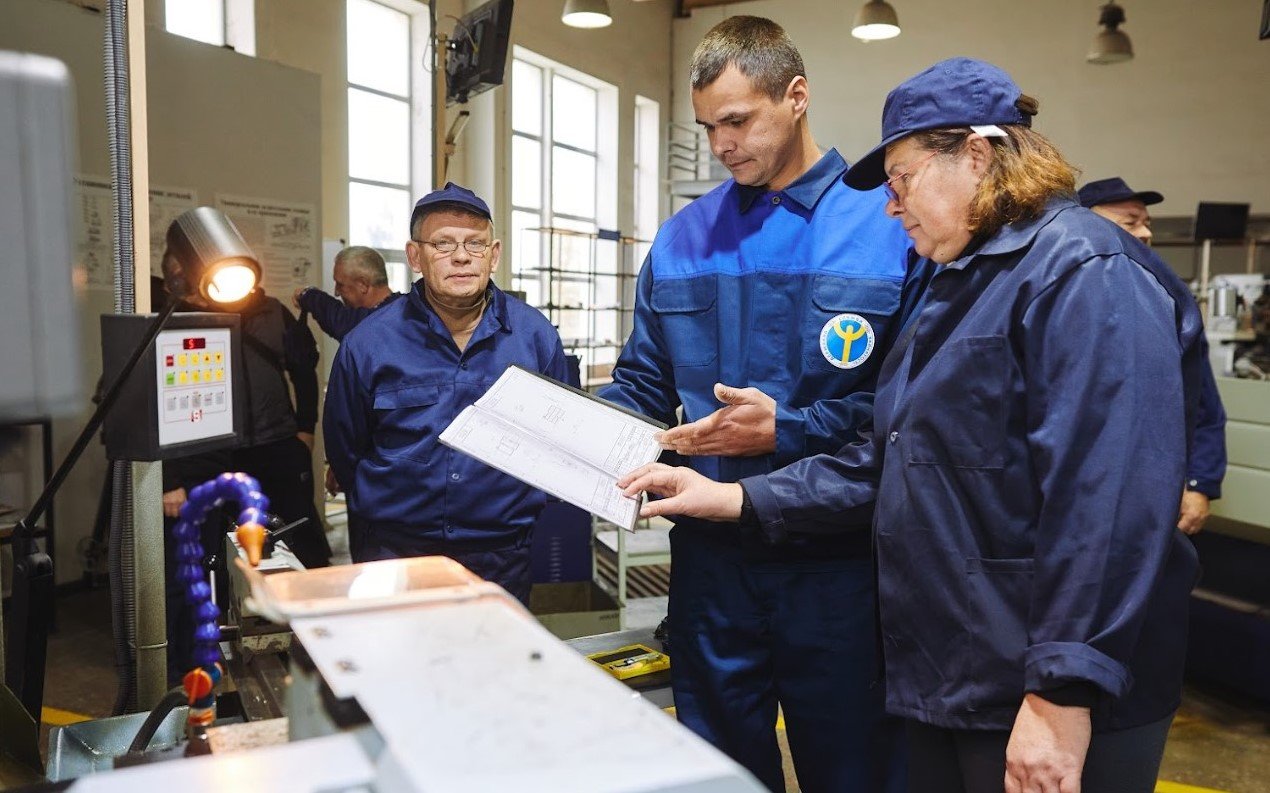
The Centre’s team designed the programme taking into account the level of preparation and individual needs of each student and strengthened the workstations with practical accommodations, including:
• additional lighting;
• a screen/television for displaying details in an enlarged format;
• additional shelves and handrails for persons with musculoskeletal impairments.
A separate focus was placed on the transition to employment: psychological support, assistance with CV preparation, interview coaching, and employment support.
“For us, the key priority is that training leads to a practical result — that a person completes the programme and clearly understands their next step towards employment,” representatives of the VET provider’s administration emphasise.
Oleksandr’s Story: Motivation Means Stable Employment
Oleksandr is a veteran and a combatant. While defending Ukraine, he was wounded. He acquired a disability, and underwent surgery to implant an artificial hip joint. Now Oleksandr is preparing for another surgery and, in the meantime, using a cane to move around. Yet none of these challenges prevented him from mastering a new profession.
“Life does not end at 45. And life continues after returning from the war,” says Oleksandr. “My main motivation is to find stable employment… I am currently through interviews about a job with the Kharkiv Metro system,” he adds.
What Exactly Made This Case Work
Personalized training programme: The training was tailored to the level and needs of the group.
Accommodations “in practice”: More lighting, enlarged details, supportive fixtures — measures that genuinely help remove barriers.
Employment support: CV preparation, interview guidance, and ongoing support to ensure that training leads to employment.
This case has been prepared as an evidence-based example of effective solutions by the team of the project “Inclusive Vocational Education and Training: Improving Training for Veterans and People with Disabilities,” implemented by the National Assembly of People with Disabilities of Ukraine (NAPD) in cooperation with Christoffel-Blindenmission Christian Blind Mission e.V. (CBM), with financial support from the European Union, Germany, Poland, Estonia, and Denmark, as part of the Skills4Recovery Multi-Donor Initiative, implemented by the Deutsche Gesellschaft für Internationale Zusammenarbeit (GIZ) GmbH and the Solidarity Fund PL (SFPL).
З 21 до 23 липня у Києві проходив тренінг «Інклюзивне гуманітарне реагування та міжсекторальна координація», організований у межах проєкту, що реалізується за фінансової підтримки Європейського Союзу та співфінансується Christian Blind Mission e.V. / CBM. Тренінг об’єднав представників восьми громад Сумської, Чернігівської, Харківської та Полтавської областей. До навчання долучилися представники органів місцевого самоврядування, закладів охорони здоров’я, […]
30 липня НАІУ провела вебінар «Соціальне підприємництво для громадських організацій: з чого почати?». До навчання долучилися представники організацій — членів НАІУ, які прагнуть розвивати власні послуги, шукати додаткові джерела фінансування та посилювати суспільний вплив. Тренеркою вебінару стала Ксенія Печерська — юристка, тренерка та менторка з розвитку спроможності організацій громадянського суспільства, консультантка національного проєкту «Дія.Бізнес» із […]
У Судововишнянській громаді Львівської області триває адвокаційна робота на підтримку людей з інвалідністю та інших маломобільних груп населення, яку Національна Асамблея людей з інвалідністю України (НАІУ) реалізує в межах проєкту «Реабілітація в Україні» (Rehab4U). Зусилля вже дає відчутні результати: від внесення змін до проєкту капітального ремонту дороги до залучення представника громадської організації до складу конкурсної […]
Пропонуємо переглянути відеозапис вебінару «Індивідуальна програма реабілітації: можливості та виклики». Захід організував Ресурсний центр Національної Асамблеї людей з інвалідністю України в межах проєкту «Реабілітація в Україні» (Rehab4U). До вашої уваги — роз’яснення щодо роботи оновленої системи оцінювання повсякденного функціонування людини і формування індивідуальної програми реабілітації (ІПР): від алгоритму проходження оцінювання до роз’яснення прав людини та […]
Ірина – молода мама з Полтавщини, яка виховує двох дітей: старшій дитині два з половиною роки, молодшій нещодавно виповнилося три місяці. Зараз жінка перебуває у відпустці по догляду за дитиною, відновлюється після пологів і водночас відвідує реабілітаційний центр. Ірина та її чоловік – військові. Обоє розпочали службу у 2017 році, а після початку повномасштабного вторгнення […]
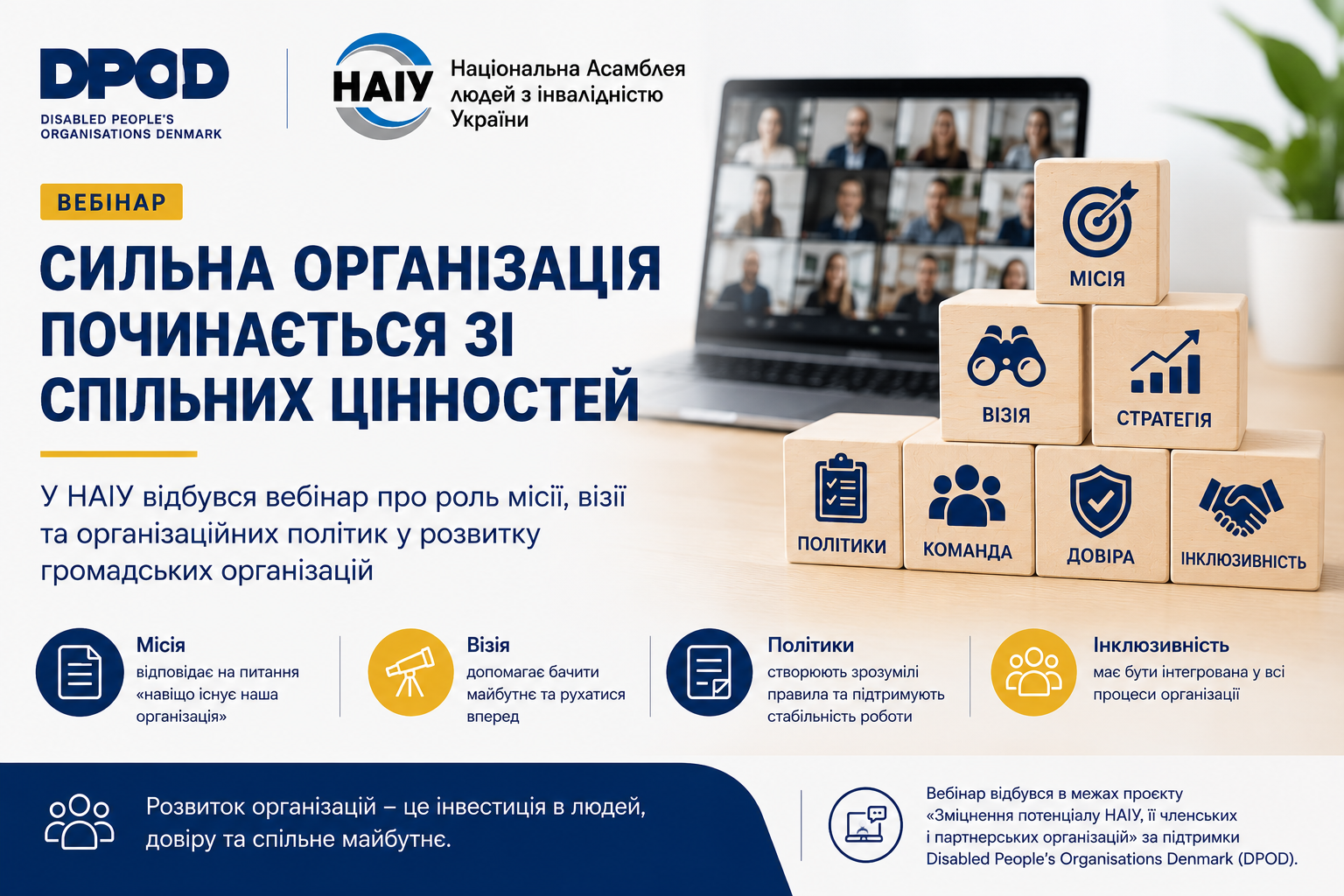
Що робить громадську організацію стійкою? Нові проєкти, сильна команда чи достатнє фінансування? Насправді все починається значно раніше — з розуміння власної місії, спільних цінностей і правил, за якими працює організація. Саме про це йшлося під час вебінару «Розбудова ефективної організації: роль місії, візії та організаційних політик», який Національна Асамблея людей з інвалідністю України провела для […]