Accessibility of shelters for people with disabilities: the situation in Odesa
March 2, 2026
Share:
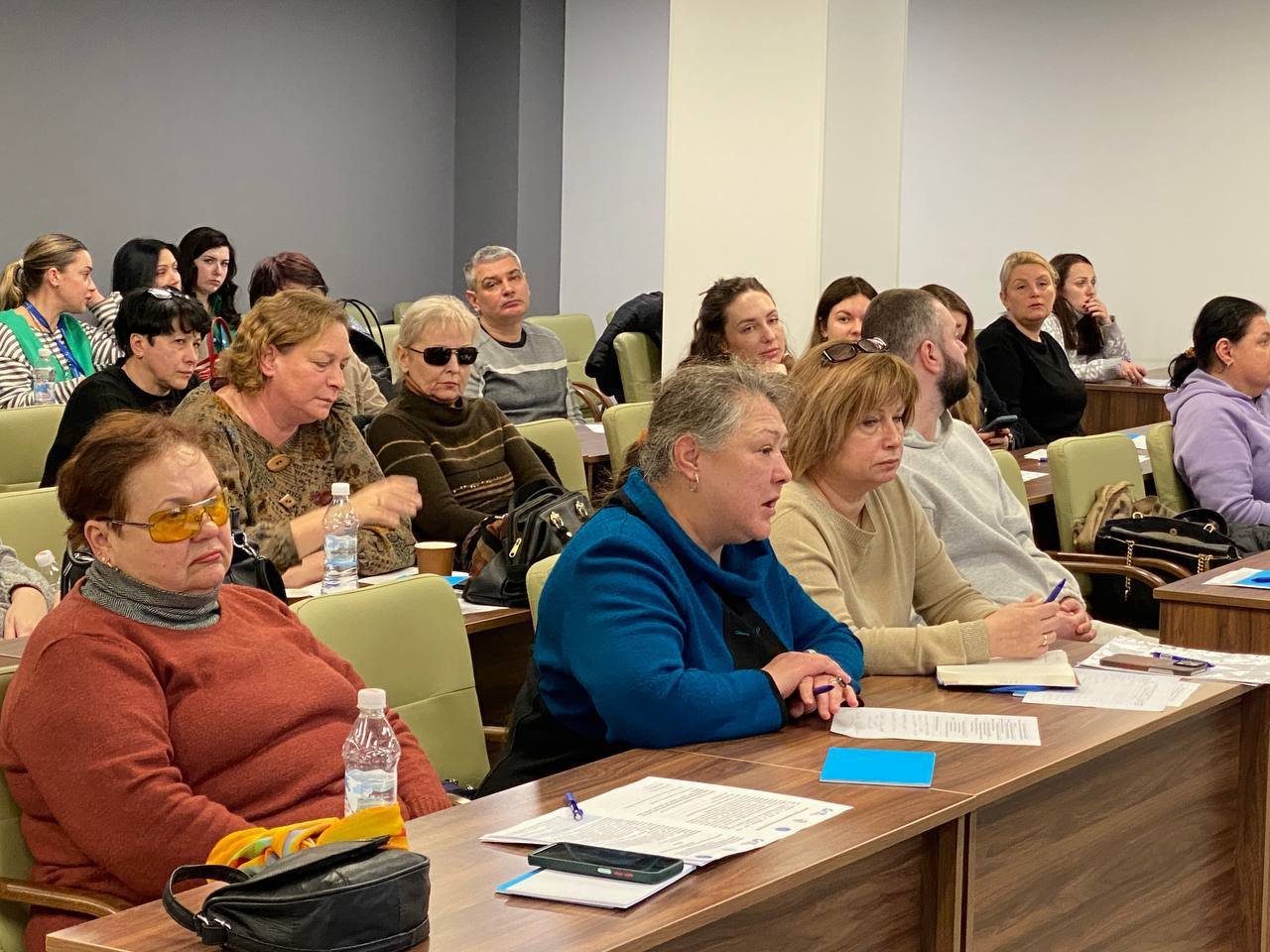
A round table was recently held in Odesa as part of the advocacy campaign “Humanitarian response: everyone has the right to protection,” which is being implemented as part of the project “Strengthening the protection of the rights of persons with disabilities during humanitarian response and recovery in accordance with the UN Convention on the Rights of Persons with Disabilities.”
This was reported on Facebook page Facebook by Oleg Sokolov, Commissioner for the Rights of Persons with Disabilities at the Odesa Regional State Administration.
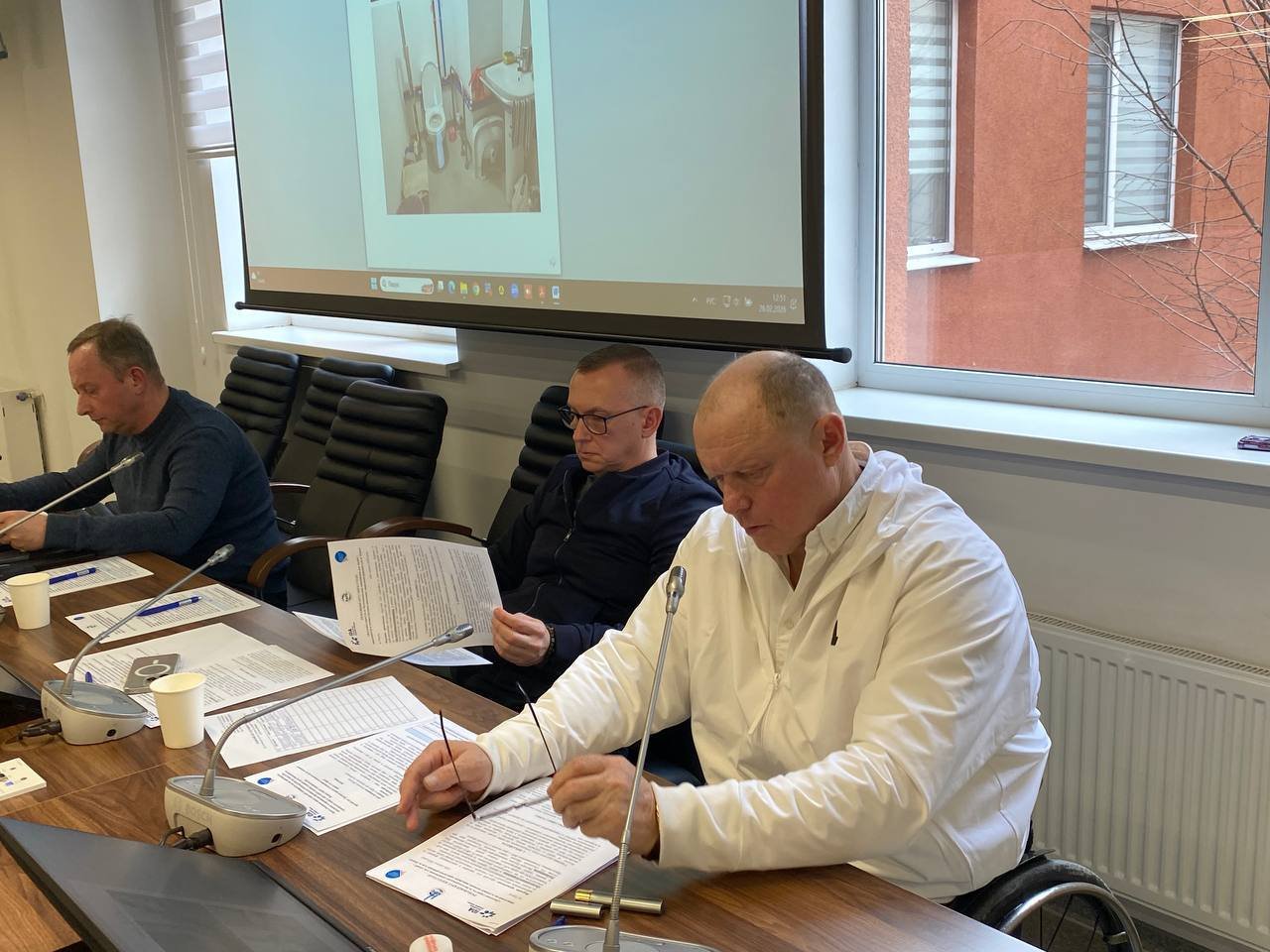
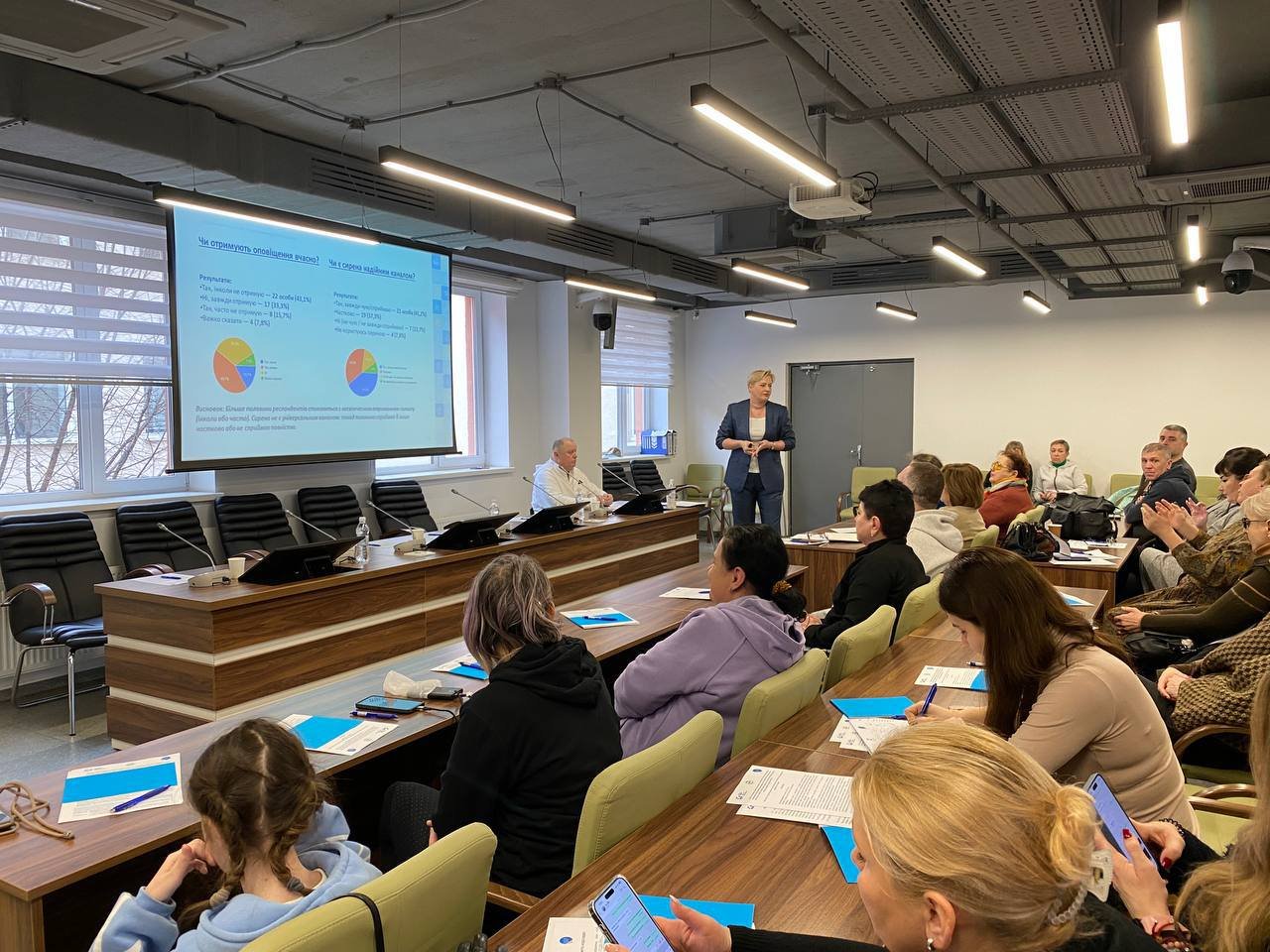
The event presented the results of a survey on the accessibility of shelters for people with disabilities and other low-mobility groups, as well as the results of an on-site inspection of the accessibility of individual shelters.
According to the Commissioner for the Rights of Persons with Disabilities, an open and substantive dialogue was held on the barriers that actually prevent people from safely reaching shelters during an emergency, as well as on the need for multi-channel warning systems accessible to people with various disabilities (vision, hearing, etc.).
Representatives of local government and responsible structures were involved in the discussion, including the Odesa City Council Department of Labor and Social Policy, the Odesa City Council Department of Municipal Security, a deputy of the Odesa City Council, representatives of municipal institutions, public and charitable organizations, as well as international organizations.
The joint effort resulted in the following resolution:
“Accessibility of shelters and multi-channel warning systems for people with disabilities in times of war: practical solutions for the city of Odessa.” The participants of the round table supported the resolution, and in the near future it will be sent for consideration to the relevant authorities and agencies responsible for safety, accessibility, and response in the community.
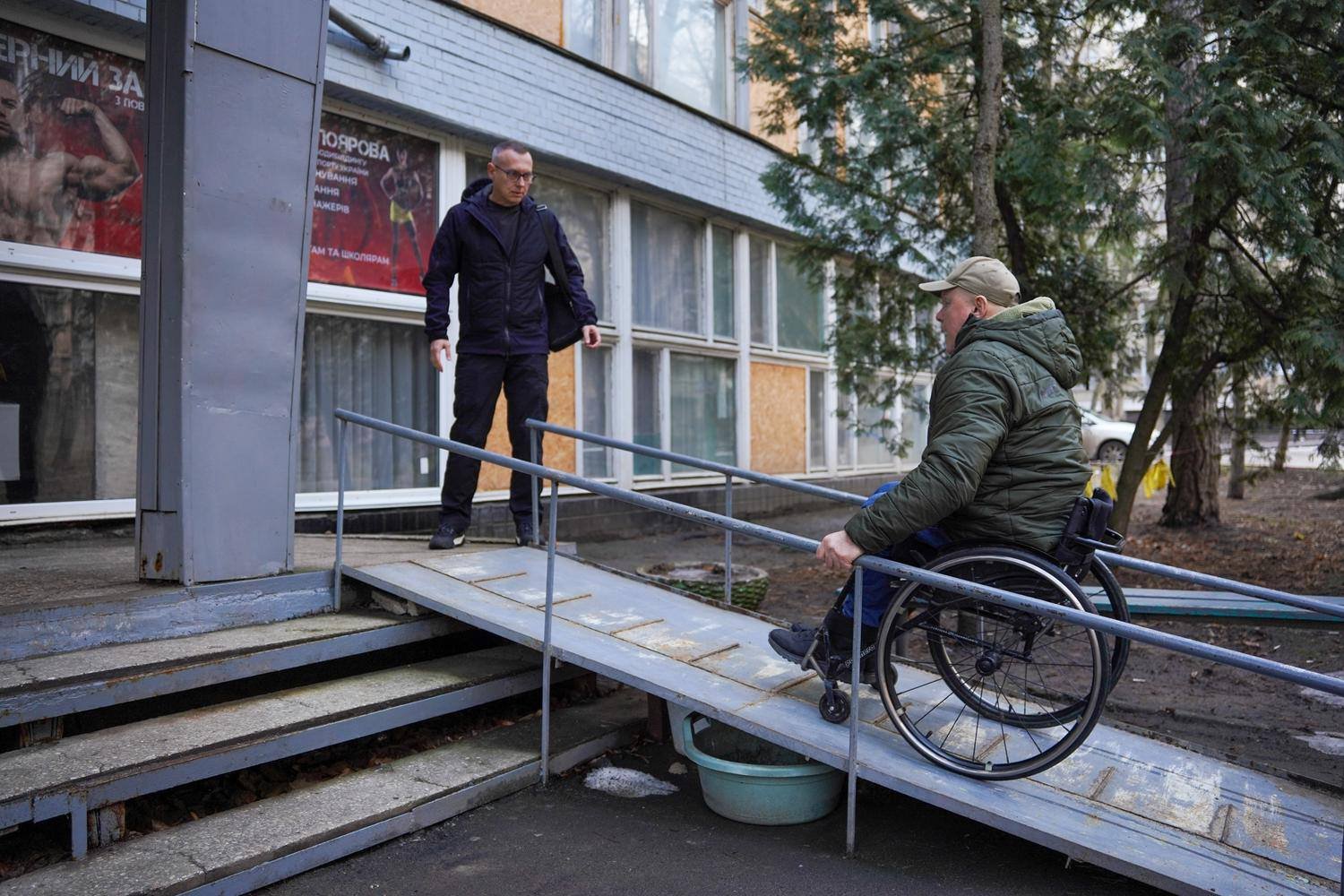
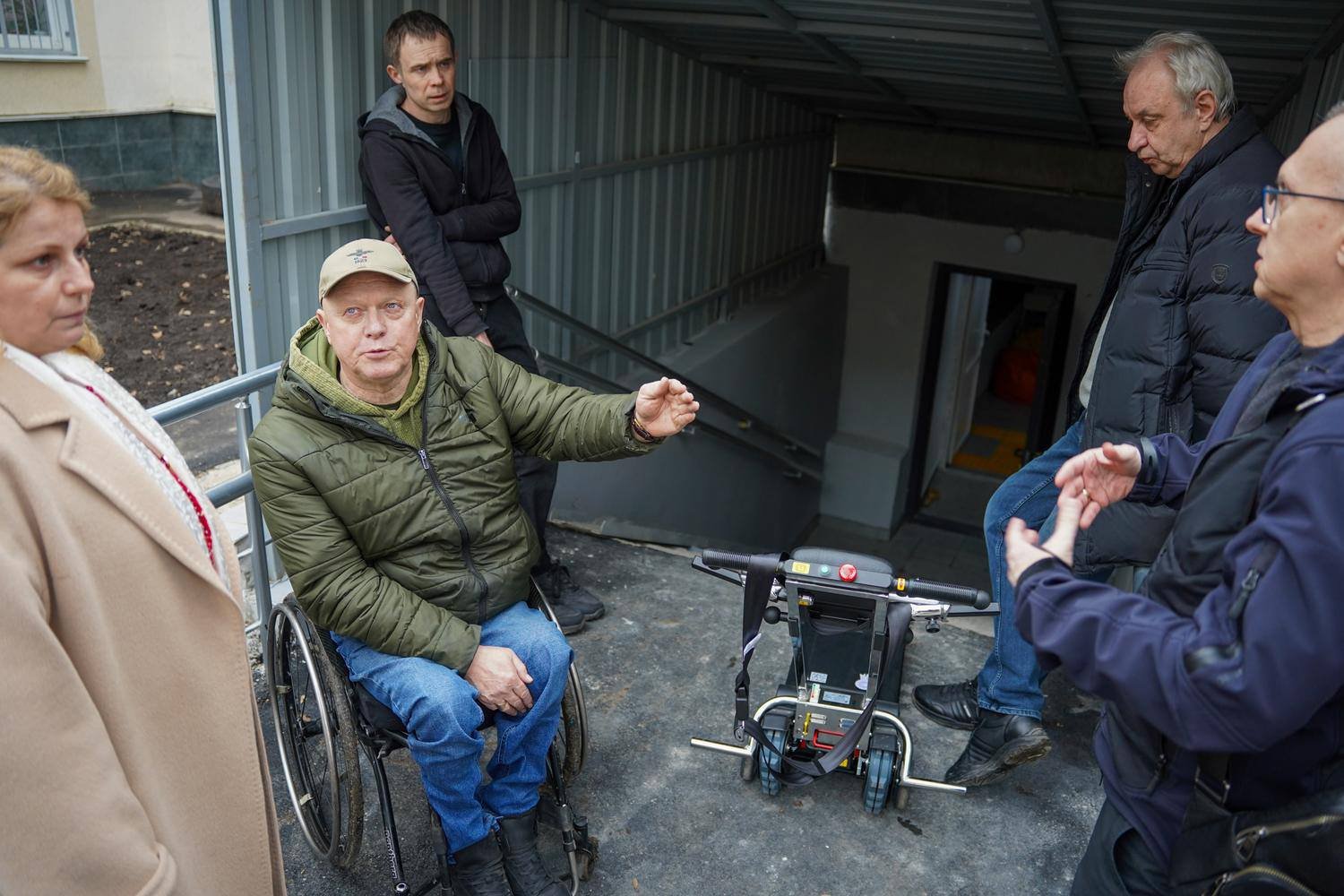
As previously reported by Oleg Sokolov, he and Odessa City Council deputy Oleksiy Asaulenko conducted a visual inspection of several shelters that were identified by respondents during our survey. Among them is a communal shelter (Odessa Lyceum “Leader”) at 29a Oleksiy Vadatursky Street (Marshal Malynovsky Street) in Odessa.
«Unfortunately, during the inspection, we did not find a single person who could use a device for lifting and lowering a person in a wheelchair up and down the stairs, so the question arises of the feasibility of purchasing such a device,» the Commissioner said.
“Unfortunately, during the inspection, we did not find a single person who knew how to use the device for lifting and lowering a person in a wheelchair down the stairs, so the question arises as to the advisability of purchasing such a device,” the Commissioner notes.
According to him, the inspection confirmed that the issue of barrier-free access to shelters in the Odesa community remains relevant. Some facilities have restrictions that make it difficult or impossible for people in wheelchairs and other low-mobility groups to access shelters independently. It is also important that information and communication on the ground are as accurate and humane as possible.
The project “Strengthening the protection of the rights of persons with disabilities during humanitarian response and recovery in accordance with the UN Convention on the Rights of Persons with Disabilities” is being implemented by the NAPD within the framework of a grant from the International Disability Alliance (IDA). International Disability Alliance (IDA)
Гуманітарна допомога може бути передбачена програмою, профінансована і навіть доступна у громаді. Але головне питання інше: чи може людина, яка її потребує, реально нею скористатися? Саме про це говорили учасники дворівневого навчання «Гуманітарна діяльність: врахування потреб осіб з інвалідністю», яке у жовтні провела Національна Асамблея людей з інвалідністю України. До навчання долучилися представники гуманітарних і […]
Шукаємо координатора(-ку) з комунікацій у команду НАІУ (на проєкт) Національна Асамблея людей з інвалідністю України (НАІУ) реалізує проєкт «Інклюзія передусім — захист і підтримка дітей з аутизмом та іншими видами інвалідності, ветеранів і ветеранок в Україні», спільно з СВМ та СВМ Італія, спрямований на підтримку ветеранів та ветеранок, розвиток доступних можливостей для їхньої реабілітації, протезування, […]
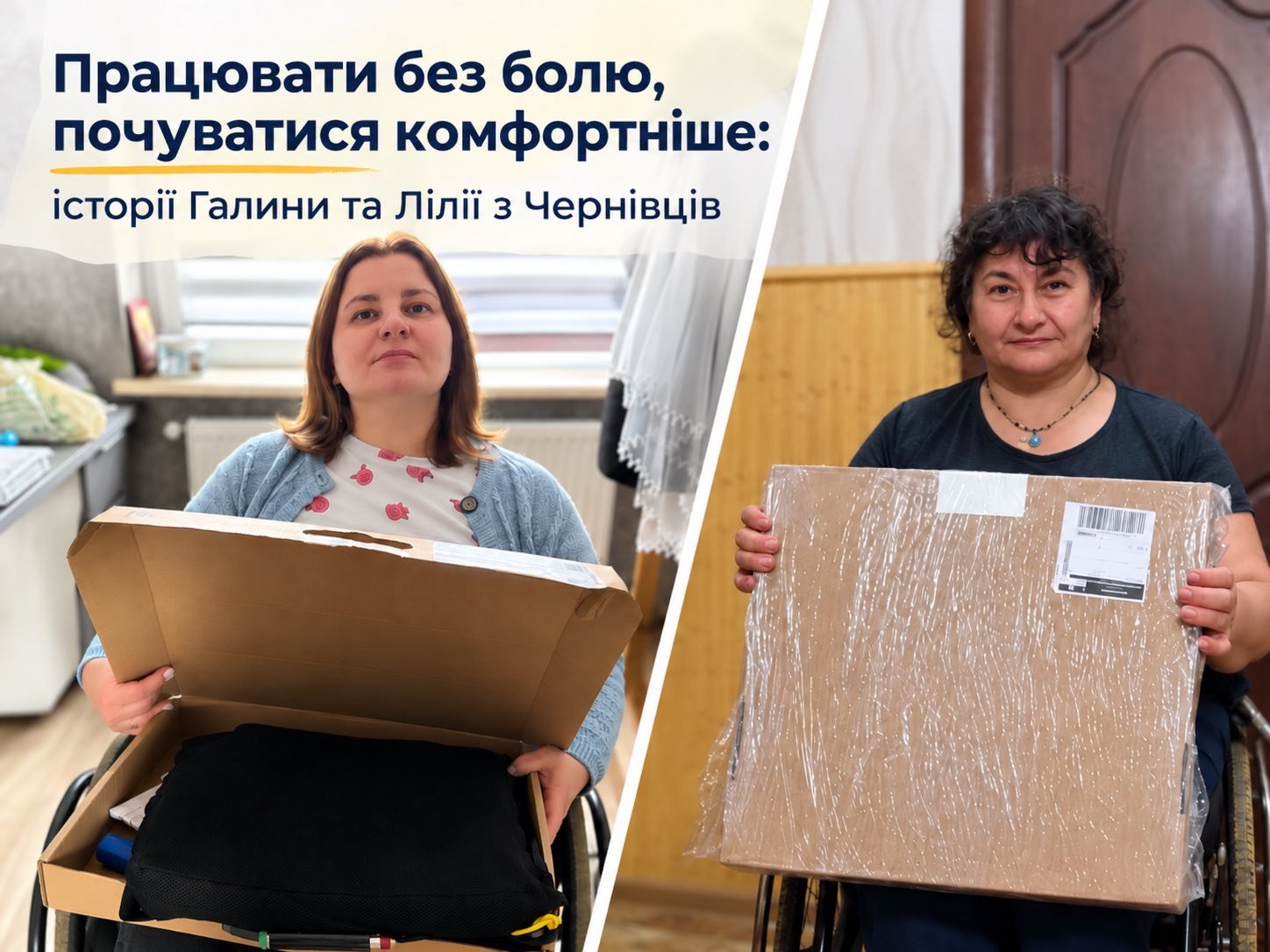
Галина з Чернівців створює весільні аксесуари для наречених. Її робота потребує творчості, терпіння та уваги до найменших деталей. За виготовленням прикрас жінка проводить багато годин, адже кожен виріб вимагає кропіткої ручної праці. Для Галини важливо мати можливість займатися улюбленою справою, однак тривала робота нерідко супроводжується фізичним дискомфортом. Жінка користується кріслом колісним, і через велике навантаження […]
Повернення з військової служби до цивільного життя — це новий етап, який нерідко супроводжується непростими викликами. Особливо для ветеранів і ветеранок, які зазнали поранень або набули інвалідності. Реабілітація, пошук роботи, доступ до послуг, відновлення соціальних зв’язків — усе це потребує не лише особистих зусиль, а й підтримки суспільства. Національна Асамблея людей з інвалідністю України (НАІУ) […]
Упродовж програмного року — з 1 жовтня 2025-го до 30 вересня 2026-го — на гарячій лінії Національної Асамблеї людей з інвалідністю України (НАІУ) було надано 821 консультацію для 680 осіб. Найчастіше люди зверталися за роз’ясненням щодо своїх прав і пільг, зокрема отримання та поновлення виплат, оформлення догляду, встановлення й переоформлення інвалідності. Близько 70% звернень стосувалися […]
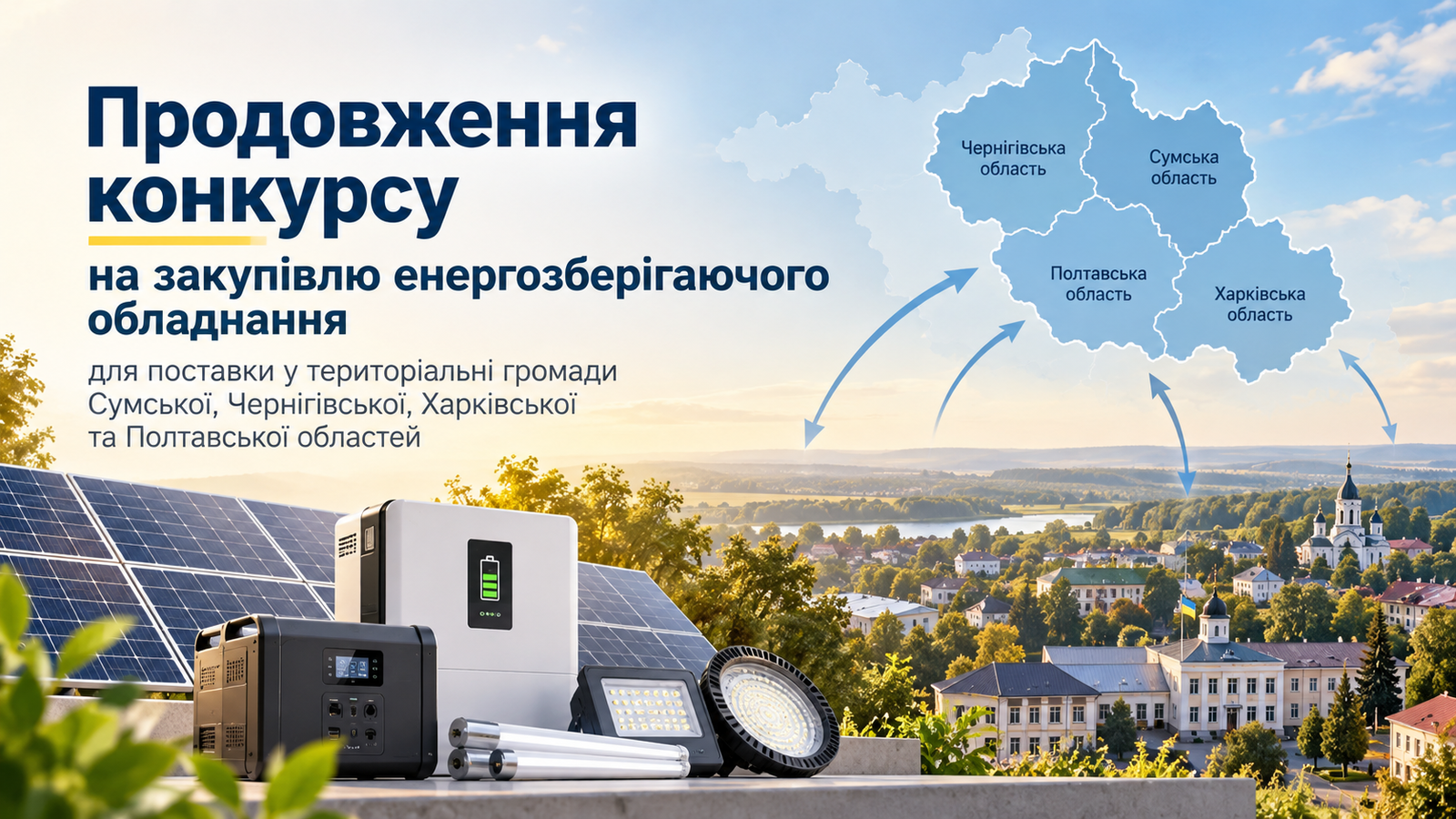
Громадська спілка “Всеукраїнське громадське об’єднання “Національна Асамблея людей з інвалідністю України” (далі – «Організатор») оголошує продовження конкурсу на закупівлю енергозберігаючого обладнання для поставки у територіальні громади Сумської, Чернігівської, Харківської та Полтавської областей. Джерело фінансування закупівлі: Дана закупівля здійснюється в рамках проєкту «Зміцнення інклюзивних послуг з охорони здоров’я, реабілітації та захисту населення, постраждалого від повномасштабного вторгнення в […]