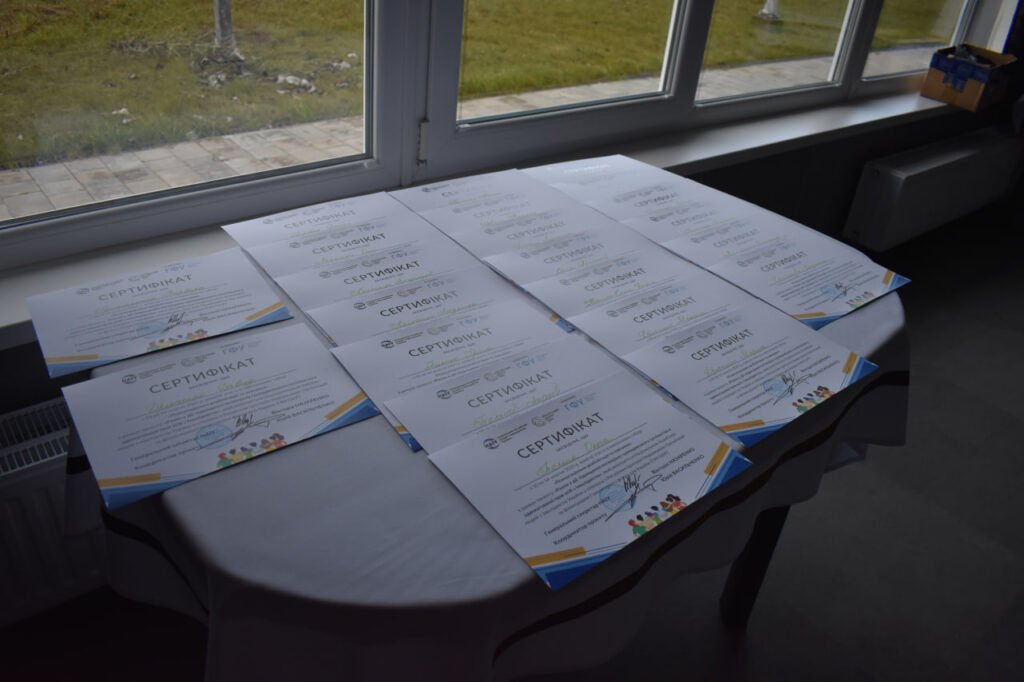
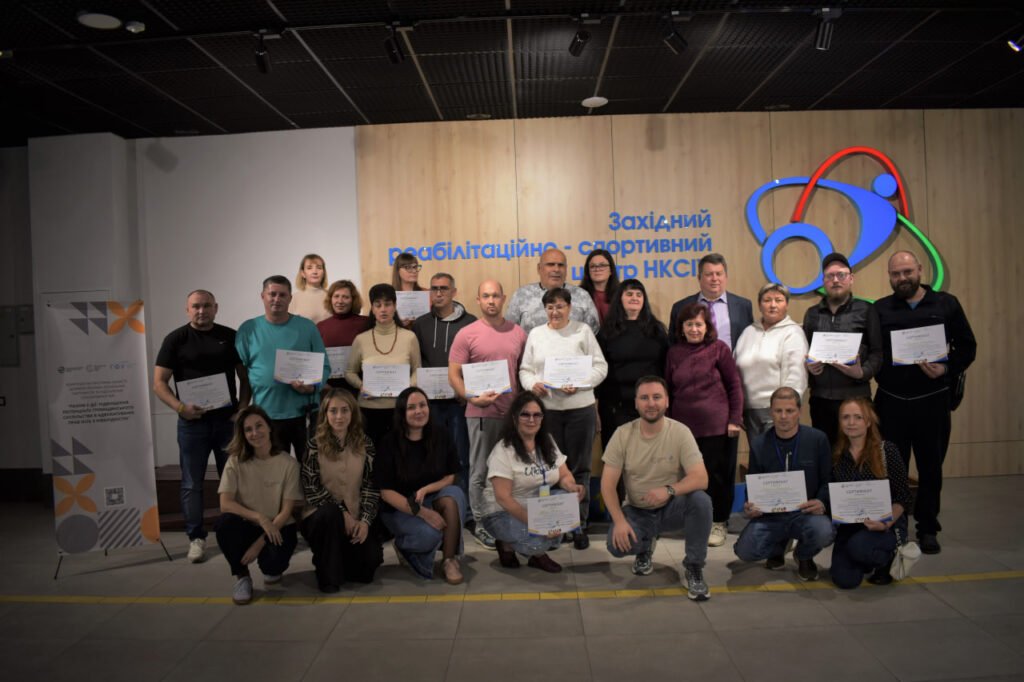
A five-day training camp for people with disabilities, entitled "Psychosocial Rehabilitation and Training," has come to an end in Lviv Oblast. The event was organised by the National Assembly of People with Disabilities of Ukraine as part of the project "Together in Action: Enhancing the Capacity of Civil Society in Advocating for the Rights of Persons with Disabilities" in cooperation with the Resource Centre for Non-Governmental Organisations and funded by the Humanitarian Fund for Ukraine (HFU/UHF).
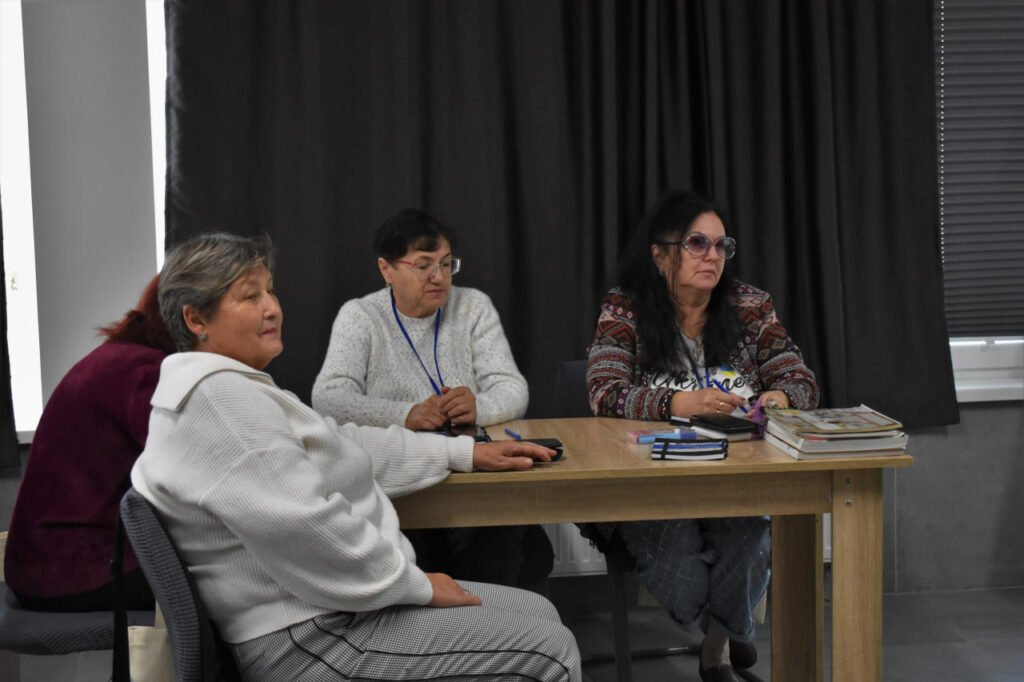
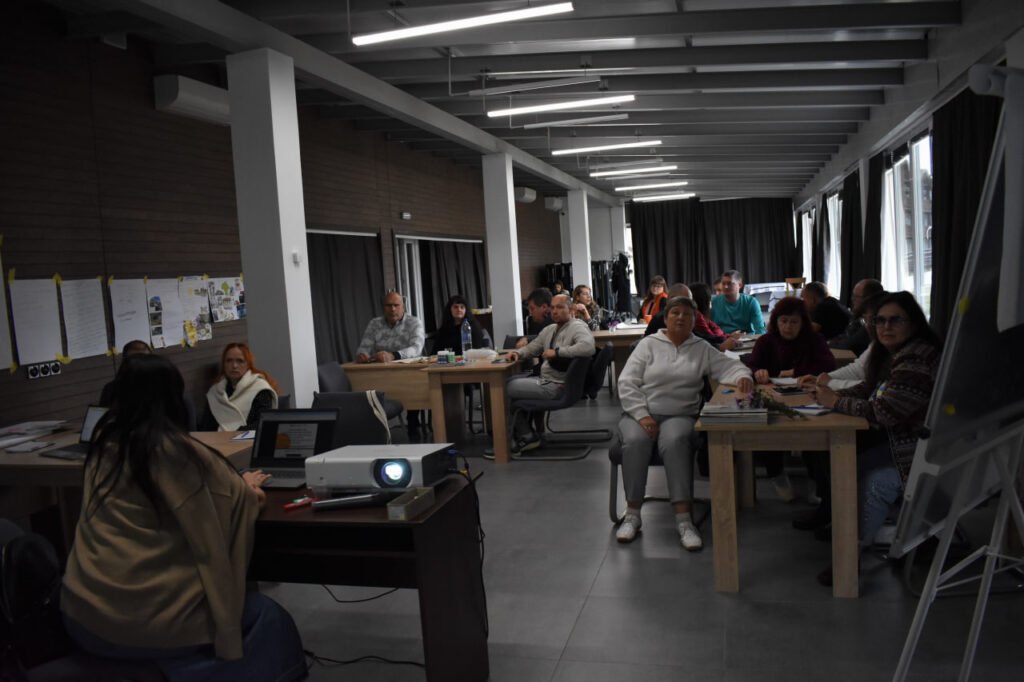
Leaders and activists of civil society organisations for people with disabilities, representatives of partner organisations from eastern and southern regions of Ukraine participating in the project, came here to relatively safe western Ukraine. This time, participants from the Dnipropetrovsk, Zaporizhzhia, Mykolaiv, Sumy and Kharkiv regions gathered at the Western Rehabilitation and Sports Centre of the NCSI. People of different ages, each with their own problems and life experiences, gathered to learn how to coordinate their actions, increasing the effectiveness of their organisations and protecting the interests of people with disabilities.
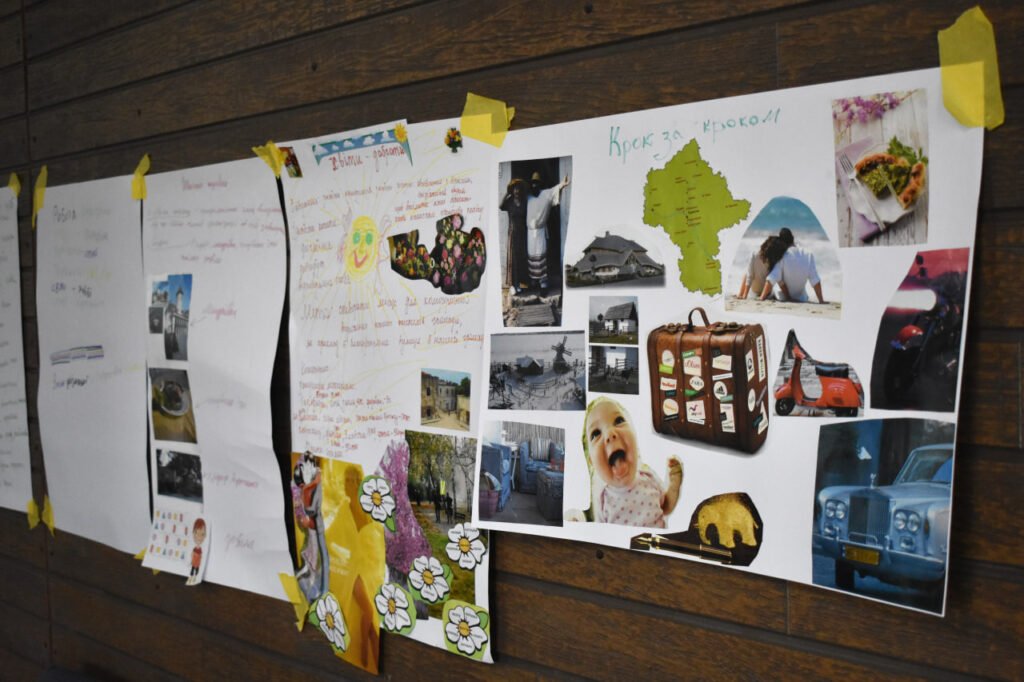
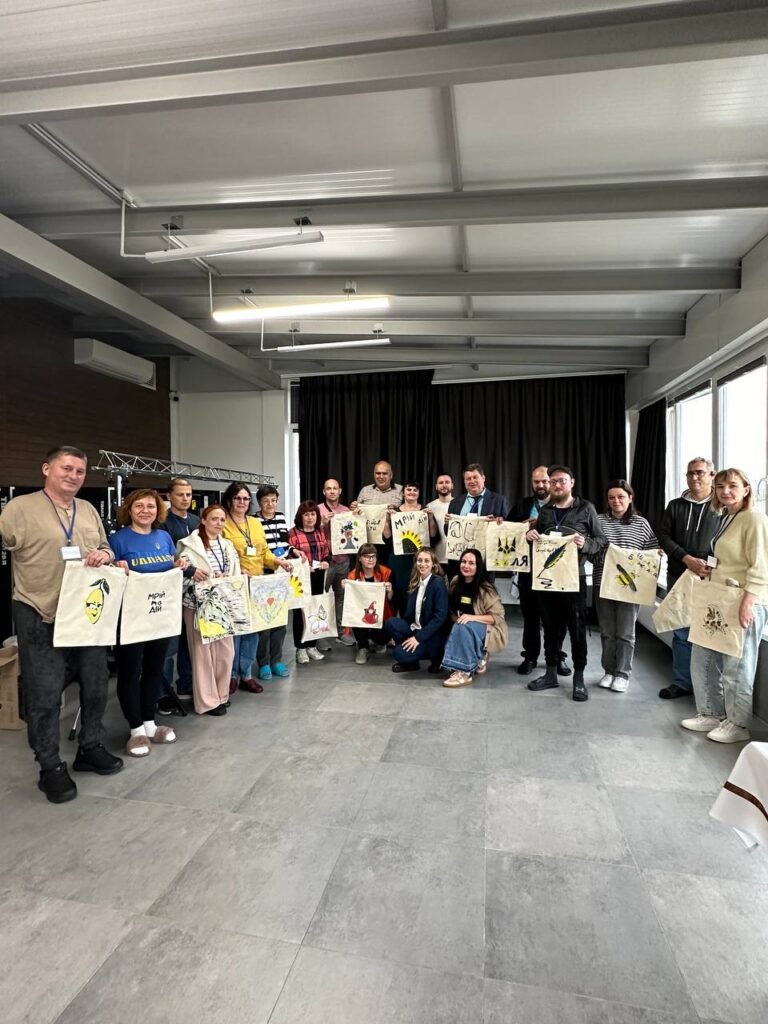
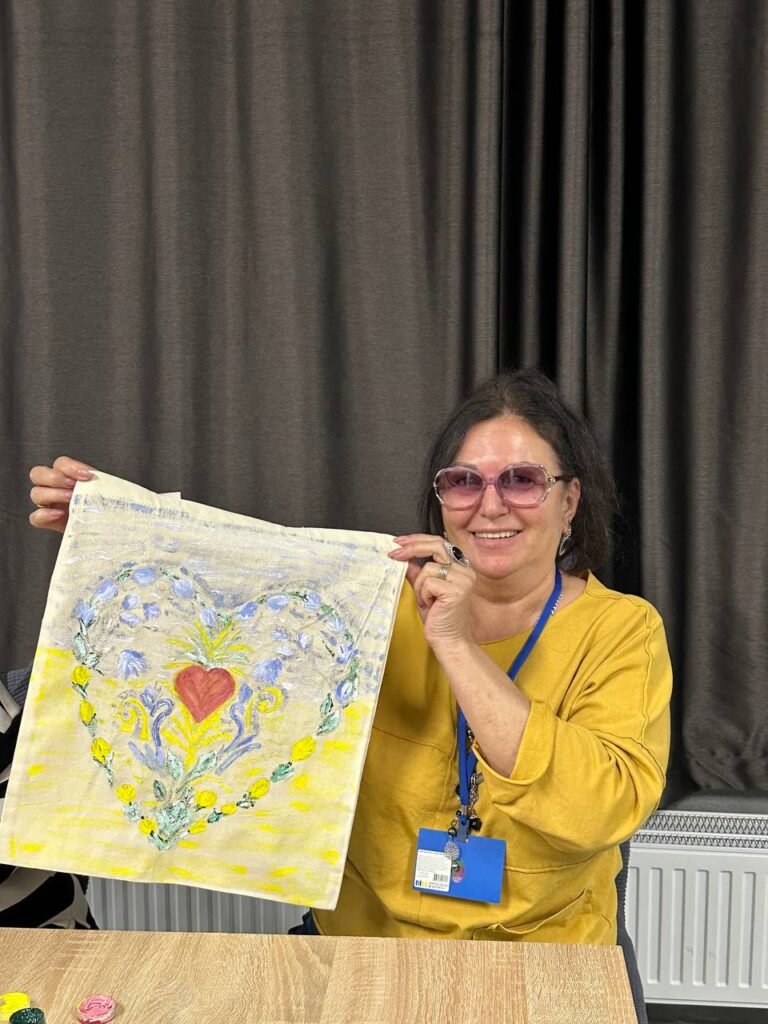
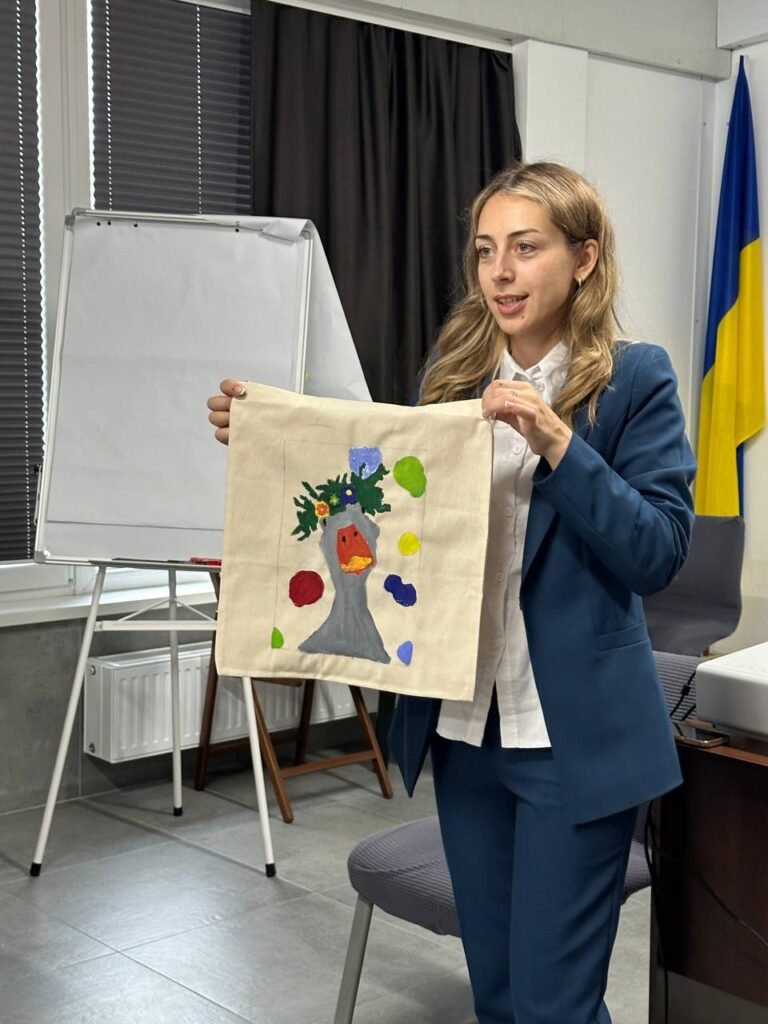
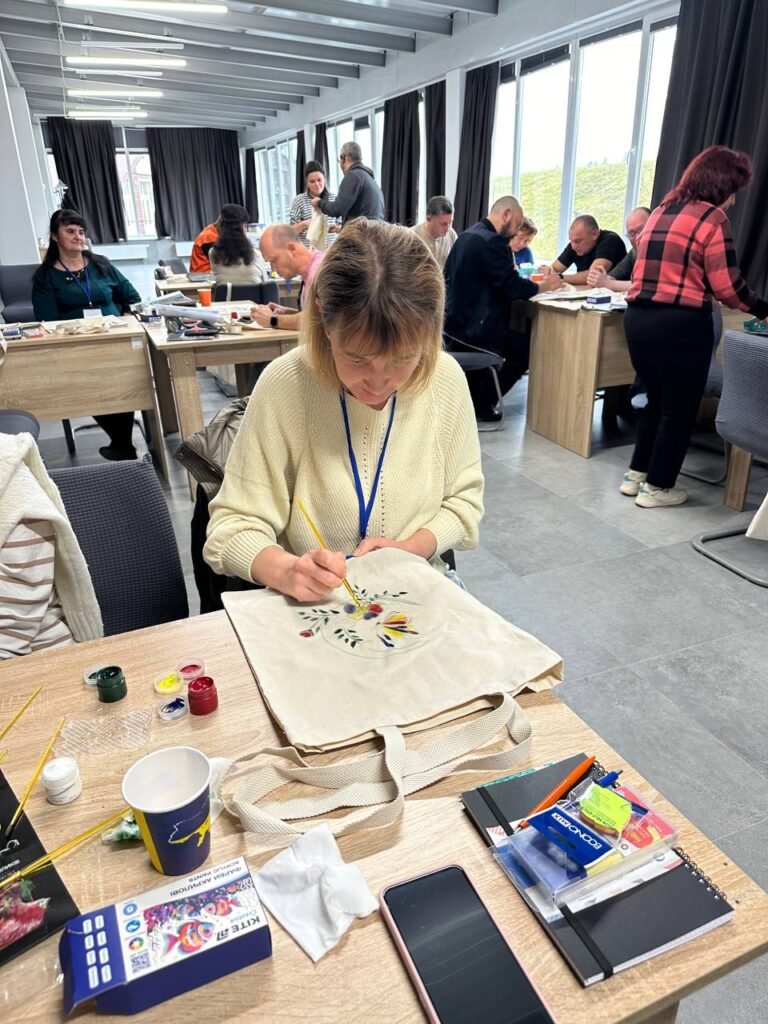
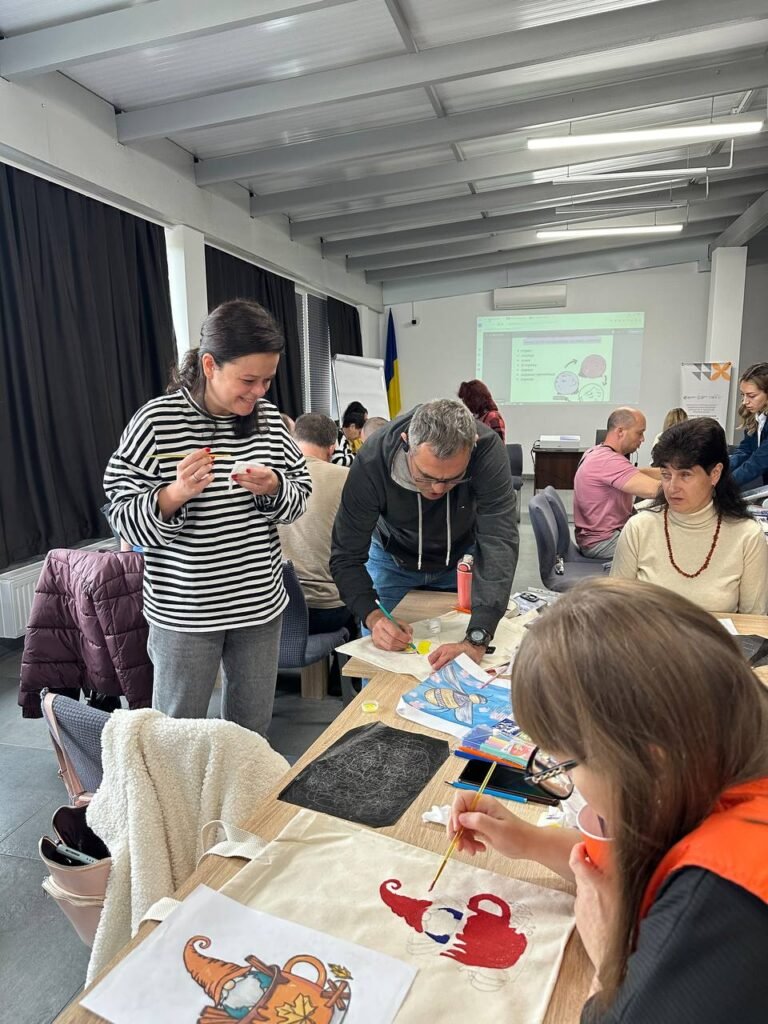
"The main goal of our event was to increase the capacity of civil society organisations for people with disabilities," said project coordinator Yuriy Vasylchenko. "Our trainers focused on the most relevant areas of civil society activity in the field of protecting the rights of people with disabilities, providing professional advice to promote the development of organisations and increase the effectiveness of their work. A special feature of the camp was the combination of a training module with physical education and health activities, art therapy and work with a psychologist."
One of the important topics covered by the camp participants was advocacy for the rights of people with disabilities. The participants were explained why it is extremely important for the public sector, what its main tasks are, and what the difference is between advocacy, information campaigns and lobbying. The trainers also gave examples of successful advocacy campaigns in Ukraine and abroad, showed how to identify a problem, formulate the goal of an advocacy campaign, and achieve the desired result.
An equally important issue for civil society organisations is finding funding. The invited experts explained what fundraising is and why it means more than just "looking for money." The speakers at the event talked about various sources of resources for civil society organisations: grants, donations, sponsorship from businesses or communities, charity events and online fundraising campaigns. They also gave examples of successful fundraising practices.
The theoretical part was supplemented by practical classes — camp participants learned how to present their ideas to donors and partners. Under the guidance of a trainer, representatives of civil society organisations mastered pitching techniques — short and convincing project presentations aimed at gaining support, including financial support. In front of their colleagues from different regions, participants practised the skill of "selling" their ideas under time pressure: conveying the most important points in a few minutes, capturing the audience's interest with the novelty and creativity of their ideas.
The organisers paid considerable attention to psychological support. Participants learned how to cope with stress, familiarised themselves with simple rules of self-defence in difficult life situations, and learned how to avoid burnout while remaining effective. Art therapy and meditation were important elements of this approach.
According to the participants, the camp provided not only new knowledge, but also an opportunity to relax and recharge emotionally.
"When we were travelling to the camp, the train came under attack from 'suicide bombers' — it was scary, loud, terrifying... But here, at the camp, I felt calm for the first time in a long time, and was able not only to learn, but also to relax. I am very grateful to the organisers for this opportunity," says Anatoliy, a member of the Slobozhanshchyna Initiatives, a public organisation for people with disabilities.
"I liked that we didn't just listen to lectures, but also thought about how to apply this knowledge in our community. I realised that advocacy is not about fighting, but about partnership and confidence in your own righteousness," says Marina, a camp participant from the Mykolaiv region.
"For me, this camp became a powerful source of energy. When you live under constant stress, it's hard to find the strength to change anything. But here, I believed again that small actions by everyone can lead to big results," adds Oleksiy, a representative of a non-governmental organisation from the Donetsk region.
“I saw the principles of inclusion in action for the first time: when everyone can express themselves, be heard and understand that their opinion matters. Our camp is not just a place of learning, but an environment where hope and confidence in one’s own abilities emerge,” says Olena, a participant from the Zaporizhzhia region.
“The tremendous value of this camp lies in the people who have come here from different regions of Ukraine. We are all different, but we are united by one thing — the desire to make the lives of people with disabilities dignified. And it is in this circle that you feel that you are not alone,” concludes Iryna, a community activist from Sumy region.
Returning to their communities, camp participants gained an effective tool for solving the problems faced by organisations of persons with disabilities and their members — knowledge that can be applied in their future work, a circle of like-minded people, and a sense of involvement in a common cause.
Гуманітарна допомога може бути передбачена програмою, профінансована і навіть доступна у громаді. Але головне питання інше: чи може людина, яка її потребує, реально нею скористатися? Саме про це говорили учасники дворівневого навчання «Гуманітарна діяльність: врахування потреб осіб з інвалідністю», яке у жовтні провела Національна Асамблея людей з інвалідністю України. До навчання долучилися представники гуманітарних і […]
Шукаємо координатора(-ку) з комунікацій у команду НАІУ (на проєкт) Національна Асамблея людей з інвалідністю України (НАІУ) реалізує проєкт «Інклюзія передусім — захист і підтримка дітей з аутизмом та іншими видами інвалідності, ветеранів і ветеранок в Україні», спільно з СВМ та СВМ Італія, спрямований на підтримку ветеранів та ветеранок, розвиток доступних можливостей для їхньої реабілітації, протезування, […]
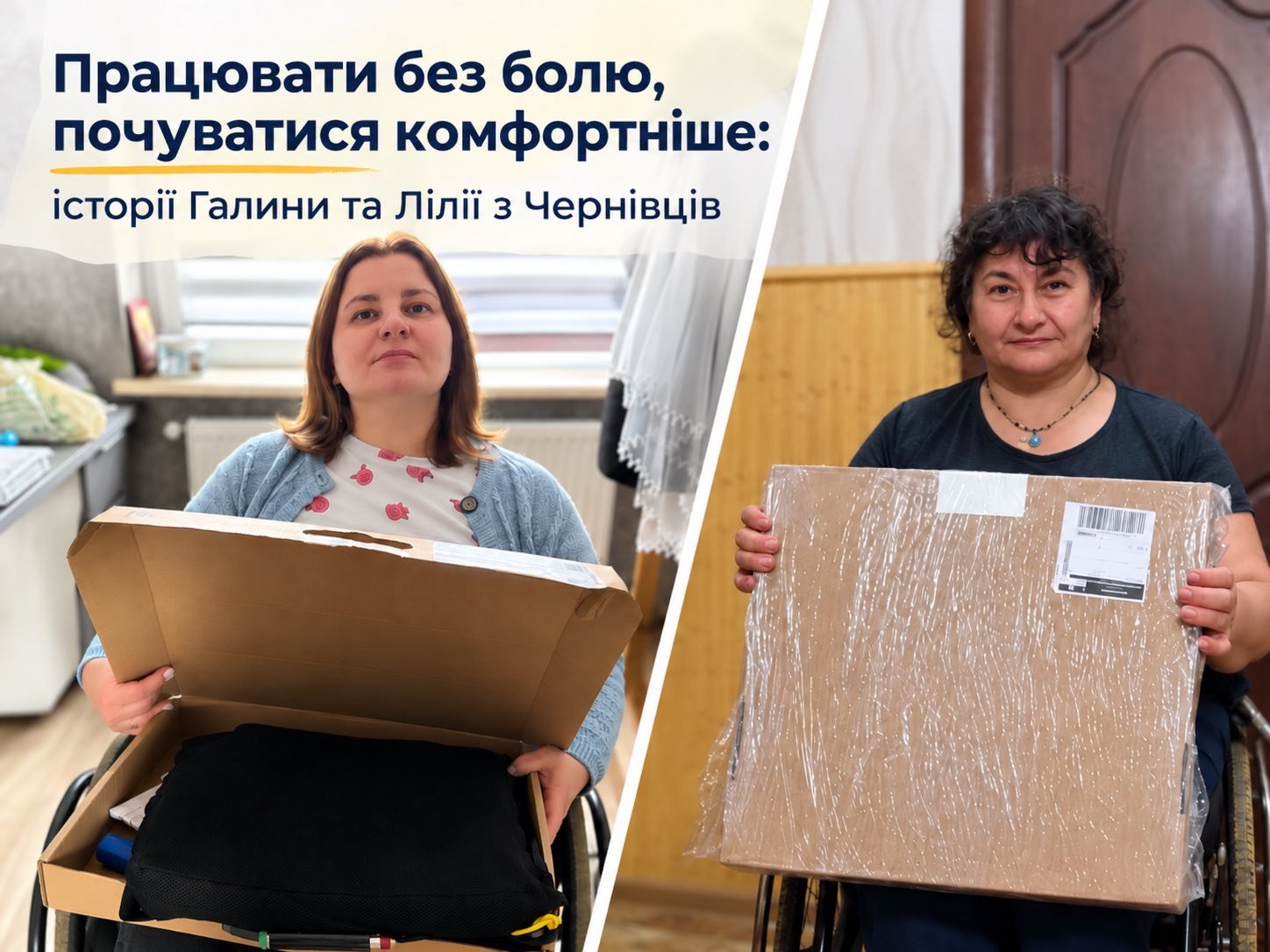
Галина з Чернівців створює весільні аксесуари для наречених. Її робота потребує творчості, терпіння та уваги до найменших деталей. За виготовленням прикрас жінка проводить багато годин, адже кожен виріб вимагає кропіткої ручної праці. Для Галини важливо мати можливість займатися улюбленою справою, однак тривала робота нерідко супроводжується фізичним дискомфортом. Жінка користується кріслом колісним, і через велике навантаження […]
Повернення з військової служби до цивільного життя — це новий етап, який нерідко супроводжується непростими викликами. Особливо для ветеранів і ветеранок, які зазнали поранень або набули інвалідності. Реабілітація, пошук роботи, доступ до послуг, відновлення соціальних зв’язків — усе це потребує не лише особистих зусиль, а й підтримки суспільства. Національна Асамблея людей з інвалідністю України (НАІУ) […]
Упродовж програмного року — з 1 жовтня 2025-го до 30 вересня 2026-го — на гарячій лінії Національної Асамблеї людей з інвалідністю України (НАІУ) було надано 821 консультацію для 680 осіб. Найчастіше люди зверталися за роз’ясненням щодо своїх прав і пільг, зокрема отримання та поновлення виплат, оформлення догляду, встановлення й переоформлення інвалідності. Близько 70% звернень стосувалися […]
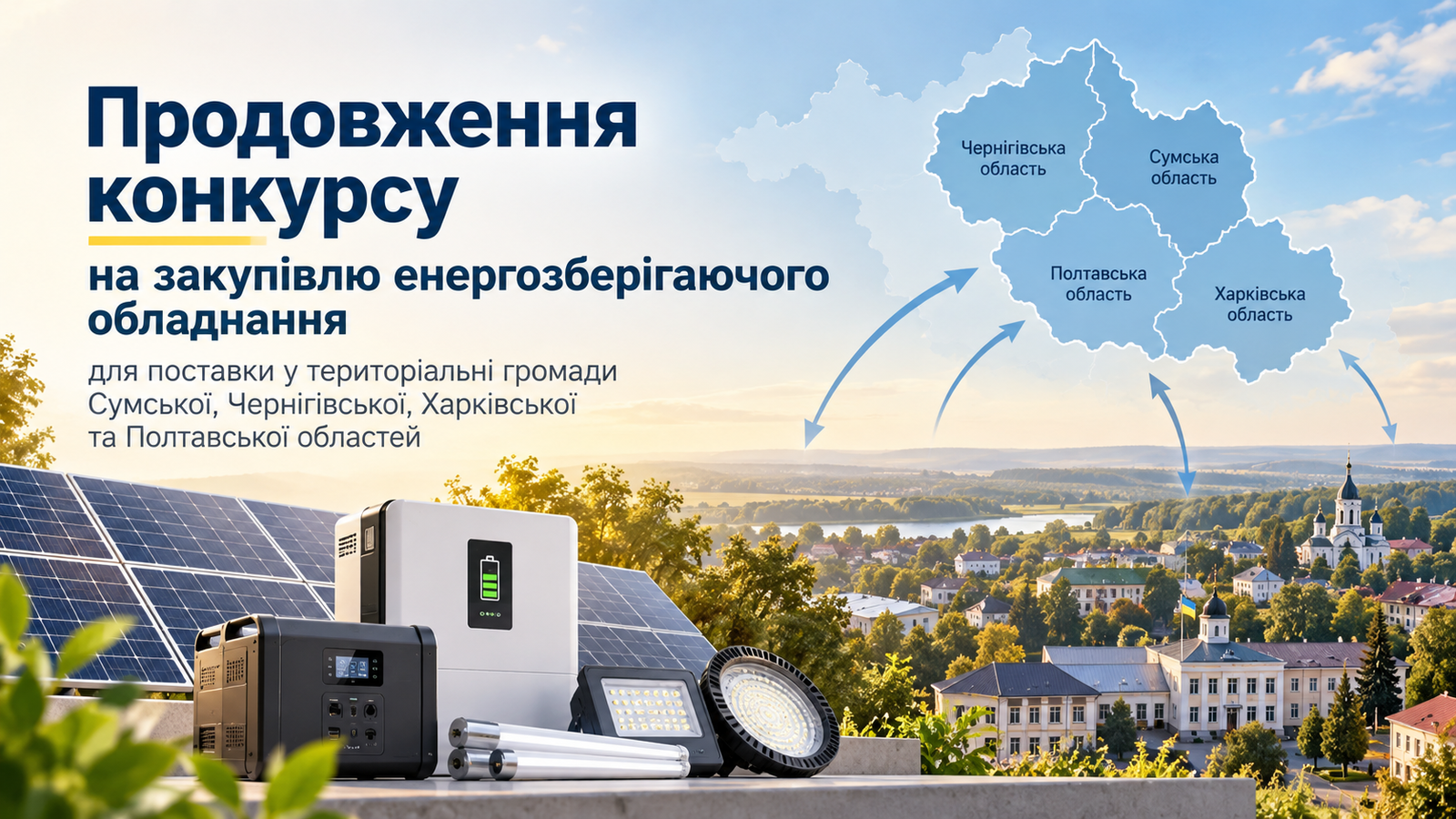
Громадська спілка “Всеукраїнське громадське об’єднання “Національна Асамблея людей з інвалідністю України” (далі – «Організатор») оголошує продовження конкурсу на закупівлю енергозберігаючого обладнання для поставки у територіальні громади Сумської, Чернігівської, Харківської та Полтавської областей. Джерело фінансування закупівлі: Дана закупівля здійснюється в рамках проєкту «Зміцнення інклюзивних послуг з охорони здоров’я, реабілітації та захисту населення, постраждалого від повномасштабного вторгнення в […]