The Day That Changed Everything: We Remember, We Support, We Will Help Rebuild
February 24, 2026
Share:
Exactly four years ago… At four in the morning…
On this day, February 24, 2022, the life of every Ukrainian changed. The deep pain of loss, hardship, and hope gave rise to a phenomenon that was difficult for many to understand — the resilience of the people and the unbreakable spirit of the state of Ukraine.
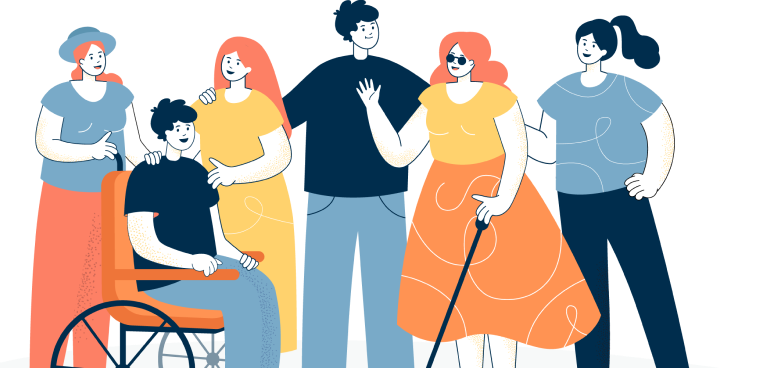
For people with disabilities, the war became an especially тяжке випробування — an especially severe ordeal. They are among the most vulnerable during wars and other emergencies. The destruction of infrastructure, lack of accessible transport, disrupted social and medical services, forced evacuation, isolation, and psychological trauma — all of this hit people with disabilities with double force. Every air raid alert, every power or heating outage, every displacement means an additional risk to the life and health of those who need support every day.
A person with a hearing impairment may not hear the air raid alert signal; a person with a visual impairment may become disoriented while trying to find the way to a shelter; and a wheelchair user may simply be unable to get down there.
At the time, the UN Committee on the Rights of Persons with Disabilities stated: “The ongoing military attacks against Ukraine endanger the lives of approximately 2.7 million persons with disabilities.” It also noted that persons with disabilities had limited or no access to emergency information, shelters, and safe zones, and that many had been separated from their support networks, making it impossible for them to respond effectively to the situation. The UN Humanitarian Coordinator in Ukraine also stressed the urgent need to identify priority geographic areas and sectors where acute humanitarian needs existed.
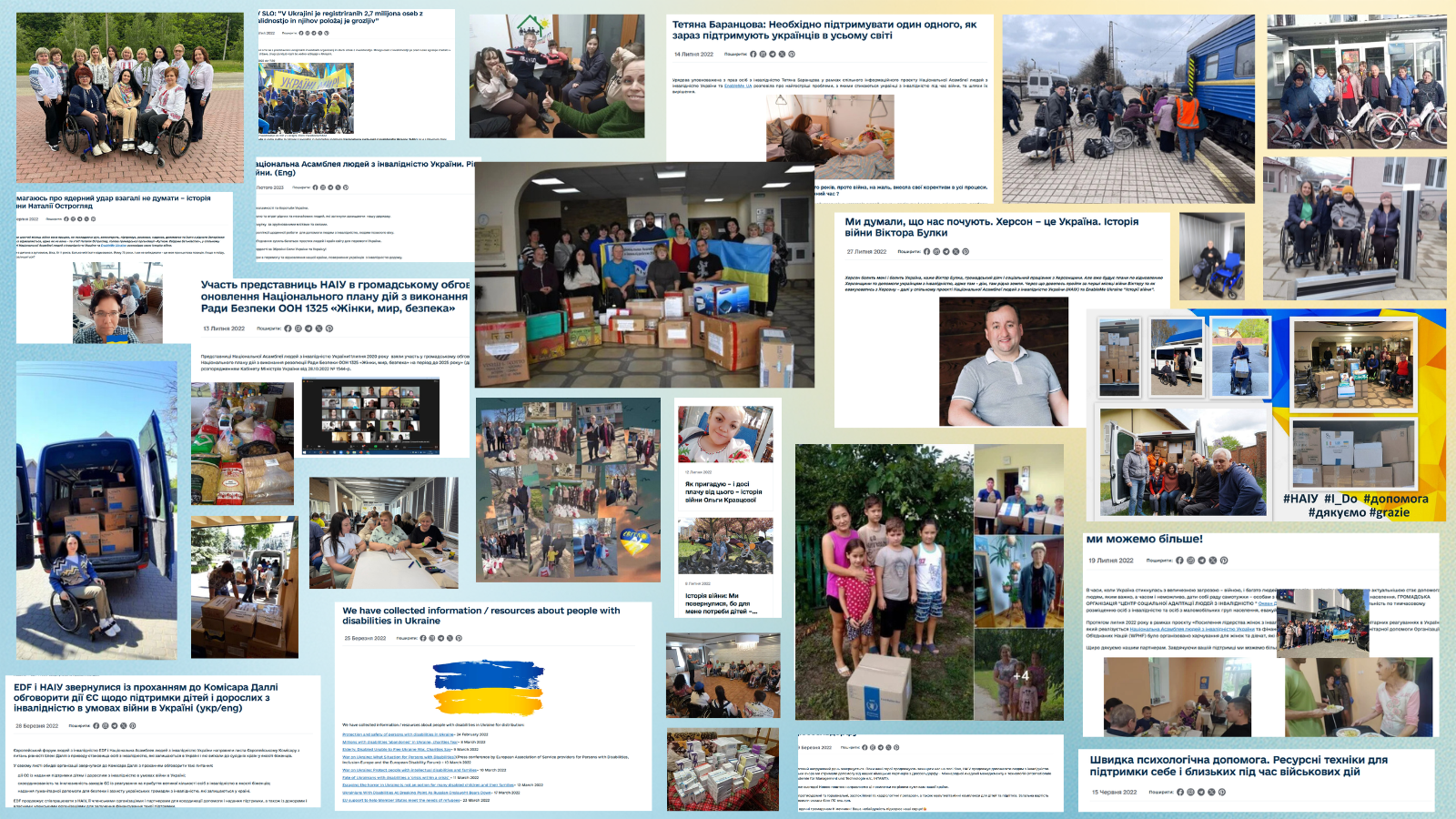
From the first days of the full-scale invasion, the National Assembly of People with Disabilities of Ukraine (NAPD) actively joined this effort and became part of the humanitarian front. Bringing together more than a hundred organizations of people with disabilities from different regions of the country, the Assembly quickly mobilized to support women and men with disabilities, parents raising children with disabilities, and older people.
We provided people with essential support — food, hygiene products, financial assistance, as well as legal and psychological consultations. Based at our member organizations, accessible temporary accommodation centers for people with reduced mobility were established, where people could receive shelter, care, and rehabilitation support. We assisted with evacuation from active combat zones and helped people return home after being forced to leave.
At the same time, the Assembly continues to systematically defend the rights of people with disabilities at both national and local levels. We work in task forces and working groups to ensure humanitarian aid is inclusive and that Ukraine’s recovery processes take into account the needs of every person. We also support the organizational capacity of civil society organizations of people with disabilities, which today carry out a huge share of social work, helping the state care for its citizens.
A separate focus of our work has become support for war veterans with disabilities. Their number is, sadly, growing. These are people who defended Ukraine and returned from the front with injuries and trauma. We are convinced: they deserve not only gratitude, but also systemic protection of their rights and dignified living conditions. That is why the Assembly is initiating the creation of a Council of Veterans with Disabilities — a platform to consolidate their voice and advocate for their interests at the state level.
On this day, we also express our sincere gratitude to our international partners and donors. Their solidarity and support have been a vital pillar for thousands of Ukrainian families. Thanks to our joint efforts, we were able to respond quickly to challenges, expand assistance programmes, and maintain continuity of work even in the most difficult periods.
Today, as we honor the memory of those who were killed and support those who continue the struggle, we emphasize: Ukraine’s recovery must be inclusive. No recovery strategy can be complete without taking into account the needs of people with disabilities. Accessibility, barrier-free environments, and equal opportunities are not optional extras — they are the foundation of a just society.
We bow our heads in memory of all those who gave their lives for Ukraine’s freedom. We support every family living through loss. We thank our defenders.
And we continue to work — for dignity, equality, and victory.
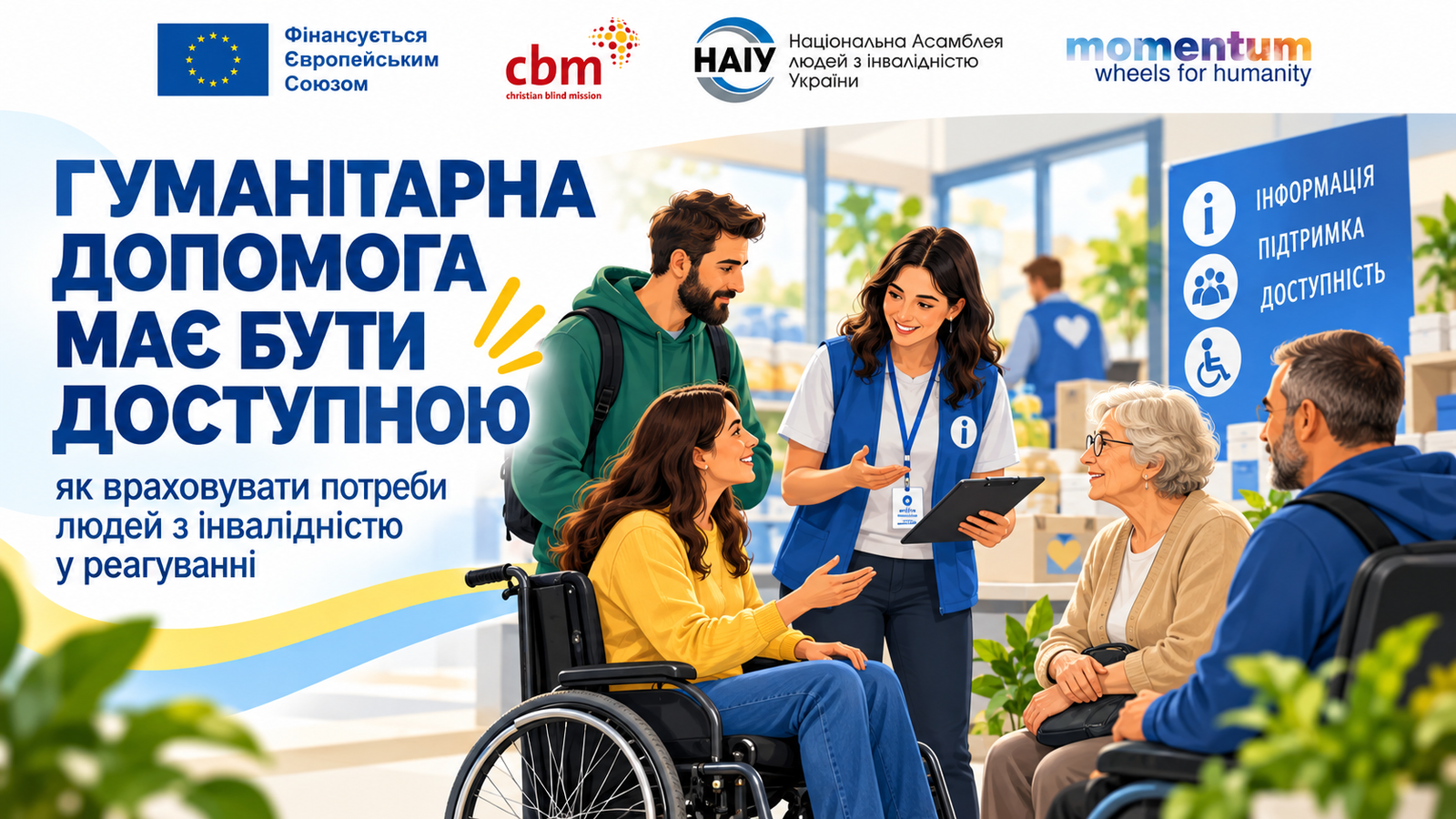
Гуманітарна допомога може бути передбачена програмою, профінансована і навіть доступна у громаді. Але головне питання інше: чи може людина, яка її потребує, реально нею скористатися? Саме про це говорили учасники дворівневого навчання «Гуманітарна діяльність: врахування потреб осіб з інвалідністю», яке у жовтні провела Національна Асамблея людей з інвалідністю України. До навчання долучилися представники гуманітарних і […]
Шукаємо координатора(-ку) з комунікацій у команду НАІУ (на проєкт) Національна Асамблея людей з інвалідністю України (НАІУ) реалізує проєкт «Інклюзія передусім — захист і підтримка дітей з аутизмом та іншими видами інвалідності, ветеранів і ветеранок в Україні», спільно з СВМ та СВМ Італія, спрямований на підтримку ветеранів та ветеранок, розвиток доступних можливостей для їхньої реабілітації, протезування, […]
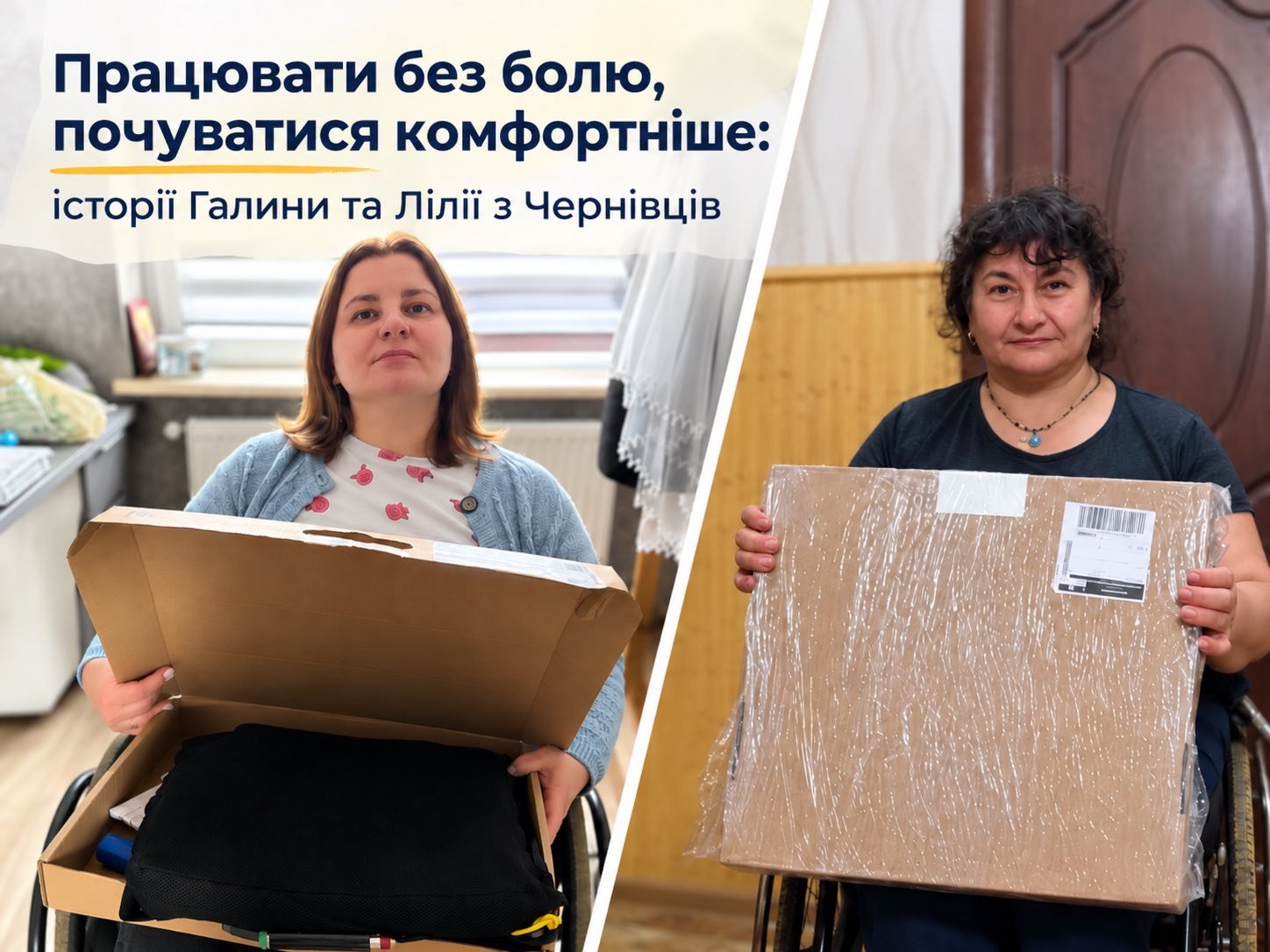
Галина з Чернівців створює весільні аксесуари для наречених. Її робота потребує творчості, терпіння та уваги до найменших деталей. За виготовленням прикрас жінка проводить багато годин, адже кожен виріб вимагає кропіткої ручної праці. Для Галини важливо мати можливість займатися улюбленою справою, однак тривала робота нерідко супроводжується фізичним дискомфортом. Жінка користується кріслом колісним, і через велике навантаження […]
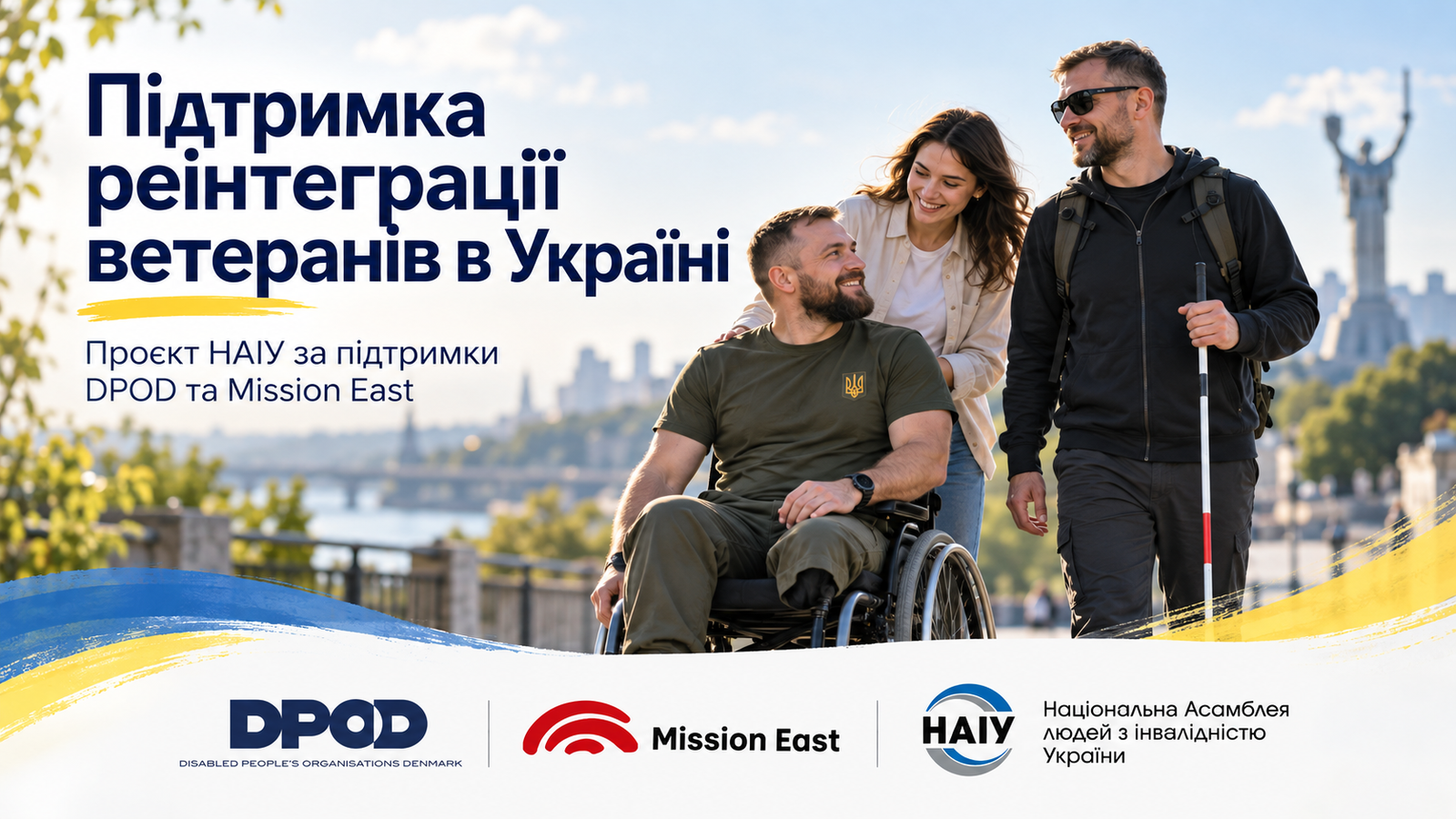
Повернення з військової служби до цивільного життя — це новий етап, який нерідко супроводжується непростими викликами. Особливо для ветеранів і ветеранок, які зазнали поранень або набули інвалідності. Реабілітація, пошук роботи, доступ до послуг, відновлення соціальних зв’язків — усе це потребує не лише особистих зусиль, а й підтримки суспільства. Національна Асамблея людей з інвалідністю України (НАІУ) […]
Упродовж програмного року — з 1 жовтня 2025-го до 30 вересня 2026-го — на гарячій лінії Національної Асамблеї людей з інвалідністю України (НАІУ) було надано 821 консультацію для 680 осіб. Найчастіше люди зверталися за роз’ясненням щодо своїх прав і пільг, зокрема отримання та поновлення виплат, оформлення догляду, встановлення й переоформлення інвалідності. Близько 70% звернень стосувалися […]
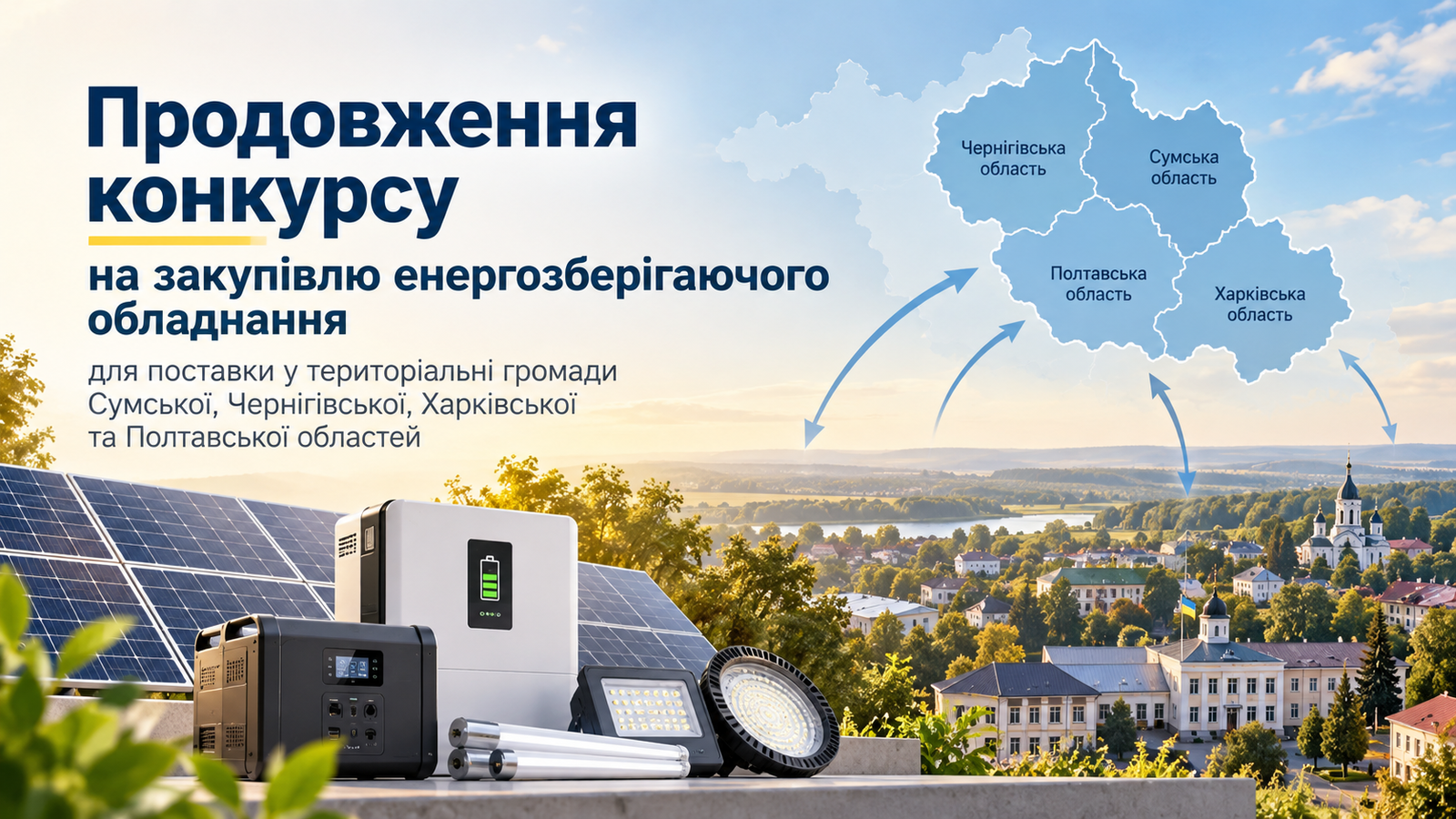
Громадська спілка “Всеукраїнське громадське об’єднання “Національна Асамблея людей з інвалідністю України” (далі – «Організатор») оголошує продовження конкурсу на закупівлю енергозберігаючого обладнання для поставки у територіальні громади Сумської, Чернігівської, Харківської та Полтавської областей. Джерело фінансування закупівлі: Дана закупівля здійснюється в рамках проєкту «Зміцнення інклюзивних послуг з охорони здоров’я, реабілітації та захисту населення, постраждалого від повномасштабного вторгнення в […]