Barrier-Free Admissions: Nine Vocational Education Providers Trained in Kyiv
6 April 2026
Share:
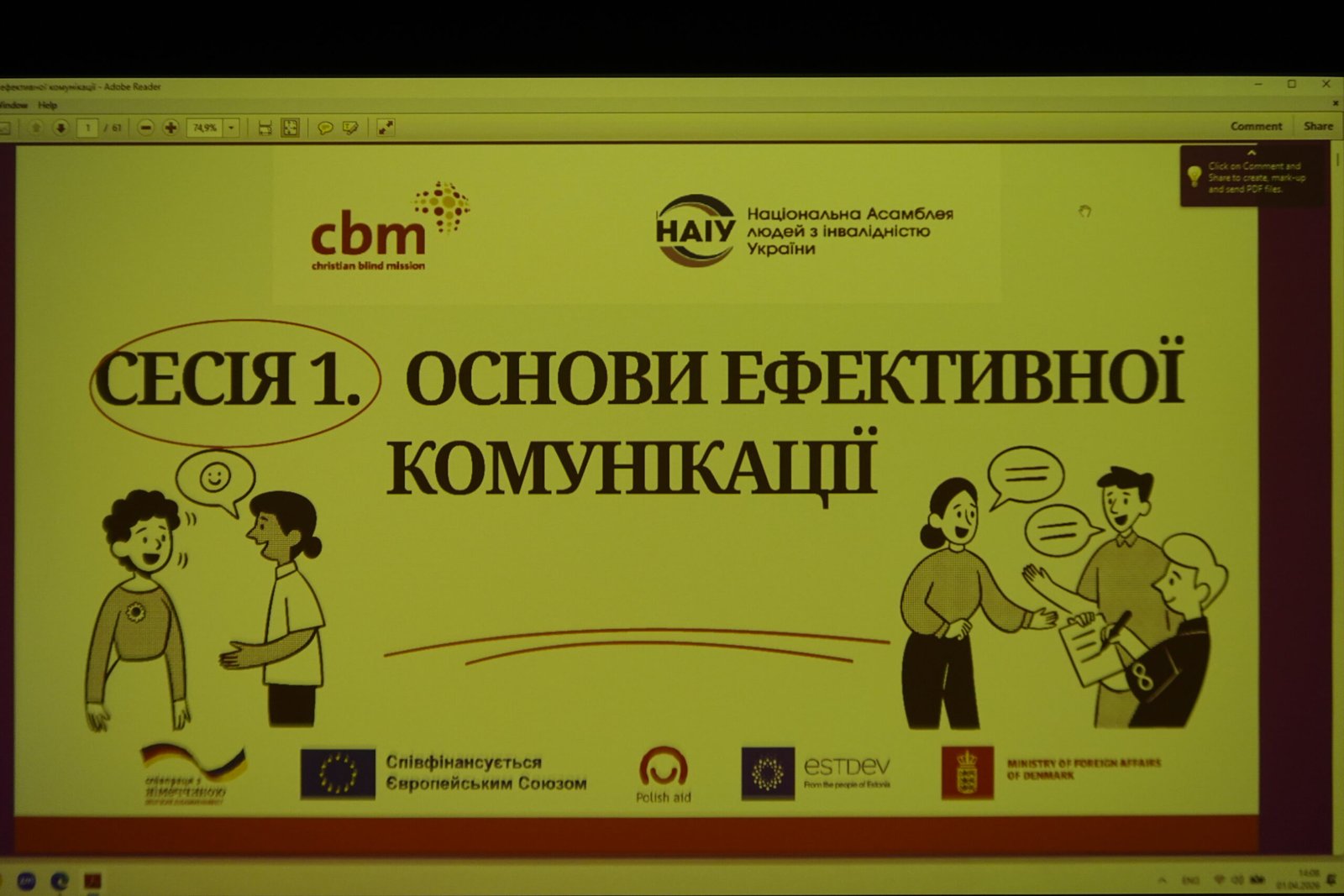
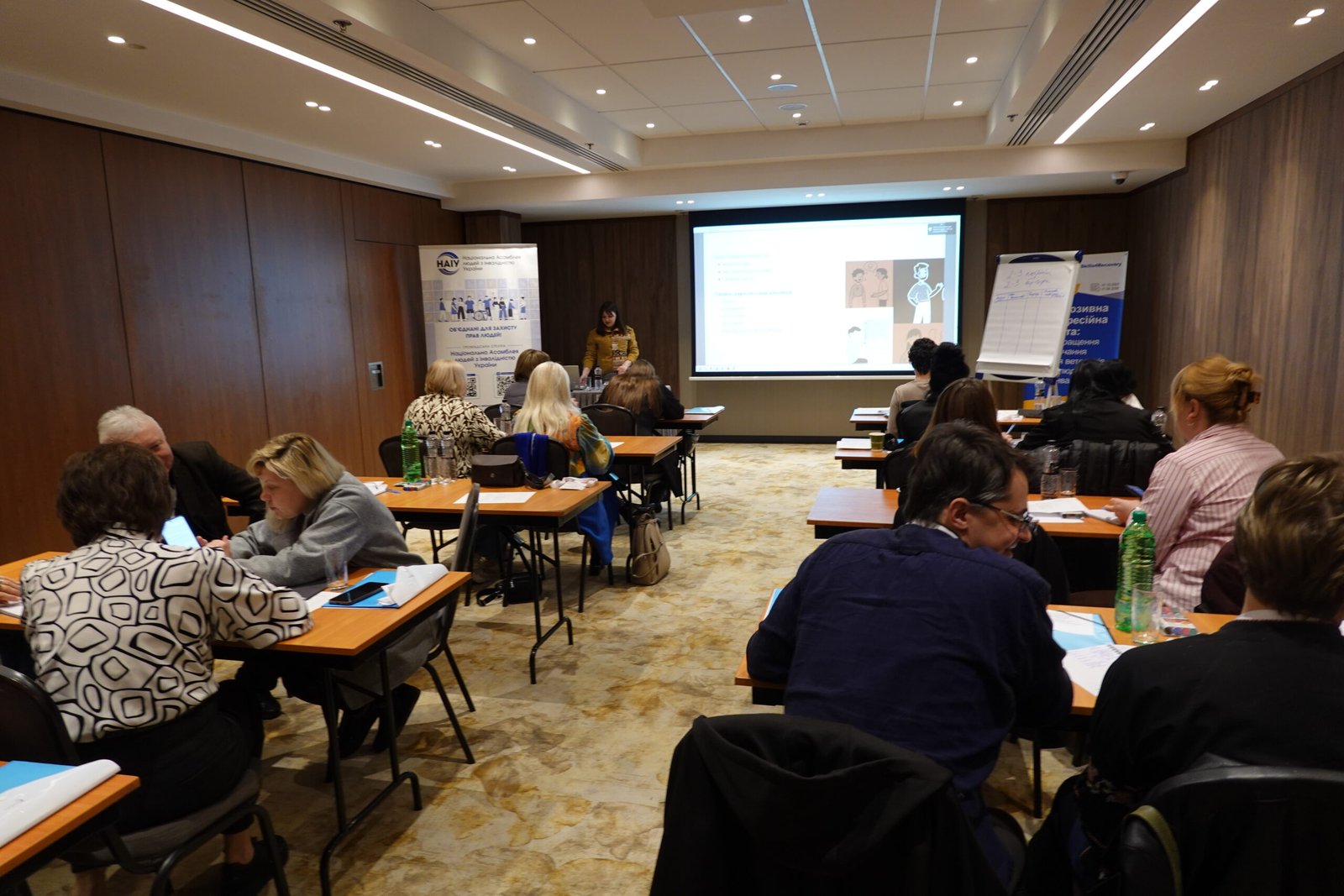
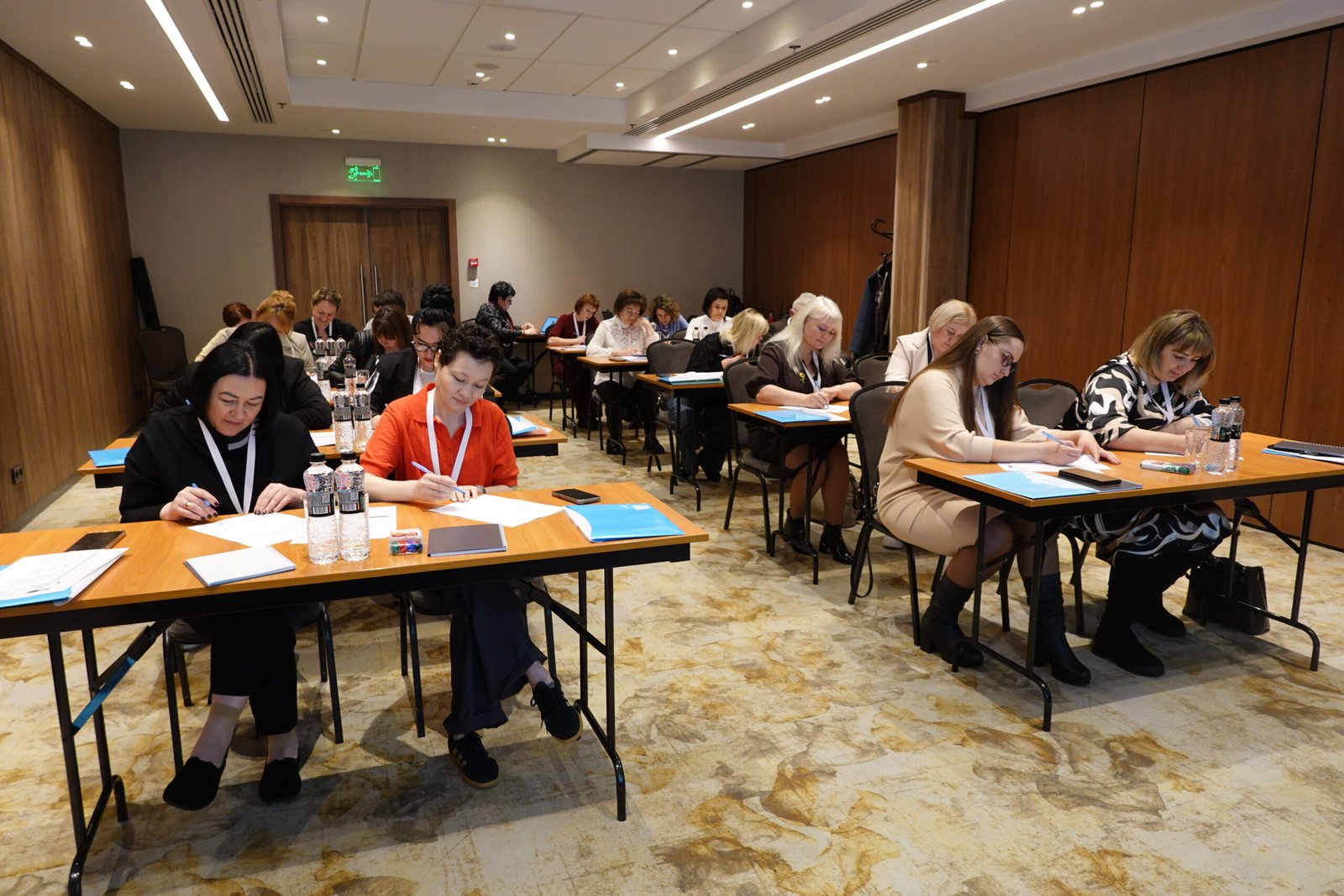
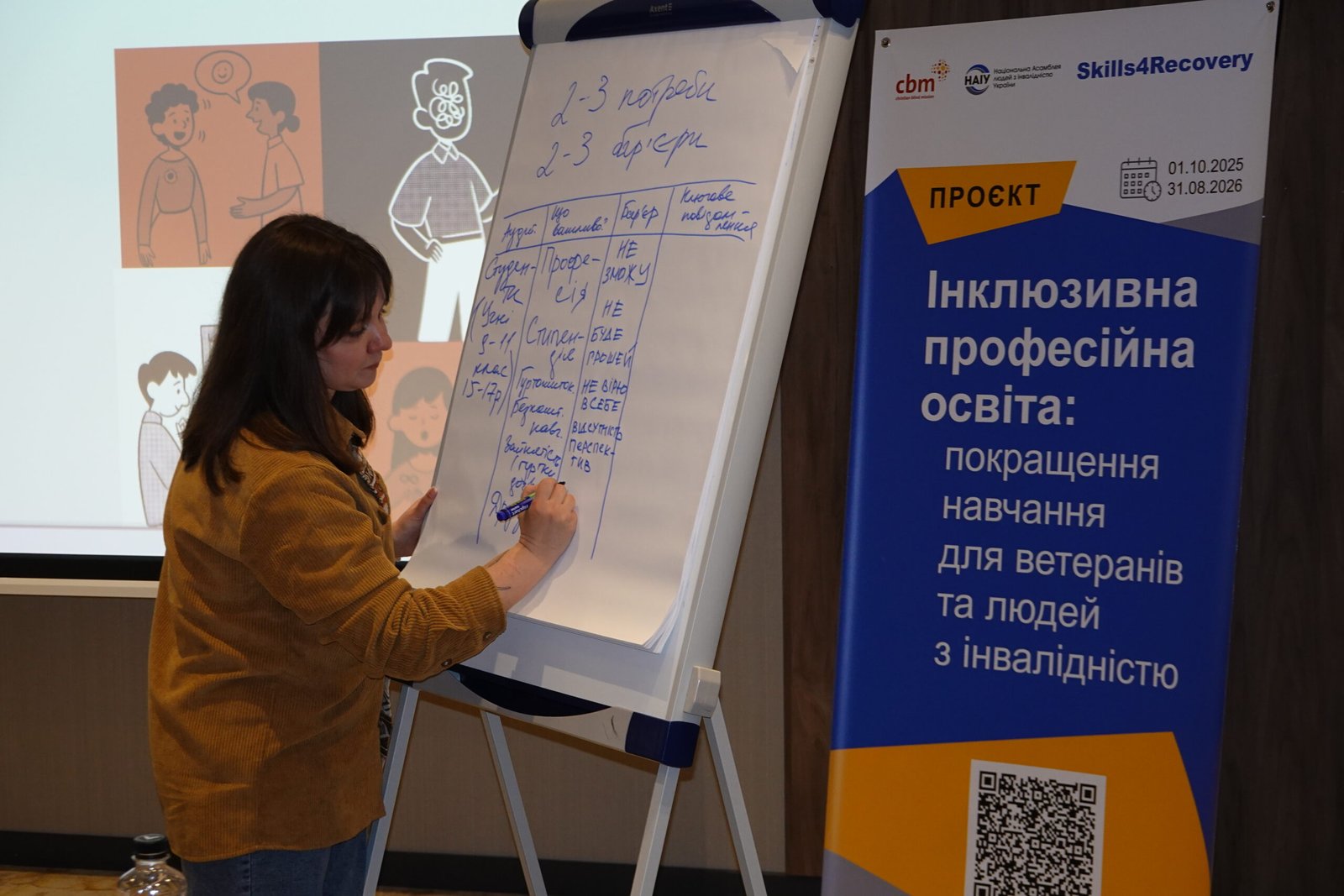
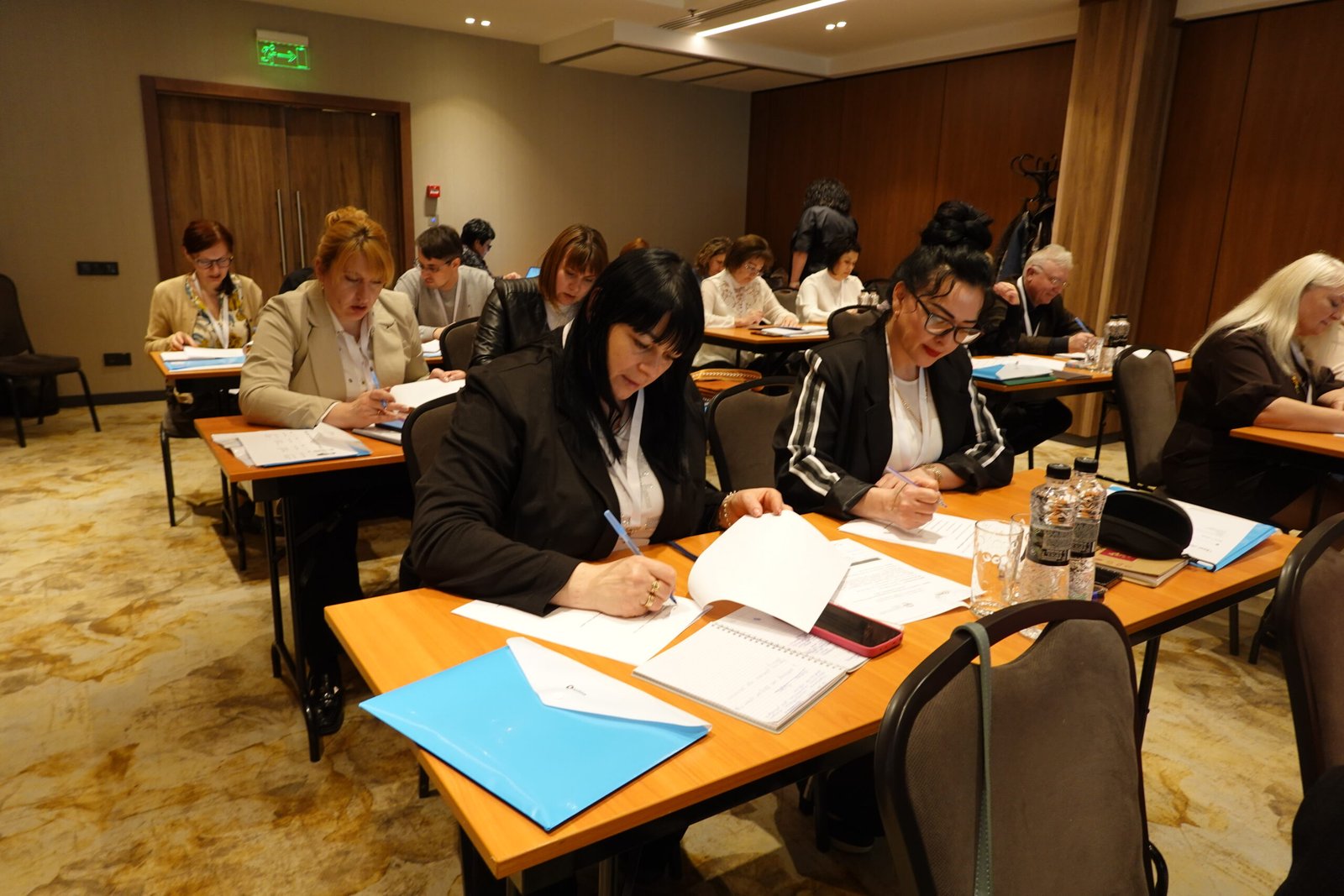
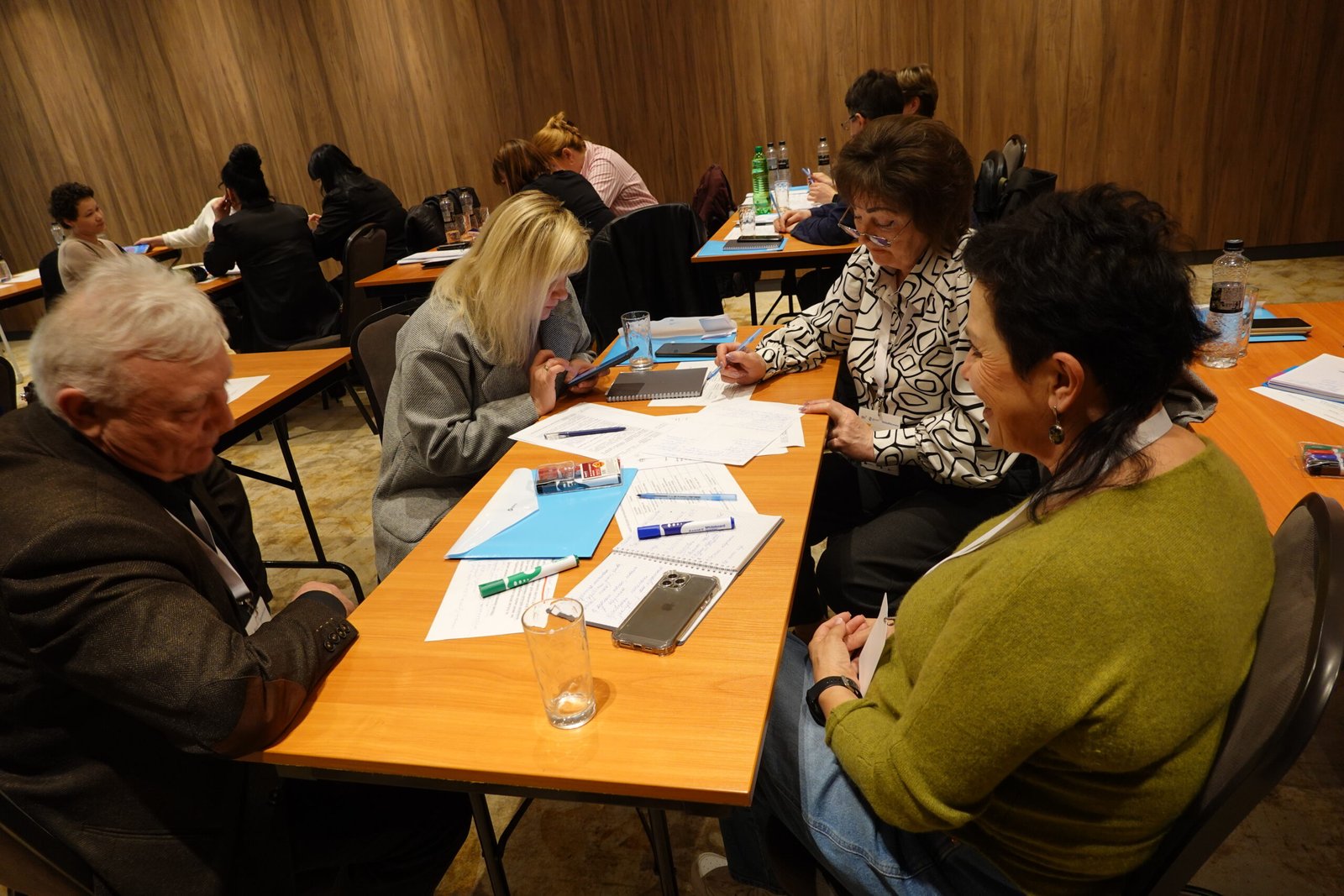
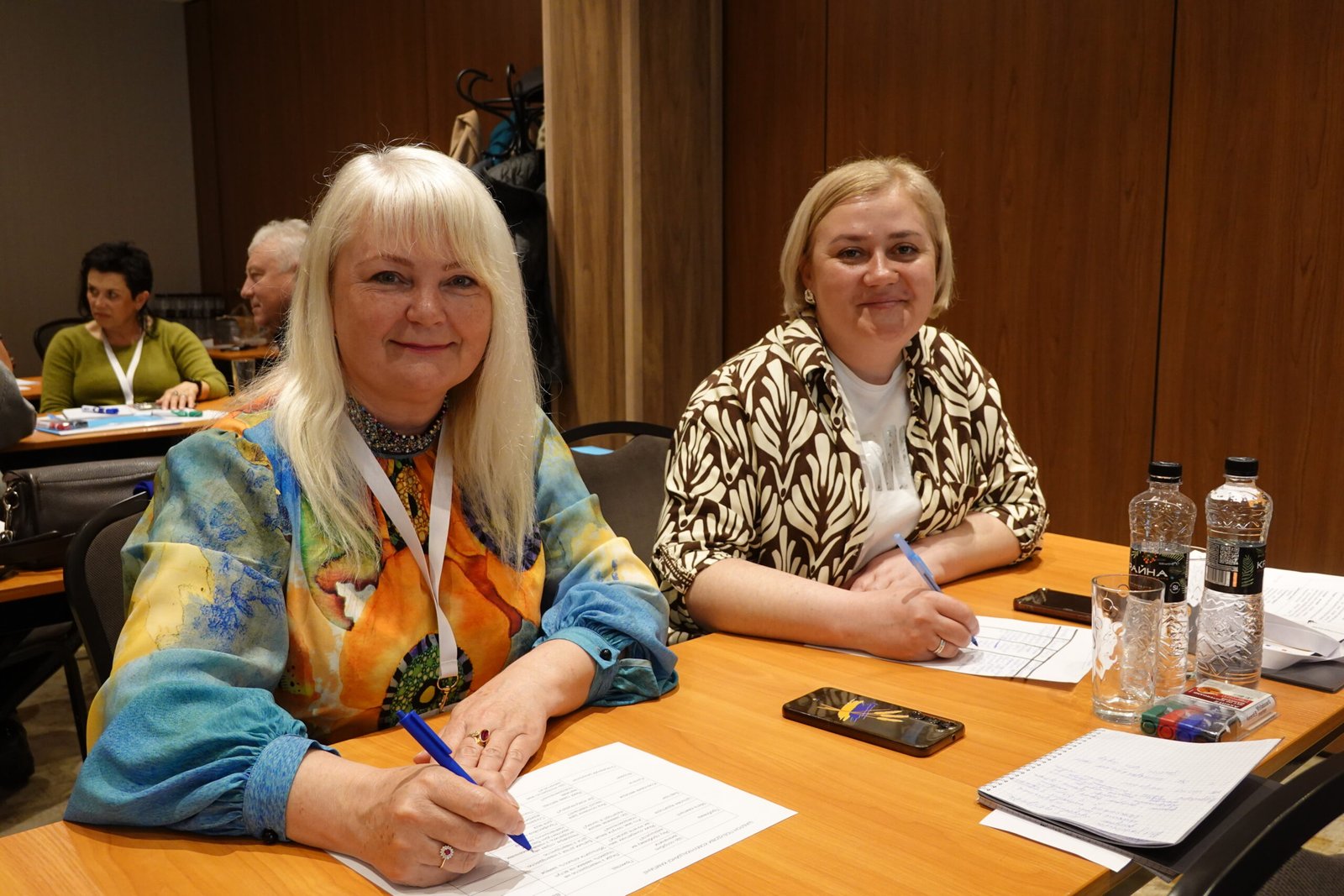
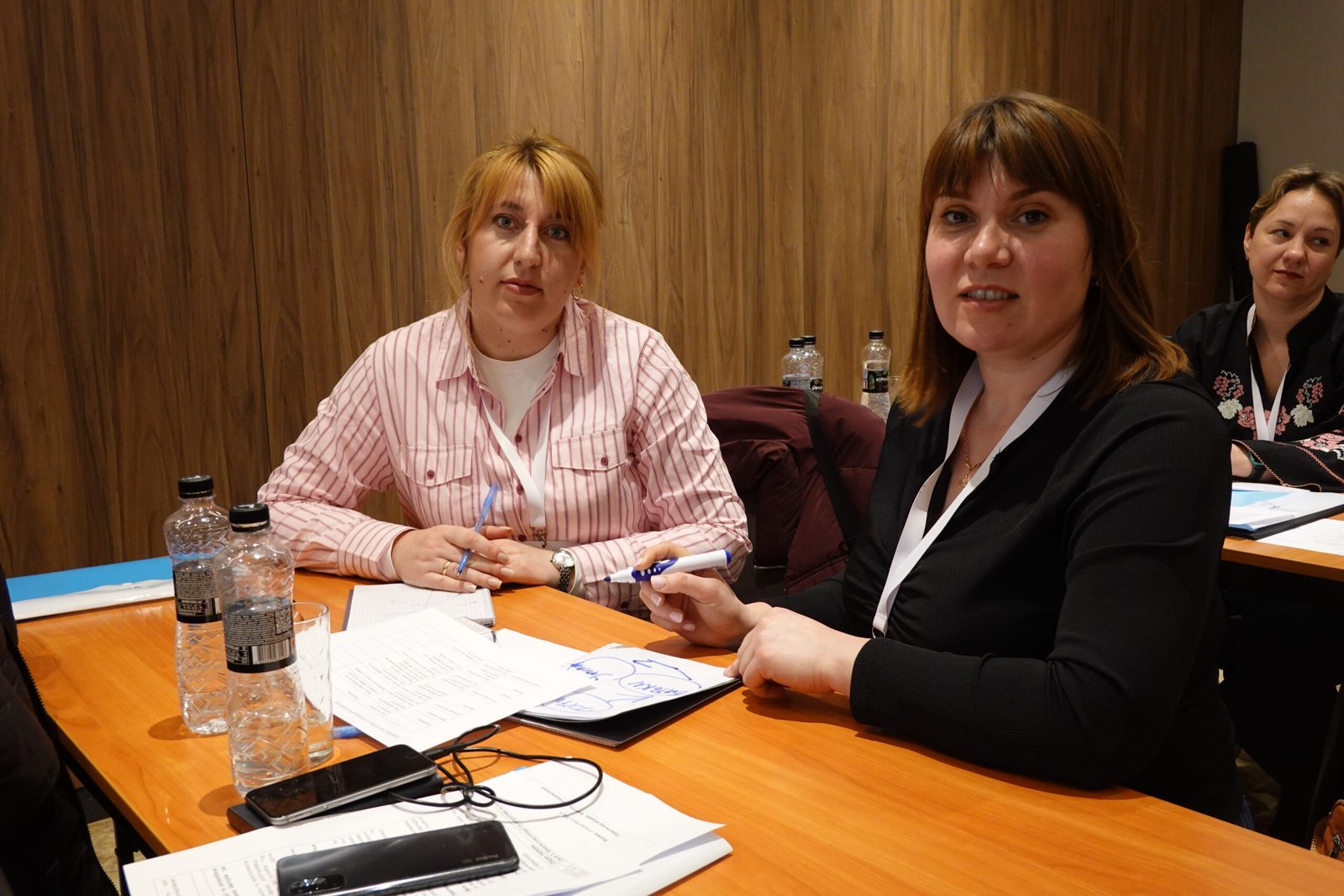
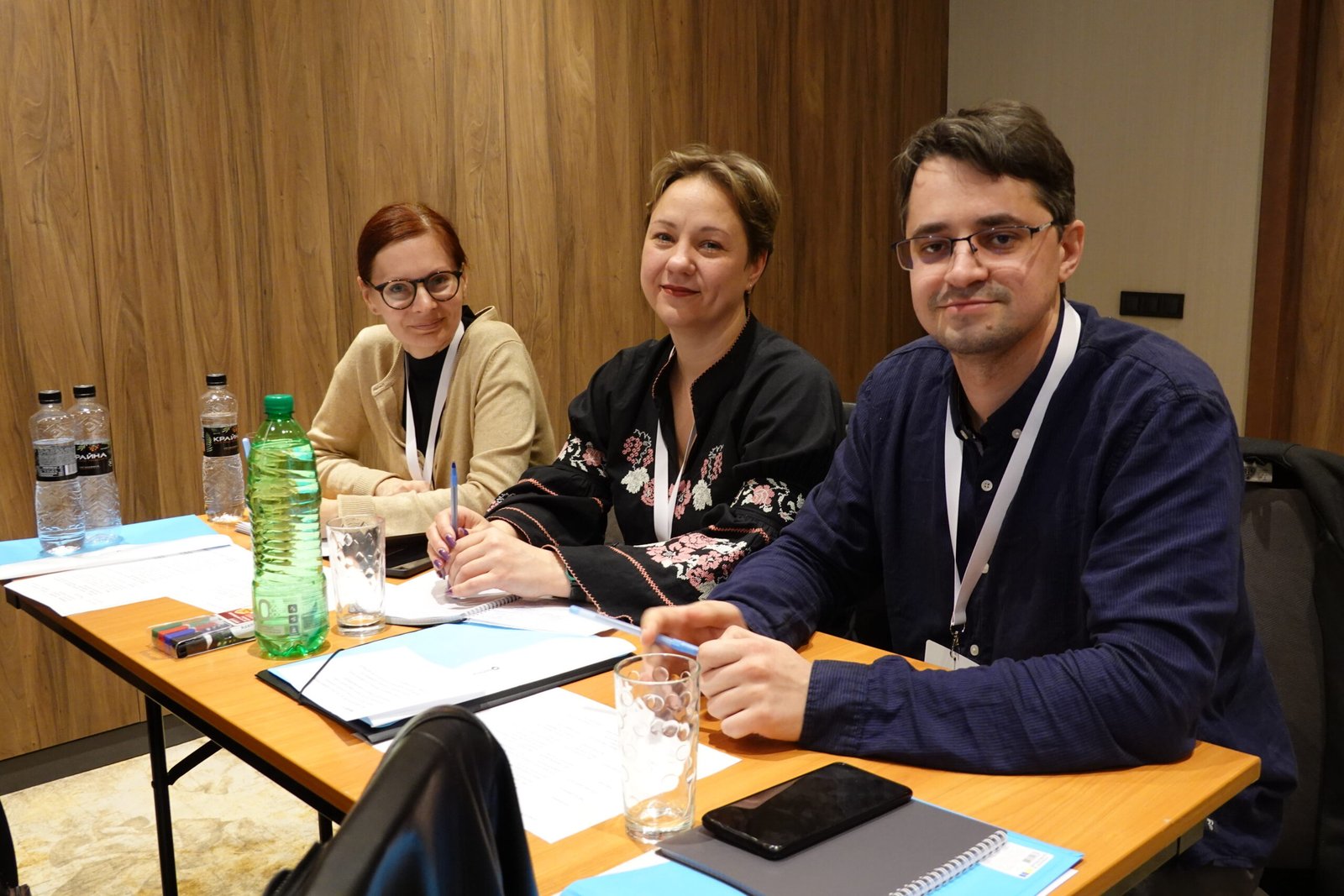
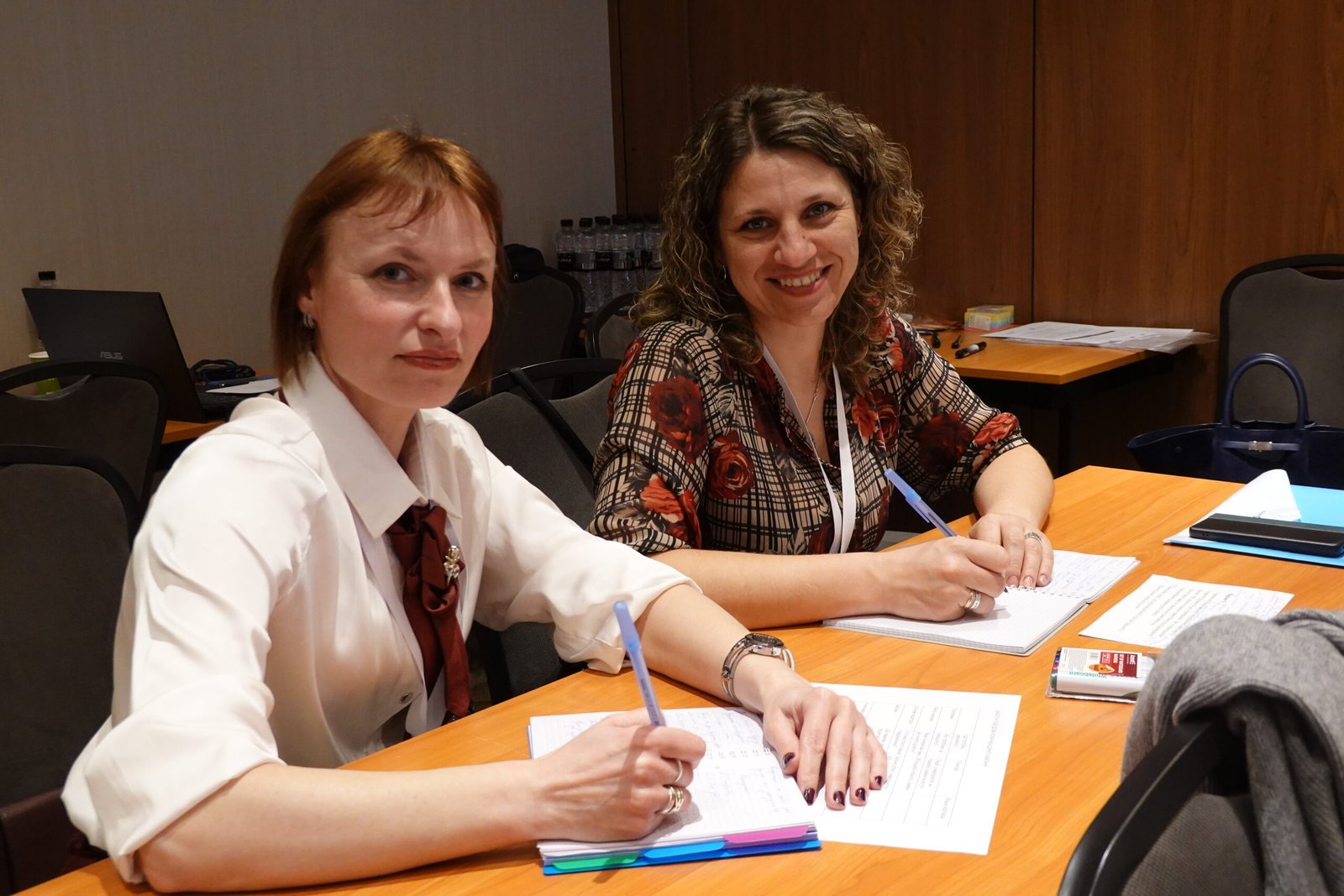
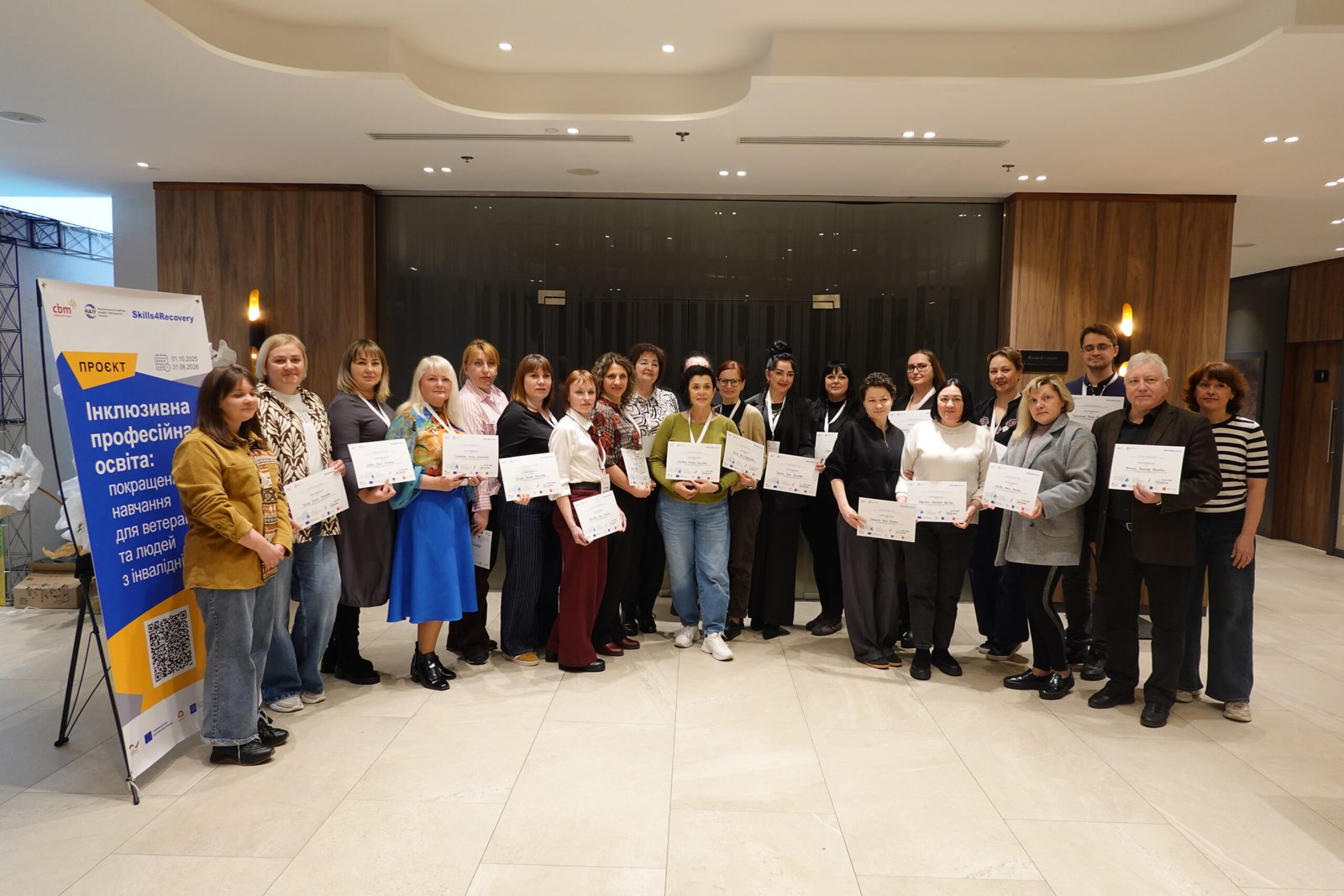
The second stage of training has begun for vocational education and training (VET) providers within the project “Inclusive Vocational Education and Training: Improving Training for Veterans and People with Disabilities.” This phase focuses on managing inclusive communication campaigns: how to talk about admissions in a simple, accessible way that encourages more persons with disabilities to apply to VET institutions. The first training session of this block took place in Kyiv for 9 VET institutions.
During the training, the participants learned how to communicate about their institutions in a simple and understandable way, without stigma or overly complicated language. They explored how to identify their target audiences, formulate key messages, and choose communication channels through which admission-related information can truly reach people. Particular attention was given to the accessibility of information: text structure, plain language, subtitles, alternative text for images, and other elements that make communication more open and inclusive.
Participants also shared their own career guidance practices. Today, a student recruitment campaign is no longer limited to a website alone; it also includes Facebook, Instagram, TikTok, YouTube, open days, outreach master classes in schools, meetings with parents, and other formats. At the same time, it is important not only to be present across different channels, but also to adapt information for different audiences: young people, parents, communities, and employers.
The training also addressed the barriers that may prevent persons with disabilities from enrolling in VET institutions. The participants analysed how communication can help reduce these barriers – through accessible language, open consultations, understandable materials, and real-life stories.
“Communication can either create barriers or remove them,” emphasized trainer Oleksandra Perkova.
This training was the first of two planned within the learning module. The second training session will take place on 6–7 April for another nine vocational education and training (VET) providers. In total, the training will cover 18 VET providers.
For the National Assembly of People with Disabilities of Ukraine (NAPD) and its partners, this is another step towards ensuring that inclusion in vocational education begins from the very first point of contact between a person and an educational institution — from the website, announcement, social media post, or initial consultation. This approach is aligned with the broader objective of the project: to make vocational education and training more open and accessible to veterans and persons with disabilities.
The project “Inclusive Vocational Education and Training (VET): Improving Training for Veterans and People with Disabilities” is being implemented by the National Assembly of People with Disabilities of Ukraine (NAPD), jointly with Christoffel-Blindenmission Christian Blind Mission e.V. (CBM), with financial support from the European Union, Germany, Poland, Estonia, and Denmark as part of the Skills4Recovery Multi-Donor Initiative, which is implemented by Deutsche Gesellschaft für Internationale Zusammenarbeit (GIZ) GmbH and Solidarity Fund PL (SFPL).
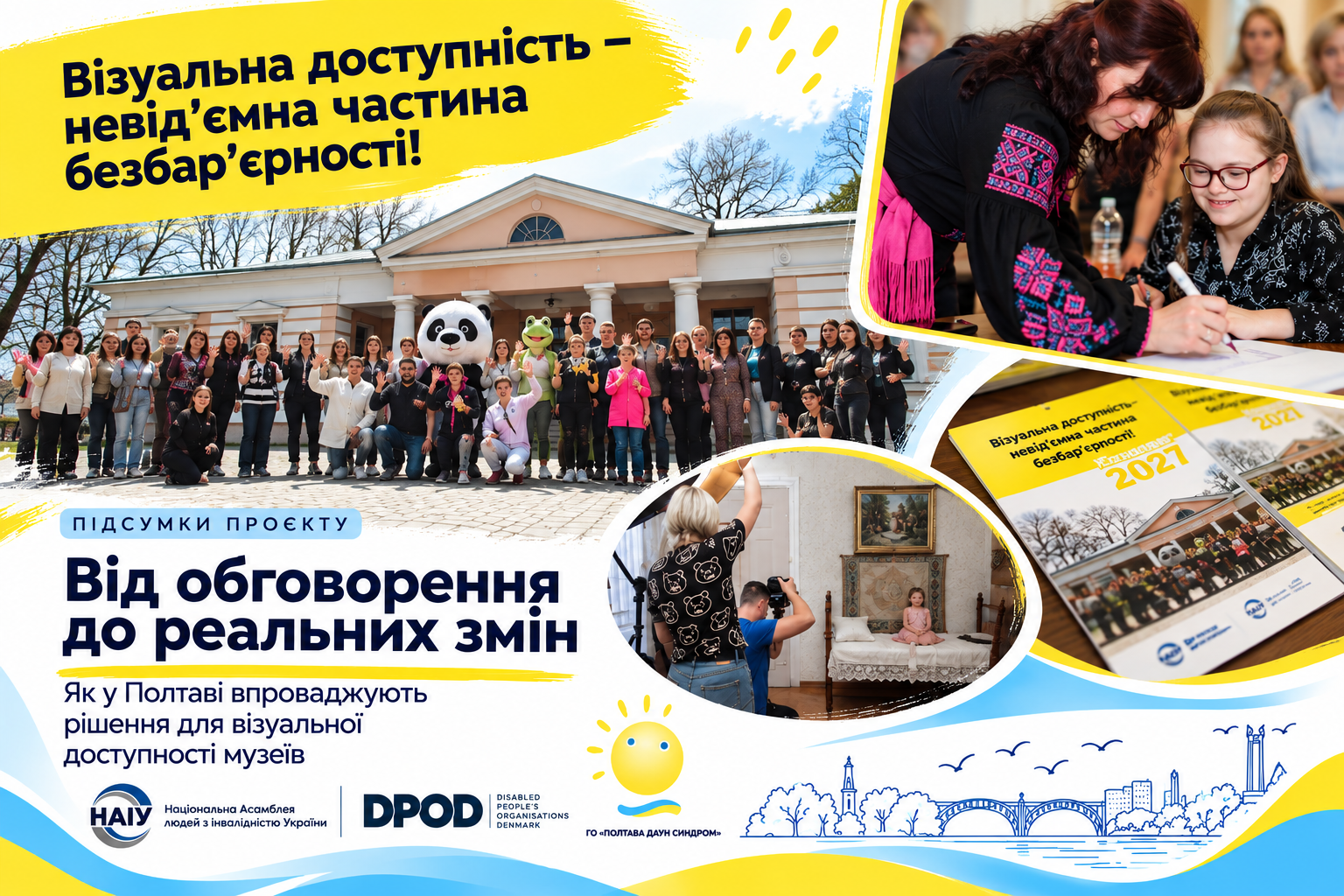
Візуальна доступність — це не лише про дизайн. Це про можливість людини самостійно зрозуміти, де вона перебуває, куди потрібно рухатися, де знайти необхідну інформацію і як скористатися простором без сторонньої допомоги. Саме цю тему ГО «Полтава ДАУН СИНДРОМ» зробила основою адвокаційного проєкту «Візуальна доступність — невід’ємна частина безбар’єрності», реалізованого в межах мінігрантової підтримки членських і […]
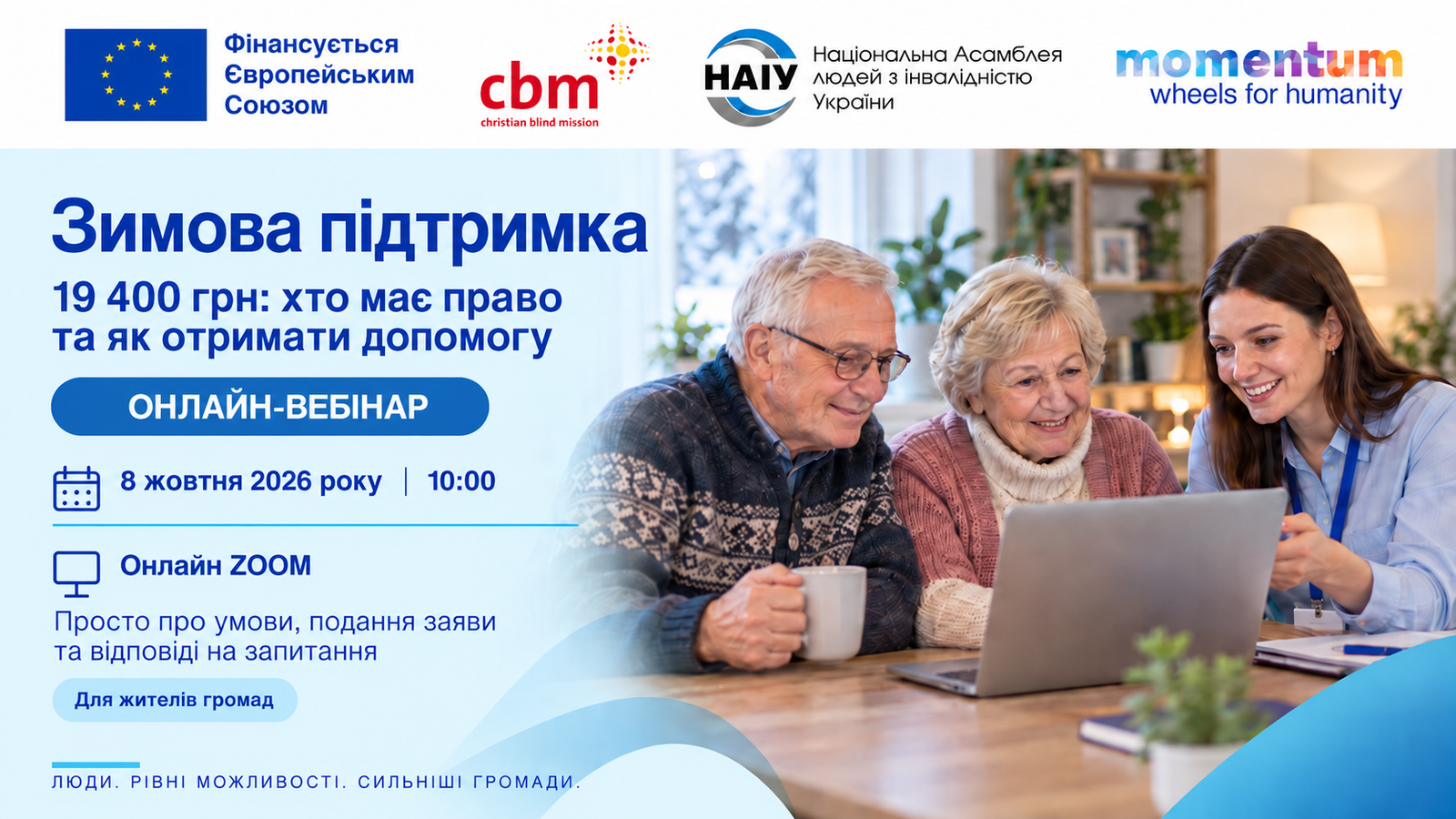
Кабінет Міністрів України затвердив порядок надання одноразової грошової допомоги «Зимова підтримка» на опалювальний сезон 2026/27 року. Допомога передбачена для вразливих категорій населення, які проживають у визначених територіальних громадах, де ведуться або велися бойові дії. Розмір допомоги становить 19 400 грн на одне домогосподарство. Виплата є одноразовою на весь опалювальний сезон 2026/27 року та не залежить […]
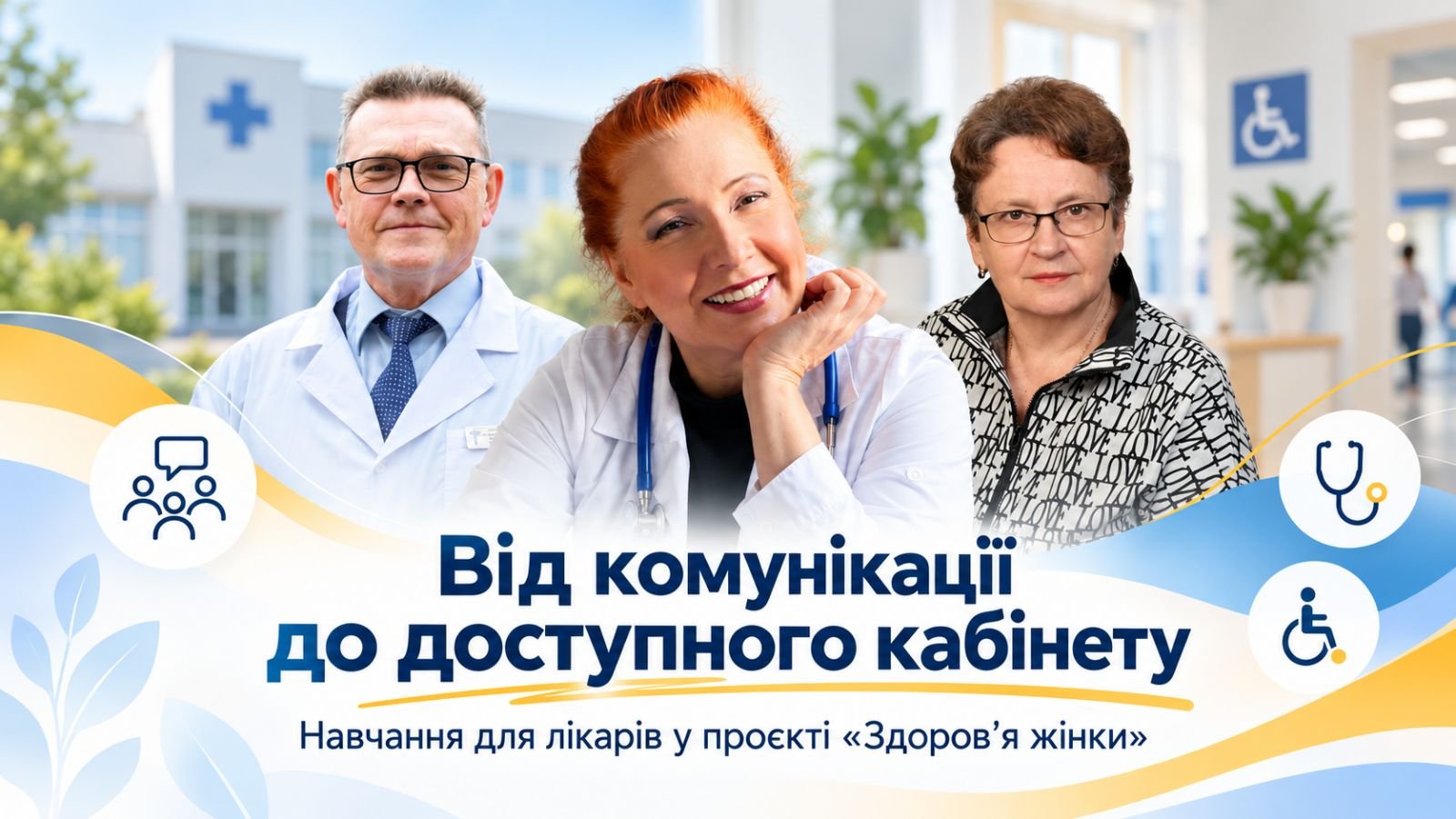
В межах проєкту «Здоров’я жінки» відбувся онлайн-семінар «Репродуктивне здоров’я жінок з інвалідністю: забезпечення рівного доступу до медичних послуг». До навчання долучилися гінекологи, акушери-гінекологи та сімейні лікарі й лікарки. Протягом трьох днів лікарі із семи пілотних громад проєкту мали можливість поглибити свої знання щодо комунікації з жінками з різними порушеннями, доступності гінекологічних кабінетів, пологових і гінекологічних […]
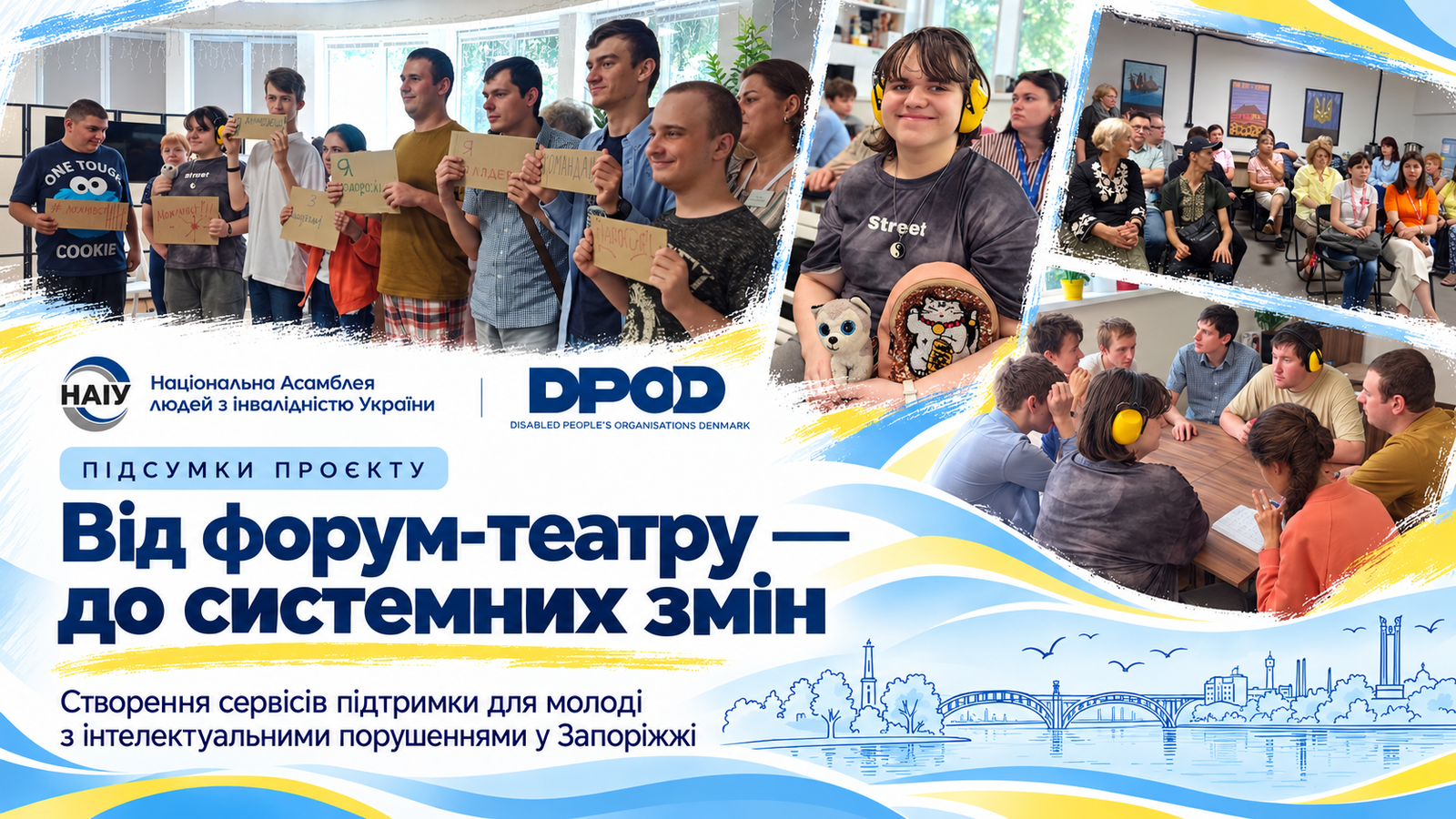
Що відбувається з підтримкою молодої людини з інтелектуальними порушеннями після 18 років? Де вона може спілкуватися, розвивати самостійність, навчатися, працювати та отримувати необхідні послуги? Для багатьох родин у Запоріжжі ці питання залишаються відкритими. Саме на пошук практичних рішень був спрямований проєкт «Форум-театр як інструмент адвокації: “Ми залишаємось у Запоріжжі!” — створення сервісів підтримки для молоді […]
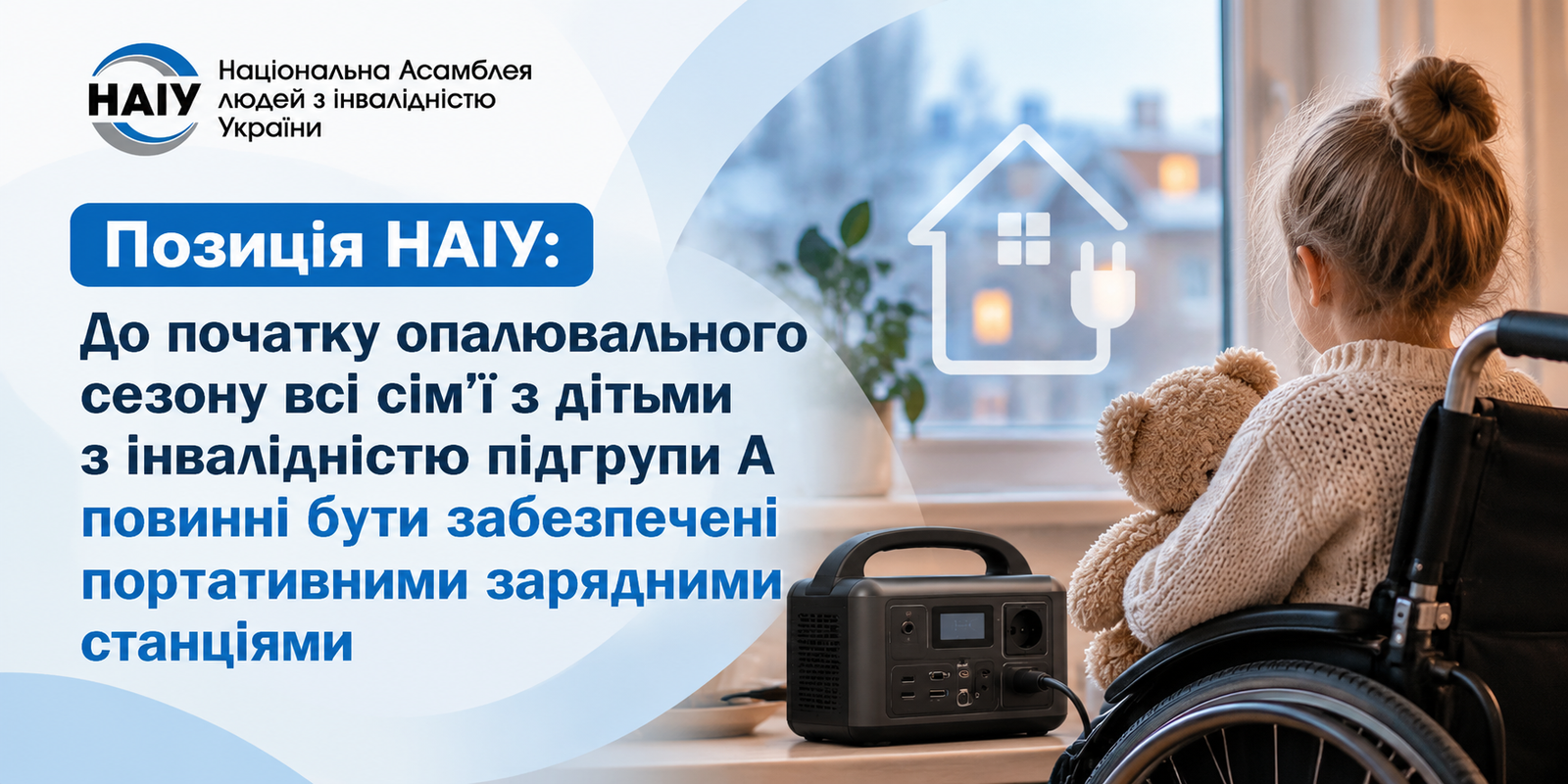
Упродовж 2026 року НАІУ неодноразово порушувала питання про необхідність прискорення виконання державної програми із забезпечення дітей з інвалідністю підгрупи А портативними зарядними станціями. Ще у березні Асамблея звернулася до Прем’єр-міністерки України та передала інформацію про 41 конкретну ситуацію, з якими зіткнулися родини: відмови у прийнятті заяв, помилки в базах даних, незрозуміла черговість, тривале очікування та […]
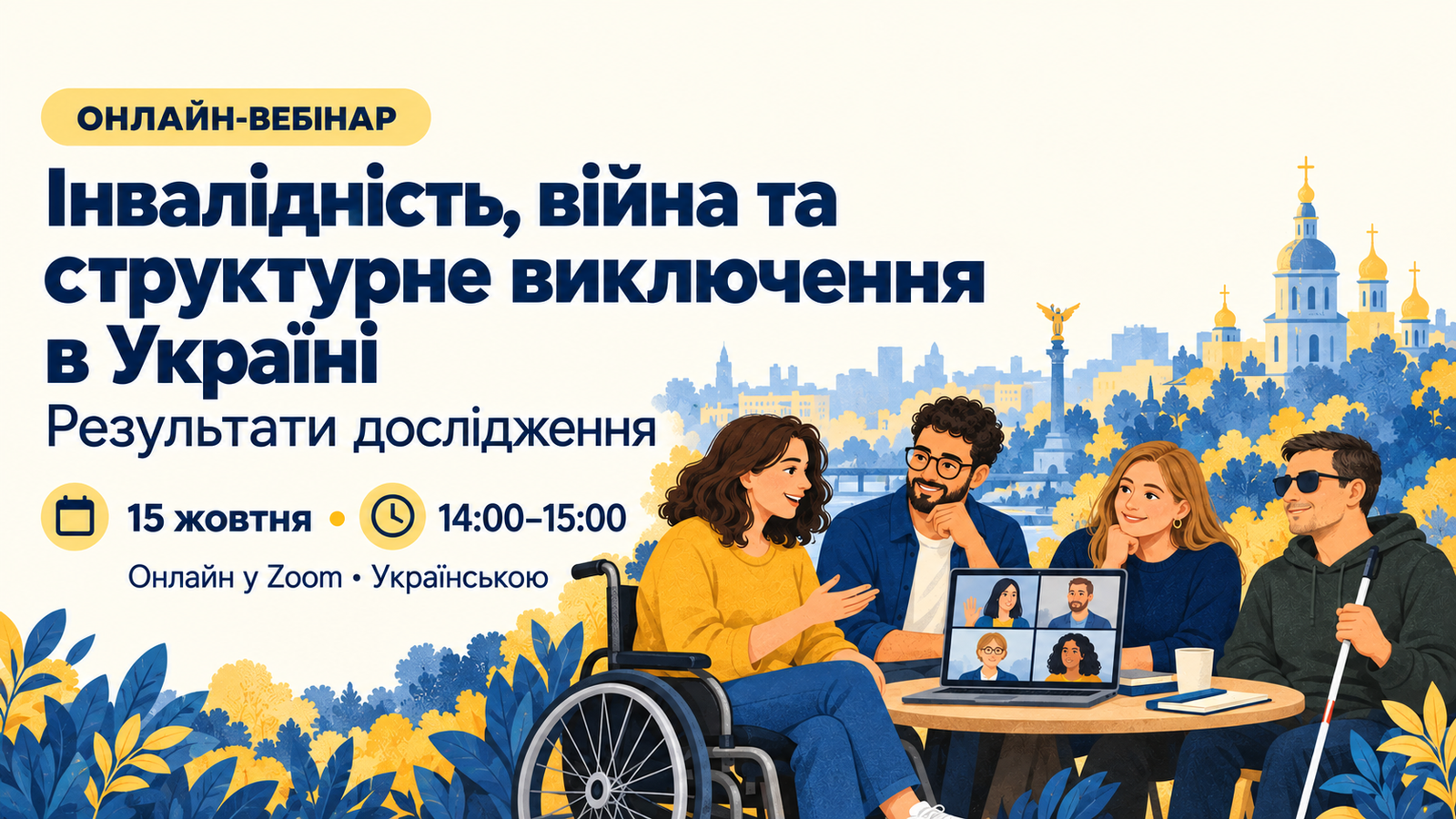
Як люди з інвалідністю переживають повномасштабну війну? Як війна посилила проблеми, що існували ще до 2022 року? Яку роль у підтримці відіграють організації людей з інвалідністю та неформальні мережі взаємодопомоги? Запрошуємо на вебінар, присвячений результатам дослідження, заснованого на 15 інтерв’ю з людьми з інвалідністю, проведених у 2024 році. Дослідження розглядає питання доступності, державної підтримки та […]