Roman is a 28-year-old resident of Rozhyshche, a town in the Volyn region. Due to a progressive chronic illness, he uses a wheelchair and has a second-degree disability status. “I used to barely leave the house. But now, thanks to the people who support me, I have the opportunity to be among others,” he says.
Roman is one of the beneficiaries of the project “Multisectoral Humanitarian Assistance for IDPs, Returnees, Veterans, and Their Host Communities in Ukraine.” This initiative not only provides financial and technical support to people with disabilities but also creates conditions for their full inclusion in community life. Socialization is a strategic goal of the project, allowing people to return to active life, feel their significance, and see their impact.
Socialization happens through the creation of an inclusive environment where each person not only receives assistance but also interacts with the community members, doctors, specialists, and local authorities. This model breaks down barriers of isolation and fosters a sense of belonging. Participation in community life—such as attending events, checking accessibility of public spaces, or joining advocacy campaign planning—enables a person with a disability to feel like an active agent of change rather than a passive recipient of services.
An essential component is also the building of social connections. New acquaintances, informal communication with coordinators, medical staff, and other participants all help to form a supportive environment where a person can share experiences and receive understanding and encouragement.
Another crucial element is the strengthening of agency—the process by which a person begins to recognize their own ability to influence events. When people with disabilities take part in accessibility monitoring or in the development of community initiatives, they shift from the role of “aid recipient” to that of “change-maker.” This not only supports inclusion but also transforms communities—making them more open, humane, and united.
Together with a team of doctors, Roman began rehabilitation using modern equipment provided to Rozhyshche Multidisciplinary Hospital by the National Assembly of People with Disabilities of Ukraine (NAPD) as part of another humanitarian initiative. A professional team of specialists supports him not only physically but emotionally as well. “When I lost the ability to walk, the future seemed uncertain. But now I believe: I’ll be able to stand on my feet again,” Roman shares.
Today, Roman is not only returning to an active life but is also participating in shaping change. One of the events he took part in was the opening of the Youth Center in Rozhyshche. “I used to barely leave the house. But now, thanks to the people who support me, I can be among others. I've discovered many new things, new opportunities, and meaningful connections.”
Roman is now also involved in planning an advocacy campaign aimed at strengthening the rights of people with disabilities in his community. His personal experience, insights into the problems, and proposed solutions will become an important part of this work.
Oleksandra Perkova
Communications Manager of the Project
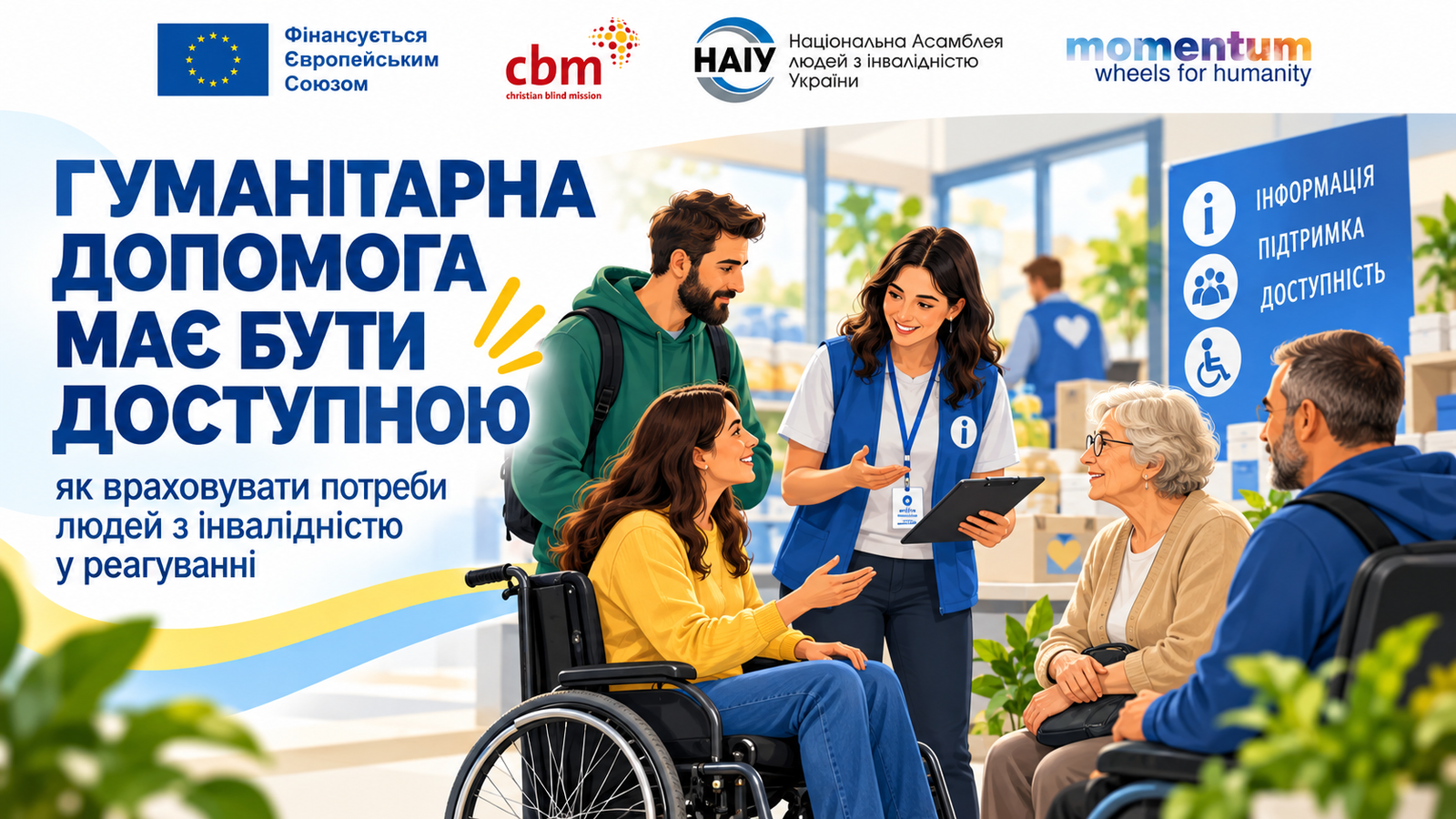
Гуманітарна допомога може бути передбачена програмою, профінансована і навіть доступна у громаді. Але головне питання інше: чи може людина, яка її потребує, реально нею скористатися? Саме про це говорили учасники дворівневого навчання «Гуманітарна діяльність: врахування потреб осіб з інвалідністю», яке у жовтні провела Національна Асамблея людей з інвалідністю України. До навчання долучилися представники гуманітарних і […]
Шукаємо координатора(-ку) з комунікацій у команду НАІУ (на проєкт) Національна Асамблея людей з інвалідністю України (НАІУ) реалізує проєкт «Інклюзія передусім — захист і підтримка дітей з аутизмом та іншими видами інвалідності, ветеранів і ветеранок в Україні», спільно з СВМ та СВМ Італія, спрямований на підтримку ветеранів та ветеранок, розвиток доступних можливостей для їхньої реабілітації, протезування, […]
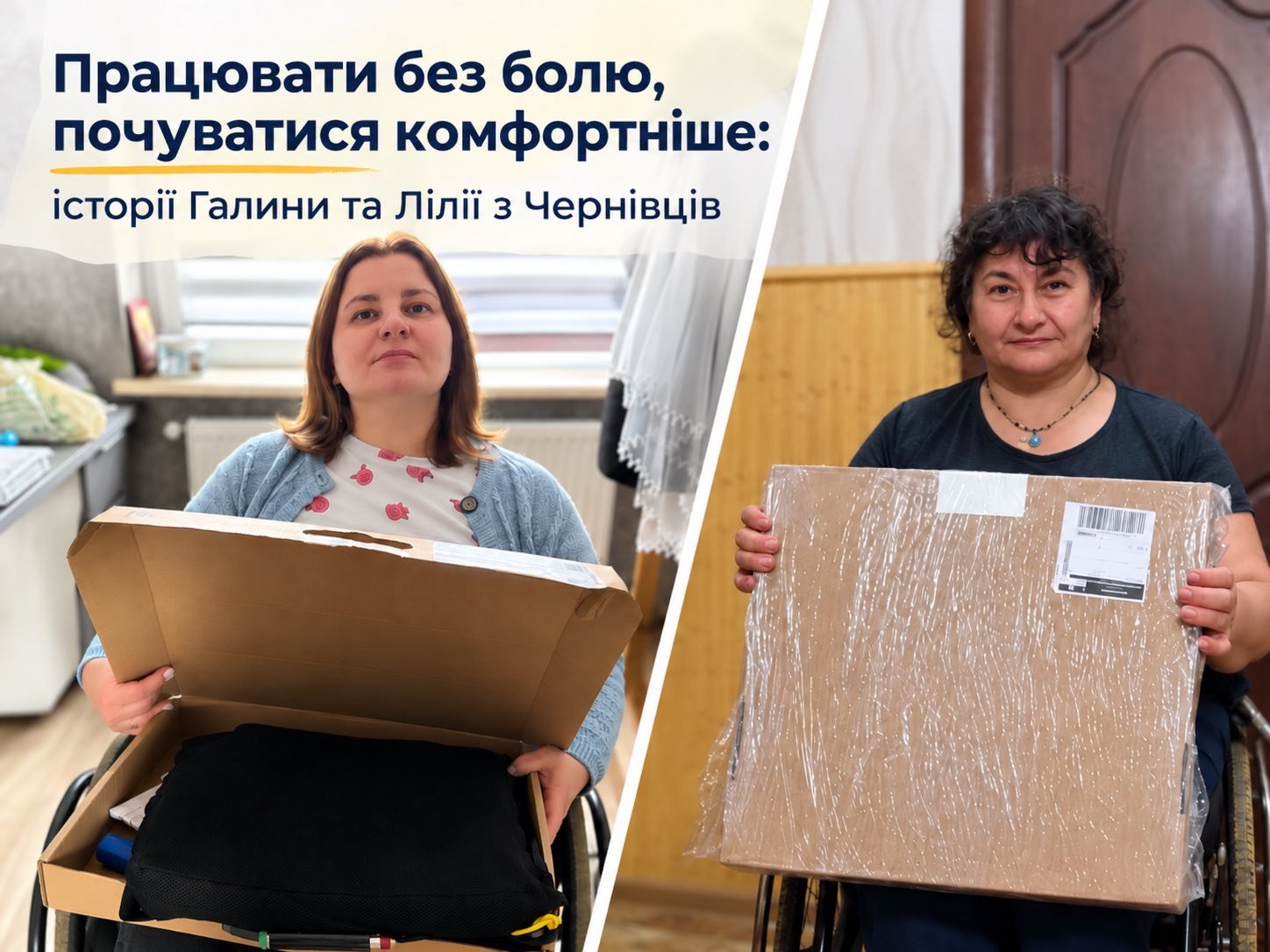
Галина з Чернівців створює весільні аксесуари для наречених. Її робота потребує творчості, терпіння та уваги до найменших деталей. За виготовленням прикрас жінка проводить багато годин, адже кожен виріб вимагає кропіткої ручної праці. Для Галини важливо мати можливість займатися улюбленою справою, однак тривала робота нерідко супроводжується фізичним дискомфортом. Жінка користується кріслом колісним, і через велике навантаження […]
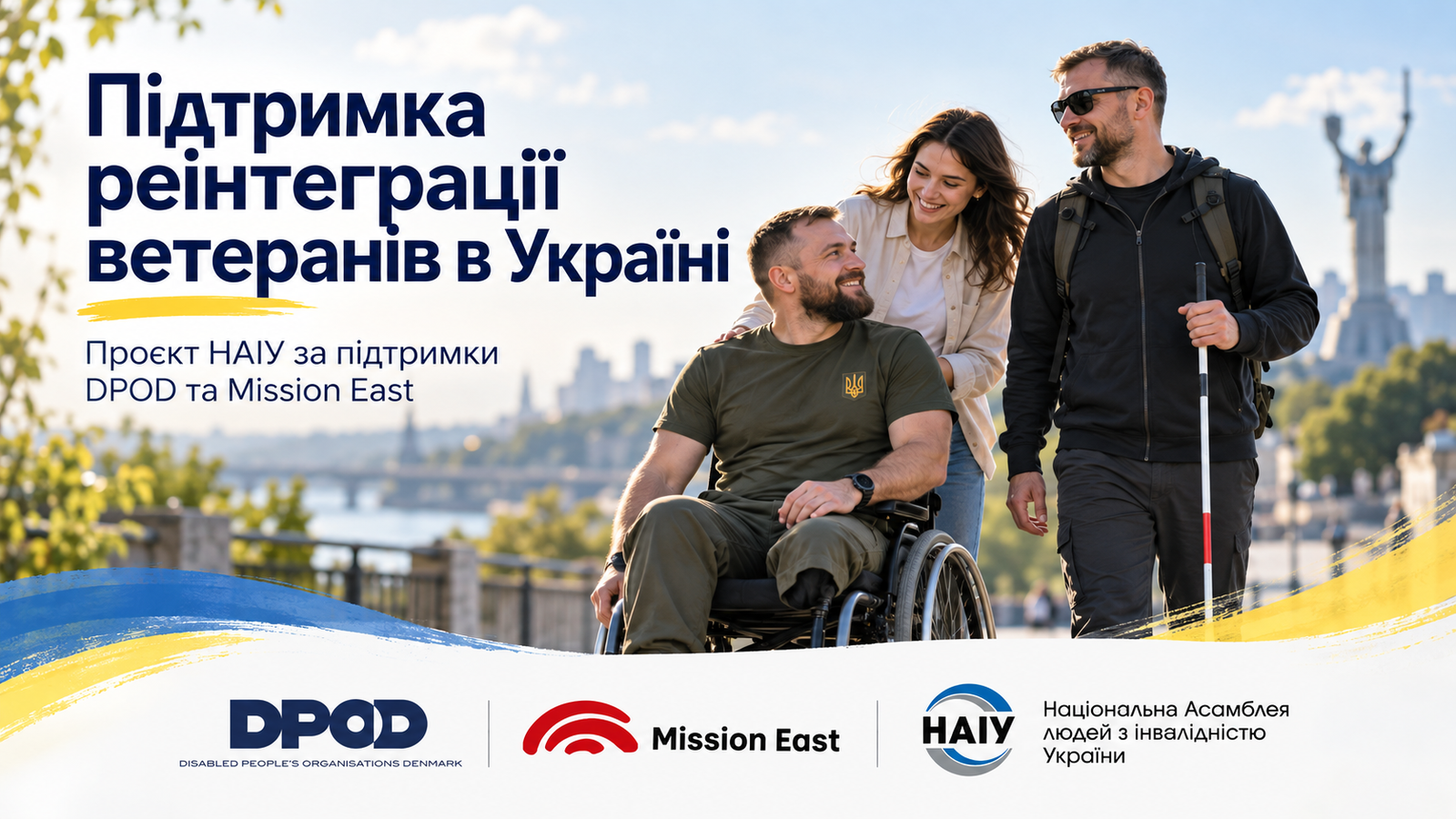
Повернення з військової служби до цивільного життя — це новий етап, який нерідко супроводжується непростими викликами. Особливо для ветеранів і ветеранок, які зазнали поранень або набули інвалідності. Реабілітація, пошук роботи, доступ до послуг, відновлення соціальних зв’язків — усе це потребує не лише особистих зусиль, а й підтримки суспільства. Національна Асамблея людей з інвалідністю України (НАІУ) […]
Упродовж програмного року — з 1 жовтня 2025-го до 30 вересня 2026-го — на гарячій лінії Національної Асамблеї людей з інвалідністю України (НАІУ) було надано 821 консультацію для 680 осіб. Найчастіше люди зверталися за роз’ясненням щодо своїх прав і пільг, зокрема отримання та поновлення виплат, оформлення догляду, встановлення й переоформлення інвалідності. Близько 70% звернень стосувалися […]
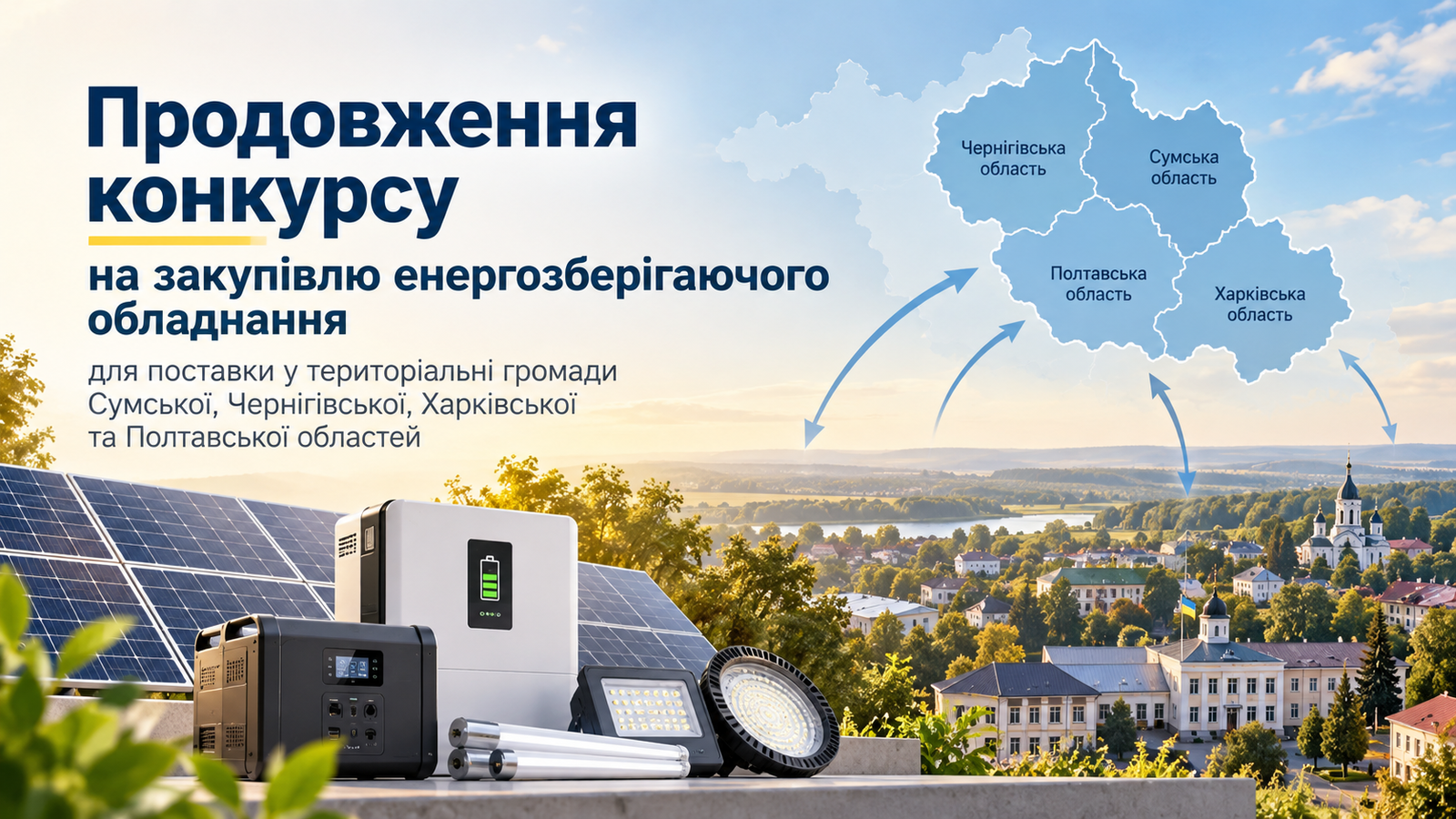
Громадська спілка “Всеукраїнське громадське об’єднання “Національна Асамблея людей з інвалідністю України” (далі – «Організатор») оголошує продовження конкурсу на закупівлю енергозберігаючого обладнання для поставки у територіальні громади Сумської, Чернігівської, Харківської та Полтавської областей. Джерело фінансування закупівлі: Дана закупівля здійснюється в рамках проєкту «Зміцнення інклюзивних послуг з охорони здоров’я, реабілітації та захисту населення, постраждалого від повномасштабного вторгнення в […]