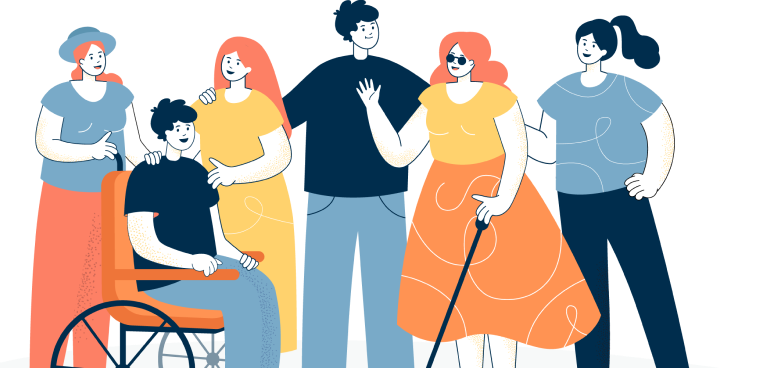
Roman is a 28-year-old resident of Rozhyshche, a town in the Volyn region. Due to a progressive chronic illness, he uses a wheelchair and has a second-degree disability status. “I used to barely leave the house. But now, thanks to the people who support me, I have the opportunity to be among others,” he says.
Roman is one of the beneficiaries of the project “Multisectoral Humanitarian Assistance for IDPs, Returnees, Veterans, and Their Host Communities in Ukraine.” This initiative not only provides financial and technical support to people with disabilities but also creates conditions for their full inclusion in community life. Socialization is a strategic goal of the project, allowing people to return to active life, feel their significance, and see their impact.
Socialization happens through the creation of an inclusive environment where each person not only receives assistance but also interacts with the community members, doctors, specialists, and local authorities. This model breaks down barriers of isolation and fosters a sense of belonging. Participation in community life—such as attending events, checking accessibility of public spaces, or joining advocacy campaign planning—enables a person with a disability to feel like an active agent of change rather than a passive recipient of services.
An essential component is also the building of social connections. New acquaintances, informal communication with coordinators, medical staff, and other participants all help to form a supportive environment where a person can share experiences and receive understanding and encouragement.
Another crucial element is the strengthening of agency—the process by which a person begins to recognize their own ability to influence events. When people with disabilities take part in accessibility monitoring or in the development of community initiatives, they shift from the role of “aid recipient” to that of “change-maker.” This not only supports inclusion but also transforms communities—making them more open, humane, and united.
Together with a team of doctors, Roman began rehabilitation using modern equipment provided to Rozhyshche Multidisciplinary Hospital by the National Assembly of People with Disabilities of Ukraine (NAPD) as part of another humanitarian initiative. A professional team of specialists supports him not only physically but emotionally as well. “When I lost the ability to walk, the future seemed uncertain. But now I believe: I’ll be able to stand on my feet again,” Roman shares.
Today, Roman is not only returning to an active life but is also participating in shaping change. One of the events he took part in was the opening of the Youth Center in Rozhyshche. “I used to barely leave the house. But now, thanks to the people who support me, I can be among others. I've discovered many new things, new opportunities, and meaningful connections.”
Roman is now also involved in planning an advocacy campaign aimed at strengthening the rights of people with disabilities in his community. His personal experience, insights into the problems, and proposed solutions will become an important part of this work.
Oleksandra Perkova
Communications Manager of the Project
Ресурсний центр Національної Асамблеї людей з інвалідністю України підготував черговий огляд законодавчих змін, важливих для людей з інвалідністю та членів їхніх родин. Серед основних тем — соціальні гарантії, допомога на опалювальний сезон, підтримка внутрішньо переміщених осіб, освітні гранти, а також проєкти рішень щодо працевлаштування й доступності медіа. Президент України підписав закон, ухвалений за законопроєктом № […]
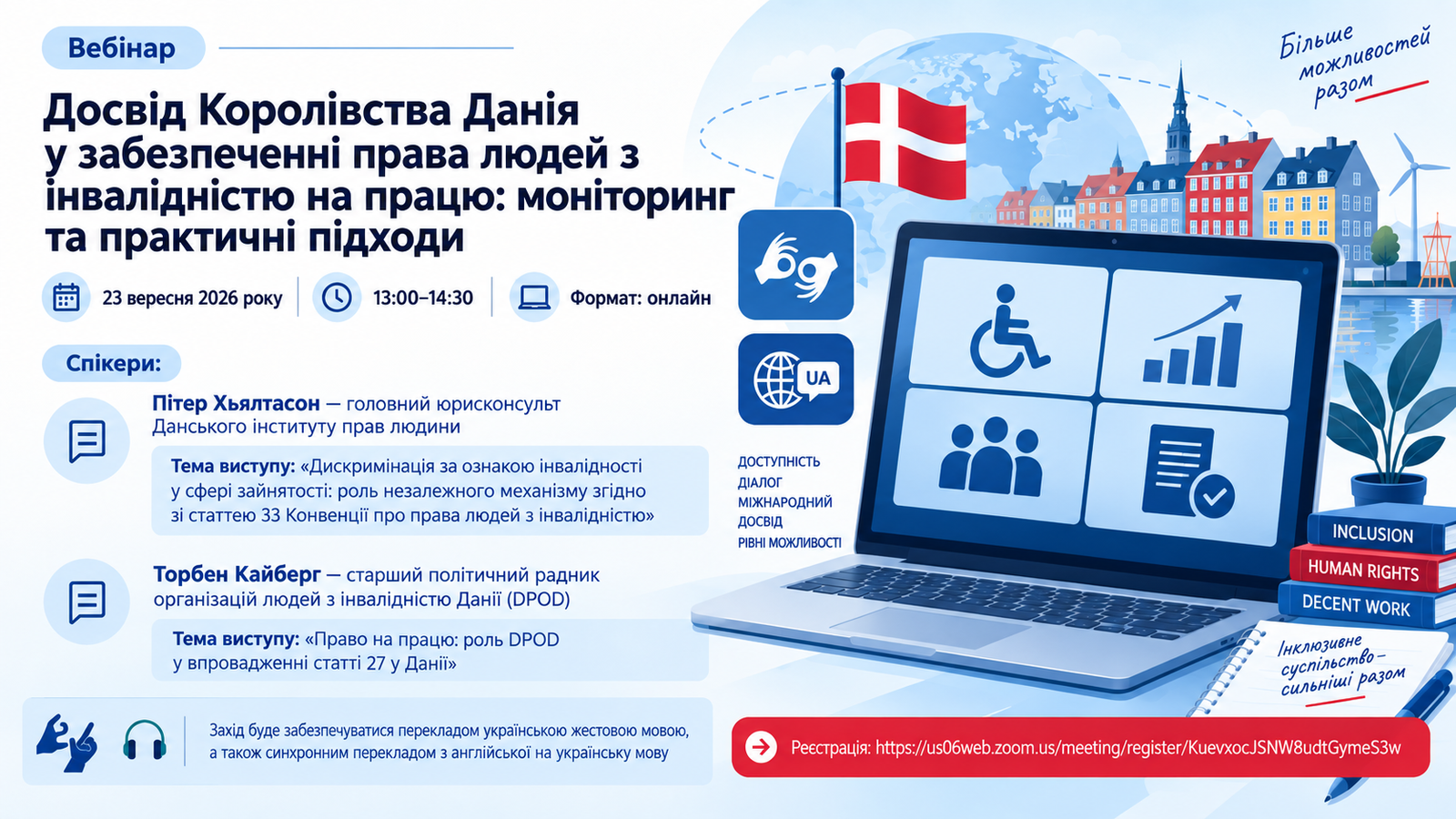
23 вересня 2026 року о 13:00–14:30 запрошуємо представників громадських організацій, експертного середовища та всіх зацікавлених долучитися до онлайн-вебінару «Досвід Королівства Данія у забезпеченні права людей з інвалідністю на працю: моніторинг та практичні підходи». Під час зустрічі учасники ознайомляться з досвідом Данії у сфері захисту права людей з інвалідністю на працю, механізмами протидії дискримінації у сфері […]
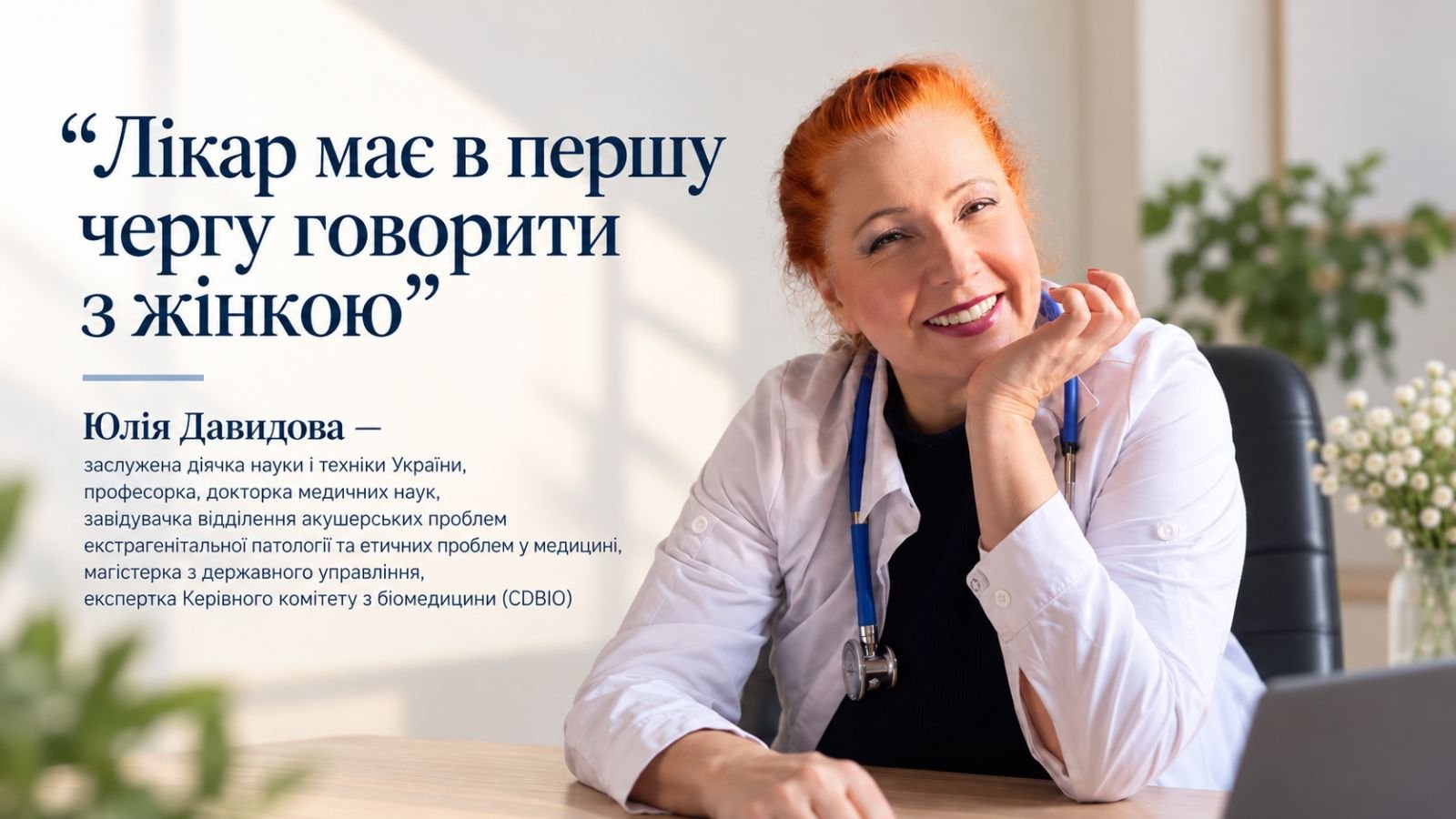
В межах проєкту «Здоров’я жінки» команда спілкується з жінками з інвалідністю у громадах, проводить опитування та досліджує їхній досвід отримання медичної допомоги. Жінки говорять не лише про архітектурну недоступність медичних закладів, відсутність адаптованого обладнання чи складнощі з транспортом. Серед бар’єрів також — попередній негативний досвід, нетактовне ставлення, брак зрозумілої інформації та суспільні стереотипи щодо сексуального […]
Анастасія живе у Казанківській громаді Миколаївської області разом із чоловіком Сергієм та шістьма дітьми. Подружжя разом вже 15 років. У житті родини багато звичних щоденних справ: навчання дітей, домашні клопоти, покупки, плани на новий навчальний рік, і серед них також щоденне лікування Анастасії. Анастасія має інвалідність і проходить лікування онкологічного захворювання. Через прогресування хвороби їй […]
10 вересня відбулася стратегічна сесія за участі команди Секретаріату Національної Асамблеї людей з інвалідністю України. Захід був присвячений визначенню пріоритетів і цілей розвитку організації на 2027–2031 роки. Метою сесії було узгодити стратегічні напрями, цілі, завдання та ключові індикатори майбутньої Стратегії НАІУ. Основою для спільної роботи стали результати опитування членських організацій, фокус-групових дискусій та експертних інтерв’ю. […]
У Львівській області завершився офлайн-тренінг «Організаційна спроможність ОГС: від оцінки потенціалу до дієвої стратегії». До навчання долучилися представниці і представники громадських організацій людей з інвалідністю з Вінницької, Дніпропетровської, Закарпатської, Запорізької, Полтавської, Сумської, Тернопільської, Харківської та Черкаської областей, а також міста Києва. Захід організувала Національна Асамблея людей з інвалідністю України в межах проєкту «Реабілітація в Україні» […]