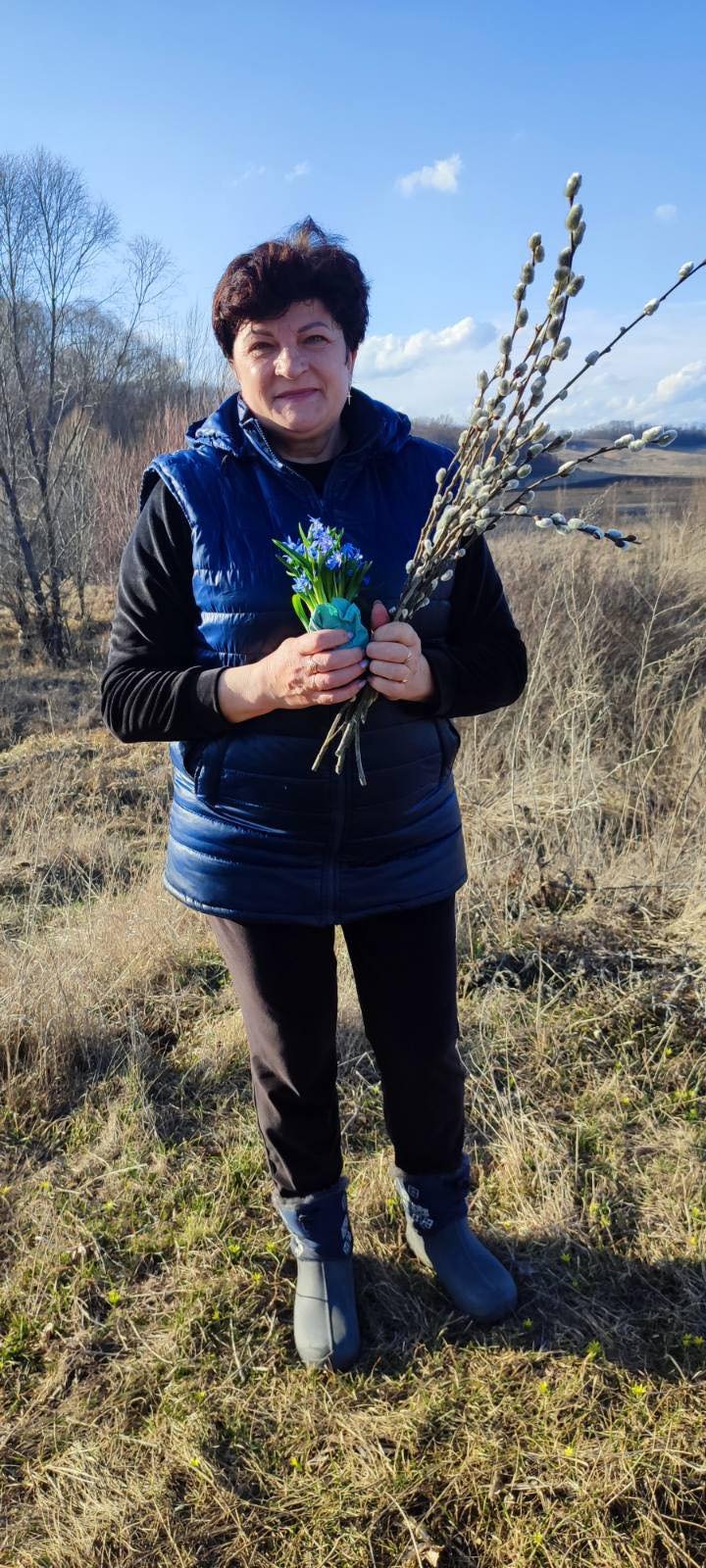
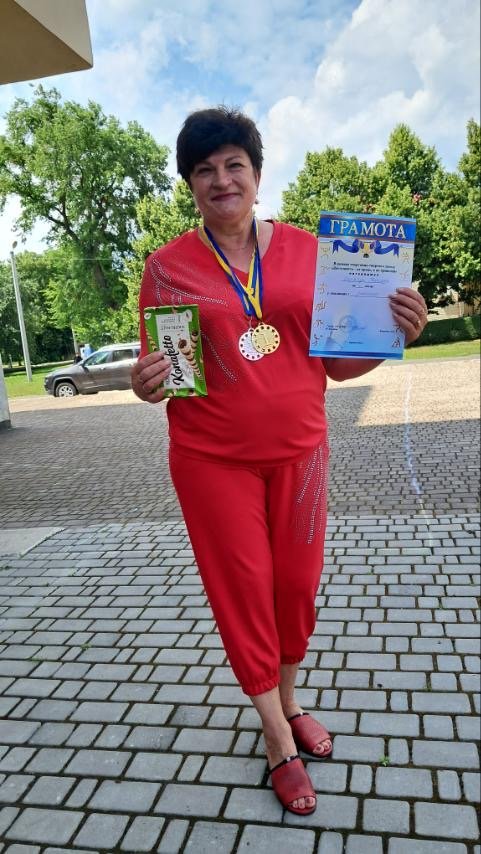
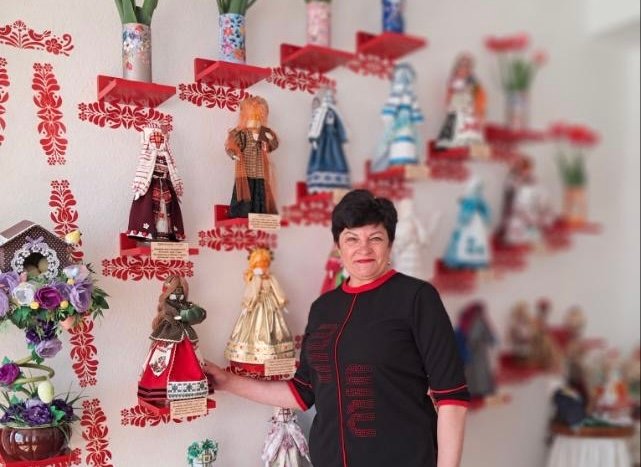
Tetiana, who lives in the Karlivska community in the Poltava region, has a Group I disability due to cancer. Every day, she faces challenges related to her health, yet she finds the strength to maintain her usual rhythm of life.
Every day, Tetiana fills her time with activities that are important to her: walks in nature, spending time outdoors, and socializing with friends and family. It is precisely these moments that help her maintain her emotional balance.
As part of the project “Multisectoral Disability-Inclusive Humanitarian Assistance for Internally Displaced Persons, Returnees, Veterans, and Host Communities in Ukraine,” implemented by the National Assembly of People with Disabilities of Ukraine (NAPD) in partnership with the European Disability Forum (EDF) with support from the German Federal Foreign Office (GFFO) and CBM (Christian Blind Mission), Ms. Tetiana received financial assistance. The initiative takes a comprehensive approach focused on people’s actual needs rather than formal criteria.
Tetyana notes that the support allowed her to cover some of her basic expenses and purchase necessary items during a difficult period. “In such challenging times, it’s important to know that you’re not left alone to face your difficulties,” says Tetyana.
Accessible and timely assistance for people with disabilities, especially in the context of war and humanitarian challenges, is vital support. It must take individual needs into account, allowing people to independently set priorities and make decisions about their own lives.
Such partnerships demonstrate that coordinated efforts by Ukrainian and international organizations can provide support to people with disabilities regardless of where they live or their level of access to services.
Oleksandra Perkova, Communications Manager of the Project
Любов проживає у сільській місцевості Полтавського району. Вона ніколи не хотіла залишати рідну домівку, адже з дитинства любить землю, квіти та все, що на ній росте. Сад завжди був для жінки місцем сили та натхнення. Однак із часом у Любові виникли порушення опорно-рухового апарату, і пересуватись самостійно жінці ставало дедалі складніше. Протягом останніх двох років […]
На Буковині відбувся VI «Форум молоді Буковини: голос спільнот», у якому взяли участь представники Мамаївської територіальної громади — директорка КЗ «Центр культури та дозвілля» Анастасія Панімарчук та лідер молодіжної ініціативи Віталій Хащовий. Їхня участь стала продовженням адвокаційної кампанії “Голос молоді: бути почутими в громаді”, що об’єднала молодь, місцеву владу, громадські організації, батьків та мешканців задля […]
Національна Асамблея людей з інвалідністю України (НАІУ) у співпраці з Міжнародною організацією з міграції (МОМ) запрошує соціальних працівників та помічників ветеранів Іванківської громади на одноденний тренінг «Інклюзивний підхід у гуманітарному реагуванні та відновленні», який відбудеться 27 листопада 2025 року в Іванкові. Мета заходу — структурувати знання учасників щодо сучасних підходів до інвалідності та надати практичні […]
45-річна Світлана, втратила зір через ускладнення після перенесеного в дитинстві менінгіту. Вона живе з мамою у квартирі на другому поверсі, що вже саме по собі створює бар’єри у пересуванні та доступі до соціальних послуг. Незважаючи на це, жінка намагається залишатися активною: користується аудіокнигами, стежить за подіями в країні та підтримує соціальні зв’язки, активно спілкуючись з […]
У жовтні в Рожищенській громаді на Волині відбулася серія подій, покликаних об’єднати фахівців та батьків навколо спільної мети — створення справжнього простору розуміння, доступності й підтримки для дітей з інвалідністю. Адвокаційна кампанія «Простір розуміння: зустрічі для важливих розмов!» стала частиною міжнародного проєкту «Мультисекторальна гуманітарна допомога з урахуванням інвалідності для ВПО, репатріантів, ветеранів та приймаючих громад […]
People with disabilities and older persons are among the most vulnerable groups in society — both in peacetime and especially during war. Medicines, mobility aids, access to social services, or even basic food can become unavailable to them. With rising prices, damaged infrastructure, and limited social guarantees, many elderly people are forced to choose between essentials.