Six Institutions - Six Answers to One Question: How to Make Vocational Education Truly Inclusive
24 March 2026
Share:
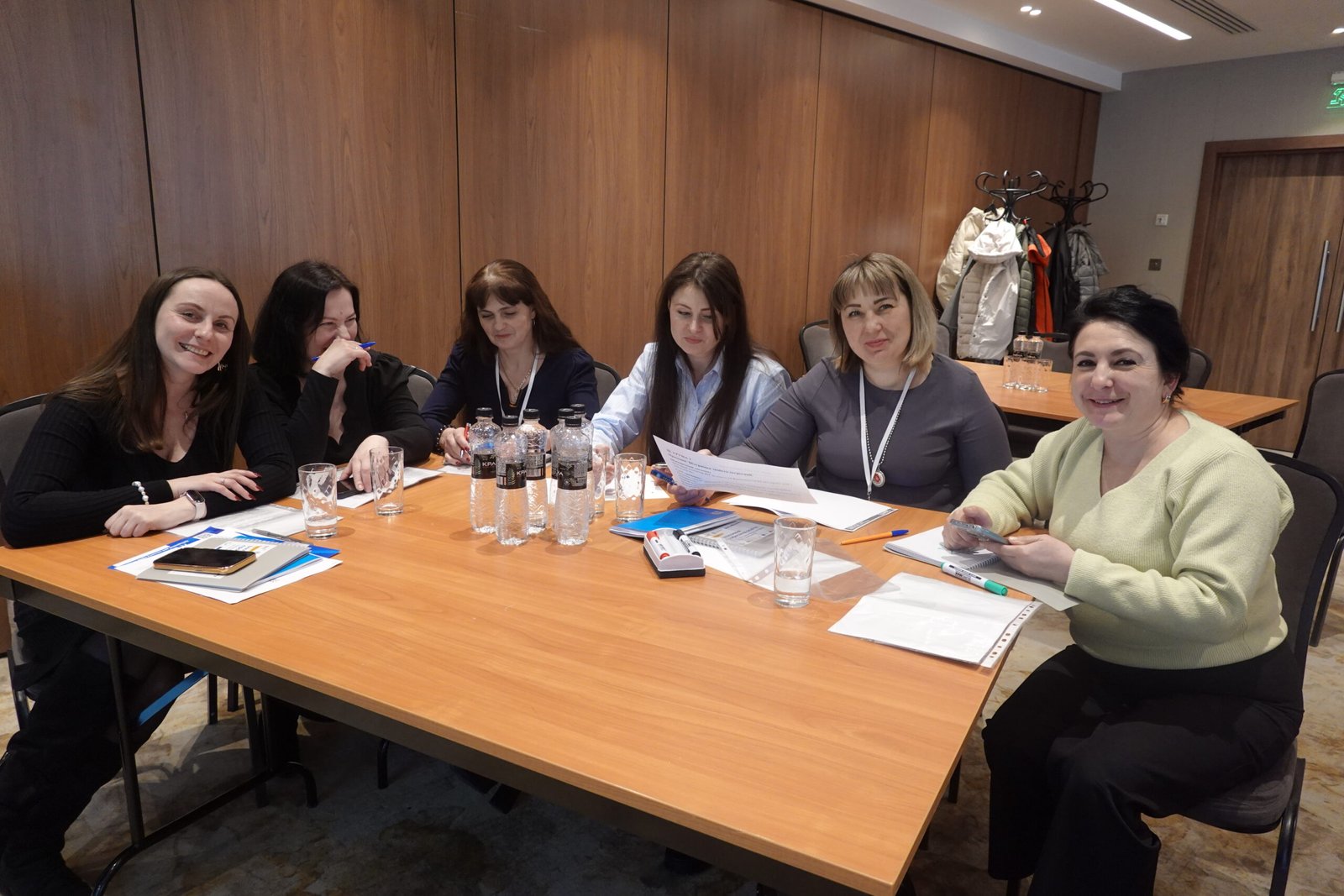
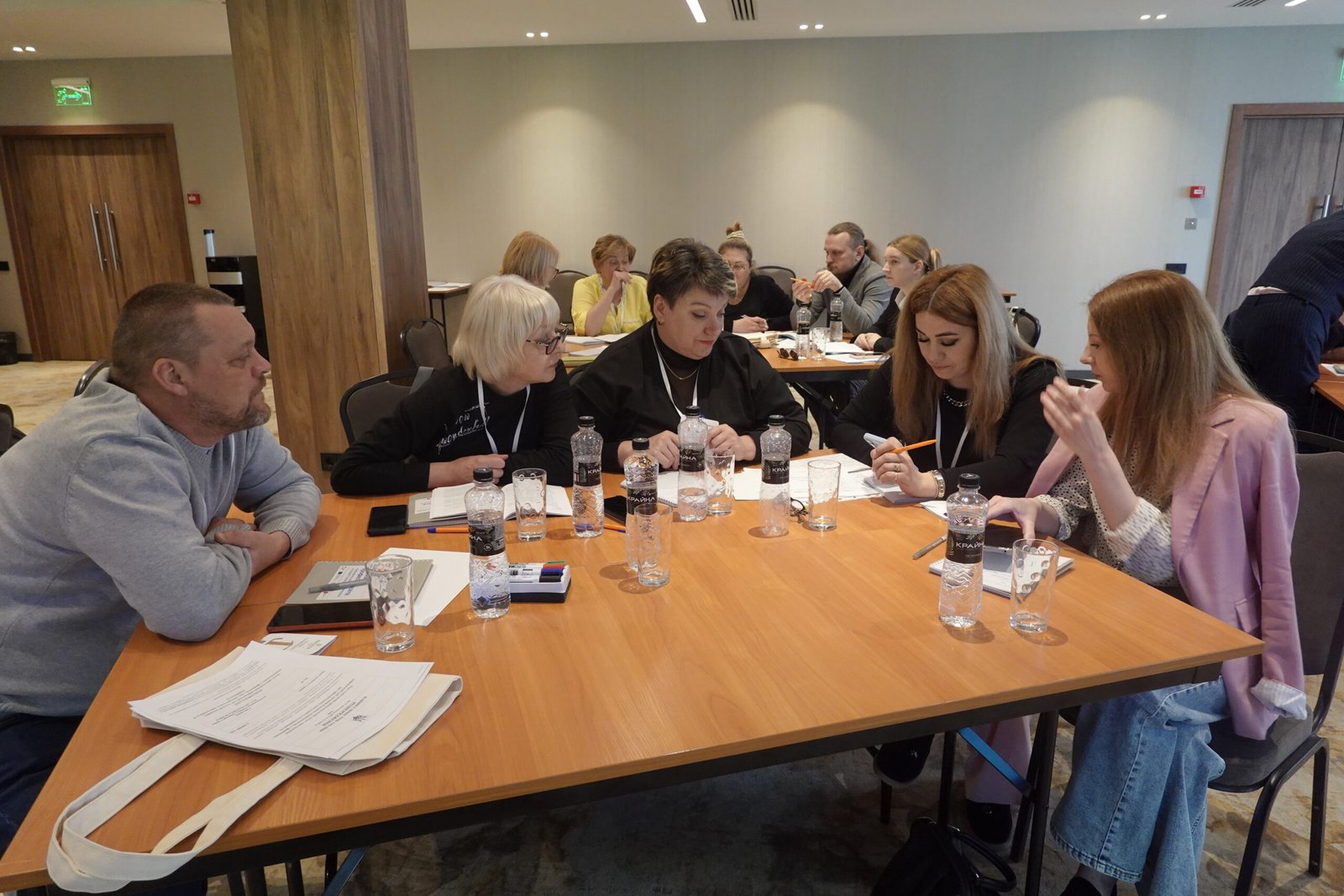
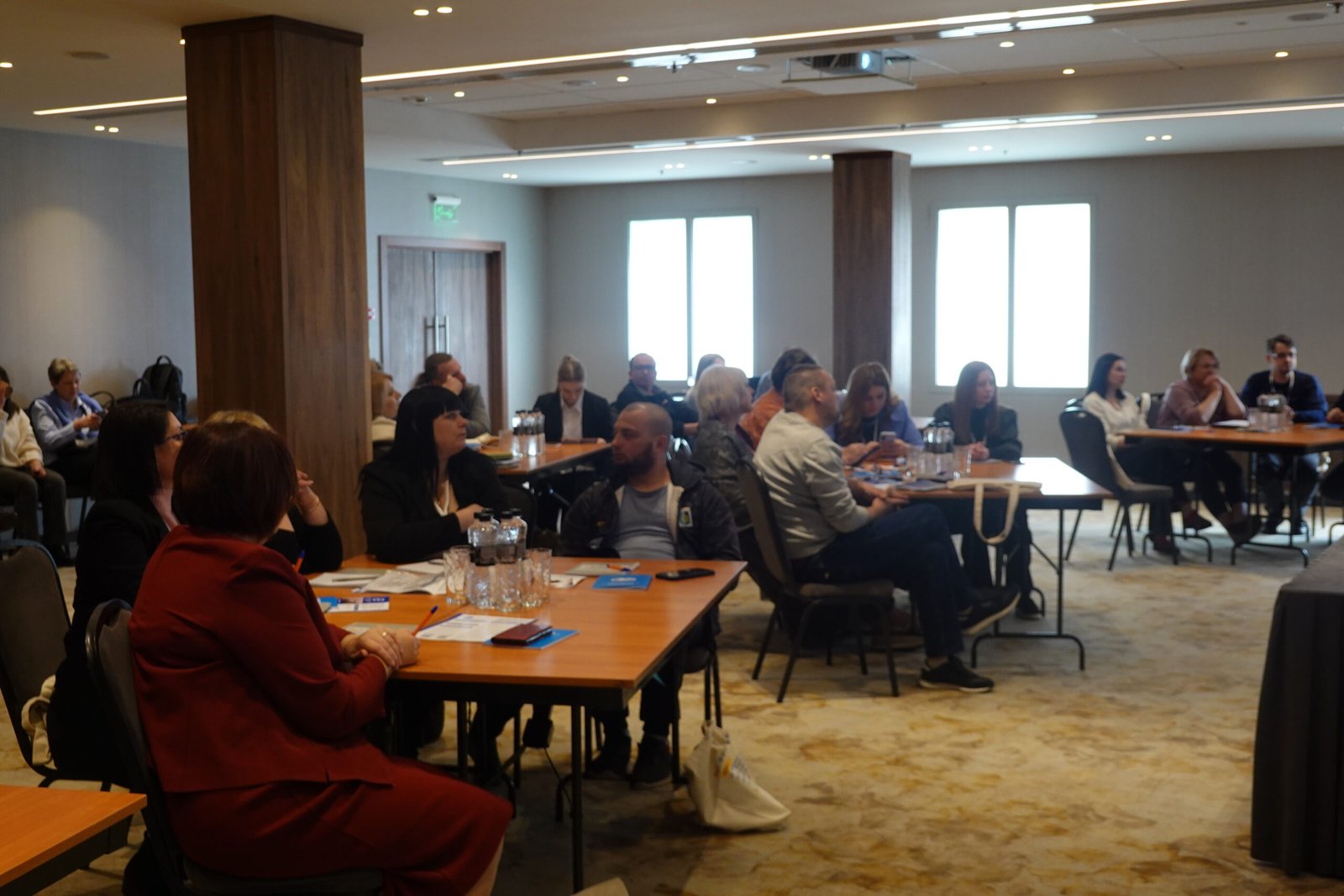
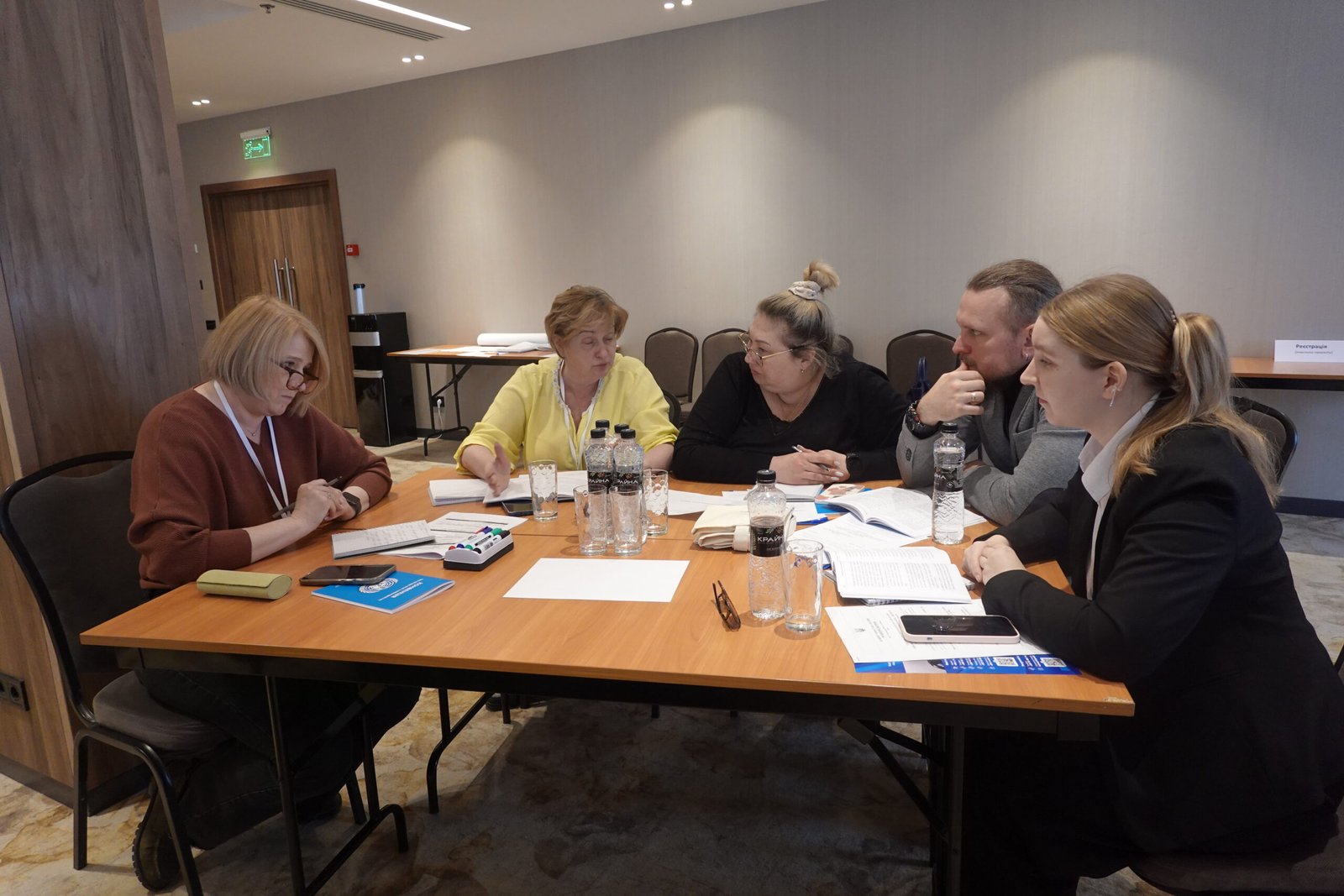
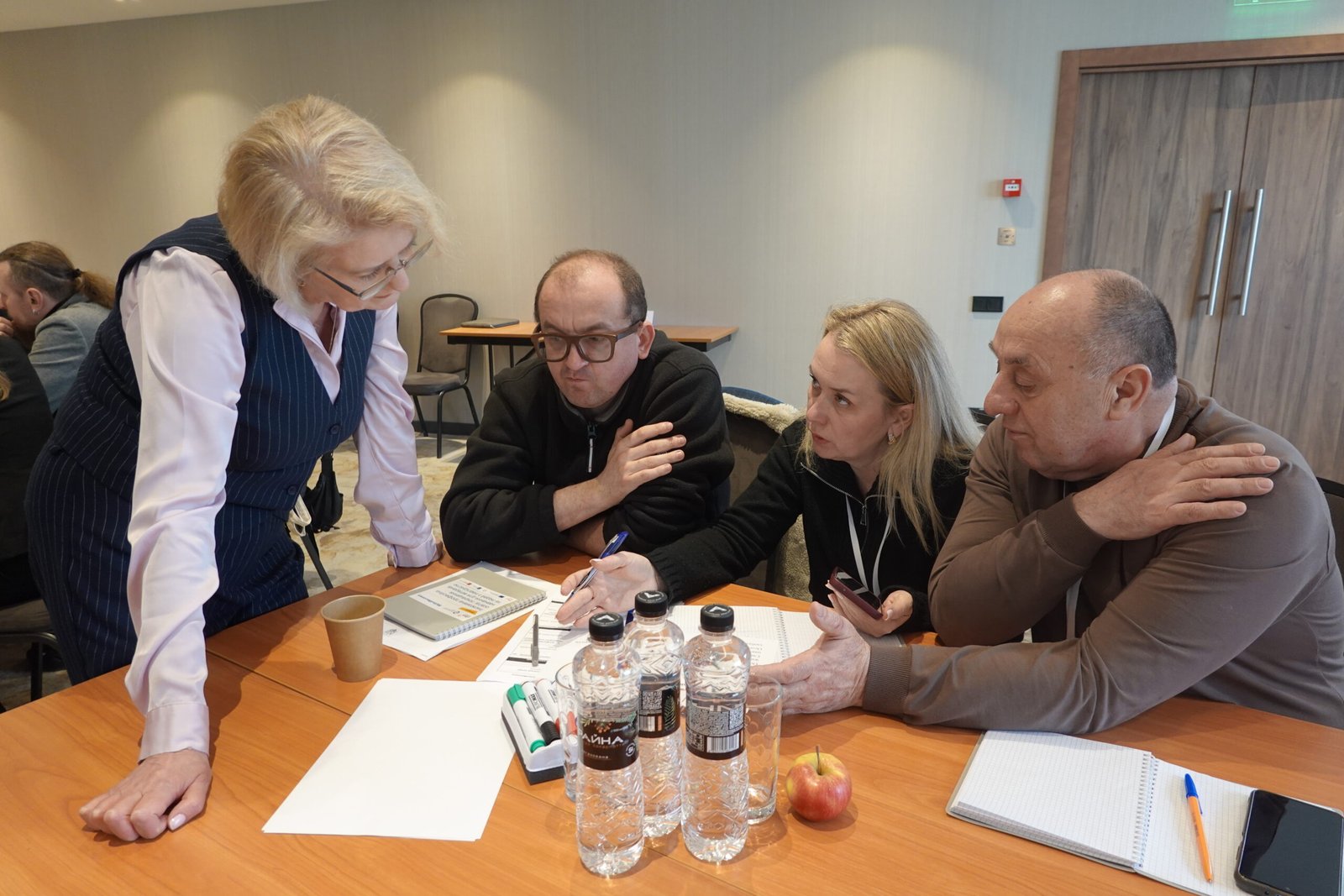
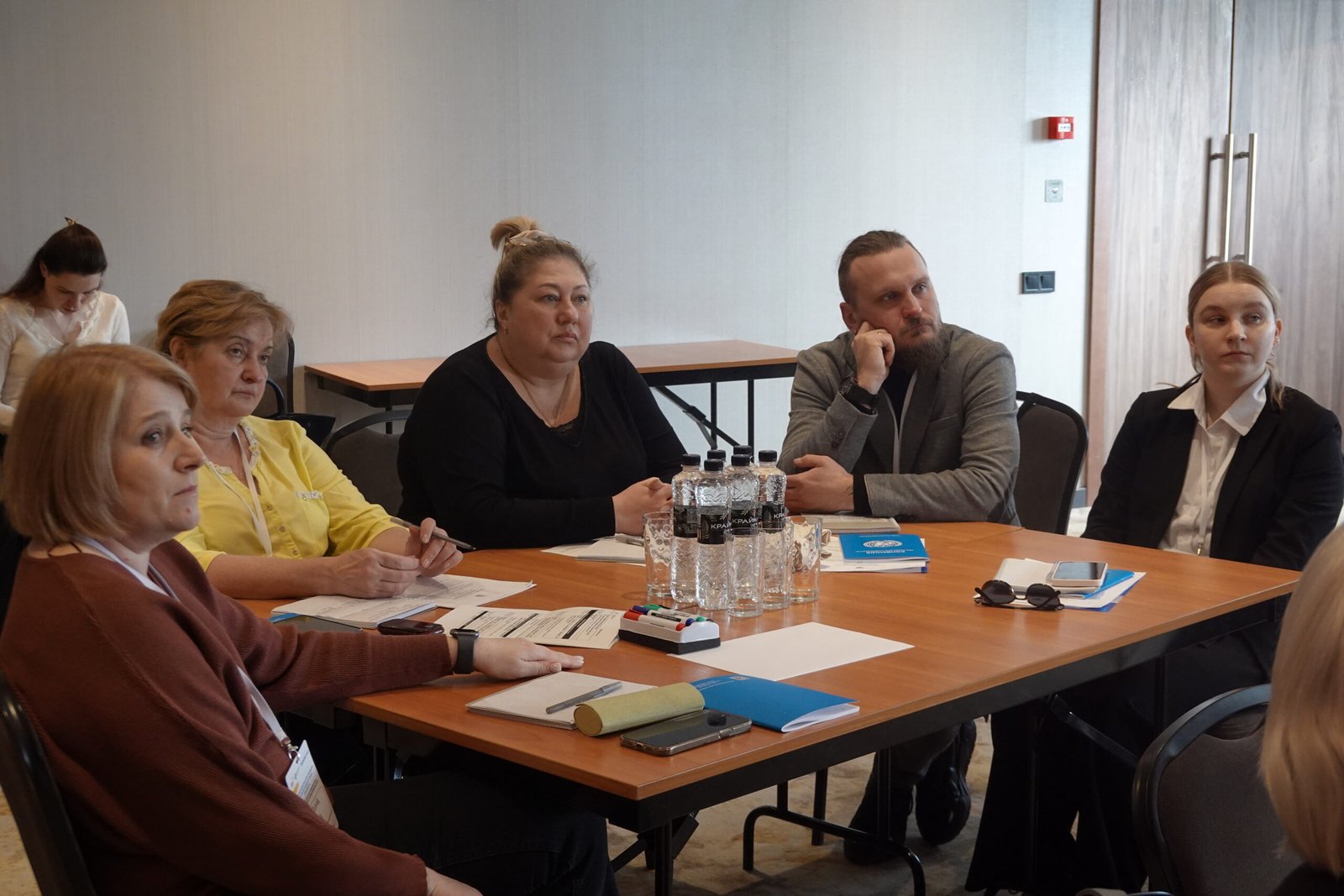
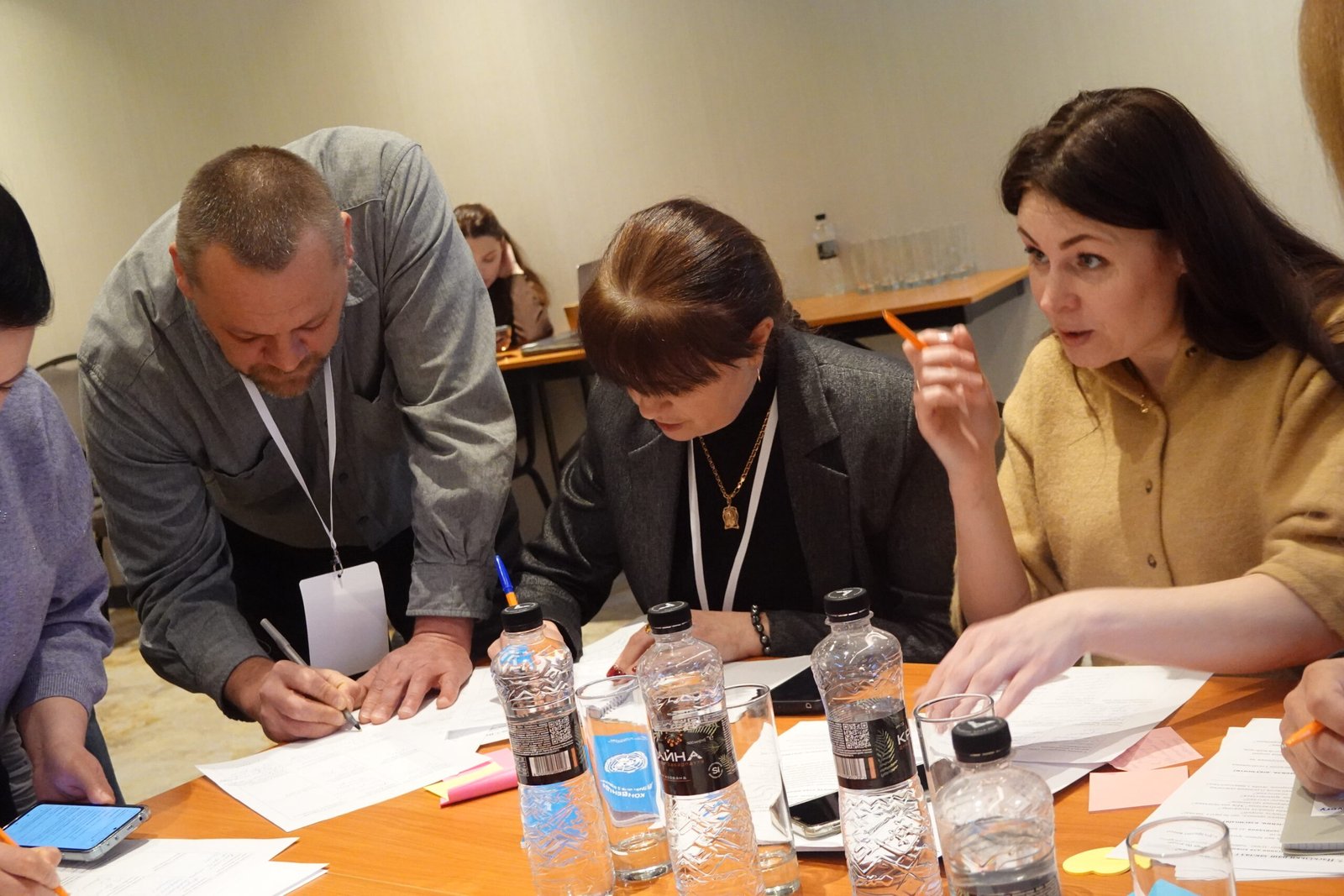
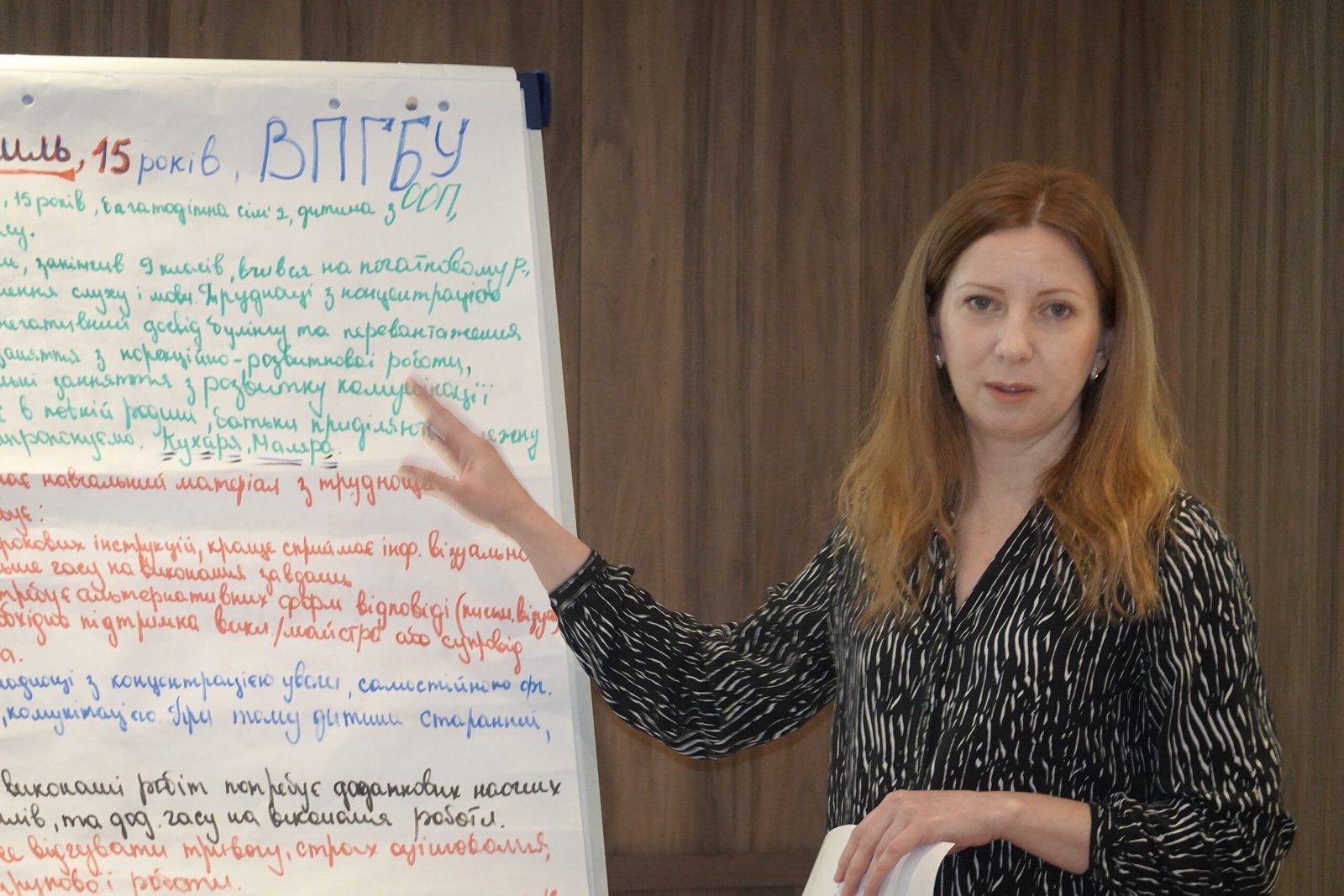
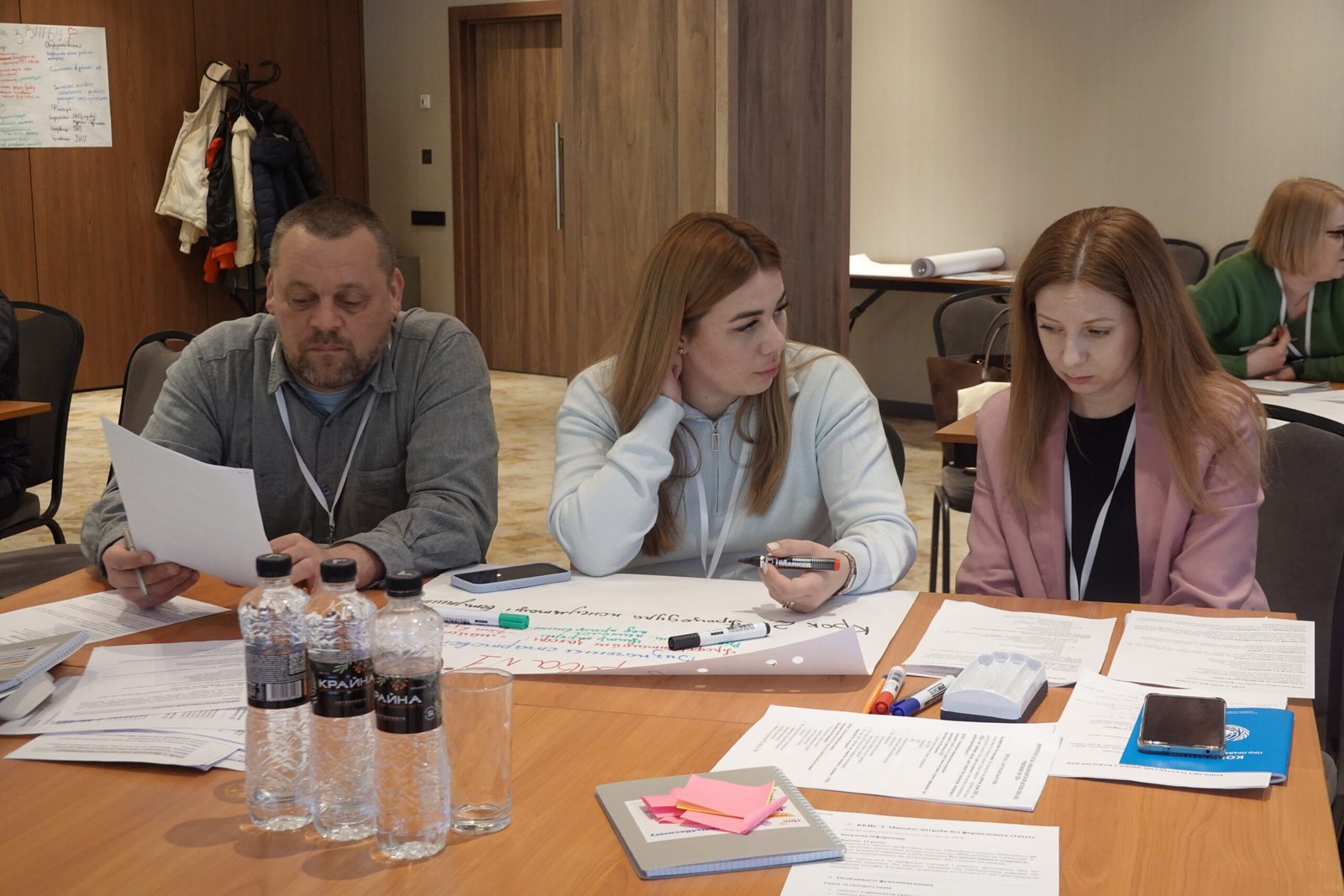
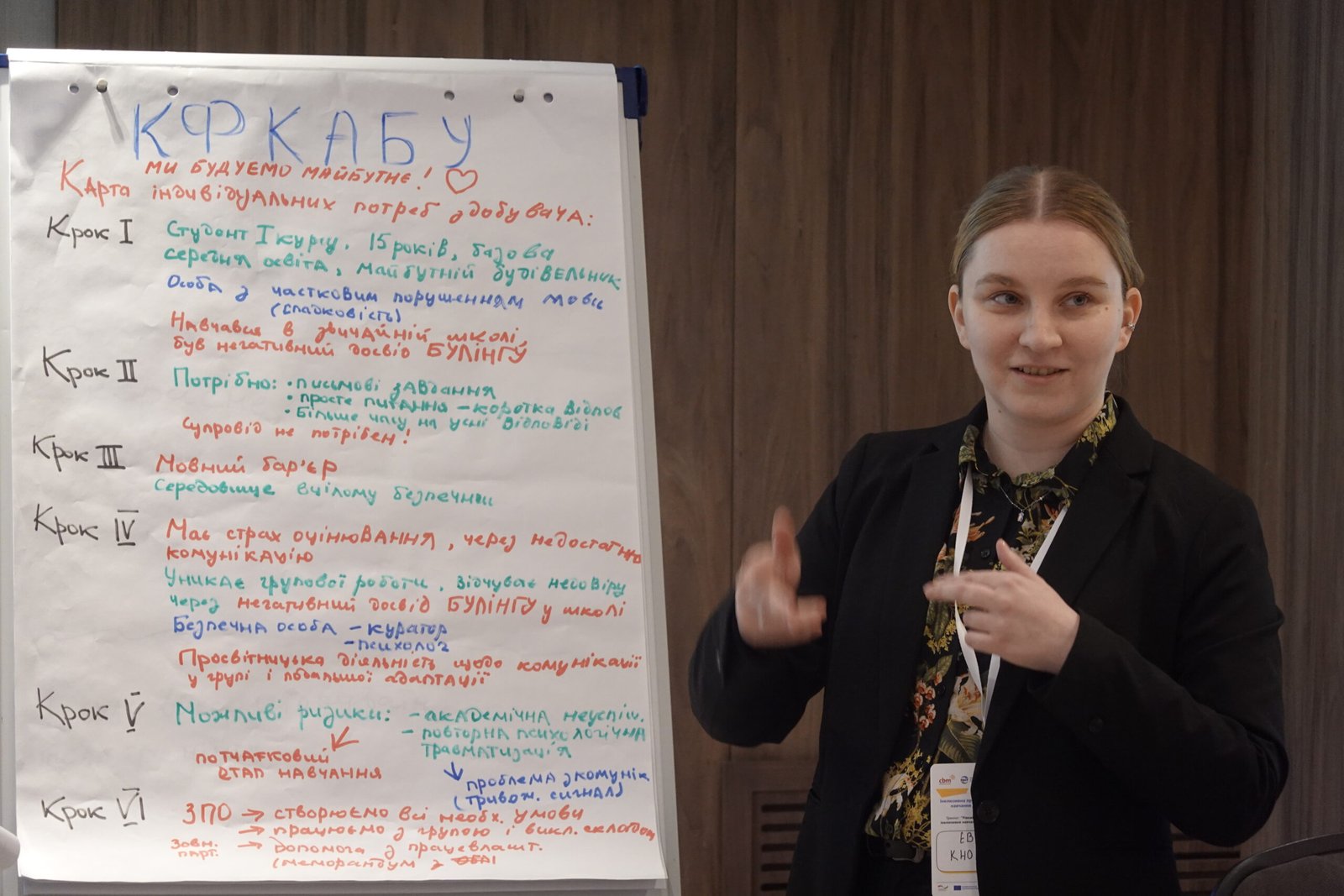
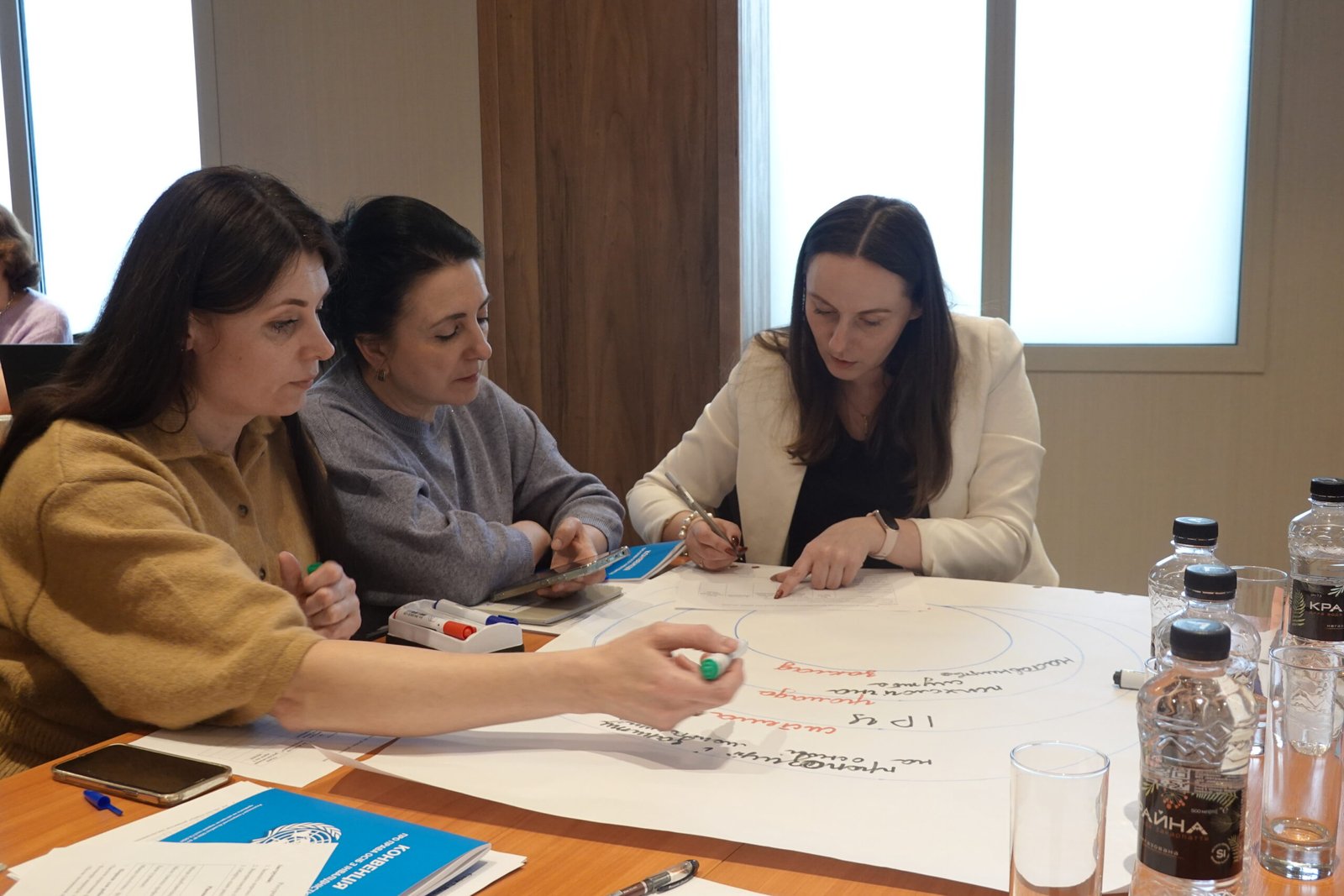
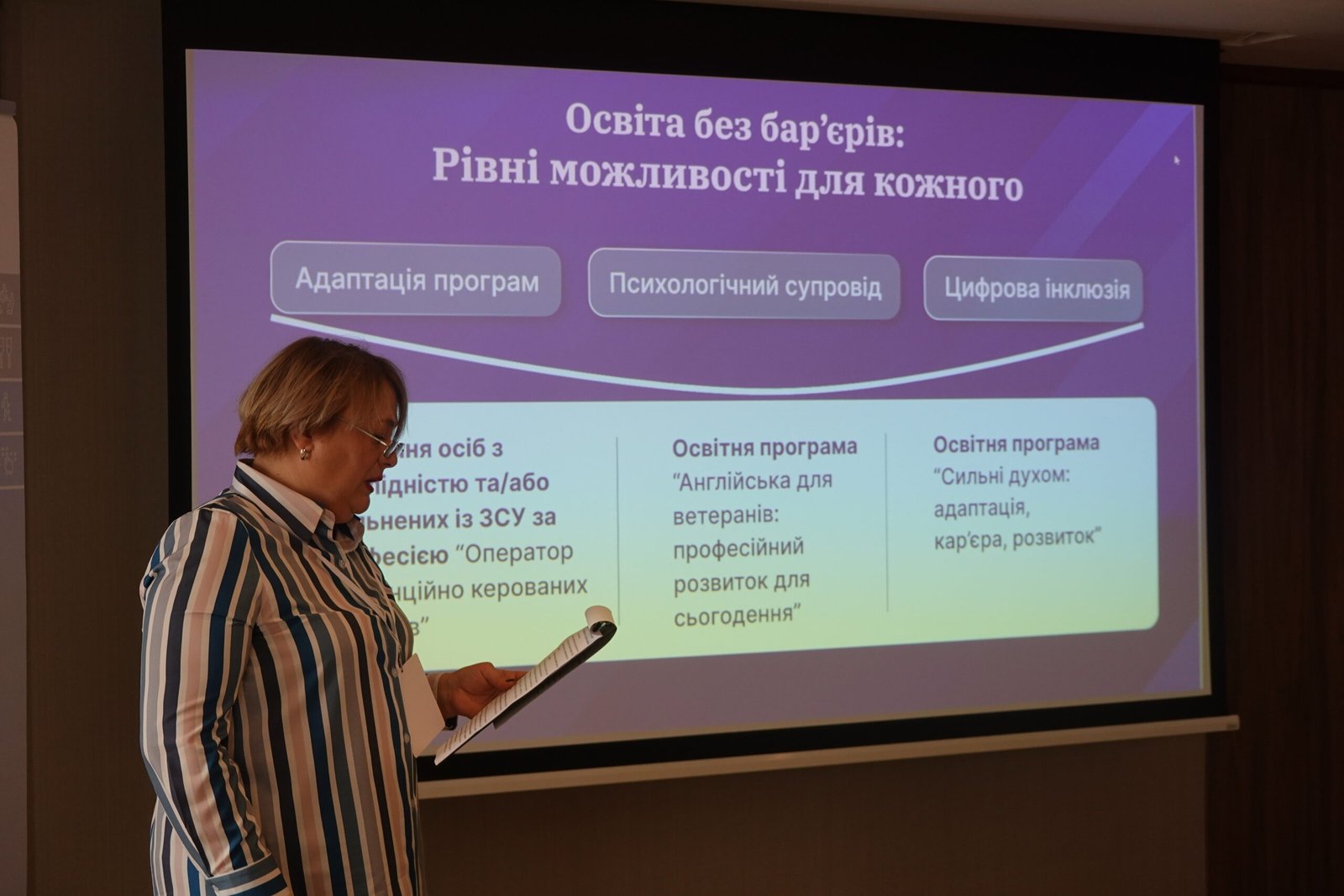
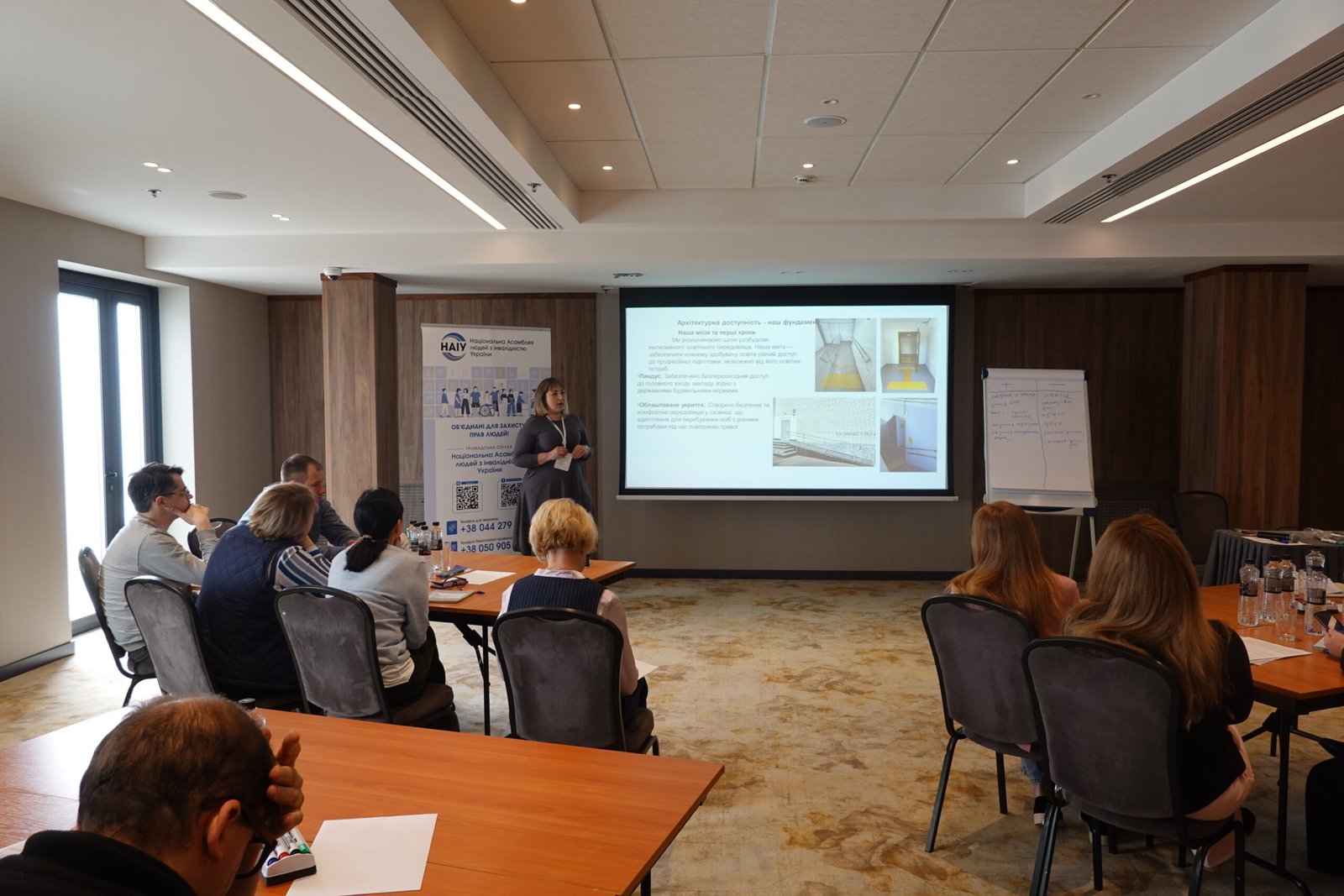
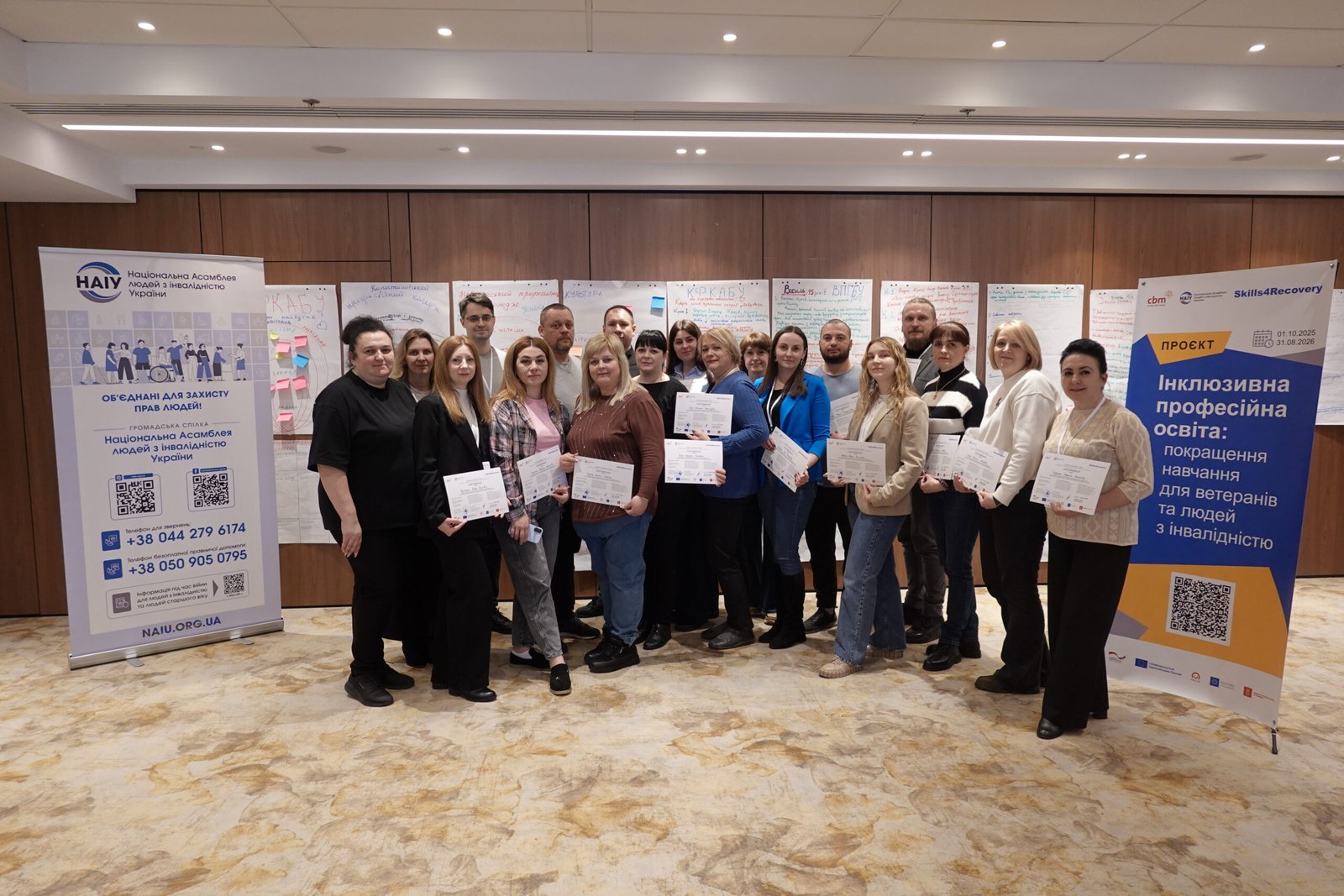
The third training for teams from vocational education and training (VET) and professional pre-higher education providers participating in the project on developing inclusive vocational education within the Skills4Recovery Multi-Donor Initiative has concluded in Kyiv. This stage was not only about capacity-building, but also about an honest conversation: what is already working, where barriers remain, and what needs to change to ensure that learning is accessible for persons with disabilities, veterans, and other learners with diverse needs.
The discussions focused on highly practical issues: how to remove barriers in the physical environment, how to adapt the educational process, how to prepare teaching staff to work with diverse needs, how to ensure that learning is safe and supportive, and how to make the learner pathway realistic — from enrolment to employment.
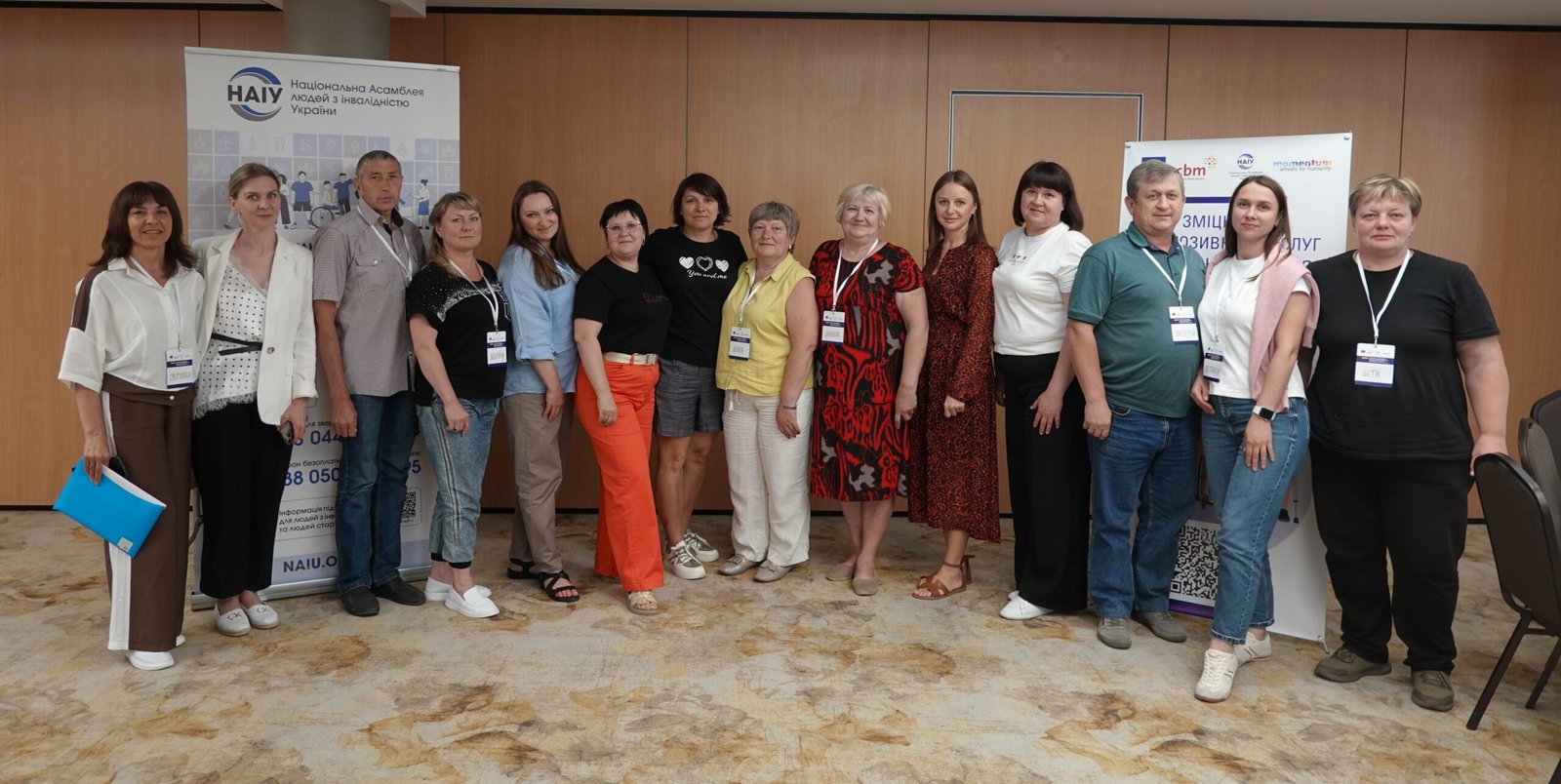
Six institutions came to Kyiv with different levels of experience, resources, and readiness. Yet this diversity became the training’s key strength. Inclusive vocational education and training does not follow a single template. It begins where an institution is willing to critically assess its own barriers, adjust its approaches, and identify solutions that work specifically for its team and its learners.
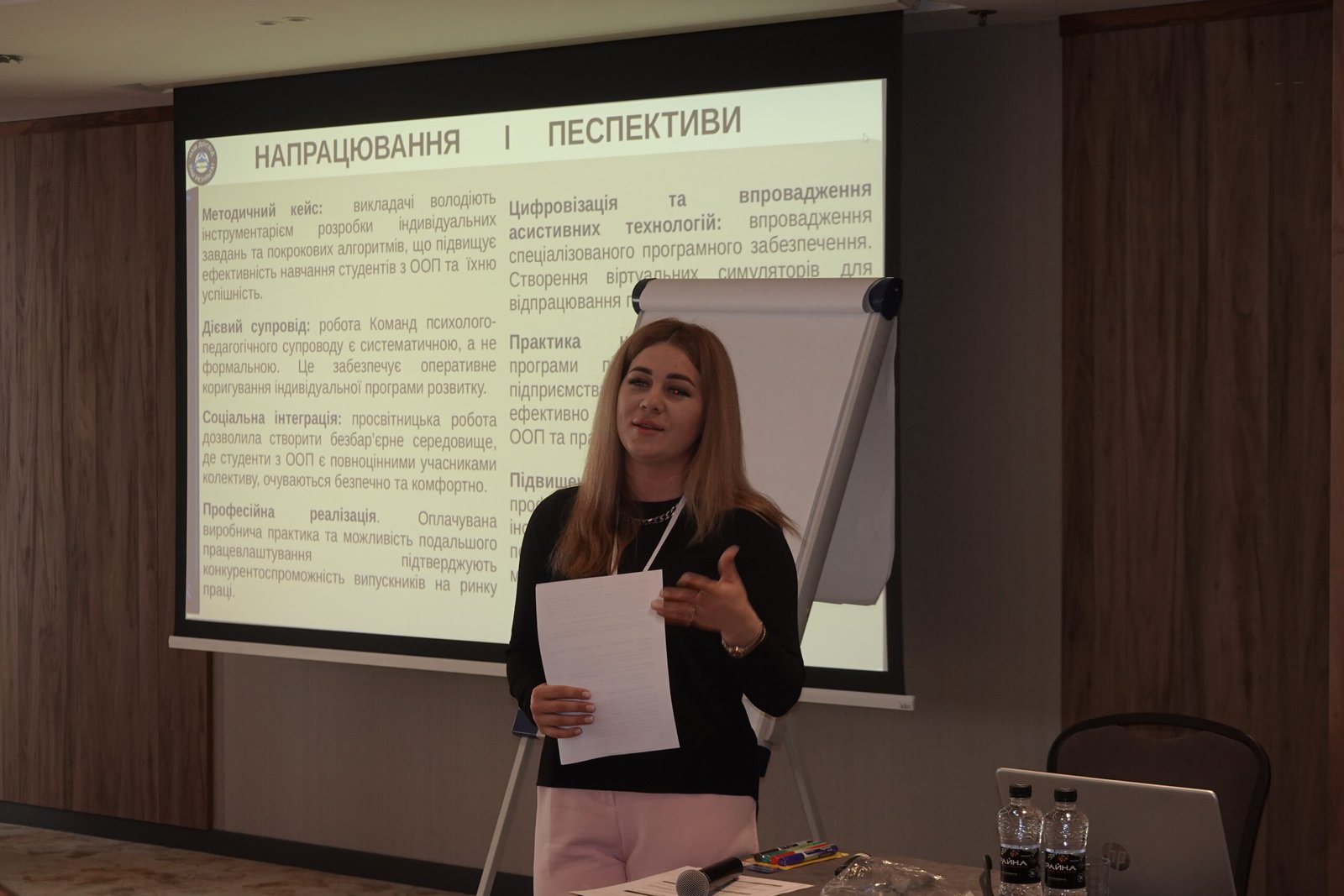
The Higher Vocational Mining and Building Vocational School from Horishni Plavni demonstrated that inclusion is not only about enrolment, but about the entire learner pathway within an educational institution. Its key strength lies in a comprehensive approach: individualized learning pathways, psychological and pedagogical support, adapted learning processes, and preparation for practical training and employment. At the same time, the team does not conceal complex challenges: the risk of isolation, persistent stereotypes, and the limited readiness of some employers to create inclusive working environments. This case offers an important and honest insight — even when change begins within an institution, the external environment must also be prepared to support and sustain it.
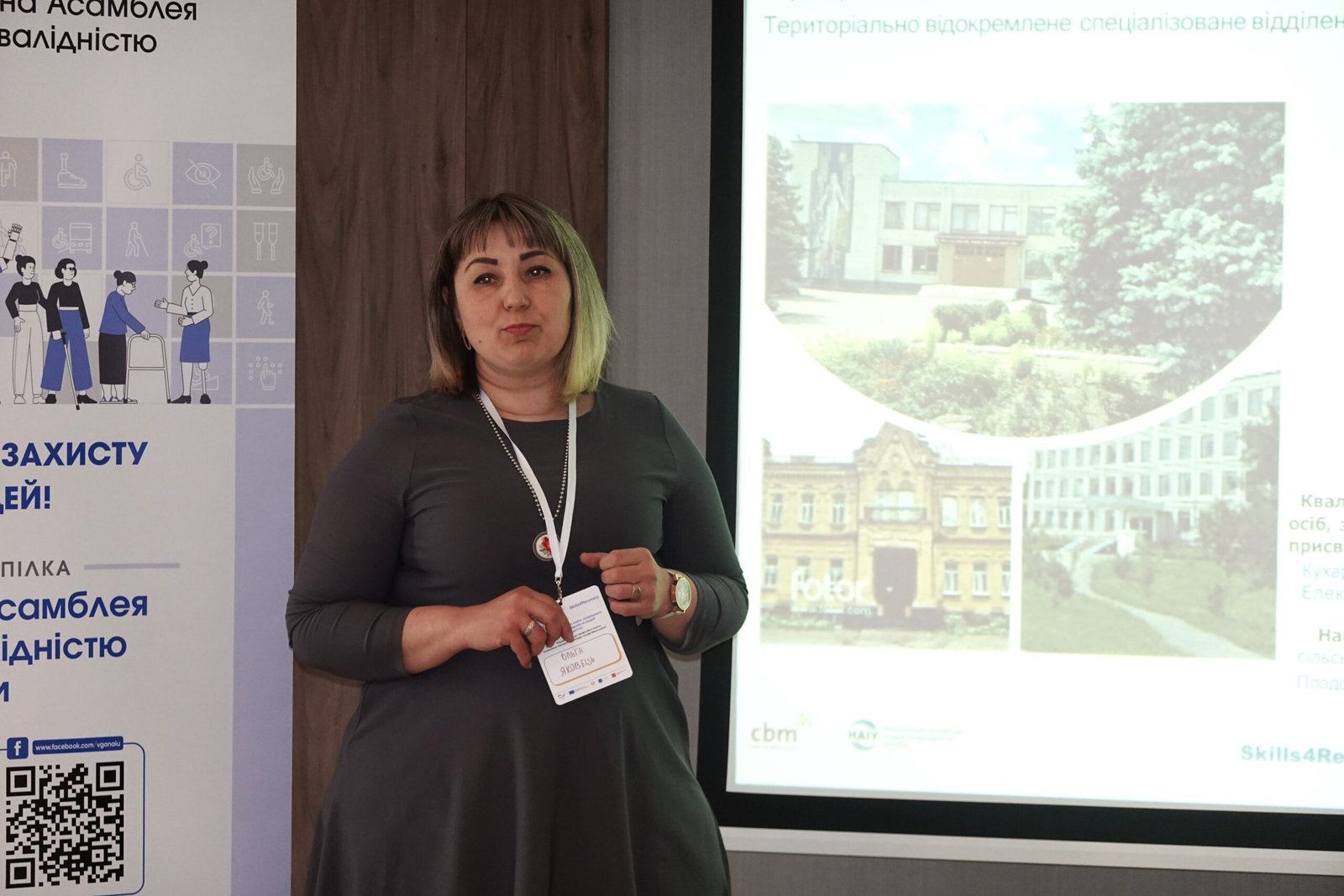
Korostyshiv Vocational College is an example of a VET provider where inclusion is gradually being embedded into the real modernisation of both infrastructure and educational approaches. The institution serves hundreds of learners, offers a strong practical training base, and features a modern culinary hub, a training and practical centre, and a shelter adapted in line with accessibility and barrier-free requirements. What makes this provider unique is the combination of a substantial educational infrastructure with concrete, practical steps toward accessibility. At the same time, the team openly acknowledges that a lot of work still has to be done: two of its territorial branches have not yet reached the same level of accessibility, and teaching staff require not formal training courses, but genuinely practical tools for working with learners with diverse educational needs.
Dnipropetrovsk Centre for Vocational and Technical Training of the State Employment Service reminded that barriers are not only physical. For many people, the barrier lies in life circumstances themselves: job loss, injury, forced displacement, returning from war, or the need to start over. This is precisely why the centre’s key strength is flexibility. Here, vocational education and training functions as a tool for a new start for adults, veterans, internally displaced persons, and persons with disabilities. The focus is on short, practice-oriented programmes, psychological support, digital solutions, and the adaptation of learning to the individual. This is an example of how inclusion can mean not only access to a building, but a real opportunity to return to active life.
Kyiv Applied College of Architecture, Construction, and Management is not yet a story of a wide range of fully developed inclusive solutions, but rather of an honest recognition that change is needed. For the team, participation in the training became an opportunity to identify their own barriers, rethink their approaches, and determine where to start. At this stage, their key strength lies in their openness to change. The institution demonstrates a clear commitment to moving towards a more accessible, safe, and supportive learning environment—one in which a person with a disability is not expected to adapt to the system, but where the system gradually learns to adapt to the individual. This is not yet a story of a completed journey, but it is certainly a story of a serious readiness to begin.
Nova Odesa Vocational College came to the training not so much with a ready-made “inclusive package,” but with a critically important understanding of its role within the community. Its key strength is in its close connection to local life and a highly practical vision of vocational education and training (VET) as an opportunity for a person to become independent, secure employment, and remain an active member of the community. For inclusion, this is fundamental: it is not only about access to learning, but also about the kind of future that awaits a learner after graduation — particularly in terms of transition to employment, which remains one of the most sensitive stages within the VET system. At the same time, the institution continues to face relevant challenges related to further adapting its environment, strengthening a barrier-free approach, and identifying solutions that would enable better consideration of the needs of persons with disabilities within the learning process itself.
Rivne Technical Vocational College of the National University of Water and Environmental Engineering demonstrated an approach in which inclusion begins with preparation in advance. The institution has already taken concrete steps towards a barrier-free environment: ensuring access to buildings, implementing infrastructure solutions, establishing internal support mechanisms, and demonstrating readiness to work with learners’ needs in a more systematic way. What distinguishes this institution is precisely its consistency: rather than waiting until demand becomes critical, it gradually creates the necessary conditions in advance. At the same time, this is not a “finished” story. Rather, it is an example of an institution that has already embarked on the right path and understands that inclusive learning requires not a single solution, but continuous work with the environment, approaches, and individual support.
Taken together, these six stories highlight a crucial point: inclusive vocational education and training cannot be reduced to a single solution. There is no single ramp, document, or training that automatically makes an institution inclusive. It is always a combination of multiple steps: removing physical barriers, adapting the learning process, preparing teaching staff, creating a safe and supportive environment, establishing support mechanisms, and ensuring that a person is not lost along the pathway to a profession.
The third training in Kyiv has finished. However, for the teams, this is not a final point but another working stage. Ahead lies the final training of this cycle, which is expected to bring together even more practical solutions, experience, and conclusions. It is precisely through such steps that systemic change takes shape — when inclusion ceases to be a separate topic and becomes an integral part of an institution’s day-to-day operations.
Дисклеймер: The project “Inclusive Vocational Education and Training (VET): Improving Training for Veterans and People with Disabilities” is being implemented by the National Assembly of People with Disabilities of Ukraine (NAPD), jointly with Christoffel-Blindenmission Christian Blind Mission e.V. (CBM), with financial support from the European Union, Germany, Poland, Estonia, and Denmark as part of the Skills4Recovery Multi-Donor Initiative, which is implemented by Deutsche Gesellschaft für Internationale Zusammenarbeit (GIZ) GmbH and Solidarity Fund PL (SFPL).
З 21 до 23 липня у Києві проходив тренінг «Інклюзивне гуманітарне реагування та міжсекторальна координація», організований у межах проєкту, що реалізується за фінансової підтримки Європейського Союзу та співфінансується Christian Blind Mission e.V. / CBM. Тренінг об’єднав представників восьми громад Сумської, Чернігівської, Харківської та Полтавської областей. До навчання долучилися представники органів місцевого самоврядування, закладів охорони здоров’я, […]
30 липня НАІУ провела вебінар «Соціальне підприємництво для громадських організацій: з чого почати?». До навчання долучилися представники організацій — членів НАІУ, які прагнуть розвивати власні послуги, шукати додаткові джерела фінансування та посилювати суспільний вплив. Тренеркою вебінару стала Ксенія Печерська — юристка, тренерка та менторка з розвитку спроможності організацій громадянського суспільства, консультантка національного проєкту «Дія.Бізнес» із […]
У Судововишнянській громаді Львівської області триває адвокаційна робота на підтримку людей з інвалідністю та інших маломобільних груп населення, яку Національна Асамблея людей з інвалідністю України (НАІУ) реалізує в межах проєкту «Реабілітація в Україні» (Rehab4U). Зусилля вже дає відчутні результати: від внесення змін до проєкту капітального ремонту дороги до залучення представника громадської організації до складу конкурсної […]
Пропонуємо переглянути відеозапис вебінару «Індивідуальна програма реабілітації: можливості та виклики». Захід організував Ресурсний центр Національної Асамблеї людей з інвалідністю України в межах проєкту «Реабілітація в Україні» (Rehab4U). До вашої уваги — роз’яснення щодо роботи оновленої системи оцінювання повсякденного функціонування людини і формування індивідуальної програми реабілітації (ІПР): від алгоритму проходження оцінювання до роз’яснення прав людини та […]
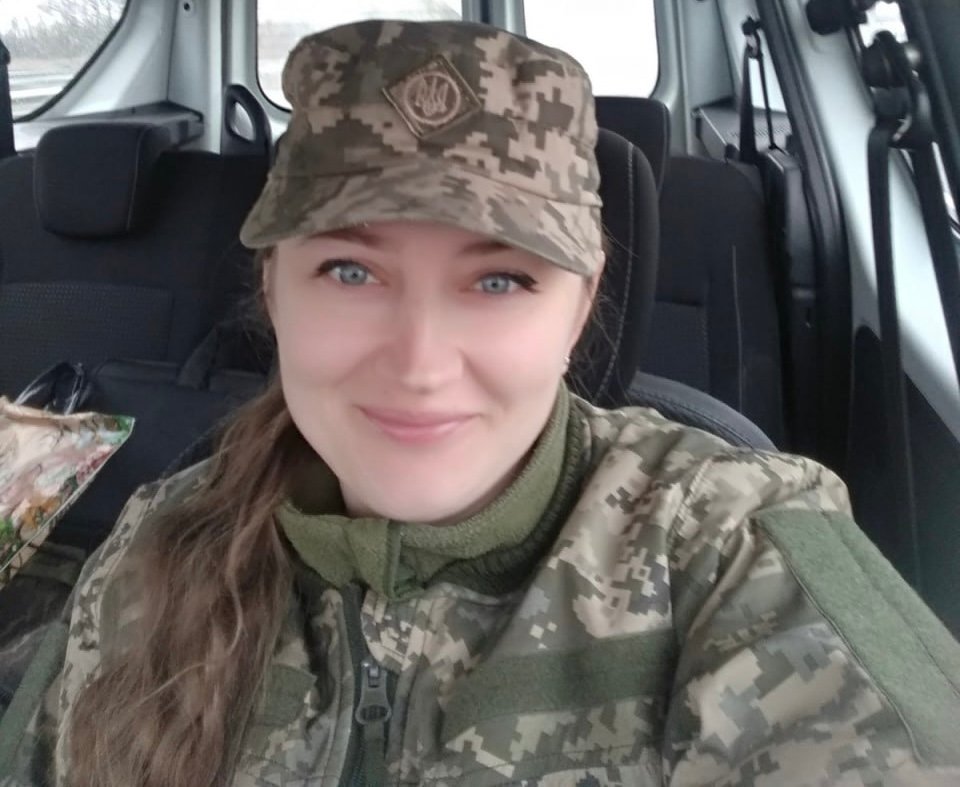
Ірина – молода мама з Полтавщини, яка виховує двох дітей: старшій дитині два з половиною роки, молодшій нещодавно виповнилося три місяці. Зараз жінка перебуває у відпустці по догляду за дитиною, відновлюється після пологів і водночас відвідує реабілітаційний центр. Ірина та її чоловік – військові. Обоє розпочали службу у 2017 році, а після початку повномасштабного вторгнення […]
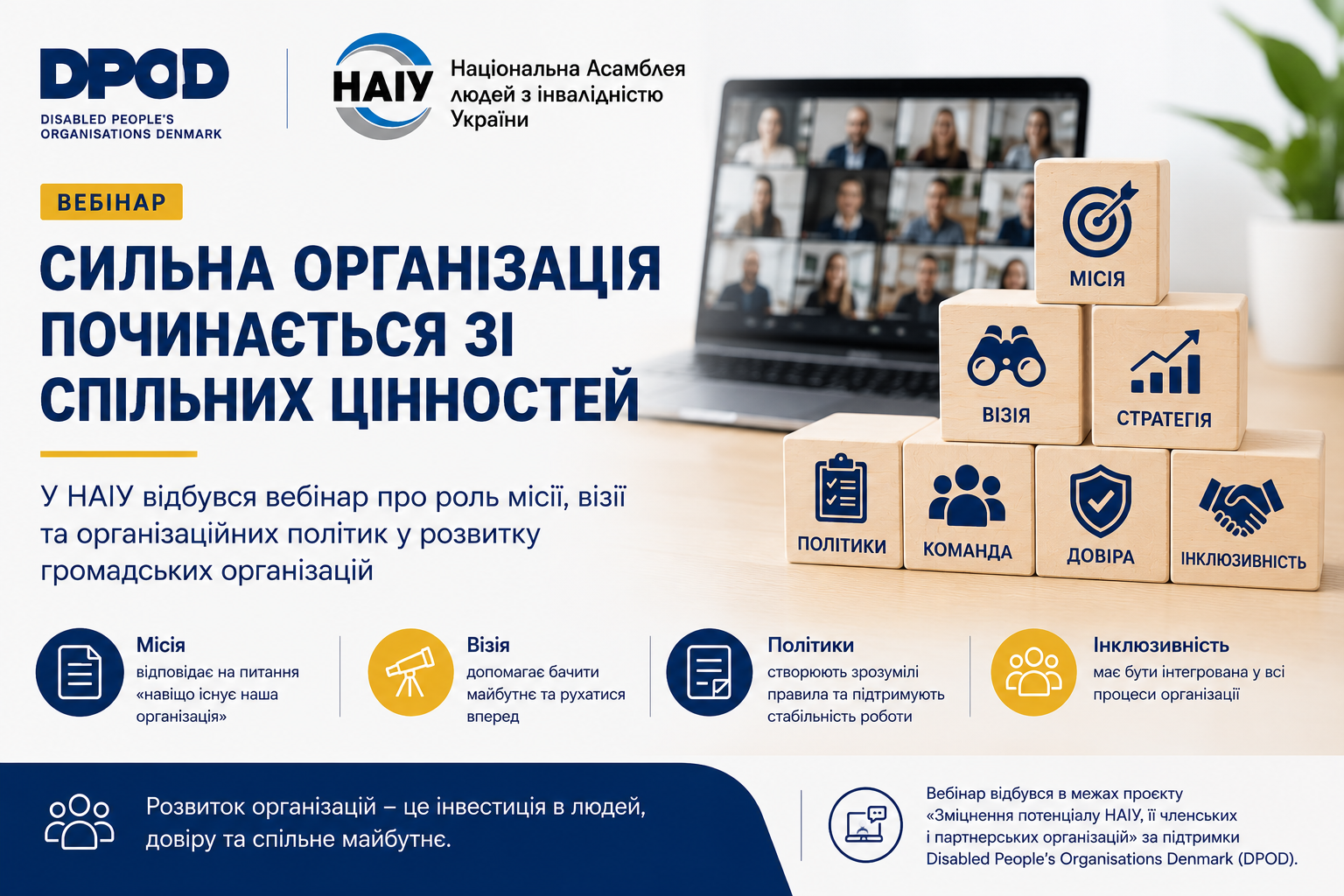
Що робить громадську організацію стійкою? Нові проєкти, сильна команда чи достатнє фінансування? Насправді все починається значно раніше — з розуміння власної місії, спільних цінностей і правил, за якими працює організація. Саме про це йшлося під час вебінару «Розбудова ефективної організації: роль місії, візії та організаційних політик», який Національна Асамблея людей з інвалідністю України провела для […]