Daily Challenges Faced by Mothers with Disabilities
May 28, 2025
Share:
Women with disabilities who are mothers often find themselves at the intersection of multiple systemic barriers. They face inaccessible environments, limited access to quality social services, gender stereotypes, and a high level of emotional strain — all at once. During times of war, these challenges only intensify. This is precisely why targeted support for women with disabilities is not an exception, but a necessity in ensuring a life of dignity for every person.
Natalia is one of those who received assistance through the project “Multi-sectoral Humanitarian Assistance with a Disability-Inclusive Approach for IDPs, Returnees, Veterans, and Host Communities in Ukraine,” implemented by the National Assembly of People with Disabilities of Ukraine (NAPD) in partnership with the European Disability Forum (EDF) and with support from the German Federal Foreign Office (GFFO) and CBM (Christian Blind Mission).
Natalia lives in the Karlivka community, raising her young son and caring for her elderly mother. The family has no outside help or additional resources — everything relies on mutual support and the daily resilience of each family member. Thanks to the project, Natalia received cash assistance and a new walker, which significantly eased her daily life.
“For some, it may just be financial aid or a mobility device. But for me, it’s confidence. It’s the ability to move independently, to care for my son, to cook, to leave the house — to be a full mother, as much as my condition allows. It’s like a breath of relief in a daily struggle,” she shared.
Despite her difficult circumstances, Natalia seeks ongoing personal growth. Her hobby is cross-stitching, which helps her maintain emotional balance. She is also exploring opportunities to work online — motivated not only by the need to support her family, but also by a desire to stay socially active. Her outlook is a powerful example of why women with disabilities need equal opportunities for self-realization.
Yet, there are still many barriers around us that prevent women with disabilities from fulfilling their potential. These include:
Physical inaccessibility of public spaces and transportation, which complicates even basic tasks or access to medical and educational services.
Stereotypes about the “inability” of mothers with disabilities, which harm their self-confidence and are often used to justify discriminatory decisions.
Emotional and physical burnout, caused by the lack of systemic support or assistance from caregivers.
Lack of inclusive support programs, which often overlook the dual needs of women who must balance parenting responsibilities with accessibility needs.
Real change will only be possible through the development of comprehensive support programs that recognize not just the fact of disability, but also the woman’s role as a mother, caregiver, and active citizen. This includes ensuring access to medical, psychological, educational, and social services. A crucial part of such change is the creation of personalized support services that help reduce the burden on women with disabilities who also care for others. Economic support — both financial and material — is vital for maintaining minimum stability under extremely challenging conditions.
Women with disabilities are not objects of care, but full members of society. True solidarity with them means more than just words — it means concrete actions that, step by step, lead to lasting social change.
Oleksandra Perkova
Communications Manager of the Project
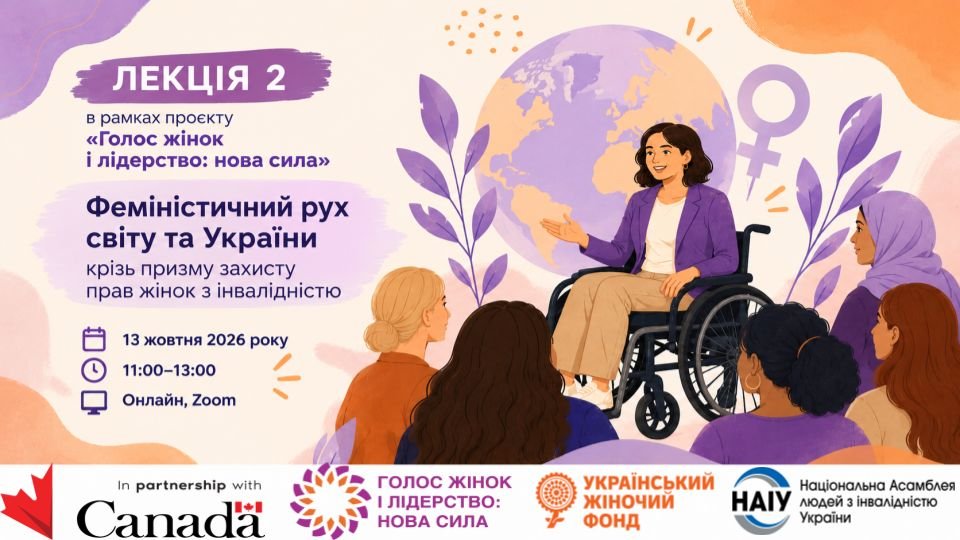
13 жовтня 2026 року з 11:00 до 13:00 відбудеться друга лекція в межах проєкту «Голос жінок і лідерство: нова сила», присвячена розвитку світового та українського феміністичного руху в контексті захисту прав жінок з інвалідністю. Тема зустрічі – «Феміністичний рух світу та України крізь призму захисту прав жінок з інвалідністю». Феміністичний рух у світі та Україні пройшов тривалий […]
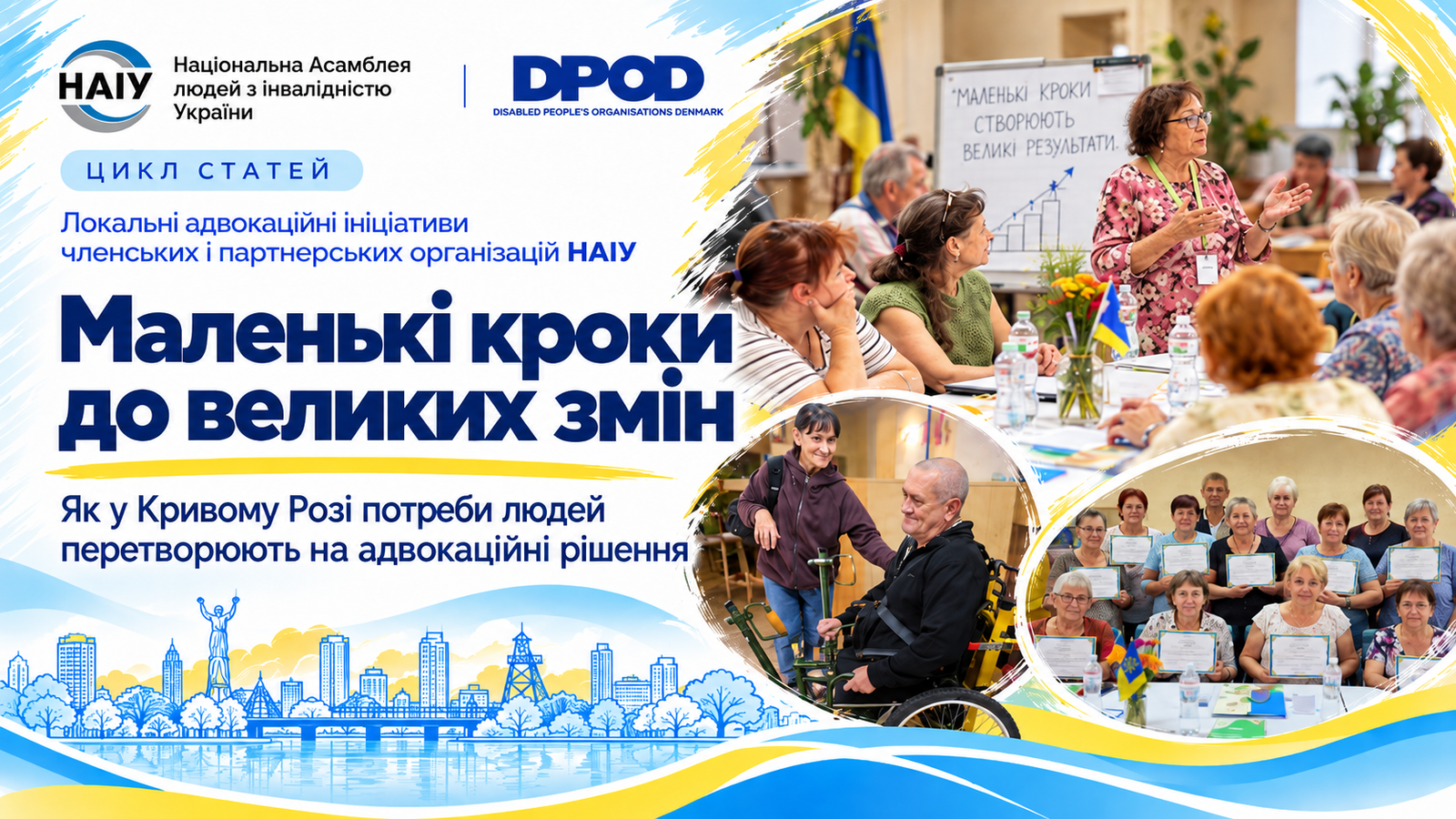
Іноді потрібна послуга є — але людина не знає про неї. Інформація опублікована — але її складно зрозуміти. Лікарня працює — але до неї важко дістатися. Цифровий сервіс доступний — але скористатися ним самостійно може не кожен. Саме з таких повсякденних ситуацій розпочалася адвокаційна робота Інгулецької районної організації ветеранів м. Кривого Рогу в межах проєкту […]
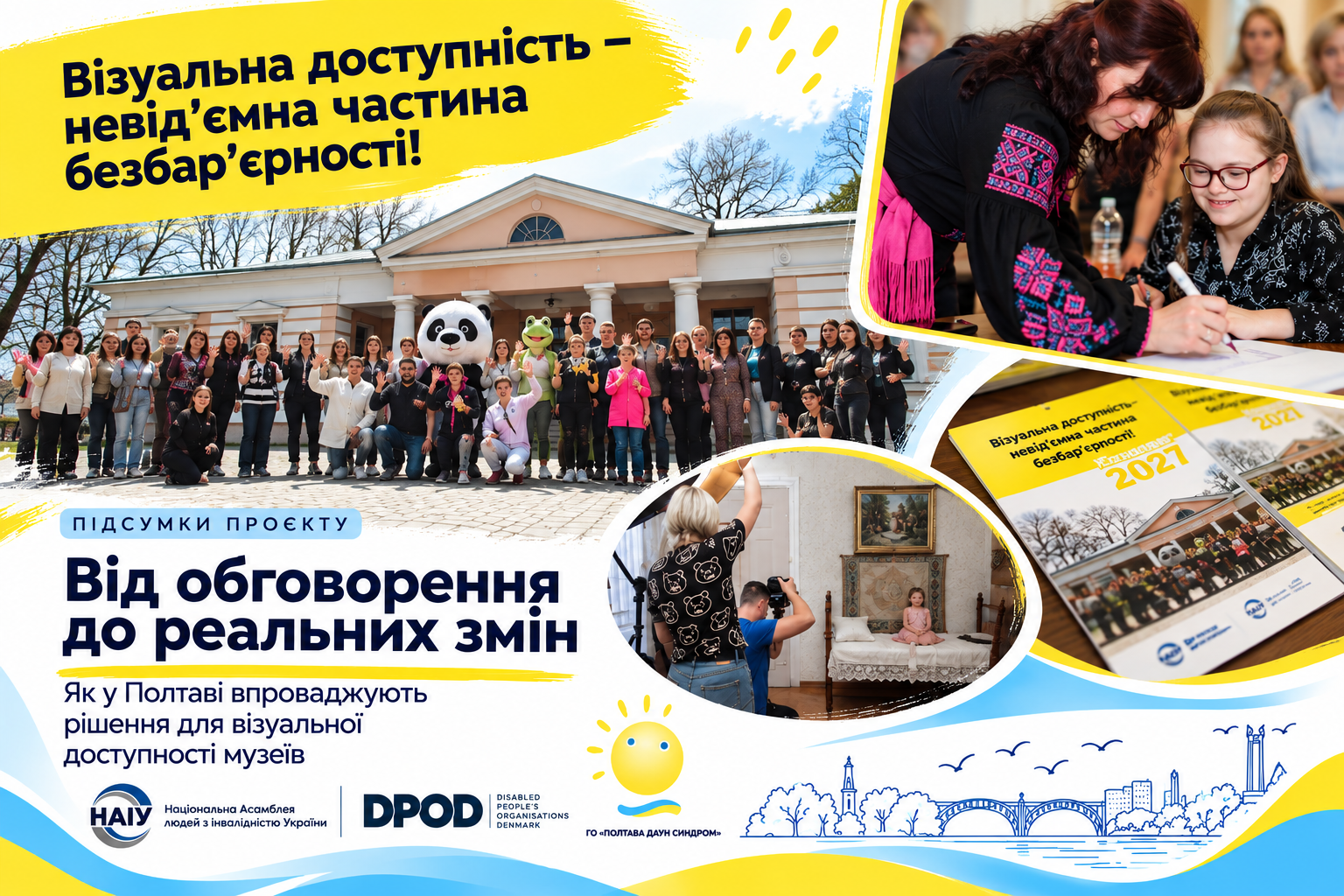
Візуальна доступність — це не лише про дизайн. Це про можливість людини самостійно зрозуміти, де вона перебуває, куди потрібно рухатися, де знайти необхідну інформацію і як скористатися простором без сторонньої допомоги. Саме цю тему ГО «Полтава ДАУН СИНДРОМ» зробила основою адвокаційного проєкту «Візуальна доступність — невід’ємна частина безбар’єрності», реалізованого в межах мінігрантової підтримки членських і […]
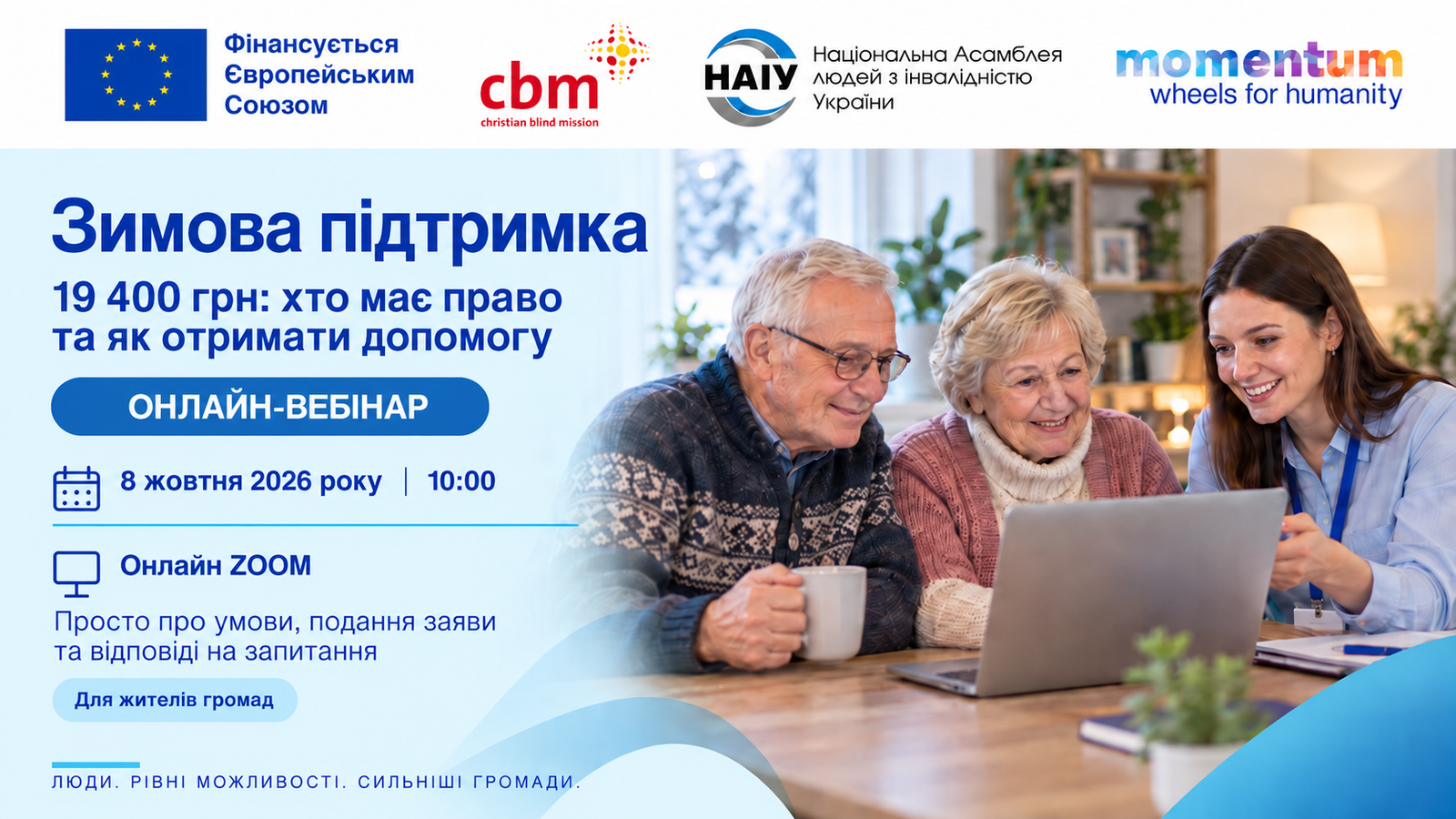
Кабінет Міністрів України затвердив порядок надання одноразової грошової допомоги «Зимова підтримка» на опалювальний сезон 2026/27 року. Допомога передбачена для вразливих категорій населення, які проживають у визначених територіальних громадах, де ведуться або велися бойові дії. Розмір допомоги становить 19 400 грн на одне домогосподарство. Виплата є одноразовою на весь опалювальний сезон 2026/27 року та не залежить […]
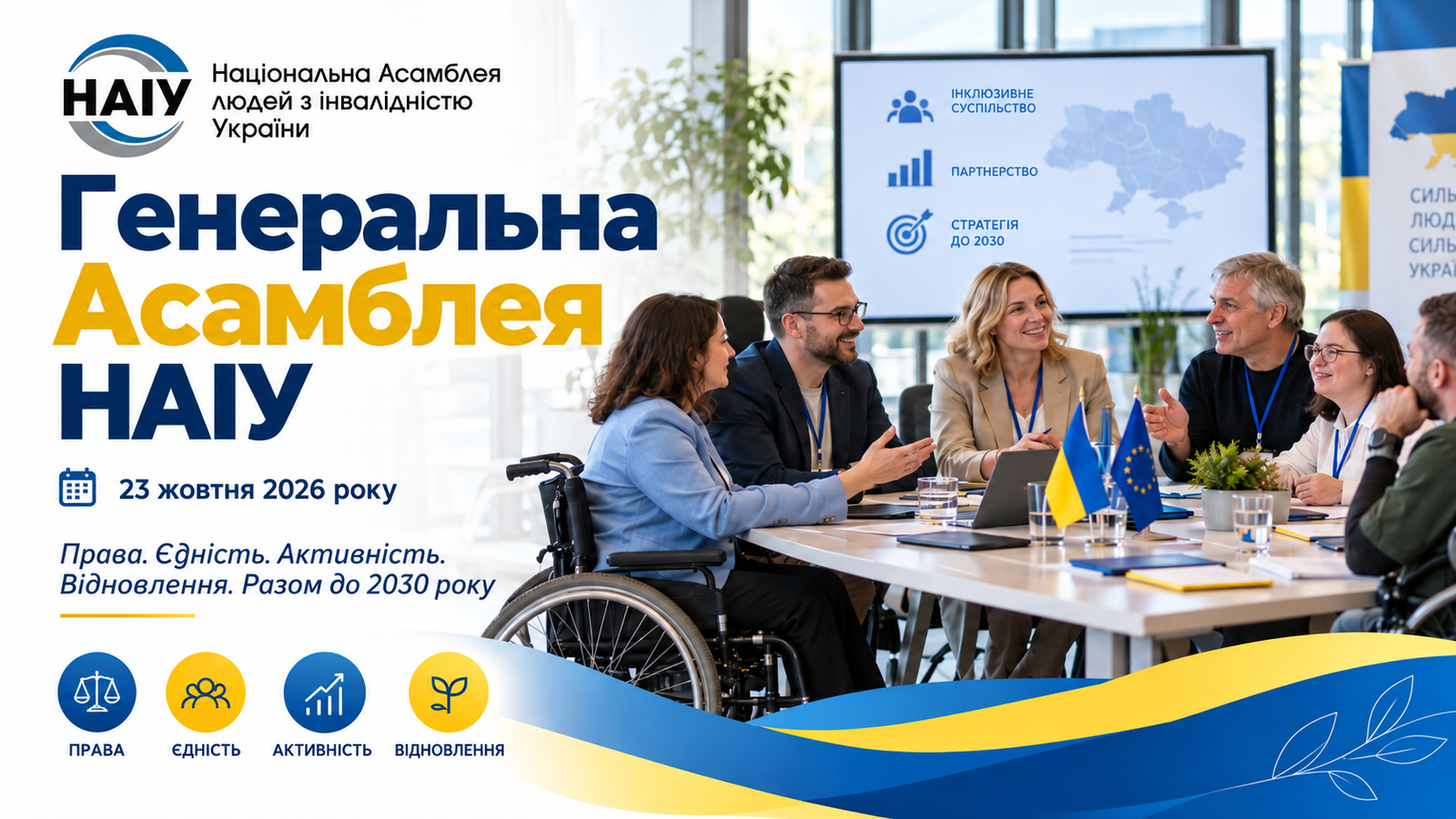
23 жовтня 2026 року Національна Асамблея людей з інвалідністю України (НАІУ) проведе чергове засідання Генеральної Асамблеї — вищого органу управління організації. Цьогоріч засідання проходитиме під гаслом «Права. Єдність. Активність. Відновлення. Разом до 2030 року» та стане важливою платформою для підбиття підсумків діяльності Асамблеї, обговорення актуальних викликів і визначення стратегічних пріоритетів на наступні роки. Генеральна Асамблея […]
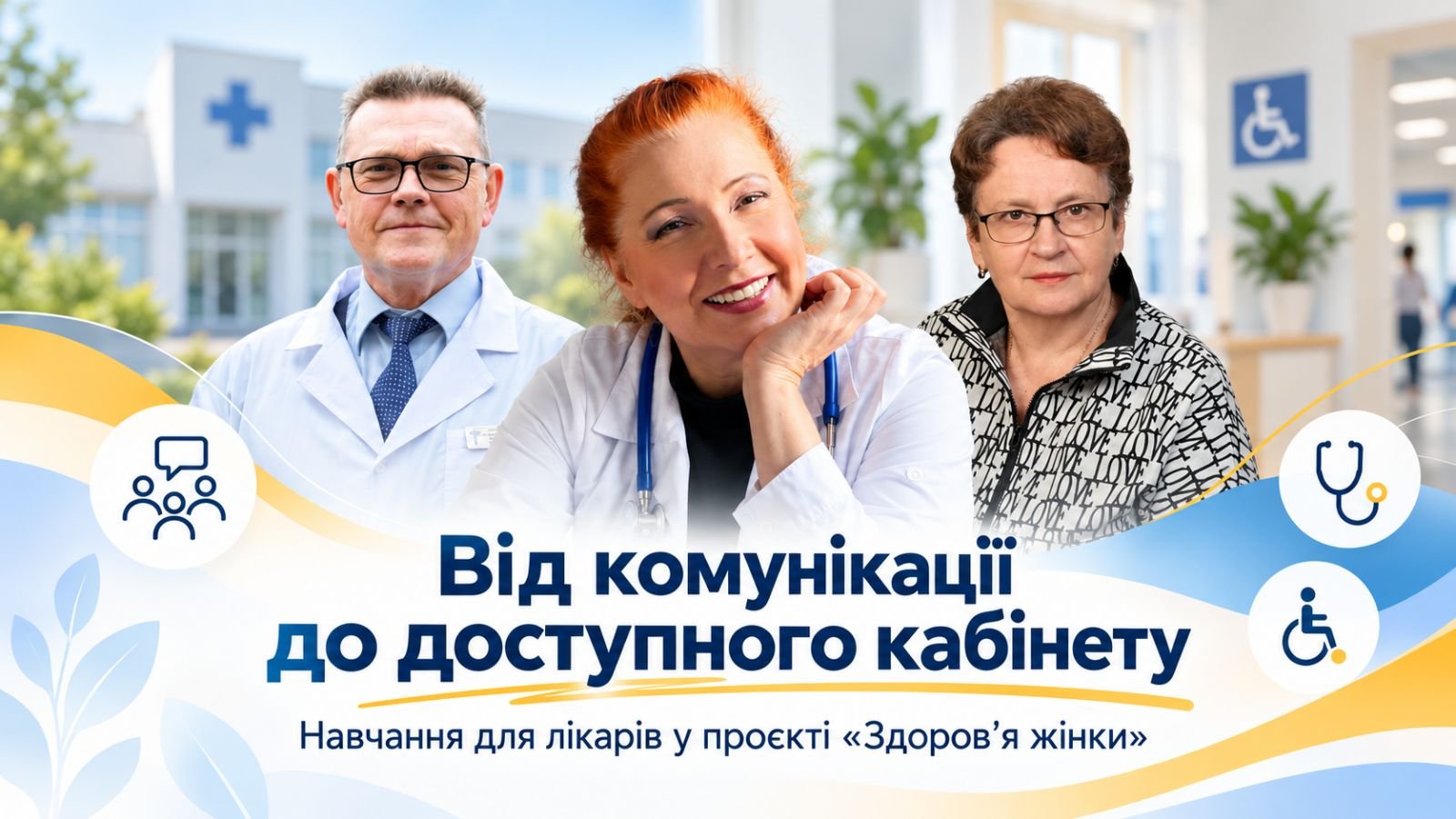
В межах проєкту «Здоров’я жінки» відбувся онлайн-семінар «Репродуктивне здоров’я жінок з інвалідністю: забезпечення рівного доступу до медичних послуг». До навчання долучилися гінекологи, акушери-гінекологи та сімейні лікарі й лікарки. Протягом трьох днів лікарі із семи пілотних громад проєкту мали можливість поглибити свої знання щодо комунікації з жінками з різними порушеннями, доступності гінекологічних кабінетів, пологових і гінекологічних […]