Equal rights and decent conditions for all: NAIU delegation spoke at the Ministry of Foreign Affairs of Denmark
June 20, 2025
Share:
"The National Assembly of People with Disabilities of Ukraine will carefully study the experience of its Danish colleagues, in particular, the areas of their work, algorithms of interaction with the authorities, and the implementation of certain practices. Like, for example, the definition of the inclusion index, which we will recommend for implementation in our country," said Victoria Nazarenko, Secretary General of the National Assembly of People with Disabilities, speaking on June 19, 2025.
The meeting was held at the invitation of the Danish side, in particular DPOD – the umbrella organization uniting Danish organizations of persons with disabilities. The discussions at the Ministry of Foreign Affairs and the Danish Institute for Human Rights aimed to raise awareness among Danish officials about the situation of people with disabilities in Ukraine.
The Ukrainian delegation also visited the Folketing – the unicameral parliament of the Kingdom of Denmark. "It was heartening to realize that the legislators of this country are well-informed about the war in Ukraine and the threats that ongoing shelling poses to civilians, especially the most vulnerable populations," stated representatives of the NAPD. "We were assured that Denmark will support Ukraine as long as the Ukrainian people continue their armed resistance. The Danish parliamentarians we met also affirmed their unwavering belief in Ukraine’s victory!"
Members of the Danish Parliament shared how they engage with civil society, including organizations of people with disabilities. Lawmakers actively initiate and support open dialogues with civil society, carefully tracking emerging issues. As they noted, it is much easier to address a problem at an early stage than to wait for it to escalate.
Viktoriia Nazarenko asked the Danish colleagues to share the criteria they use to determine the Inclusion Index. This indicator helps assess how open, accessible, and fair an environment is for everyone living in it — including persons with disabilities, individuals of different ethnic backgrounds, age groups, etc. It also addresses whether all population groups have opportunities to participate in the social, political, cultural, and economic life of their country, city, or institution., що у ньому проживають, включно з особами з інвалідністю, людьми з різним етнічним походженням, віком тощо. А також відповідає на питання, чи мають змогу всі групи населення брати участь у суспільному, політичному, культурному та економічному житті своєї країни, міста, конкретної установи тощо.
During the meeting at the Danish Institute for Human Rights — which also operates in Ukraine — participants discussed monitoring and research activities, including those focused on the rights of people with disabilities. The Institute has been active since the late 1980s as an independent organization funded by the Danish government and is part of Denmark’s national monitoring mechanism under the UN Convention on the Rights of Persons with Disabilities.
A unique feature of the Danish monitoring system is that evaluations are conducted by independent experts, unlike the governmental control exercised by central executive bodies in some countries. This approach could serve as a model for reforms needed in Ukraine, as it is crucial for ensuring the rights of persons with disabilities and creating equal living conditions for all citizens.
The Ukrainian delegation also met with Danish humanitarian organizations, establishing dialogue with NGOs focused on reproductive health, the provision of medical institutions, development of the veterans' movement among persons with disabilities, and the delivery of humanitarian aid to them.
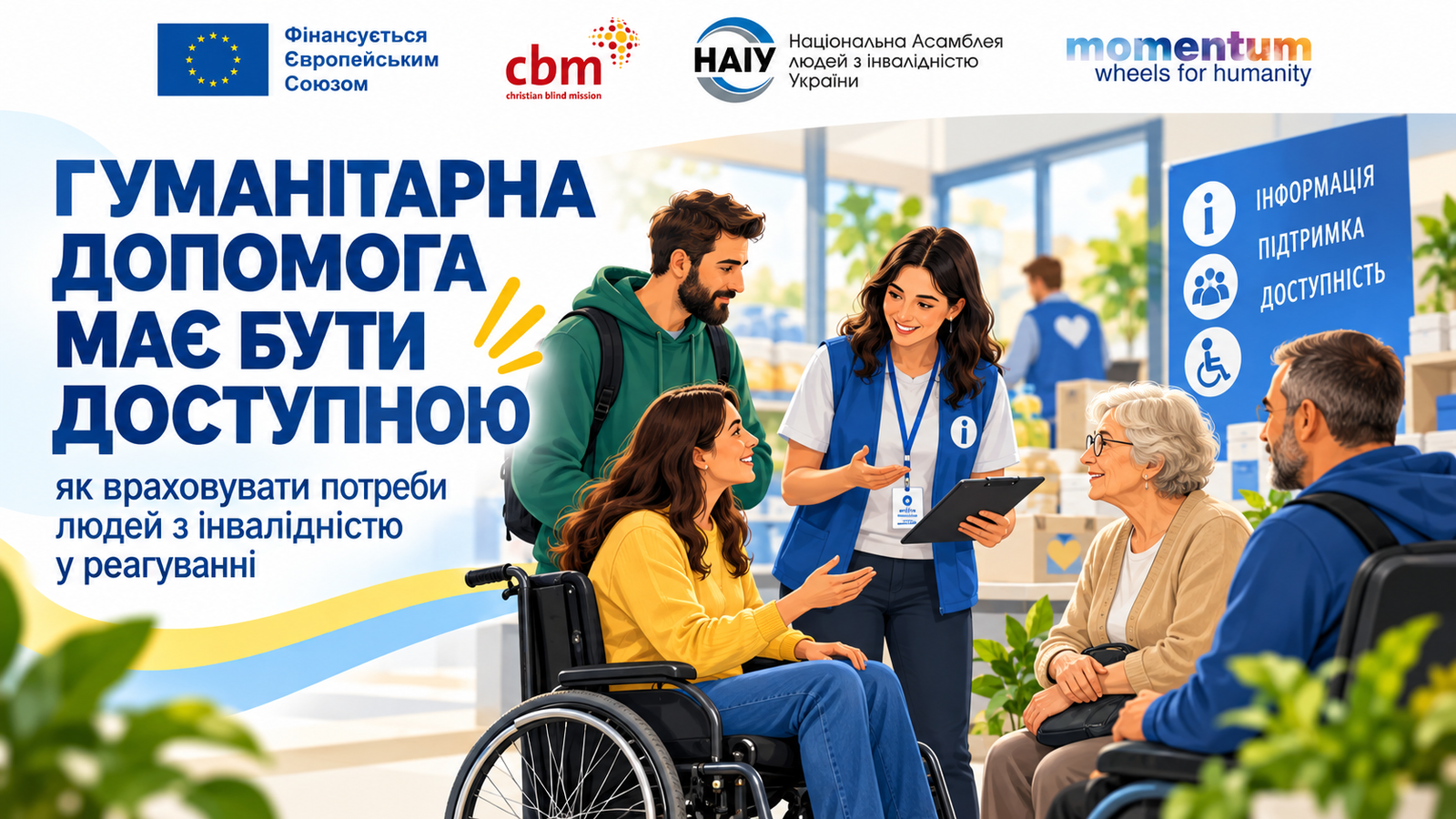
Гуманітарна допомога може бути передбачена програмою, профінансована і навіть доступна у громаді. Але головне питання інше: чи може людина, яка її потребує, реально нею скористатися? Саме про це говорили учасники дворівневого навчання «Гуманітарна діяльність: врахування потреб осіб з інвалідністю», яке у жовтні провела Національна Асамблея людей з інвалідністю України. До навчання долучилися представники гуманітарних і […]
Шукаємо координатора(-ку) з комунікацій у команду НАІУ (на проєкт) Національна Асамблея людей з інвалідністю України (НАІУ) реалізує проєкт «Інклюзія передусім — захист і підтримка дітей з аутизмом та іншими видами інвалідності, ветеранів і ветеранок в Україні», спільно з СВМ та СВМ Італія, спрямований на підтримку ветеранів та ветеранок, розвиток доступних можливостей для їхньої реабілітації, протезування, […]
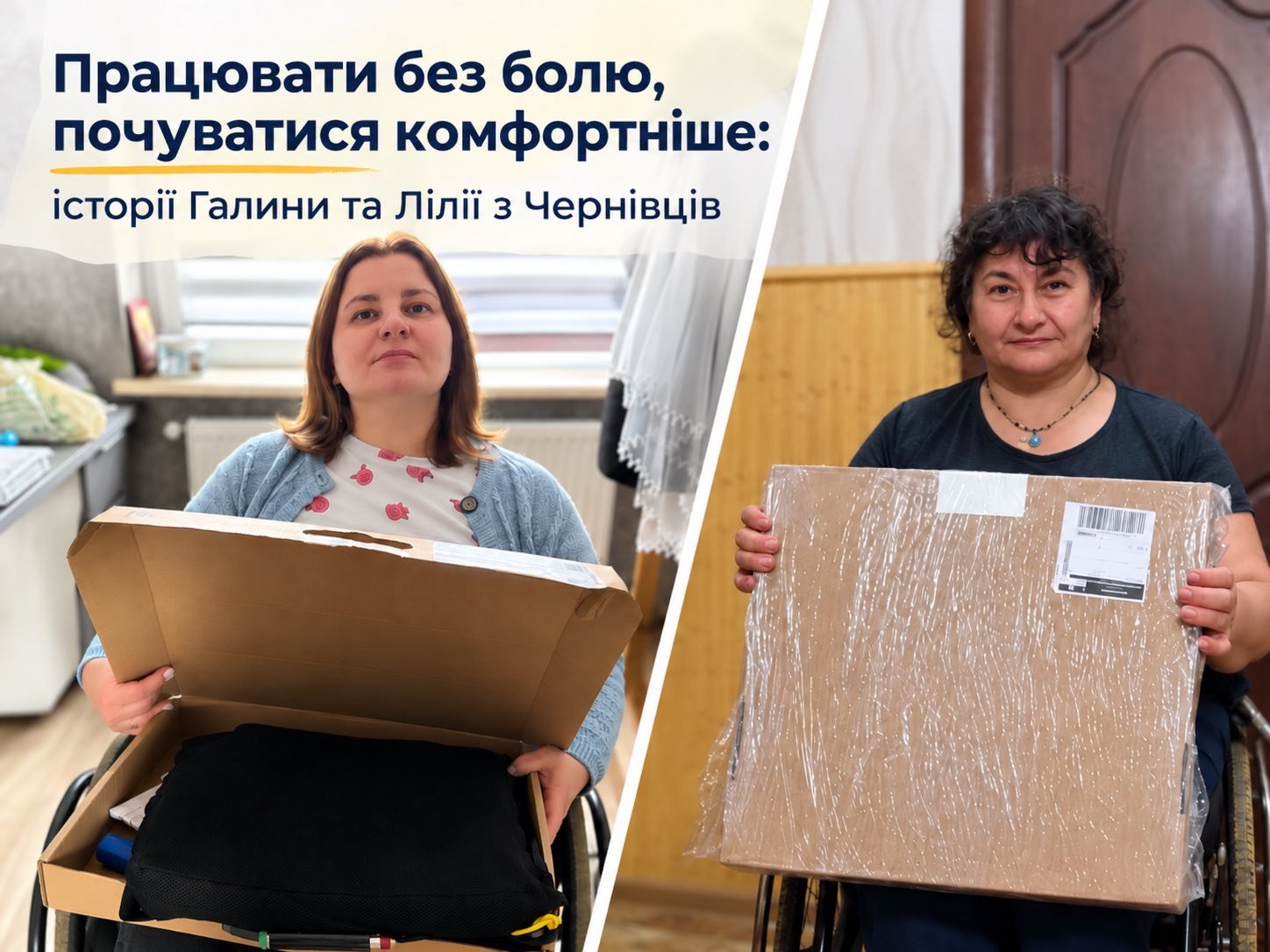
Галина з Чернівців створює весільні аксесуари для наречених. Її робота потребує творчості, терпіння та уваги до найменших деталей. За виготовленням прикрас жінка проводить багато годин, адже кожен виріб вимагає кропіткої ручної праці. Для Галини важливо мати можливість займатися улюбленою справою, однак тривала робота нерідко супроводжується фізичним дискомфортом. Жінка користується кріслом колісним, і через велике навантаження […]
Повернення з військової служби до цивільного життя — це новий етап, який нерідко супроводжується непростими викликами. Особливо для ветеранів і ветеранок, які зазнали поранень або набули інвалідності. Реабілітація, пошук роботи, доступ до послуг, відновлення соціальних зв’язків — усе це потребує не лише особистих зусиль, а й підтримки суспільства. Національна Асамблея людей з інвалідністю України (НАІУ) […]
Упродовж програмного року — з 1 жовтня 2025-го до 30 вересня 2026-го — на гарячій лінії Національної Асамблеї людей з інвалідністю України (НАІУ) було надано 821 консультацію для 680 осіб. Найчастіше люди зверталися за роз’ясненням щодо своїх прав і пільг, зокрема отримання та поновлення виплат, оформлення догляду, встановлення й переоформлення інвалідності. Близько 70% звернень стосувалися […]
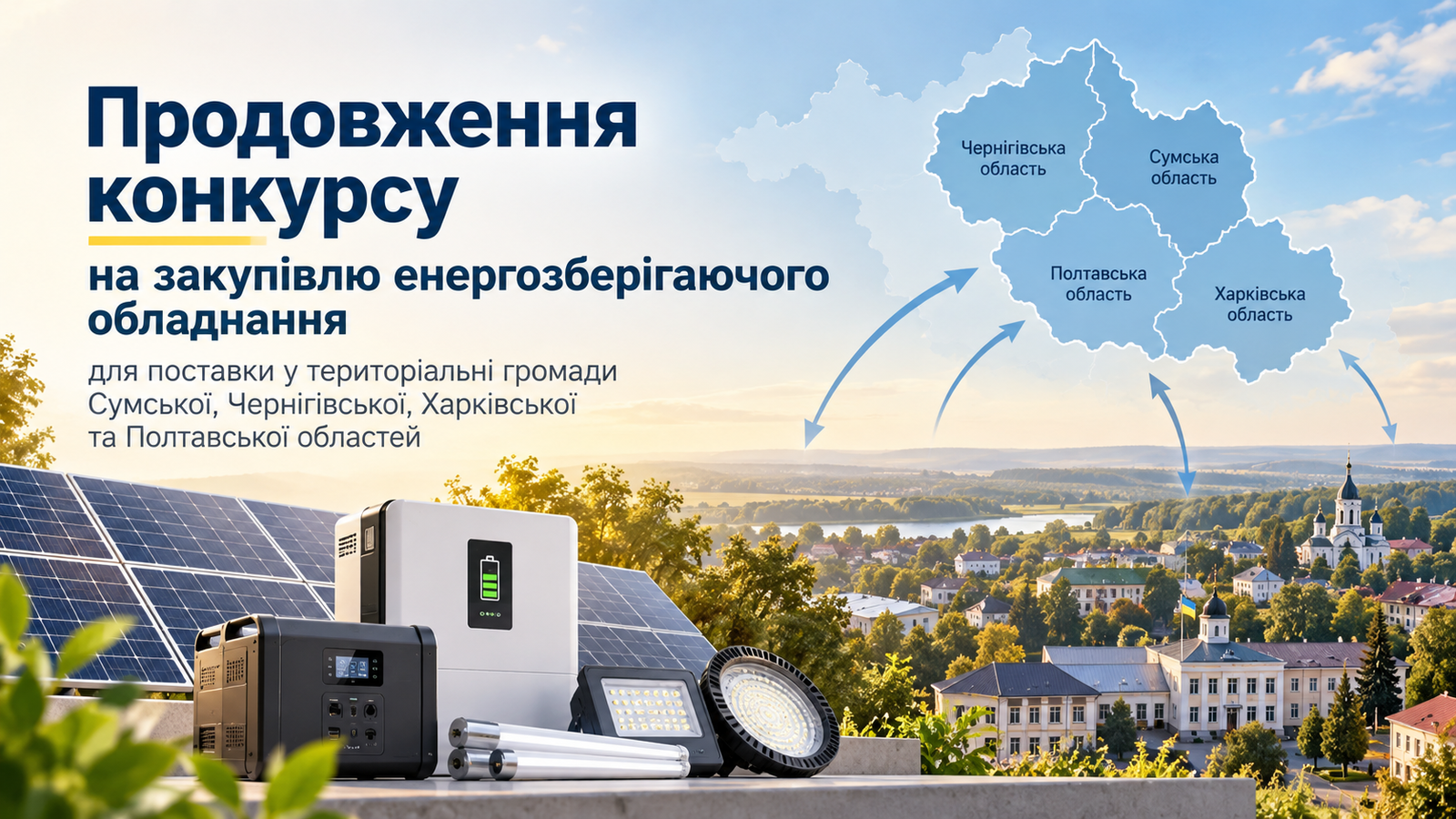
Громадська спілка “Всеукраїнське громадське об’єднання “Національна Асамблея людей з інвалідністю України” (далі – «Організатор») оголошує продовження конкурсу на закупівлю енергозберігаючого обладнання для поставки у територіальні громади Сумської, Чернігівської, Харківської та Полтавської областей. Джерело фінансування закупівлі: Дана закупівля здійснюється в рамках проєкту «Зміцнення інклюзивних послуг з охорони здоров’я, реабілітації та захисту населення, постраждалого від повномасштабного вторгнення в […]