Five Institutions — Five Solutions: Second Training in Lviv on Inclusive Vocational Education and Training
9 March 2026
Share:
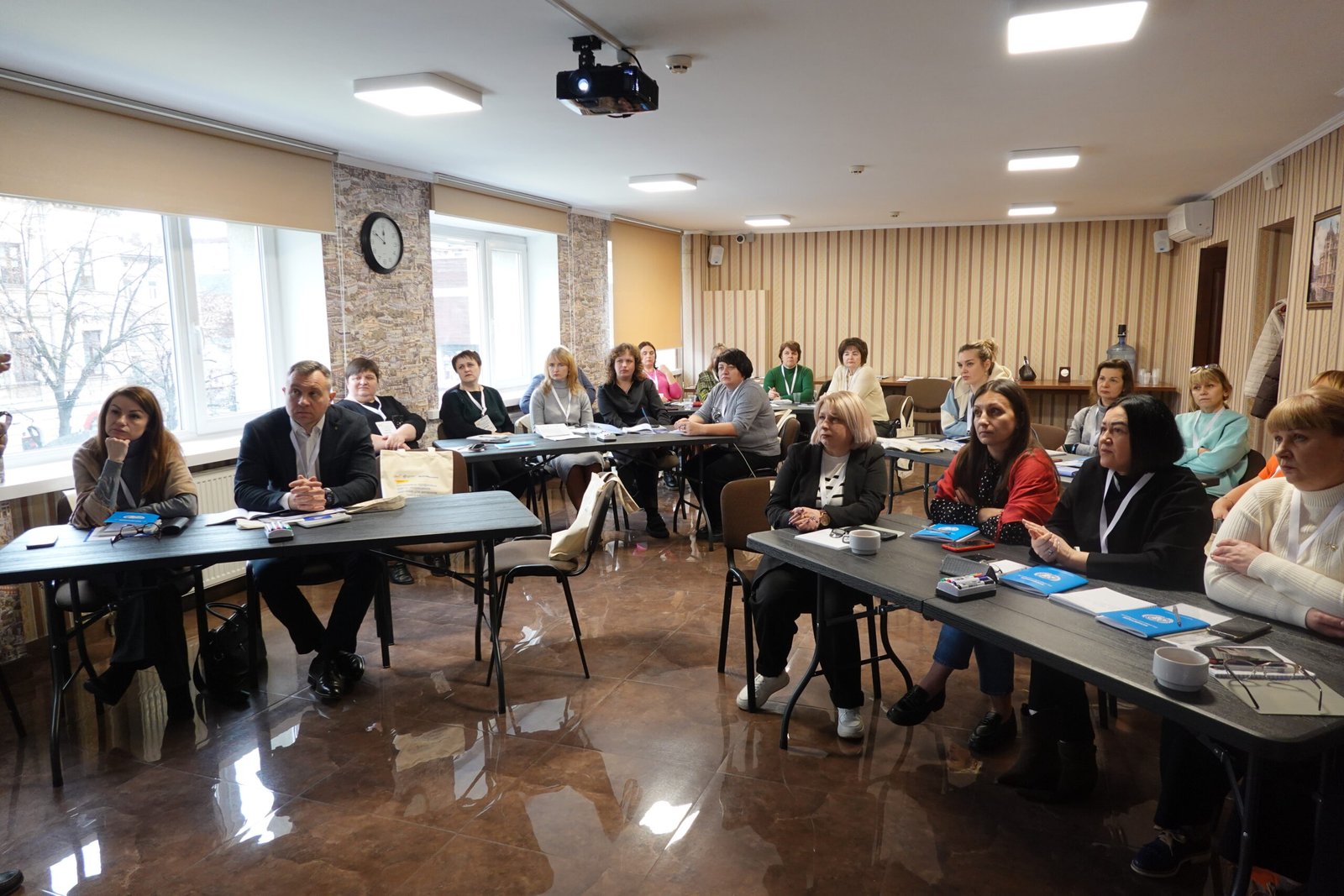
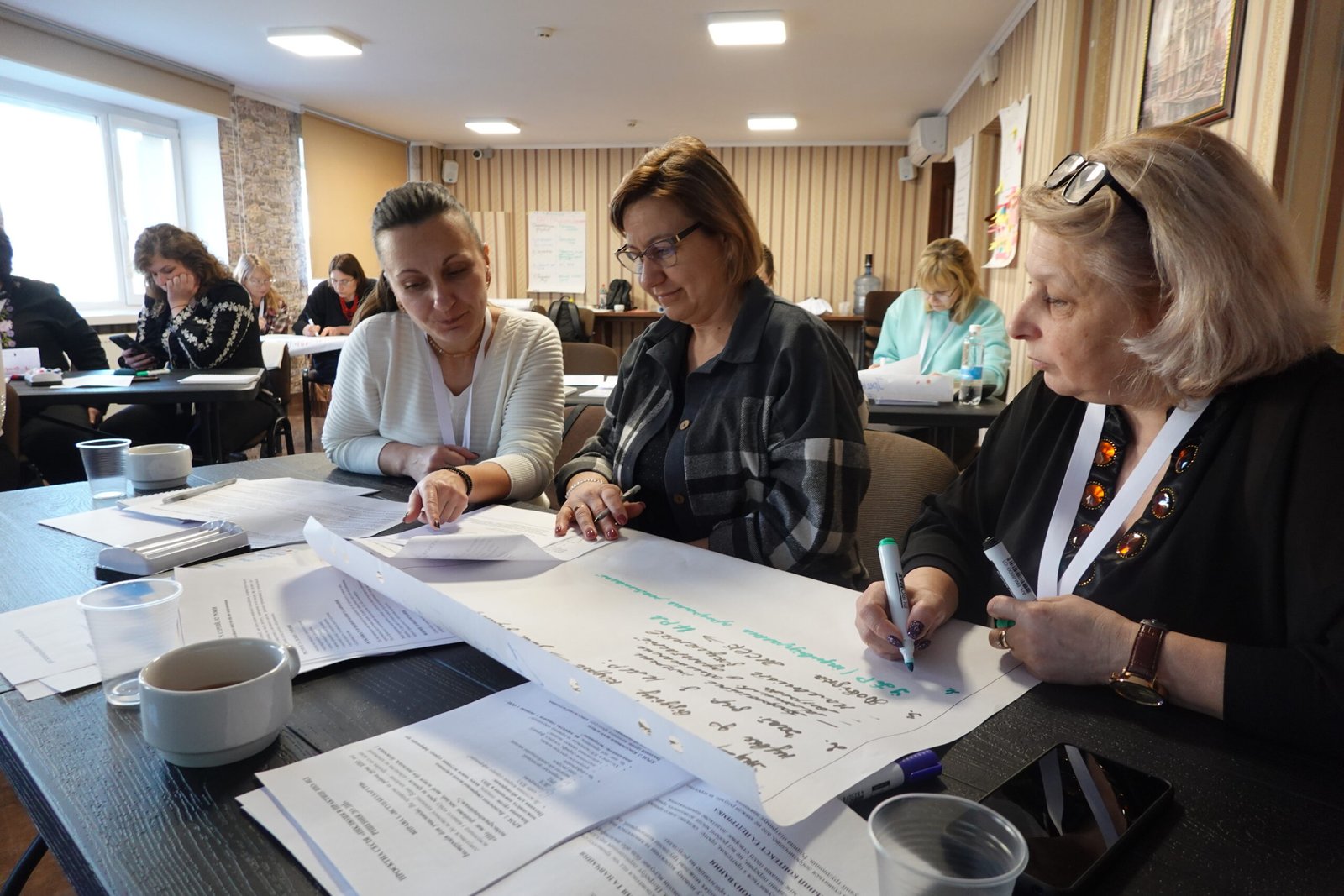
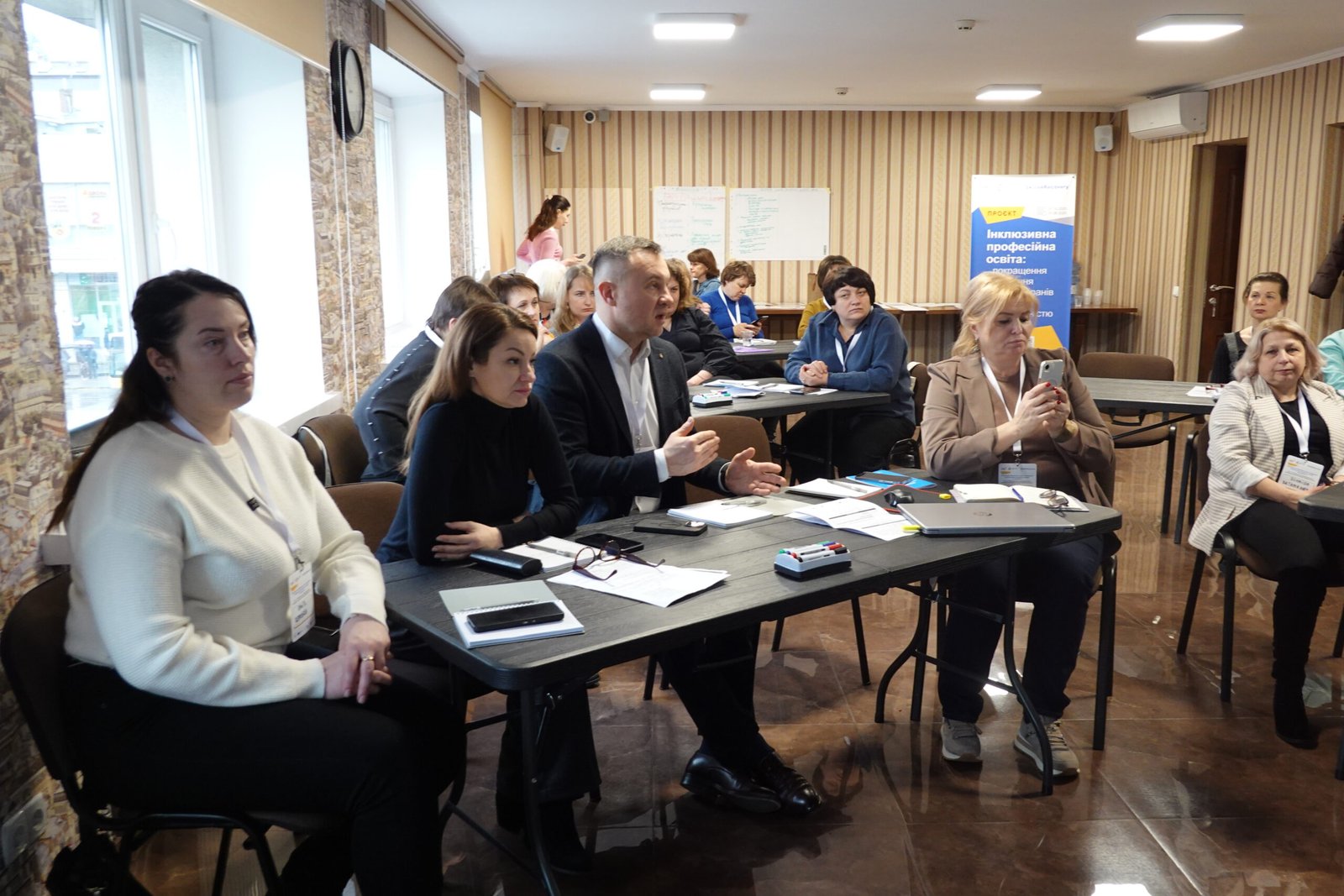
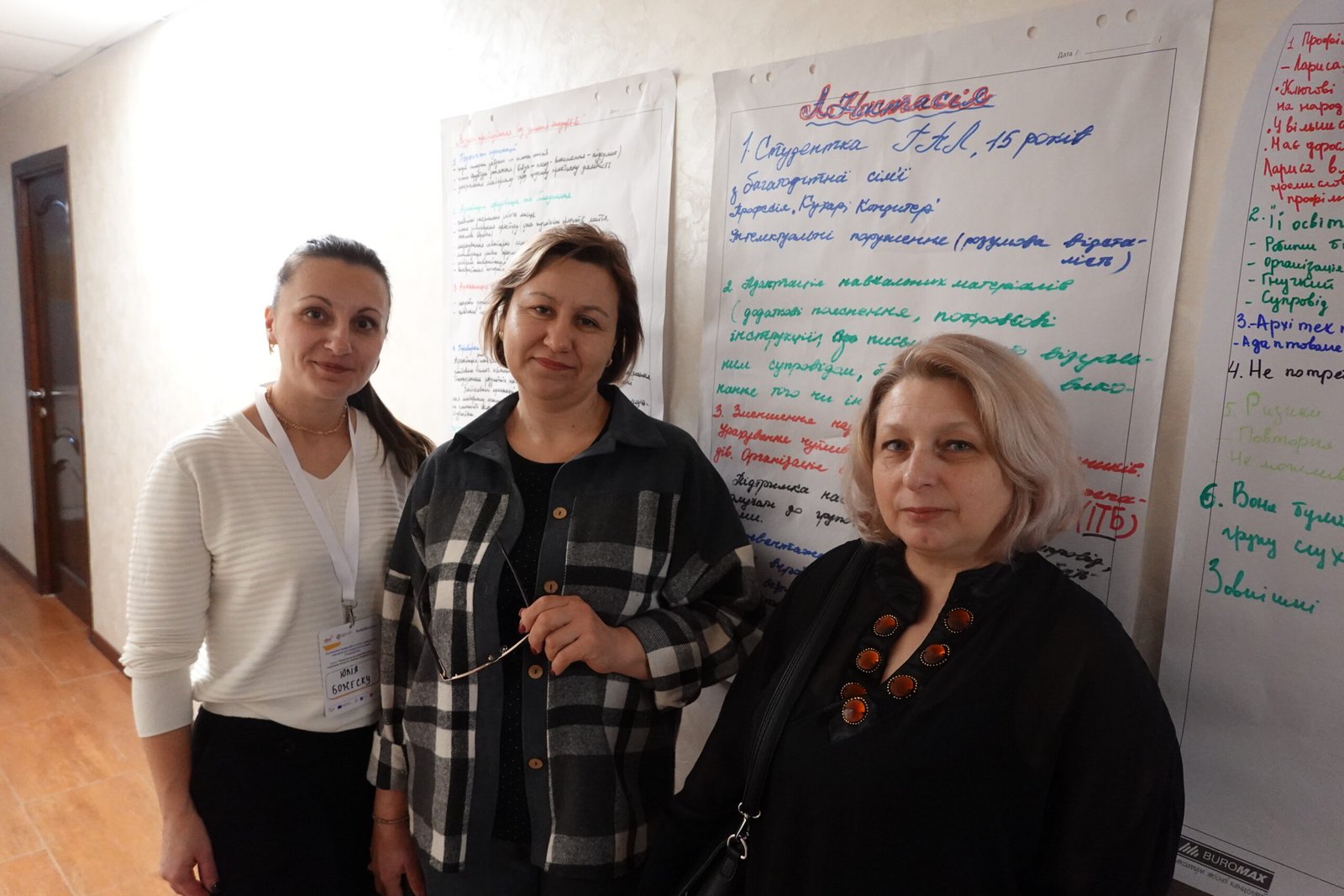
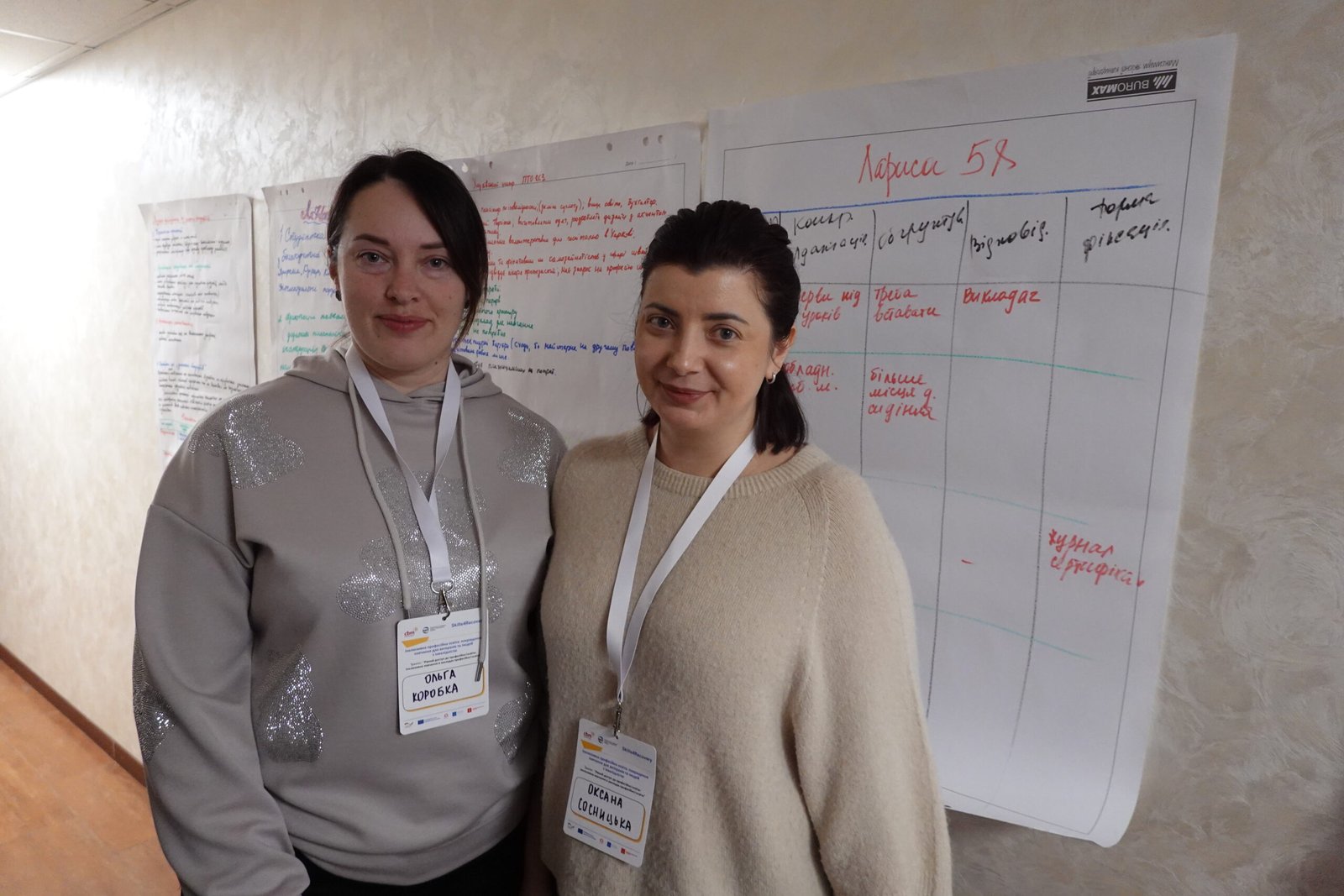
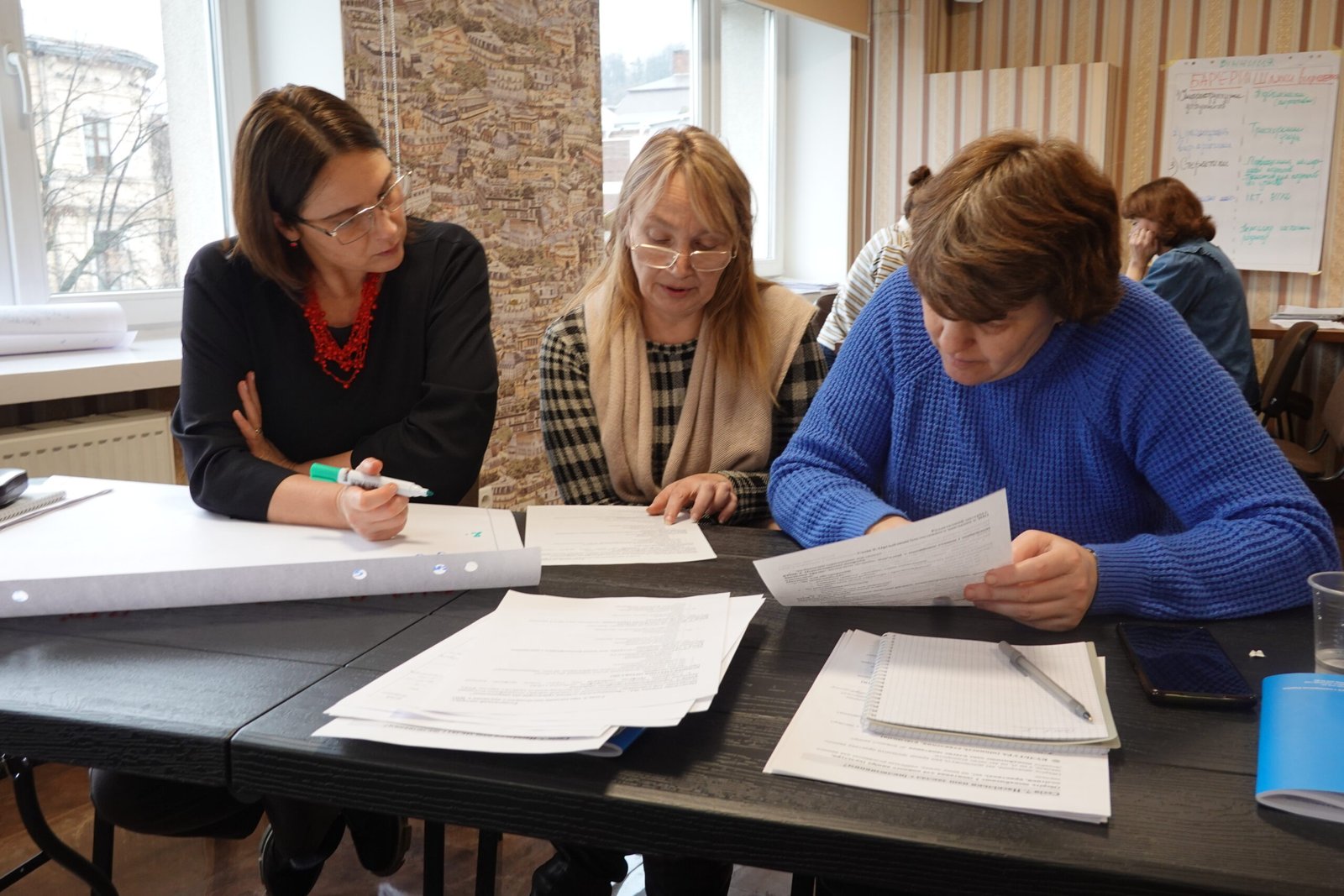
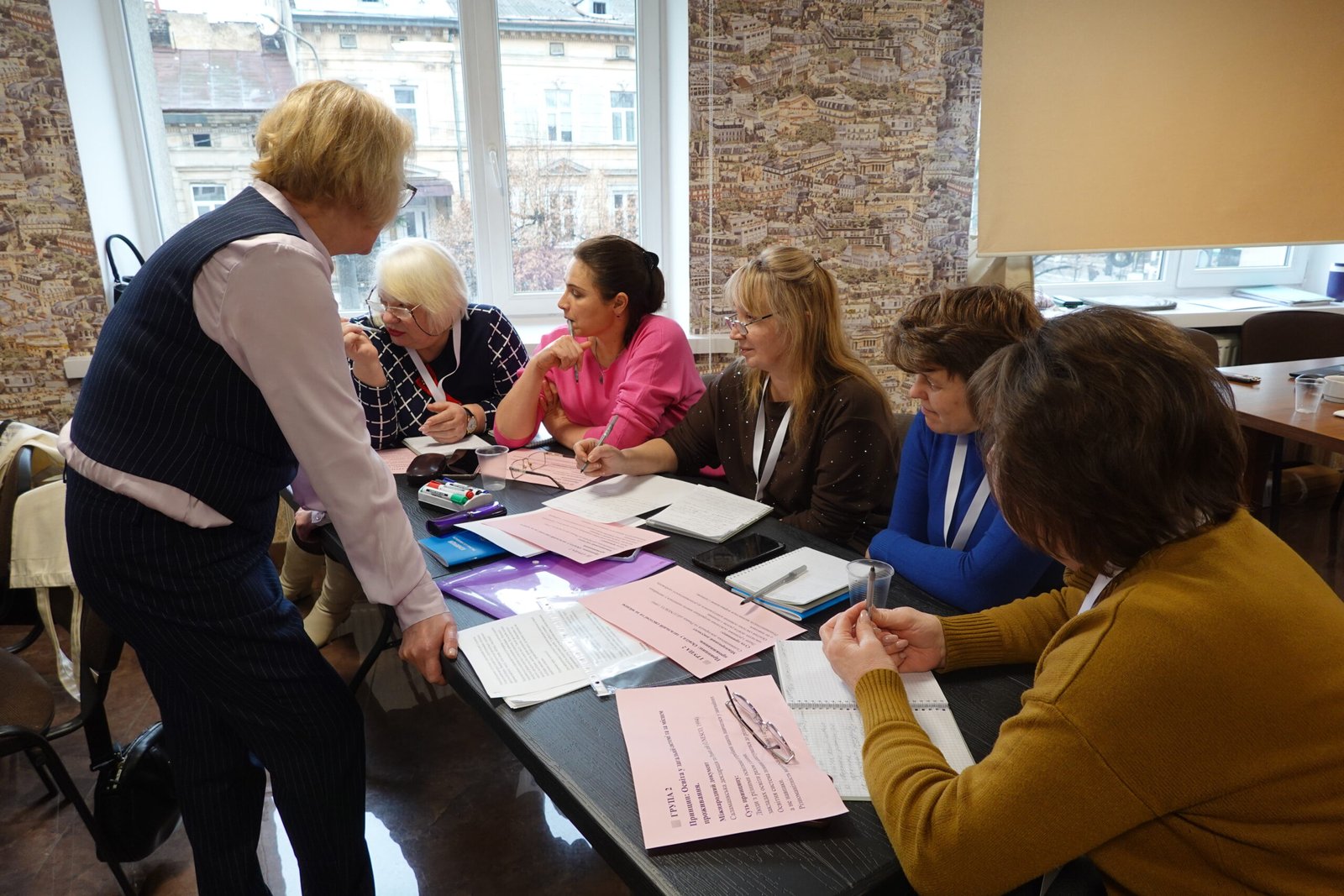
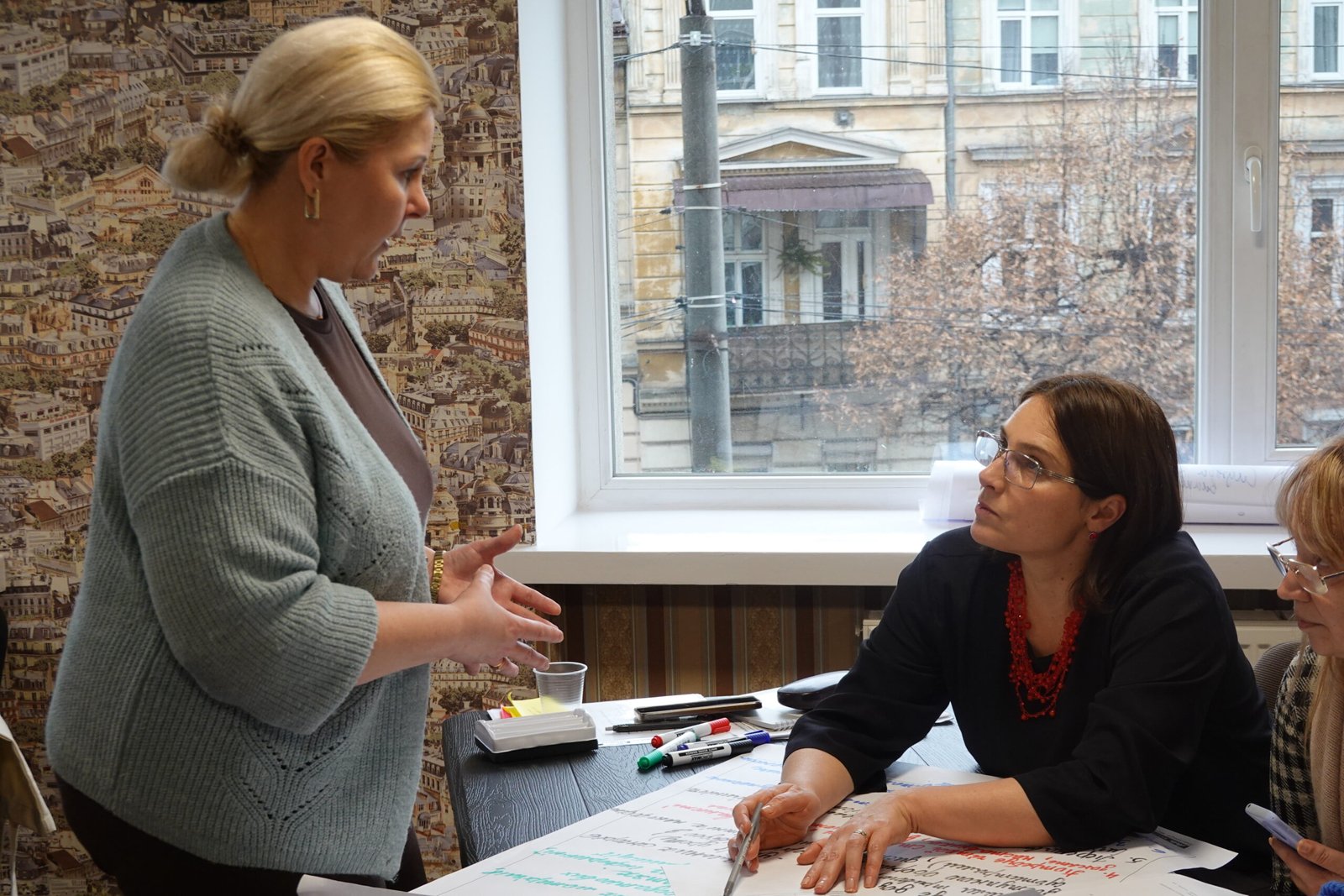
The second training session for teams from five vocational education and training (VET) institutions across different regions of Ukraine took place in Lviv. The purpose of the meeting was to collect practical solutions that help make learning accessible for persons with disabilities and special educational needs (including those with hearing and visual impairments), as well as for veterans, internally displaced persons (IDPs), and adult learners.
The focus was on simple yet critical questions: how to adapt learning materials, where to secure support services, how to organise practical training, and how to ensure learners transition successfully into employment.
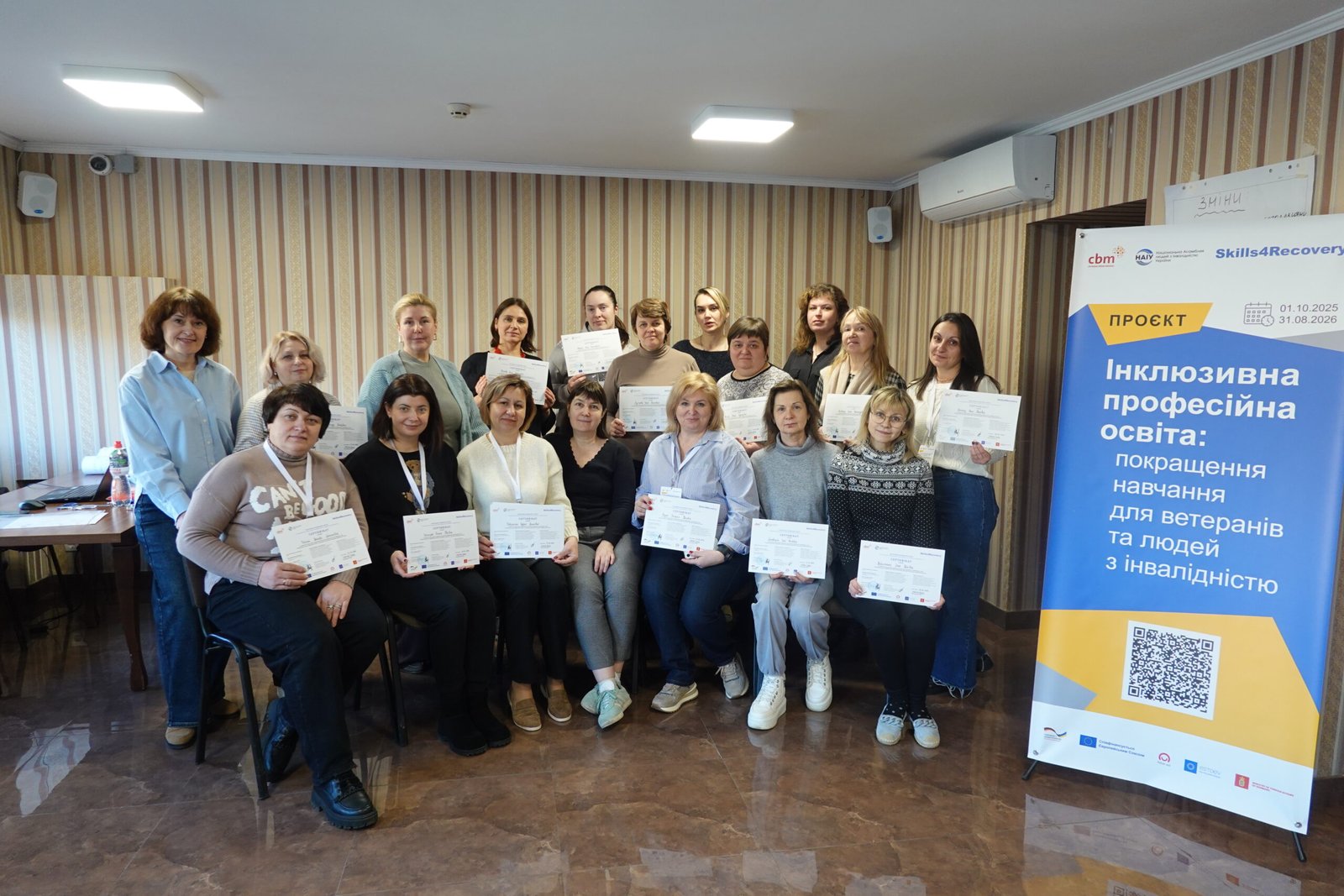
The event was held within the framework of the project “Inclusive Vocational Education and Training (VET): Improving Training for Veterans and People with Disabilities” as part of the Skills4Recovery initiative. The project supports VET institutions in making inclusion function as a system: learning adaptations + support services + accessible infrastructure + partnerships with employers.
The examples and figures presented below are drawn from institutional presentations delivered during the training.
Five Institutions — Five Approaches:
Kharkiv Vocational Education and Training Centre of the State Employment Service — Inclusion in Adult Learning with a Focus on Employment
The institution works primarily with adults and offers a wide range of programmes (44 occupations, 62 training programmes). Its approach is to embed inclusion into the overall learning process.
Results-driven examples include: two female graduates with hearing impairments who completed sewing training with sign language interpretation and successfully found employment. In 2025, ten learners completed training as lathe operators (including veterans and persons with disabilities), and the majority have already found jobs.
Bottlenecks include: adapting learning materials (contrast adjustment, audio support, and clear instructions), distance learning and the risk of social isolation, as well as the shortage of support staff positions. Another significant issue is employer stereotypes, which affect access to internships and first employment opportunities.
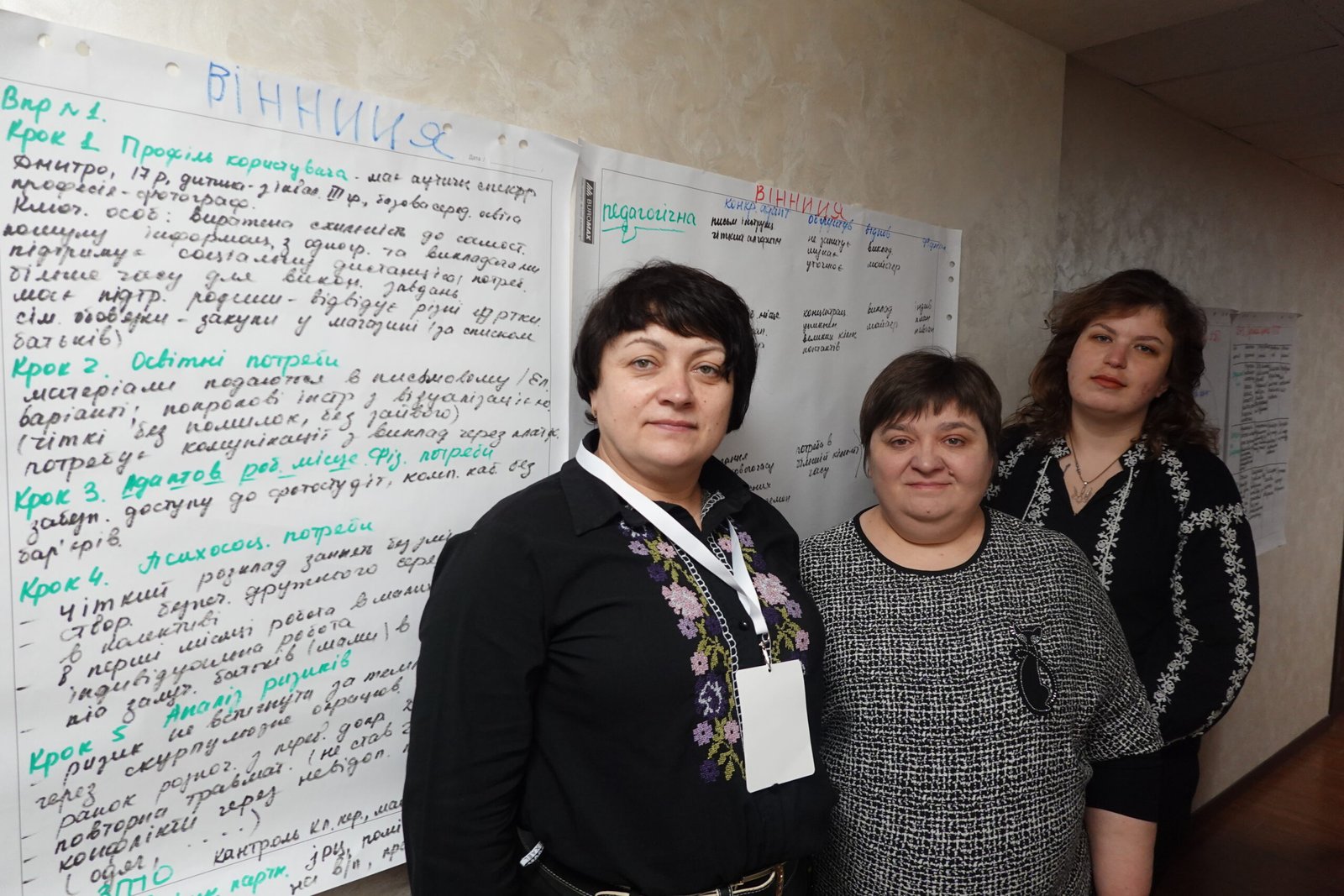
Vinnytsia Vocational College of Digital Technologies and Entrepreneurship — Systemic Inclusion Since 2007 and Simple Rules for Learning Adaptations
The college has been engaged in inclusive education since 2007. In the previous years, the college prepared many learners from specialised groups (particularly, 247 graduates in 2006-2022).
What works well: a team-based approach and cooperation with an Inclusive Resource Centre (IRC), continuous professional development for teachers, and clear rules for adapting learning materials. Delivery is paced and clear; content is concise and focused; and formats use accessible fonts and digital tools.
Bottlenecks include the shortage of sign language interpreters and funding constraints, as well as difficulties in organising practical training and ensuring transition to employment — without additional support, this stage often fails.
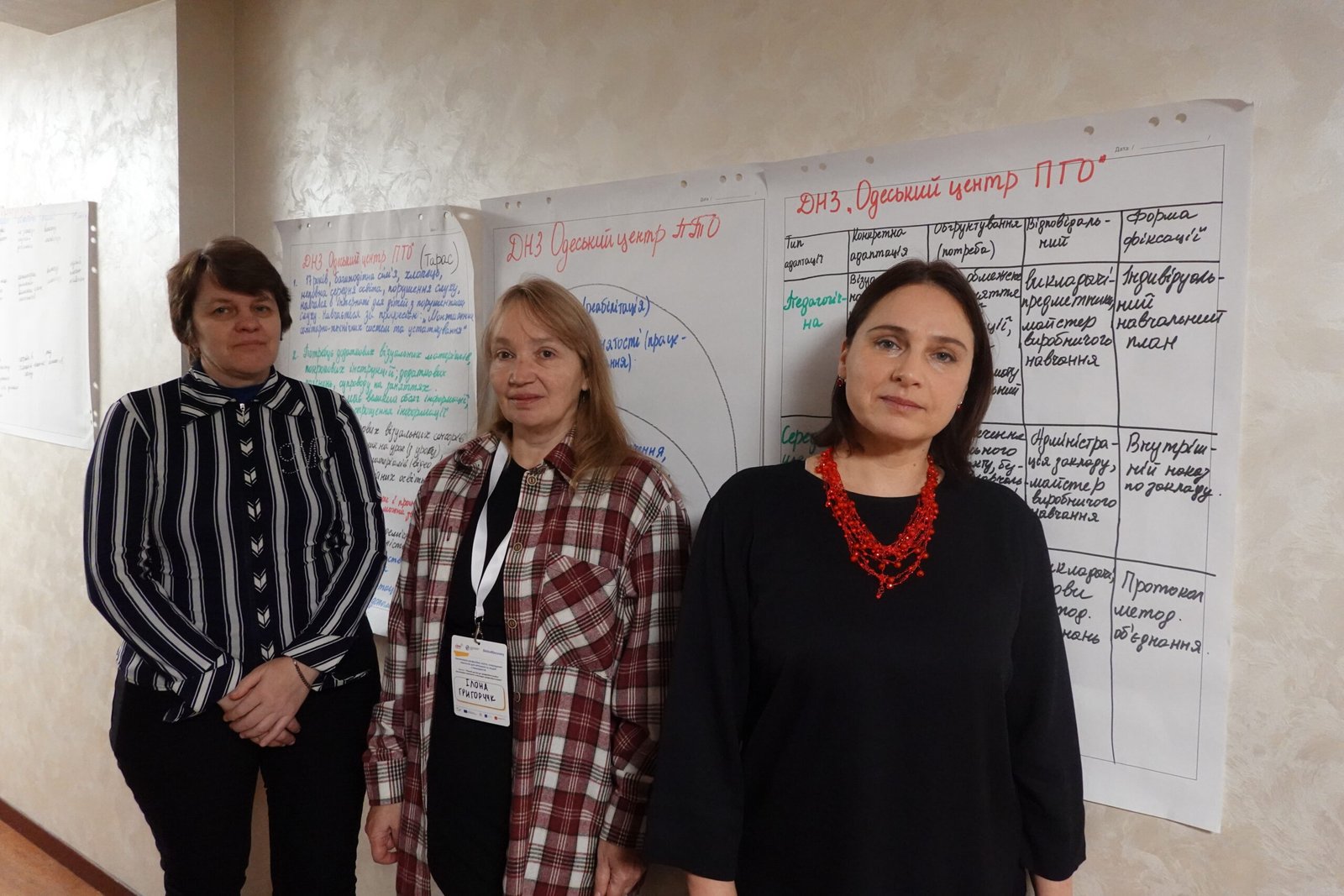
Odesa Centre for Vocational Education and Training — Technologies that “Explain the Profession” and Strong Psychological Support
The State Educational Institution “Odesa Centre for Vocational Education and Training” has experience of working with learners who have hearing impairments. The institution combines technological solutions with psychological support to ensure that learning is both understandable and stable.
What strengthens the outcomes: multimedia tools and 3D/VR formats that help visualise processes, alongside the work of the psychological service — consultations, group sessions, and trainings that support a healthy microclimate within learning groups.
Bottlenecks include ensuring sufficient resources for assistants and sign language interpreters.
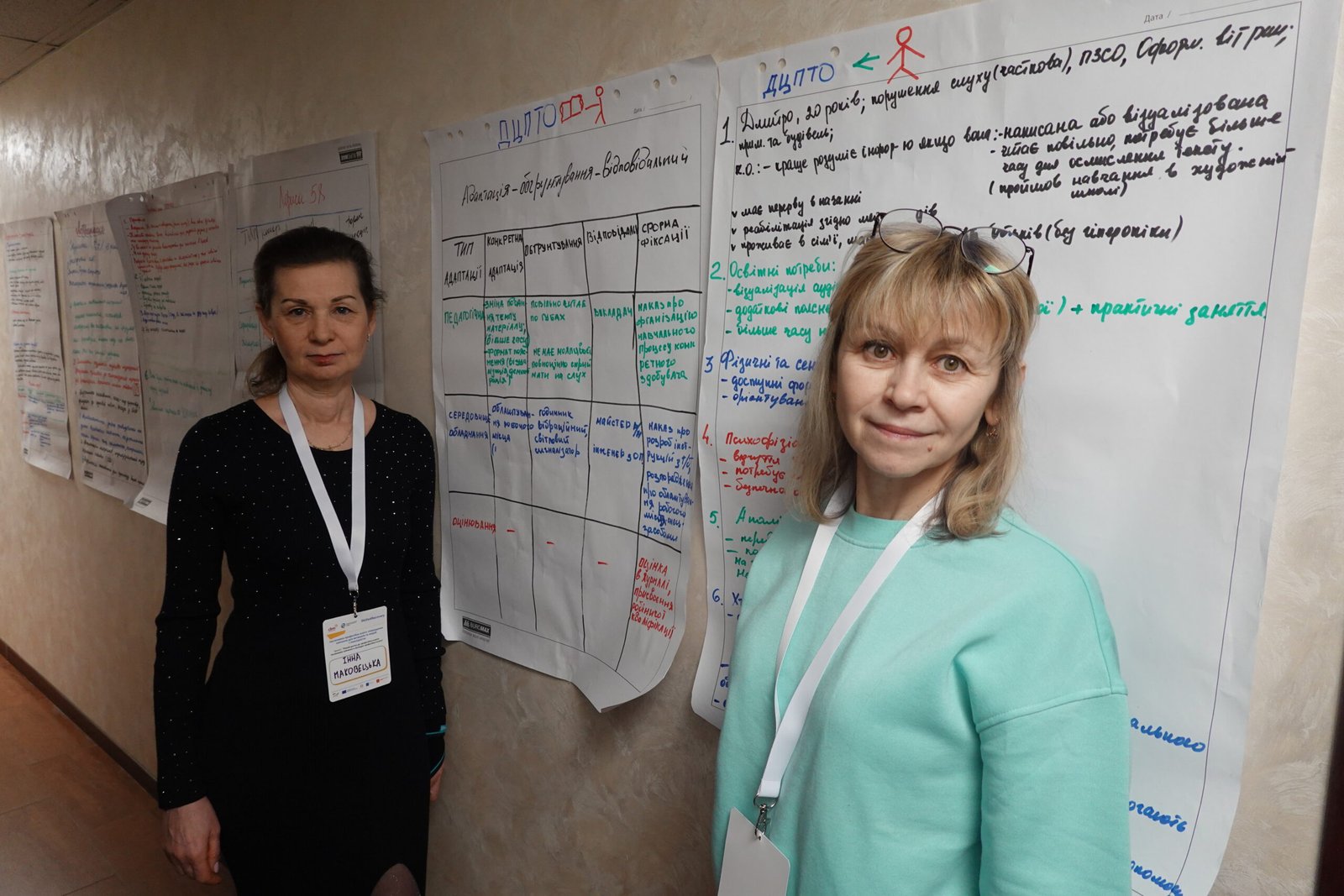
Dnipro Centre for Vocational Education and Training — Scale, Adult Education, and the Veterans’ Space “Titans”
The institution operates across several locations, offers a broad portfolio of occupations (84 professions), and has a strong adult learning component. The team presented the veterans’ space “Titans,” where psychological support is integrated into educational programmes.
Adult education continues to expand: in 2025 alone, the centre has already reached more than 2,000 adult learners (including veterans, persons with disabilities, and IDPs).
Bottlenecks include: outdated infrastructure at some locations and challenges in organising workplace-based training for specialised groups, as enterprises are not always ready to host them. An important detail: not all veterans submit disability documentation, meaning that their needs may not be immediately visible and may emerge during the training process.
Hlyboka Vocational Lyceum (Chernivtsi Region) — Step by Step Towards Community-Based Inclusion and Workshop Development
The institution is gradually developing its inclusive direction. Currently, five learners with disabilities and/or special educational needs study within regular groups.
What is already in place: teamwork among teachers and social-psychological services, adaptations based on learners’ needs, development of training workshops, and improved accessibility.
Bottlenecks include in rural areas, there are fewer employers, and institutions often lack sufficient resources for assistant support. Therefore, the next step is to strengthen learner support and further develop an inclusive learning environment.
Joint Conclusion and Next Steps
The training outcomes demonstrated that inclusion cannot rely on a single tool. It functions systemically when three elements are combined: an accessible educational environment, a prepared team with adequate support mechanisms, and a real transition to practical training and employment.
Following the training, the teams agreed on scalable steps: introducing minimum standards for adapting learning materials, strengthening in-house support systems, creating accessible pathways within institutional premises, and developing partnerships with employers so that workplace-based training and first employment become tangible outcomes of education.
Direct quotes:
“The best indicator of inclusion is when the pathway ‘learning → practice → job’ becomes a reality for everyone.”
The project “Inclusive Vocational Education and Training (VET): Improving Training for Veterans and People with Disabilities” is being implemented by the National Assembly of People with Disabilities of Ukraine (NAPD), jointly with Christoffel-Blindenmission Christian Blind Mission e.V. (CBM), with financial support from the European Union, Germany, Poland, Estonia, and Denmark as part of the Skills4Recovery Multi-Donor Initiative, which is implemented by Deutsche Gesellschaft für Internationale Zusammenarbeit (GIZ) GmbH and Solidarity Fund PL (SFPL).
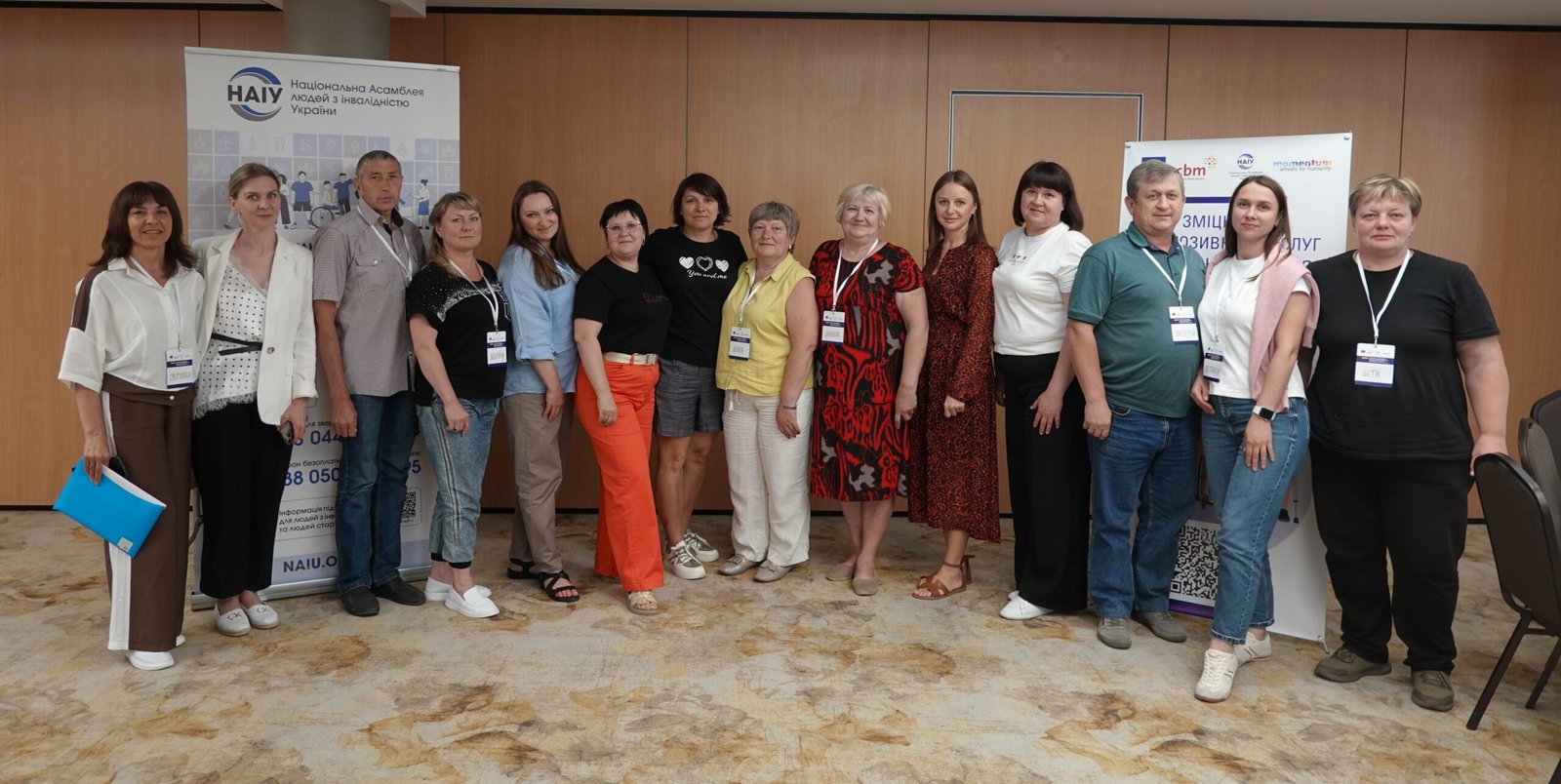
З 21 до 23 липня у Києві проходив тренінг «Інклюзивне гуманітарне реагування та міжсекторальна координація», організований у межах проєкту, що реалізується за фінансової підтримки Європейського Союзу та співфінансується Christian Blind Mission e.V. / CBM. Тренінг об’єднав представників восьми громад Сумської, Чернігівської, Харківської та Полтавської областей. До навчання долучилися представники органів місцевого самоврядування, закладів охорони здоров’я, […]
30 липня НАІУ провела вебінар «Соціальне підприємництво для громадських організацій: з чого почати?». До навчання долучилися представники організацій — членів НАІУ, які прагнуть розвивати власні послуги, шукати додаткові джерела фінансування та посилювати суспільний вплив. Тренеркою вебінару стала Ксенія Печерська — юристка, тренерка та менторка з розвитку спроможності організацій громадянського суспільства, консультантка національного проєкту «Дія.Бізнес» із […]
У Судововишнянській громаді Львівської області триває адвокаційна робота на підтримку людей з інвалідністю та інших маломобільних груп населення, яку Національна Асамблея людей з інвалідністю України (НАІУ) реалізує в межах проєкту «Реабілітація в Україні» (Rehab4U). Зусилля вже дає відчутні результати: від внесення змін до проєкту капітального ремонту дороги до залучення представника громадської організації до складу конкурсної […]
Пропонуємо переглянути відеозапис вебінару «Індивідуальна програма реабілітації: можливості та виклики». Захід організував Ресурсний центр Національної Асамблеї людей з інвалідністю України в межах проєкту «Реабілітація в Україні» (Rehab4U). До вашої уваги — роз’яснення щодо роботи оновленої системи оцінювання повсякденного функціонування людини і формування індивідуальної програми реабілітації (ІПР): від алгоритму проходження оцінювання до роз’яснення прав людини та […]
Ірина – молода мама з Полтавщини, яка виховує двох дітей: старшій дитині два з половиною роки, молодшій нещодавно виповнилося три місяці. Зараз жінка перебуває у відпустці по догляду за дитиною, відновлюється після пологів і водночас відвідує реабілітаційний центр. Ірина та її чоловік – військові. Обоє розпочали службу у 2017 році, а після початку повномасштабного вторгнення […]
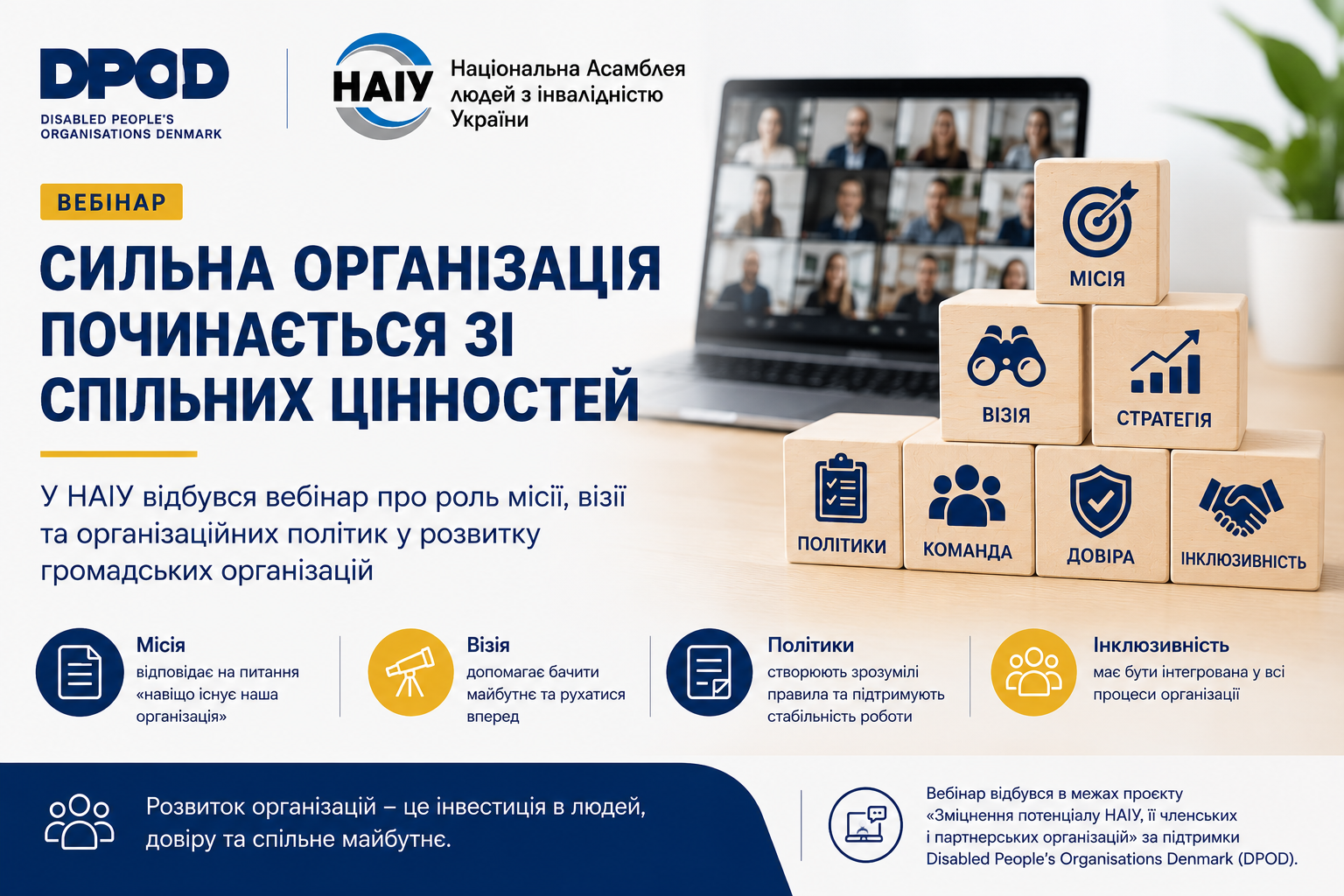
Що робить громадську організацію стійкою? Нові проєкти, сильна команда чи достатнє фінансування? Насправді все починається значно раніше — з розуміння власної місії, спільних цінностей і правил, за якими працює організація. Саме про це йшлося під час вебінару «Розбудова ефективної організації: роль місії, візії та організаційних політик», який Національна Асамблея людей з інвалідністю України провела для […]