Accessibility of Shelters: Navigation as a Key Safety Factor Discussed in Opishnia
3 April 2026
Share:
The Opishnia community hosted the second meeting as part of the advocacy campaign “Communities for All: Creating Change Together with People with Disabilities,” dedicated to the accessibility of shelters. The discussion focused not only on physical accessibility but also on clear signage that helps people quickly find their way during emergencies.
The Opishnia community hosted the second meeting as part of the advocacy campaign “Communities for All: Creating Change Together with People with Disabilities,” dedicated to the accessibility of shelters. The discussion focused not only on physical accessibility but also on clear signage that helps people quickly find their way during emergencies.
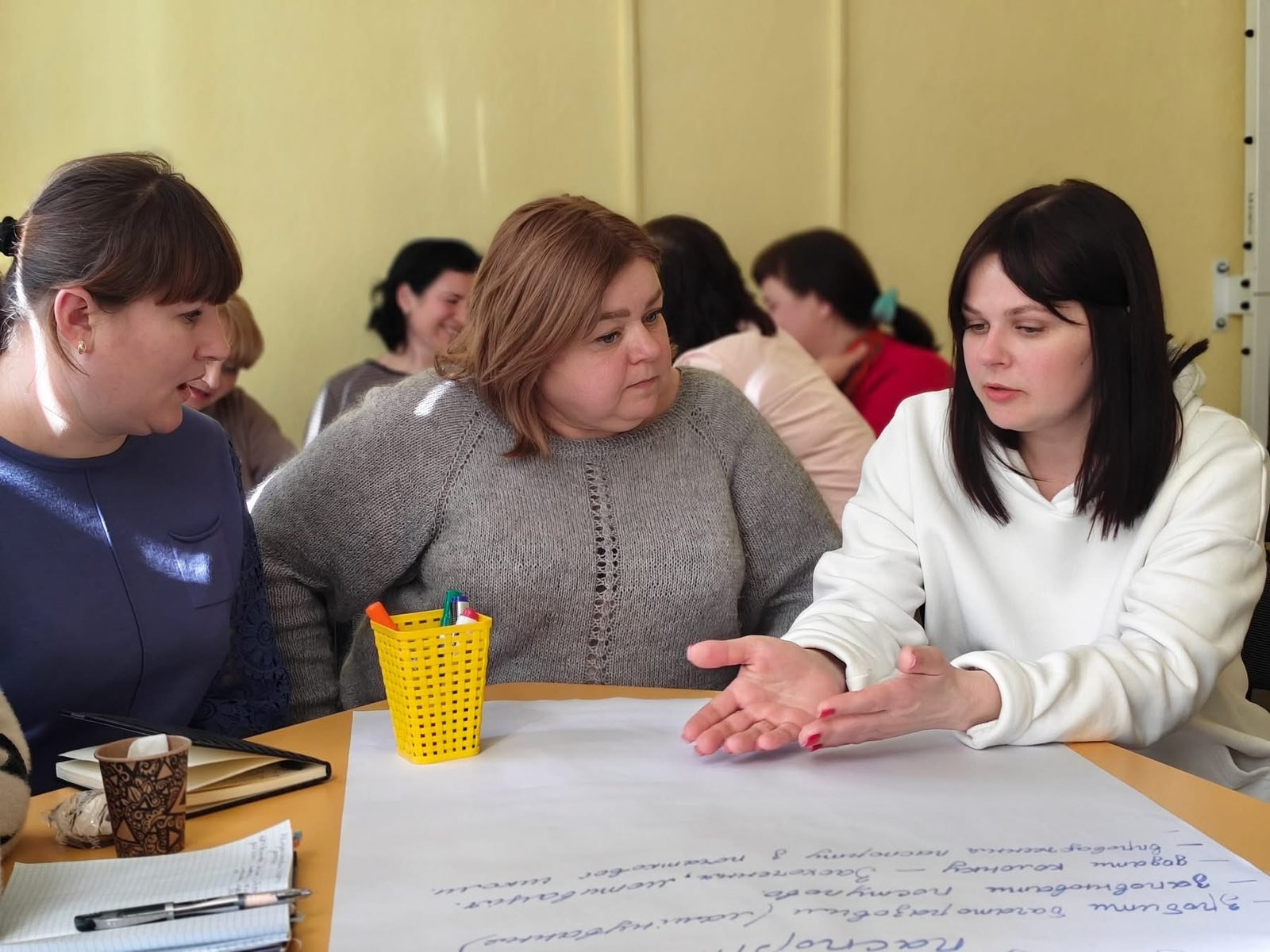
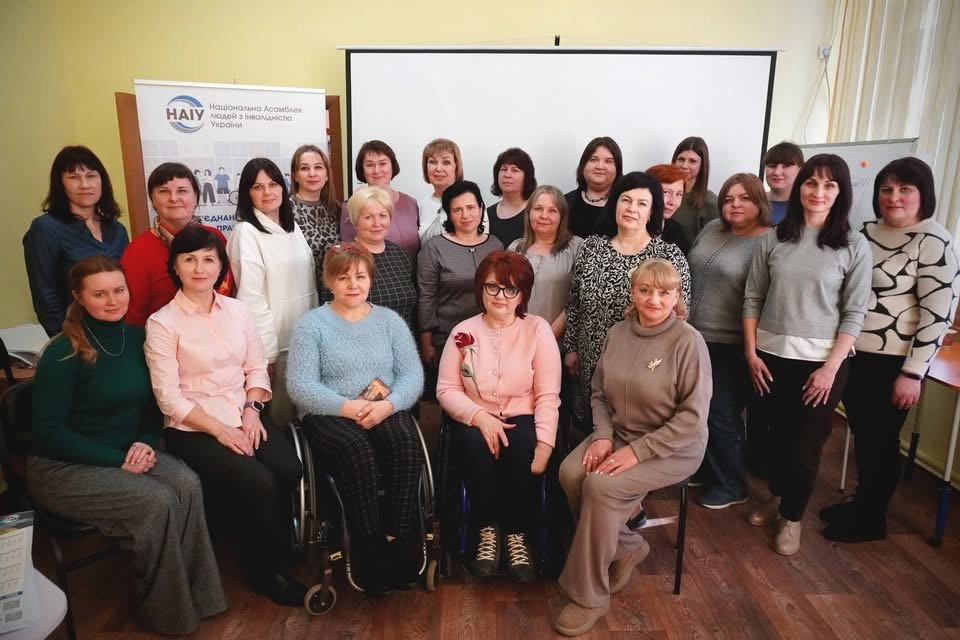
The meeting was attended by people with disabilities, veterans, community representatives, experts, and other interested participants. This diverse group allowed for a discussion of accessibility that took into account different experiences of using the space.
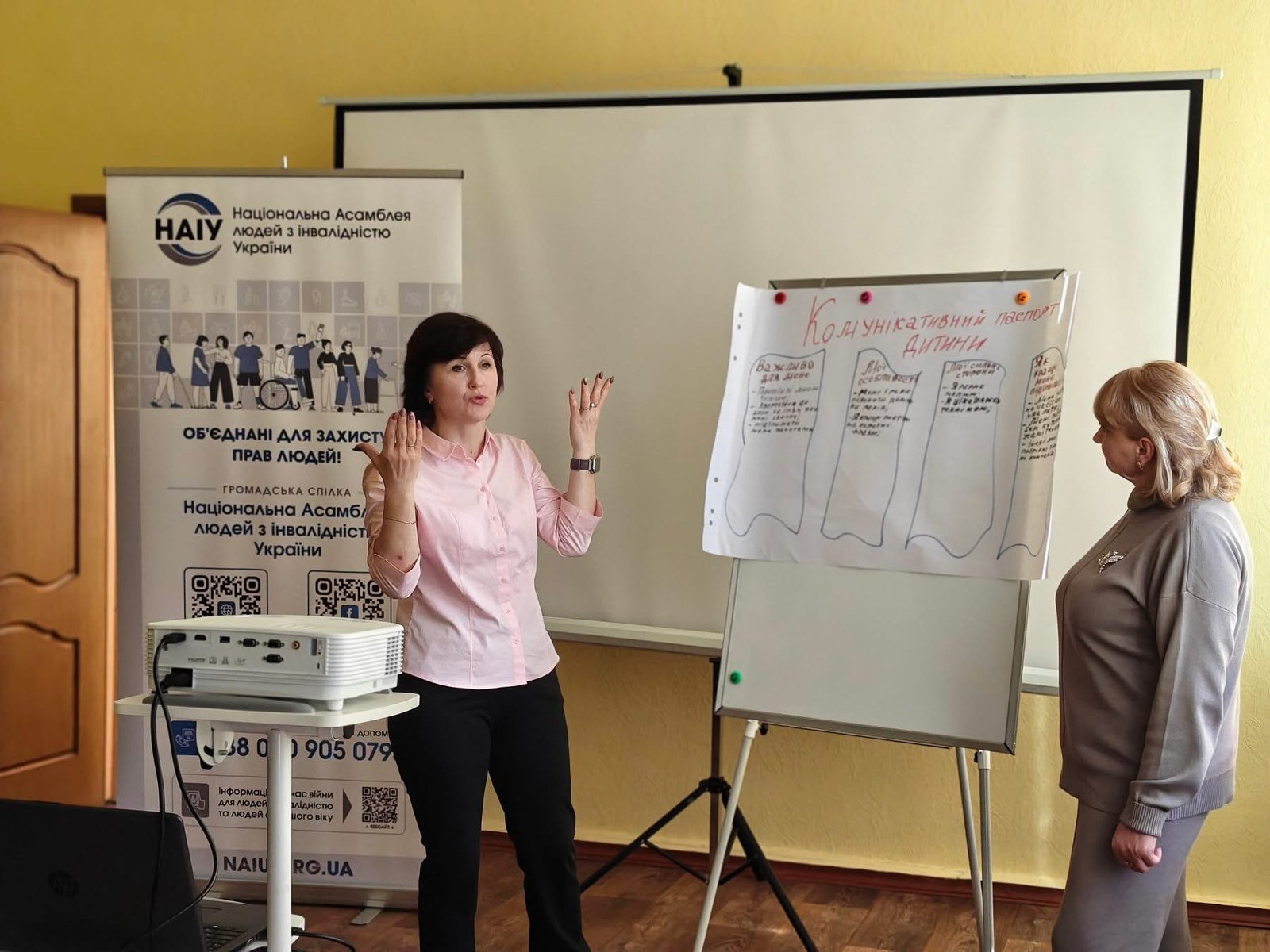
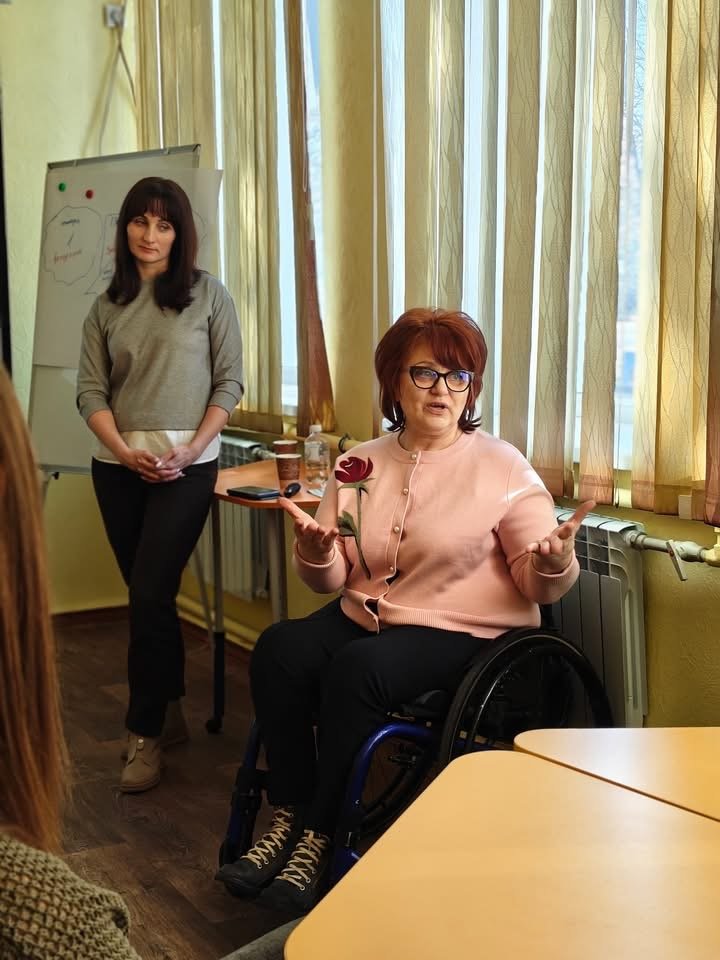
Yevhen Svit, an accessibility consultant for the National Assembly of People with Disabilities of Ukraine, presented approaches to organizing navigation within buildings and surrounding areas. The discussion covered navigation diagrams, informational signs, mnemonic diagrams, high-contrast markings, as well as the combination of visual and tactile elements. Special attention was given to alert systems, which must be accessible to various user groups.
During the meeting, participants reviewed examples of solutions used in other countries and communities and discussed which of them could be adapted to the local context. At the same time, they highlighted common mistakes in implementing accessibility. In particular, they discussed the excessive or incorrect use of tactile paving, which can complicate navigation, as well as the mere installation of Braille signs without considering their actual purpose.
As Yevhenii Svit noted, decisions made without an understanding of universal design principles may not only fail to improve accessibility but also create additional barriers for users.
The practical part of the event involved an audit of the navigational accessibility of the grounds, building, and shelter of the Primary Health Care Center. Participants, together with the expert, analyzed existing solutions, identified barriers, and discussed possible changes. The recommendations developed will serve as the basis for further engagement with local authorities and the facility’s administration.
The meeting underscored that shelter accessibility is a complex issue involving both infrastructure and informational solutions. This involves creating conditions in which every person can receive information in a timely manner, orient themselves in the space, and reach a safe place.
The advocacy campaign is being implemented as part of the project “Disability-Inclusive Multisectoral Humanitarian Assistance for Internally Displaced Persons, Returnees, Veterans, and Host Communities in Ukraine.” The project is implemented by the National Assembly of People with Disabilities of Ukraine in partnership with the European Disability Forum, with support from the German Federal Foreign Office and CBM (Christian Blind Mission).
Such initiatives contribute to the creation of a safe environment in which accessibility is viewed as a necessary condition for preserving life and ensuring equal opportunities for all.
Oleksandra Perkova, Communications Manager of the Project
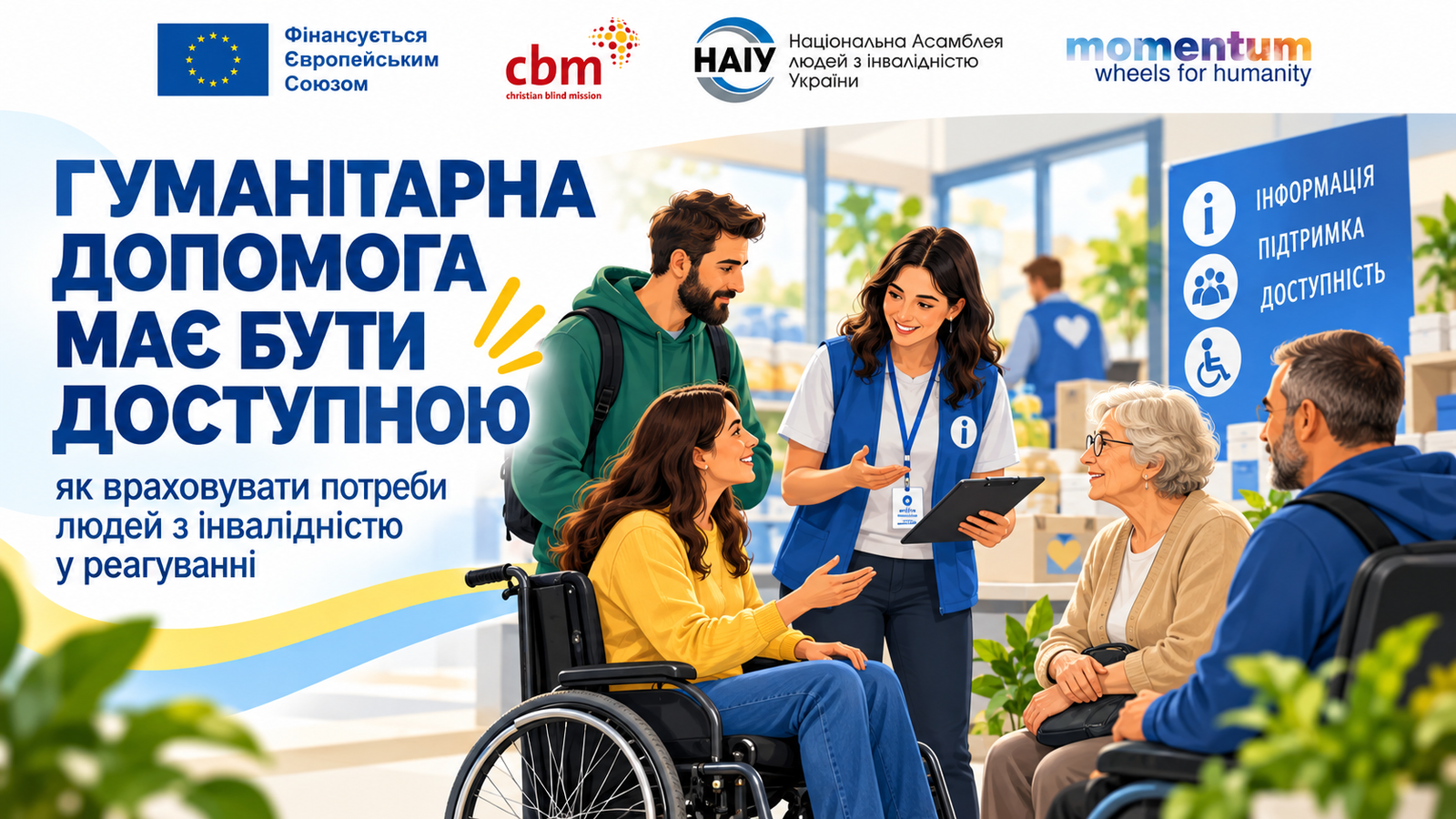
Гуманітарна допомога може бути передбачена програмою, профінансована і навіть доступна у громаді. Але головне питання інше: чи може людина, яка її потребує, реально нею скористатися? Саме про це говорили учасники дворівневого навчання «Гуманітарна діяльність: врахування потреб осіб з інвалідністю», яке у жовтні провела Національна Асамблея людей з інвалідністю України. До навчання долучилися представники гуманітарних і […]
Шукаємо координатора(-ку) з комунікацій у команду НАІУ (на проєкт) Національна Асамблея людей з інвалідністю України (НАІУ) реалізує проєкт «Інклюзія передусім — захист і підтримка дітей з аутизмом та іншими видами інвалідності, ветеранів і ветеранок в Україні», спільно з СВМ та СВМ Італія, спрямований на підтримку ветеранів та ветеранок, розвиток доступних можливостей для їхньої реабілітації, протезування, […]
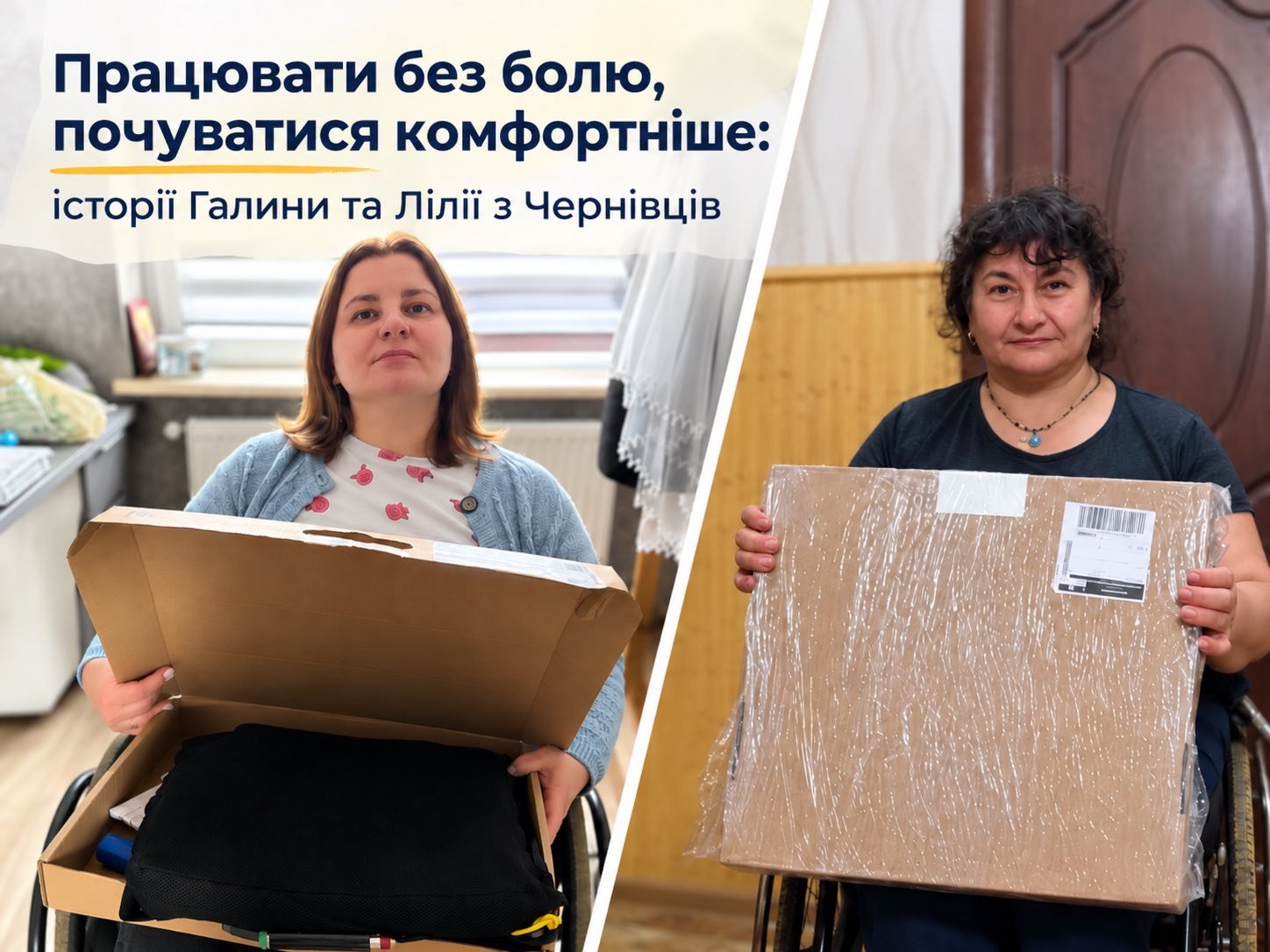
Галина з Чернівців створює весільні аксесуари для наречених. Її робота потребує творчості, терпіння та уваги до найменших деталей. За виготовленням прикрас жінка проводить багато годин, адже кожен виріб вимагає кропіткої ручної праці. Для Галини важливо мати можливість займатися улюбленою справою, однак тривала робота нерідко супроводжується фізичним дискомфортом. Жінка користується кріслом колісним, і через велике навантаження […]
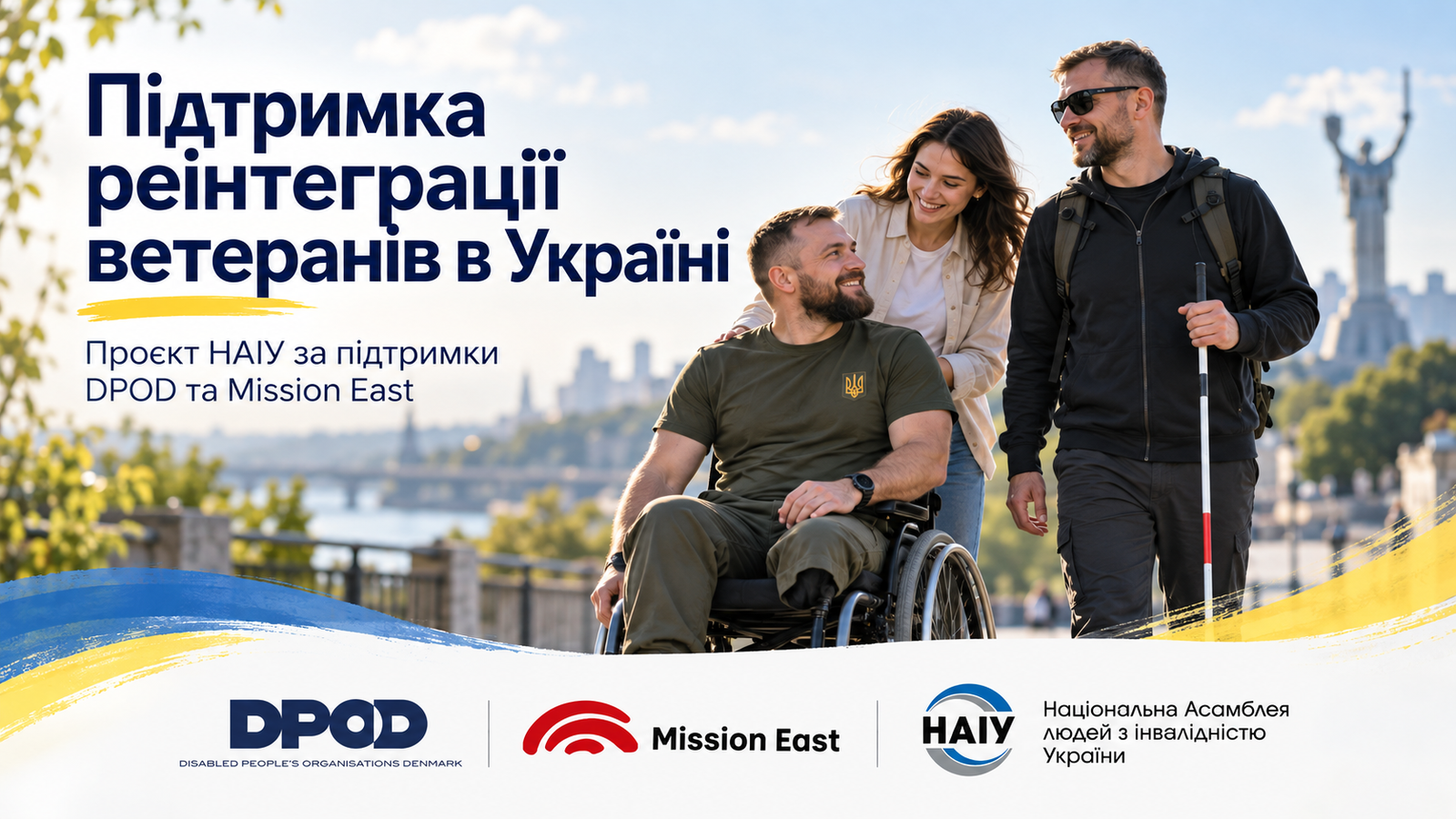
Повернення з військової служби до цивільного життя — це новий етап, який нерідко супроводжується непростими викликами. Особливо для ветеранів і ветеранок, які зазнали поранень або набули інвалідності. Реабілітація, пошук роботи, доступ до послуг, відновлення соціальних зв’язків — усе це потребує не лише особистих зусиль, а й підтримки суспільства. Національна Асамблея людей з інвалідністю України (НАІУ) […]
Упродовж програмного року — з 1 жовтня 2025-го до 30 вересня 2026-го — на гарячій лінії Національної Асамблеї людей з інвалідністю України (НАІУ) було надано 821 консультацію для 680 осіб. Найчастіше люди зверталися за роз’ясненням щодо своїх прав і пільг, зокрема отримання та поновлення виплат, оформлення догляду, встановлення й переоформлення інвалідності. Близько 70% звернень стосувалися […]
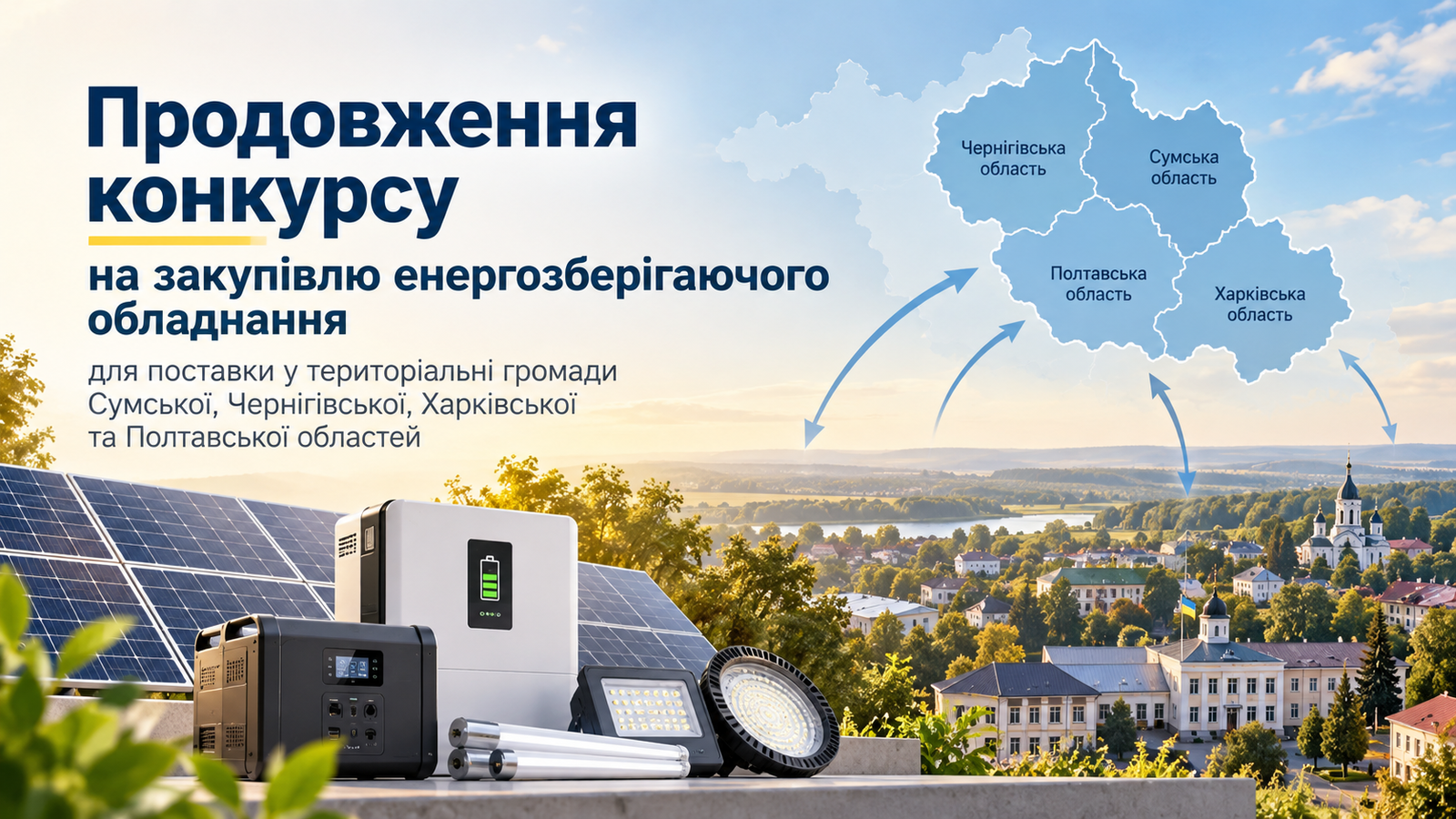
Громадська спілка “Всеукраїнське громадське об’єднання “Національна Асамблея людей з інвалідністю України” (далі – «Організатор») оголошує продовження конкурсу на закупівлю енергозберігаючого обладнання для поставки у територіальні громади Сумської, Чернігівської, Харківської та Полтавської областей. Джерело фінансування закупівлі: Дана закупівля здійснюється в рамках проєкту «Зміцнення інклюзивних послуг з охорони здоров’я, реабілітації та захисту населення, постраждалого від повномасштабного вторгнення в […]