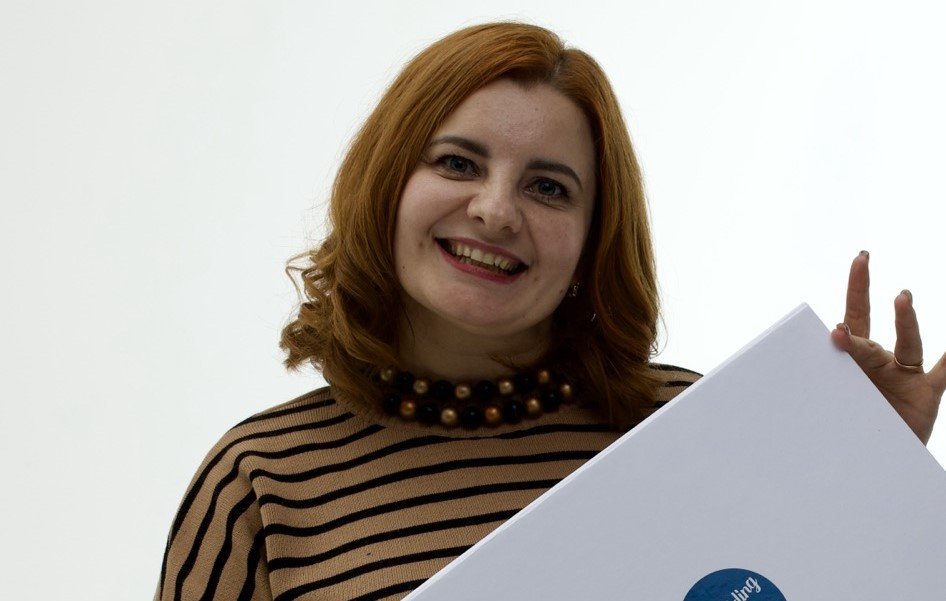
To Hear and Support: How the NGO “Victoria” and Olha Vynohradova Empowered Women with Disabilities in Mykolaiv
January 28, 2026
Share:
Mykolaiv is a frontline city that, from the first months of the Russian Federation’s full-scale war against Ukraine, became a place of refuge for thousands of internally displaced persons. Among them are many women with disabilities, including those from Kherson Oblast, who lost their homes, stability, and access to familiar support services.
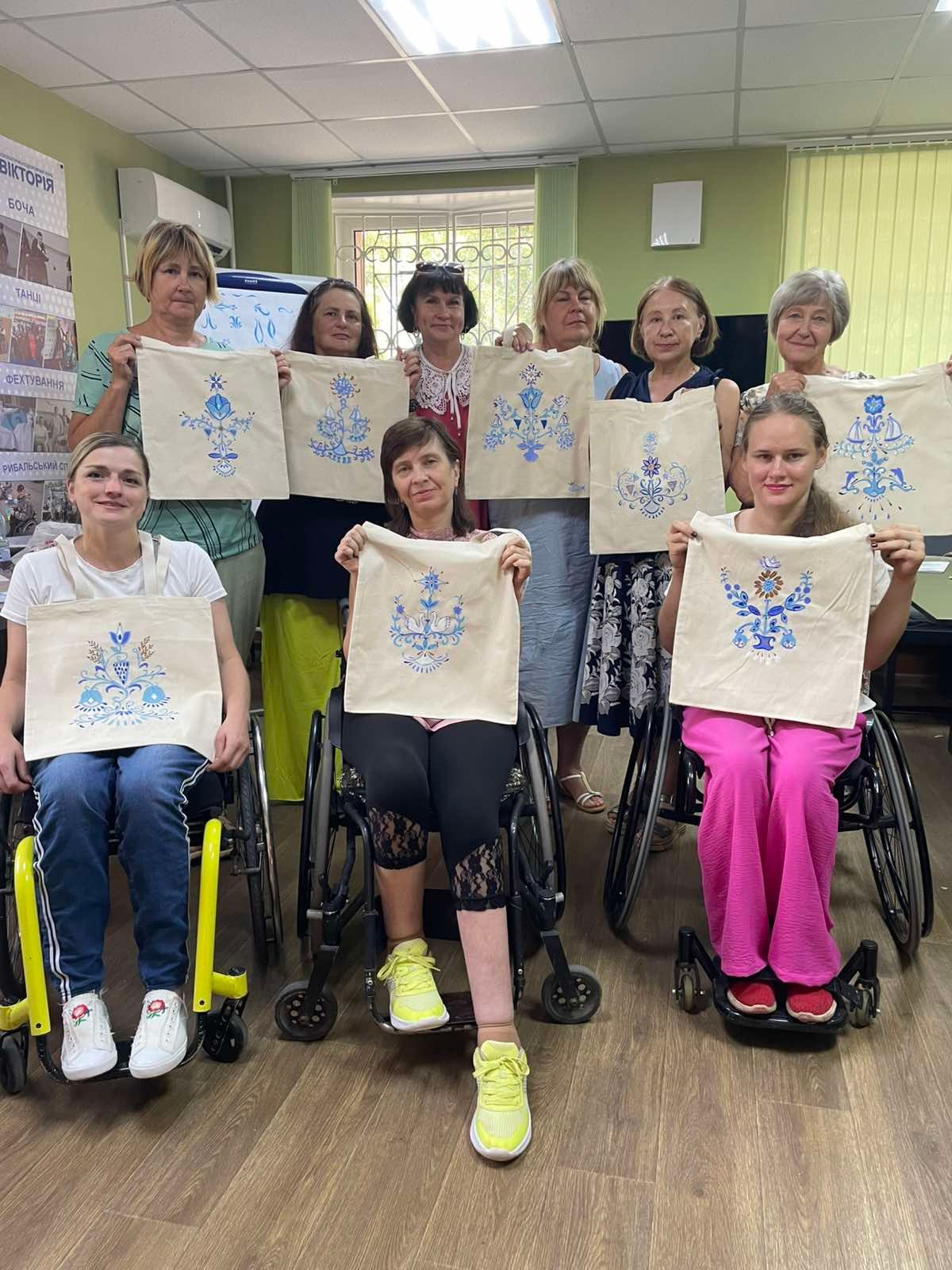
The NGO “MM Physical Culture and Health Organization of Persons with Disabilities ‘Victoria’,” led by Olha Vynohradova, implemented activities under the project “Humanitarian Response and Recovery: Strengthening the Leadership of Organizations of Women with Disabilities.” The project is implemented by the National Assembly of People with Disabilities of Ukraine (NAPD) with financial support from the UN Women’s Peace and Humanitarian Fund (WPHF) and technical support from UN Women in Ukraine, and has had a significant impact on improving the quality of life of women with disabilities.
“When you start not just accepting applications but actually talking personally with women, you hear something completely different. You see how they really live, what they face every day, and you understand the full complexity of their situation,” Olha Vynohradova shares.
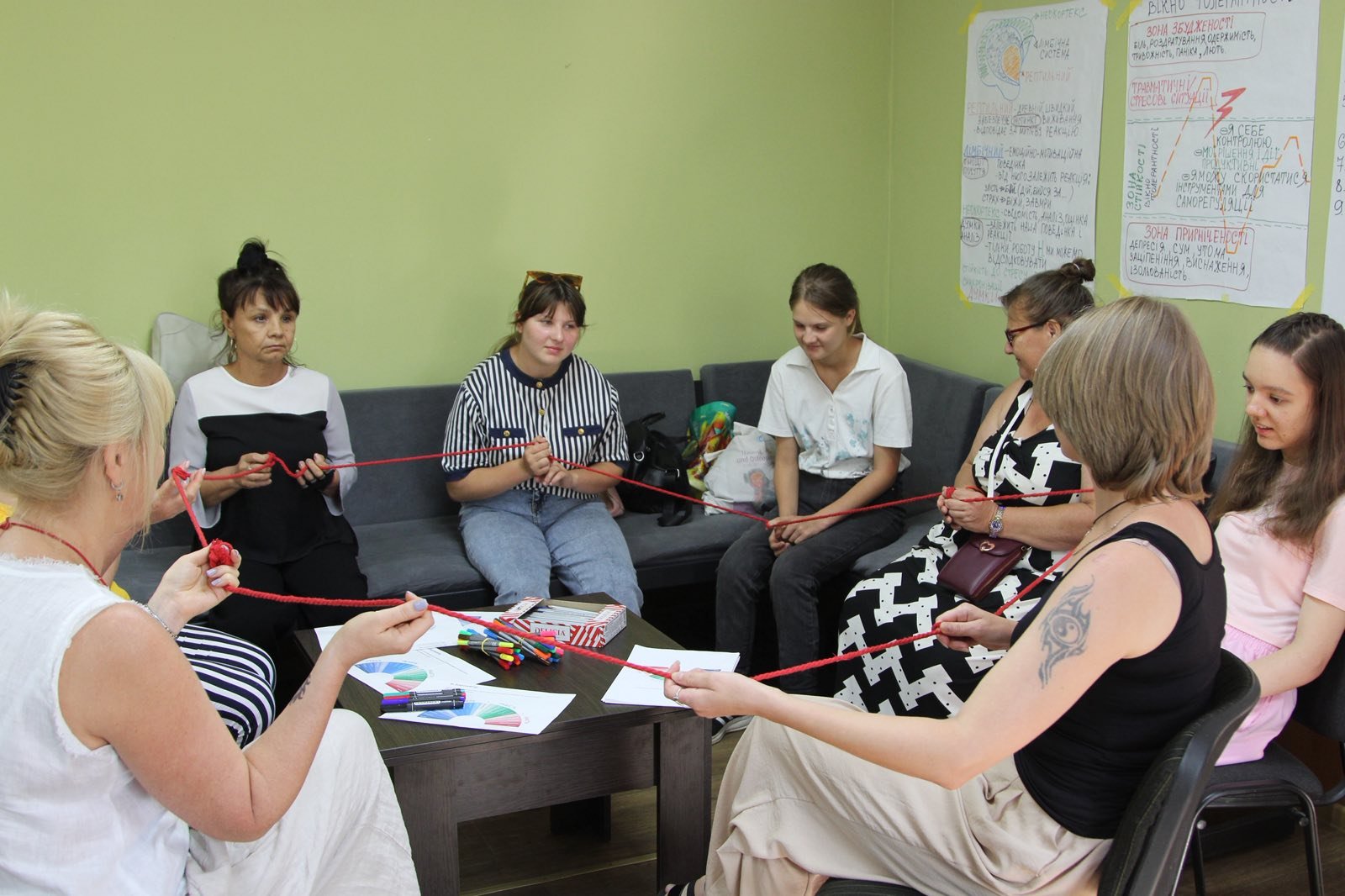
One of the key components of the project was professional psychological support, which had previously been unavailable to the target audience. Within the initiative, 10 group psychological sessions and 6 stress-relief workshops were conducted over six months and attended by 48 women. These activities helped women better understand their own emotions, learn how to respond to stress, and reduce levels of psychological tension.
“We worked with topics such as emotional burnout, reactions to aggression, and personal boundaries. In wartime, people constantly live under pressure and don’t understand how to protect themselves. Women said they began to react differently to conflicts and better sense themselves and their needs,” Olha explains.
The project also revealed large-scale problems faced by women with disabilities among internally displaced persons (IDPs). According to the head of the organization, one of the most acute issues was housing.
“Many women live in apartments that are completely unsuitable for a person with mobility impairments. Even if there are relatives who help, these women’s freedom of movement is virtually nonexistent,” she explains.
Due to the high cost of rent, most of such families’ income is spent on housing, leaving minimal resources for basic needs. In response, within the project 35 women received food vouchers, and 101 women received personal hygiene kits, which became critically important support.
A separate focus was placed on information and consultation assistance, which was provided to 31 women. Women sought support on issues related to disability documentation, access to medical and social services, and obtaining assistive technologies.
“We saw that women in a new city simply don’t know where to turn. No one informs them that they have the right to certain services or hygiene products through medical institutions. Without support, they are left alone with the system,” Olha notes.
Another important area was informational and assistance. Women sought help with issues related to disability documentation, access to medical and social services, and obtaining assistive technologies.
“Women themselves said they felt changes—in their condition, in how they relate to themselves, and in their communication with loved ones,” the project leader shares.
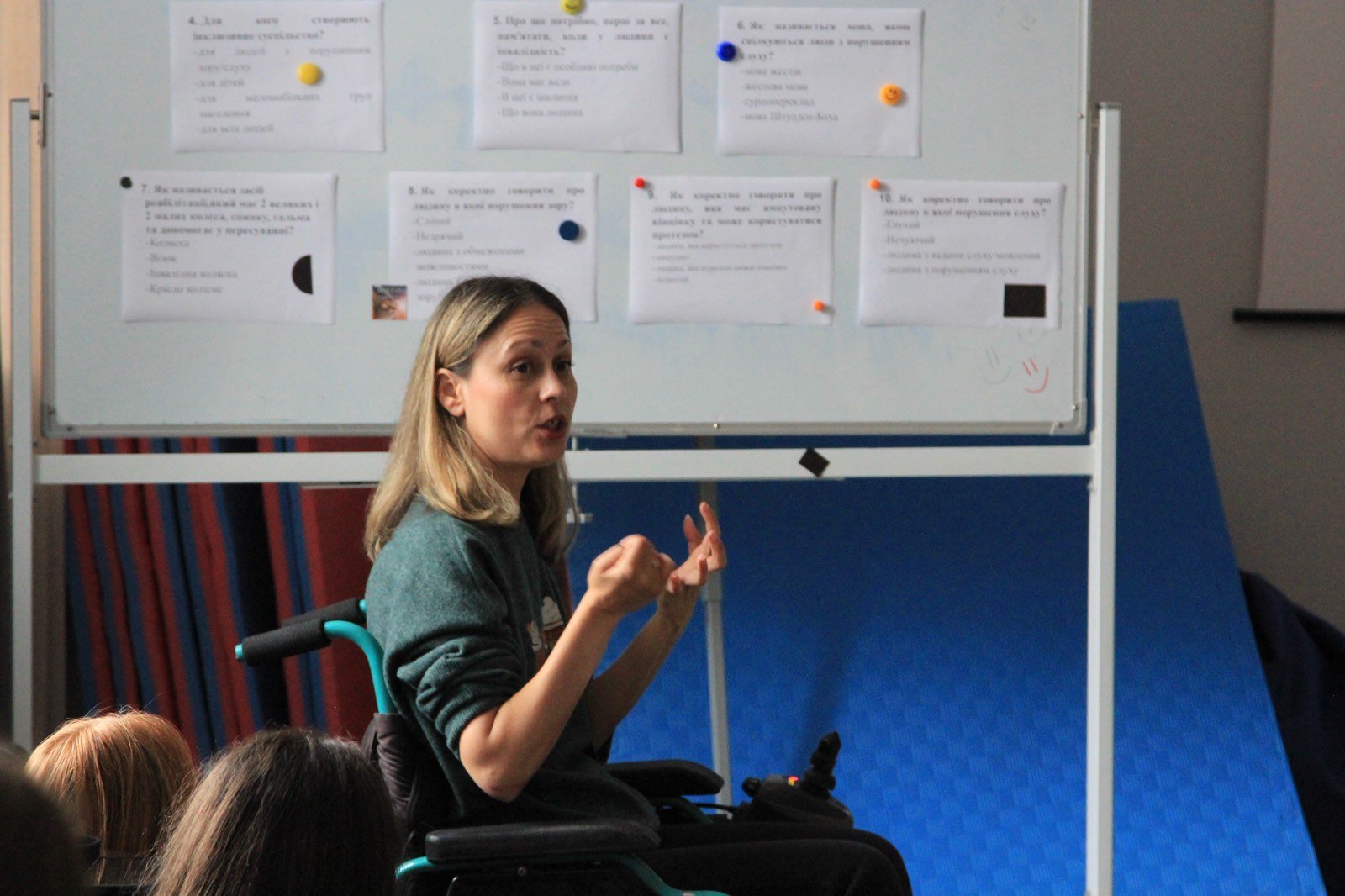
In addition, the activities of NGO “Victoria” expanded to advocacy for the rights of women with disabilities regarding accessibility of services. Accessibility audits of facilities, including private ones, showed that stereotypes and resistance to change often create barriers for people with disabilities.
“We once again became convinced: it is not disability that creates barriers, but the environment and attitudes. And that is exactly what needs to be addressed,” Olha Vynohradova concludes.
With the support of UN Women in Ukraine and the Women’s Peace and Humanitarian Fund (WPHF), women’s leadership at the local level is driving tangible change—from immediate assistance to amplifying the voices of women with disabilities and reducing barriers within communities, even under the extremely challenging conditions of war.
The project “Humanitarian Response and Recovery: Strengthening the Leadership of Organizations of Women with Disabilities” is implemented by the National Assembly of Persons with Disabilities of Ukraine, funded by The United Nations Women’s Peace and Humanitarian Fund (WPHF) with technical support of UN Women Ukraine. The United Nations Women’s Peace and Humanitarian Fund (WPHF) mobilizes critical support for local and grassroots civil society organizations working on women, peace and security and humanitarian action. WPHF is a flexible and rapid financing mechanism supporting quality interventions designed to enhance the capacity of women to prevent conflict, respond to crises and emergencies, and seize key peacebuilding opportunities.
This publication has been prepared with the financial support of the United Nations Women's Peace and Humanitarian Fund (WPHF), which does not imply that the views and contents expressed herein are officially endorsed or recognized by the United Nations."
The Women’s Peace and Humanitarian Fund (WPHF) is the only global financing mechanism exclusively dedicated to supporting women’s participation in peace and security processes and humanitarian action. Governed by a diverse group of civil society, government, and UN representatives, WPHF is a multi-partner trust fund that mobilizes urgently needed funding for local, women-led organizations and works alongside women on the front lines to build lasting peace. Since 2016, WPHF has provided funding and strengthened the capacities of over 1,000 local women’s civil society organizations advancing the Women, Peace and Security agenda and delivering humanitarian action in 41 crisis-affected countries.
Oleksandra Perkova,
Communication Manager of the Projectproject communication manager
Страховий стаж – це період, протягом якого особа підлягає загальнообов’язковому державному пенсійному страхуванню та за який щомісяця сплачені страхові внески (стаття 24 Закону України від 09.07.2003 № 1058 “Про загальнообов’язкове державне пенсійне страхування”), пояснює на своєму сайті Пенсійний фонд України. Від моменту набрання чинності зазначеного Закону (з 01.01.2004) страховий стаж зараховується за умови сплати фізичною особою-підприємцем страхових внесків – за даними реєстру застрахованих осіб Державного реєстру […]
Доступність у професійній освіті — це не тільки про великі ремонти чи нове обладнання. Часто зміни починаються з рішень, які заклад може впроваджувати поступово: у навчальних матеріалах, майстернях, комунікації, роботі з батьками та співпраці з партнерами. Саме такі практичні рішення обговорювали під час супервізій, організованих Національною Асамблеєю людей з інвалідністю України у співпраці з Christoffel-Blindenmission […]
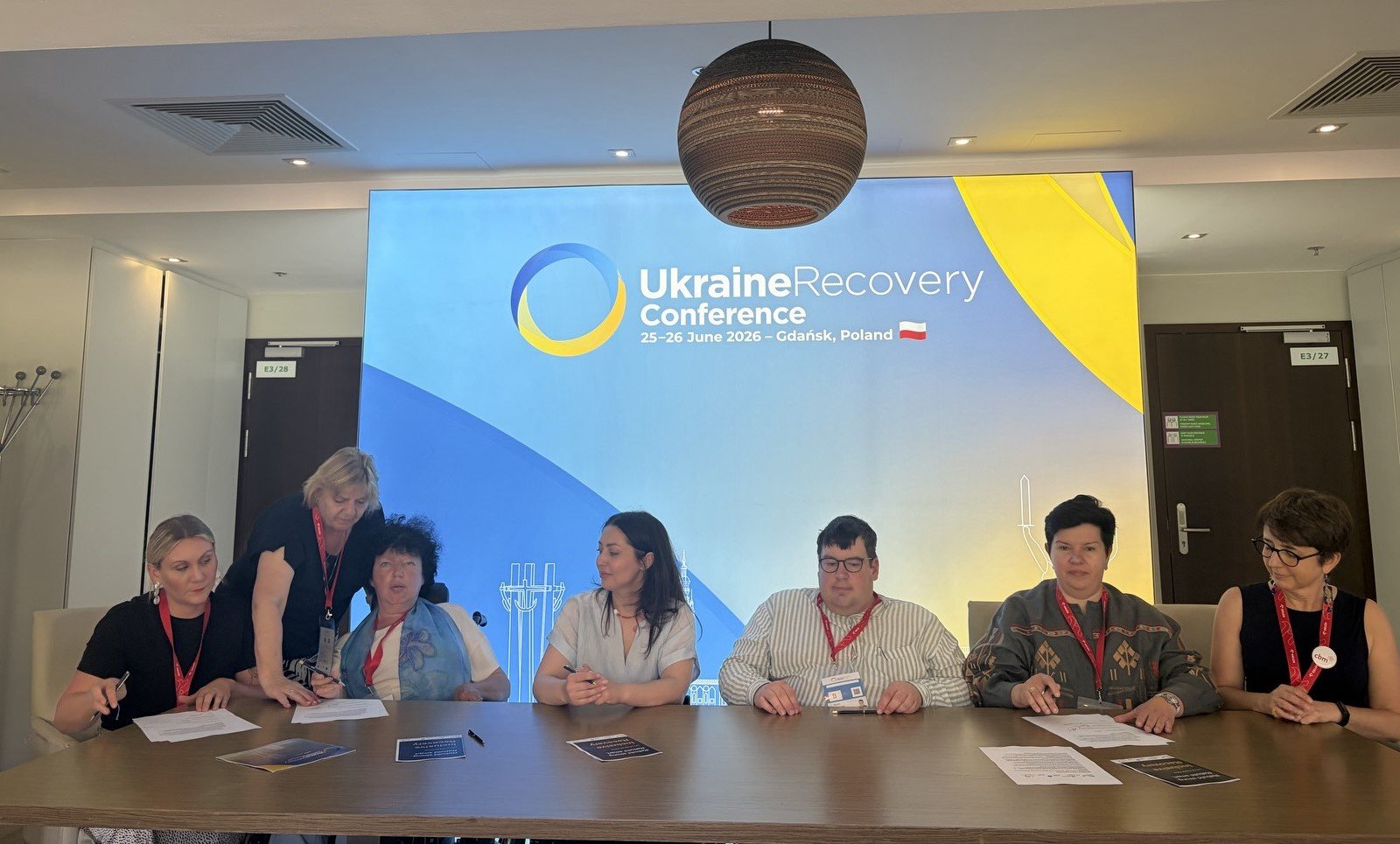
26 червня, у завершальний день Ukraine Recovery Conference 2026, представники міжнародних та українських організацій офіційно підписали Гданську декларацію «Розбудова сильнішого, розумнішого та більш інклюзивного відновлення України». Від імені Національної Асамблеї людей з інвалідністю України документ підписала Генеральна секретарка НАІУ Вікторія Назаренко. Разом із НАІУ декларацію підписали Європейський форум осіб з інвалідністю (EDF), CBM, CBM Italia, […]
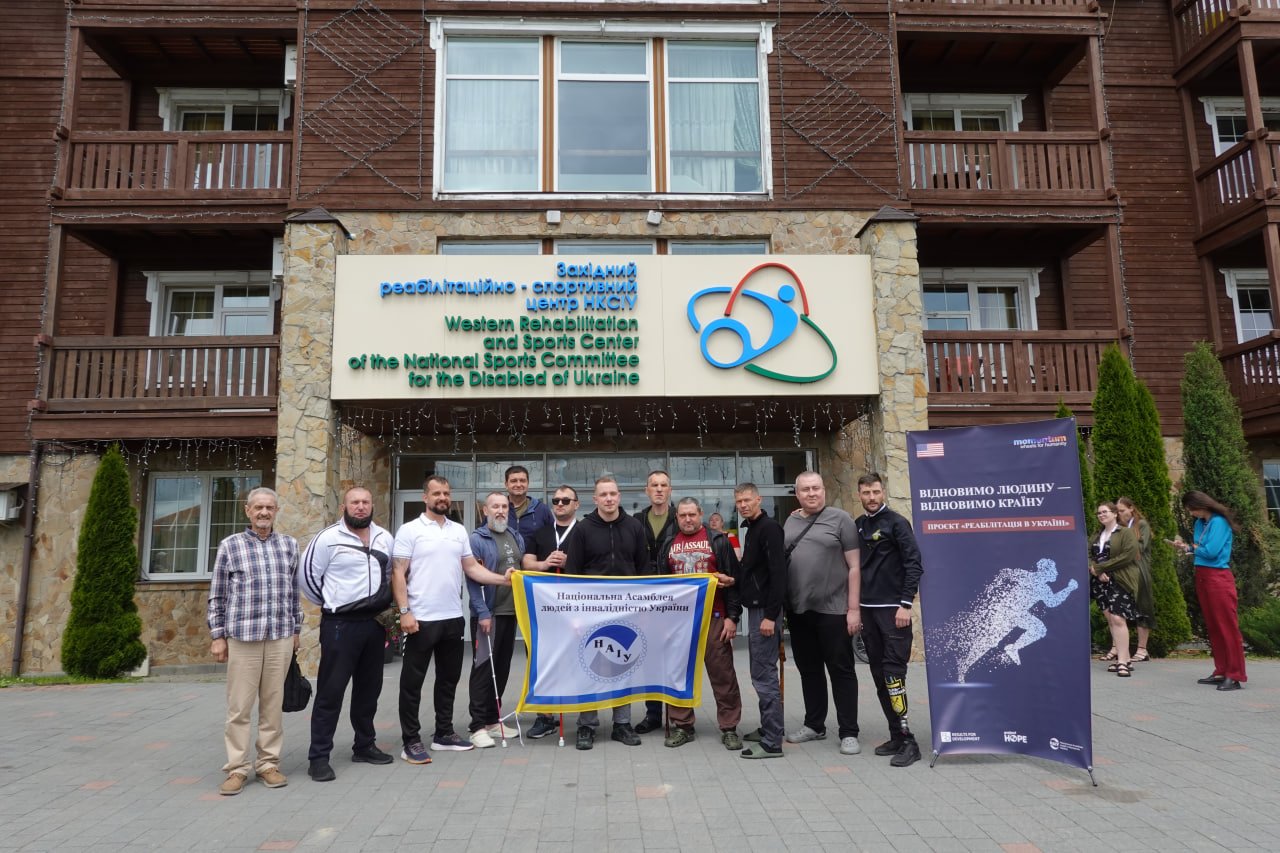
У Львівській області завершився п’ятиденний офлайн-тренінг «Посилення спроможностей лідерок та лідерів у питаннях залучення ресурсів для реалізації політики інклюзії, гуманітарного реагування та відновлення». Захід об’єднав представниць і представників організацій людей з інвалідністю та ветеранських спільнот із різних регіонів України, які прагнуть зміцнити організаційну стійкість, ефективніше залучати ресурси та впливати на процеси відновлення своїх громад. Тренінг […]
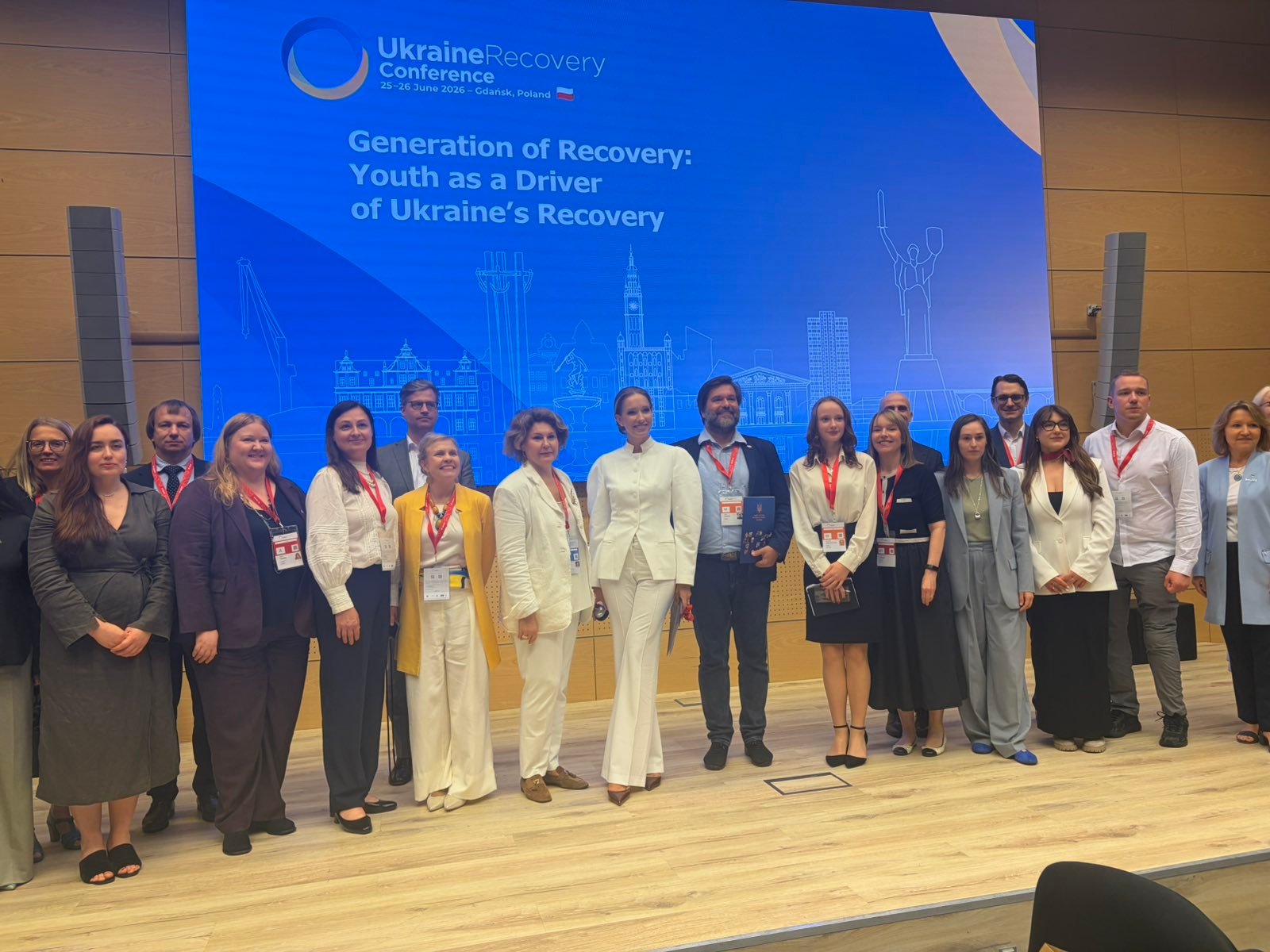
Молоді люди, які захищали Україну, мають стати не лише отримувачами підтримки, а й активними учасниками відновлення держави. Саме ця думка стала однією з ключових під час воркшопу «Generation of Recovery: Youth as a Driver of Ukraine’s Recovery», що відбувся в межах Конференції з відновлення України (URC 2026) у Гданську. Від Національної Асамблеї людей з інвалідністю […]
Як ми уявляємо собі жінку, котра досягла успіху в бізнесі? Напевно, у неї сталевий характер, дещо чоловічі манери… Напевно, вона ходить у діловому одязі… Власне, ходити. В останню чергу нам спаде на думку, що бізнес-леді, яка продає свої вироби в понад 140 країнах світу, не ходить. Тобто пересувається на кріслі колісному. Галина Величко в дитинстві […]