Plans vary, but the goal is shared: NAPD members have launched an advocacy campaign that will take place in 10 regions of Ukraine
February 3, 2026
Share:
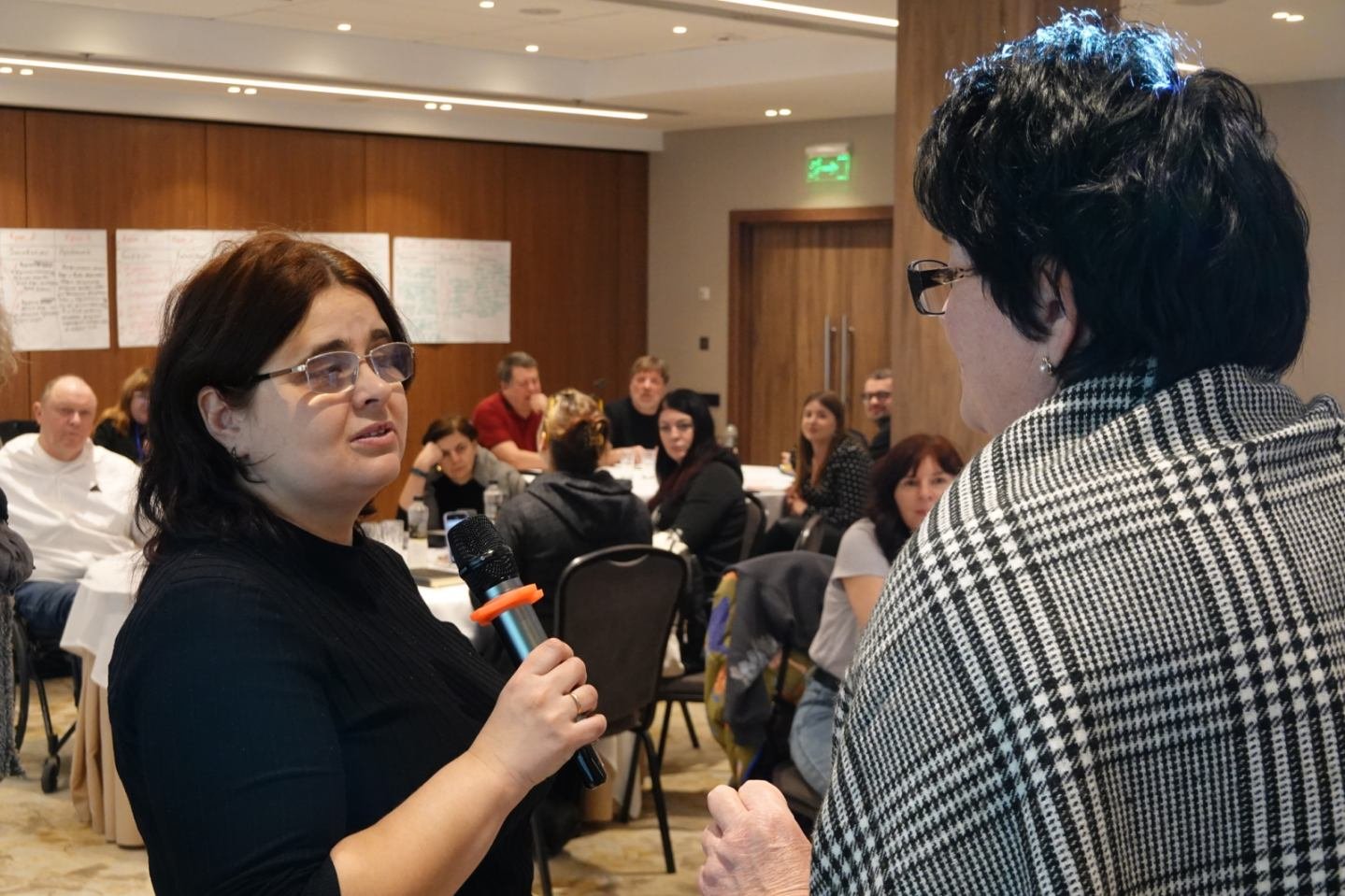
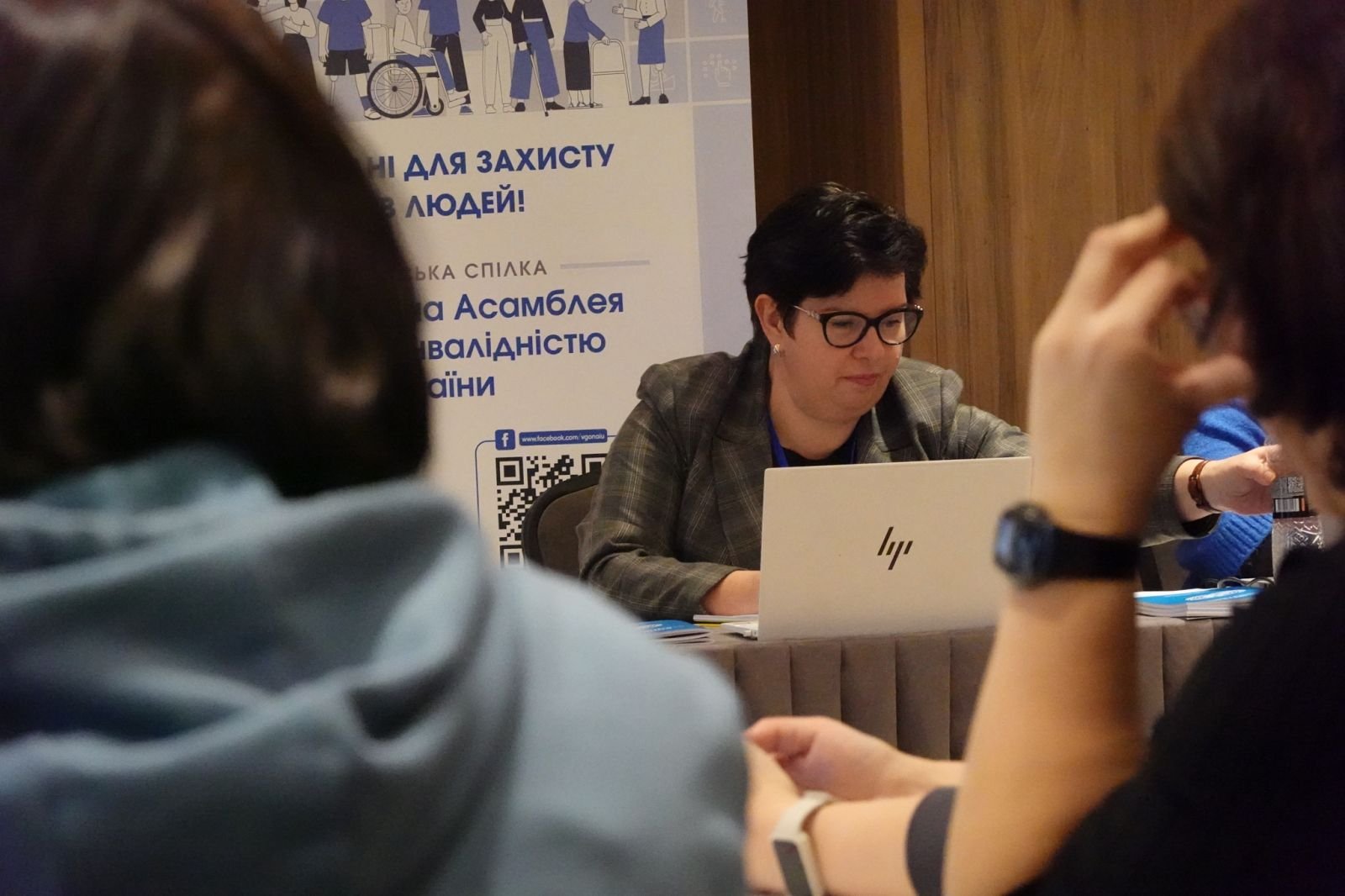
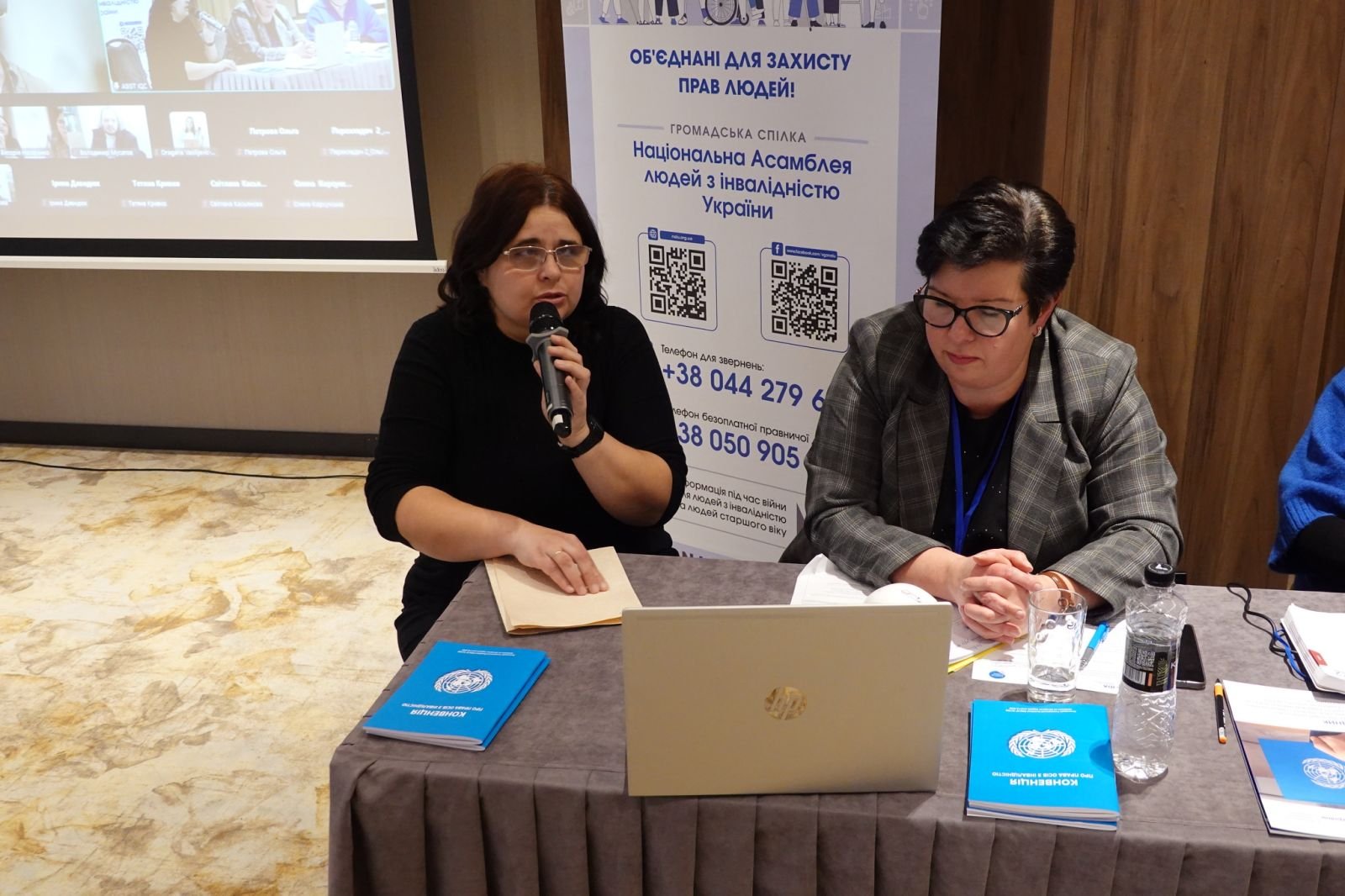
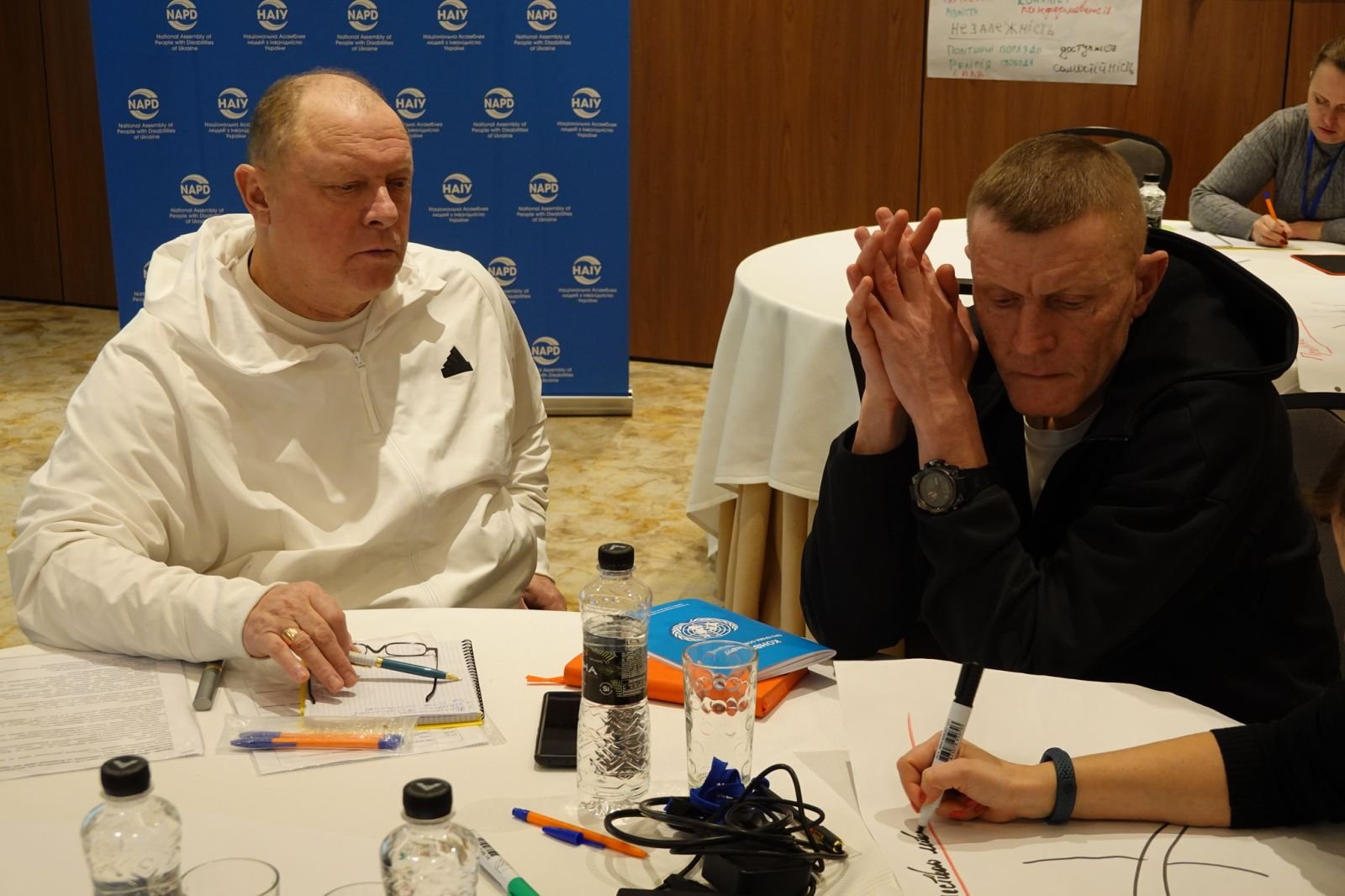
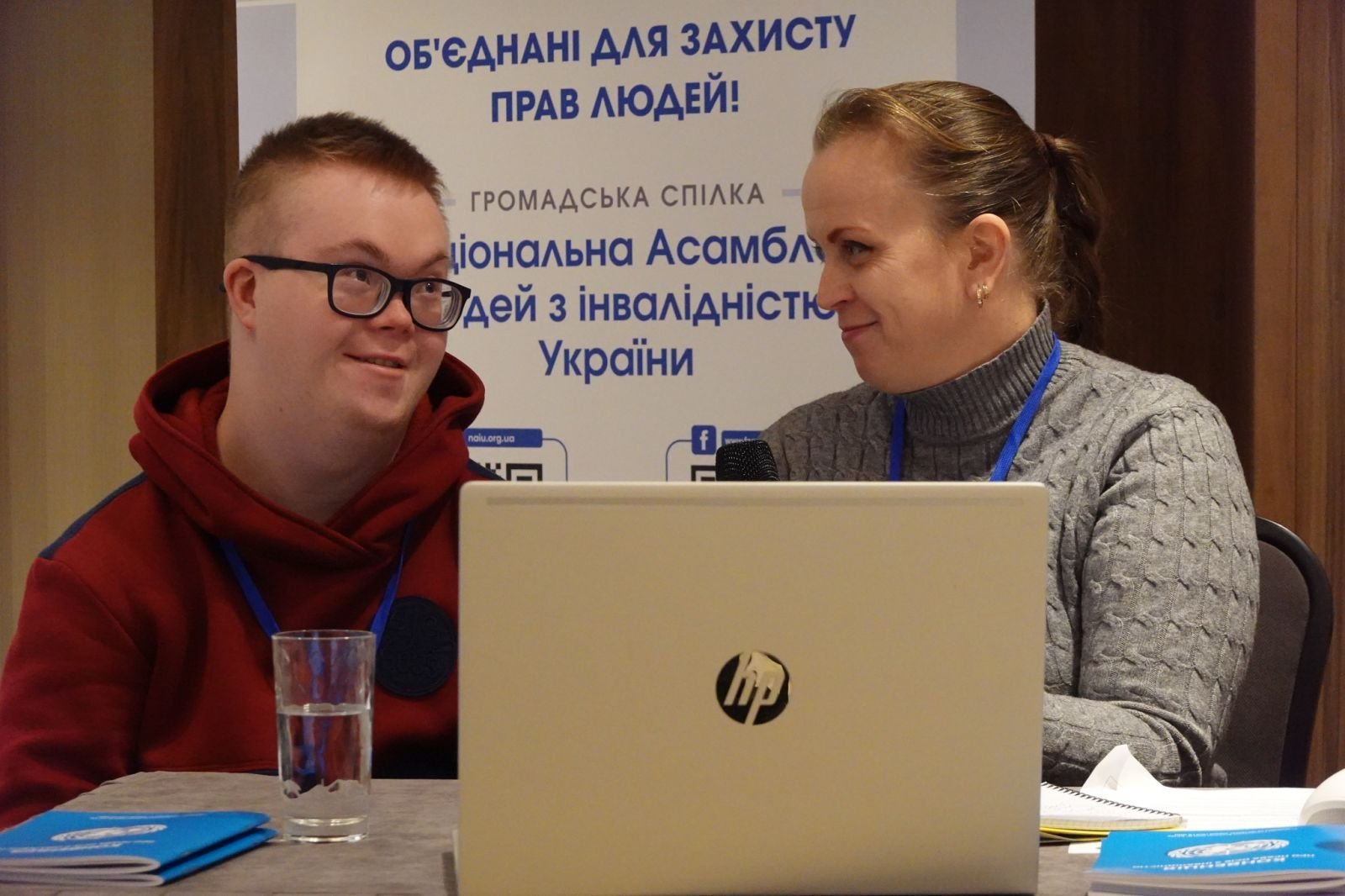
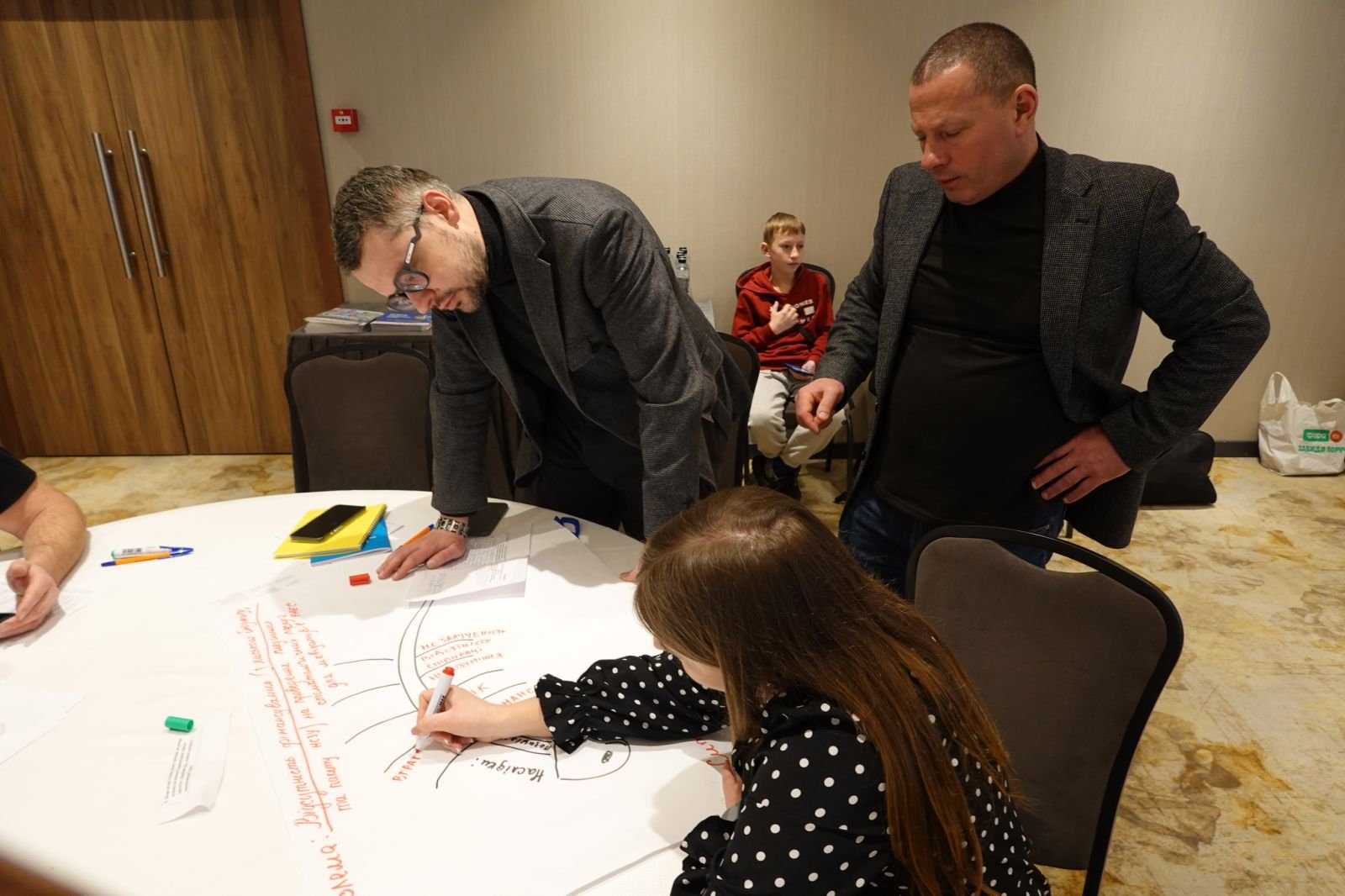
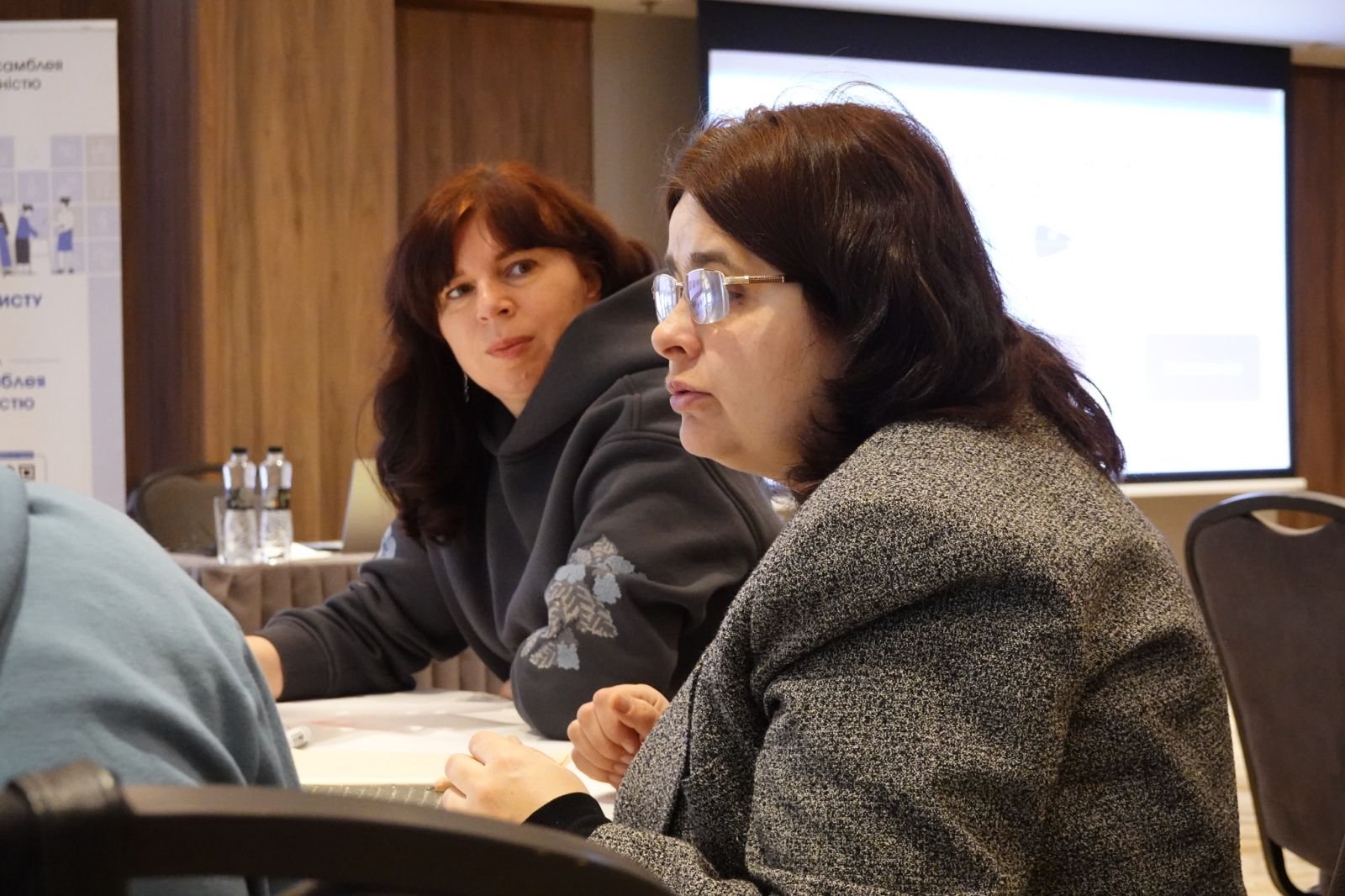
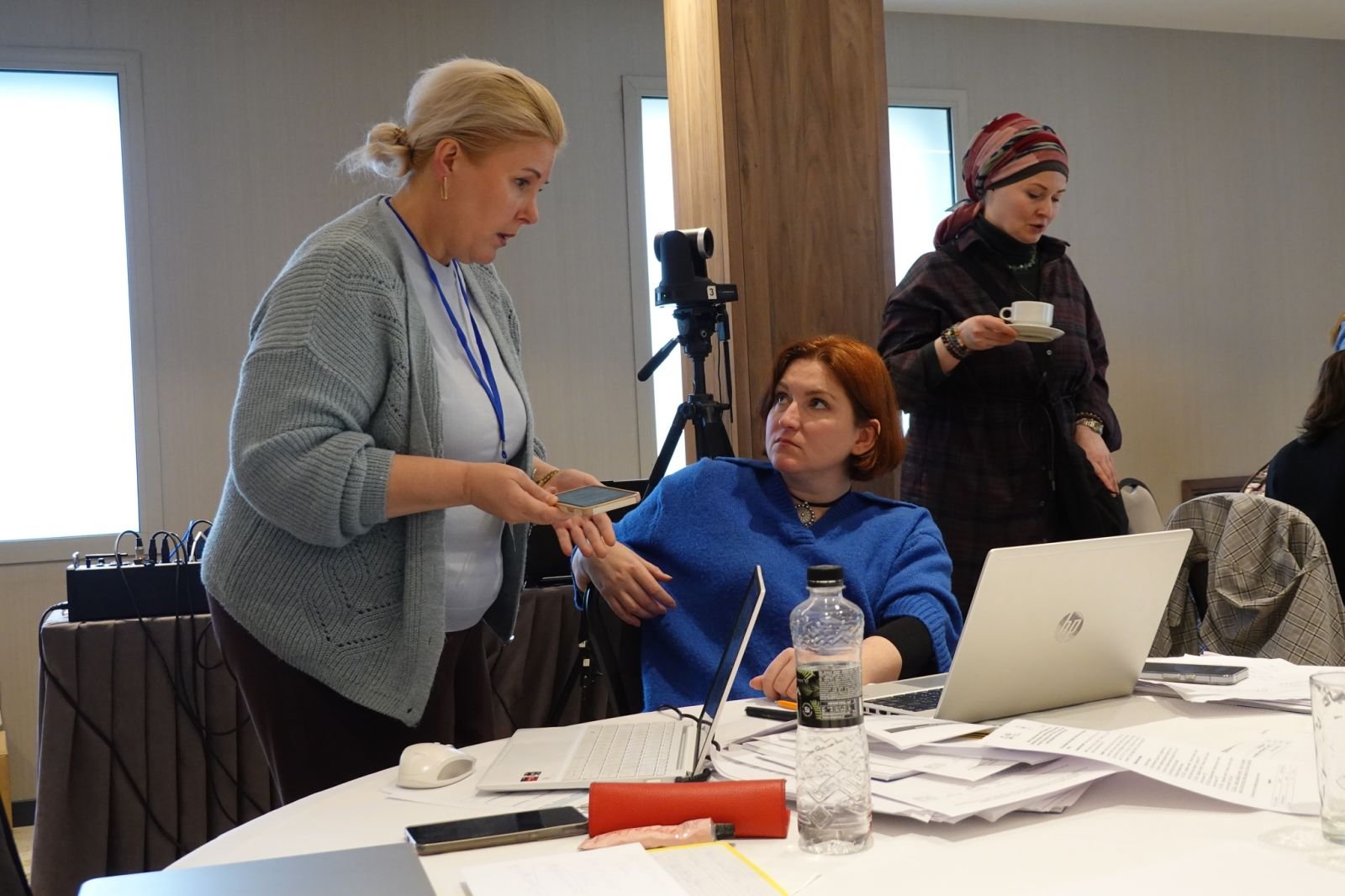
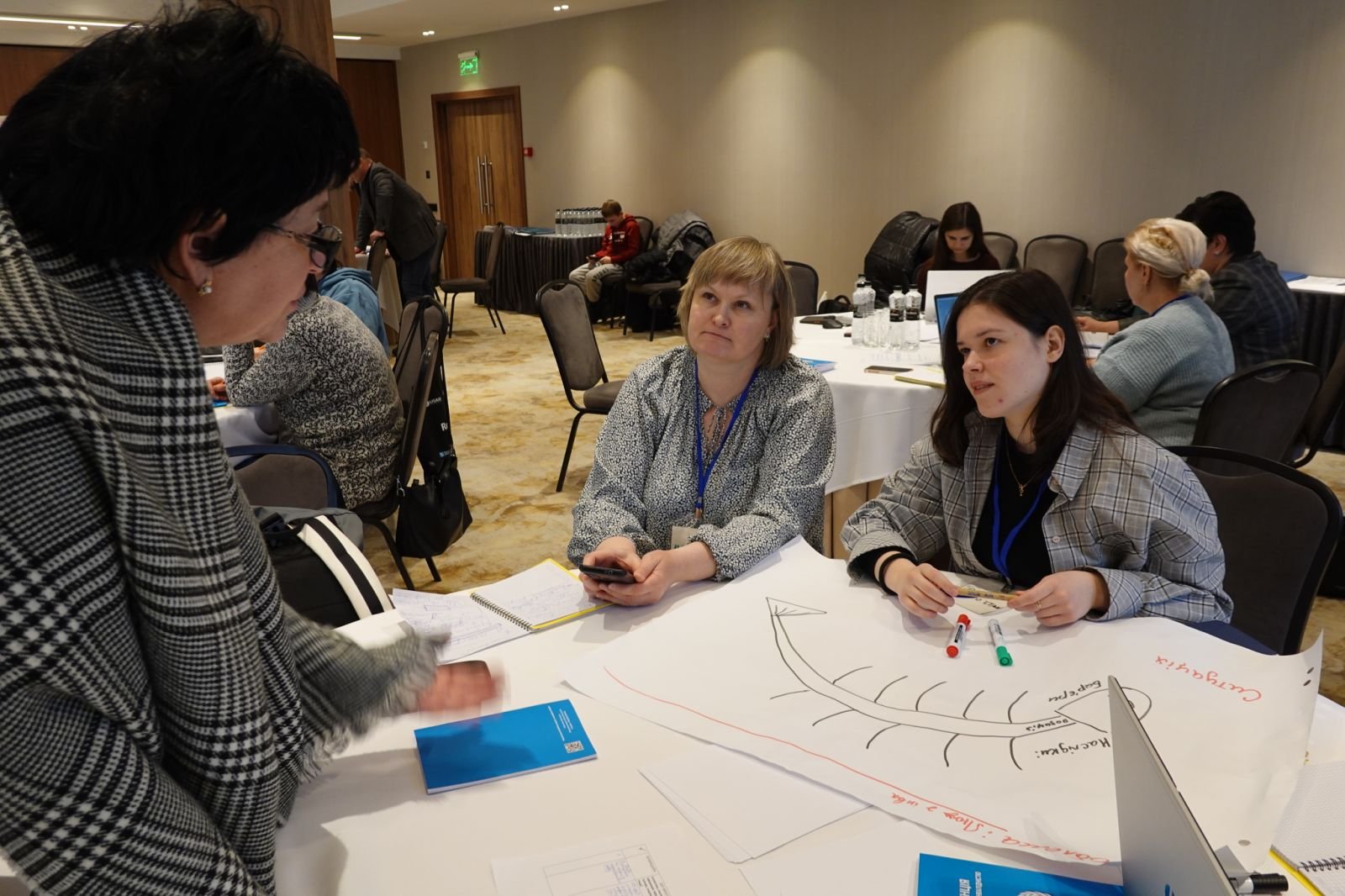
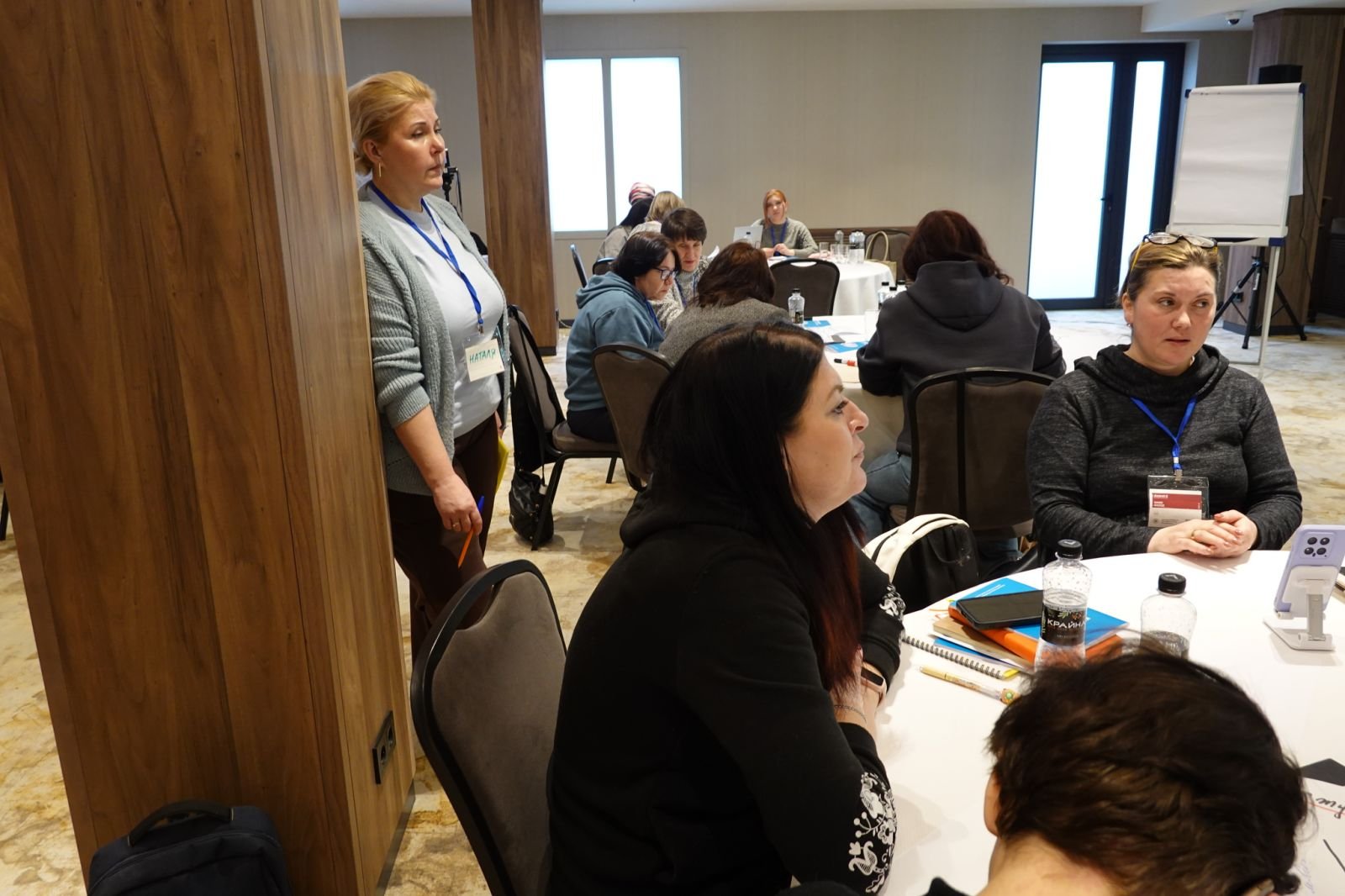
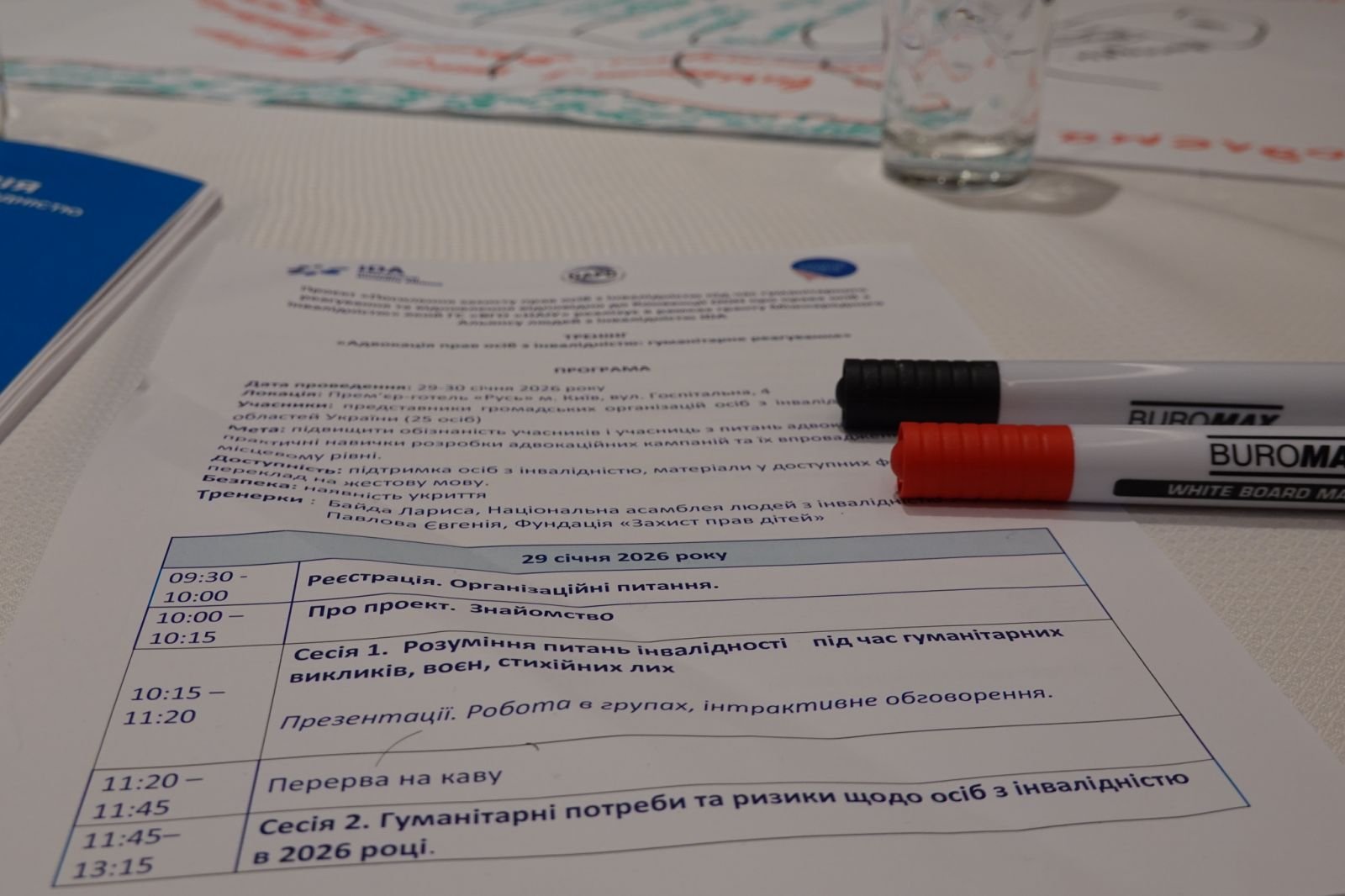
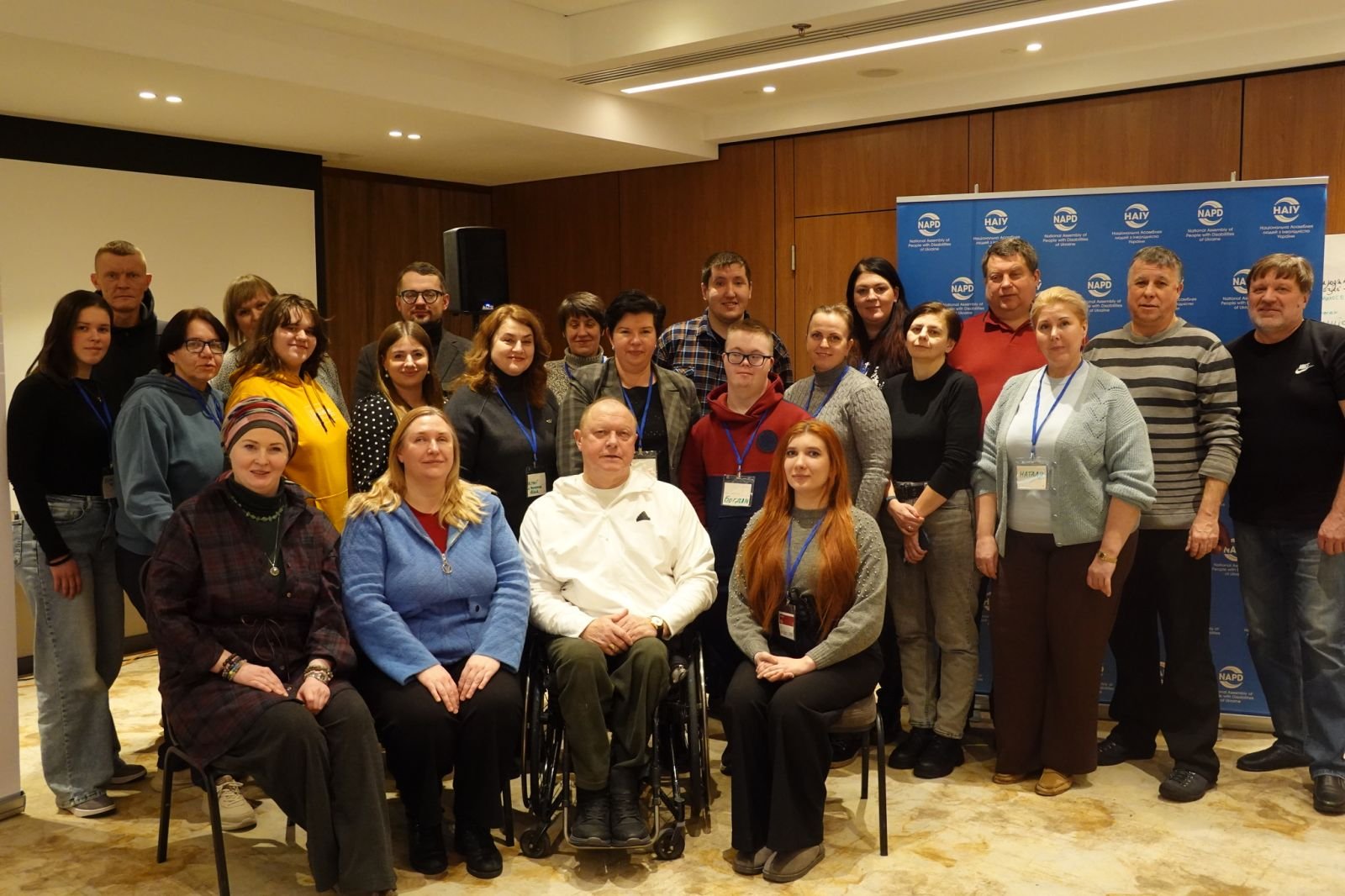
A training course entitled "Advocating for the rights of persons with disabilities: Humanitarian Response,“ organized by the National Assembly of People with Disabilities of Ukraine as part of the project ”Strengthening the Protection of the Rights of Persons with Disabilities during Humanitarian Response and Recovery in accordance with the UN Convention on the Rights of Persons with Disabilities" for regional teams and project participants.
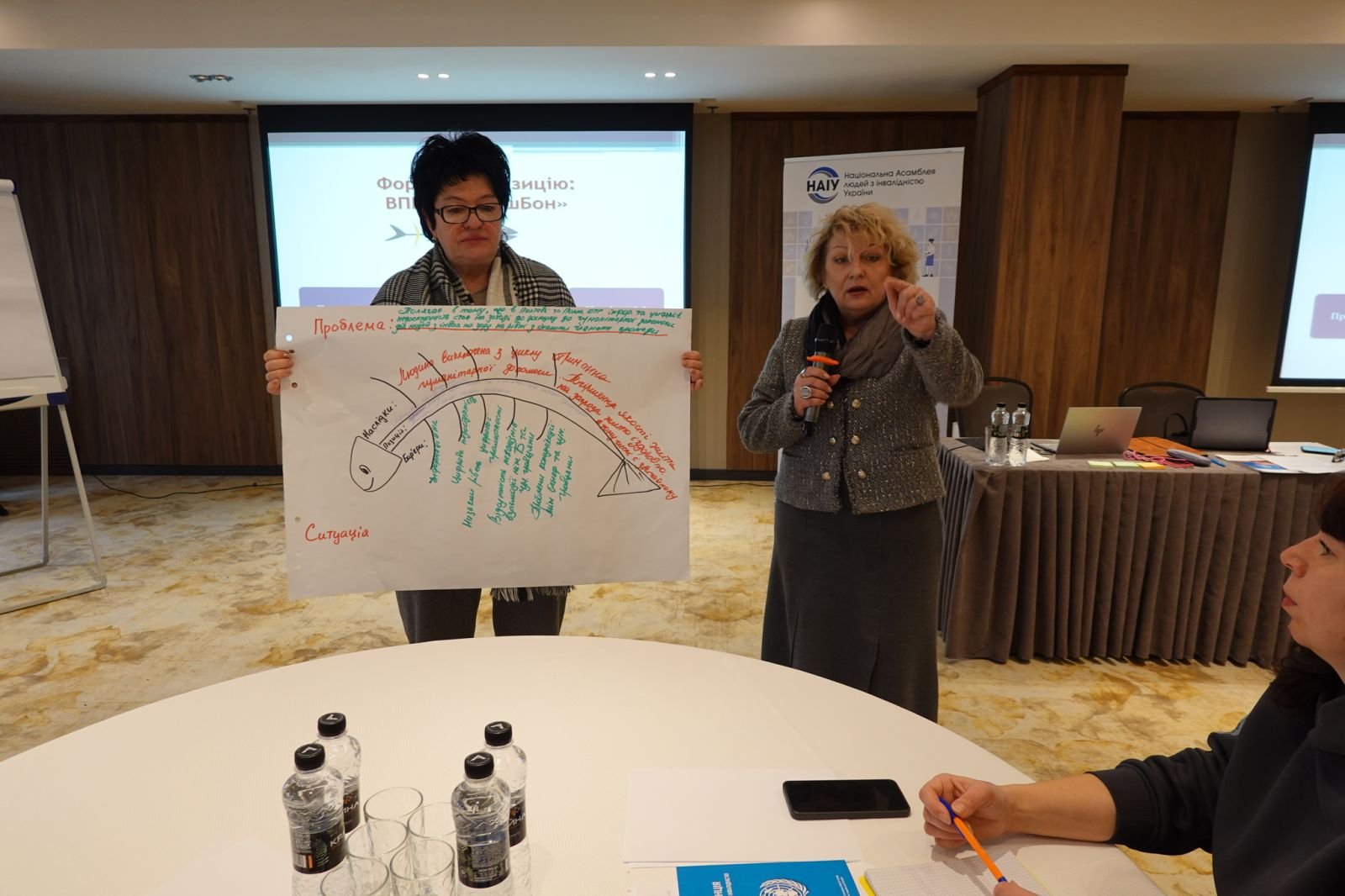
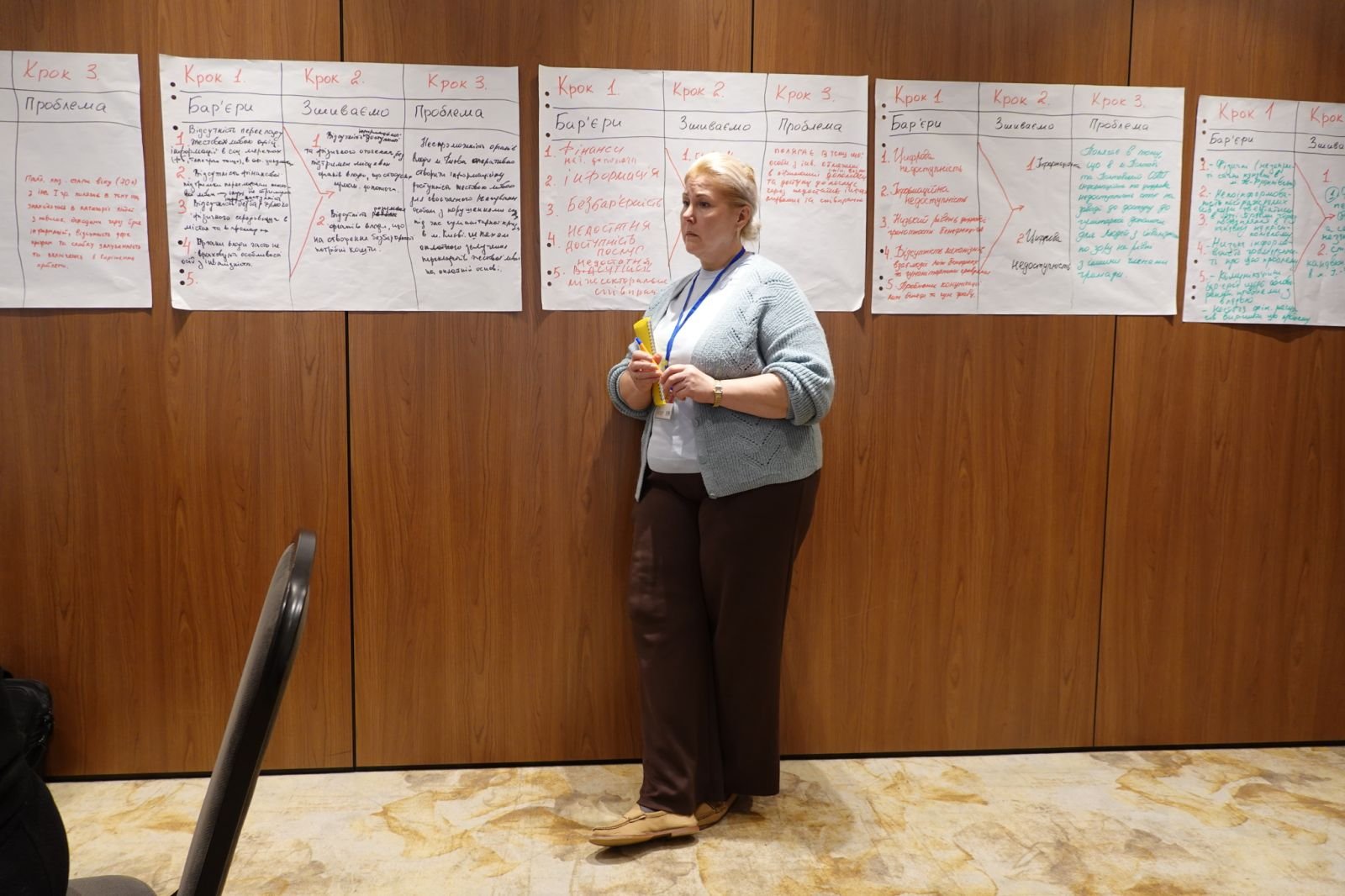
During theoretical sessions and practical tasks, participants developed action plans in the regions, which will form the basis of the NAPD advocacy campaign “Humanitarian Response: Everyone Has the Right to Protection,” which will take place in ten regions of Ukraine.
"The main goal of the project, which we are implementing with the support of the International Disability Alliance (IDA), is to strengthen advocacy in the field of humanitarian response and post-war recovery by highlighting regional challenges. These include, in particular, barriers to access to humanitarian aid, social and medical services, information, etc.," explained NAPD project coordinator Natalia Zayerkova. “Overcoming these barriers and ensuring the protection of persons with disabilities during armed conflicts and humanitarian crises is the responsibility of the state, as enshrined in Article 11 of the UN Convention on the Rights of Persons with Disabilities.”
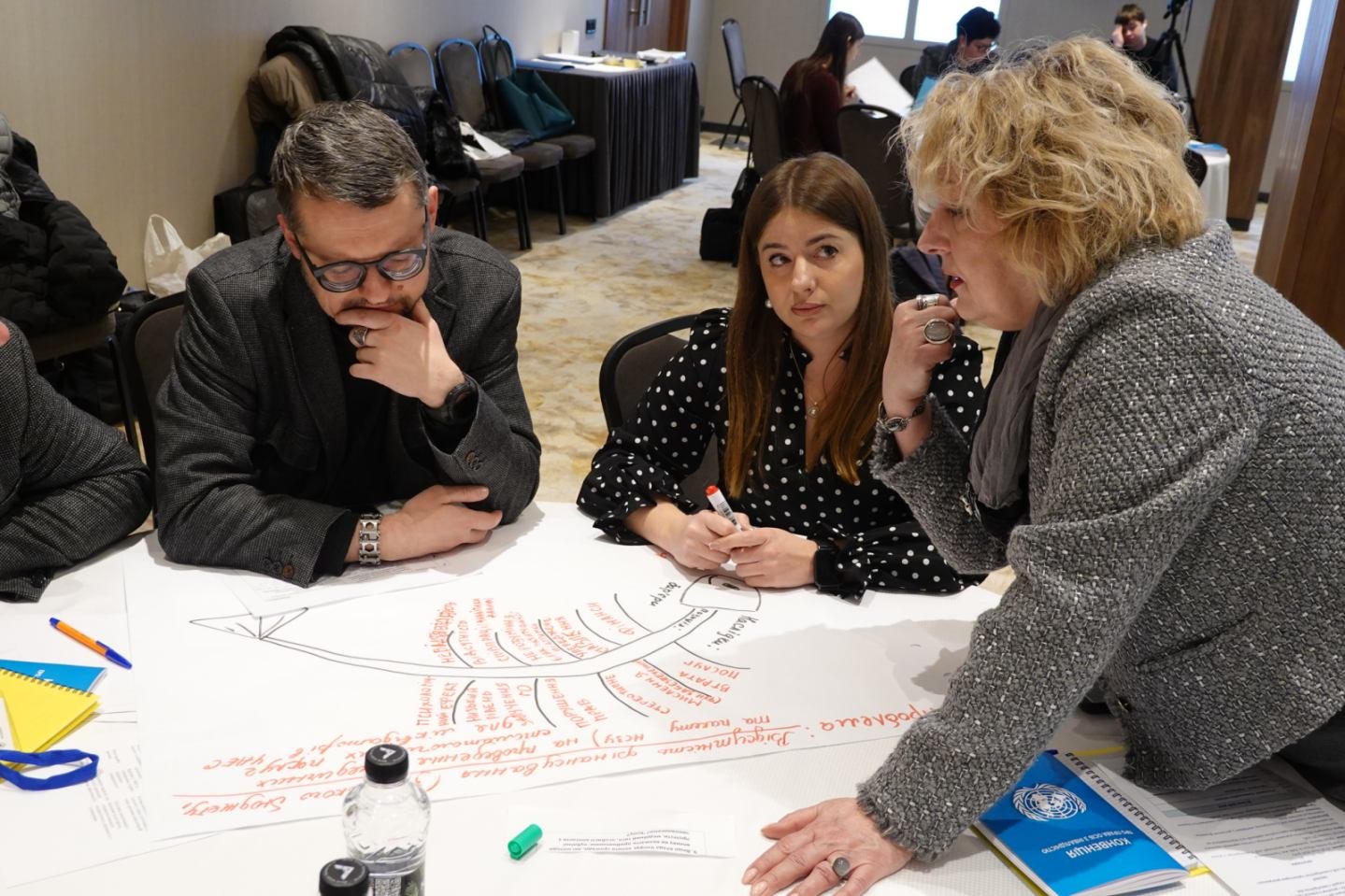
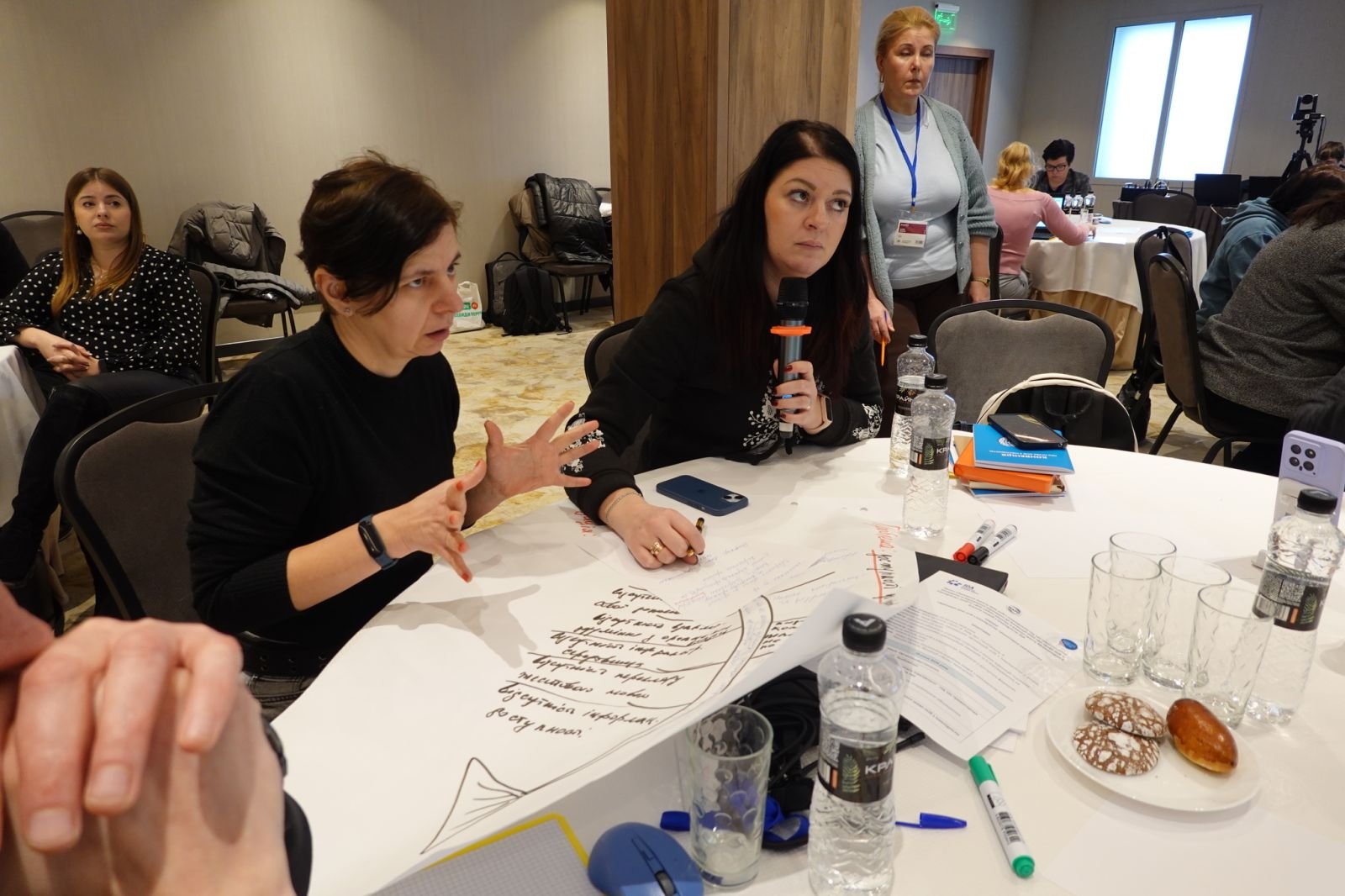
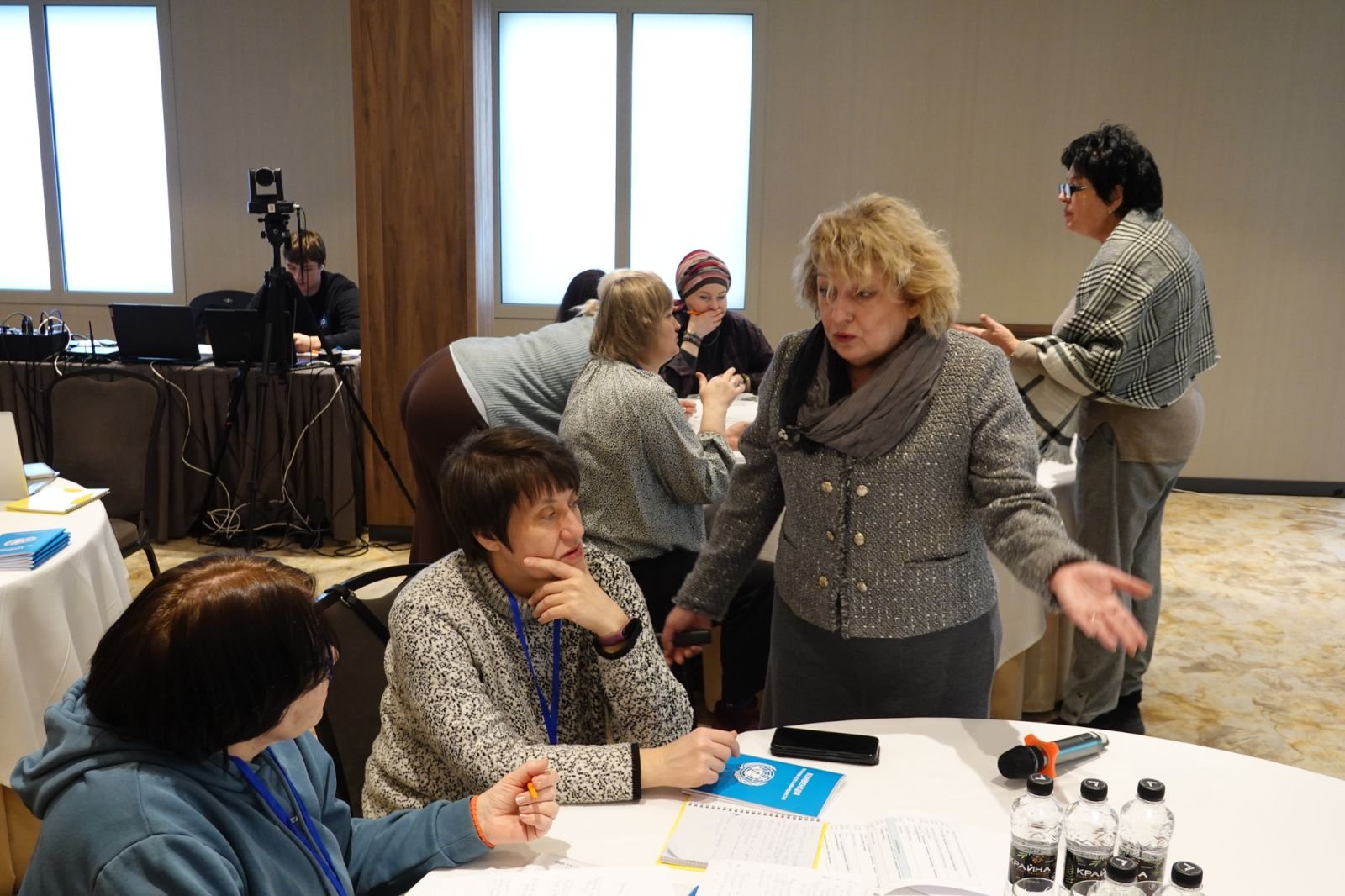
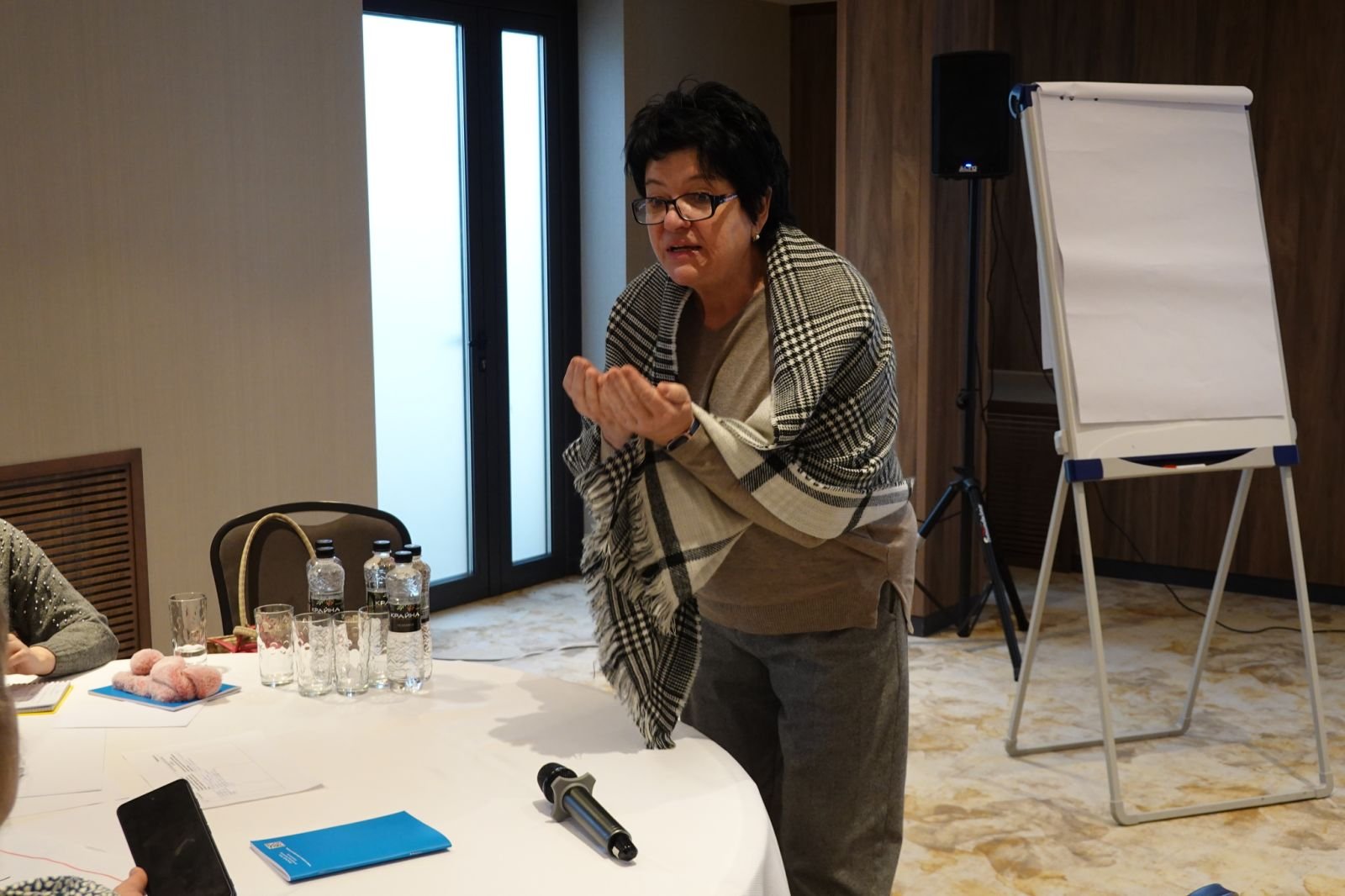
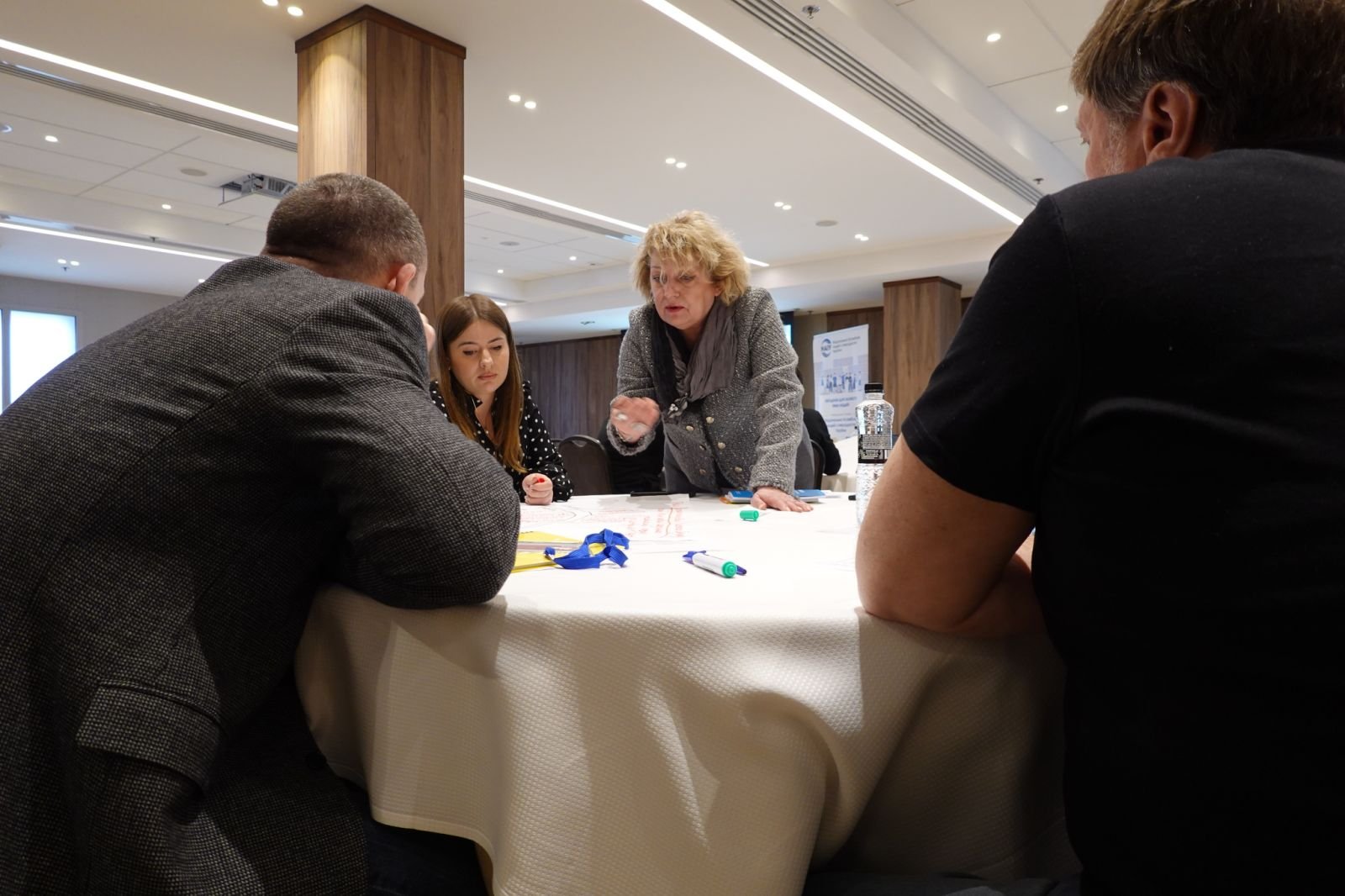
The participants utilized two intensive working days with maximum efficiency. Each participant had key tasks to accomplish: to summarize previously developed ideas, coordinate the actions of teams from different regions, and identify advocacy tools that would enable them to implement advocacy campaigns in their communities as effectively as possible. They also had to identify the final beneficiaries and key stakeholders on whom they would rely when implementing their plans.
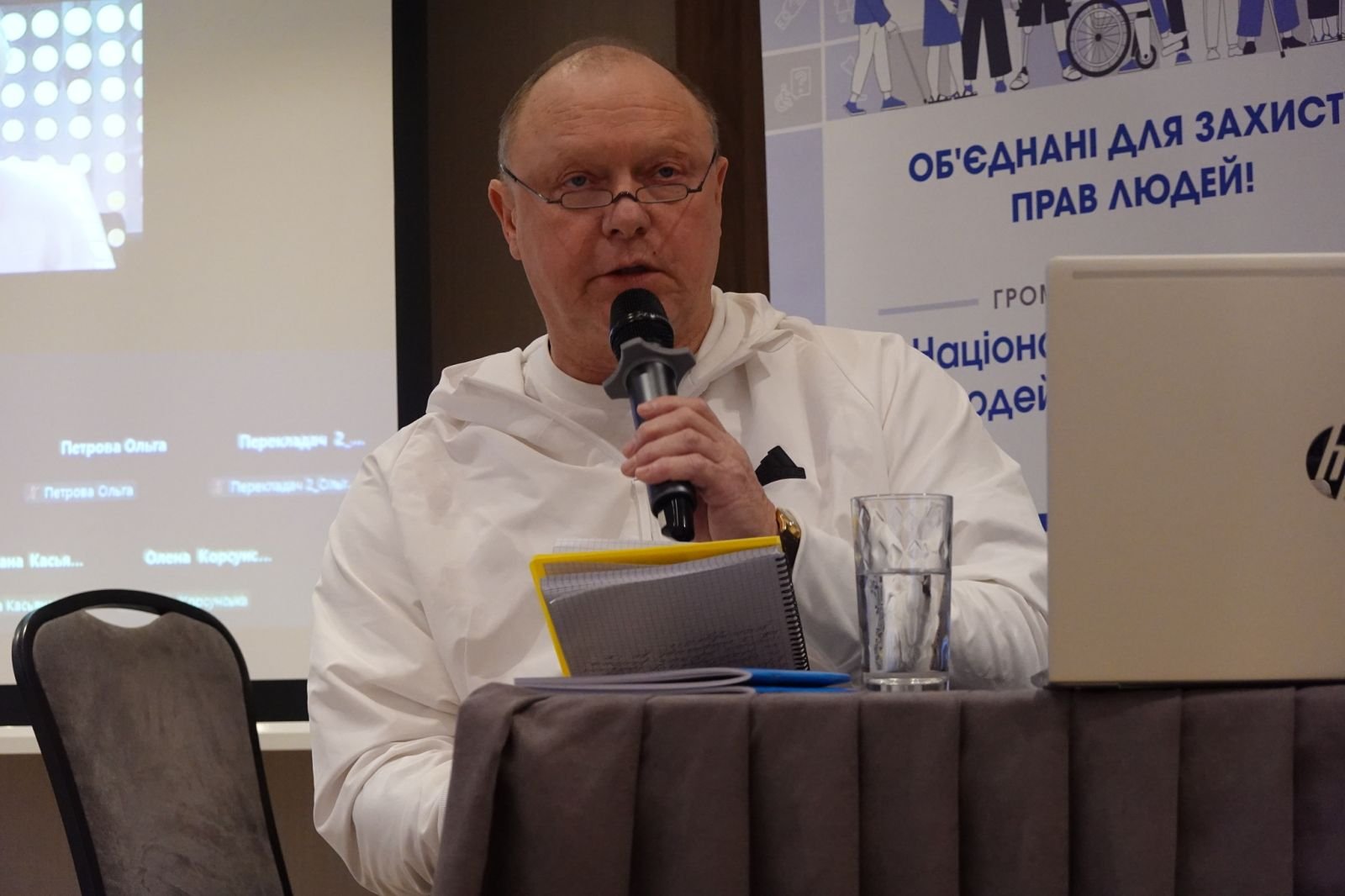
There were many proposals, so participants had the opportunity to discuss them with colleagues and experts and, based on the results of the discussions, formulate joint plans. Community activists plan to improve access to medical services for older people with disabilities, internally displaced persons, and those living under shelling, particularly in the southern and eastern regions close to the combat zone. There is a demand for the expansion of social day care services for children and young people aged 18+ with disabilities. Attention was also drawn to the inaccessibility of shelters, particularly for people with visual and hearing impairments, as well as for those who use wheelchairs. “Given that our cities are often subjected to enemy shelling, such violations of the rights of people with disabilities can have extremely serious consequences,” said Oleg Sokolov, a project participant from Odesa, who himself uses a wheelchair.
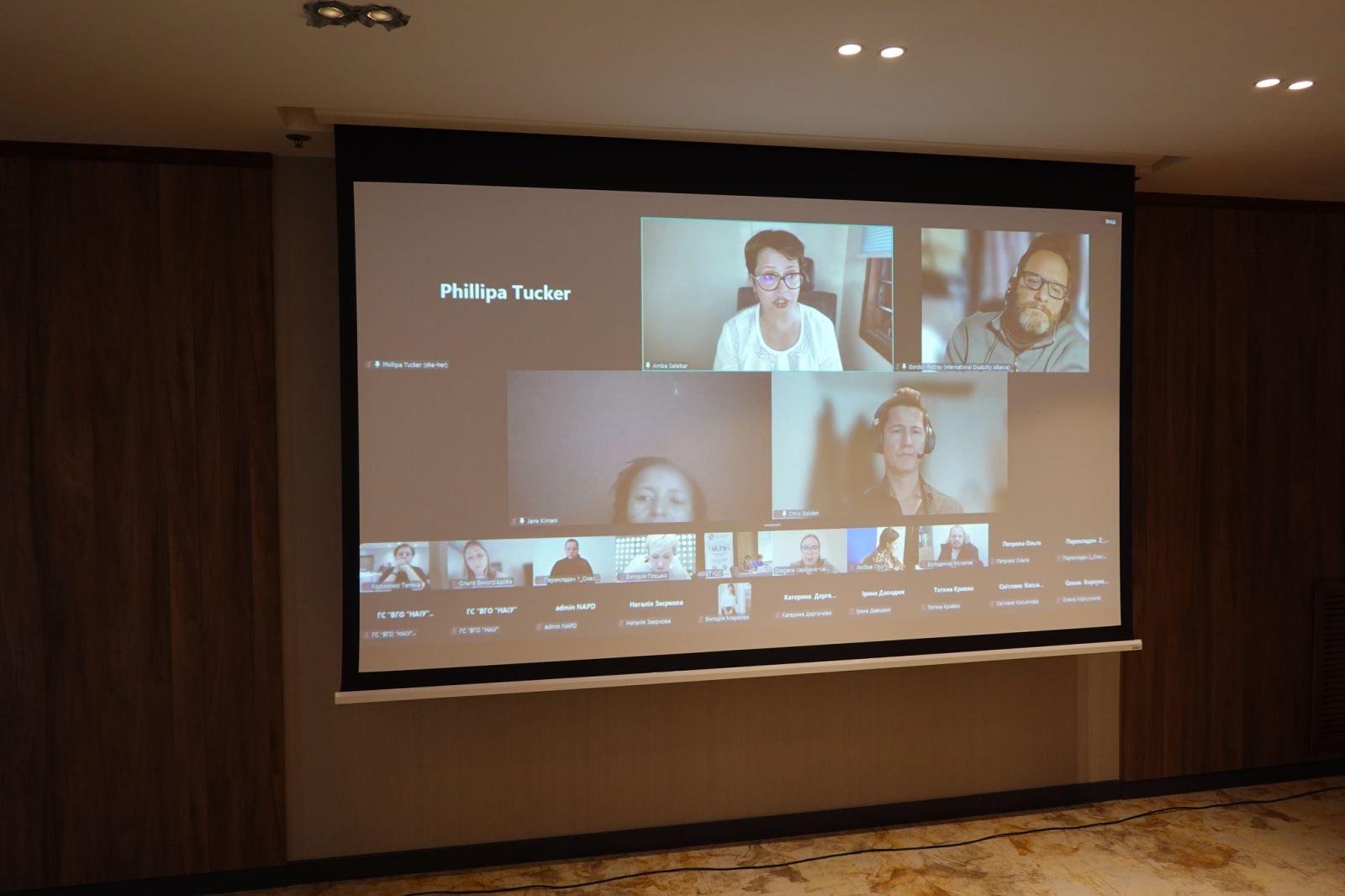
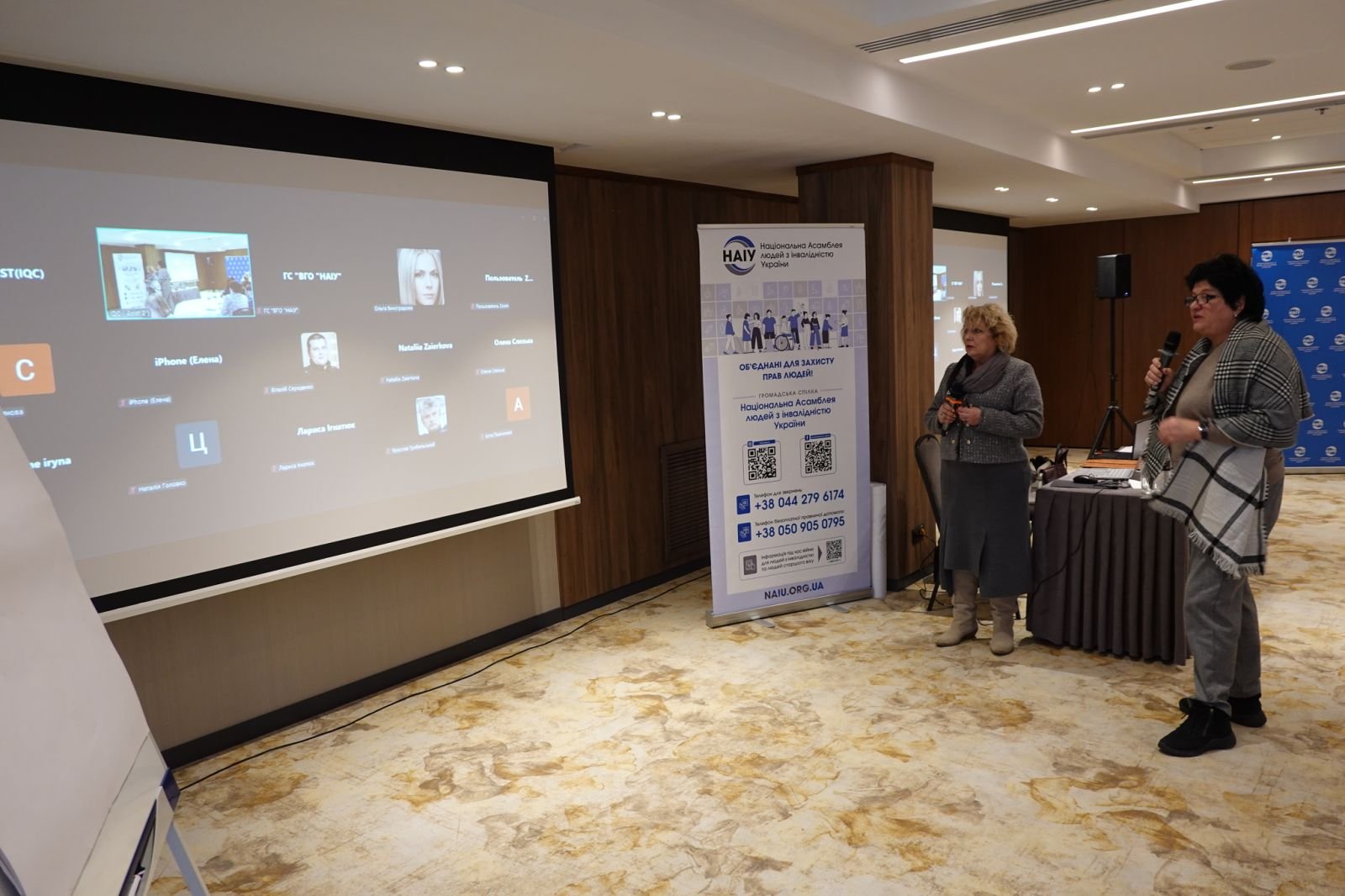
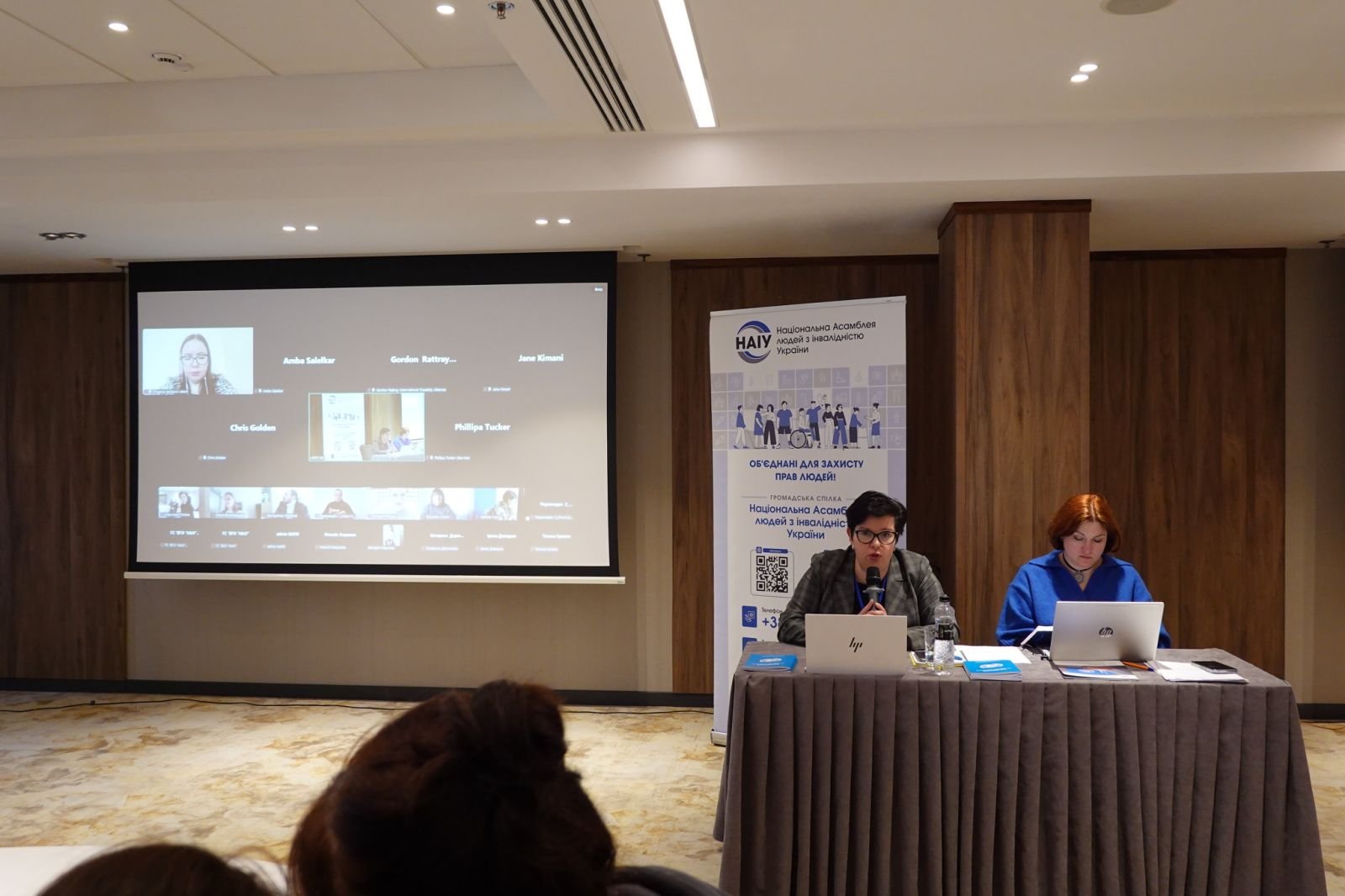
After two days of training, learning theory, and doing practical stuff, the participants made final adjustments to their plans for regional advocacy activities and presented them to their project partners. Representatives from the International Disability Alliance (IDA) and the European Disability Forum (EDF) joined the online meeting with the activists.
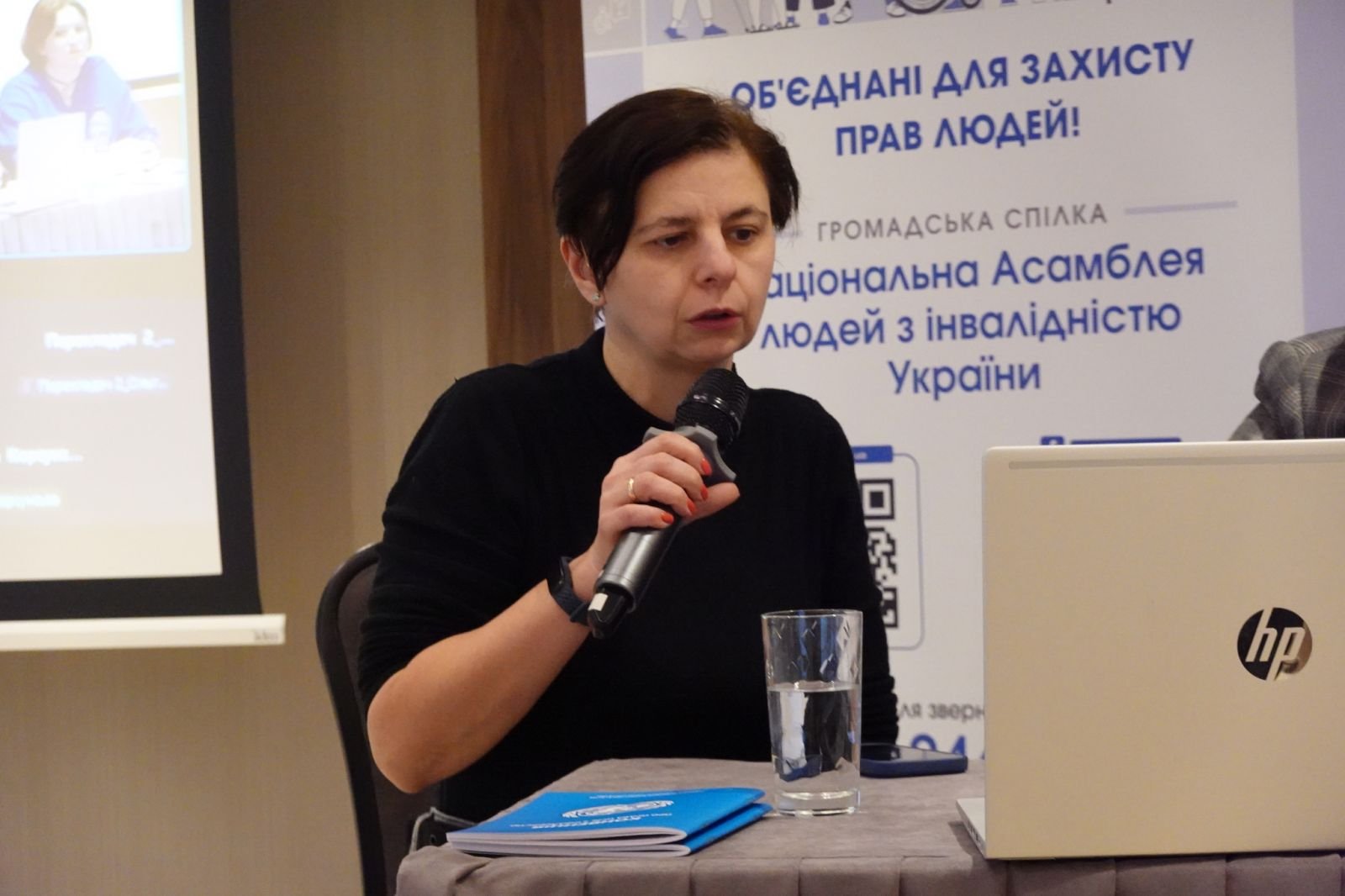
“We are grateful to the Alliance for supporting the NAPD project aimed at strengthening the protection of the rights of persons with disabilities during humanitarian response,” said Viktoria Nazarenko, Secretary General of the National Assembly of Persons with Disabilities of Ukraine, during the meeting. "NAPD has been working in this direction since 2022, and we have achieved a lot during this time. But today we are forced to admit that the situation of persons with disabilities in our country is deteriorating. The main reasons for this are military actions, constant rocket attacks, and systemic damage to civilian and critical infrastructure, which force people with disabilities to evacuate, seek temporary housing, and feel the need for the bare necessities. All these challenges force us to become even more active and join forces for joint advocacy — so that the needs, rights, and voices of people with disabilities are taken into account at all stages of humanitarian aid: from needs assessment and planning to implementation and monitoring."
According to her, the Assembly also involves local organizations of persons with disabilities in discussing recommendations for existing laws, draft laws, and other regulatory acts in the humanitarian sphere. “One of the advocacy tools is the work of experts who analyze and prepare recommendations for Ukrainian legislation to ensure the protection of the rights of persons with disabilities during the war,” explained Viktoria Nazarenko. “These recommendations will be presented and discussed at a national roundtable meeting in March, and we hope for broad support and further cooperation.”
"We are returning home full of optimism. The direction has been set, so we are ready to work actively in our communities and are confident that we will be able to achieve tangible results in the near future," the training participants concluded.
We will report on the progress of work in the regions and the results of advocacy campaigns within the project in future publications.
The project “Strengthening the protection of the rights of persons with disabilities during humanitarian response and recovery in accordance with the UN Convention on the Rights of Persons with Disabilities” is being implemented by the NAPD within the framework of a grant from the International Disability Alliance (IDA). International Disability Alliance (IDA)
Гуманітарна допомога може бути передбачена програмою, профінансована і навіть доступна у громаді. Але головне питання інше: чи може людина, яка її потребує, реально нею скористатися? Саме про це говорили учасники дворівневого навчання «Гуманітарна діяльність: врахування потреб осіб з інвалідністю», яке у жовтні провела Національна Асамблея людей з інвалідністю України. До навчання долучилися представники гуманітарних і […]
Шукаємо координатора(-ку) з комунікацій у команду НАІУ (на проєкт) Національна Асамблея людей з інвалідністю України (НАІУ) реалізує проєкт «Інклюзія передусім — захист і підтримка дітей з аутизмом та іншими видами інвалідності, ветеранів і ветеранок в Україні», спільно з СВМ та СВМ Італія, спрямований на підтримку ветеранів та ветеранок, розвиток доступних можливостей для їхньої реабілітації, протезування, […]
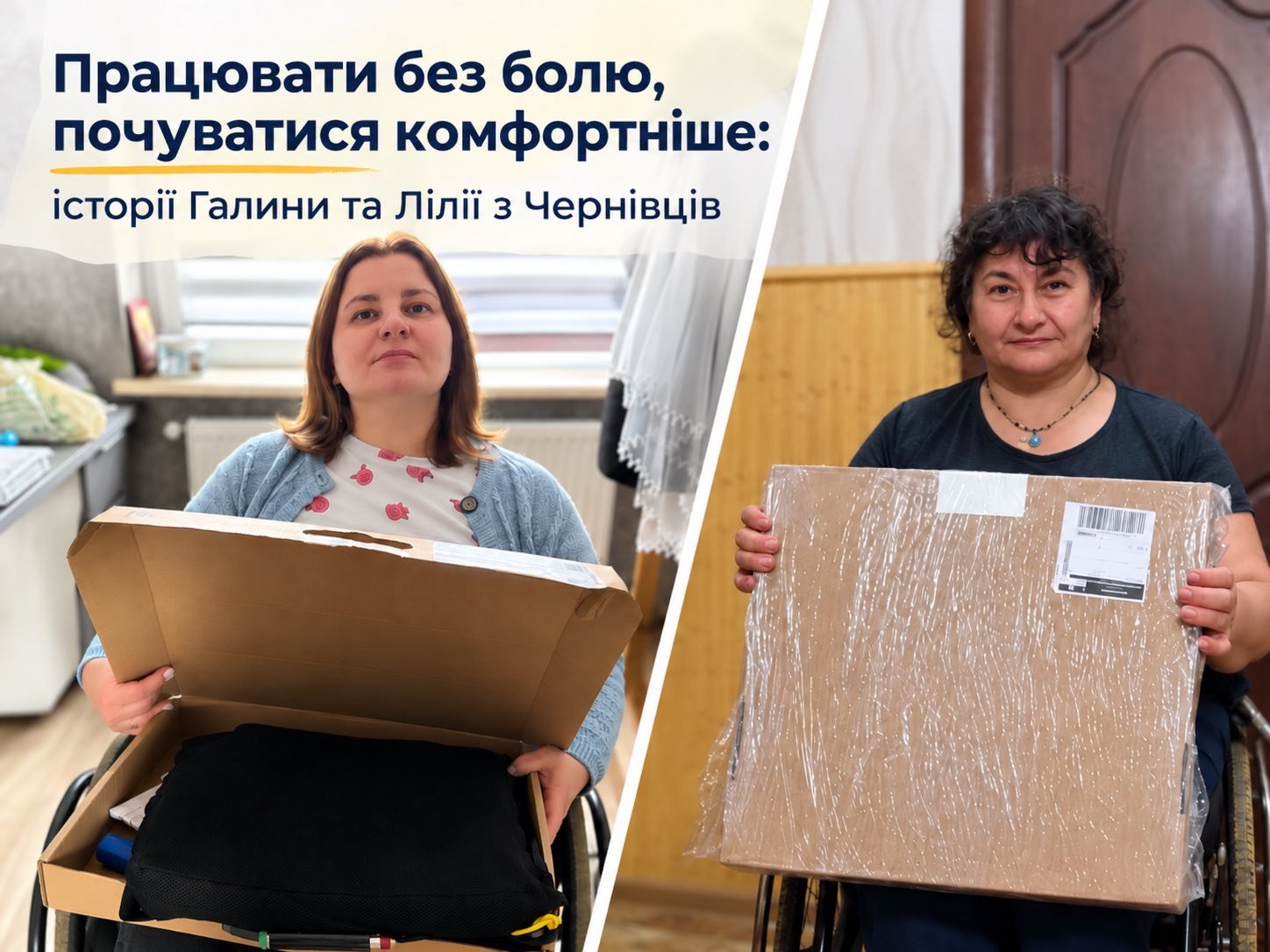
Галина з Чернівців створює весільні аксесуари для наречених. Її робота потребує творчості, терпіння та уваги до найменших деталей. За виготовленням прикрас жінка проводить багато годин, адже кожен виріб вимагає кропіткої ручної праці. Для Галини важливо мати можливість займатися улюбленою справою, однак тривала робота нерідко супроводжується фізичним дискомфортом. Жінка користується кріслом колісним, і через велике навантаження […]
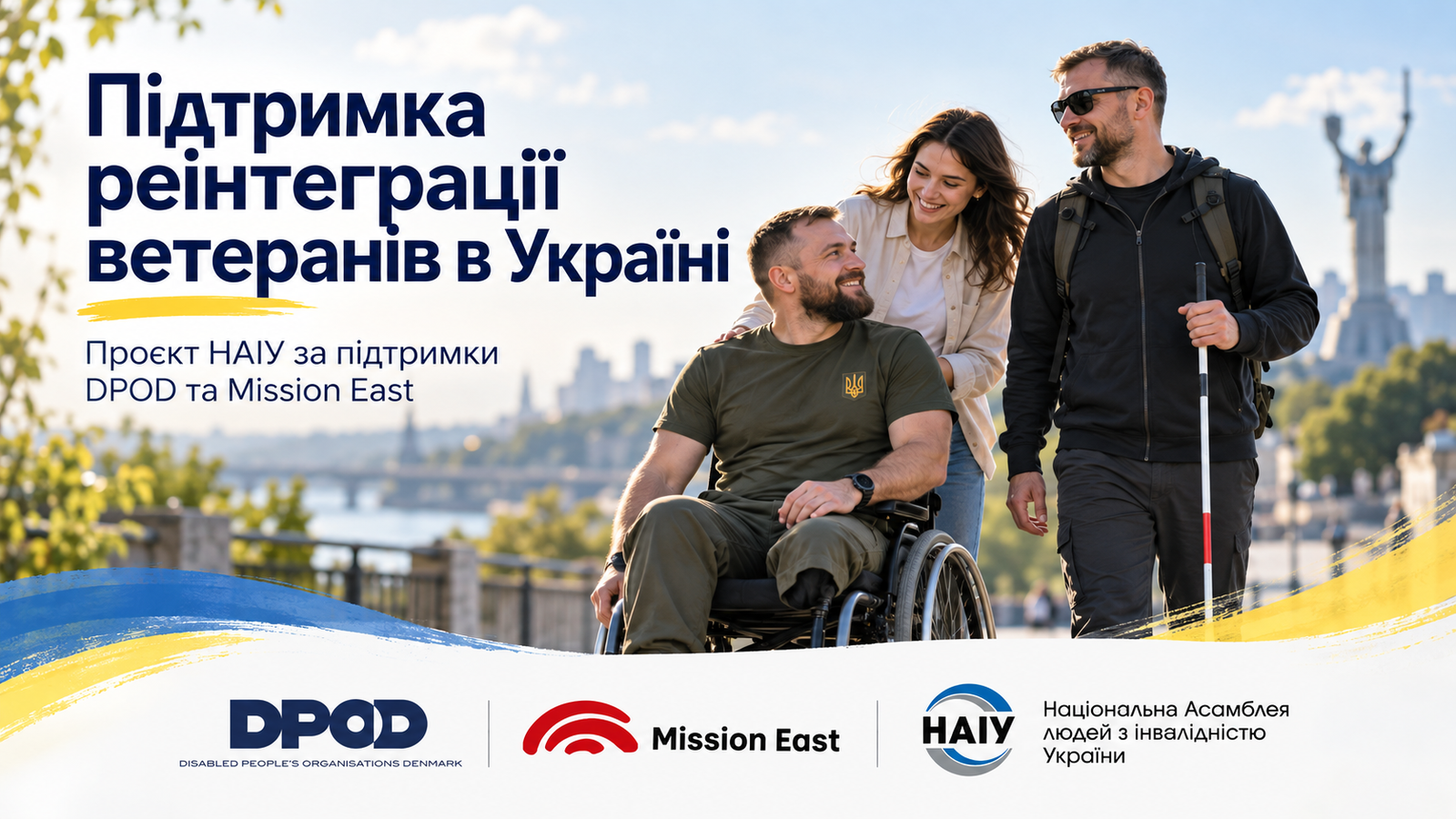
Повернення з військової служби до цивільного життя — це новий етап, який нерідко супроводжується непростими викликами. Особливо для ветеранів і ветеранок, які зазнали поранень або набули інвалідності. Реабілітація, пошук роботи, доступ до послуг, відновлення соціальних зв’язків — усе це потребує не лише особистих зусиль, а й підтримки суспільства. Національна Асамблея людей з інвалідністю України (НАІУ) […]
Упродовж програмного року — з 1 жовтня 2025-го до 30 вересня 2026-го — на гарячій лінії Національної Асамблеї людей з інвалідністю України (НАІУ) було надано 821 консультацію для 680 осіб. Найчастіше люди зверталися за роз’ясненням щодо своїх прав і пільг, зокрема отримання та поновлення виплат, оформлення догляду, встановлення й переоформлення інвалідності. Близько 70% звернень стосувалися […]
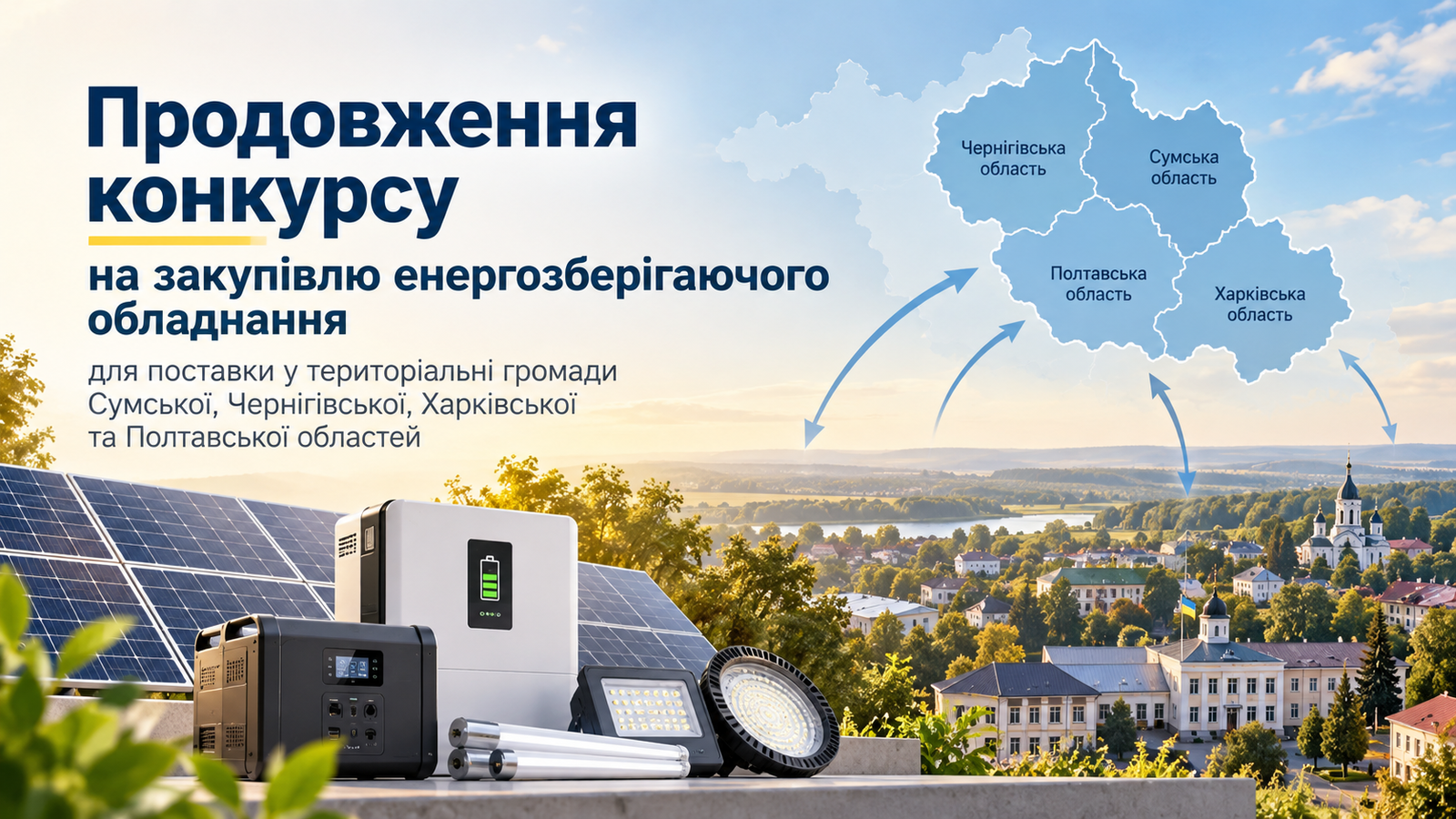
Громадська спілка “Всеукраїнське громадське об’єднання “Національна Асамблея людей з інвалідністю України” (далі – «Організатор») оголошує продовження конкурсу на закупівлю енергозберігаючого обладнання для поставки у територіальні громади Сумської, Чернігівської, Харківської та Полтавської областей. Джерело фінансування закупівлі: Дана закупівля здійснюється в рамках проєкту «Зміцнення інклюзивних послуг з охорони здоров’я, реабілітації та захисту населення, постраждалого від повномасштабного вторгнення в […]