Stories of people who live next to you. Continuation (Video) (Eng)
December 11, 2023
Share:
Every person with a disability has stories like this - an entire book. And sometimes more than one.
People with mobility difficulties face physical discrimination on a regular basis. It is when you cannot get to places where other people can, when the following are closed to you which interesting or important events, objects, because they are located in inaccessible places.
However, there is another kind of discrimination. Moral discrimination. Society often unwittingly causes moral harm to people with disabilities. First of all, this is manifested in the attitude towards such people as sick, helpless, and in need of constant physical and material care. It is also manifested in the use of inappropriate and unethical language towards them.
In this video, people with disabilities tell real stories from their own lives. Sometimes quite comical, sometimes extremely outrageous. The stories are different, but they are united by one important actor: discriminatory situations could have been avoided if people around them had been more сknown and informed.
Perhaps watching this video will help someone. It will show you how to behave and how not to behave when you meet a person with a disability.
The video was created as part of an advocacy campaign implemented within the framework of the project «Multi-sectoral Humanitarian Assistance with Disability for Internally Displaced Persons (IDPs), Returnees, Veterans and Host Communities in Ukraine», implemented by the National Assembly of People with Disabilities of Ukraine with the financial support of the Federal Foreign Office of Germany (GFFO), CBM and EDF.
The views expressed in this article are those of the Chernivtsi Regional Organization of People with Disabilities «Leader« andso no one cannot be considered the official opinion of financial partners - CBM and EDF.
*******
Every person with a disability has a whole book of such stories. And sometimes more than one.
Those with mobility difficulties constantly face physical discrimination. This is when you cannot go where other people can, when interesting or important events and objects are closed to you because they are located in inaccessible places.
However, there is another form of discrimination. Moral. Society often unwittingly causes moral harm to people with disabilities. First of all, this is manifested in the attitude towards such people as the sick, the helpless, those who need constant physical and material care. And also in the use of inappropriate and unethical vocabulary.
In this video, people with disabilities tell real stories from their own lives. Sometimes quite comical, sometimes extremely outrageous. The stories are different, but they are united by one important factor: discriminatory situations could not exist if people around them were more conscious and informed.
Maybe watching this video will help someone. It will tell you how you should and shouldn't behave when you meet a person with a disability on your way.
The video was created within the framework of the advocacy company, which is implemented as part of the project “Multisectoral inclusive humanitarian assistance for IDPs, returnees, veterans and host communities in Ukraine”, which is implemented by the National Assembly of People with Disabilities of Ukraine with the financial support of the Federal Ministry of Foreign Affairs of Germany (GFFO), CBM and EDF.
The views expressed in the material belong to the NGO Chernivtsi Regional Organization of People with Disabilities “Leader” and therefore cannot be considered the official opinion of the financial partners - CBM and EDF.
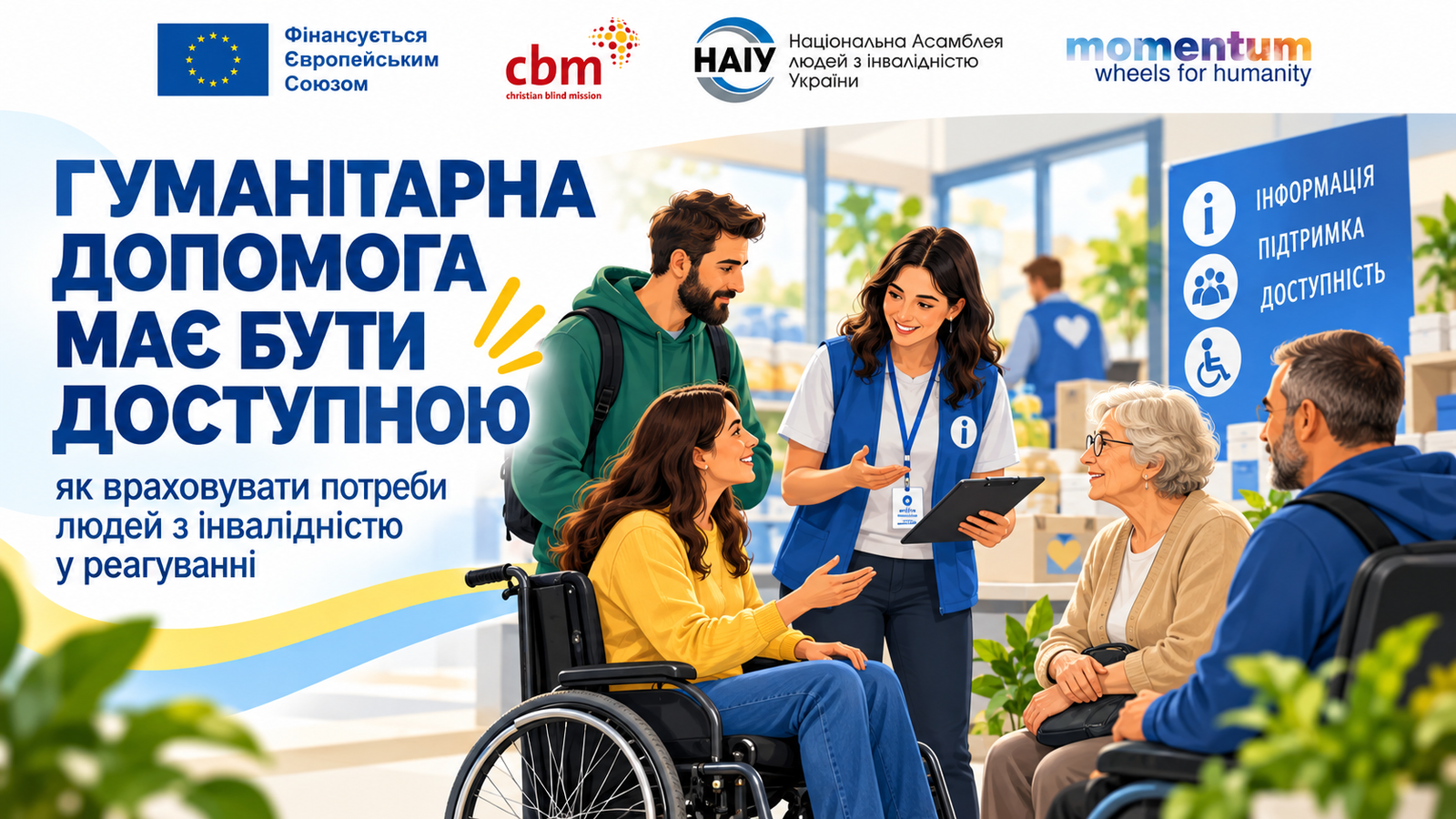
Гуманітарна допомога може бути передбачена програмою, профінансована і навіть доступна у громаді. Але головне питання інше: чи може людина, яка її потребує, реально нею скористатися? Саме про це говорили учасники дворівневого навчання «Гуманітарна діяльність: врахування потреб осіб з інвалідністю», яке у жовтні провела Національна Асамблея людей з інвалідністю України. До навчання долучилися представники гуманітарних і […]
Шукаємо координатора(-ку) з комунікацій у команду НАІУ (на проєкт) Національна Асамблея людей з інвалідністю України (НАІУ) реалізує проєкт «Інклюзія передусім — захист і підтримка дітей з аутизмом та іншими видами інвалідності, ветеранів і ветеранок в Україні», спільно з СВМ та СВМ Італія, спрямований на підтримку ветеранів та ветеранок, розвиток доступних можливостей для їхньої реабілітації, протезування, […]
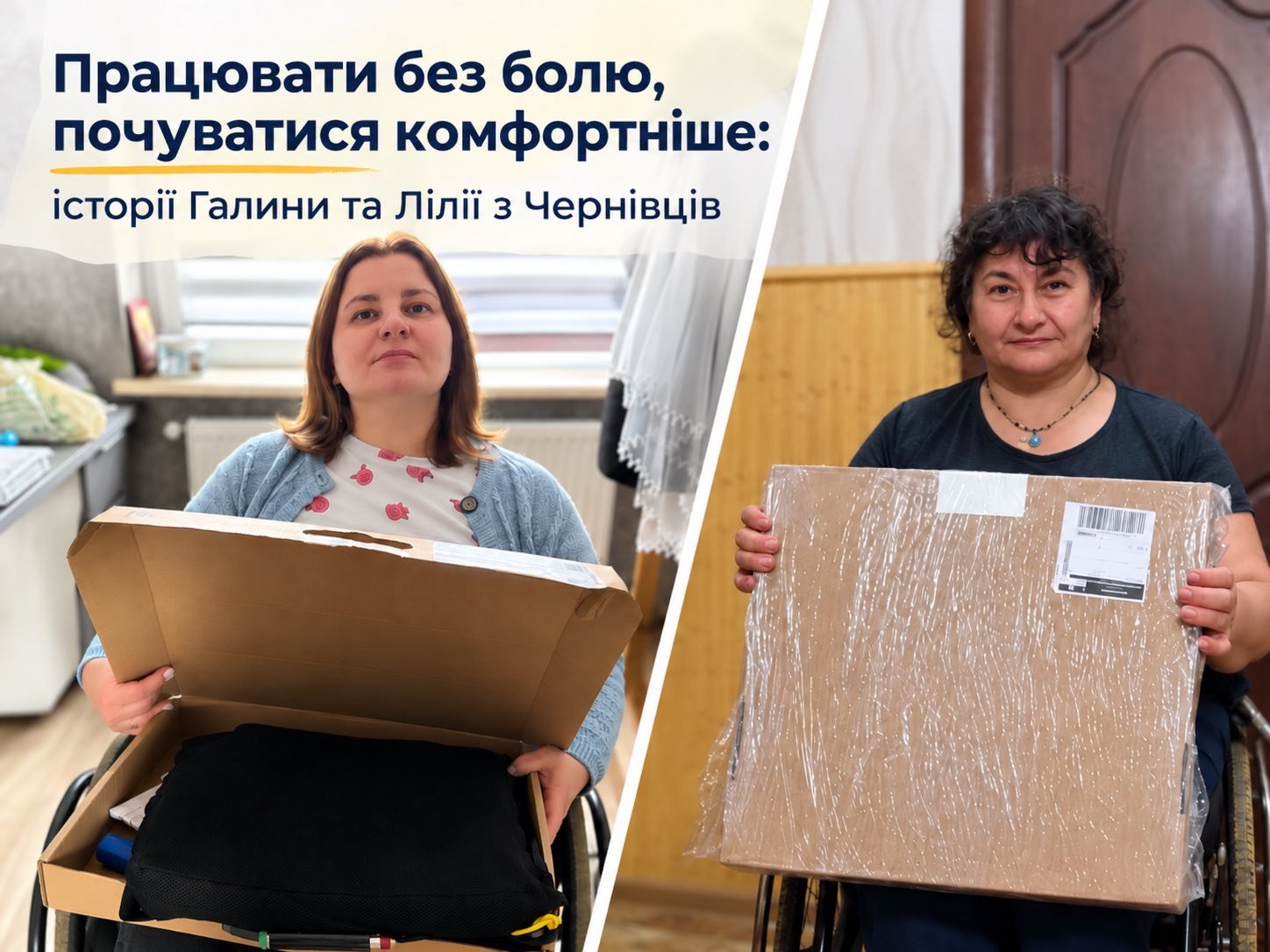
Галина з Чернівців створює весільні аксесуари для наречених. Її робота потребує творчості, терпіння та уваги до найменших деталей. За виготовленням прикрас жінка проводить багато годин, адже кожен виріб вимагає кропіткої ручної праці. Для Галини важливо мати можливість займатися улюбленою справою, однак тривала робота нерідко супроводжується фізичним дискомфортом. Жінка користується кріслом колісним, і через велике навантаження […]
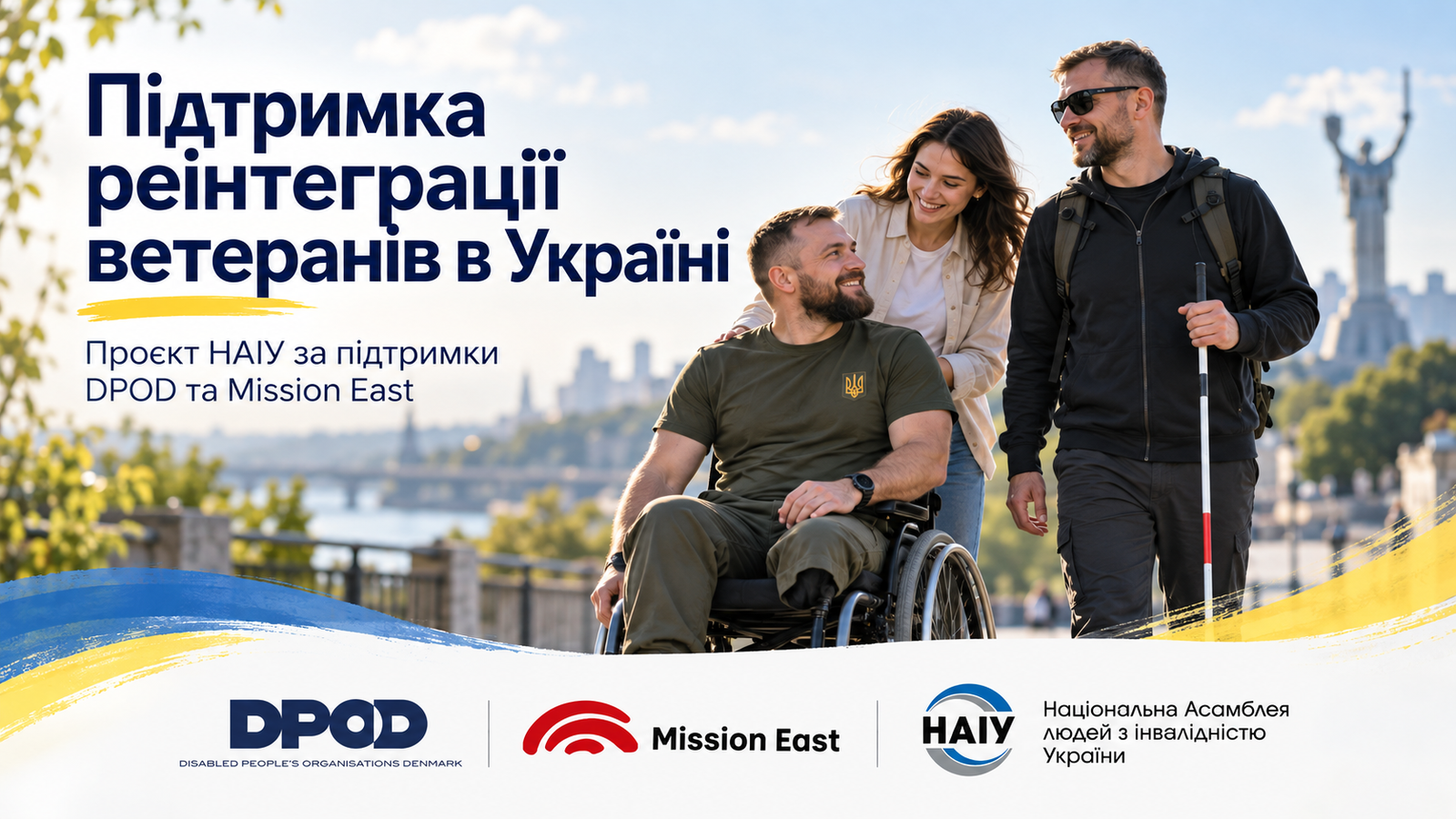
Повернення з військової служби до цивільного життя — це новий етап, який нерідко супроводжується непростими викликами. Особливо для ветеранів і ветеранок, які зазнали поранень або набули інвалідності. Реабілітація, пошук роботи, доступ до послуг, відновлення соціальних зв’язків — усе це потребує не лише особистих зусиль, а й підтримки суспільства. Національна Асамблея людей з інвалідністю України (НАІУ) […]
Упродовж програмного року — з 1 жовтня 2025-го до 30 вересня 2026-го — на гарячій лінії Національної Асамблеї людей з інвалідністю України (НАІУ) було надано 821 консультацію для 680 осіб. Найчастіше люди зверталися за роз’ясненням щодо своїх прав і пільг, зокрема отримання та поновлення виплат, оформлення догляду, встановлення й переоформлення інвалідності. Близько 70% звернень стосувалися […]
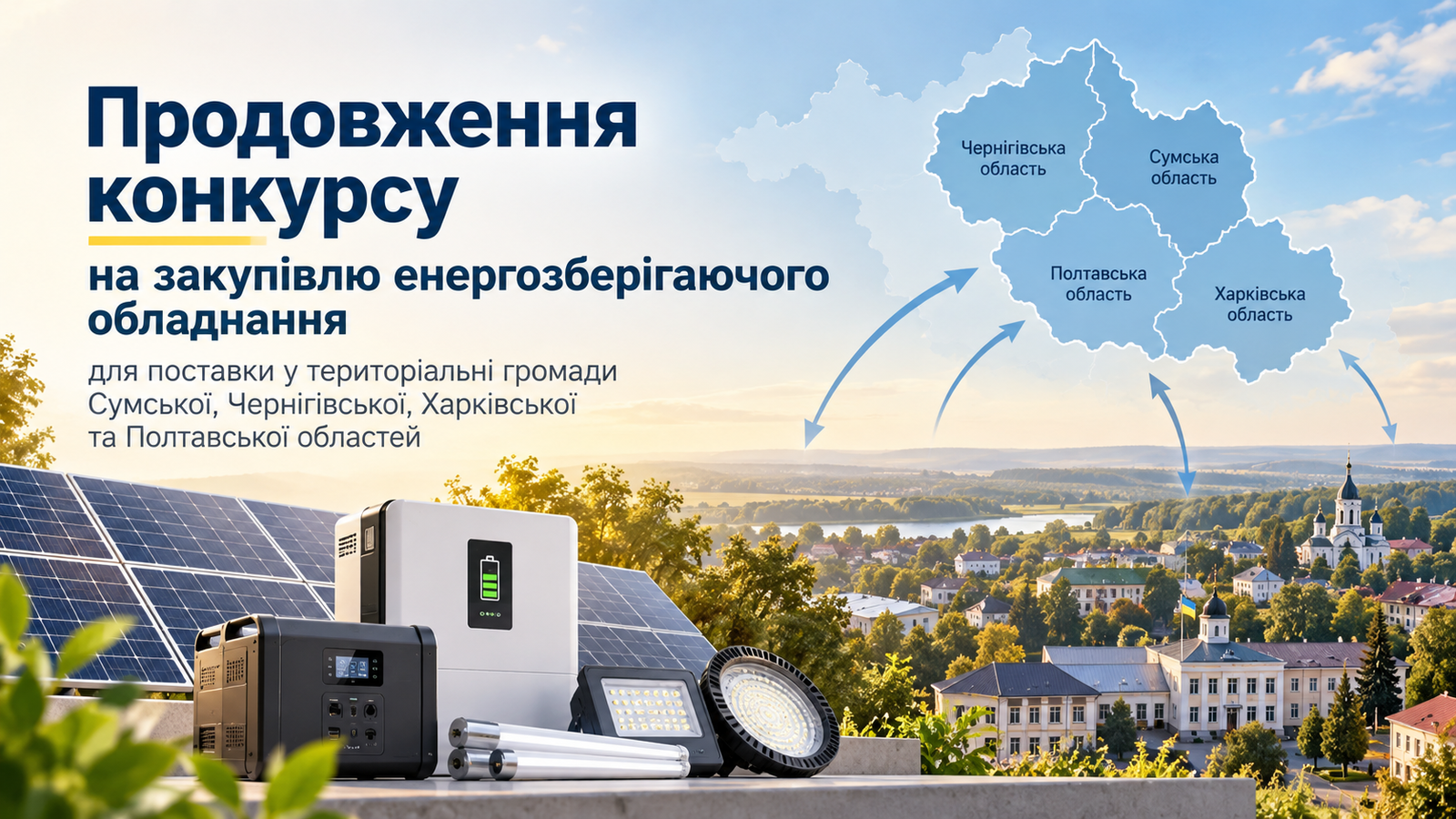
Громадська спілка “Всеукраїнське громадське об’єднання “Національна Асамблея людей з інвалідністю України” (далі – «Організатор») оголошує продовження конкурсу на закупівлю енергозберігаючого обладнання для поставки у територіальні громади Сумської, Чернігівської, Харківської та Полтавської областей. Джерело фінансування закупівлі: Дана закупівля здійснюється в рамках проєкту «Зміцнення інклюзивних послуг з охорони здоров’я, реабілітації та захисту населення, постраждалого від повномасштабного вторгнення в […]