Inclusive Security: Why It Matters and How to Ensure It
March 17, 2025
Share:
In times of war, security becomes a matter of life and death for everyone. But are security measures truly accessible to all? Can everyone evacuate in case of danger, hear air raid sirens, or receive information about threats?
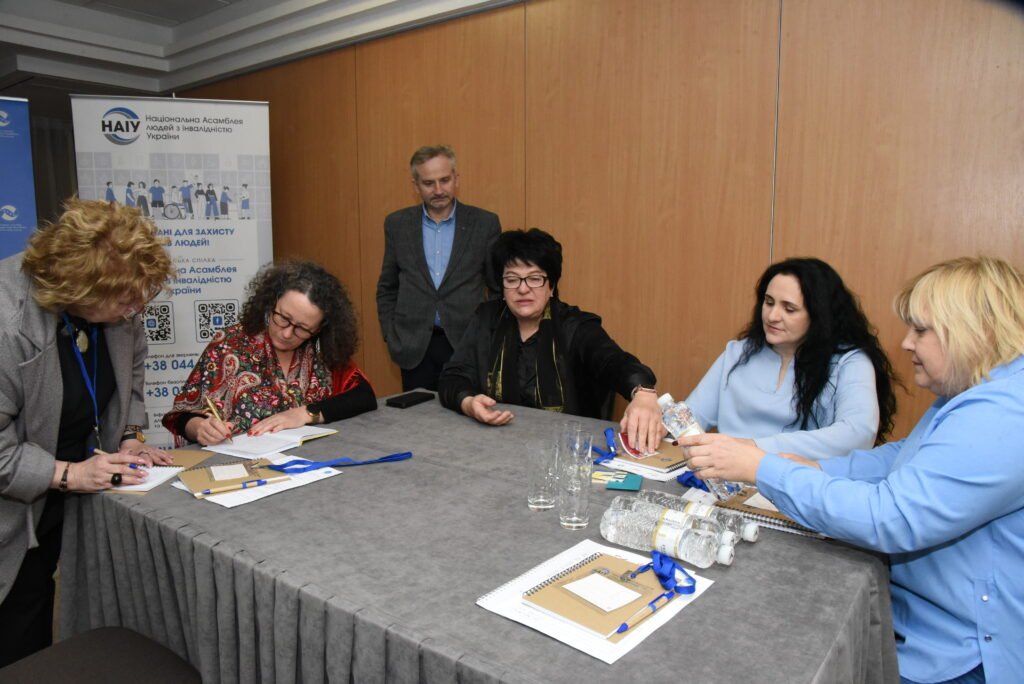
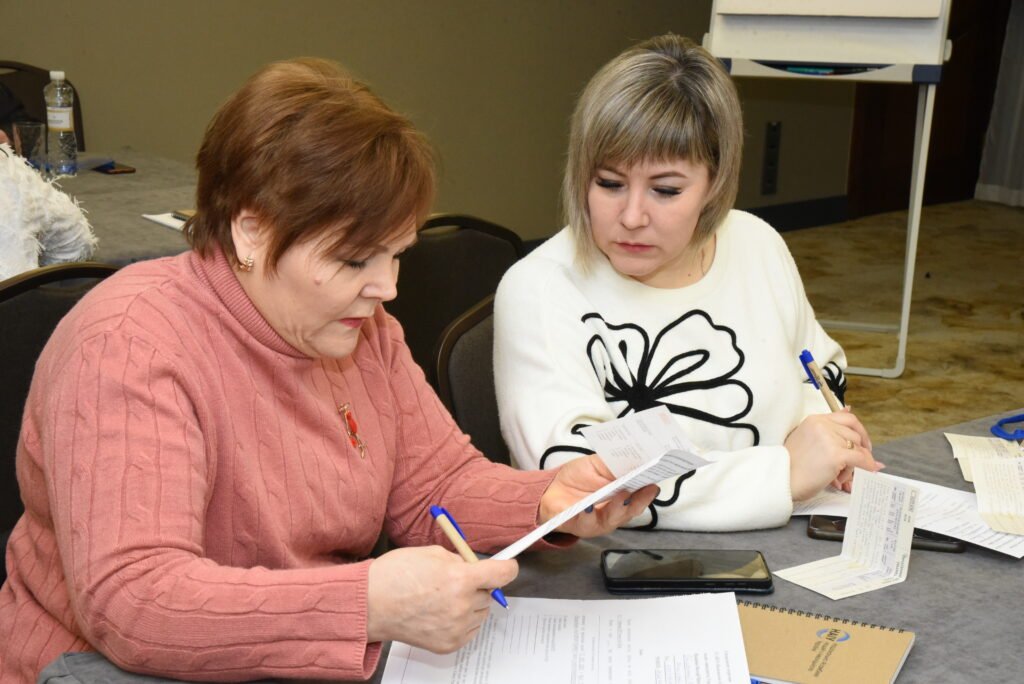
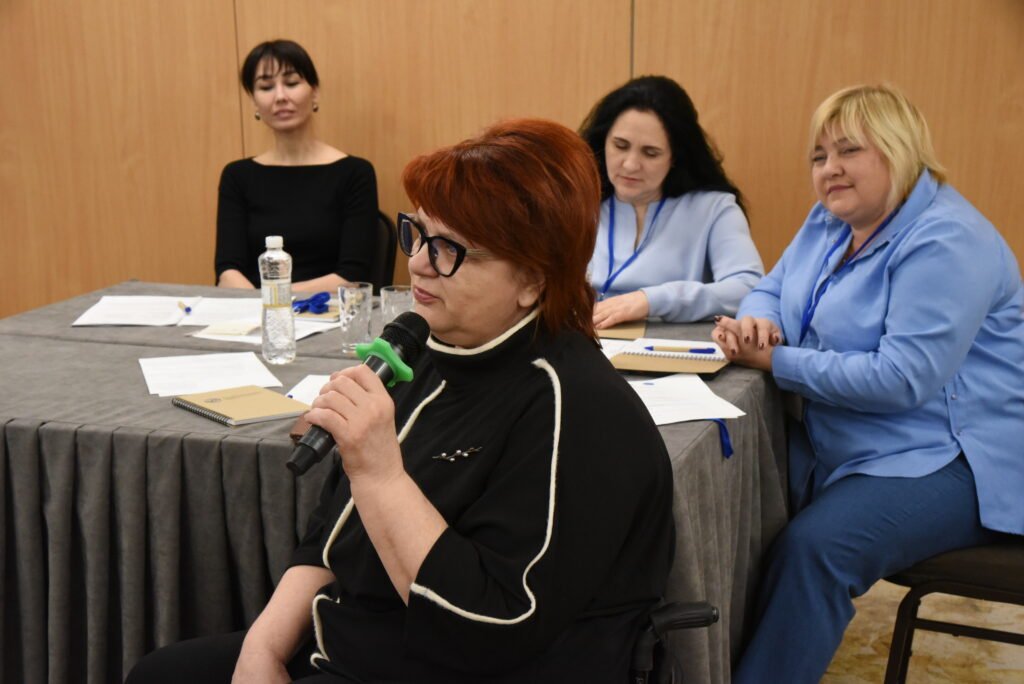
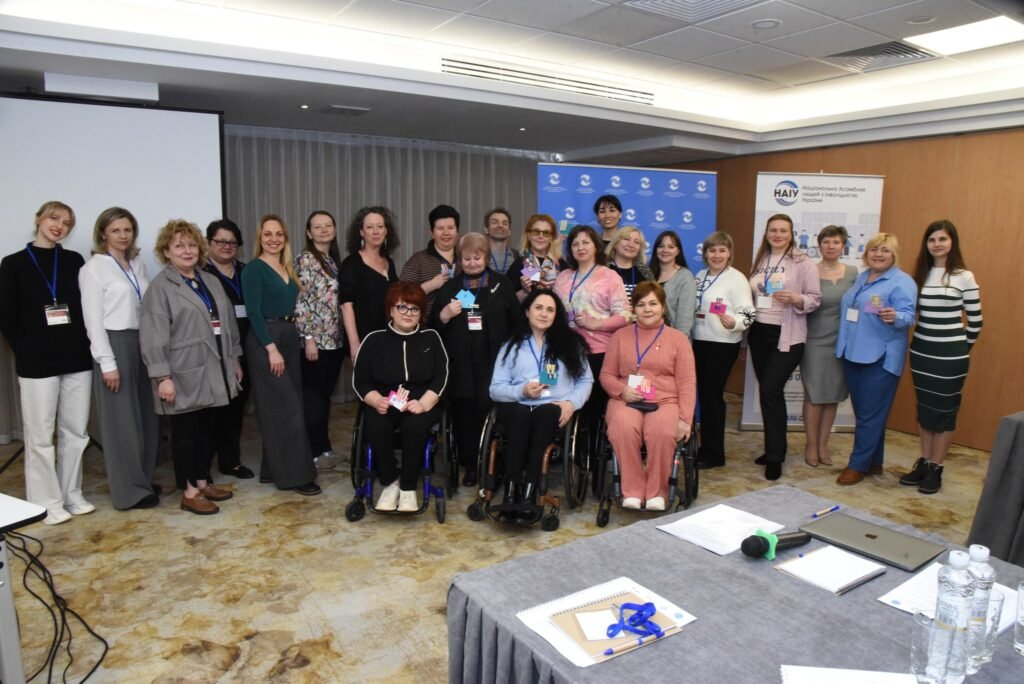
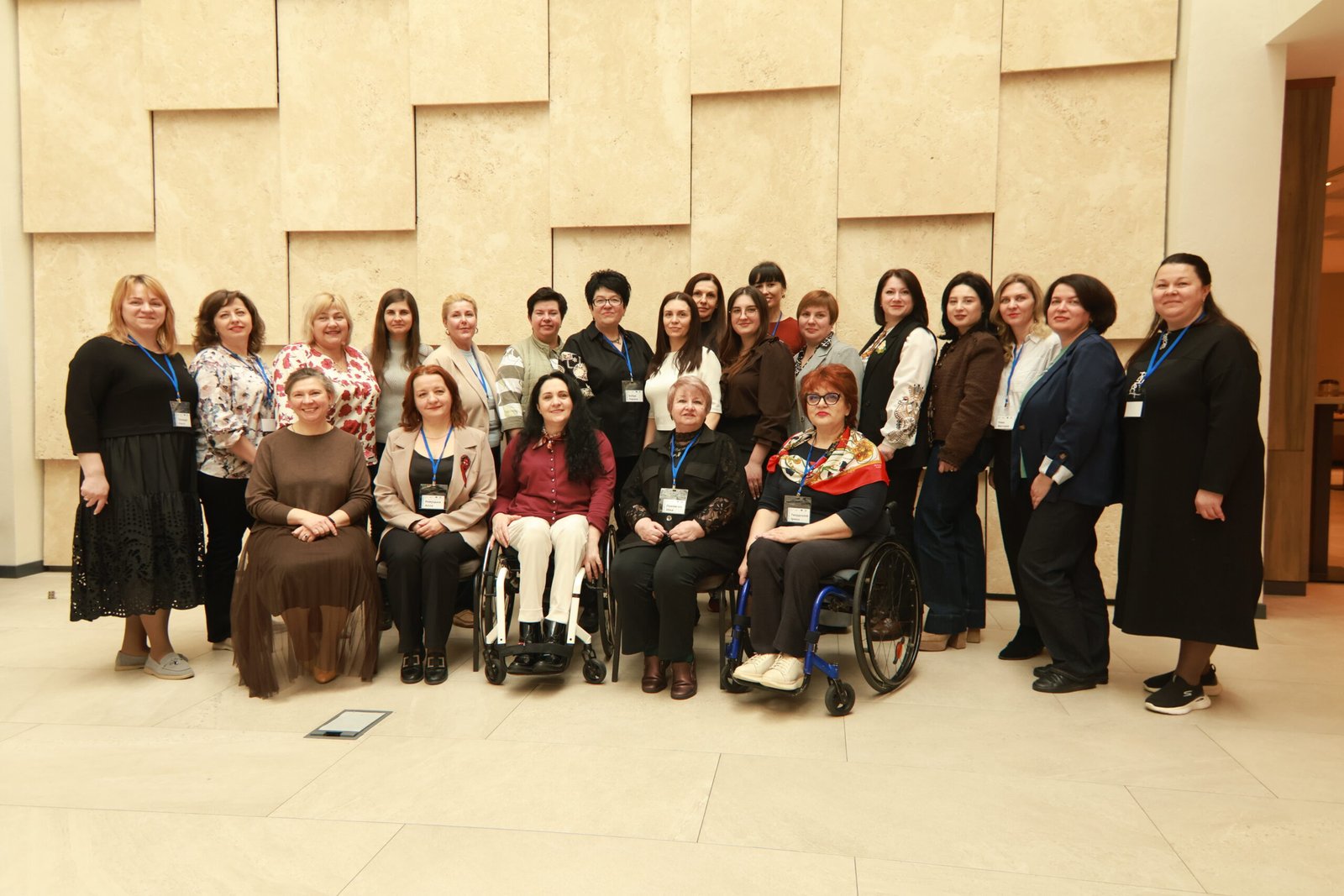
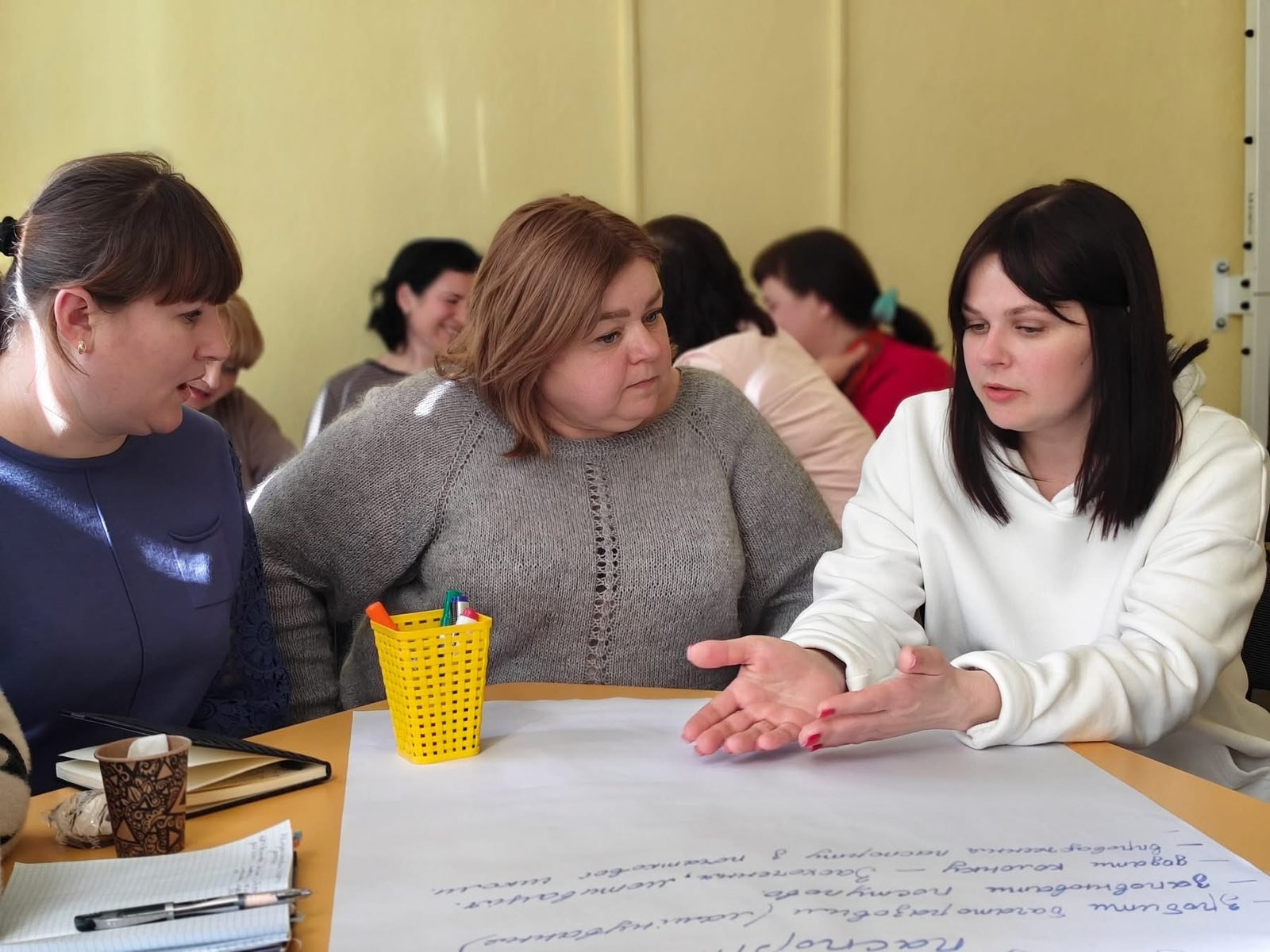
These questions were at the core of a two-day training session for trainers on inclusive security for people with disabilities. The event was organized by the National Assembly of People with Disabilities of Ukraine as part of the project “Multi-sectoral Humanitarian Assistance with Consideration for Disabilities for Internally Displaced Persons, Returnees, Veterans, and Host Communities in Ukraine.”".
For people with disabilities, safety measures often involve additional barriers. Standard evacuation plans, training sessions, and infrastructure solutions are usually designed for individuals without physical or sensory impairments. As a result, a significant part of the population remains vulnerable to threats and unable to properly ensure their own safety.
This is why understanding the concept of inclusive security is crucial. It is a system of measures that considers the needs of all people, regardless of their physical or cognitive abilities.
Traditional security approaches are based on the assumption that people can:
• React quickly to danger,
• Hear warning sirens,
• Run to shelters,
• Read information about threats.
But what about wheelchair users, deaf individuals, or those with visual impairments? If infrastructure, communication, and training do not take their needs into account, they face even greater danger.
People with disabilities encounter accessibility challenges even in peacetime: inaccessible buildings, complicated public transportation routes, and a lack of information in alternative formats (such as Braille or sign language). During war, these challenges multiply.
• Evacuation may be impossible if transportation is not equipped for people with disabilities.
• Information about danger is not always accessible—for example, verbal announcements are not suitable for deaf individuals.
• Shelters are often unadapted—they may have stairs without ramps, narrow doors, or lack accommodations for people with visual impairments.
This creates a situation where security becomes a privilege for those who can act quickly and independently.
Additionally, societal biases towards people with disabilities persist. They are often seen as individuals who always require external assistance or are “incapable” of acting independently. This leads to their exclusion from decision-making processes related to security measures.
Inclusive security is not a privilege or an optional addition—it is a fundamental necessity. People with disabilities are not “vulnerable individuals” who need to be taken care of. They have the right to equal access to all security measures and can be active participants in crisis situations.
To make society truly safe, we must break down barriers and create conditions where everyone can protect themselves.
Oleksandra Perkova
Communications Manager of the Project
Національна Асамблея людей з інвалідністю України долучається до нового гуманітарного проєкту, спрямованого на те, щоб люди з інвалідністю та інші вразливі групи мали кращий доступ до медичних, реабілітаційних і захисних послуг у своїх громадах. Проєкт реалізується за фінансування Європейського Союзу через Генеральний директорат Європейської Комісії з питань цивільного захисту та гуманітарної допомоги. Загальний обсяг гуманітарного […]
The project “Disability-Inclusive Multisectoral Humanitarian Assistance for IDPs, Returnees, Veterans and Host Communities in Ukraine” was ambitious and complex from the very beginning, both in its structure and scale. The project was implemented by the National Assembly of People with Disabilities of Ukraine in partnership with the European Disability Forum, with the support of the German Federal Foreign Office and CBM (Christian Blind Mission).
У Рожищенській громаді Волинської області триває адвокаційна кампанія «Громади для всіх: разом із людьми з інвалідністю створюємо зміни». Її мета — формування інклюзивного середовища, у якому люди з інвалідністю мають рівний доступ до послуг, простору та участі в житті громади. Кампанія «Простір рівних: Від культури спілкування до стандартів доступності» спрямована на підвищення обізнаності мешканців, зокрема […]
В Опішнянській громаді відбулася друга зустріч у межах адвокаційної кампанії «Громади для всіх: разом із людьми з інвалідністю створюємо зміни», присвячена доступності укриттів. У фокусі обговорення були не лише фізична доступність, а й зрозуміла навігація, яка допомагає швидко орієнтуватися у просторі під час надзвичайних ситуацій. Захід організувала громадська організація «Полтавське міське громадське об’єднання осіб з […]
Пані Тетяна, яка проживає у Карлівській громаді на Полтавщині, має інвалідність І групи внаслідок онкологічного захворювання. Жінка щодня стикається з викликами, пов’язаними зі станом здоров’я, і водночас знаходить ресурси підтримувати звичний ритм життя. Кожен день пані Тетяна наповнює важливими для себе справами: прогулянками на природі, можливістю побути на свіжому повітрі, спілкуванням із друзями та близькими. […]
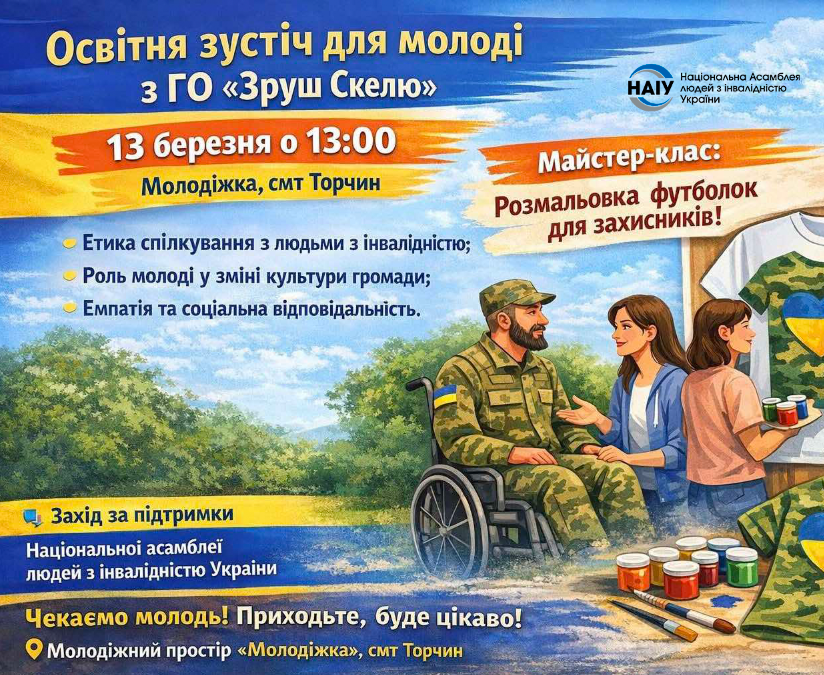
У Торчинській селищній територіальній громаді Волинської області розпочинається адвокаційна кампанія «Гідність поруч: громада без бар’єрів для ветеранів та людей з інвалідністю», спрямована на формування культури поважного та коректного ставлення до людей з інвалідністю, зокрема ветеранів війни. Ініціатива має на меті не лише підвищити обізнаність мешканців громади щодо потреб ветеранів та людей з інвалідністю, а й […]