Inclusive Security: Why It Matters and How to Ensure It
March 17, 2025
Share:
In times of war, security becomes a matter of life and death for everyone. But are security measures truly accessible to all? Can everyone evacuate in case of danger, hear air raid sirens, or receive information about threats?
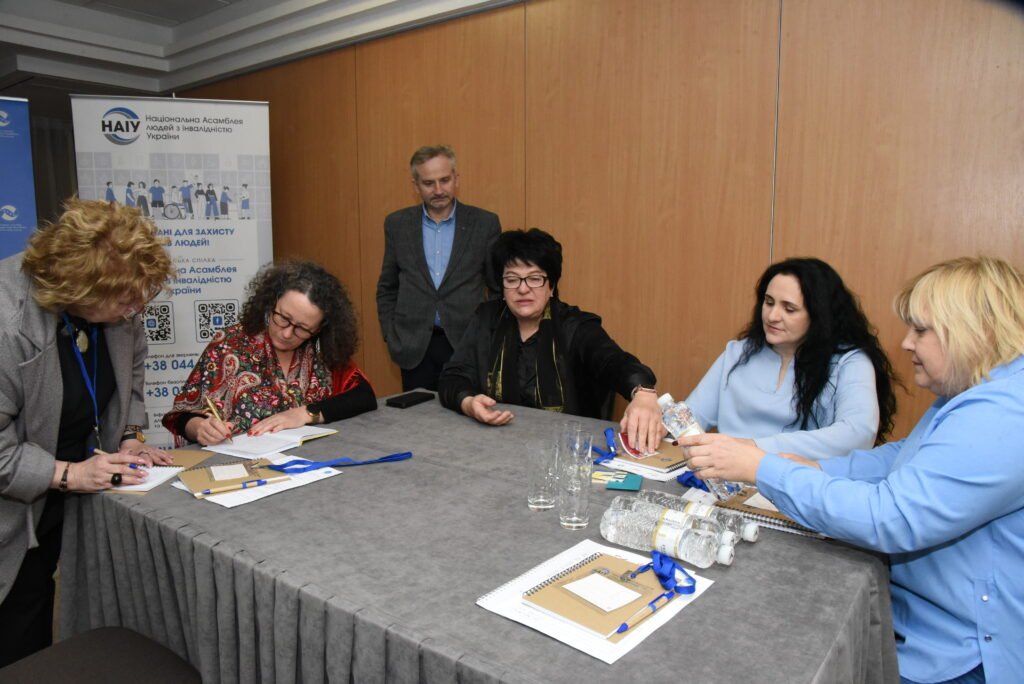
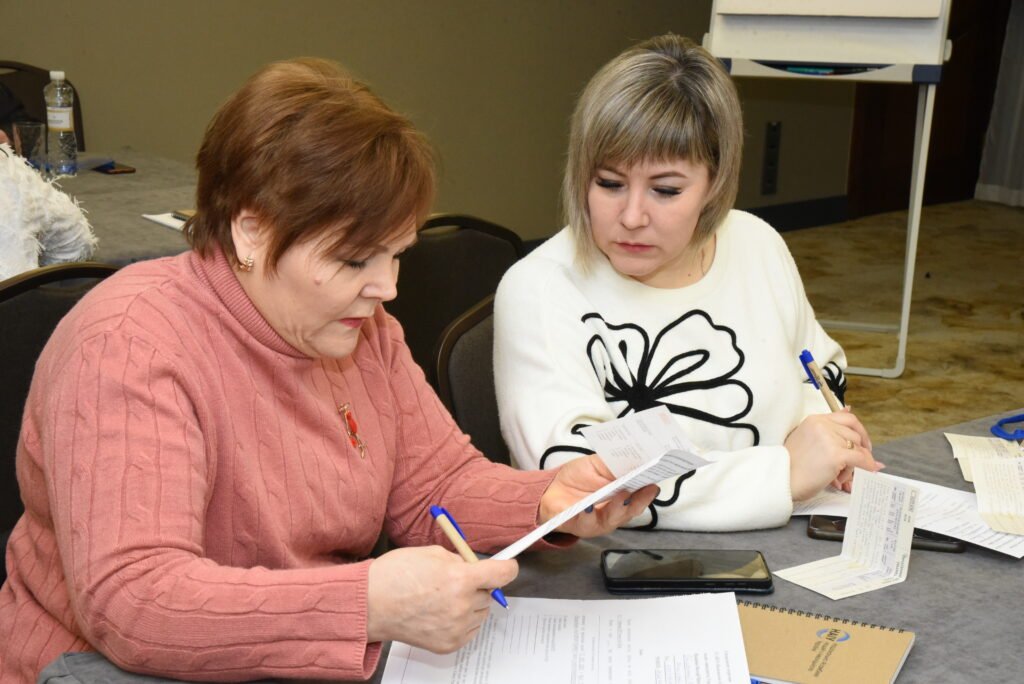
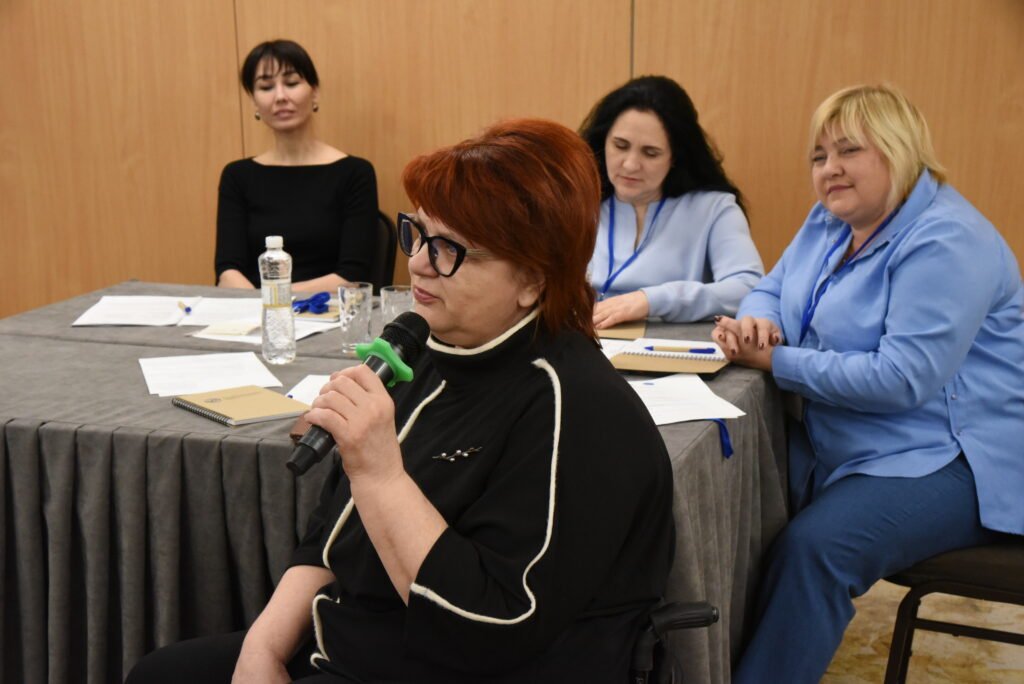
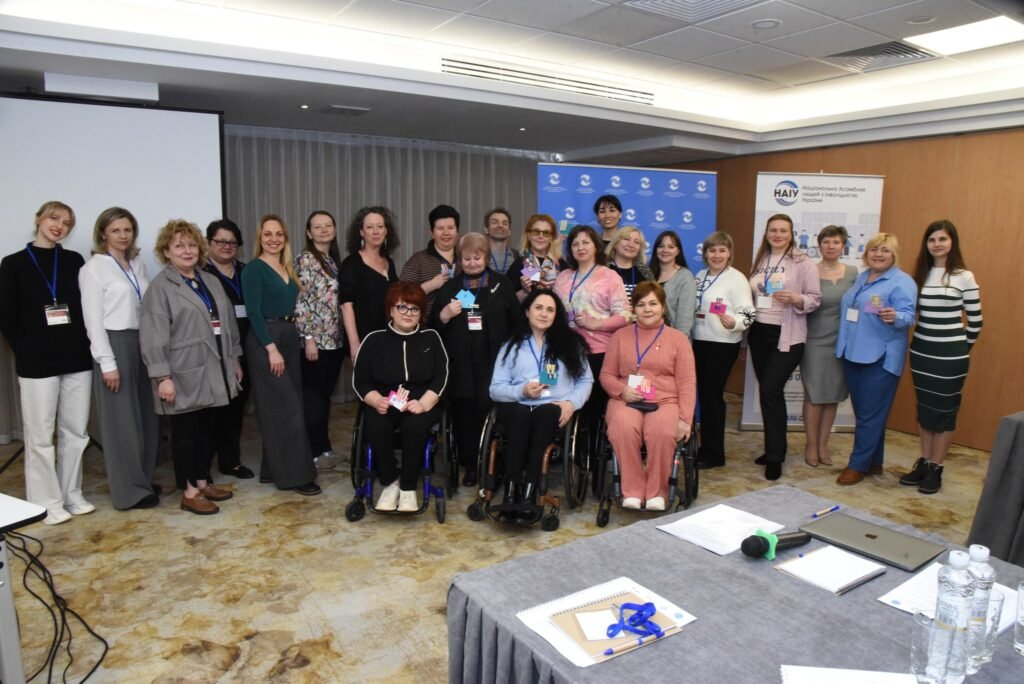
These questions were at the core of a two-day training session for trainers on inclusive security for people with disabilities. The event was organized by the National Assembly of People with Disabilities of Ukraine as part of the project “Multi-sectoral Humanitarian Assistance with Consideration for Disabilities for Internally Displaced Persons, Returnees, Veterans, and Host Communities in Ukraine.”".
For people with disabilities, safety measures often involve additional barriers. Standard evacuation plans, training sessions, and infrastructure solutions are usually designed for individuals without physical or sensory impairments. As a result, a significant part of the population remains vulnerable to threats and unable to properly ensure their own safety.
This is why understanding the concept of inclusive security is crucial. It is a system of measures that considers the needs of all people, regardless of their physical or cognitive abilities.
Traditional security approaches are based on the assumption that people can:
• React quickly to danger,
• Hear warning sirens,
• Run to shelters,
• Read information about threats.
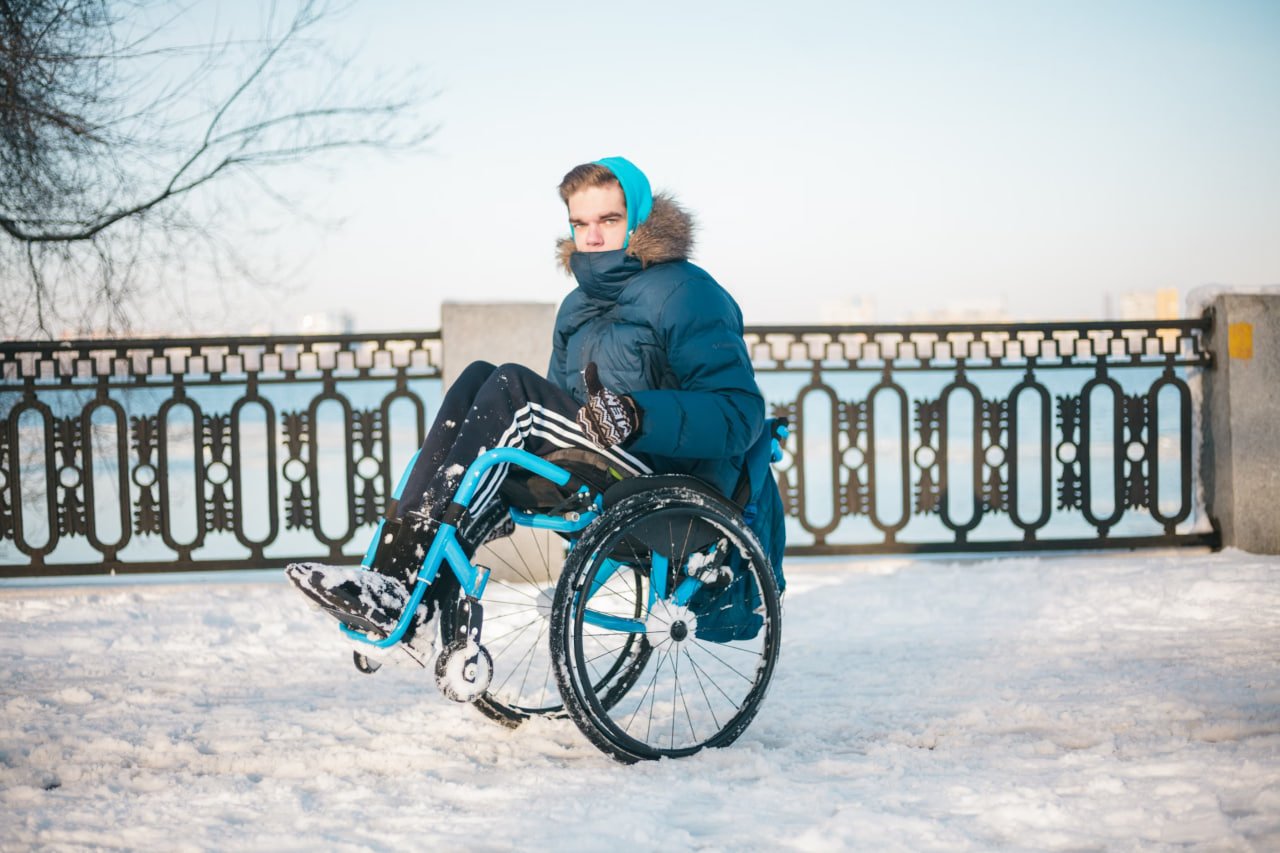
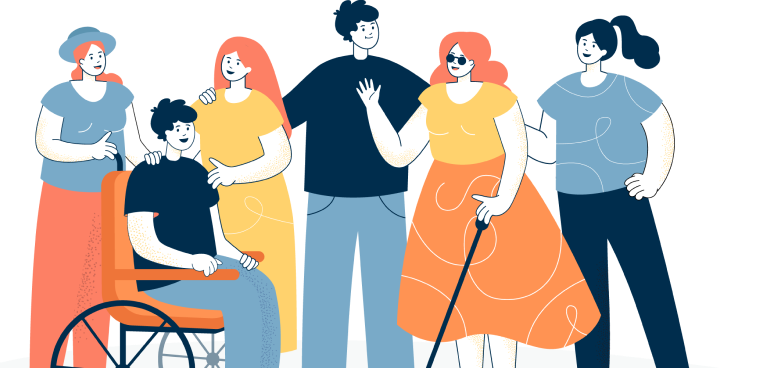
But what about wheelchair users, deaf individuals, or those with visual impairments? If infrastructure, communication, and training do not take their needs into account, they face even greater danger.
People with disabilities encounter accessibility challenges even in peacetime: inaccessible buildings, complicated public transportation routes, and a lack of information in alternative formats (such as Braille or sign language). During war, these challenges multiply.
• Evacuation may be impossible if transportation is not equipped for people with disabilities.
• Information about danger is not always accessible—for example, verbal announcements are not suitable for deaf individuals.
• Shelters are often unadapted—they may have stairs without ramps, narrow doors, or lack accommodations for people with visual impairments.
This creates a situation where security becomes a privilege for those who can act quickly and independently.
Additionally, societal biases towards people with disabilities persist. They are often seen as individuals who always require external assistance or are “incapable” of acting independently. This leads to their exclusion from decision-making processes related to security measures.
Inclusive security is not a privilege or an optional addition—it is a fundamental necessity. People with disabilities are not “vulnerable individuals” who need to be taken care of. They have the right to equal access to all security measures and can be active participants in crisis situations.
To make society truly safe, we must break down barriers and create conditions where everyone can protect themselves.
Oleksandra Perkova
Communications Manager of the Project
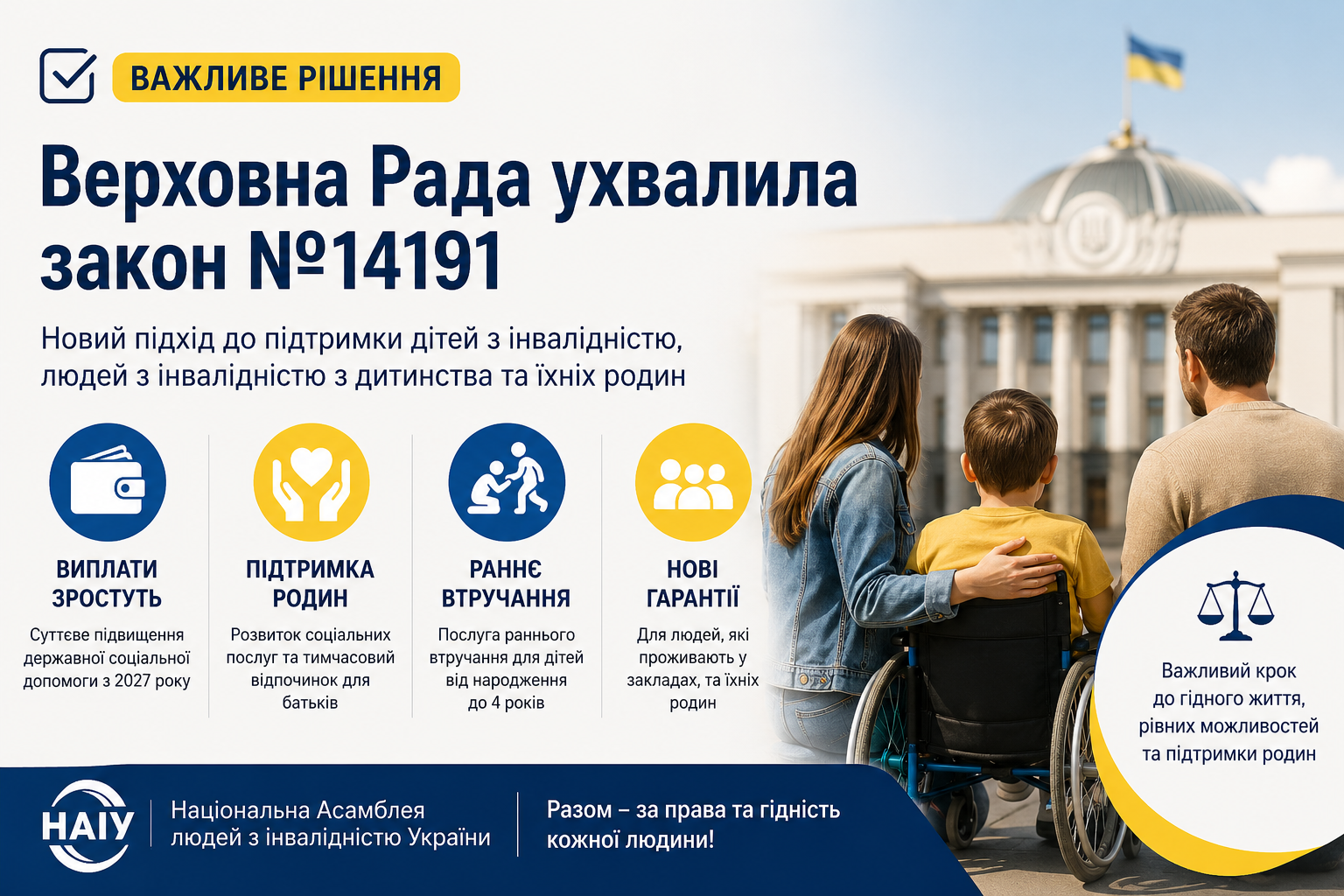
19 серпня Верховна Рада України ухвалила в цілому закон № 14191, який змінює систему державної підтримки дітей з інвалідністю, людей з інвалідністю з дитинства та їхніх родин. Для Національної Асамблеї людей з інвалідністю України це рішення має особливе значення. Робота над законопроєктом тривала більше піврокуі на різних її етапах документ містив норми, які могли призвести […]
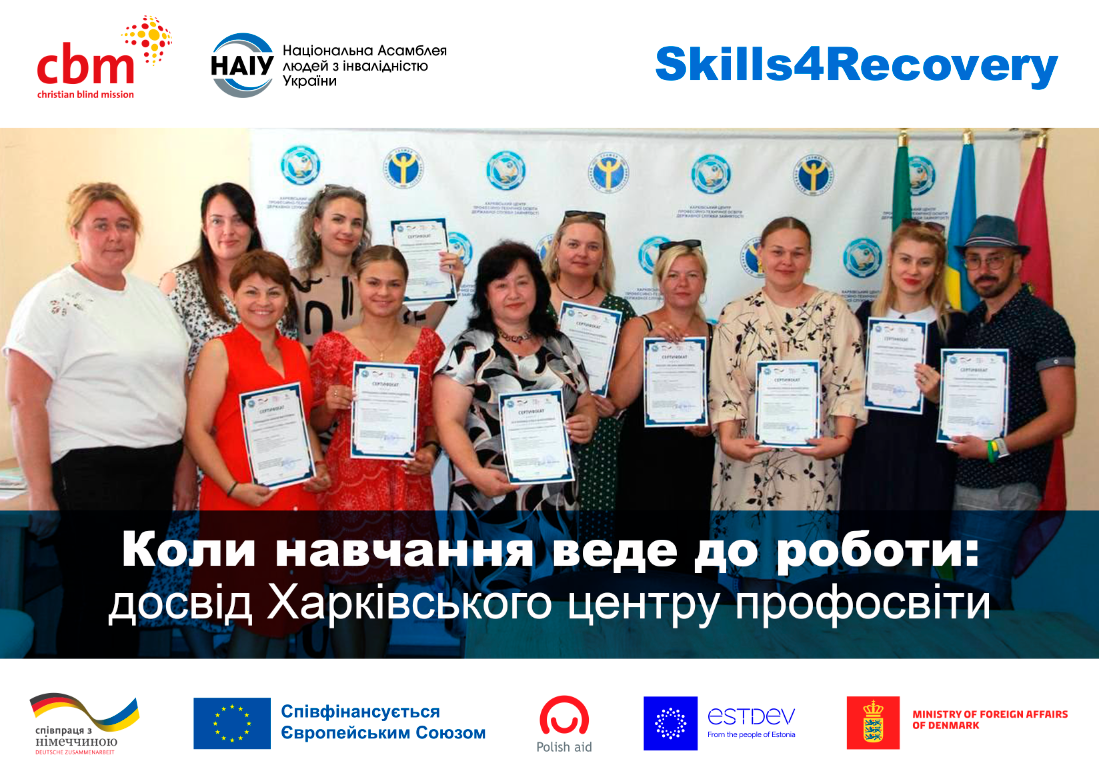
Як зробити професійне навчання доступним для людей з різними освітніми потребами? Над цим працювали учасники проєкту «Інклюзивна професійна освіта: покращення навчання для ветеранів та людей з інвалідністю», який реалізують Національна Асамблея людей з інвалідністю України (НАІУ) та CBM у межах Мультидонорської ініціативи Skills4Recovery. Педагоги та представники адміністрацій закладів професійної освіти пройшли навчання з інклюзивних підходів, […]
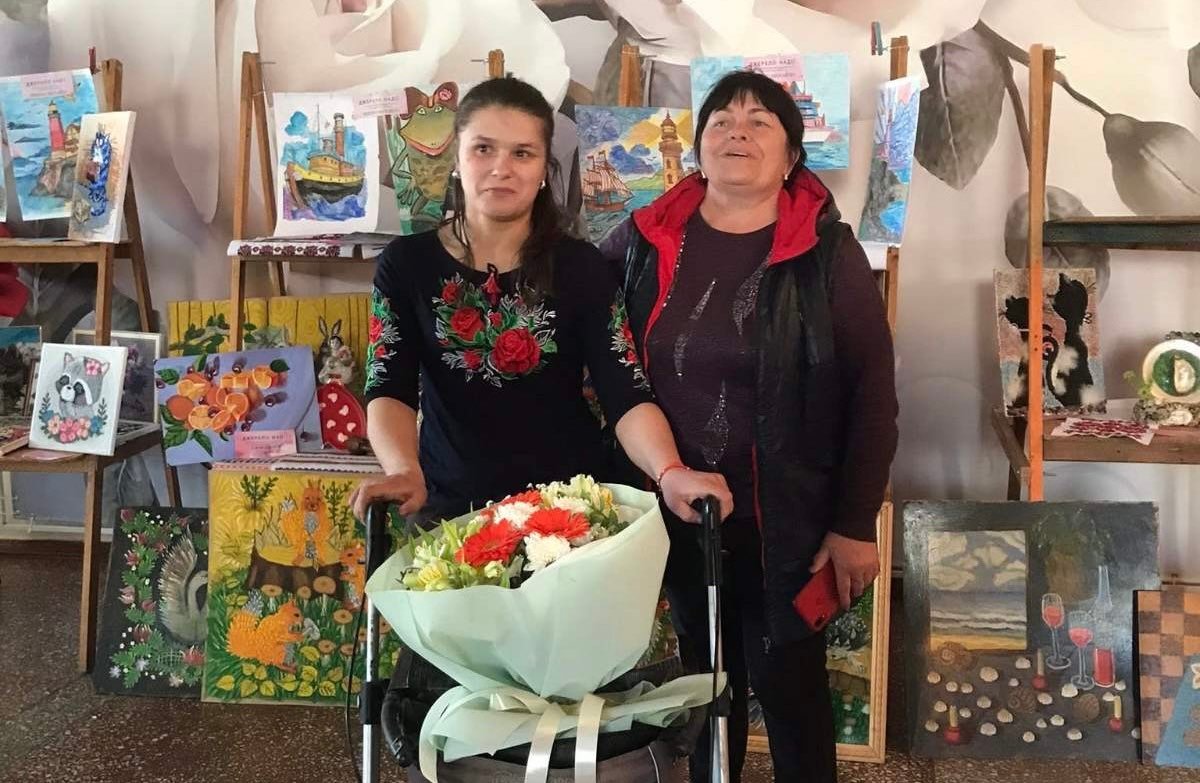
Світлана із села Олександрівка Кодимської громади створює картини, бере участь у виставках і представляє свої роботи на фестивалях. Її кімната стала творчою майстернею, де з’являються казкові сюжети, пейзажі та образи, натхненні природою. Над кожною картиною жінка може працювати кілька тижнів, уважно продумуючи сюжет і деталі. Натхнення Світлана знаходить у сільських краєвидах, спілкуванні з людьми, а […]
Київ завчасно готується до можливих перебоїв із тепло-, електро- та водопостачанням узимку. Міські соціальні служби актуалізують інформацію про одиноких людей похилого віку, людей з інвалідністю та родини, які виховують дітей з інвалідністю, яким у разі надзвичайної ситуації може знадобитися допомога з тимчасовим переміщенням. Про це на своїй сторінці у Facebook повідомляє заступниця голови КМДА з […]
Повідомляємо, що з 1 до 4 вересня включно Гаряча лінія з надання безоплатної правничої допомоги Національної Асамблеї людей з інвалідністю України тимчасово не працюватиме. Це лише коротка перерва. Вже 5 вересня ми знову будемо на зв’язку та чекатимемо на звернення наших бенефіціарів із питаннями юридичного характеру. Дякуємо за розуміння та до зустрічі 5 вересня!
Включення організації до Реєстру надавачів та отримувачів соціальних послуг відкриває доступ до фінансових, технічних та інших ресурсів. Зокрема, статус офіційного надавача дає можливість брати участь в експериментальних і пілотних проєктах від держави та міжнародних фондів, у міжнародних проєктах технічної допомоги з реагування на виклики війни та роботи з постраждалим населенням і вразливими категоріями громадян, а […]