When Training Leads to Employment: The Experience of Kharkiv Vocational Education and Training Centre
19 August 2026
Share:
How can vocational training be made accessible to people with diverse learning needs? This question was at the core of the work undertaken by participants in the project “Inclusive Vocational Education and Training: Improving Training for Veterans and People with Disabilities”, implemented by the National Assembly of People with Disabilities of Ukraine (NAPD) and CBM as part of the Skills4Recovery Multi-Donor Initiative.
Educators and administrators from vocational education and training (VET) institutions completed focused on inclusive approaches, adaptation of the learning process, and the creation of an accessible learning environment.
One of these institutions is Kharkiv Vocational Education and Training Centre of the State Employment Service, where these approaches are already being actively put into practice.
7 out of 10 are already employed
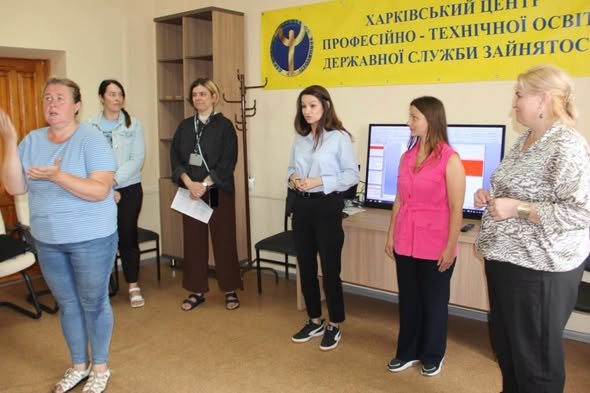
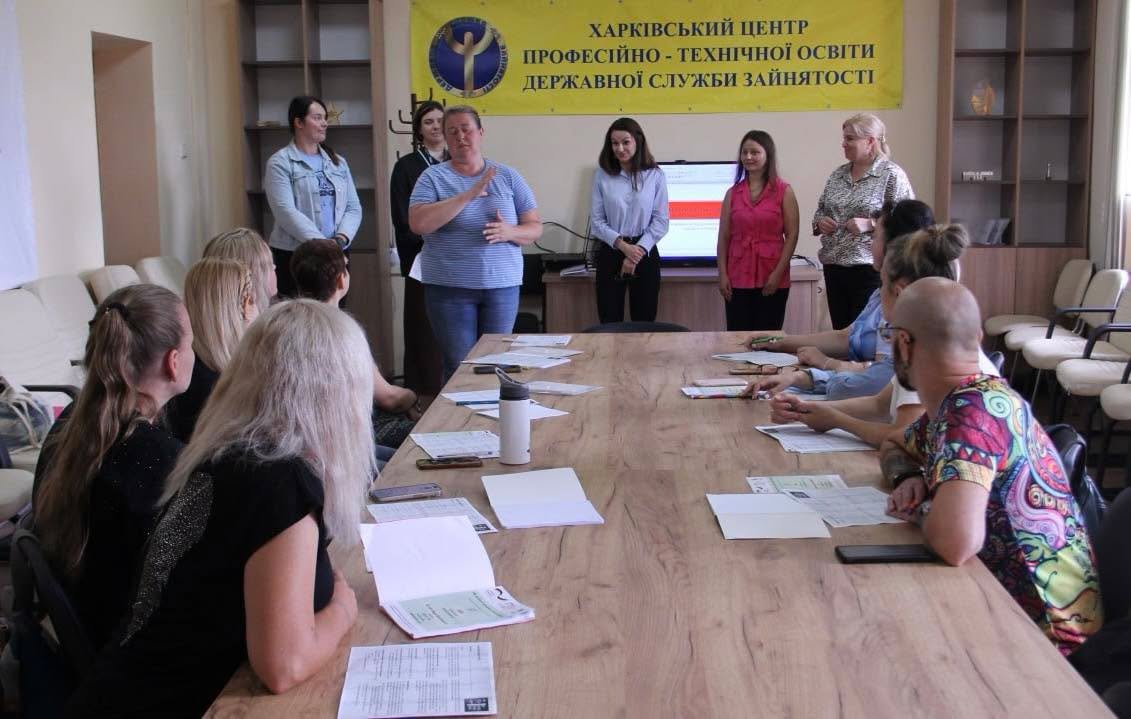
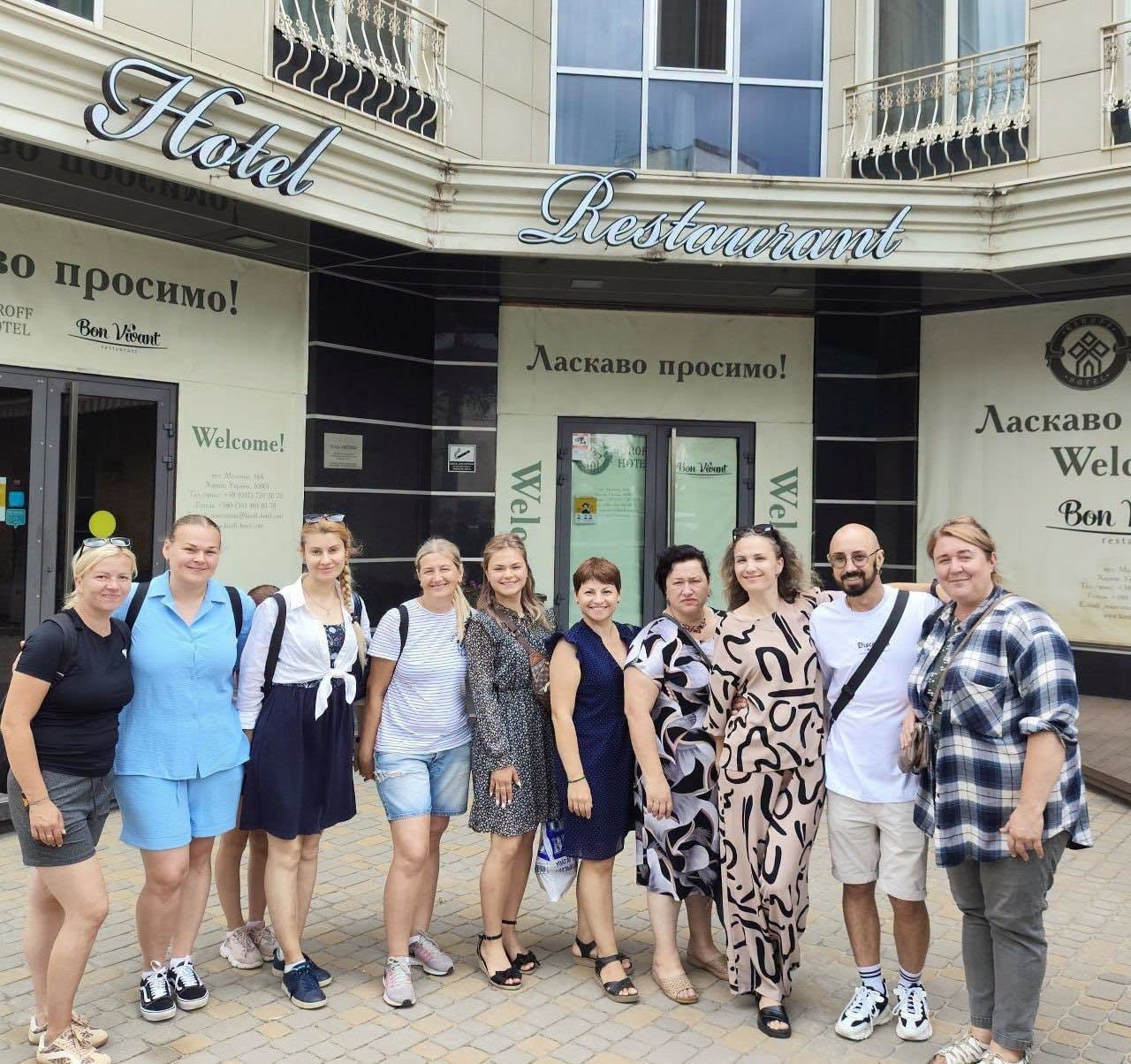
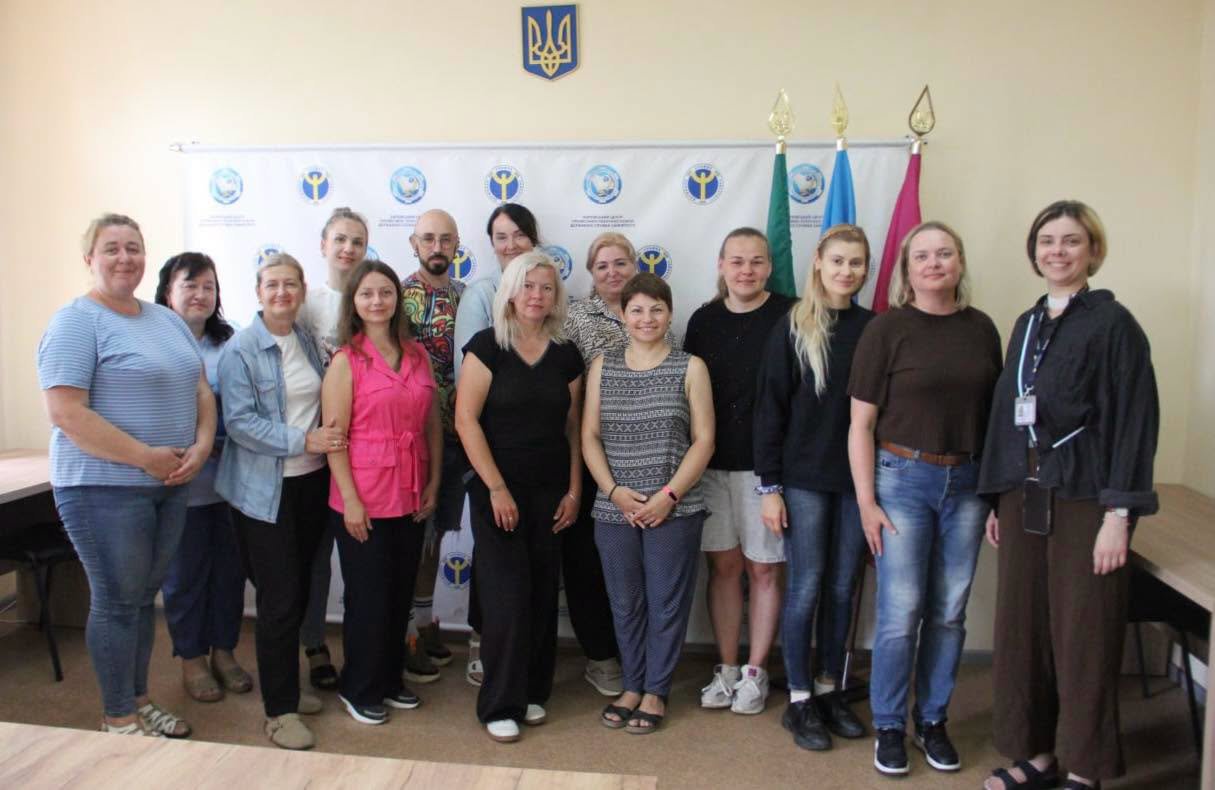
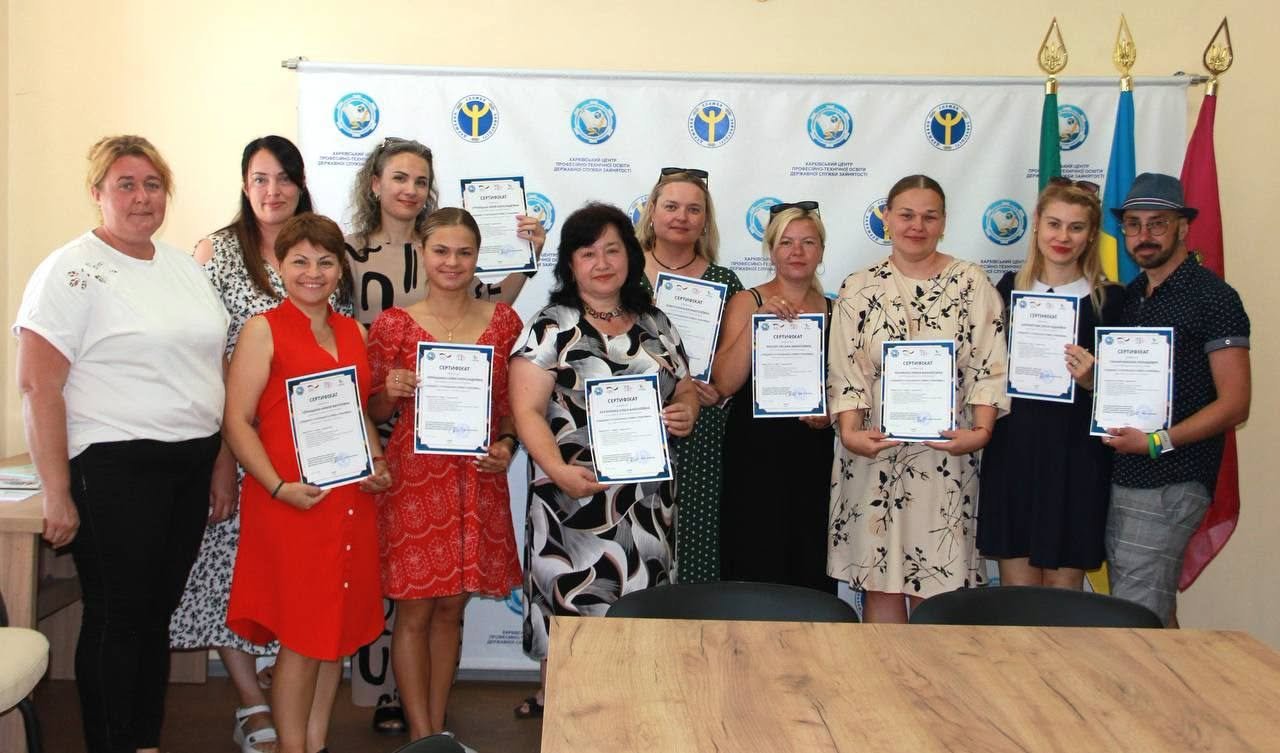
A group of ten learners with hearing impairments completed the training at the Centre under the “Hotel Service Specialist (Room Attendant)” programme.
A sign language interpreter assisted throughout the classes. The learning materials were also adapted using visual prompts, step-by-step tasks, and clear instructions.
For the Centre, this served as a practical experience in organising training that accommodates the needs of deaf individuals. The goal was not to create a separate curriculum, but to make an existing one accessible by modifying how the material was presented, providing sign language interpretation, and relying more heavily on visual explanations.
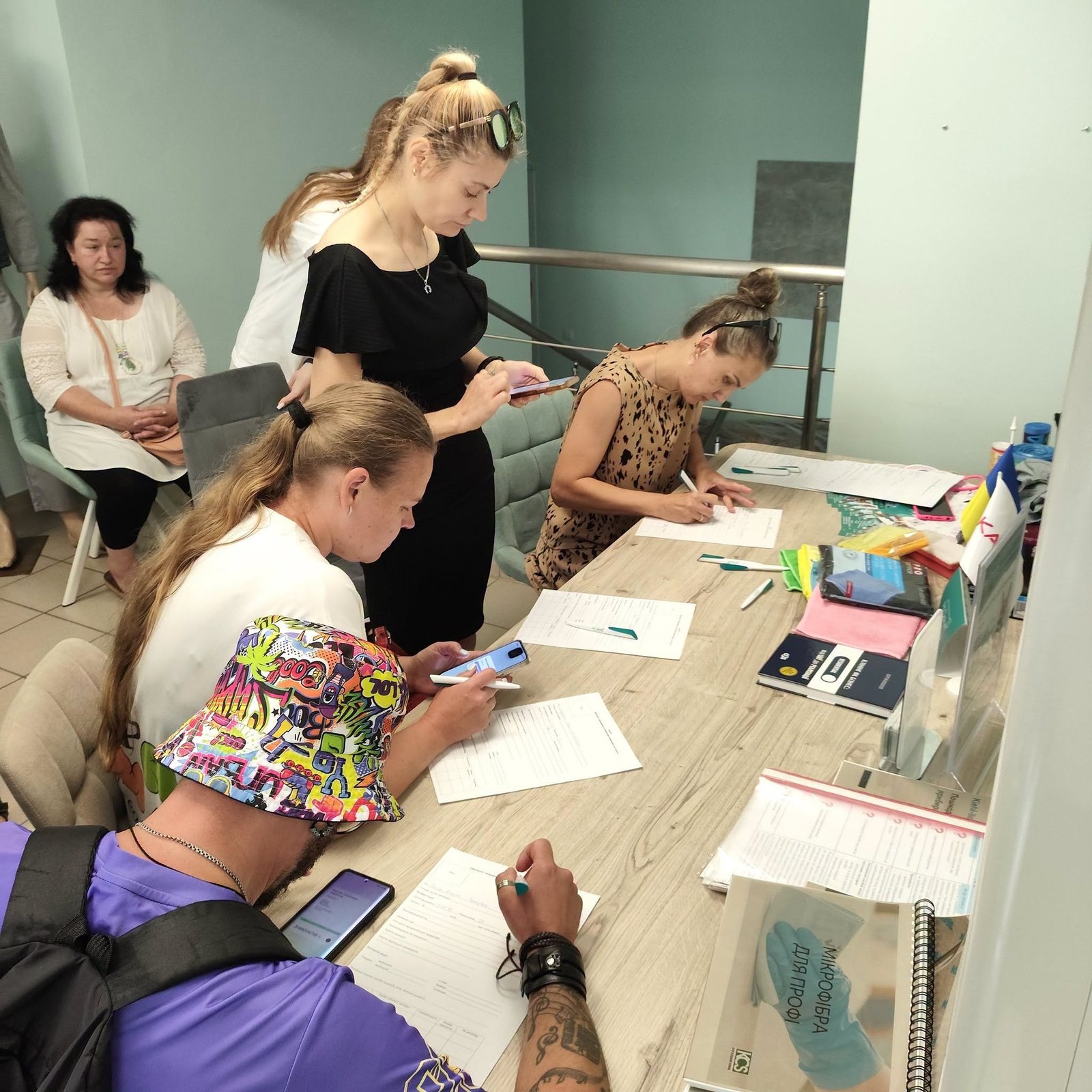
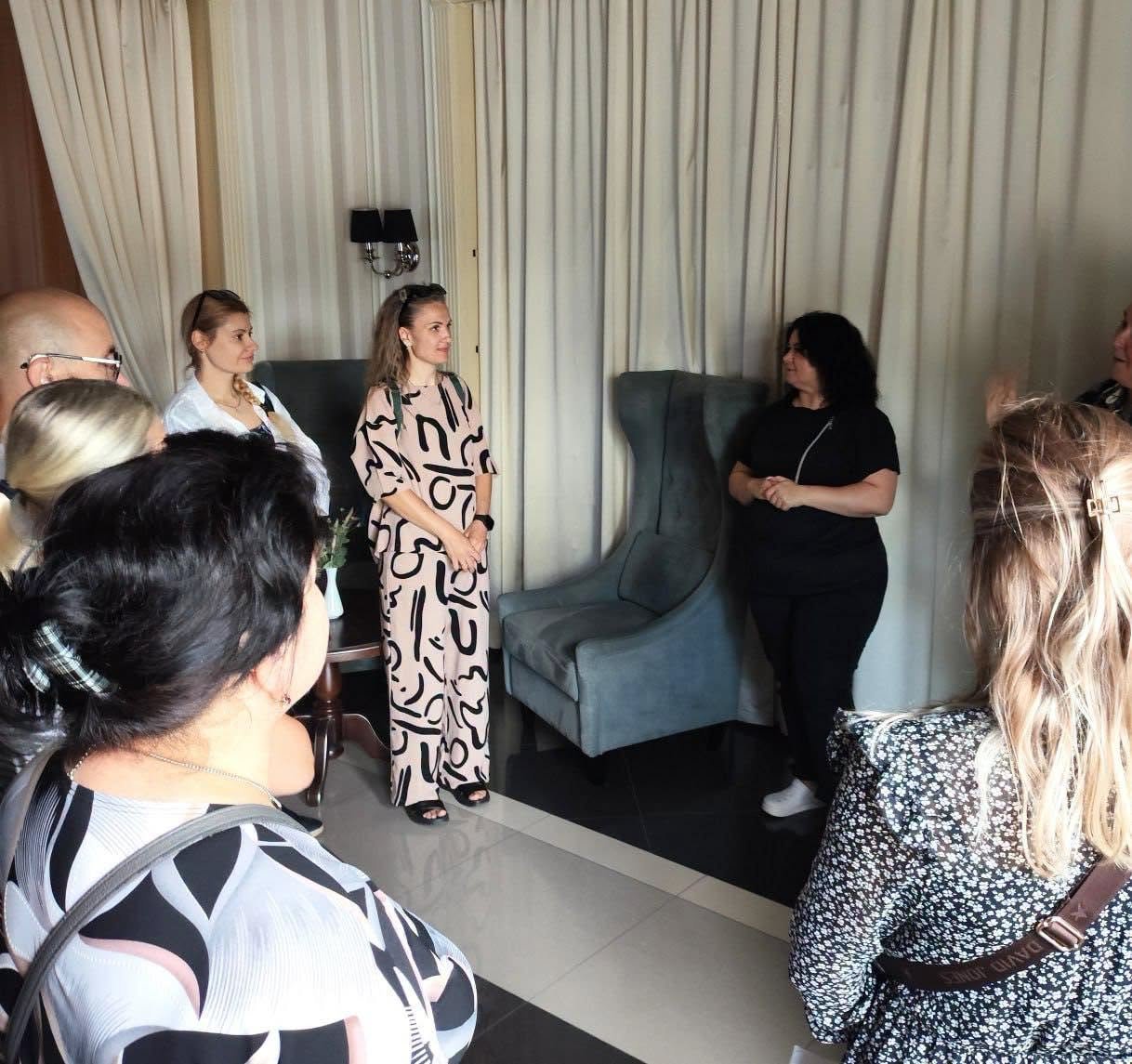
An essential part of the training was the practical work placement directly at host businesses, where participants gained firsthand experience with actual work processes, professional standards, and service expectations, while connecting with potential employers.
By the time they graduated, 7 out of 10 learners had already secured employment.
The Next Step
Building on this initial experience, the Centre continues to expand its inclusive training programmes. The institution notes a steady increase in direct inquiries from individuals interested in upcoming enrolments.
In September, the institution plans to launch a mixed training group for electricians. The group will consist of eight participants, five of whom are persons with disabilities.
Two employers willing to cooperate have already been identified for the future group. Some classes are planned to take place directly at enterprises. Additionally, a non-governmental organisation is ready to support the training tuition and sign language interpretation costs.
Thus, the initial experience is laying the groundwork for further decisions: the institution continues to adapt its training, engage partners and employers, and pilot new learning formats.
In Kharkiv, this approach has already delivered tangible results: seven graduates have successfully found employment, and the Centre is preparing to launch its next group, taking into account diverse learning needs.
The project “Inclusive Vocational Education and Training (VET): Improving Training for Veterans and People with Disabilities” is being implemented by the National Assembly of People with Disabilities of Ukraine (NAPD), jointly with Christoffel-Blindenmission Christian Blind Mission e.V. (CBM), with financial support from the European Union, Germany, Poland, Estonia, and Denmark as part of the Skills4Recovery Multi-Donor Initiative, which is implemented by Deutsche Gesellschaft für Internationale Zusammenarbeit (GIZ) GmbH and Solidarity Fund PL (SFPL).
Світлини взяті зі сторінки Харківського центру професійно-технічної освіти державної служби зайнятості у Фейсбуці.
Під час підсумкової партнерської зустрічі Національна Асамблея людей з інвалідністю України отримала слова подяки за реалізацію проєкту «Інклюзивна професійна освіта: покращення навчання для ветеранів та людей з інвалідністю». Партнери відзначили професіоналізм команди НАІУ, якісну координацію роботи та практичну цінність проведених навчань і розроблених матеріалів для закладів професійної освіти. Особливу увагу приділили тому, як педагоги застосовують […]
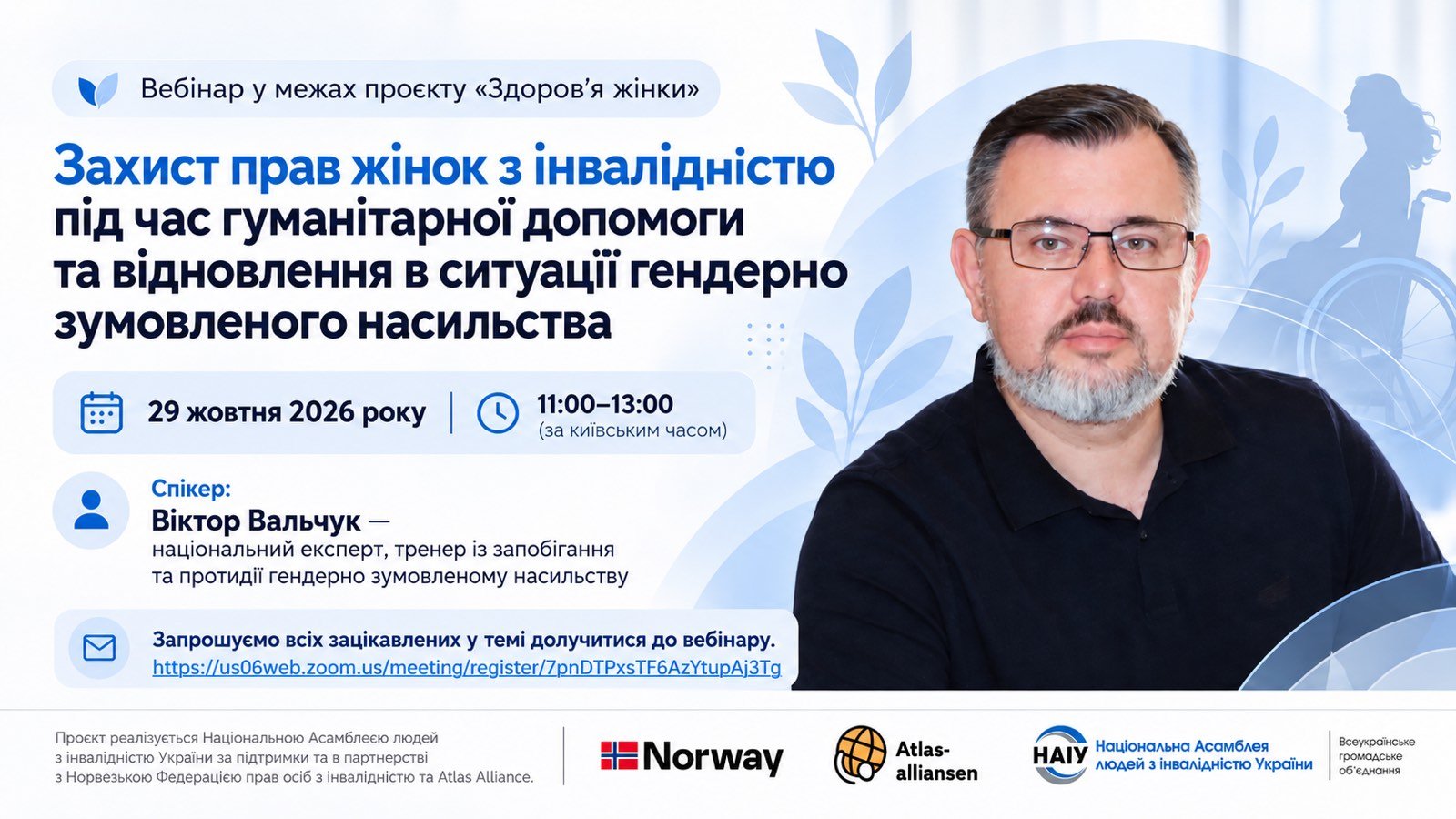
29 жовтня 2026 року Національна Асамблея людей з інвалідністю України (НАІУ) запрошує долучитися до вебінару «Захист прав жінок з інвалідністю під час гуманітарної допомоги та відновлення в умовах гендерно зумовленого насильства». В умовах повномасштабної війни жінки з інвалідністю можуть стикатися з додатковими ризиками гендерно зумовленого насильства, а також із бар’єрами під час звернення по допомогу […]
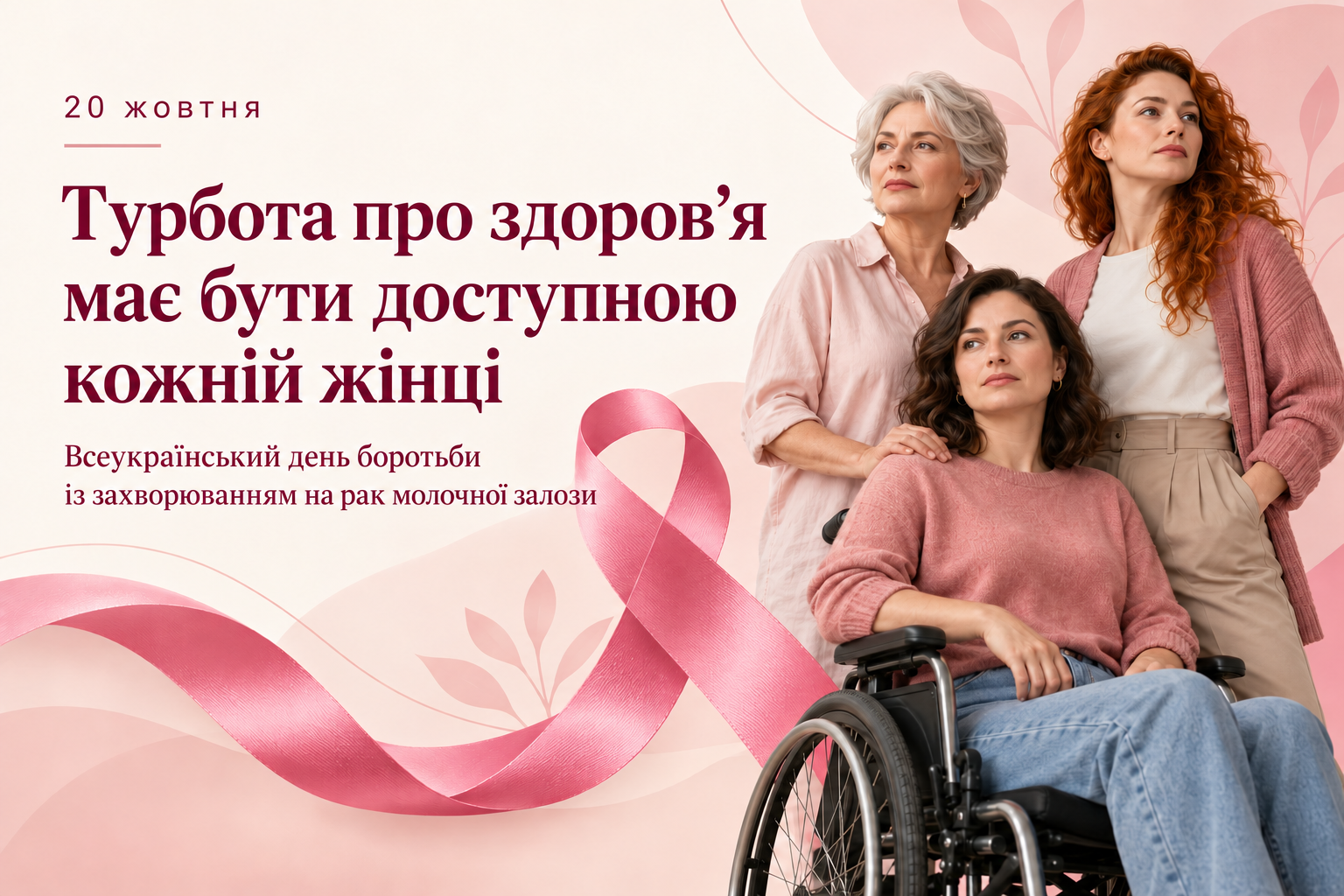
20 жовтня — Всеукраїнський день боротьби із захворюванням на рак молочної залози. Заклик «пройдіть обстеження» важливий. Але за ним має стояти реальна можливість потрапити до лікаря. Для жінок з інвалідністю це означає доступний транспорт і медичний заклад, обладнання, яким можна скористатися, зрозумілу інформацію та поважне спілкування. Без упереджень, зі збереженням приватності та увагою до потреб […]
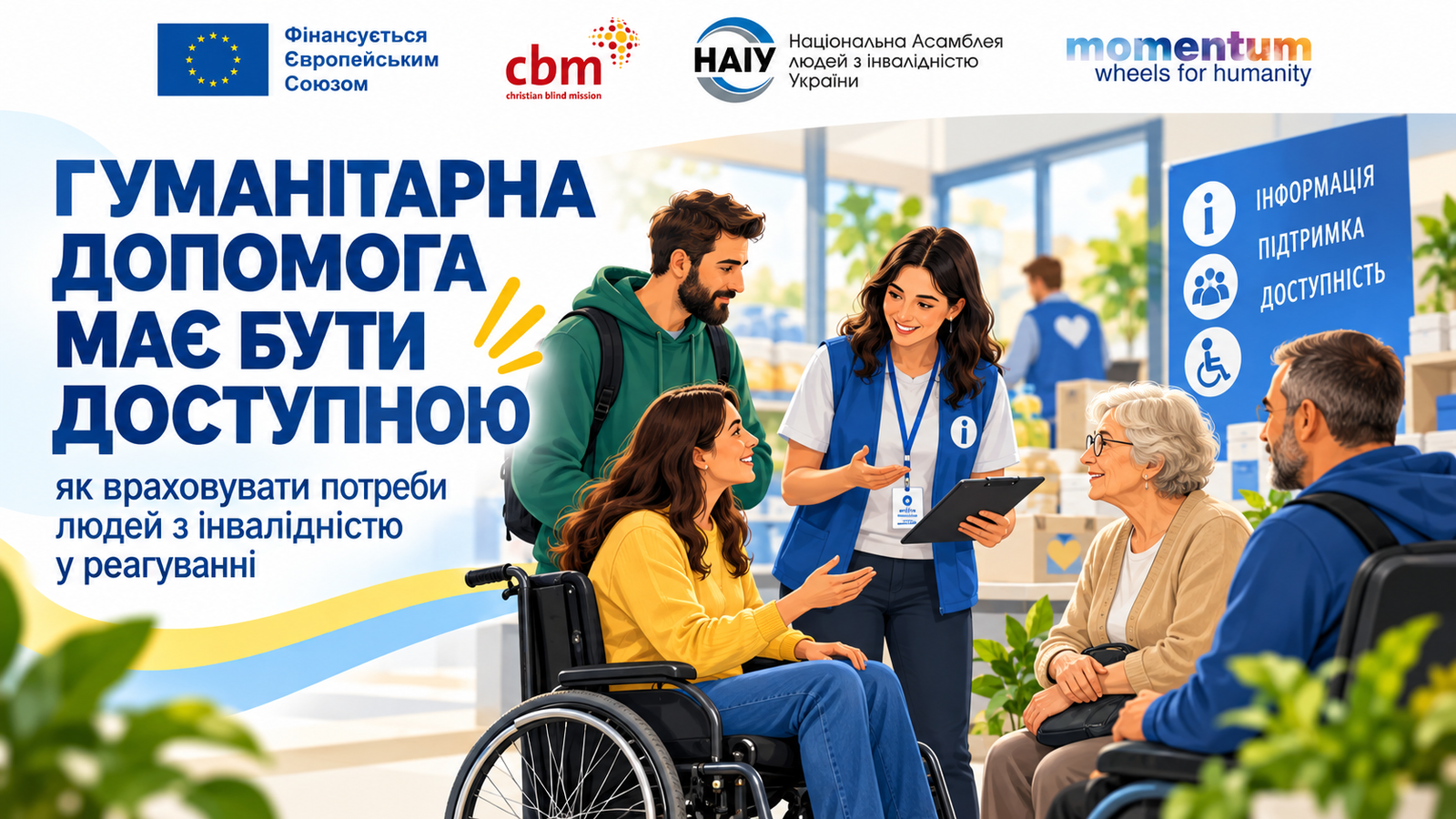
Гуманітарна допомога може бути передбачена програмою, профінансована і навіть доступна у громаді. Але головне питання інше: чи може людина, яка її потребує, реально нею скористатися? Саме про це говорили учасники дворівневого навчання «Гуманітарна діяльність: врахування потреб осіб з інвалідністю», яке у жовтні провела Національна Асамблея людей з інвалідністю України. До навчання долучилися представники гуманітарних і […]
Шукаємо координатора(-ку) з комунікацій у команду НАІУ (на проєкт) Національна Асамблея людей з інвалідністю України (НАІУ) реалізує проєкт «Інклюзія передусім — захист і підтримка дітей з аутизмом та іншими видами інвалідності, ветеранів і ветеранок в Україні», спільно з СВМ та СВМ Італія, спрямований на підтримку ветеранів та ветеранок, розвиток доступних можливостей для їхньої реабілітації, протезування, […]
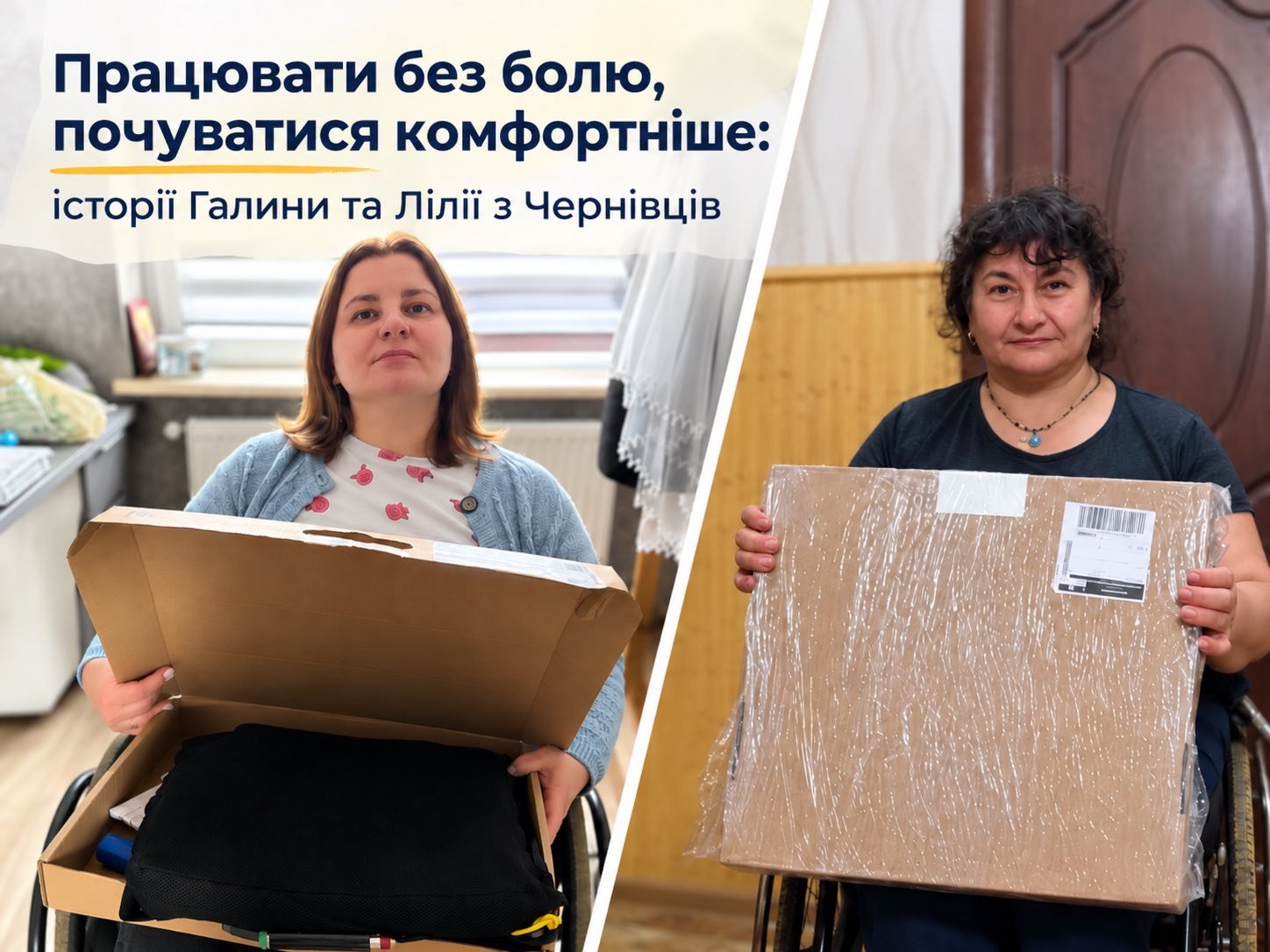
Галина з Чернівців створює весільні аксесуари для наречених. Її робота потребує творчості, терпіння та уваги до найменших деталей. За виготовленням прикрас жінка проводить багато годин, адже кожен виріб вимагає кропіткої ручної праці. Для Галини важливо мати можливість займатися улюбленою справою, однак тривала робота нерідко супроводжується фізичним дискомфортом. Жінка користується кріслом колісним, і через велике навантаження […]