How to Make Humanitarian Aid Inclusive: A Coordination Training in Chernivtsi Region
May 13, 2025
Share:
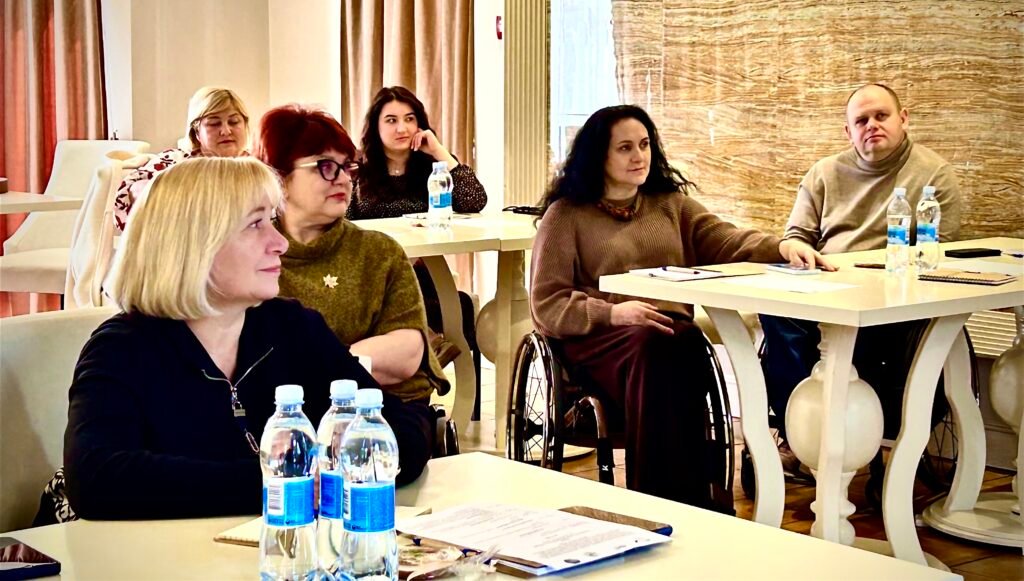
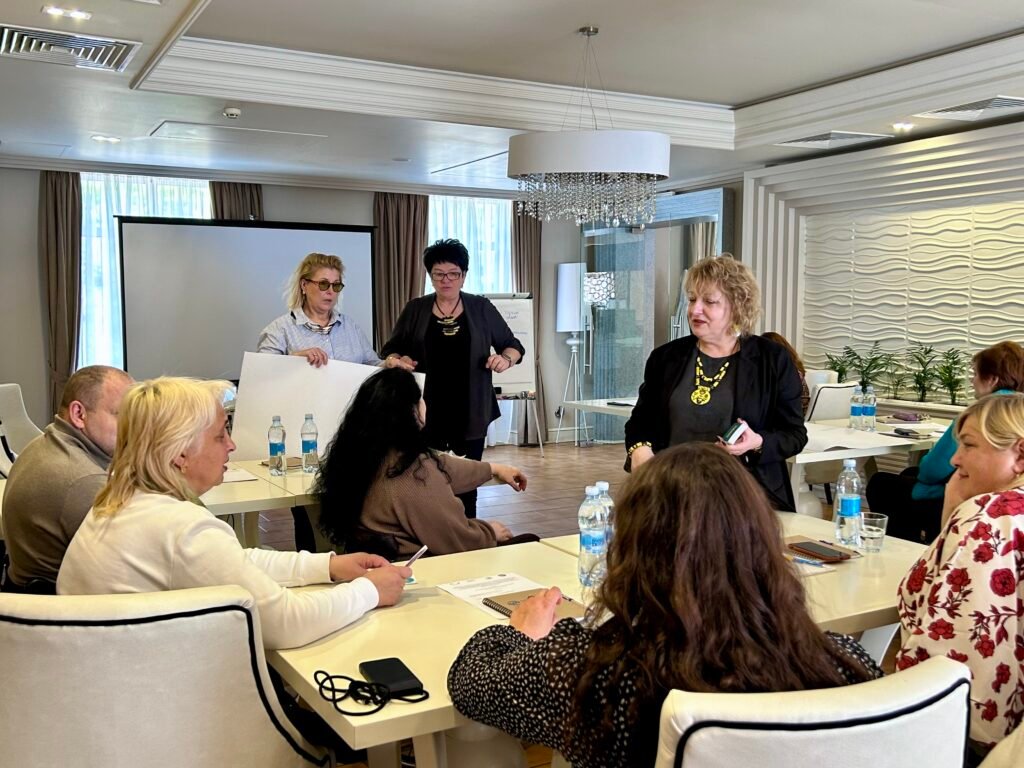
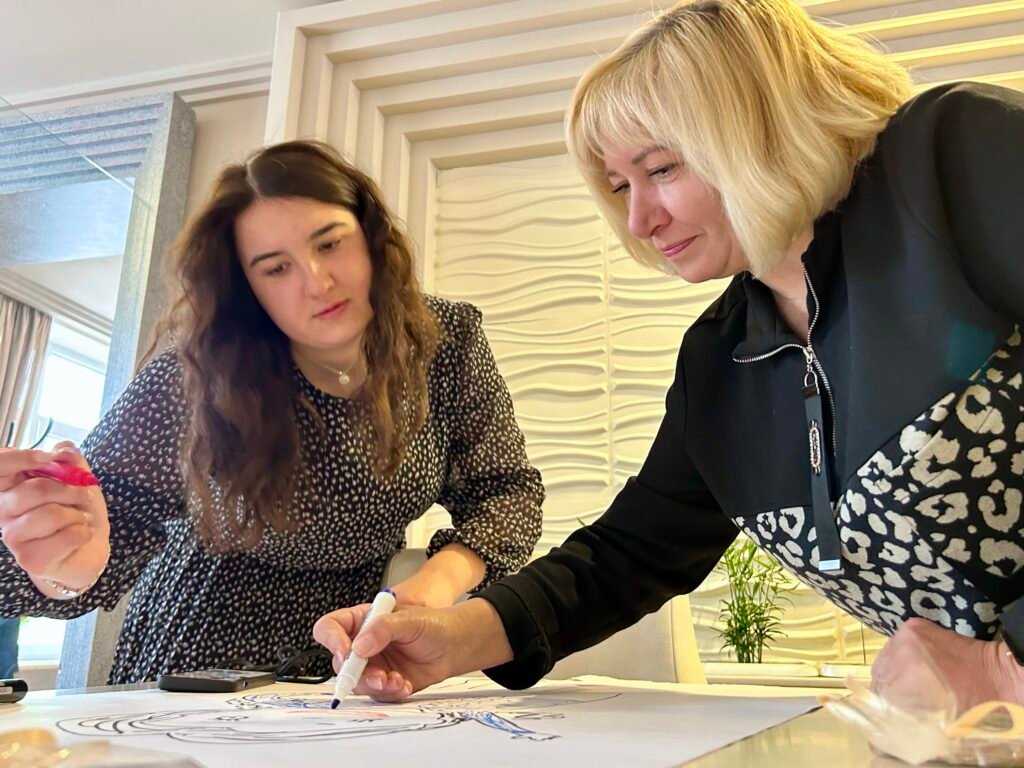
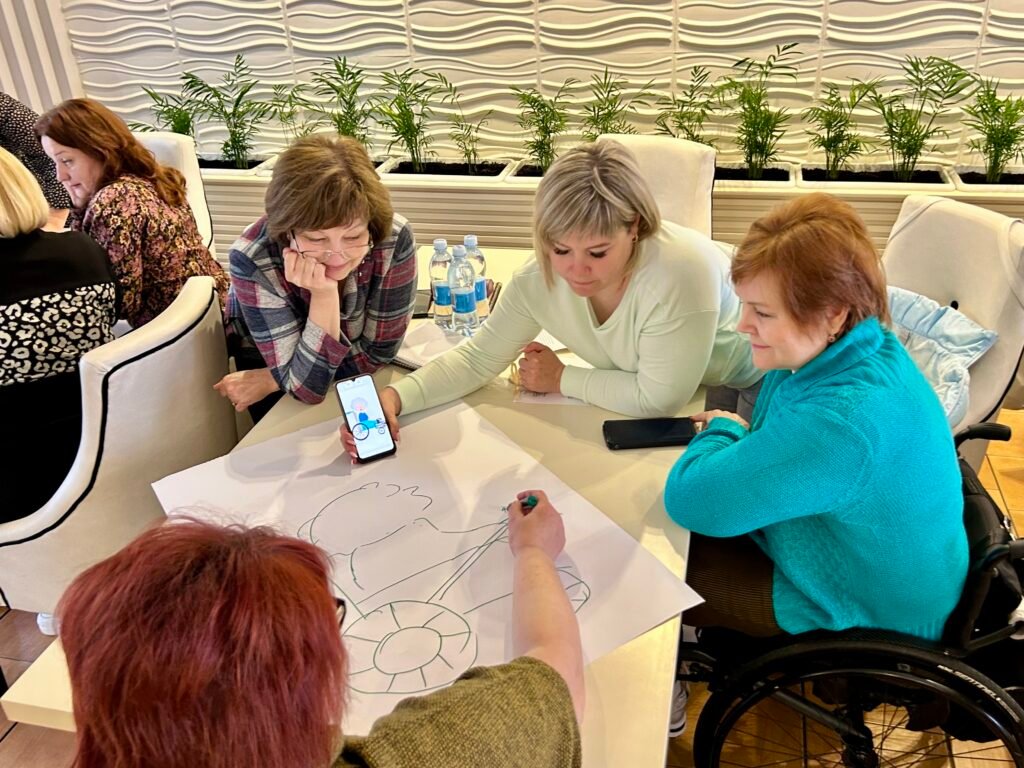
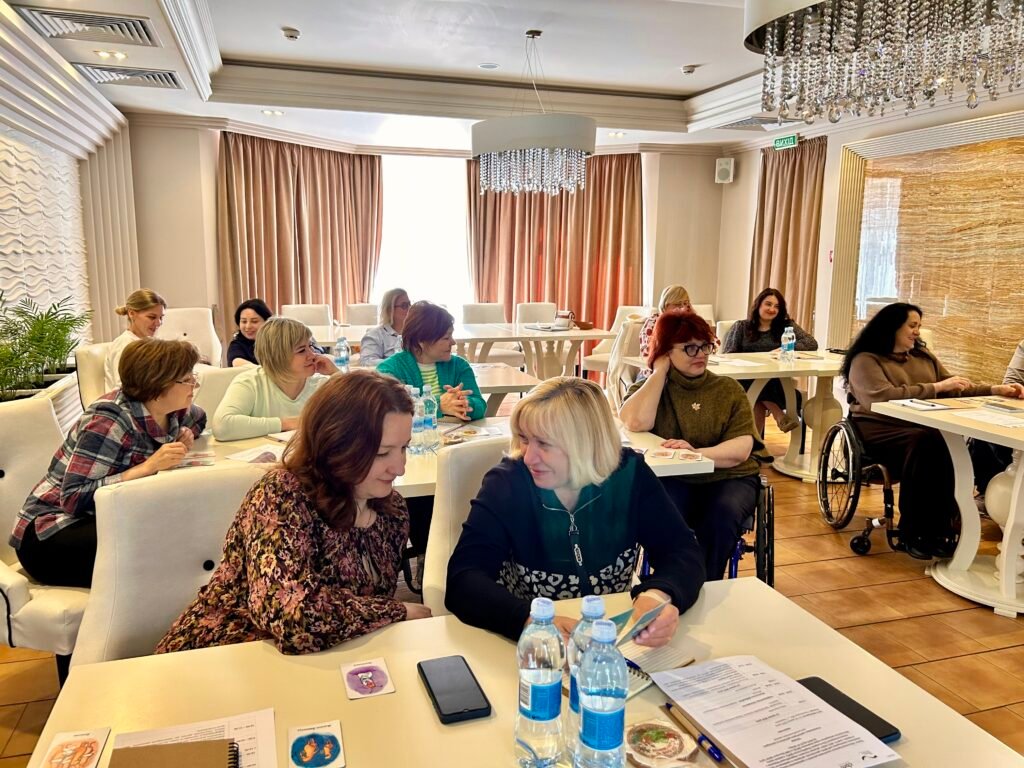
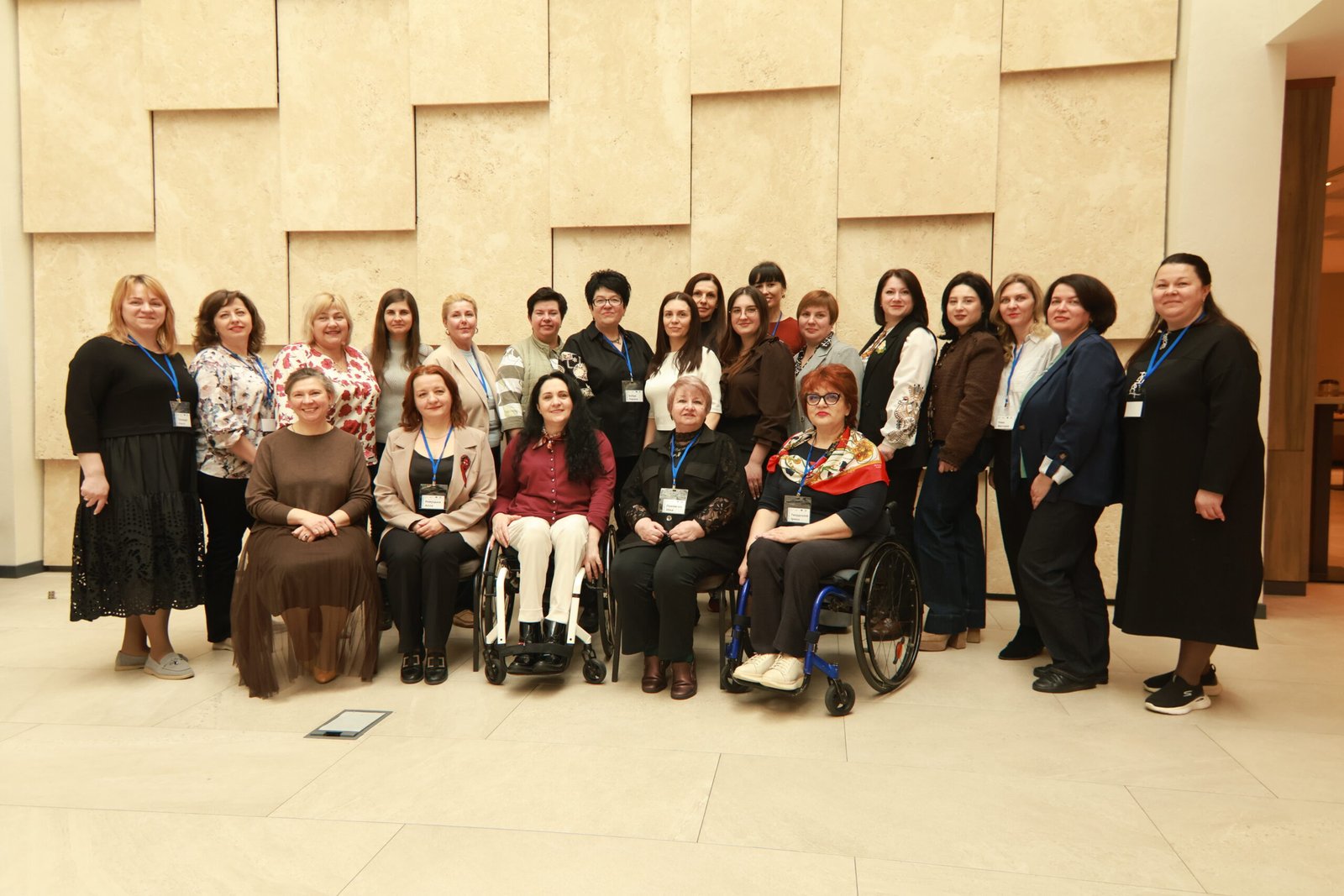
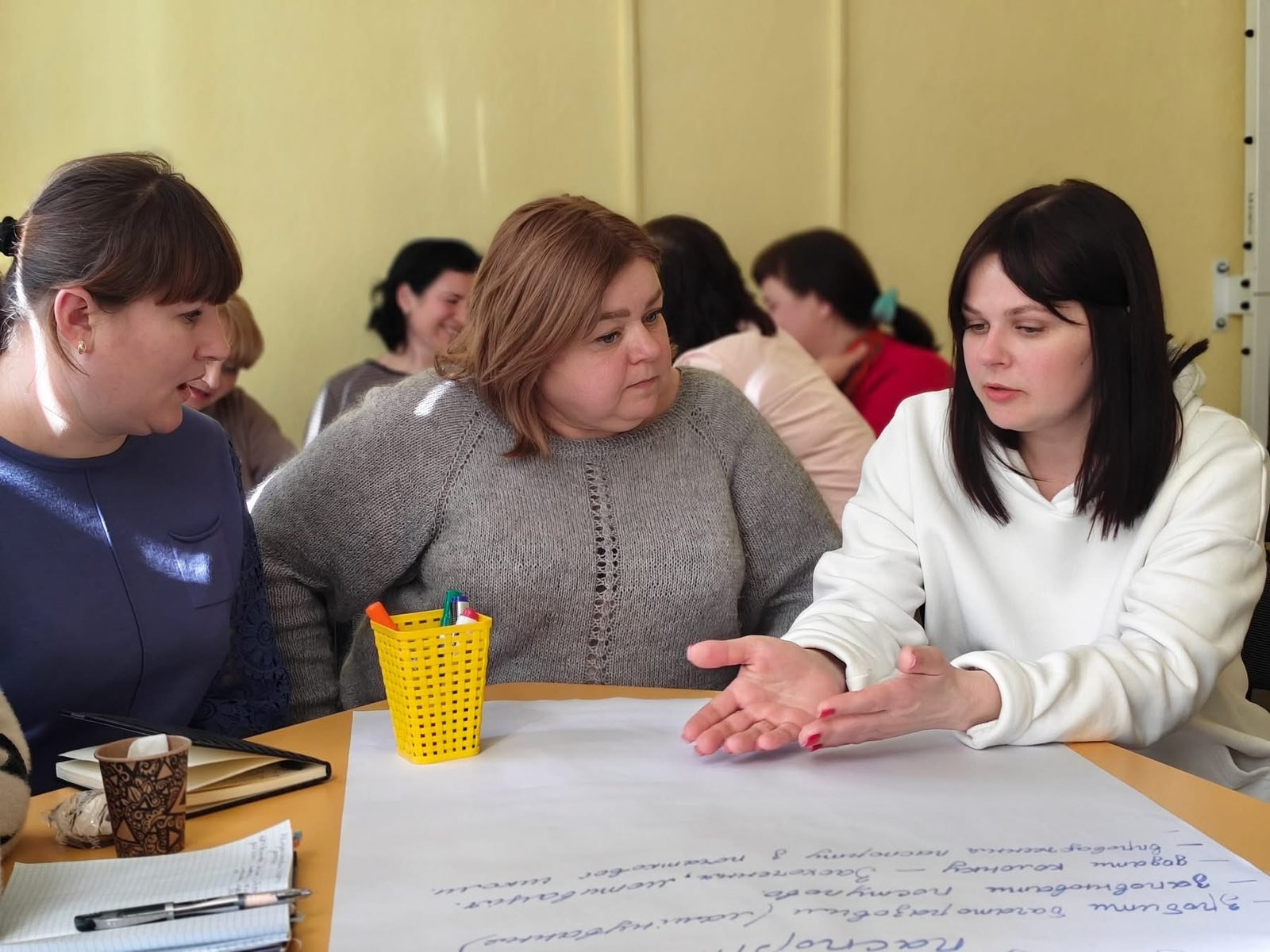
From May 12 to 16, 2025, a five-day training titled “Inclusive Humanitarian Aid in Communities” will take place in the village of Tarashany, Bukovyna. The event is designed for coordinators of the project “Multisectoral Humanitarian Aid with a Disability-Inclusive Approach for IDPs, Returnees, Veterans, and Host Communities in Ukraine,” implemented by the National Assembly of People with Disabilities of Ukraine (NAPD) in partnership with the European Disability Forum (EDF), and supported by the German Federal Foreign Office (GFFO) and CBM.
In times of war, humanitarian aid is a lifeline. But it must be not only rapid, but also inclusive—sensitive to the needs of every individual, particularly persons with disabilities. That is the core goal of this training: to enhance the capacity of local communities, which are often the first to respond to crises and are key to implementing sustainable and inclusive solutions.
The coordinators will become acquainted with the Core Humanitarian Standard (CHS), including its nine key commitments to people affected by war and other crises. They will learn how to apply these principles in their daily work and how to foster environments where humanitarian aid is truly for everyone.
The training program will include a detailed exploration of the nine CHS commitments, with particular emphasis on coordinated humanitarian aid. This ensures that people and communities receive assistance without duplication or gaps, and with a focus on their individual needs.
After all, coordination is not just logistics — it's a new form of solidarity. Only through collaboration between sectors — from civil society organizations to local governments — can we build an inclusive support ecosystem.
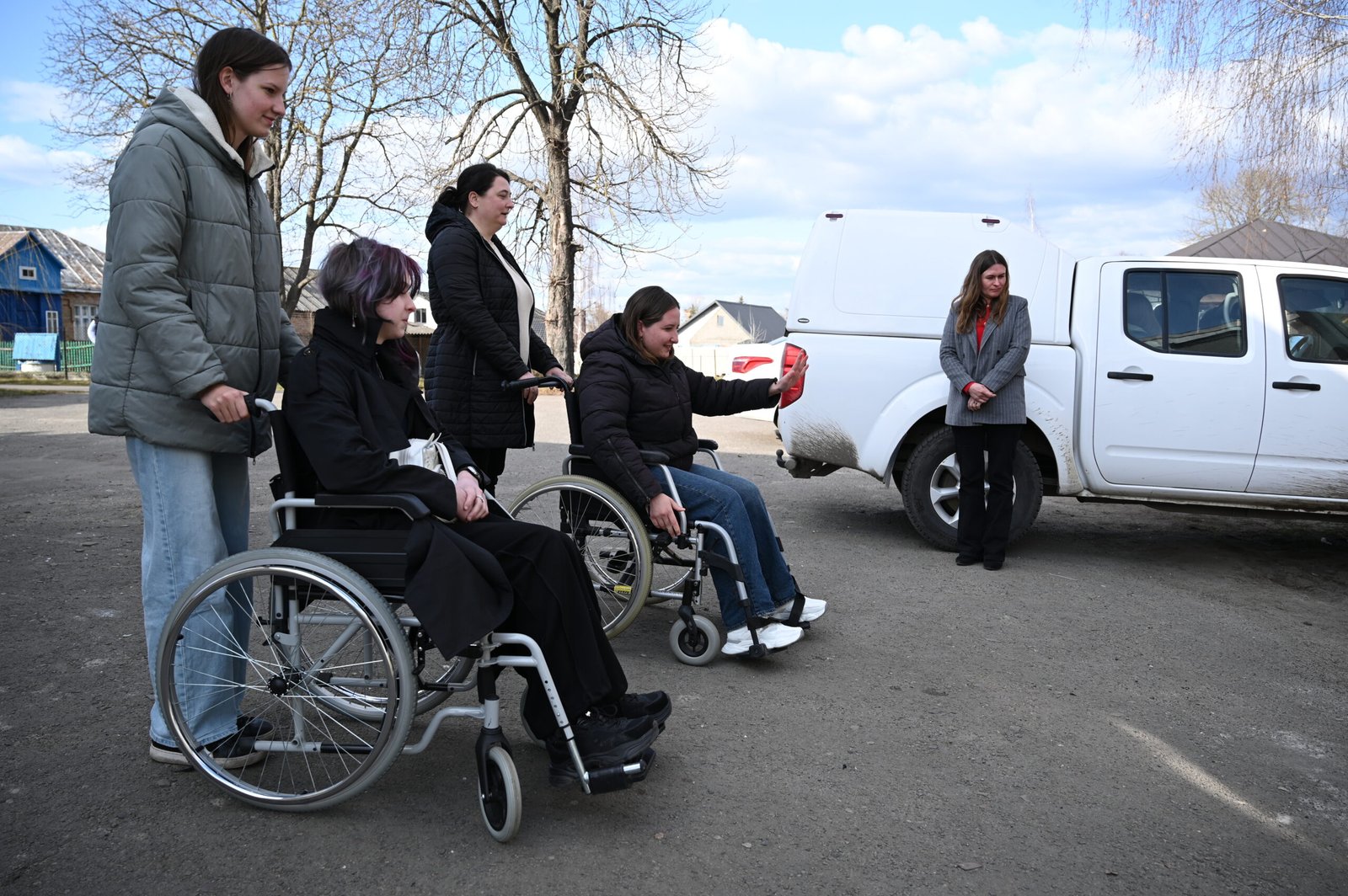
The training will also include field visits to organizations that are already implementing inclusive practices, such as “Help for Life” and “Dreams of Special Children” non-governmental organization in the Mamaivtsi community.
These visits will give participants the chance to witness real-life examples of working with children and adults with disabilities, communicate with families, and learn directly about both challenges and achievements.
In wartime conditions, where needs are growing and resources are limited, ethical management of humanitarian aid becomes a serious challenge. Persons with disabilities, veterans, and internally displaced people are not just “vulnerable groups” — they are citizens with equal rights, needs, and potential.
True inclusion is not a separate policy but a lens through which all activities should be viewed. And it is the local coordinators who can become the drivers of these changes.
When humanitarian aid is uncoordinated, imbalances arise: some communities receive more than they need, while others are left without essentials. People get lost in the flood of information, efforts are duplicated. Coordinated aid brings order, transparency, and fairness. It's when each initiative reinforces another, forming a clear, cooperative structure.
The training “Inclusive Humanitarian Aid in Communities” is a space for building partnerships and shaping a vision of an inclusive future.
Oleksandra Perkova, Communications Manager of the Project
Національна Асамблея людей з інвалідністю України долучається до нового гуманітарного проєкту, спрямованого на те, щоб люди з інвалідністю та інші вразливі групи мали кращий доступ до медичних, реабілітаційних і захисних послуг у своїх громадах. Проєкт реалізується за фінансування Європейського Союзу через Генеральний директорат Європейської Комісії з питань цивільного захисту та гуманітарної допомоги. Загальний обсяг гуманітарного […]
The project “Disability-Inclusive Multisectoral Humanitarian Assistance for IDPs, Returnees, Veterans and Host Communities in Ukraine” was ambitious and complex from the very beginning, both in its structure and scale. The project was implemented by the National Assembly of People with Disabilities of Ukraine in partnership with the European Disability Forum, with the support of the German Federal Foreign Office and CBM (Christian Blind Mission).
У Рожищенській громаді Волинської області триває адвокаційна кампанія «Громади для всіх: разом із людьми з інвалідністю створюємо зміни». Її мета — формування інклюзивного середовища, у якому люди з інвалідністю мають рівний доступ до послуг, простору та участі в житті громади. Кампанія «Простір рівних: Від культури спілкування до стандартів доступності» спрямована на підвищення обізнаності мешканців, зокрема […]
В Опішнянській громаді відбулася друга зустріч у межах адвокаційної кампанії «Громади для всіх: разом із людьми з інвалідністю створюємо зміни», присвячена доступності укриттів. У фокусі обговорення були не лише фізична доступність, а й зрозуміла навігація, яка допомагає швидко орієнтуватися у просторі під час надзвичайних ситуацій. Захід організувала громадська організація «Полтавське міське громадське об’єднання осіб з […]
Пані Тетяна, яка проживає у Карлівській громаді на Полтавщині, має інвалідність І групи внаслідок онкологічного захворювання. Жінка щодня стикається з викликами, пов’язаними зі станом здоров’я, і водночас знаходить ресурси підтримувати звичний ритм життя. Кожен день пані Тетяна наповнює важливими для себе справами: прогулянками на природі, можливістю побути на свіжому повітрі, спілкуванням із друзями та близькими. […]
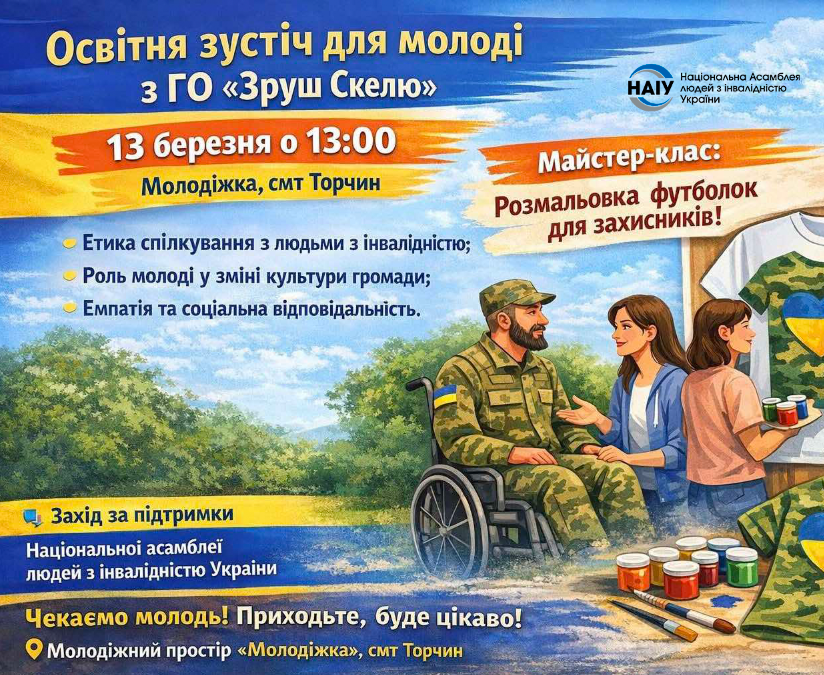
У Торчинській селищній територіальній громаді Волинської області розпочинається адвокаційна кампанія «Гідність поруч: громада без бар’єрів для ветеранів та людей з інвалідністю», спрямована на формування культури поважного та коректного ставлення до людей з інвалідністю, зокрема ветеранів війни. Ініціатива має на меті не лише підвищити обізнаність мешканців громади щодо потреб ветеранів та людей з інвалідністю, а й […]