How to Make Humanitarian Aid Inclusive: A Coordination Training in Chernivtsi Region
May 13, 2025
Share:
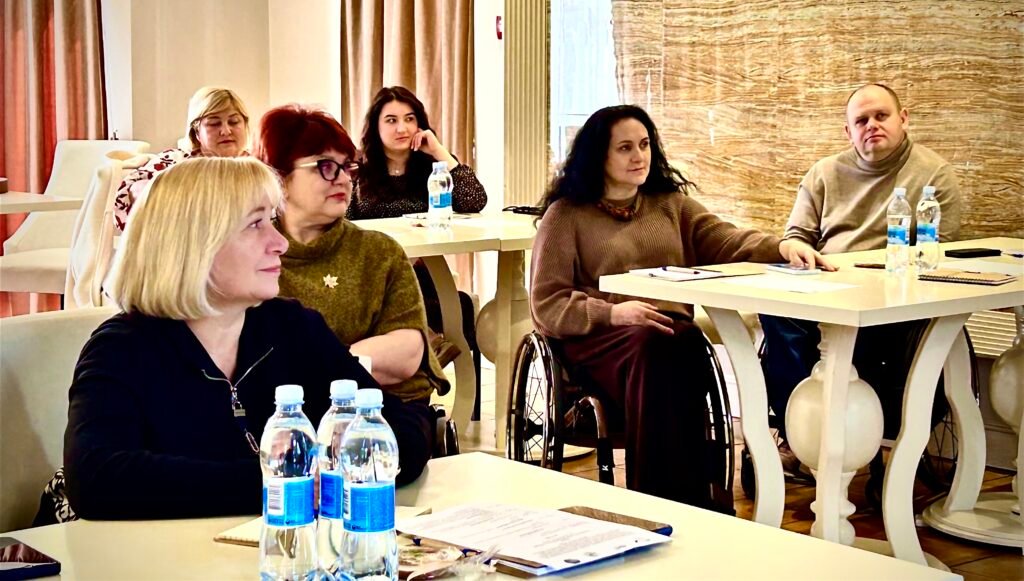
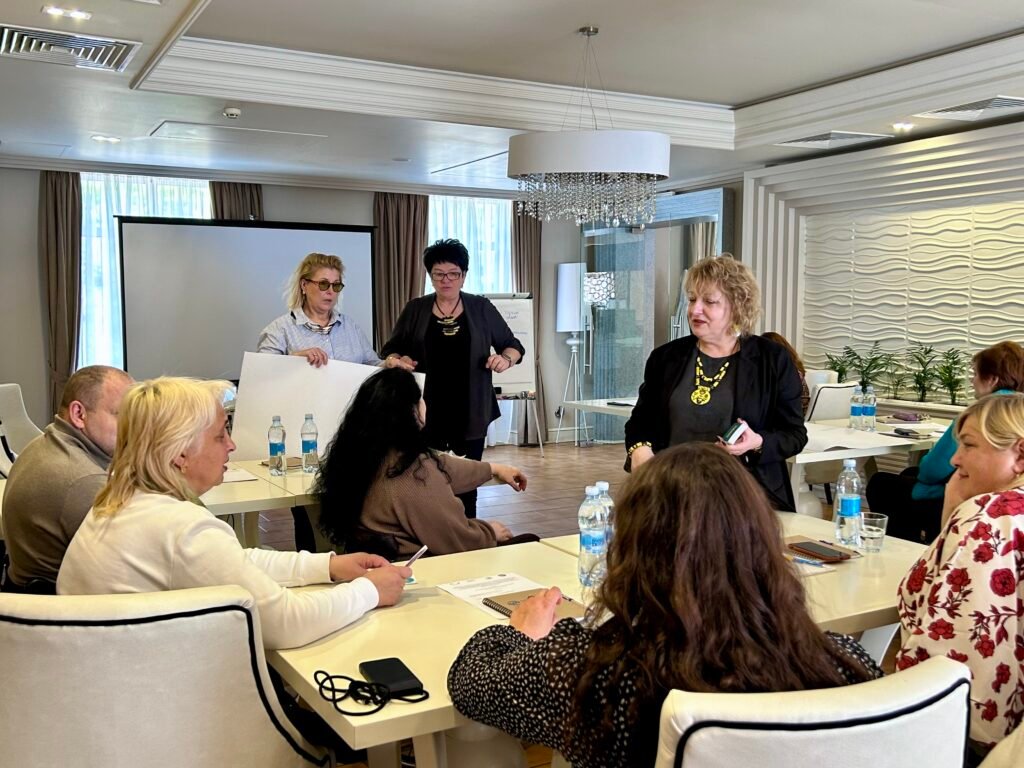
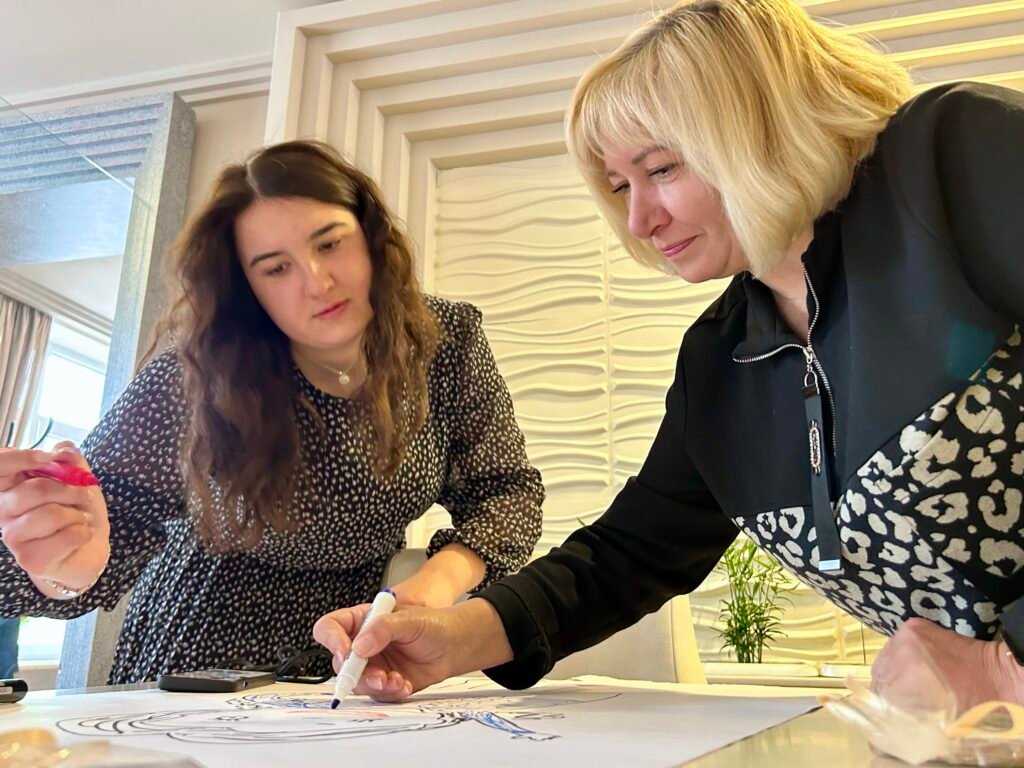
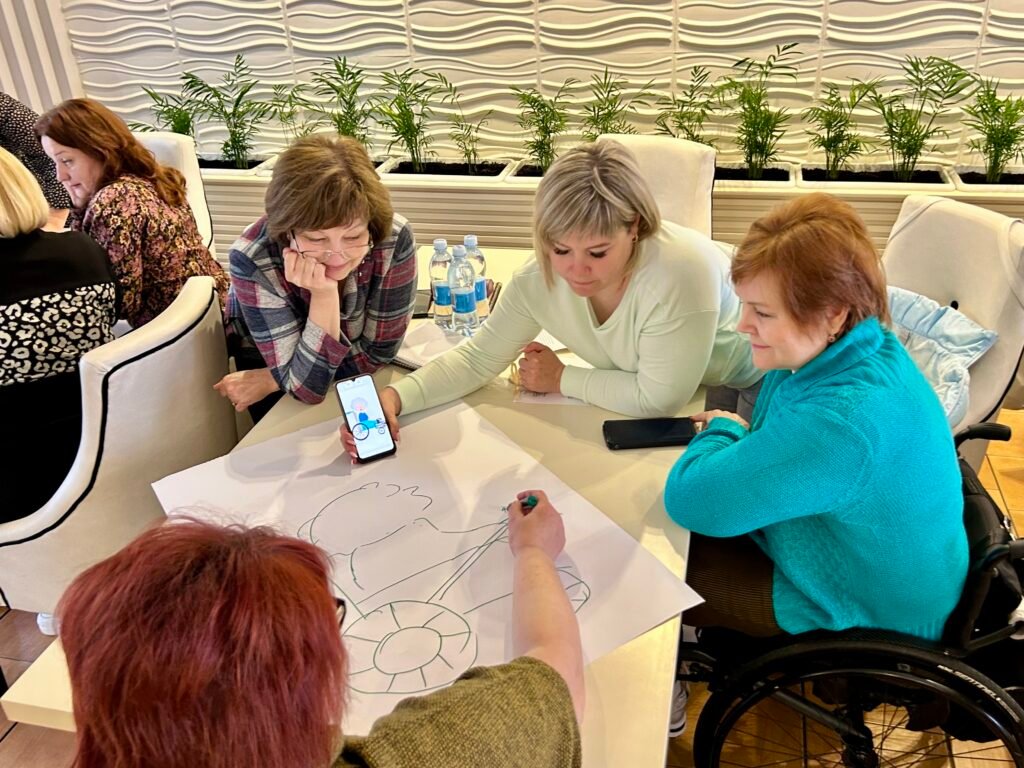
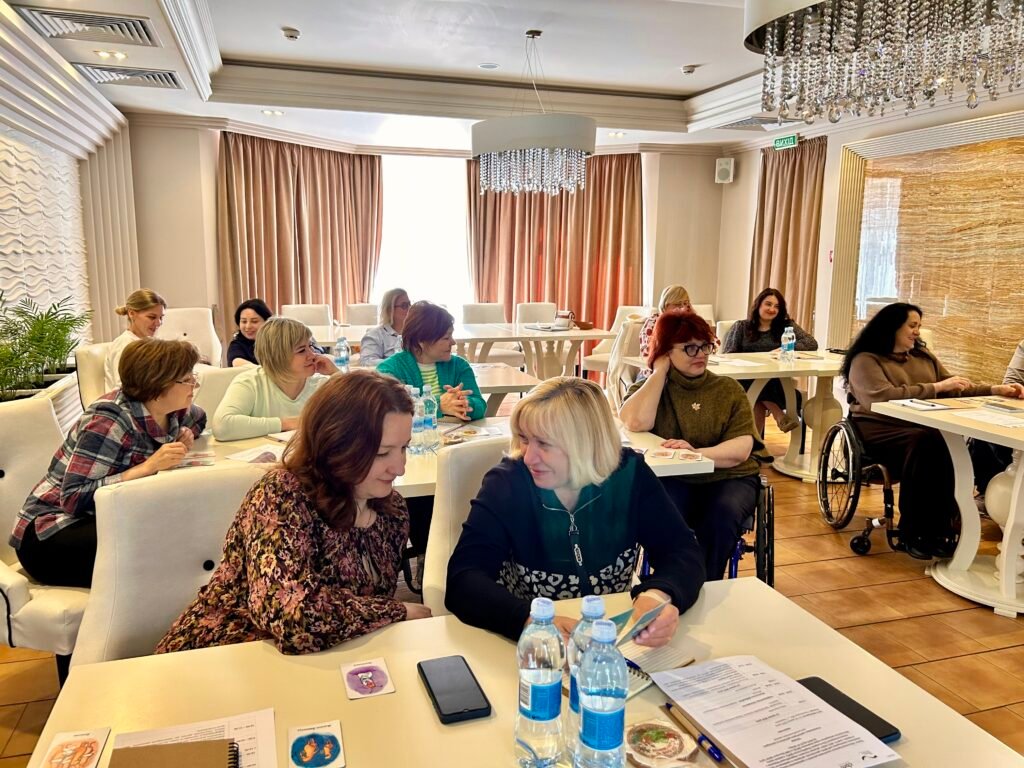
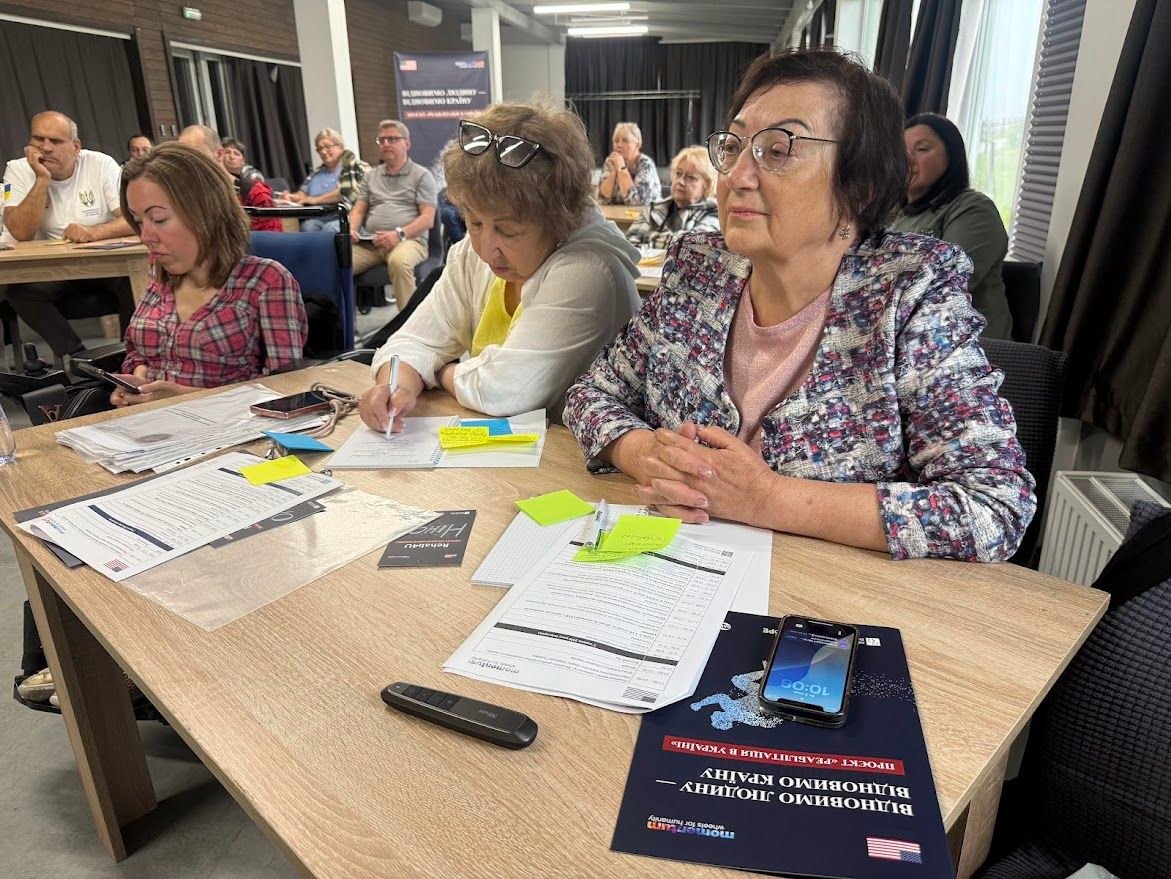
From May 12 to 16, 2025, a five-day training titled “Inclusive Humanitarian Aid in Communities” will take place in the village of Tarashany, Bukovyna. The event is designed for coordinators of the project “Multisectoral Humanitarian Aid with a Disability-Inclusive Approach for IDPs, Returnees, Veterans, and Host Communities in Ukraine,” implemented by the National Assembly of People with Disabilities of Ukraine (NAPD) in partnership with the European Disability Forum (EDF), and supported by the German Federal Foreign Office (GFFO) and CBM.
In times of war, humanitarian aid is a lifeline. But it must be not only rapid, but also inclusive—sensitive to the needs of every individual, particularly persons with disabilities. That is the core goal of this training: to enhance the capacity of local communities, which are often the first to respond to crises and are key to implementing sustainable and inclusive solutions.
The coordinators will become acquainted with the Core Humanitarian Standard (CHS), including its nine key commitments to people affected by war and other crises. They will learn how to apply these principles in their daily work and how to foster environments where humanitarian aid is truly for everyone.
The training program will include a detailed exploration of the nine CHS commitments, with particular emphasis on coordinated humanitarian aid. This ensures that people and communities receive assistance without duplication or gaps, and with a focus on their individual needs.
After all, coordination is not just logistics — it's a new form of solidarity. Only through collaboration between sectors — from civil society organizations to local governments — can we build an inclusive support ecosystem.
The training will also include field visits to organizations that are already implementing inclusive practices, such as “Help for Life” and “Dreams of Special Children” non-governmental organization in the Mamaivtsi community.
These visits will give participants the chance to witness real-life examples of working with children and adults with disabilities, communicate with families, and learn directly about both challenges and achievements.
In wartime conditions, where needs are growing and resources are limited, ethical management of humanitarian aid becomes a serious challenge. Persons with disabilities, veterans, and internally displaced people are not just “vulnerable groups” — they are citizens with equal rights, needs, and potential.
True inclusion is not a separate policy but a lens through which all activities should be viewed. And it is the local coordinators who can become the drivers of these changes.
When humanitarian aid is uncoordinated, imbalances arise: some communities receive more than they need, while others are left without essentials. People get lost in the flood of information, efforts are duplicated. Coordinated aid brings order, transparency, and fairness. It's when each initiative reinforces another, forming a clear, cooperative structure.
The training “Inclusive Humanitarian Aid in Communities” is a space for building partnerships and shaping a vision of an inclusive future.
Oleksandra Perkova, Communications Manager of the Project
Після будь-якого навчання найважливіше питання — що зміниться у реальному житті? Саме про це говорили під час супервізій для 18 закладів професійної освіти, які беруть участь у проєкті «Інклюзивна професійна освіта: покращення навчання для ветеранів та людей з інвалідністю» у межах Мультидонорської ініціативи Skills4Recovery. З 9 квітня до 1 травня 2026 року до таких зустрічей […]
10 червня відбувся вебінар «Від монологу до діалогу. Інтерактивні сервіси для ефективних презентацій», організований для підвищення спроможності Секретаріату НАІУ та партнерських організацій. Спікером вебінару став Андрій Семенюк, який розповів, як зробити виступи, навчальні заходи та презентації більш залучаючими, зрозумілими й корисними для аудиторії. Головна ідея вебінару проста: інтерактивна презентація — це не набір кнопок чи […]
У Львівській області завершився п’ятиденний офлайн-тренінг «Спроможне лідерство: від оцінки можливостей до участі у формуванні політики та діалогу з владою». Ця зустріч об’єднала представниць і представників організацій людей з інвалідністю з різних регіонів України, які прагнуть посилити свій вплив на місцеву політику та ефективніше відстоювати інтереси своїх спільнот. Захід організувала Національна Асамблея людей з інвалідністю […]
Iryna Tverdokhlib is the Regional Representative of the National Assembly of People with Disabilities of Ukraine, Deputy Chair of the Regional and Municipal Accessibility Committees, and Coordinator of the Women’s Health Project in Poltava Region. She leads a local organization of persons with disabilities, is actively engaged in civic advocacy, and has spent many years working to improve accessibility and protect the rights of persons with disabilities.
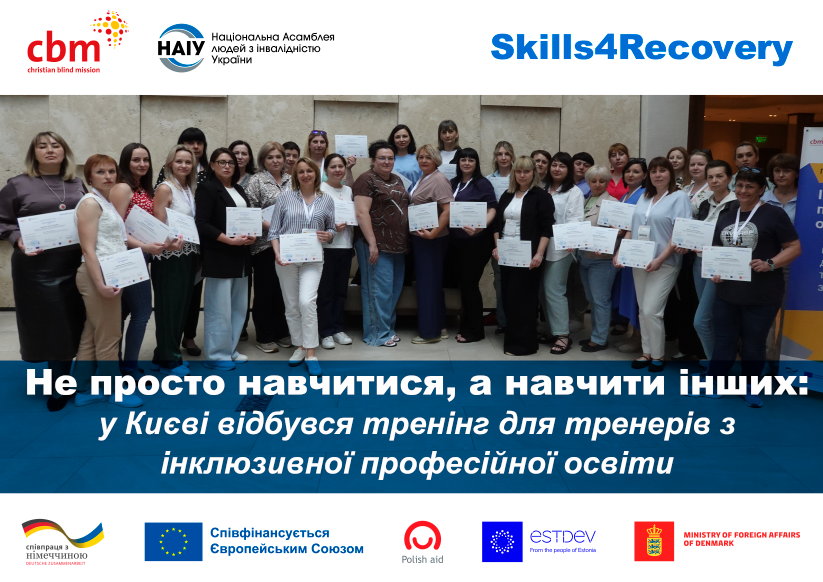
3–5 червня 2026 року в Києві відбувся тренінг для тренерів «Рівний доступ до професійної освіти: розвиток інклюзивних практик в ЗПО». У ньому взяв участь 31 представник із 14 закладів професійної освіти. Тренінг став підсумковим практичним етапом проєкту «Інклюзивна професійна освіта: покращення навчання для ветеранів та людей з інвалідністю», який впроваджує Національна Асамблея людей з інвалідністю […]
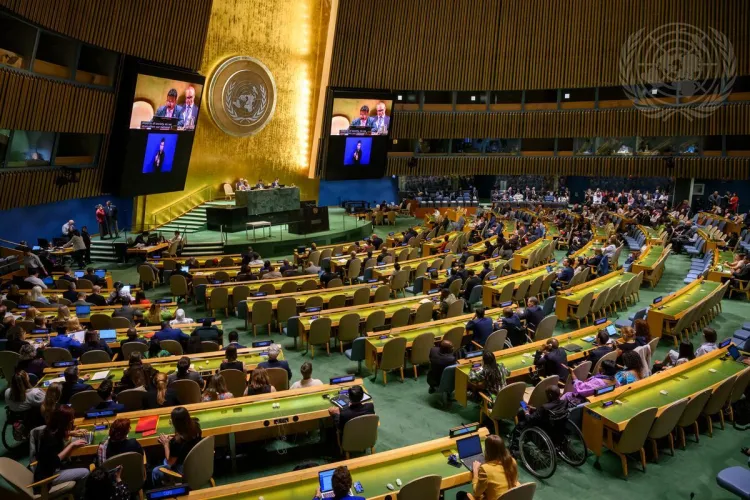
9 червня 2026 року в штаб-квартирі Організації Об’єднаних Націй у Нью-Йорку розпочинається 19-та сесія Конференції держав-учасниць Конвенції ООН про права осіб з інвалідністю — COSP19. Подія триватиме до 11 червня. Це один із ключових міжнародних майданчиків, де держави, організації людей з інвалідністю, правозахисні інституції та міжнародні партнери обговорюють, як Конвенція працює на практиці та що […]