The project "Multisectoral Humanitarian Assistance with Disability Consideration for Internally Displaced Persons (IDPs), Returnees, Veterans, and Host Communities in Ukraine" continues to support the residents of the Storozhynets community. Implemented by the National Assembly of People with Disabilities of Ukraine with financial support from the German Federal Foreign Office (GFFO), CBM, and EDF, the project ensures access to assistive technologies that help people stay active, independent, and maintain a high quality of life.
Assistive technologies such as tricycles, blood pressure monitors, and inhalers not only make daily life easier but also enable individuals to remain active, self-sufficient, and independent.
"I Can Move Again": Petro’s Story from Storozhynets
Petro, a resident of Storozhynets, is a builder and athlete. Before his stroke, he worked extensively, enjoyed playing table tennis, and led an active lifestyle. The illness changed his reality but did not take away his determination to move and remain independent.
Receiving a tricycle through the project immediately opened new opportunities for him.
"I liked it. I will learn, get used to it, and ride to the market and table tennis training. This is very important to me. I am grateful to everyone who made it possible for me to get this device!" he shares.
For Petro, the tricycle is more than just transportation; it is another step toward reclaiming an active life. He is confident that this is just the beginning of new achievements.
Health Monitoring at Any Age
87-year-old Ioan Illich from the village of Novi Broskivtsi can now independently measure his blood pressure thanks to the blood pressure monitor he received. This is an important step in maintaining his health, as regular monitoring helps prevent complications.
Artemizia and Illya, a couple also living in Novi Broskivtsi, received an inhaler and a blood pressure monitor. These devices will become a crucial part of their medical care, ensuring timely health monitoring and allowing them to independently perform necessary procedures.
Assistive technologies allow people with disabilities, the elderly, and survivors of serious illnesses to remain active and independent. These are not just things, but tools for a quality life that help to: increase mobility and comfort, ensure health control, support physical activity and socialization.
Assistive technologies enable people with disabilities, elderly individuals, and those who have experienced severe illnesses to maintain activity and independence. These are not just devices; they are tools for a quality life that help: improve mobility and comfort, ensure health monitoring, support physical activity and socialization.
Oleksandra Perkova,
Communication Manager of the Project project communication manager
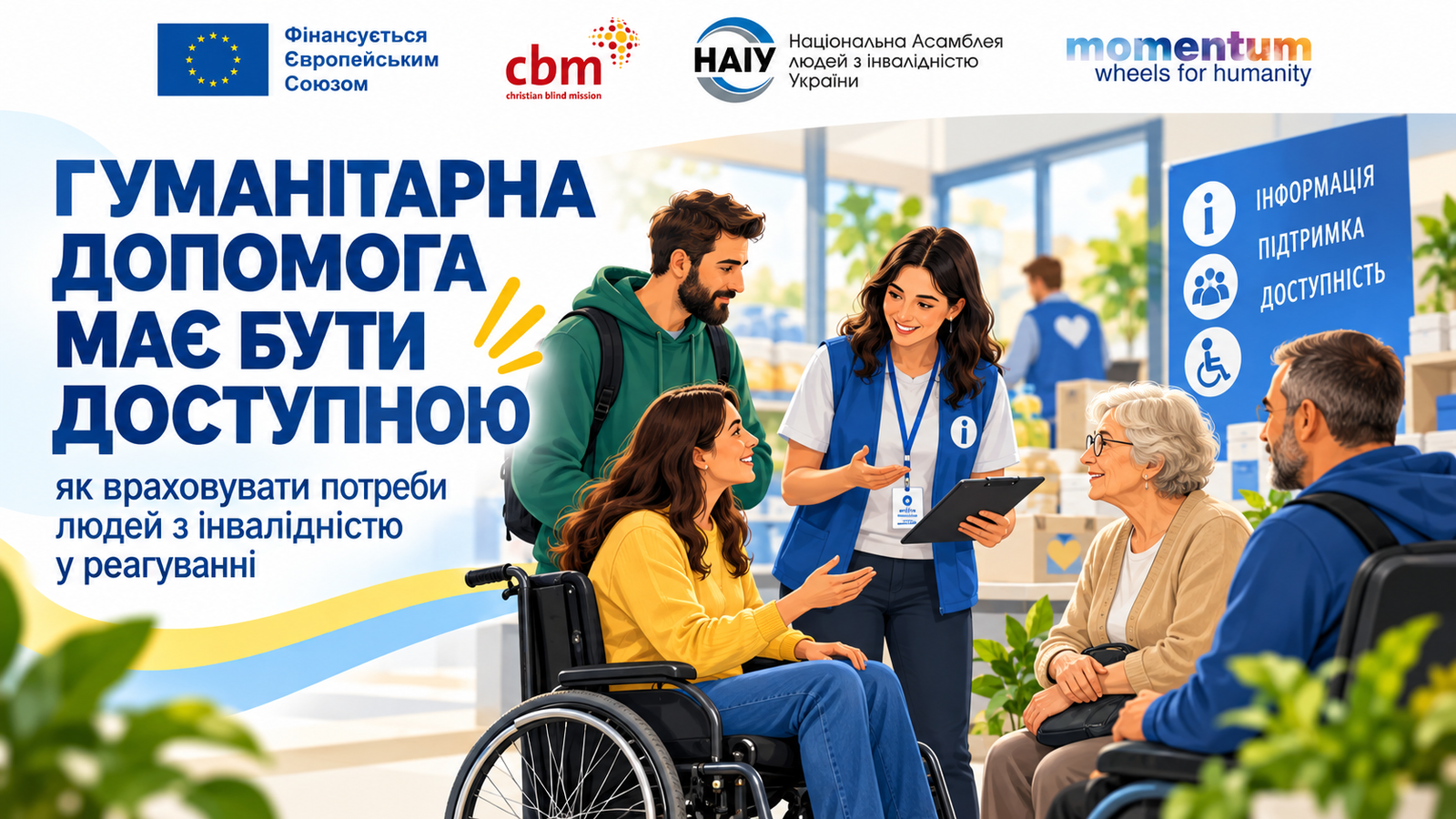
Гуманітарна допомога може бути передбачена програмою, профінансована і навіть доступна у громаді. Але головне питання інше: чи може людина, яка її потребує, реально нею скористатися? Саме про це говорили учасники дворівневого навчання «Гуманітарна діяльність: врахування потреб осіб з інвалідністю», яке у жовтні провела Національна Асамблея людей з інвалідністю України. До навчання долучилися представники гуманітарних і […]
Шукаємо координатора(-ку) з комунікацій у команду НАІУ (на проєкт) Національна Асамблея людей з інвалідністю України (НАІУ) реалізує проєкт «Інклюзія передусім — захист і підтримка дітей з аутизмом та іншими видами інвалідності, ветеранів і ветеранок в Україні», спільно з СВМ та СВМ Італія, спрямований на підтримку ветеранів та ветеранок, розвиток доступних можливостей для їхньої реабілітації, протезування, […]
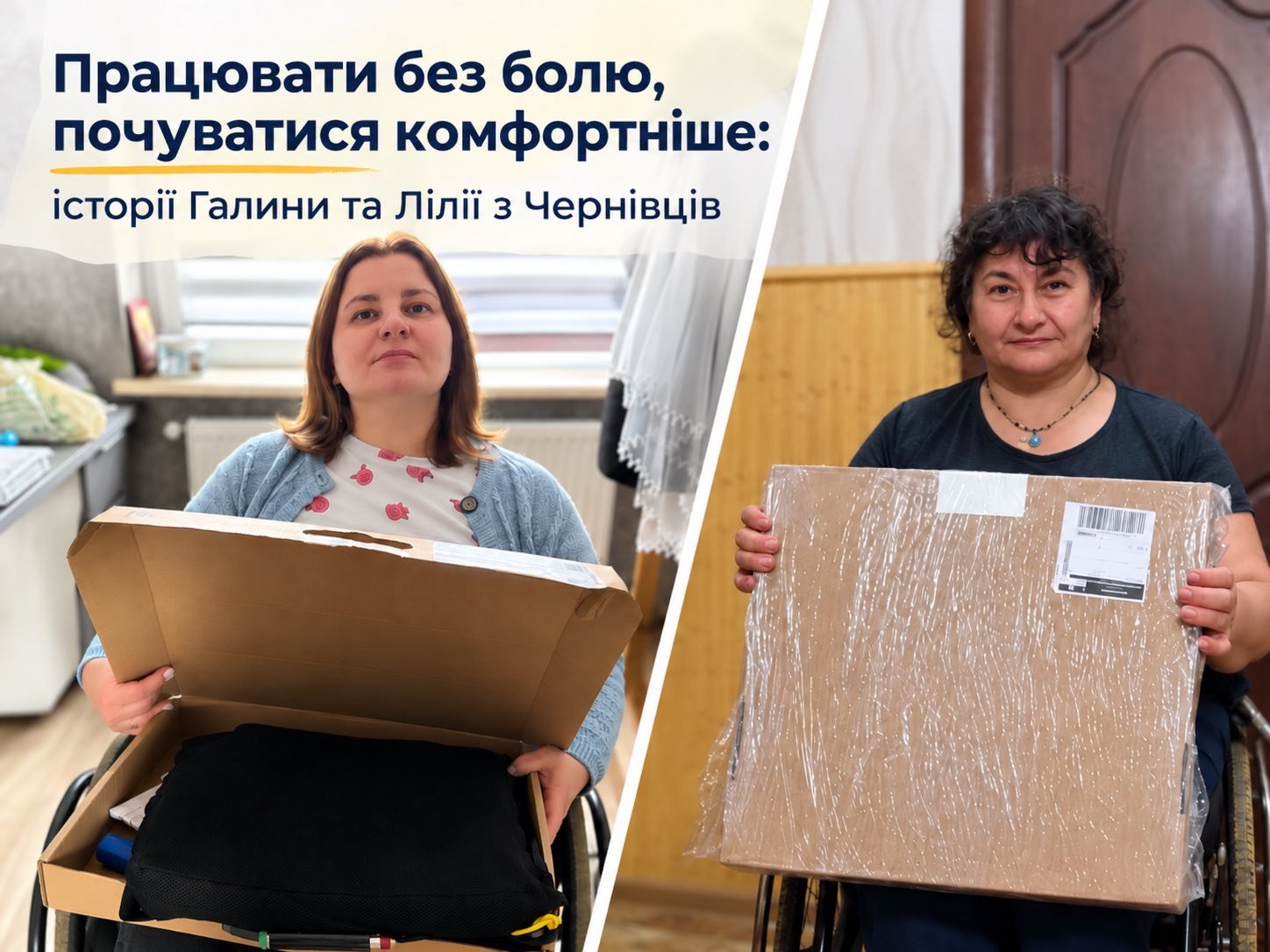
Галина з Чернівців створює весільні аксесуари для наречених. Її робота потребує творчості, терпіння та уваги до найменших деталей. За виготовленням прикрас жінка проводить багато годин, адже кожен виріб вимагає кропіткої ручної праці. Для Галини важливо мати можливість займатися улюбленою справою, однак тривала робота нерідко супроводжується фізичним дискомфортом. Жінка користується кріслом колісним, і через велике навантаження […]
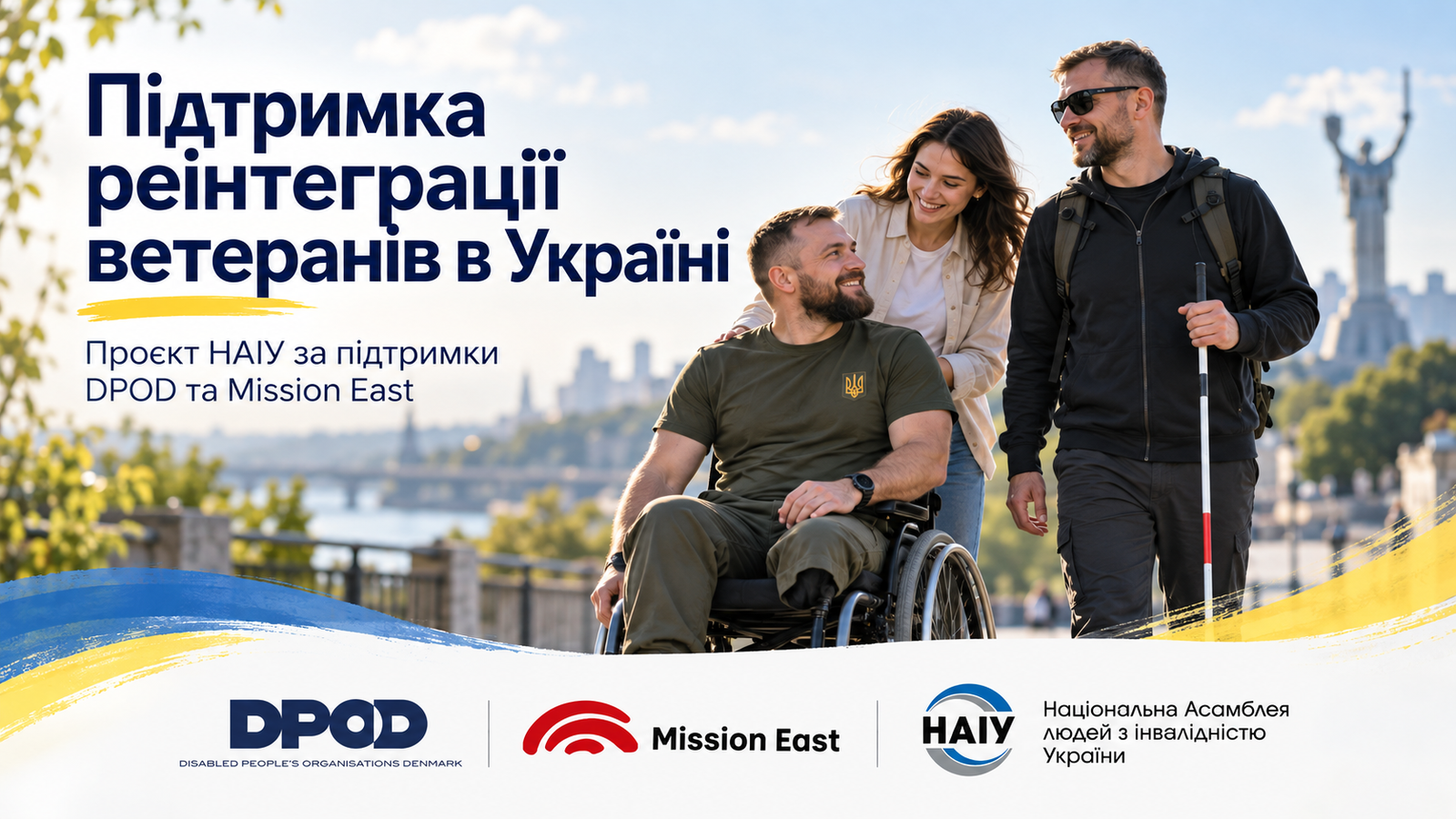
Повернення з військової служби до цивільного життя — це новий етап, який нерідко супроводжується непростими викликами. Особливо для ветеранів і ветеранок, які зазнали поранень або набули інвалідності. Реабілітація, пошук роботи, доступ до послуг, відновлення соціальних зв’язків — усе це потребує не лише особистих зусиль, а й підтримки суспільства. Національна Асамблея людей з інвалідністю України (НАІУ) […]
Упродовж програмного року — з 1 жовтня 2025-го до 30 вересня 2026-го — на гарячій лінії Національної Асамблеї людей з інвалідністю України (НАІУ) було надано 821 консультацію для 680 осіб. Найчастіше люди зверталися за роз’ясненням щодо своїх прав і пільг, зокрема отримання та поновлення виплат, оформлення догляду, встановлення й переоформлення інвалідності. Близько 70% звернень стосувалися […]
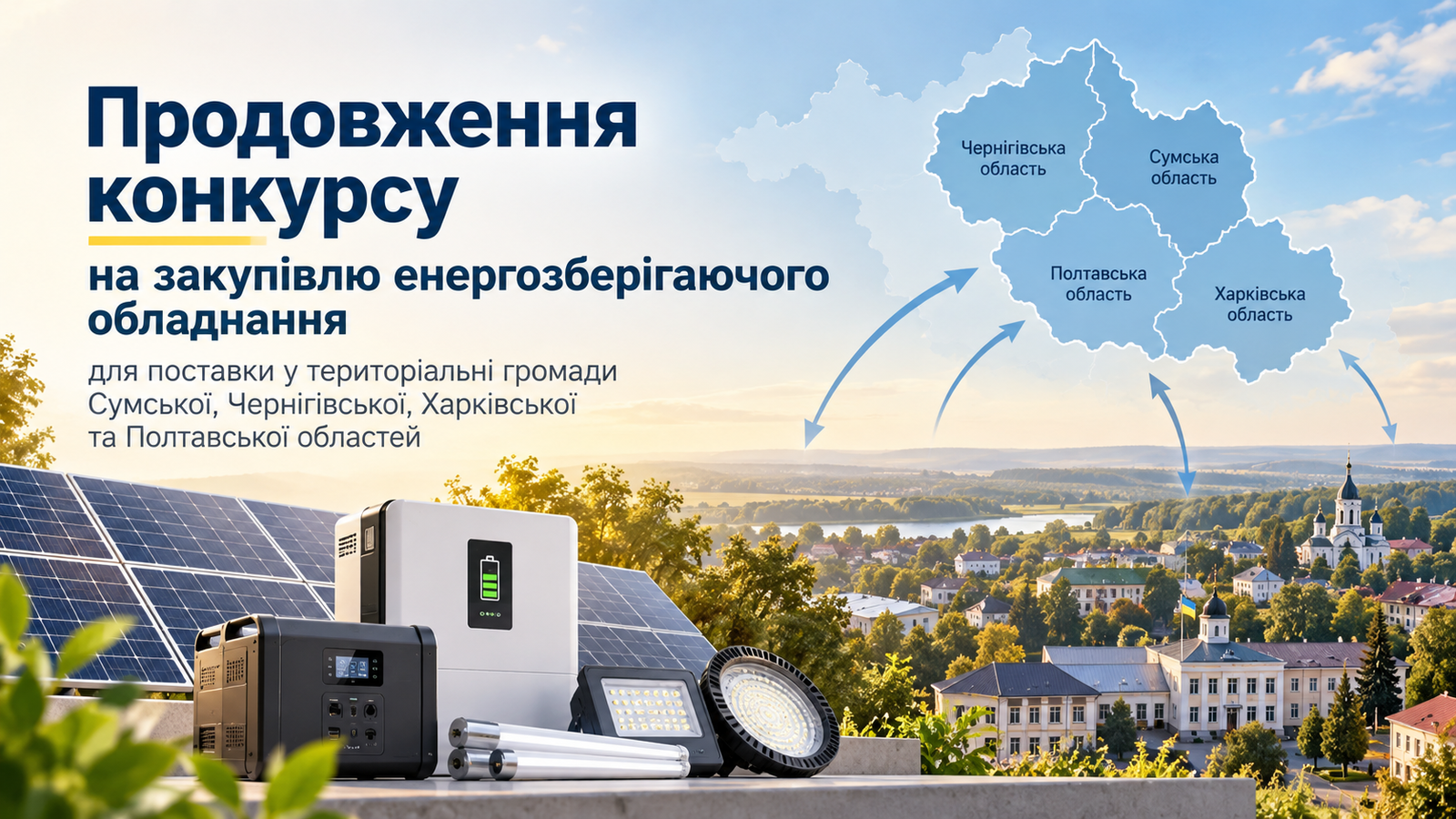
Громадська спілка “Всеукраїнське громадське об’єднання “Національна Асамблея людей з інвалідністю України” (далі – «Організатор») оголошує продовження конкурсу на закупівлю енергозберігаючого обладнання для поставки у територіальні громади Сумської, Чернігівської, Харківської та Полтавської областей. Джерело фінансування закупівлі: Дана закупівля здійснюється в рамках проєкту «Зміцнення інклюзивних послуг з охорони здоров’я, реабілітації та захисту населення, постраждалого від повномасштабного вторгнення в […]