Targeted Assistance for People with Disabilities and Elderly People in the Opishnia Community
November 12, 2025
Share:
People with disabilities and older persons are among the most vulnerable groups in society — both in peacetime and especially during war. Medicines, mobility aids, access to social services, or even basic food can become unavailable to them. With rising prices, damaged infrastructure, and limited social guarantees, many elderly people are forced to choose between essentials.
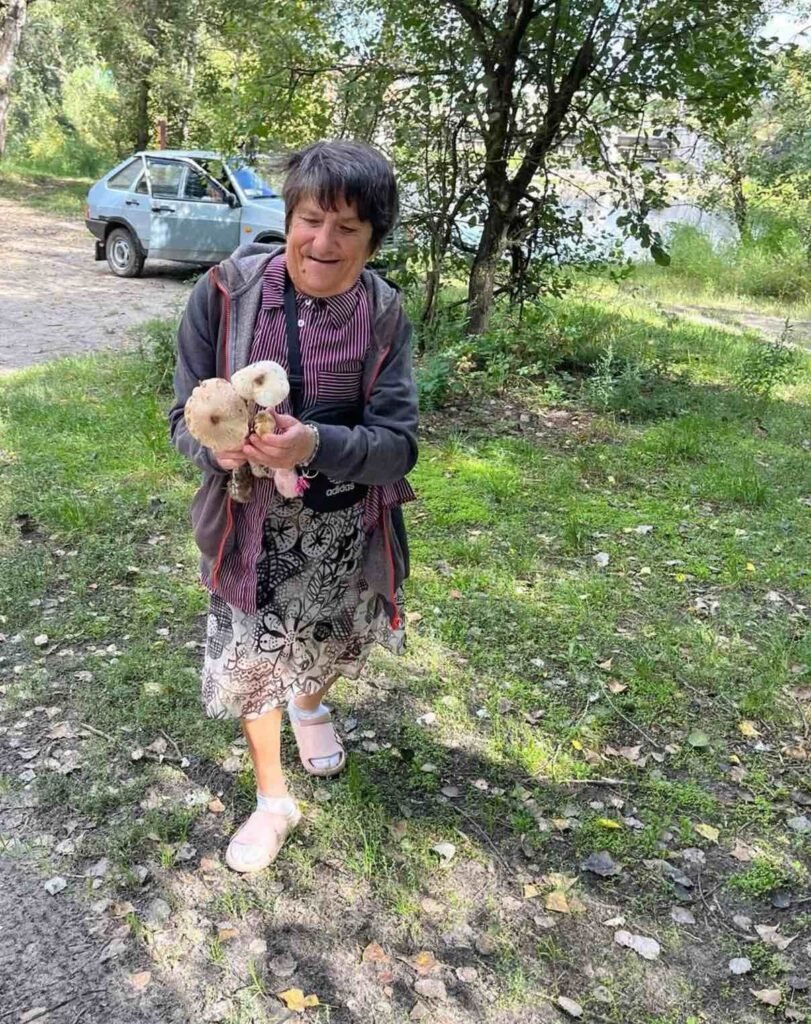
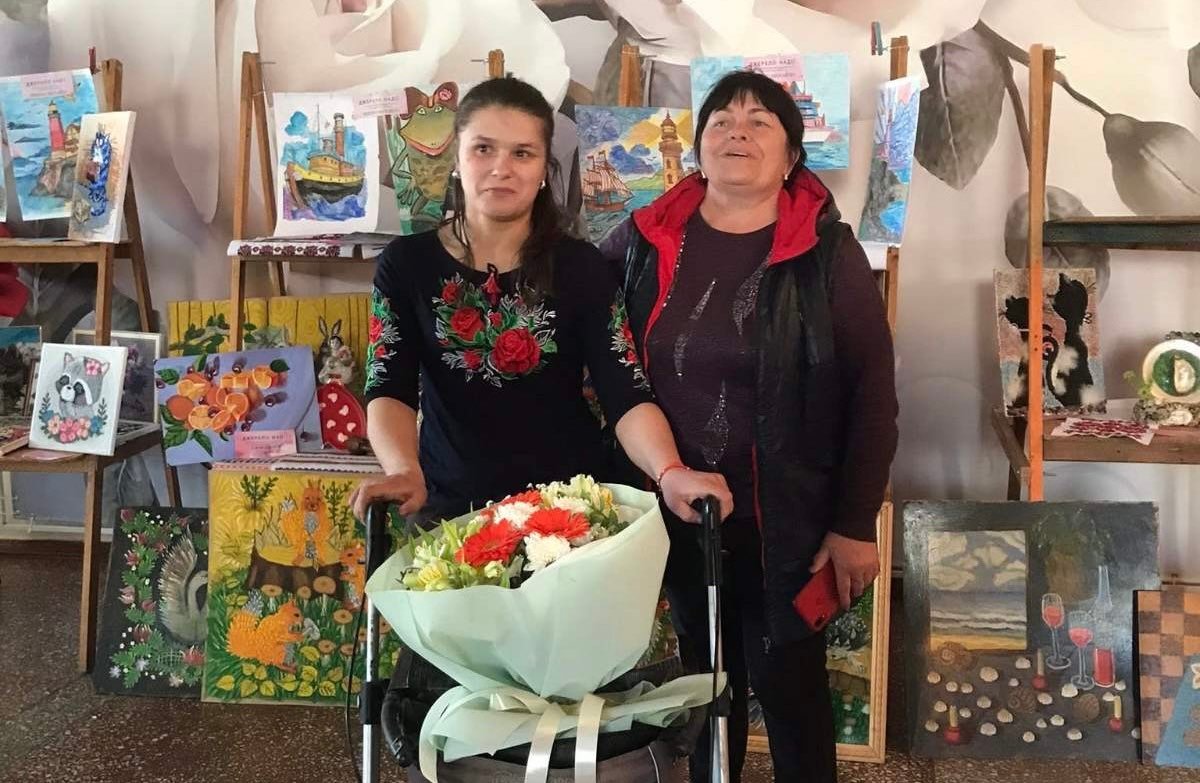
Svitlana and her brother have had disabilities since childhood. They live together and receive minimal pensions, which barely cover their basic needs. Every month, Svitlana has to make a difficult choice — whether to spend her limited funds on food or medicine. Both are essential, but her pension is not enough for both.
In response to these challenges, the National Assembly of People with Disabilities of Ukraine (NAPD), together with the European Disability Forum (EDF) and with the support of the Federal Foreign Office of Germany (GFFO) and CBM (Christian Blind Mission), is implementing the project “Disability-Inclusive Multi-Sectoral Humanitarian Aid for Internally Displaced Persons, Returnees, Veterans, and Host Communities in Ukraine.” Within this project, targeted cash assistance is provided to those who need it the most.
When Svitlana received financial assistance, for the first time in a long while she was able to buy food for the winter and purchase the necessary medicines. This brought great relief to her family.
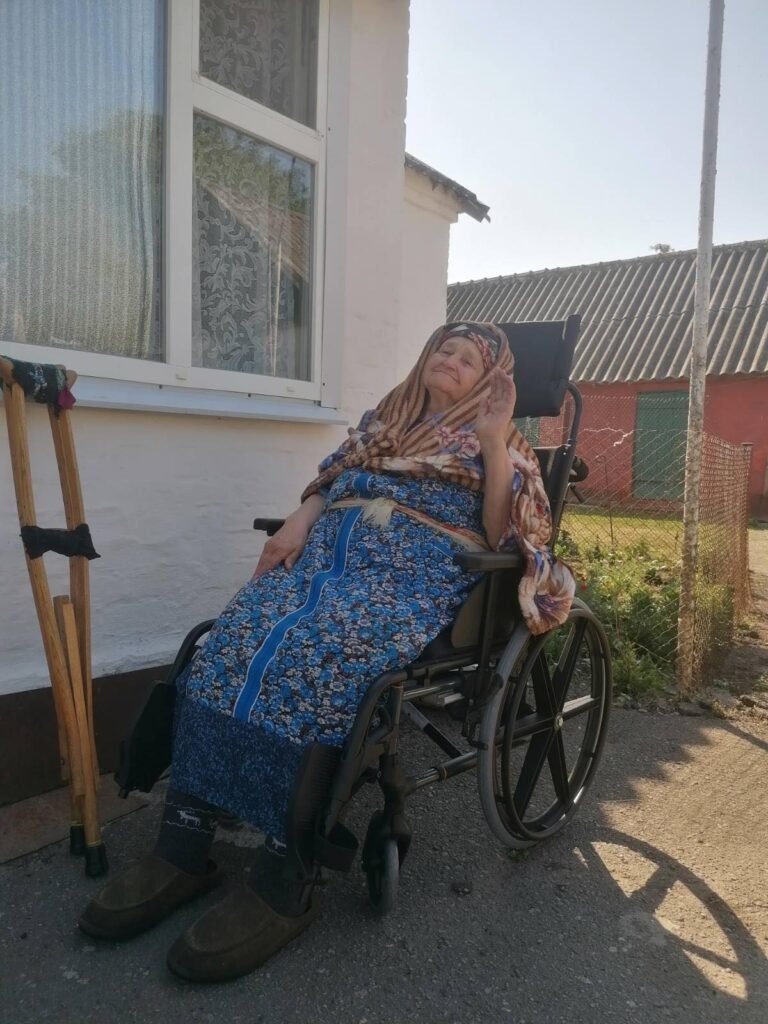
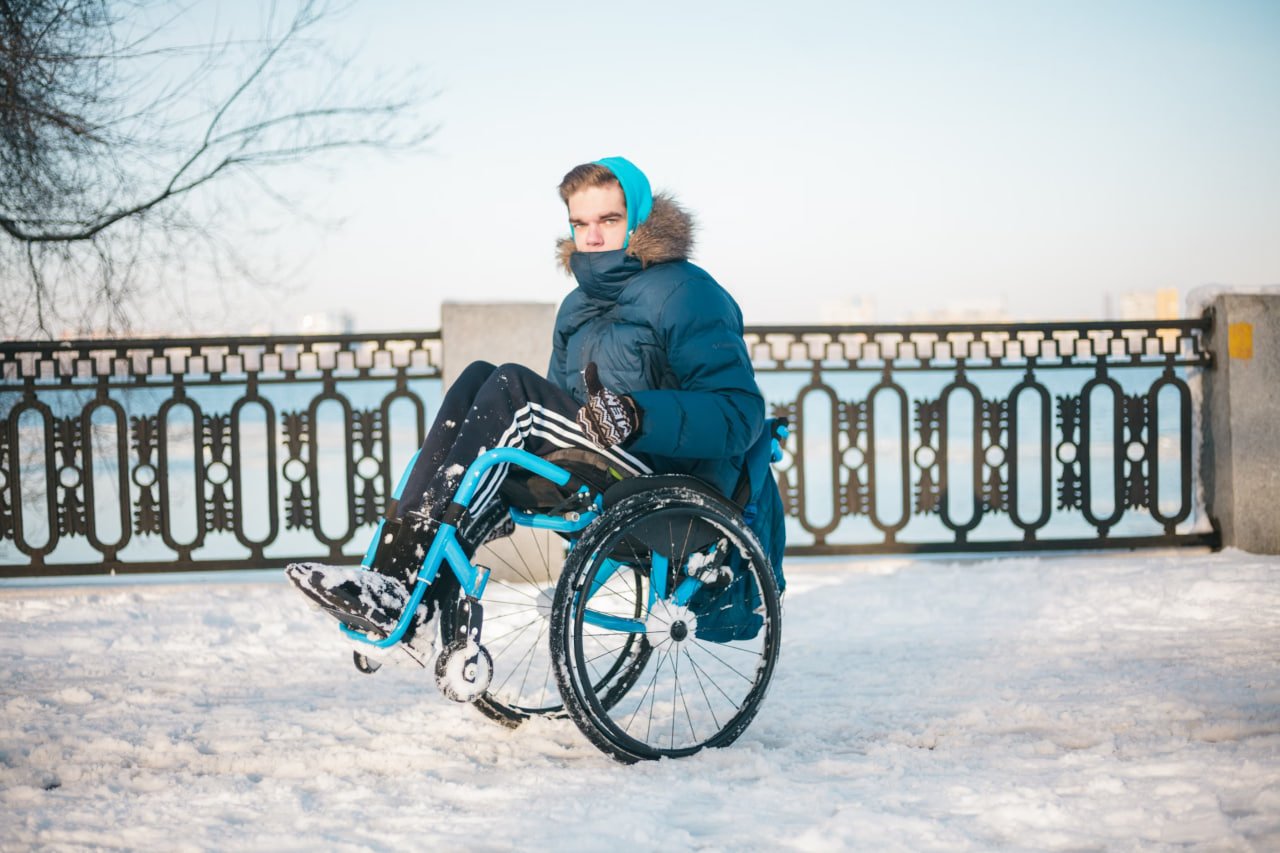
Iryna lives in a remote village in the Opishnia community. Due to illness, she became a person with limited mobility. She had long dreamed of being able to go outside again and take care of her household. Recently, Iryna received a wheelchair, which made mobility much easier for her. This summer, she helped her daughter prepare preserves for the winter, now goes outside every day, and enjoys being able to talk to her neighbors again.
Targeted assistance gives people a choice. It respects their right to decide what they truly need. This is not just resource distribution — it is recognition of human dignity.
Projects that provide standardized packages of goods or services often fail to consider individual needs. For example, one person may need medicine, another — food or heating fuel for the winter, while someone else may require a wheelchair or a hearing aid. One-size-fits-all support rarely works effectively.
By contrast, targeted and cash assistance are flexible — people themselves decide how to allocate the funds, as they know their own needs better than anyone. This makes the support meaningful rather than symbolic. A person receives respect, not imposed solutions. Moreover, cash assistance benefits not only individuals but also local communities, as the money is spent locally, supporting small businesses and strengthening the local economy.
Targeted cash assistance is not just about money or assistive technologies — it is about the ability to live with dignity, maintain autonomy, and feel part of society. During wartime, this matters more than ever. Because in a truly inclusive society, no one feels isolated or forgotten.
Oleksandra Perkova, Communications Manager of the Project
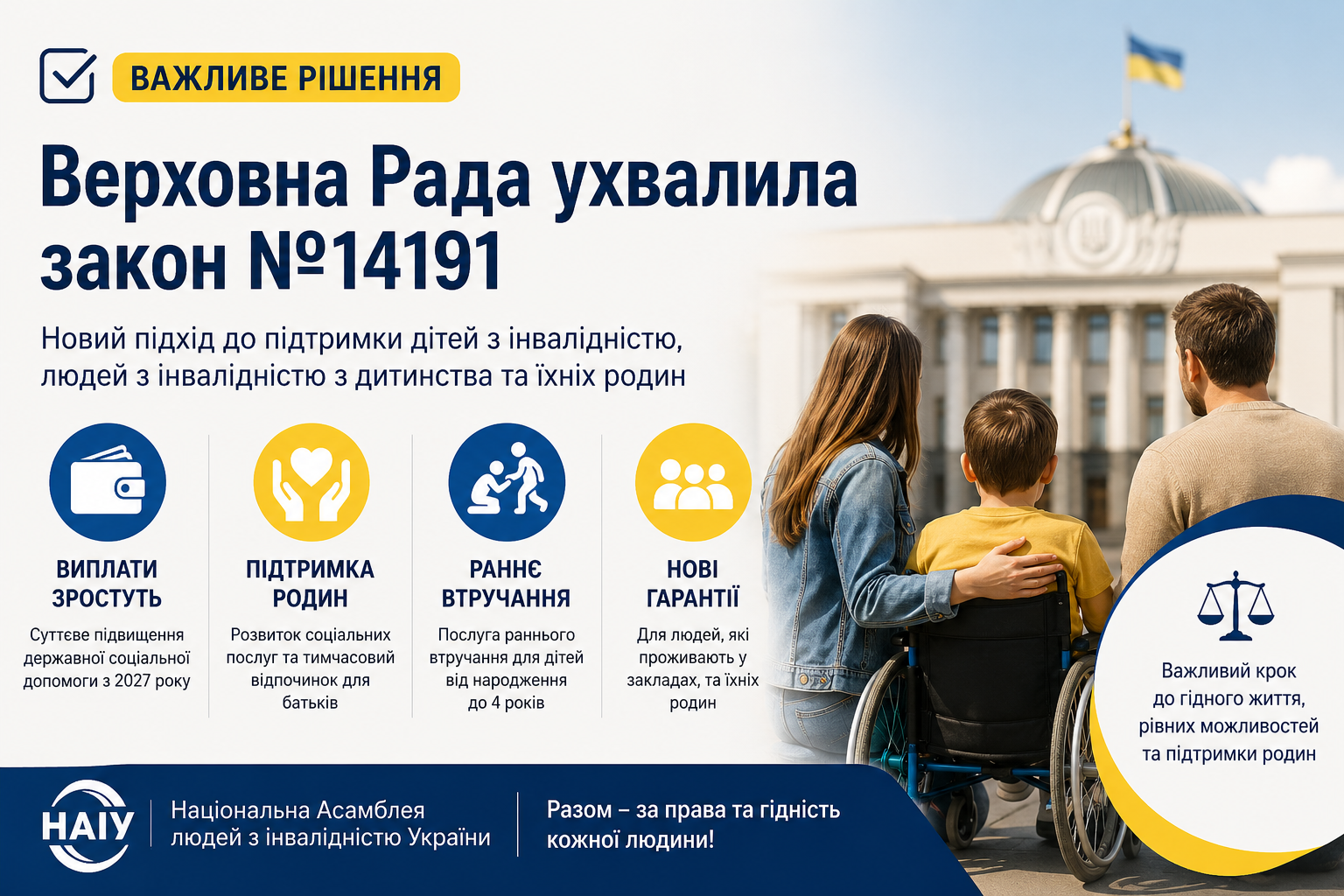
19 серпня Верховна Рада України ухвалила в цілому закон № 14191, який змінює систему державної підтримки дітей з інвалідністю, людей з інвалідністю з дитинства та їхніх родин. Для Національної Асамблеї людей з інвалідністю України це рішення має особливе значення. Робота над законопроєктом тривала більше піврокуі на різних її етапах документ містив норми, які могли призвести […]
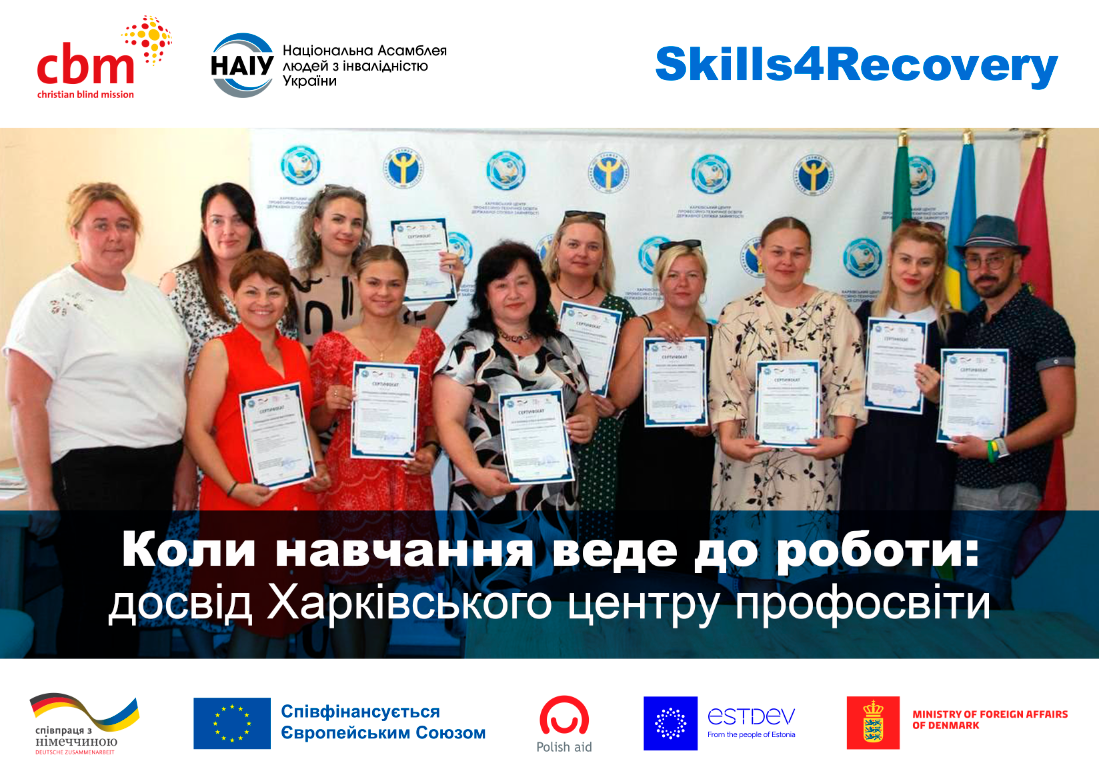
Як зробити професійне навчання доступним для людей з різними освітніми потребами? Над цим працювали учасники проєкту «Інклюзивна професійна освіта: покращення навчання для ветеранів та людей з інвалідністю», який реалізують Національна Асамблея людей з інвалідністю України (НАІУ) та CBM у межах Мультидонорської ініціативи Skills4Recovery. Педагоги та представники адміністрацій закладів професійної освіти пройшли навчання з інклюзивних підходів, […]
Світлана із села Олександрівка Кодимської громади створює картини, бере участь у виставках і представляє свої роботи на фестивалях. Її кімната стала творчою майстернею, де з’являються казкові сюжети, пейзажі та образи, натхненні природою. Над кожною картиною жінка може працювати кілька тижнів, уважно продумуючи сюжет і деталі. Натхнення Світлана знаходить у сільських краєвидах, спілкуванні з людьми, а […]
Київ завчасно готується до можливих перебоїв із тепло-, електро- та водопостачанням узимку. Міські соціальні служби актуалізують інформацію про одиноких людей похилого віку, людей з інвалідністю та родини, які виховують дітей з інвалідністю, яким у разі надзвичайної ситуації може знадобитися допомога з тимчасовим переміщенням. Про це на своїй сторінці у Facebook повідомляє заступниця голови КМДА з […]
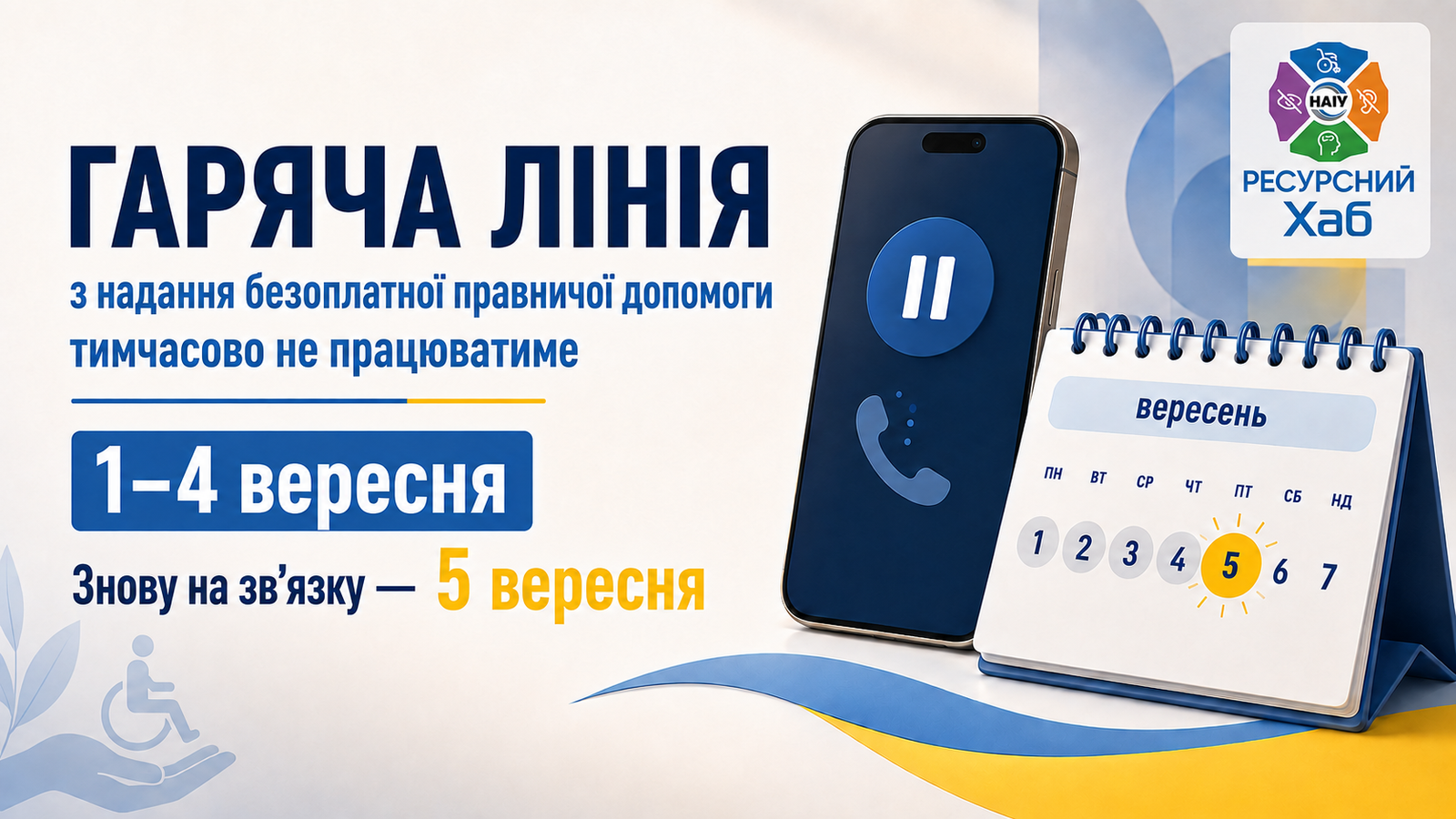
Повідомляємо, що з 1 до 4 вересня включно Гаряча лінія з надання безоплатної правничої допомоги Національної Асамблеї людей з інвалідністю України тимчасово не працюватиме. Це лише коротка перерва. Вже 5 вересня ми знову будемо на зв’язку та чекатимемо на звернення наших бенефіціарів із питаннями юридичного характеру. Дякуємо за розуміння та до зустрічі 5 вересня!
Включення організації до Реєстру надавачів та отримувачів соціальних послуг відкриває доступ до фінансових, технічних та інших ресурсів. Зокрема, статус офіційного надавача дає можливість брати участь в експериментальних і пілотних проєктах від держави та міжнародних фондів, у міжнародних проєктах технічної допомоги з реагування на виклики війни та роботи з постраждалим населенням і вразливими категоріями громадян, а […]