Protection, accessibility, responsibility: participants in the NAPD training course mastered modern approaches to disability
February 9, 2026
Share:
A two-day offline training course entitled “Strengthening the competencies of NGO members in protection issues” organised by the National Assembly of People with Disabilities of Ukraine as part of the project "Together in Action: Enhancing Civil Society Capacity in Advocating for the Rights of Persons with Disabilities" in cooperation with the Resource Center for Non-Governmental Organizations and funded by the Humanitarian Fund for Ukraine (HFU/UHF).
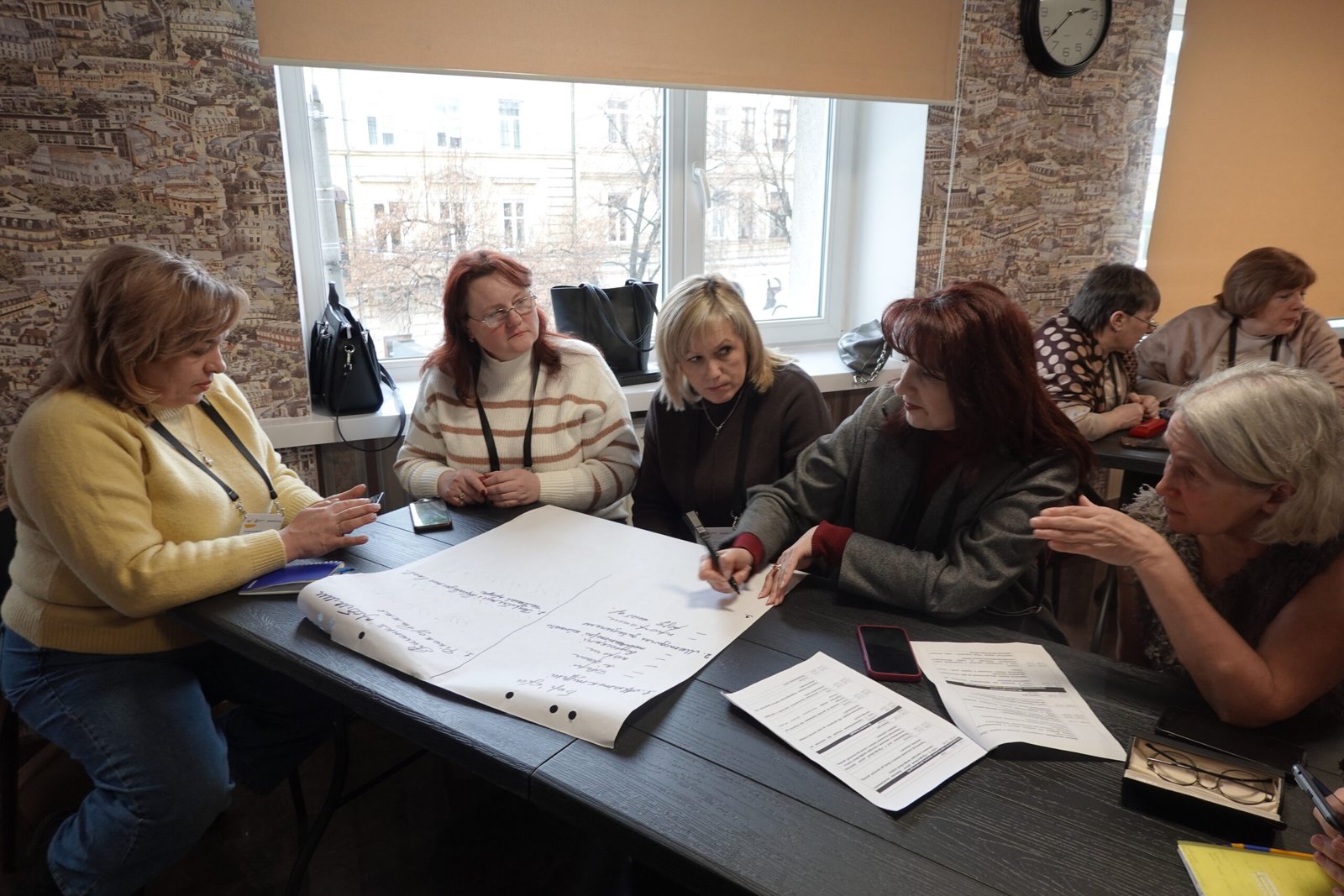
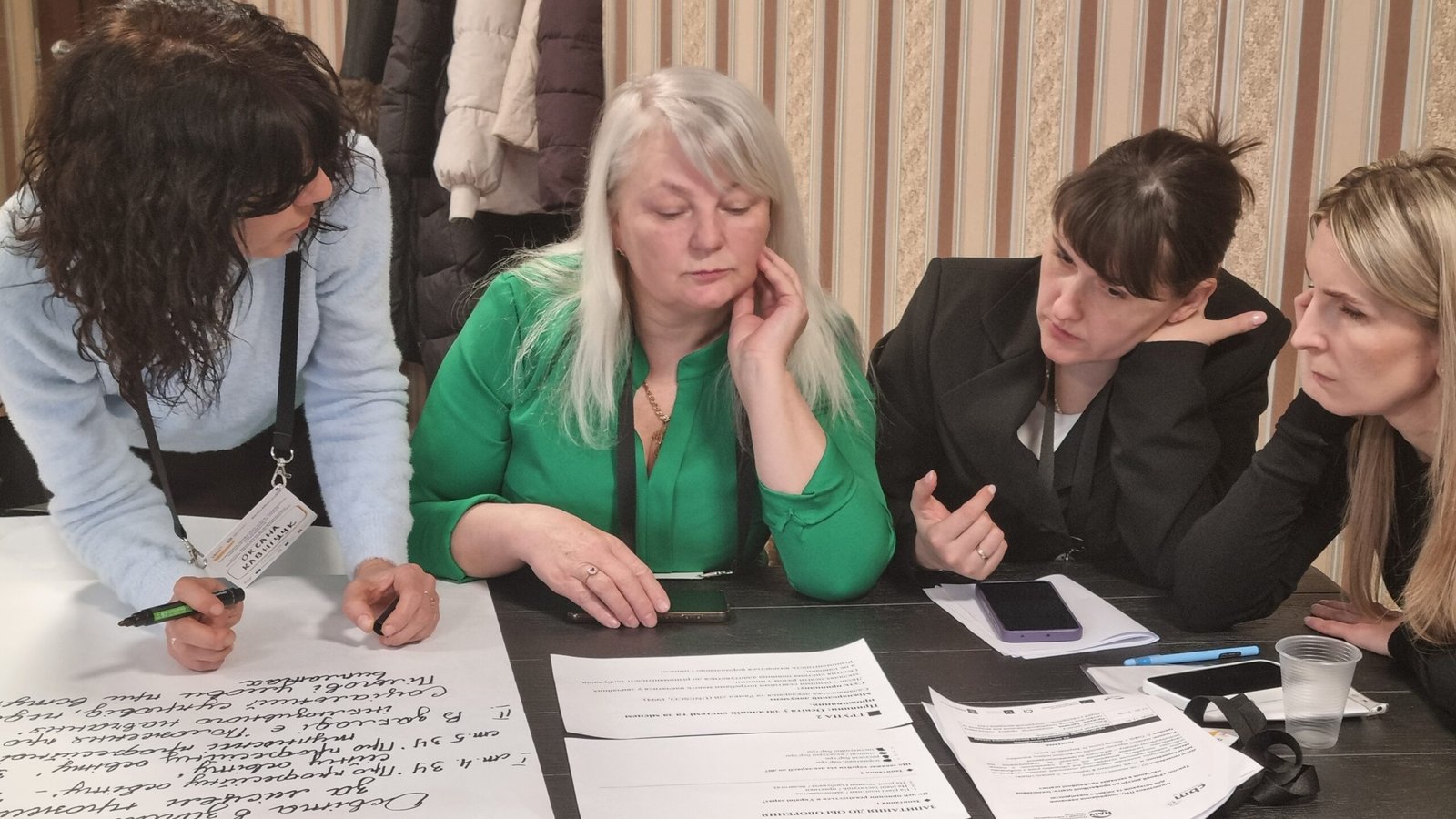
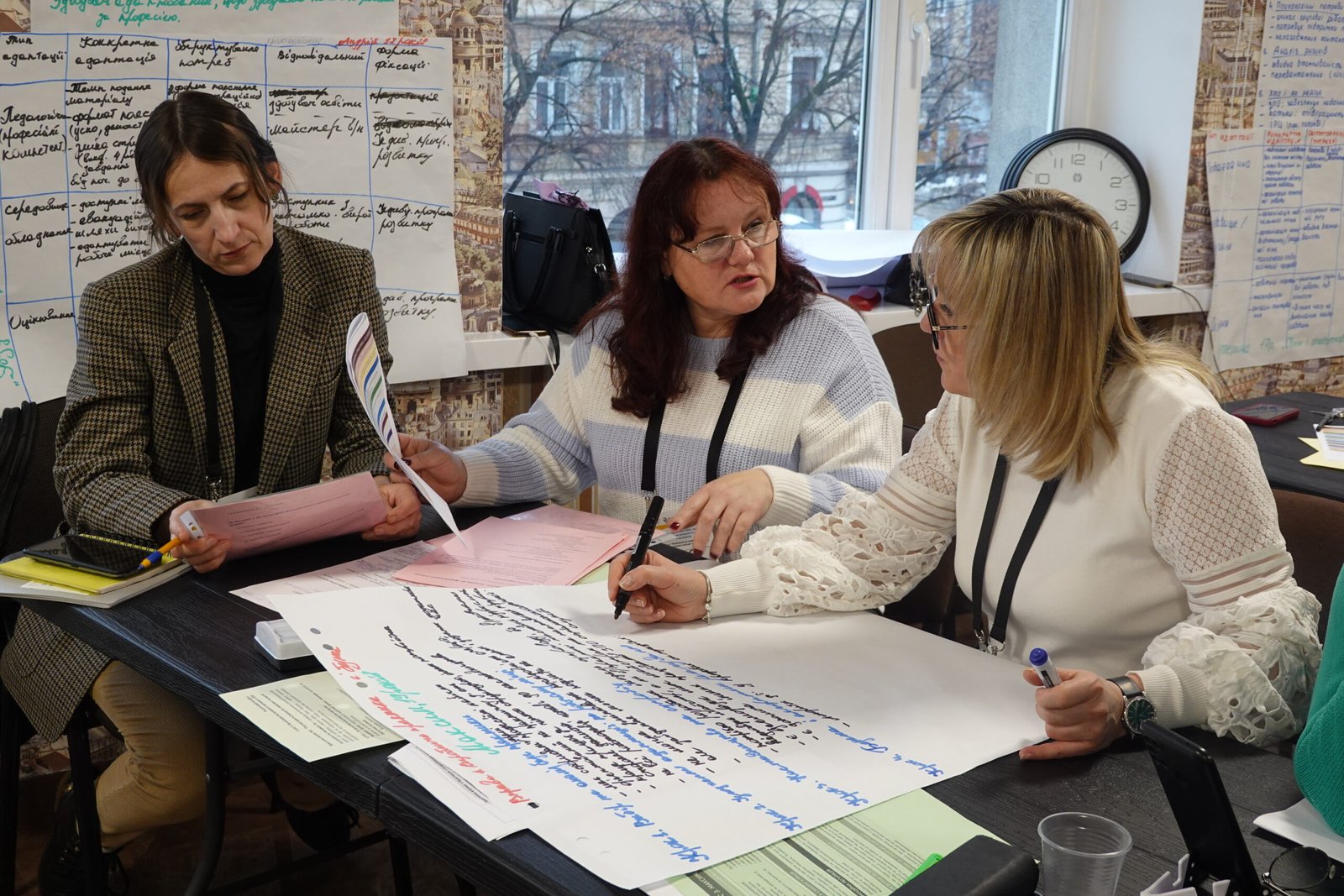
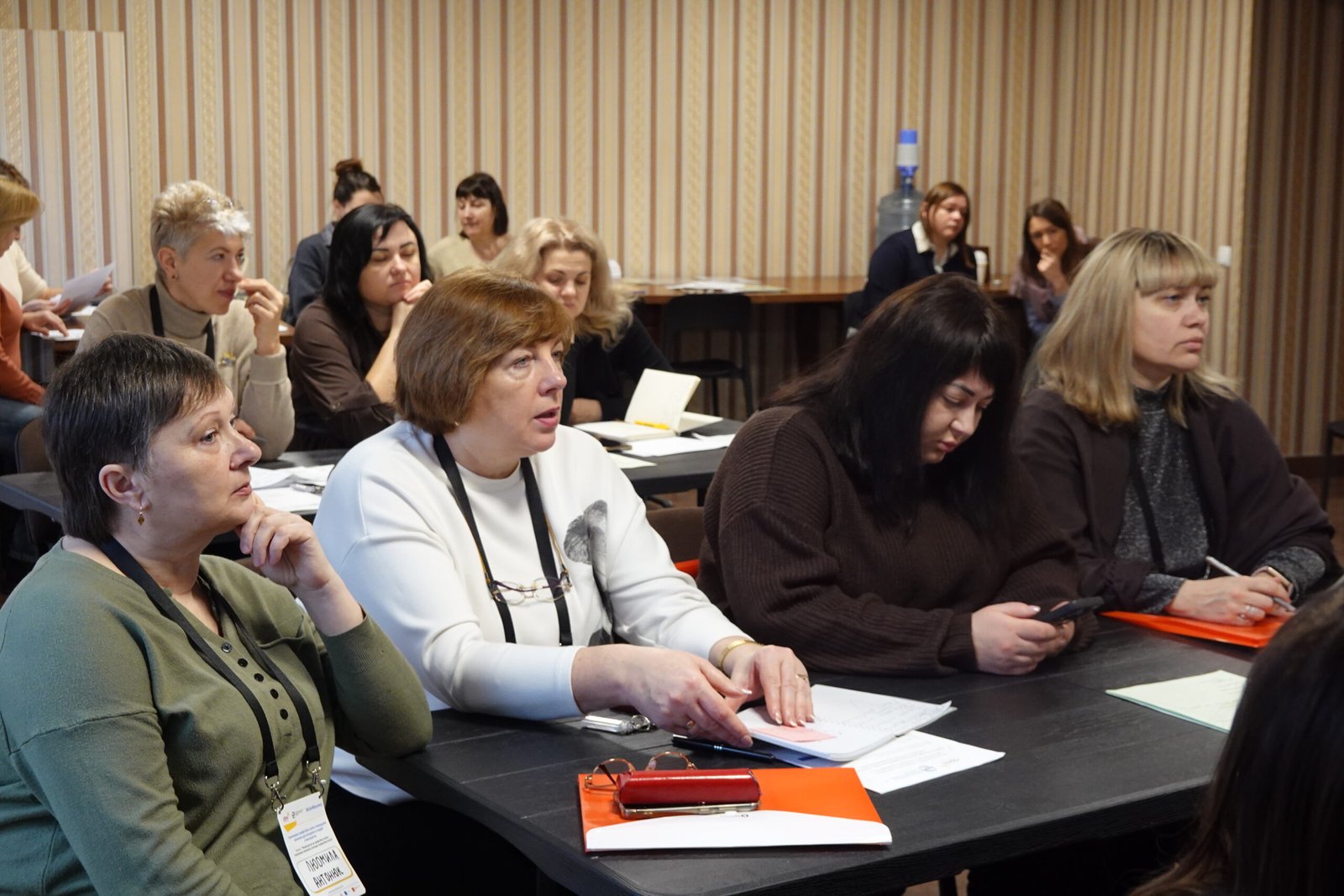
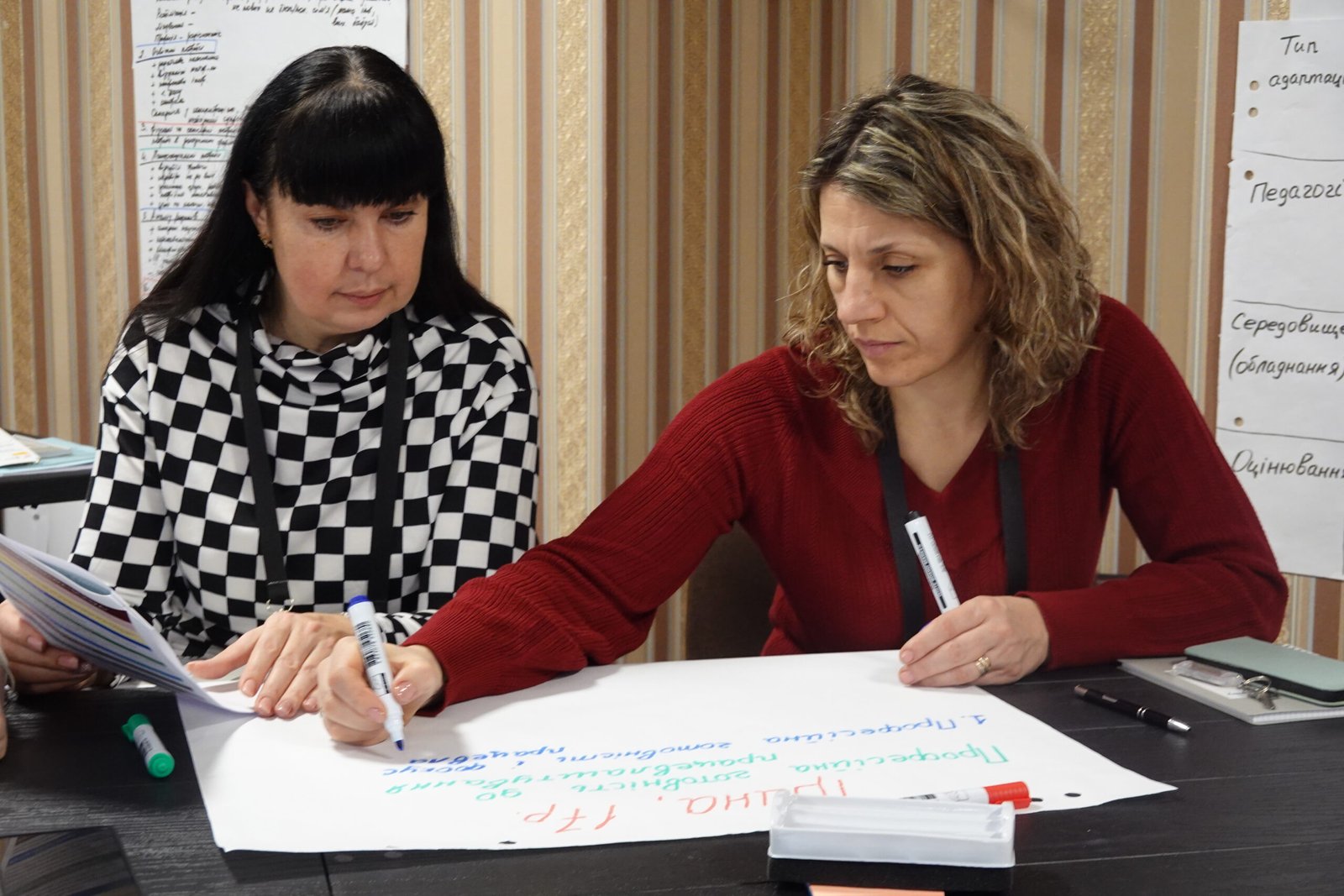
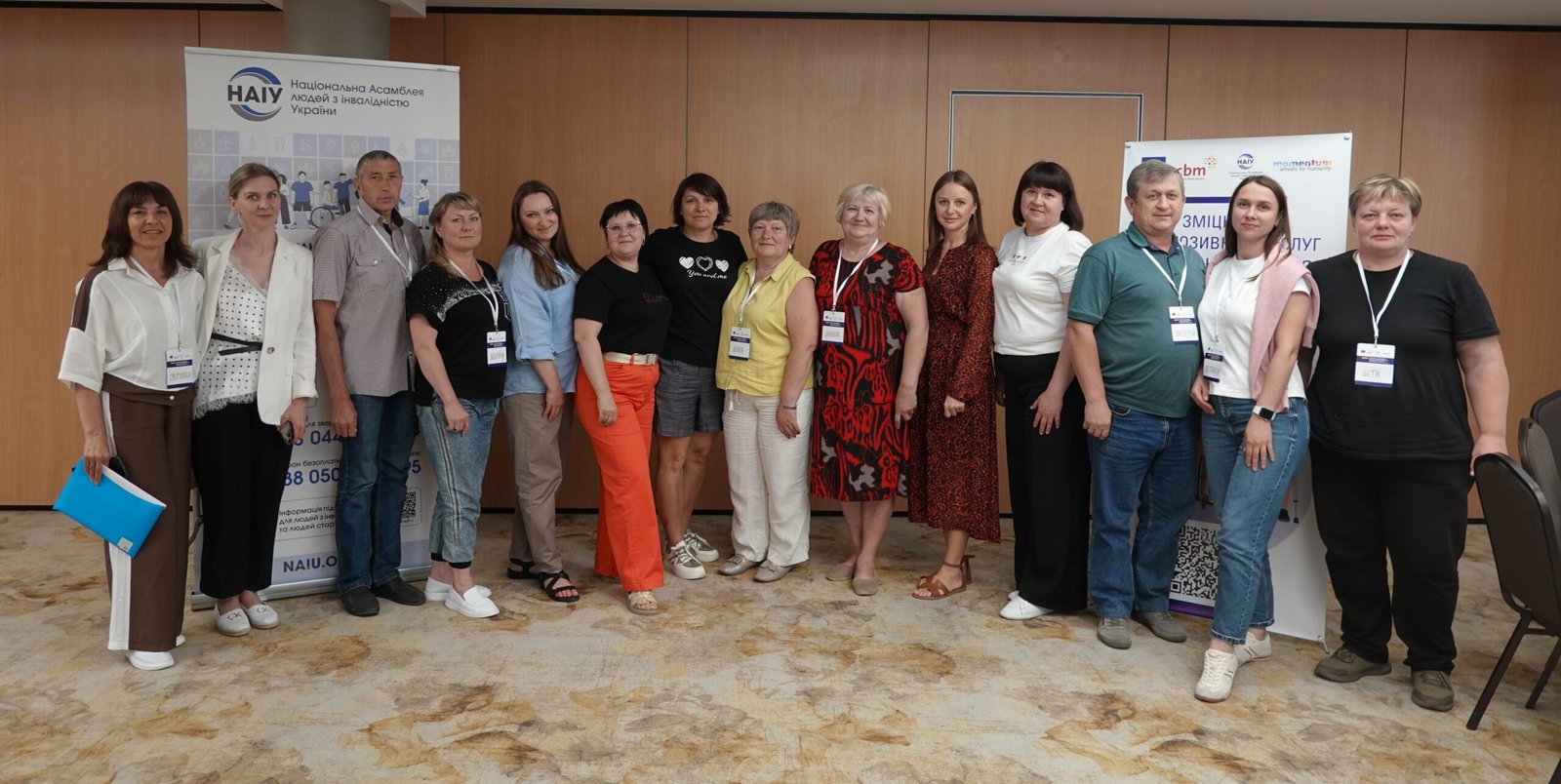
The event was held for representatives of civil society organizations from a number of eastern and southern regions of Ukraine close to the combat zones. It combined theoretical study with discussion of practical cases, which, according to the training participants, allowed them to improve their qualifications in advocacy and more actively apply the knowledge gained in their daily activities.
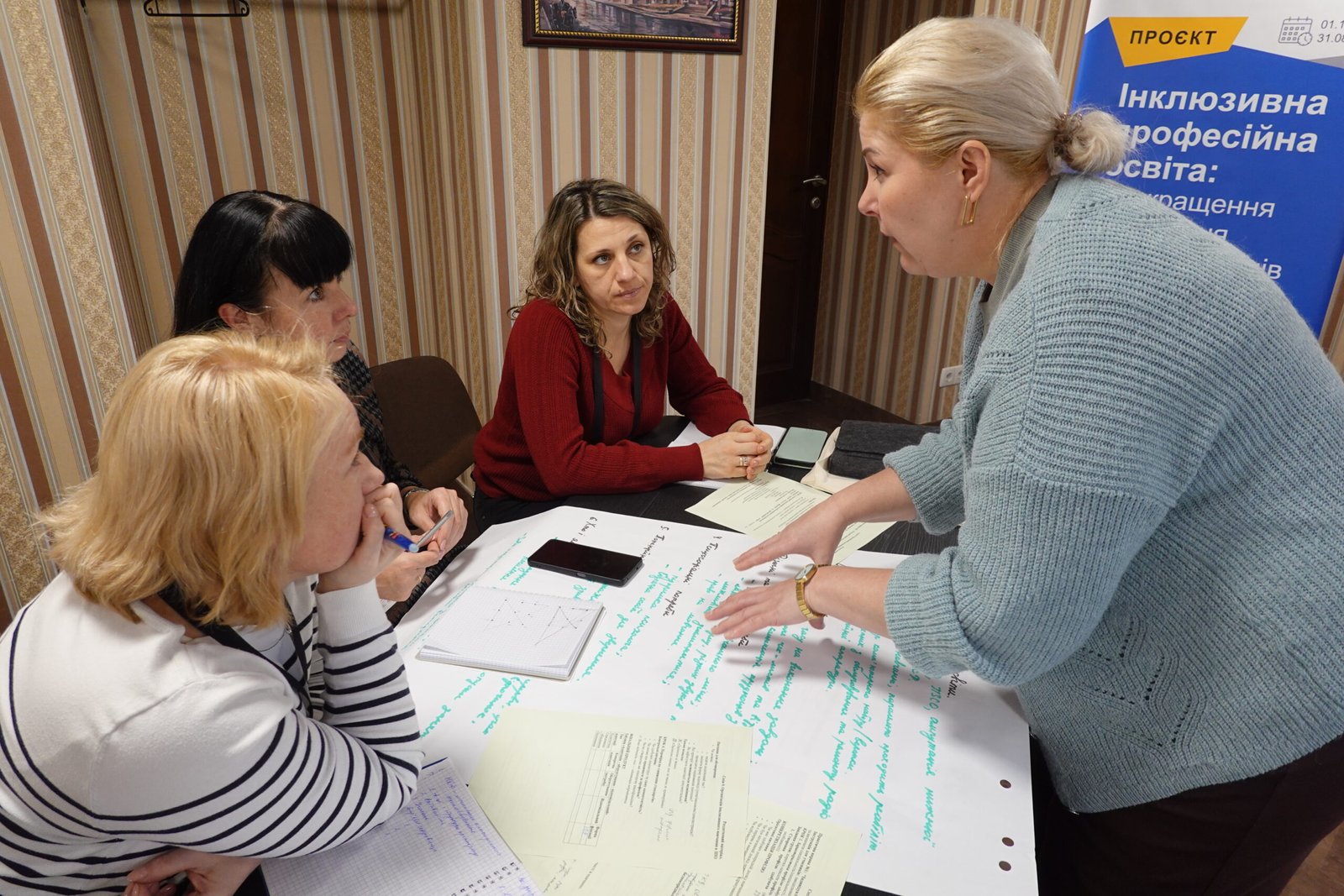
This training opened a series of trainings for vocational education institutions and was immediately organized into two consecutive modules. The first two days were devoted to the management teams of the pilot VET institutions - the management and administrators responsible for the rules, procedures and organization of the educational process. The next three days were devoted to the pedagogical teams - teachers and industrial trainers - to ensure that inclusive approaches work as a single standard in the institution: from admission to training, industrial practice and preparation for employment of veterans, people with disabilities and students with special educational needs.
Opening remarks by the partners: about the framework and responsibility
The training was opened by representatives of the partners, who emphasized that inclusive vocational education is a systemic solution in which management processes, pedagogical tools, and accessibility of the environment reinforce each other.
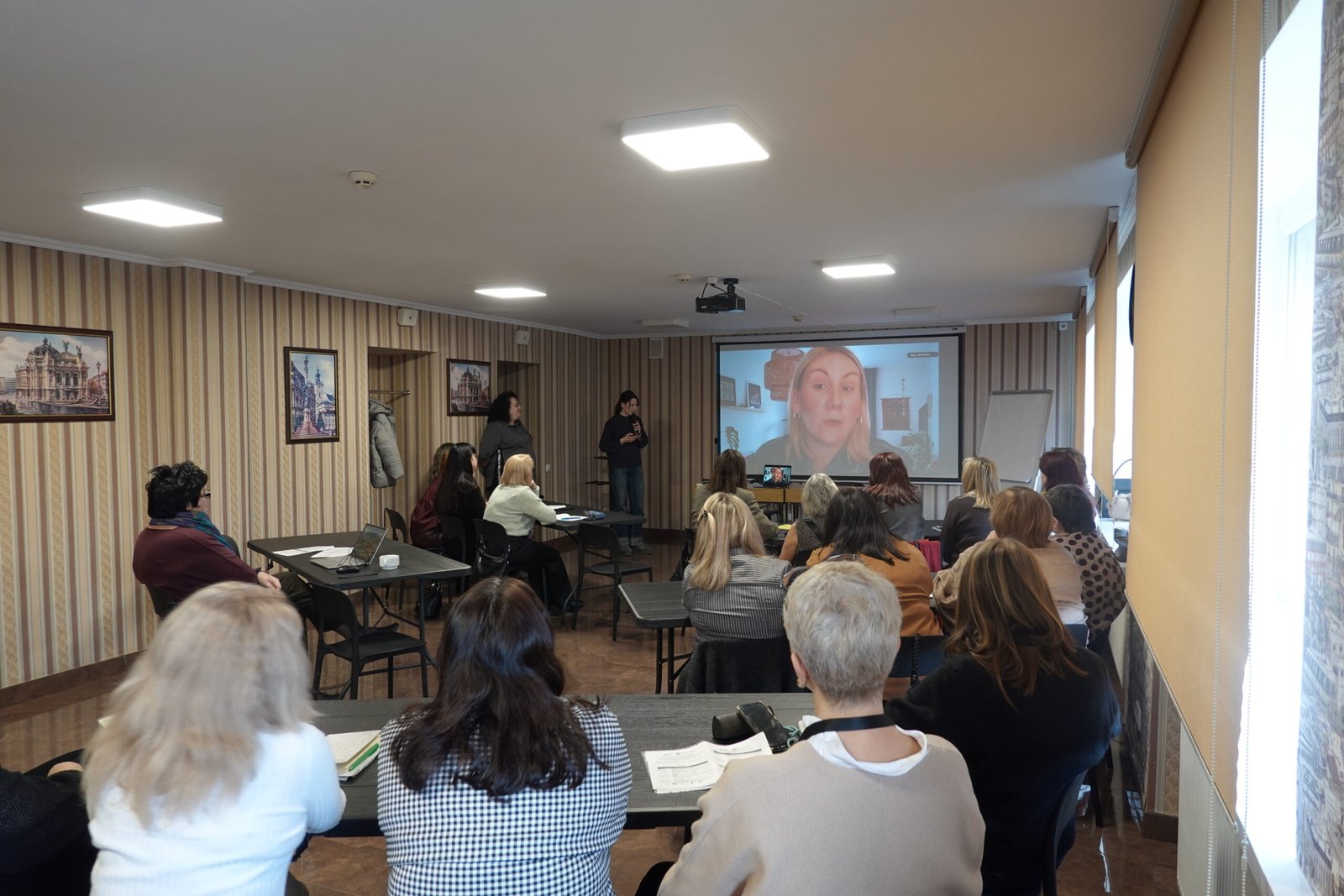
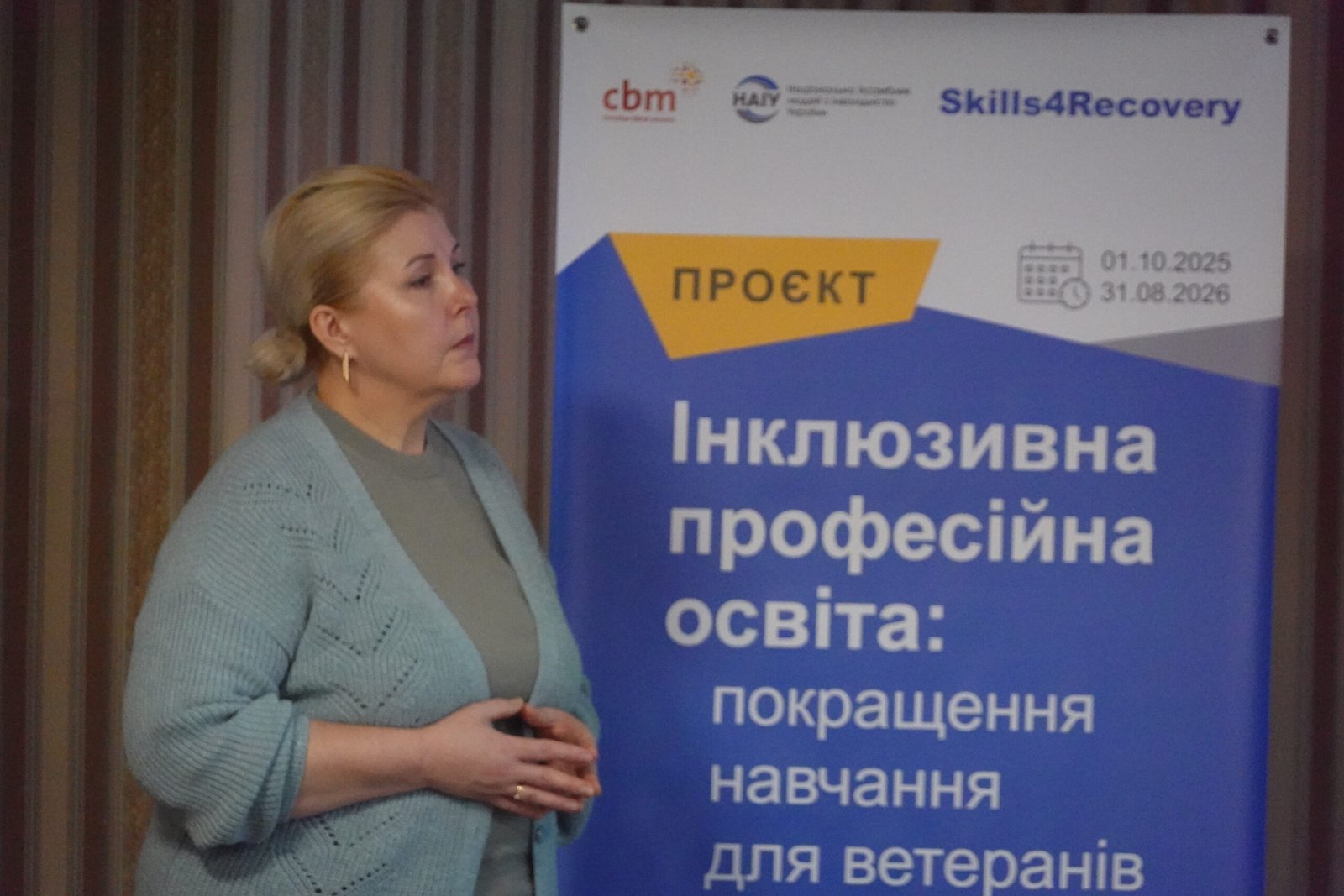
Sophie Meinke, Head of Skills4Recovery, GIZ, presented the Skills4Recovery initiative and its focus on workforce development, which is critical to Ukraine's recovery. She emphasized that support for people with disabilities, veterans, and other vulnerable groups should be built into VET solutions - from accessibility and procedures to training, internships, and entry into the labor market. Sophie also noted the value of Skills4Recovery's cooperation with CBM and NAIA to develop and implement inclusive solutions in this area.
Julia Schönborn, CBM Ukraine Project Manager, emphasized the human dimension of inclusion and the importance of openness: «CBM has been working for many years to promote inclusion so that people with disabilities can fully participate in society. For us, it is important that inclusion is not a slogan but a daily practice, particularly in education. Today, this is critically important for Ukraine: veterans are returning to civilian life and need new professional opportunities. We ask the participants to be open - to ask questions, share their experiences, and speak honestly about their lack of confidence. Inclusion is a process, and it is based on an open dialog.».
Svitlana Petrusha, project coordinator from NAIU, outlined the key focus of the series: «This training is the start of a series that will help VETs move from intentions to solutions: how to organize admission without barriers, adapt training, ensure safe practice and access to employment.».
Participants: pilot EI and geography
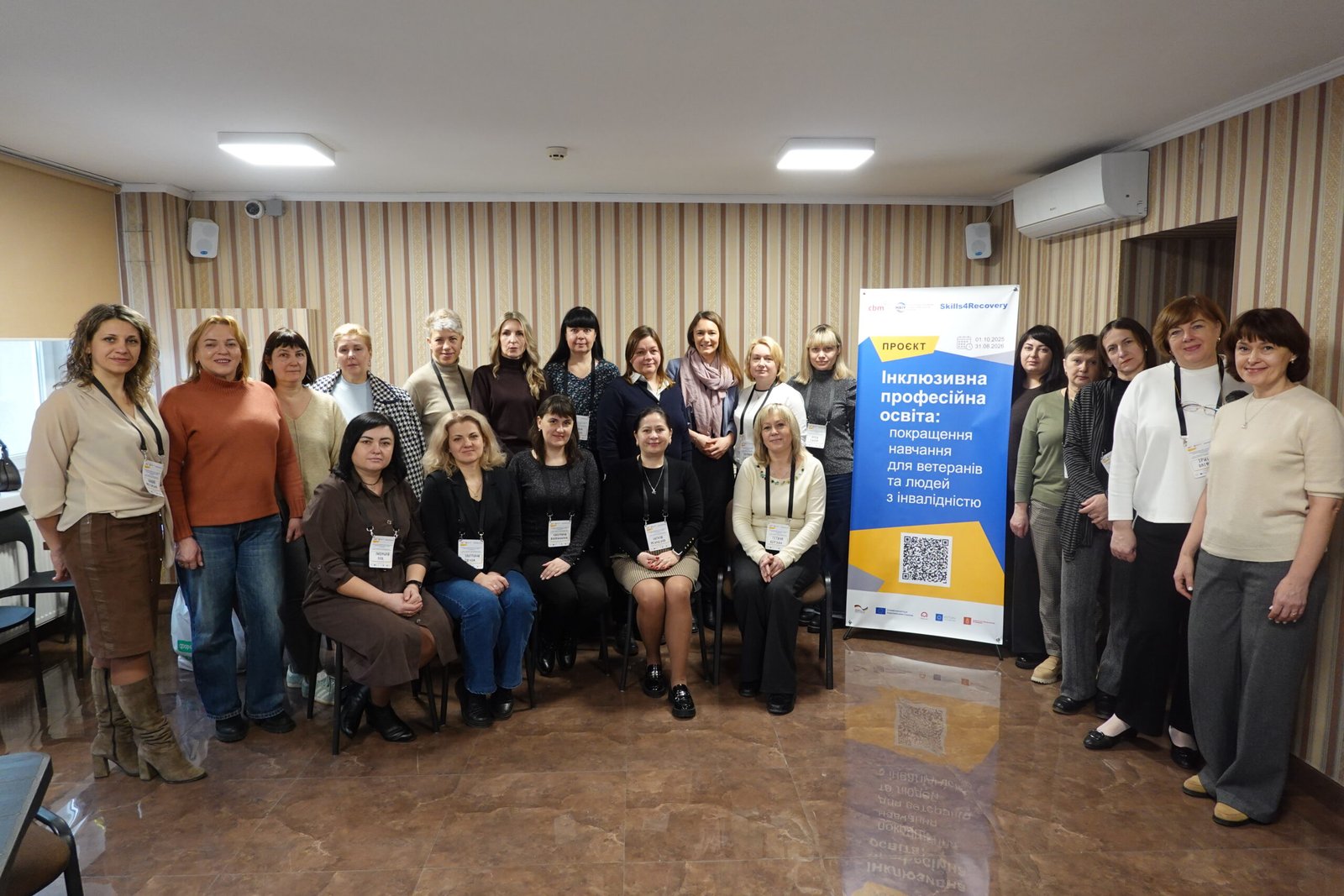
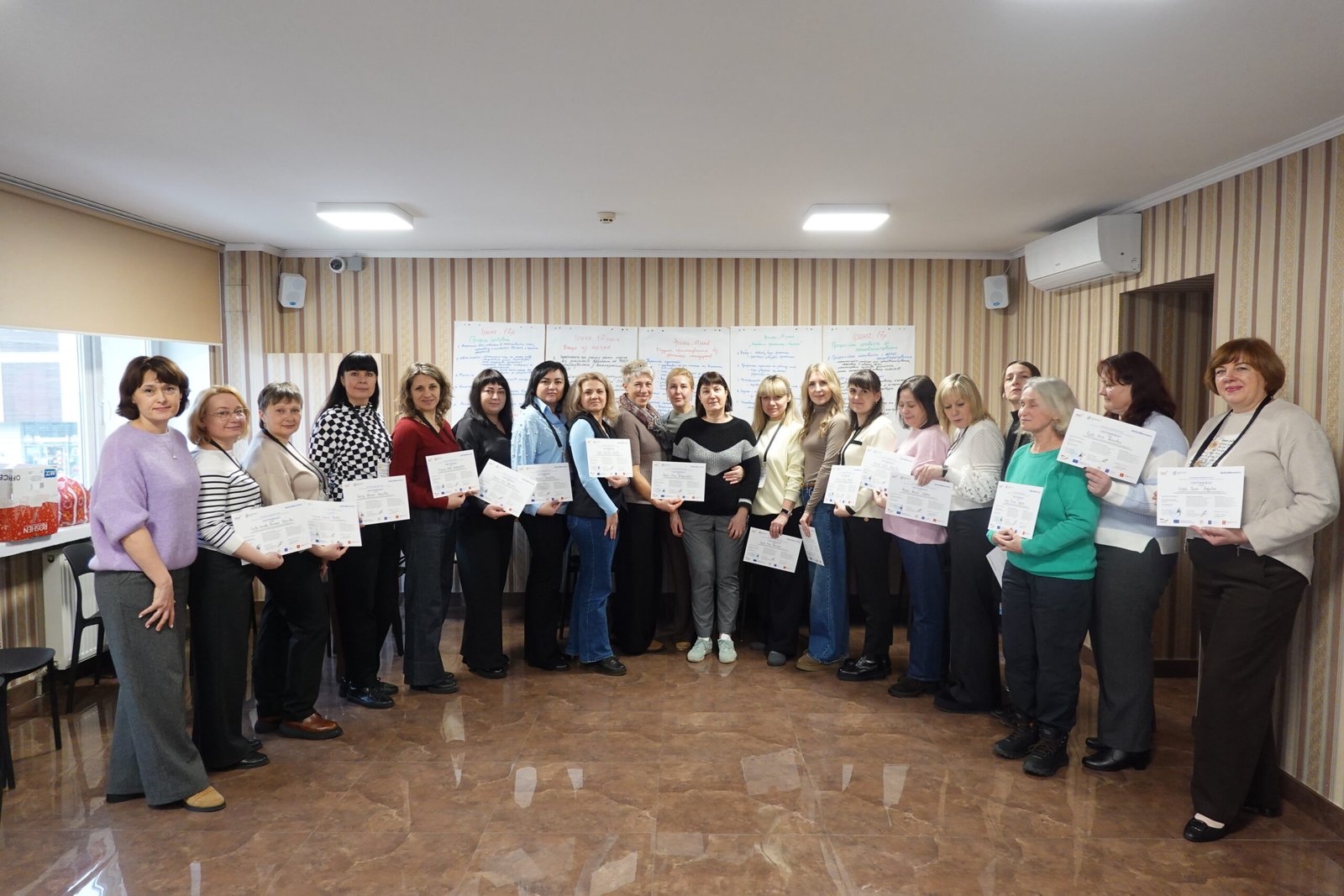
Management teams of pilot vocational education institutions working on implementing inclusive solutions in their institutions gathered in Lviv. The participants represented:
Zhytomyr Agricultural and Technical College Lviv Higher Vocational School of Computer Technology and Construction Chernivtsi Higher Vocational School of Radio Electronics Higher Vocational School #25 in Khmelnytsky Ternopil Vocational College named after I. Puluj“
From Approaches to Practice: What the Participants Have Developed
The training program was structured as an intensive course with the logic «know → be able → apply». The participants worked out:
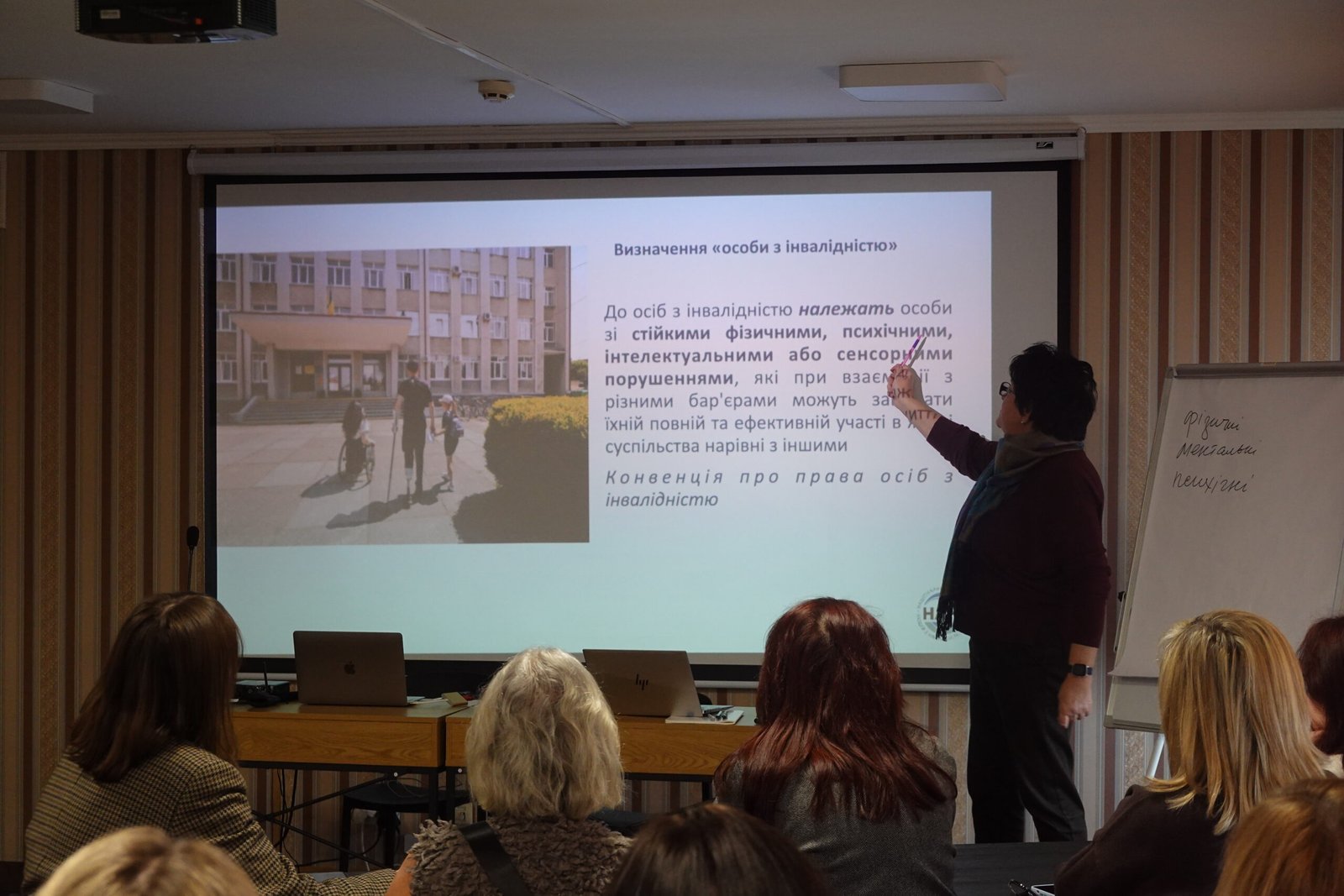
A modern approach to disability: models, barriers, stereotypes and the role of language in shaping an inclusive environment;
• universal design, accessibility, and reasonable accommodation;
inclusion as interagency cooperation and the use of the ICF approach and the Individual Development Program (IDP) for support planning;
self-assessment of the inclusiveness of VET institutions as a tool for quality management and readiness;
a workshop on adaptations and modeling of students' routes.
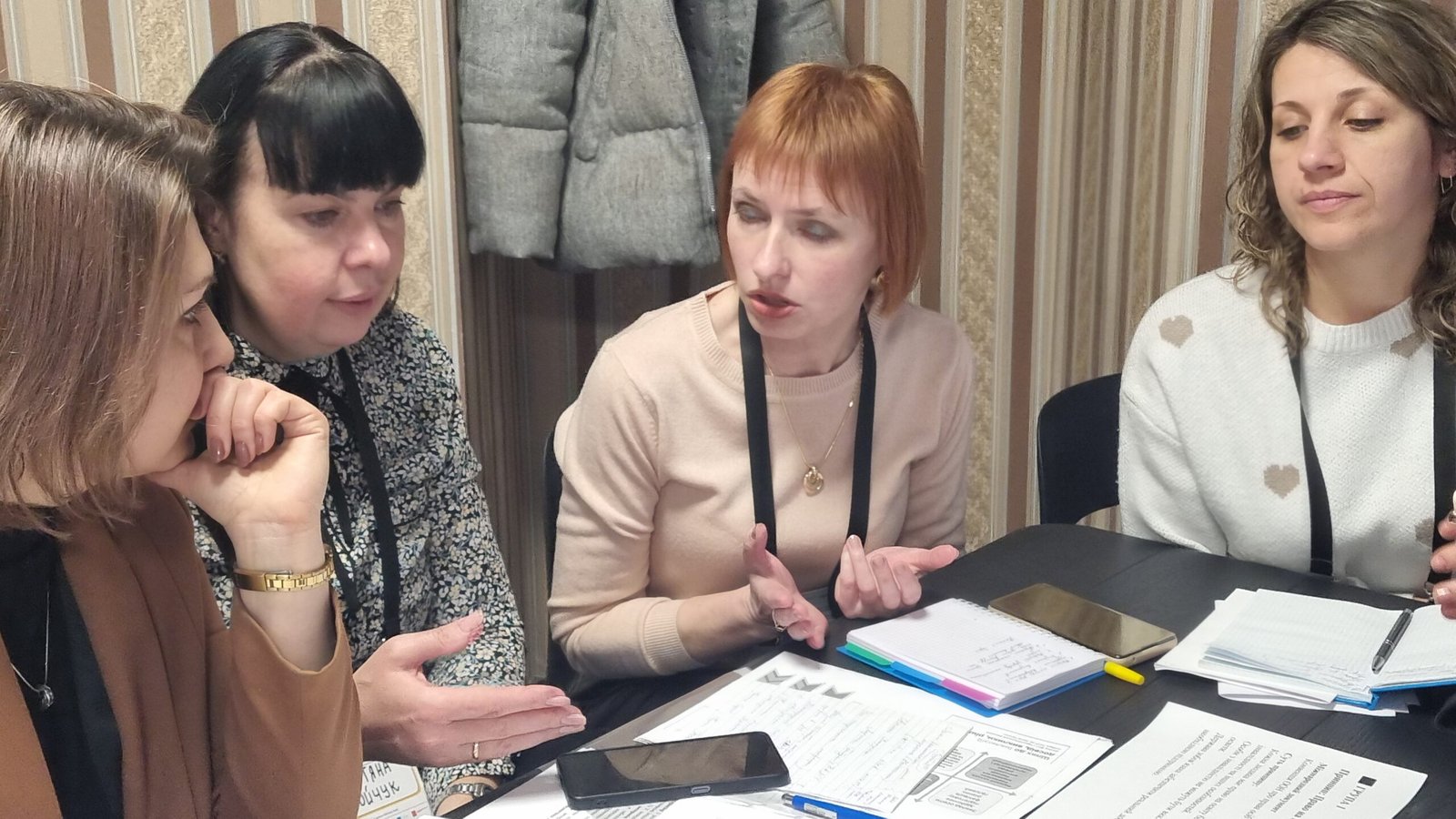
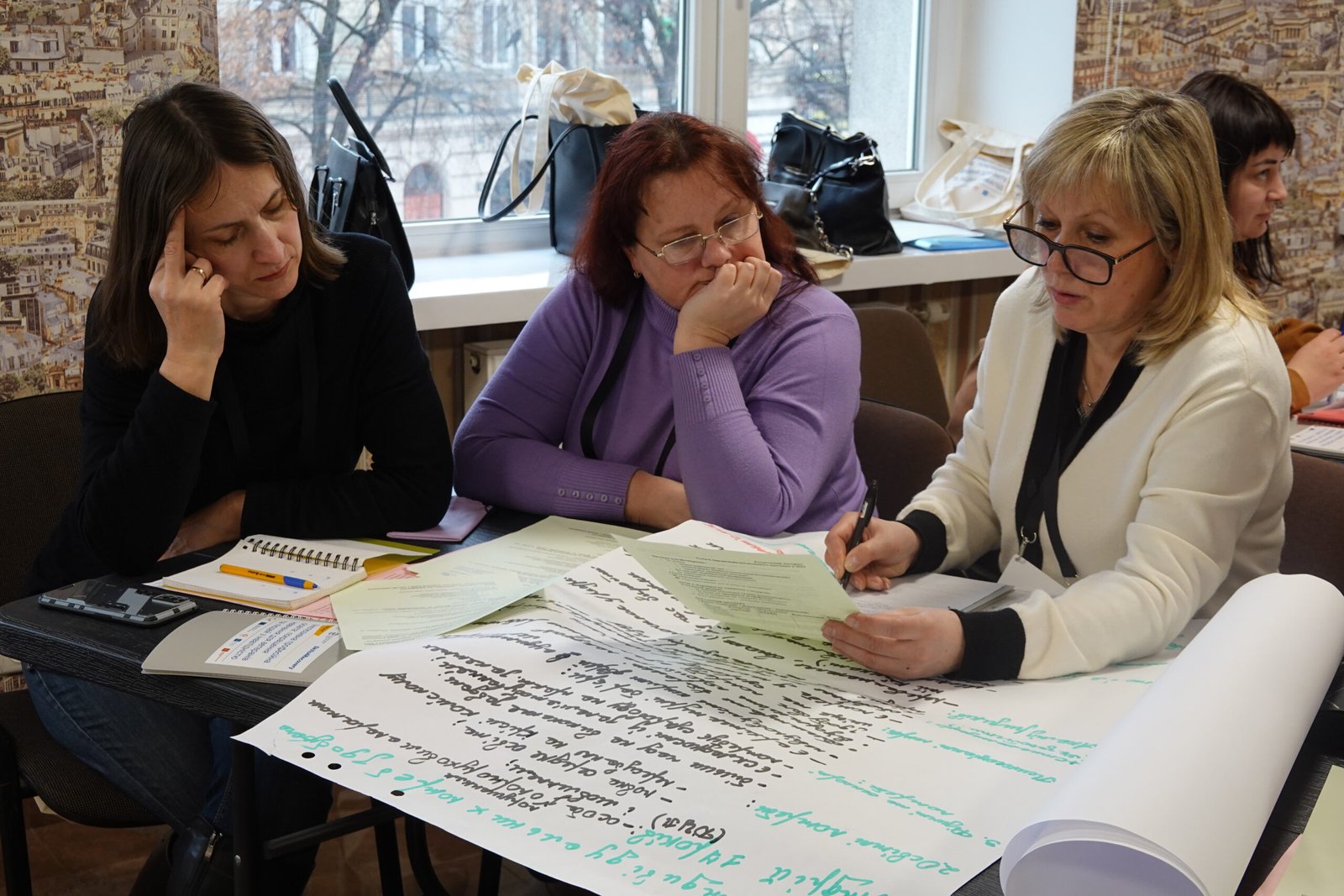
Separate sessions were devoted to the transition «from decision to action»: the teams worked with cases and went all the way from admission to preparation for employment. This helped to see inclusion as a process with clear roles, responsibilities, and support algorithms.
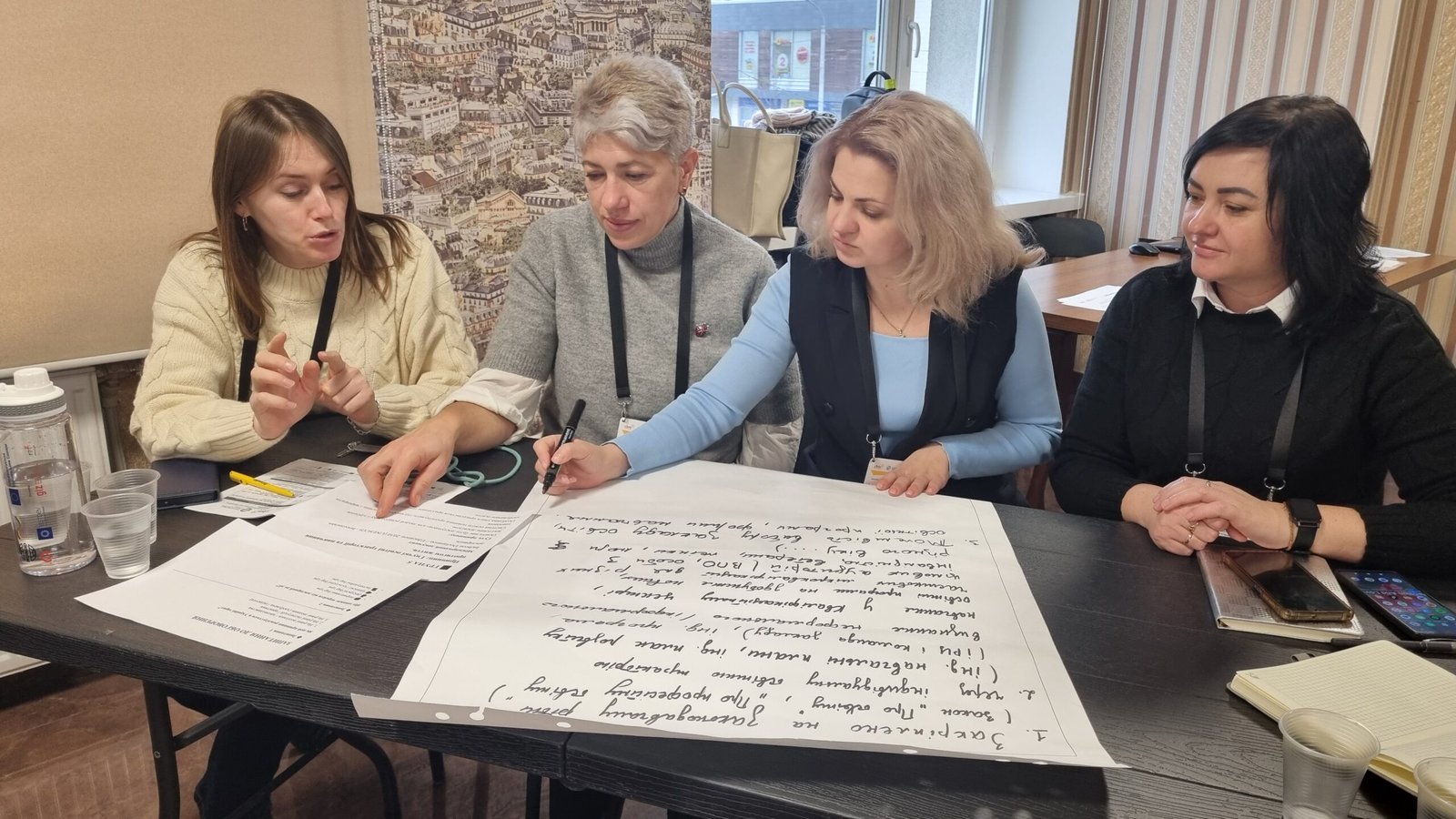
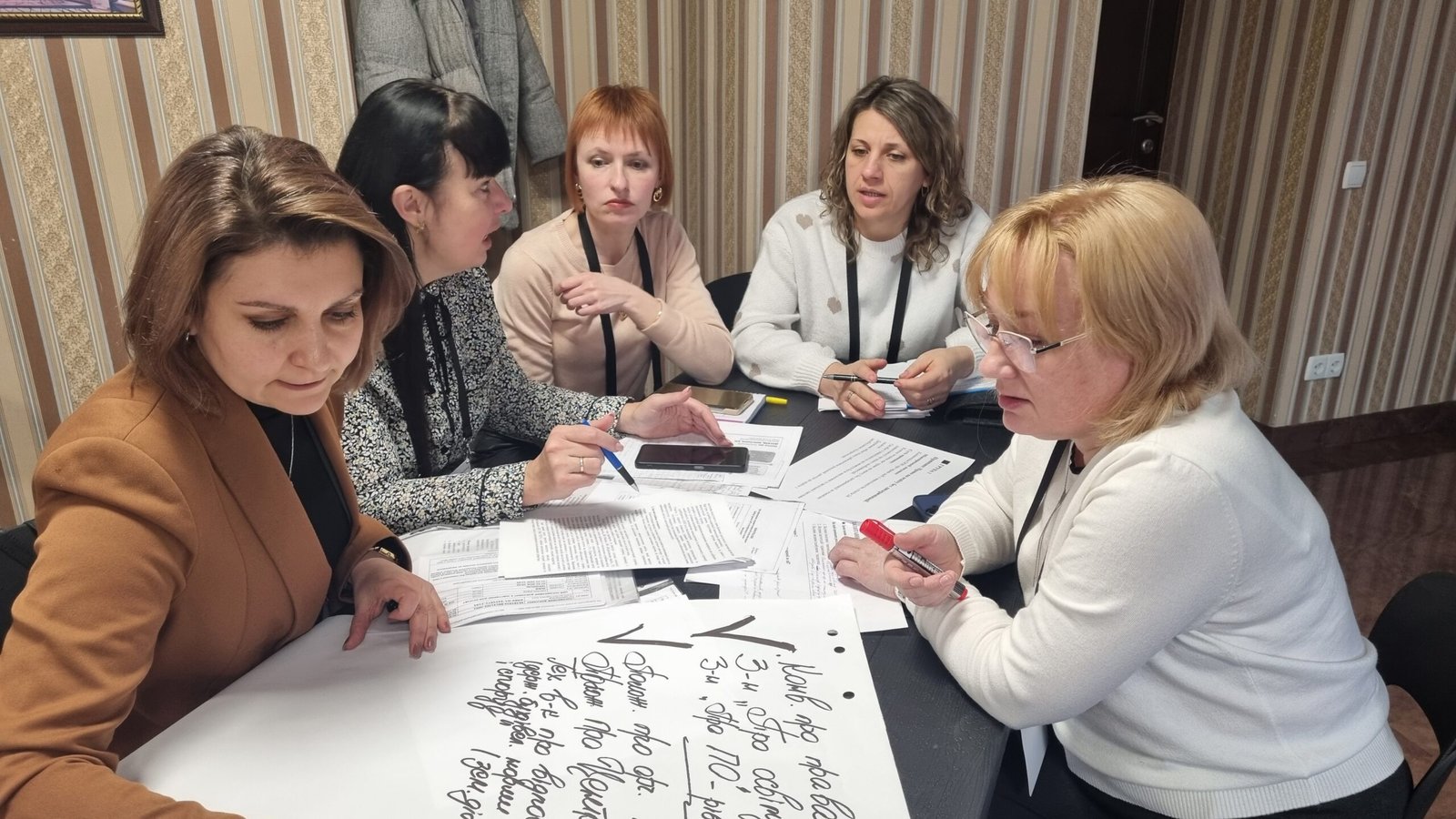
The culmination was the project session «Inclusion in VET practice: from decision to action,» where participants worked through the full cycle of the educational and professional route - from admission without barriers and a map of individual needs to adaptations without lowering professional standards, safety of work practice, and readiness for employment. The team presented their results in the format of solutions for implementation in institutions.
As a result of the training, the teams formed a list of priority steps that can be launched right away:
updating admission procedures and communication with applicants;
mechanisms for recording needs and planning support;
approaches to adaptations in education and work practice;
teamwork and division of responsibilities within the institution.
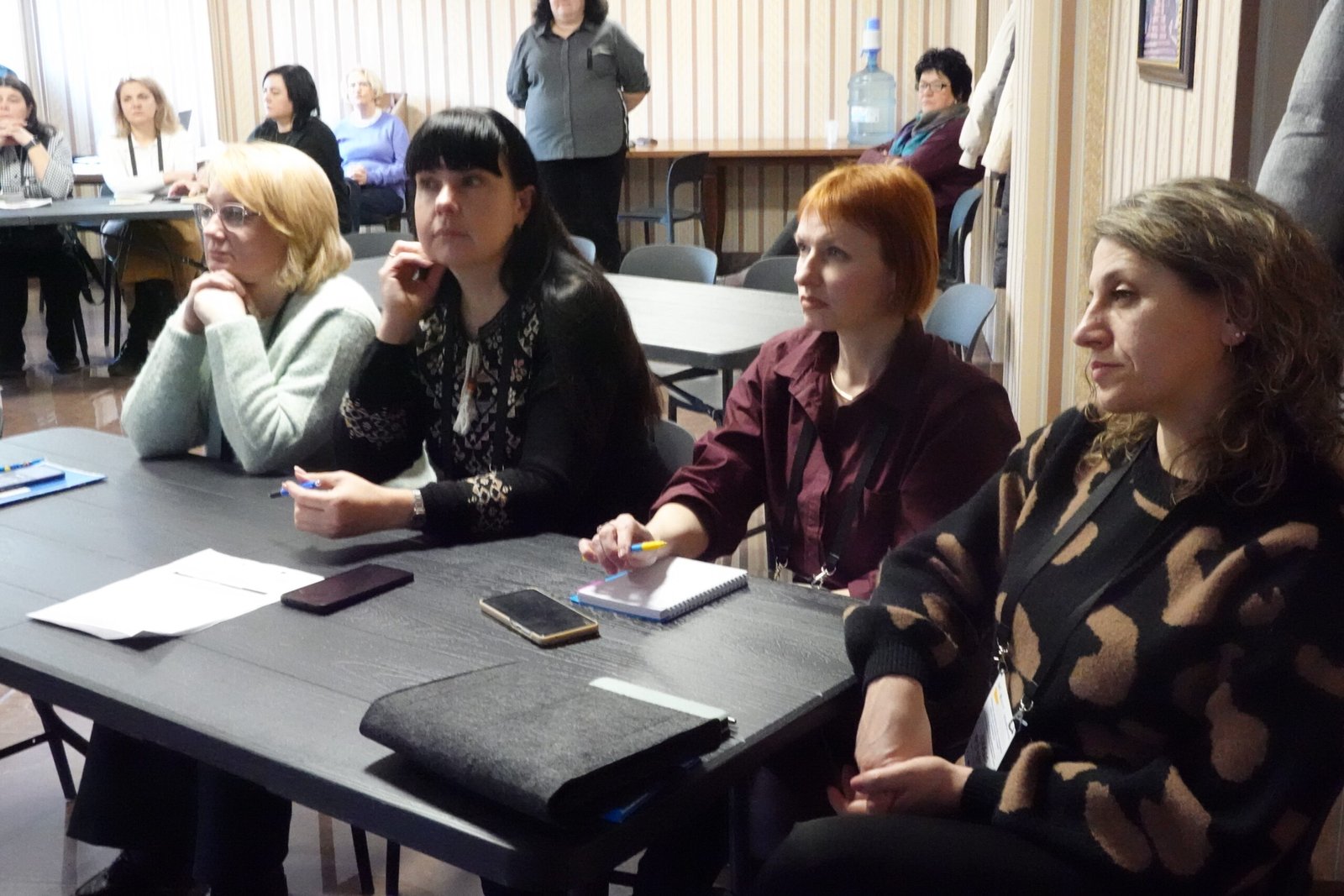
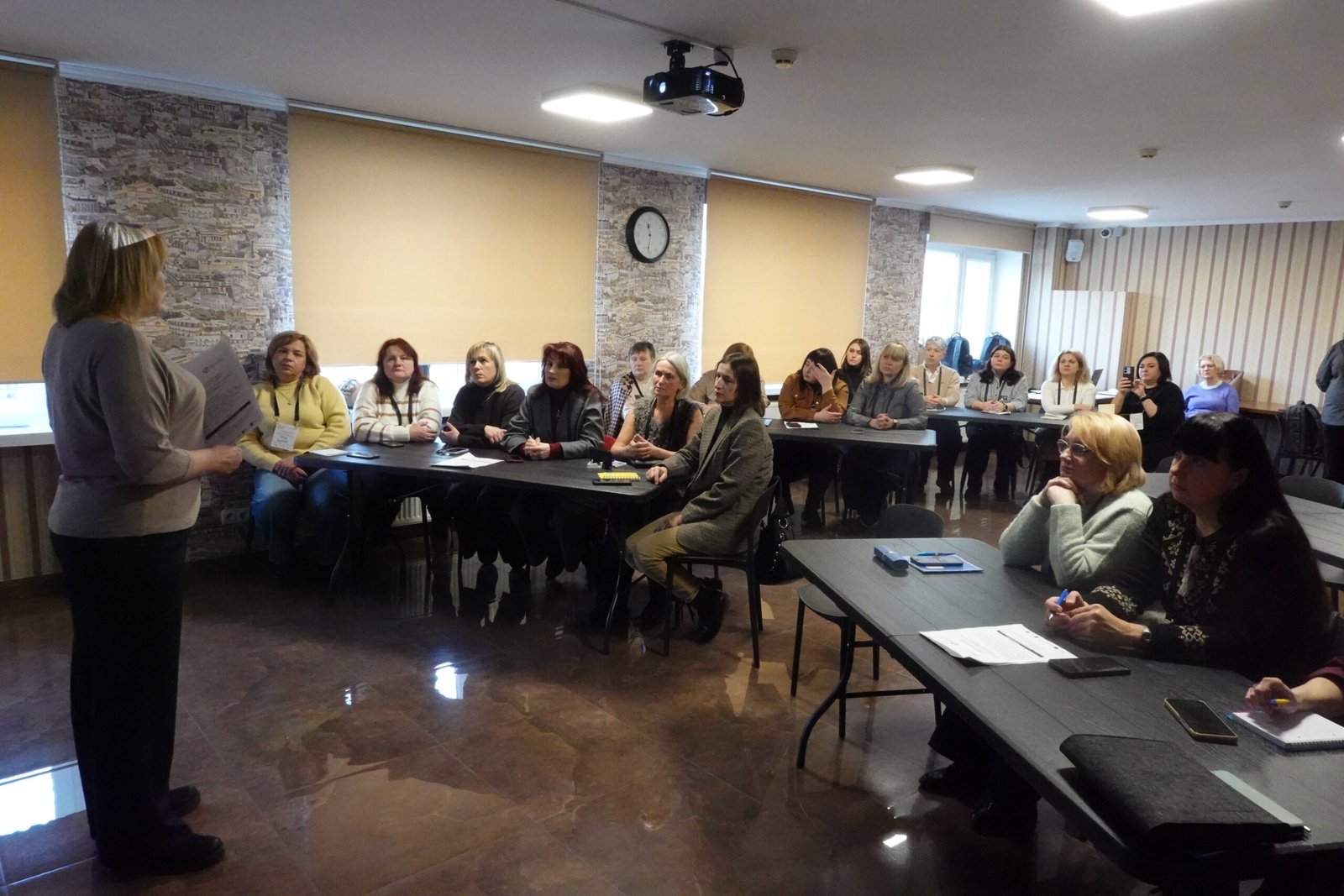
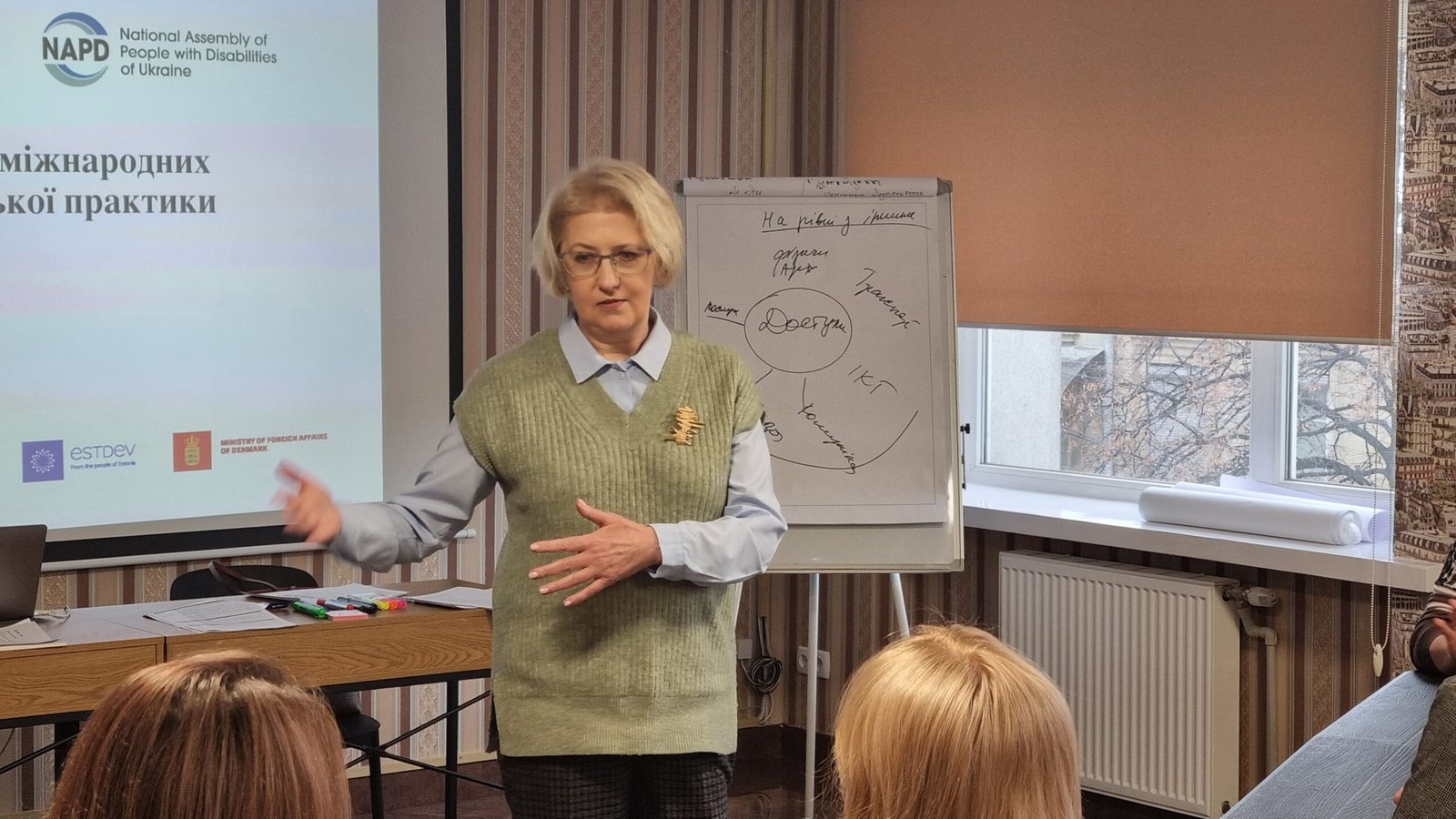
The training combined interactive lectures, group work, practical exercises, and professional dialog between institutions. The sessions were led by experts: Larysa Baida, Natalia Sofiy, Natalia Zaierkova, and Halyna Kossova-Silina.
According to the participants, the most valuable were the practical cases and algorithms for dealing with difficult situations, as well as the understanding that inclusion is not only about accessibility of the environment, but primarily about the daily work of the team with the student.
What’s Next
The series of trainings will continue for pilot LEAs from other regions to scale up the approach and support institutions in different regions. Three more similar joint trainings will be held for pilot LEAs from other regions.
In the next article, we will discuss how the institutions presented themselves: the numbers, challenges, and solutions that the teams came to Lviv with and are ready to put into practice.
The project “Inclusive Vocational Education and Training (VET): Improving Training for Veterans and People with Disabilities” is being implemented by the National Assembly of People with Disabilities of Ukraine (NAPD), jointly with Christoffel-Blindenmission Christian Blind Mission e.V. (CBM), with financial support from the European Union, Germany, Poland, Estonia, and Denmark as part of the Skills4Recovery Multi-Donor Initiative, which is implemented by Deutsche Gesellschaft für Internationale Zusammenarbeit (GIZ) GmbH and Solidarity Fund PL (SFPL).
З 21 до 23 липня у Києві проходив тренінг «Інклюзивне гуманітарне реагування та міжсекторальна координація», організований у межах проєкту, що реалізується за фінансової підтримки Європейського Союзу та співфінансується Christian Blind Mission e.V. / CBM. Тренінг об’єднав представників восьми громад Сумської, Чернігівської, Харківської та Полтавської областей. До навчання долучилися представники органів місцевого самоврядування, закладів охорони здоров’я, […]
30 липня НАІУ провела вебінар «Соціальне підприємництво для громадських організацій: з чого почати?». До навчання долучилися представники організацій — членів НАІУ, які прагнуть розвивати власні послуги, шукати додаткові джерела фінансування та посилювати суспільний вплив. Тренеркою вебінару стала Ксенія Печерська — юристка, тренерка та менторка з розвитку спроможності організацій громадянського суспільства, консультантка національного проєкту «Дія.Бізнес» із […]
У Судововишнянській громаді Львівської області триває адвокаційна робота на підтримку людей з інвалідністю та інших маломобільних груп населення, яку Національна Асамблея людей з інвалідністю України (НАІУ) реалізує в межах проєкту «Реабілітація в Україні» (Rehab4U). Зусилля вже дає відчутні результати: від внесення змін до проєкту капітального ремонту дороги до залучення представника громадської організації до складу конкурсної […]
Пропонуємо переглянути відеозапис вебінару «Індивідуальна програма реабілітації: можливості та виклики». Захід організував Ресурсний центр Національної Асамблеї людей з інвалідністю України в межах проєкту «Реабілітація в Україні» (Rehab4U). До вашої уваги — роз’яснення щодо роботи оновленої системи оцінювання повсякденного функціонування людини і формування індивідуальної програми реабілітації (ІПР): від алгоритму проходження оцінювання до роз’яснення прав людини та […]
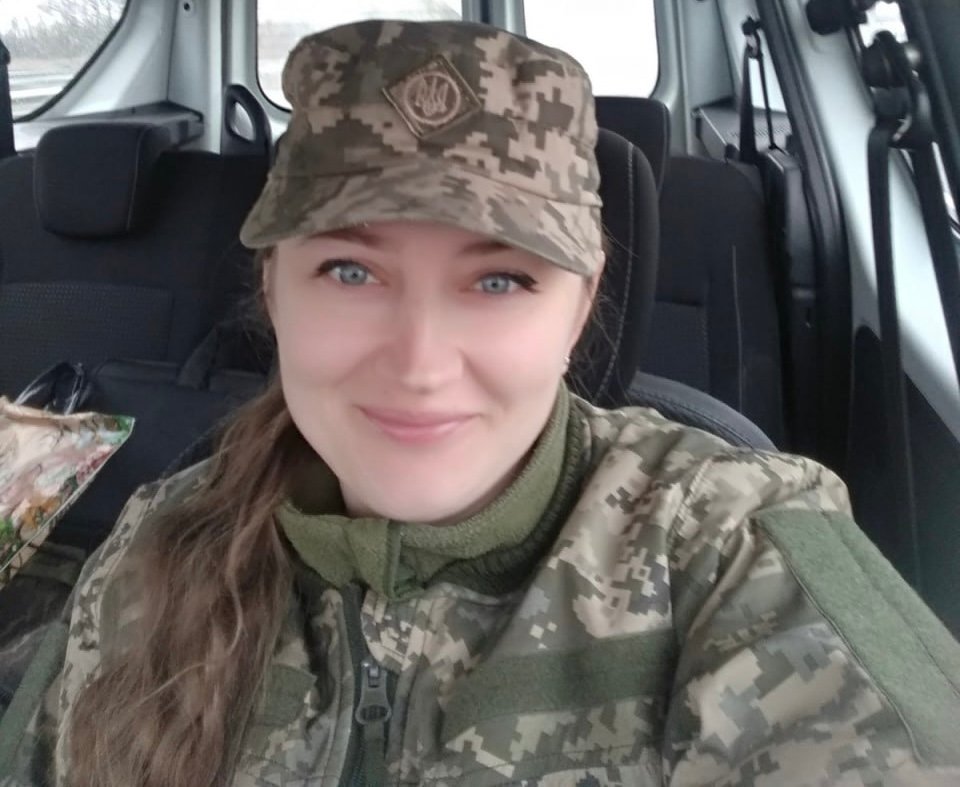
Ірина – молода мама з Полтавщини, яка виховує двох дітей: старшій дитині два з половиною роки, молодшій нещодавно виповнилося три місяці. Зараз жінка перебуває у відпустці по догляду за дитиною, відновлюється після пологів і водночас відвідує реабілітаційний центр. Ірина та її чоловік – військові. Обоє розпочали службу у 2017 році, а після початку повномасштабного вторгнення […]
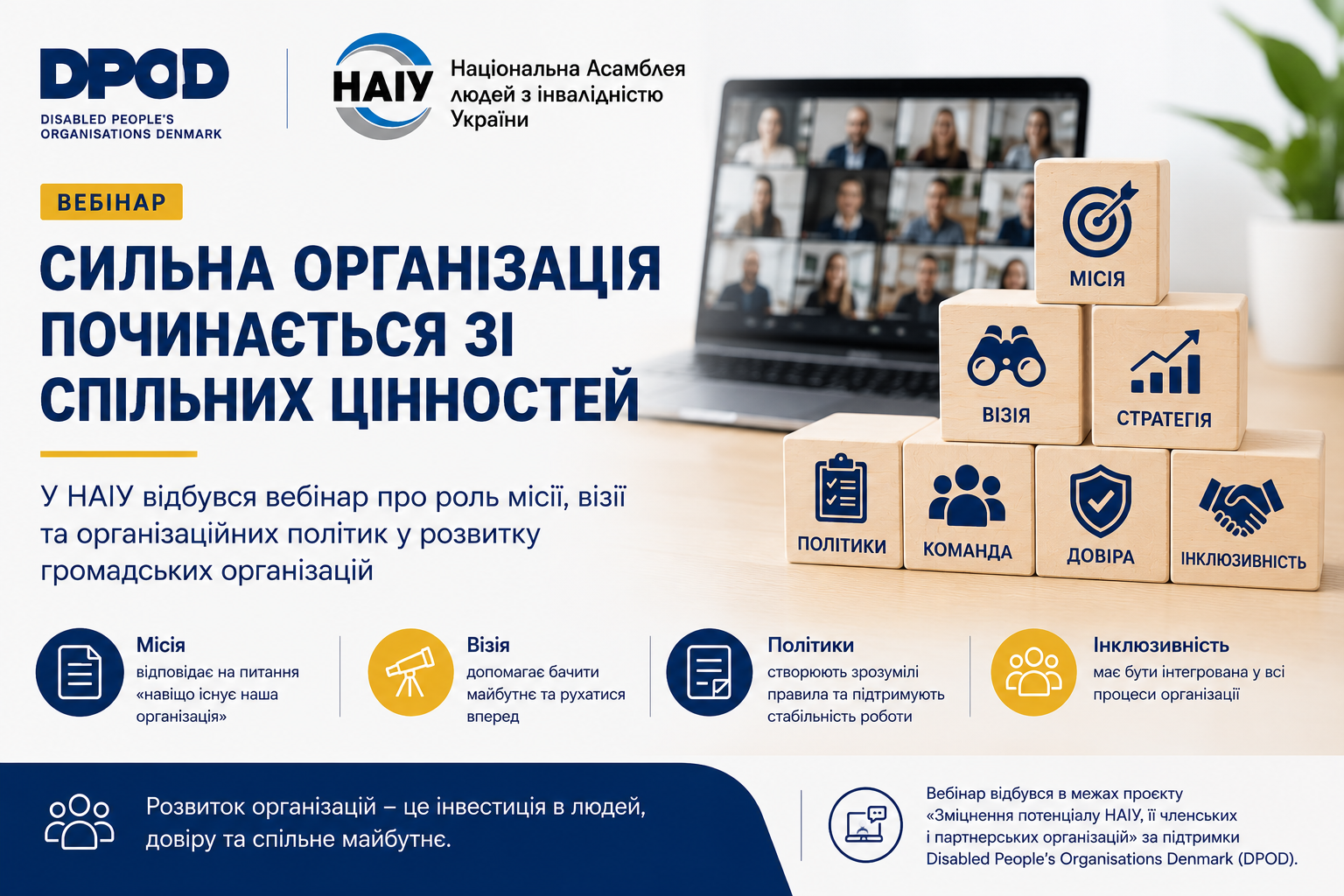
Що робить громадську організацію стійкою? Нові проєкти, сильна команда чи достатнє фінансування? Насправді все починається значно раніше — з розуміння власної місії, спільних цінностей і правил, за якими працює організація. Саме про це йшлося під час вебінару «Розбудова ефективної організації: роль місії, візії та організаційних політик», який Національна Асамблея людей з інвалідністю України провела для […]