Heard and Included for the First Time: The Leadership of Iryna Tverdokhlib and the First Accessible Trainings for Deaf Women in Poltava
January 19, 2026
Share:
The full-scale war that the Russian Federation continues to wage against Ukraine has made first aid skills and media literacy vital for survival. At the same time, at the beginning of the project in Poltava, women with hearing impairments were effectively excluded from such trainings. The lack of sign language interpretation meant a complete inaccessibility of knowledge that can save lives.
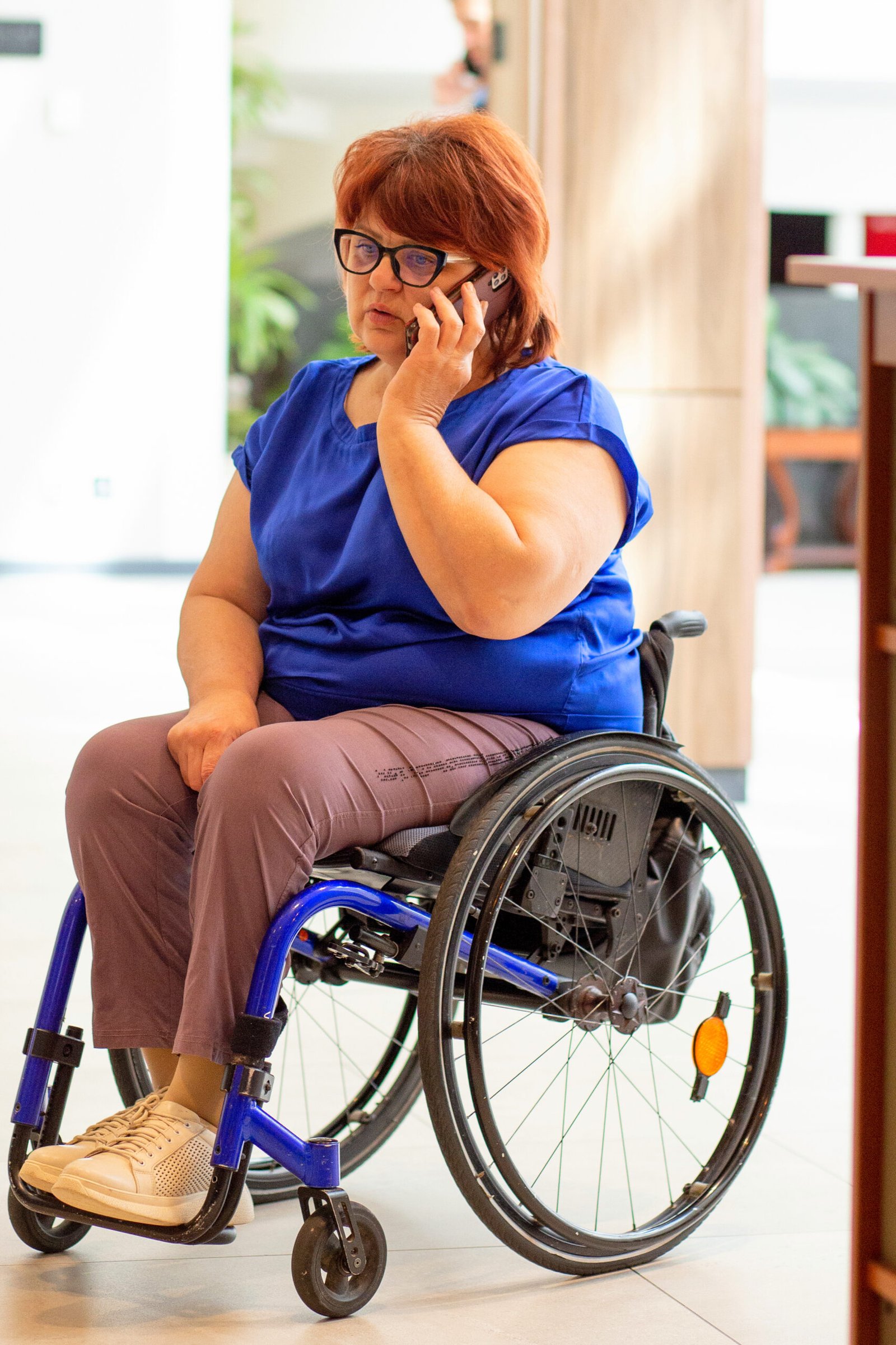
This situation was changed by the non-governmental organization “Poltava City Public Association of Persons with Disabilities ‘VIRA’” under the leadership of Iryna Tverdokhlib. Iryna is the regional representative of the National Assembly of Persons with Disabilities of Ukraine in Poltava region, Deputy Head of the Regional and City Accessibility Committees, Head of the city organization of persons with disabilities, and a lecturer at the Poltava Institute of Economics and Law.
She lives and works in Poltava, has a higher education, has been engaged in civic activism for many years, and, as a wheelchair user, clearly understands the barriers faced by women with disabilities. It was her leadership that made it possible for fully accessible trainings for women with hearing impairments to be held in Poltava for the first time.
“For me, the principle ‘nothing about us without us’ means that accessibility must be built in from the very beginning, not added formally later,” Iryna Tverdokhlib emphasizes. At her insistence, inclusivity became a mandatory requirement for every event.
Women with hearing impairments face multiple forms of marginalization. Today, Ukraine lacks clear statistics due to displacement, hostilities, and limited access to medical services, which creates “invisibility” in humanitarian programs. Lip-reading provides only 25–30% of visual information, and the ability to make a phone call or call for help in an emergency is often unavailable. All of this creates serious risks, especially during wartime.
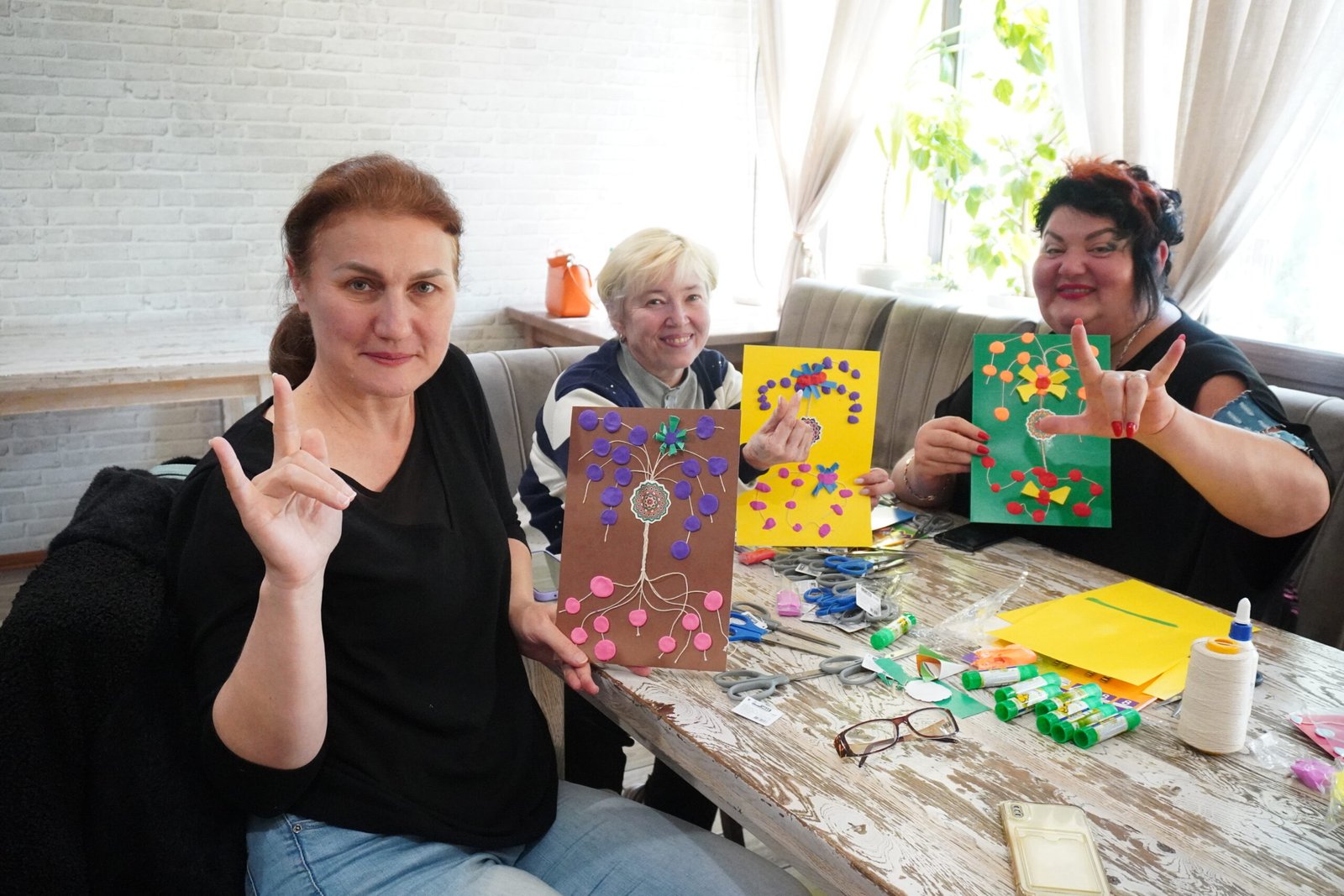
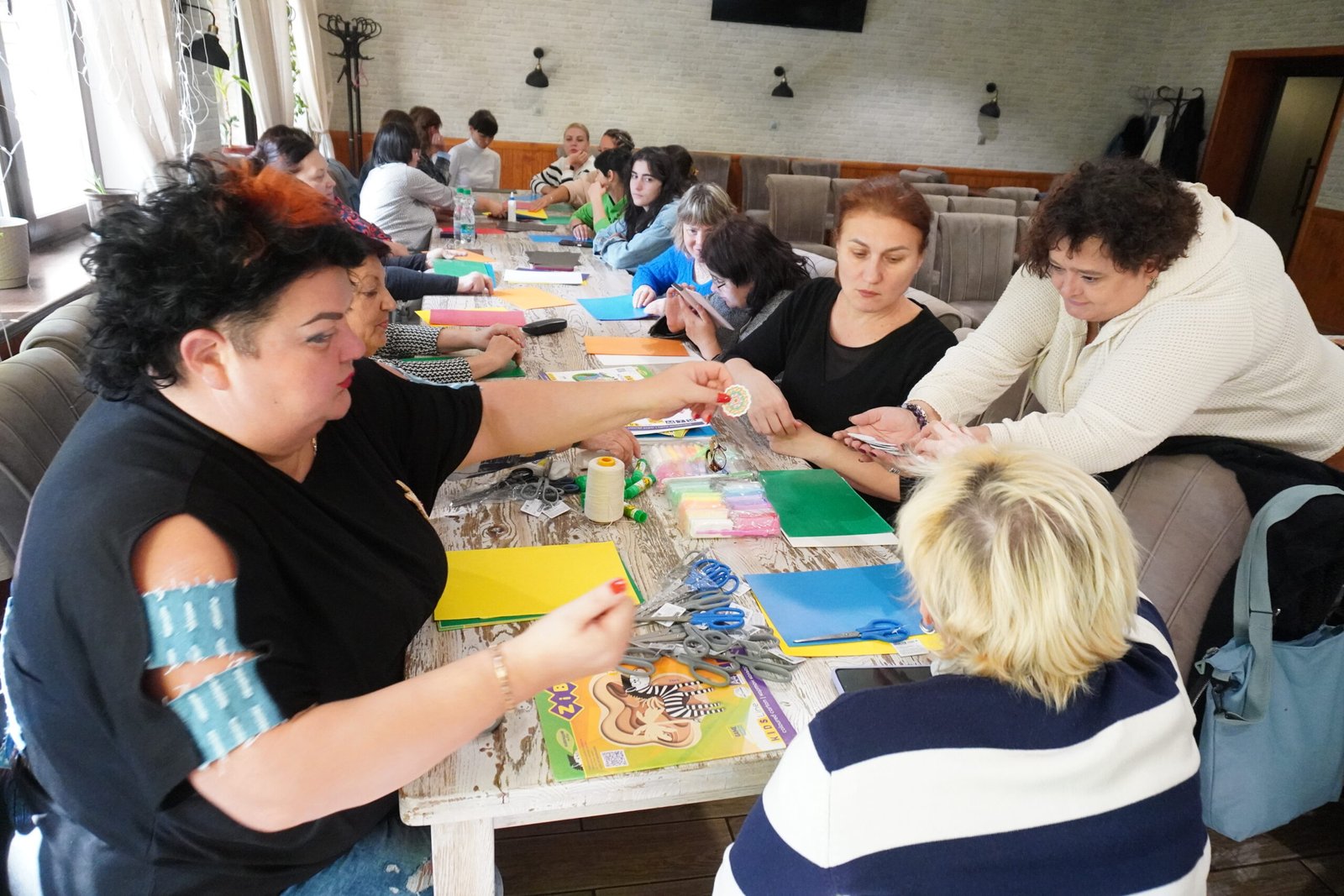
At the start of the project, there were no accessible first aid or media literacy trainings for women with hearing impairments in Poltava. Thanks to the financial support of the UN Women’s Peace and Humanitarian Fund (WPHF) and the technical support of UN Women in Ukraine, funds were allocated to organize inclusive trainings with the involvement of professional sign language interpreters. A key decision was to ensure continuous interpretation—during both the training sessions and breaks—which enabled women to be fully included in the learning process and informal dialogue.
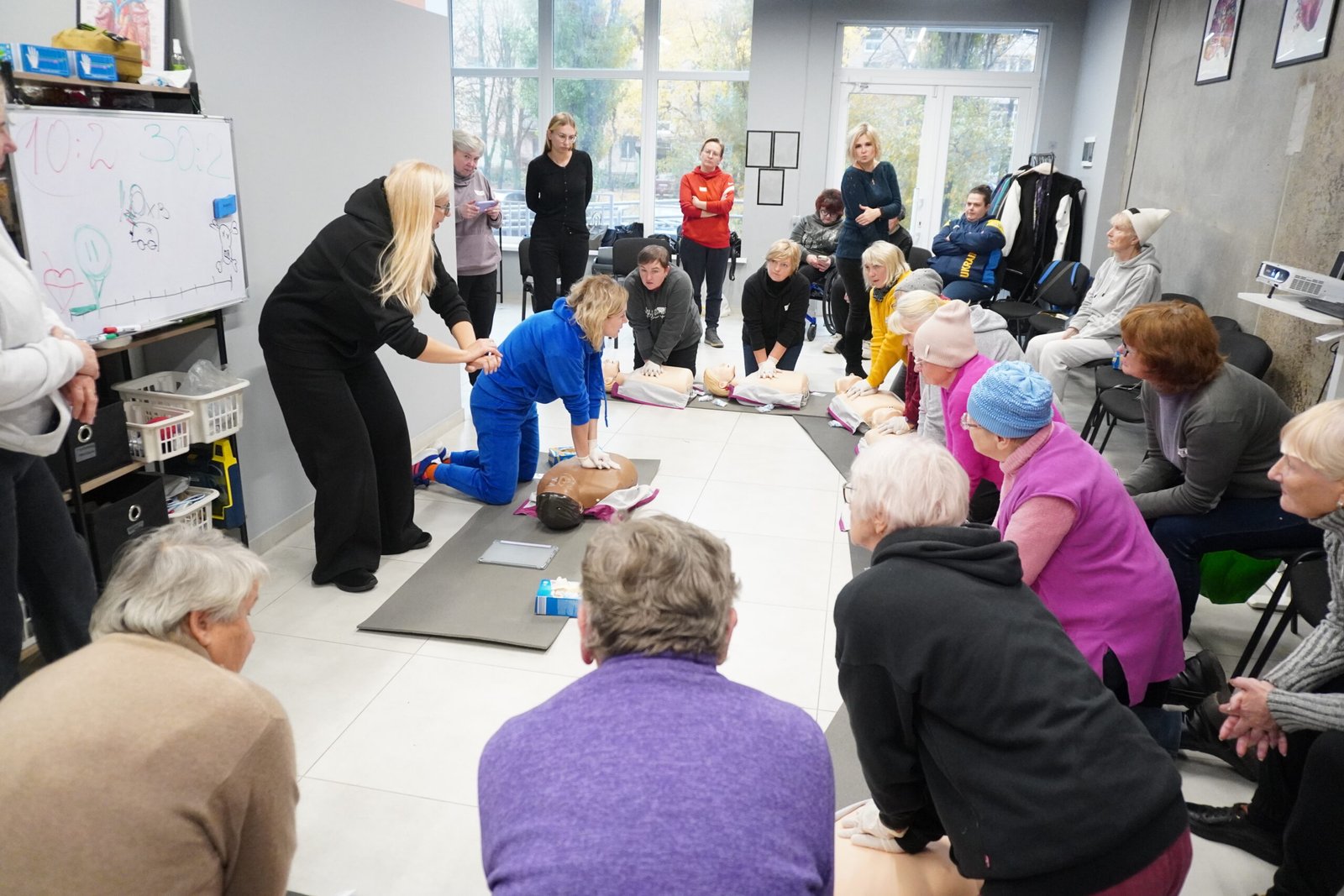
Within the project, 20 women with disabilities, including women with hearing impairments, for the first time in Poltava completed a five-hour practical first aid training. They learned how to respond to cardiac arrest, recognize critical conditions, and practiced algorithms on mannequins, building confidence and “muscle memory.” After completing the training, participants passed both theoretical and practical exams and received certificates. Media literacy trainings were also conducted, focusing on countering disinformation and information-psychological operations.
“Previously, such knowledge was inaccessible to us. Here, I not only learned but also felt support and unity with other women,” one of the participants shares.
This experience demonstrates that barriers for persons with disabilities are created by society, not by disability itself. Thanks to the leadership of Iryna Tverdokhlib and the support of UN Women Ukraine and WPHF, these barriers are being reduced, and women with disabilities are gaining access to life-saving skills, solidarity, and meaningful participation in community life.
The project “Humanitarian Response and Recovery: Strengthening the Leadership of Organizations of Women with Disabilities” is implemented by the National Assembly of Persons with Disabilities of Ukraine, funded by The United Nations Women’s Peace and Humanitarian Fund (WPHF) with technical support of UN Women Ukraine. The United Nations Women’s Peace and Humanitarian Fund (WPHF) mobilizes critical support for local and grassroots civil society organizations working on women, peace and security and humanitarian action. WPHF is a flexible and rapid financing mechanism supporting quality interventions designed to enhance the capacity of women to prevent conflict, respond to crises and emergencies, and seize key peacebuilding opportunities.
This publication has been prepared with the financial support of the United Nations Women's Peace and Humanitarian Fund (WPHF), which does not imply that the views and contents expressed herein are officially endorsed or recognized by the United Nations."
The Women’s Peace and Humanitarian Fund (WPHF) is the only global financing mechanism exclusively dedicated to supporting women’s participation in peace and security processes and humanitarian action. Governed by a diverse group of civil society, government, and UN representatives, WPHF is a multi-partner trust fund that mobilizes urgently needed funding for local, women-led organizations and works alongside women on the front lines to build lasting peace. Since 2016, WPHF has provided funding and strengthened the capacities of over 1,000 local women’s civil society organizations advancing the Women, Peace and Security agenda and delivering humanitarian action in 41 crisis-affected countries.
Oleksandra Perkova,
Communication Manager of the Projectproject communication manager
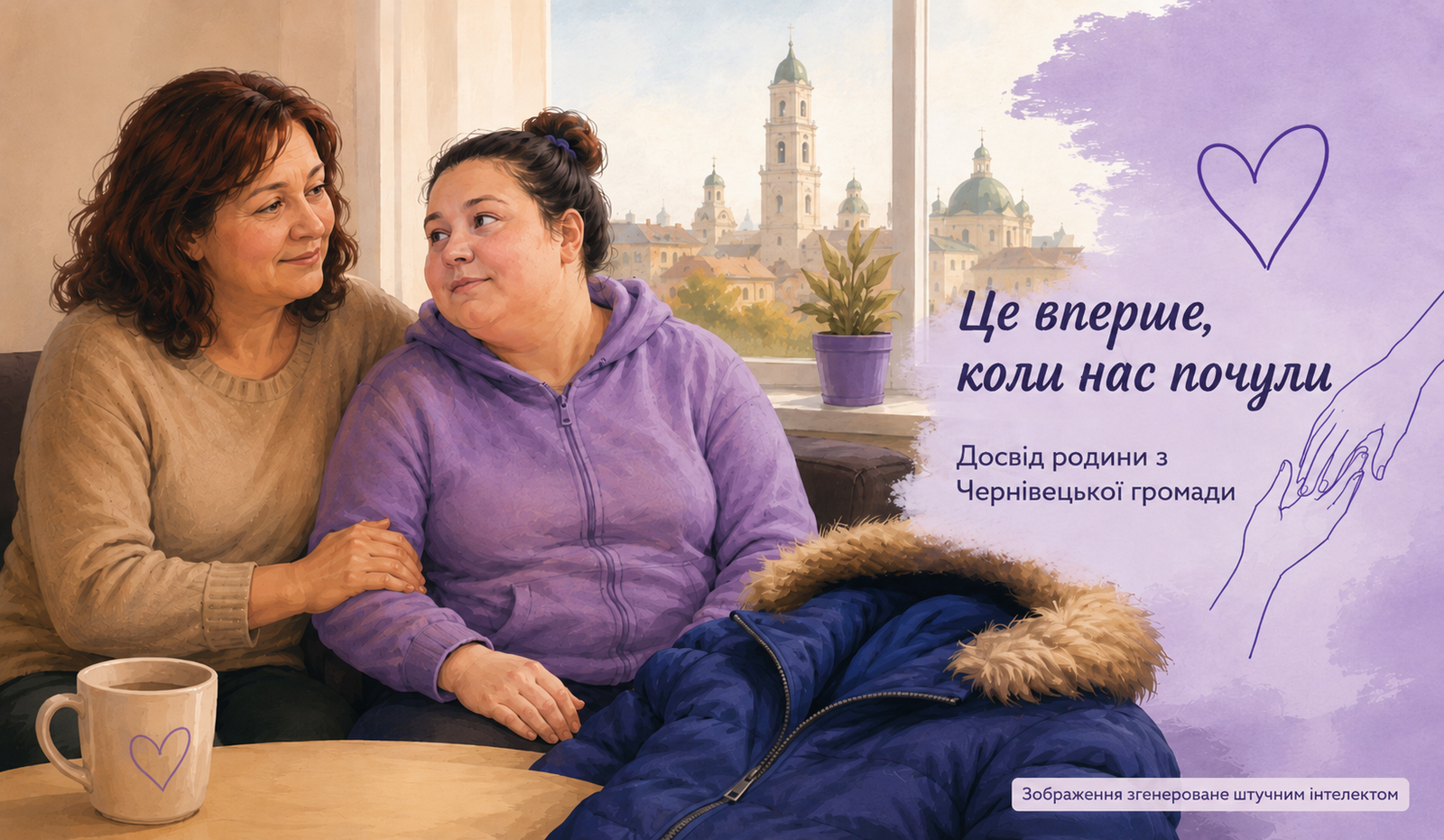
У межах проєкту «Здоров’я жінки» команда проєкту в громадах постійно спілкується з жінками з інвалідністю та їхніми родинами. Кожна така розмова допомагає краще зрозуміти, з якими бар’єрами вони стикаються щодня і чому своєчасна цільова грошова підтримка може стати для них справді важливою. У Чернівецькій громаді проживають пані Наталія та її донька Леся. Жінки звикли самостійно […]
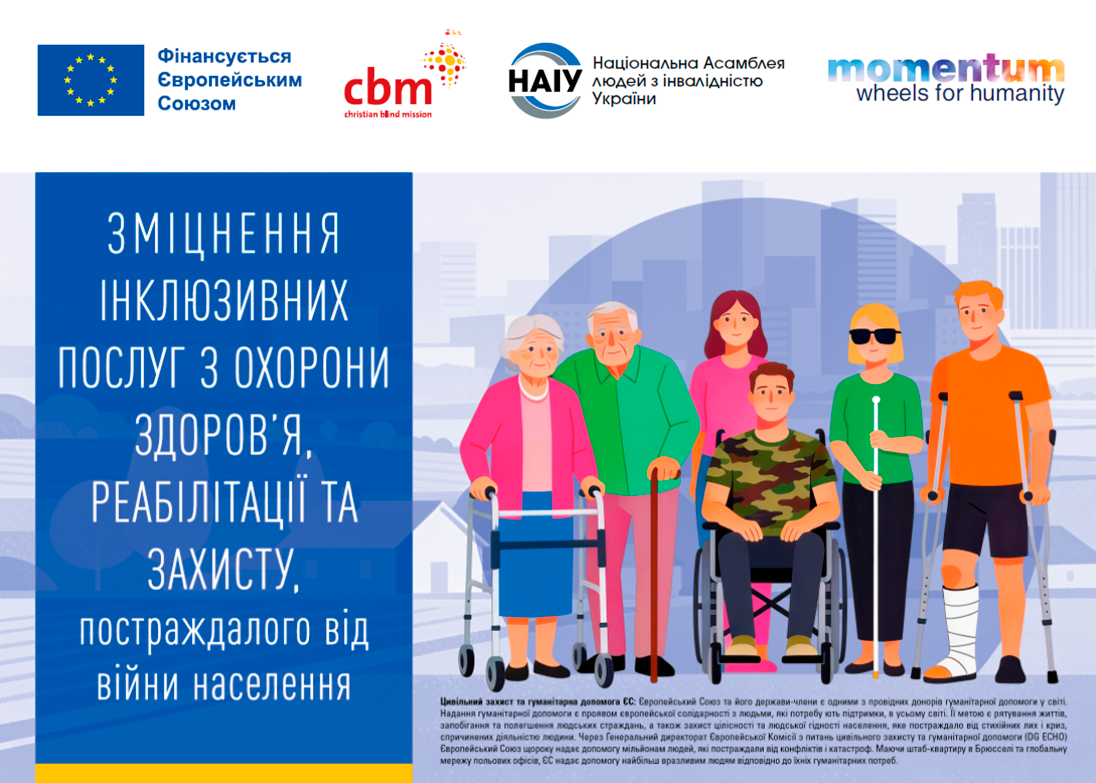
Національна Асамблея людей з інвалідністю України долучається до нового гуманітарного проєкту, спрямованого на те, щоб люди з інвалідністю та інші вразливі групи мали кращий доступ до медичних, реабілітаційних і захисних послуг у своїх громадах. Проєкт реалізується за фінансування Європейського Союзу через Генеральний директорат Європейської Комісії з питань цивільного захисту та гуманітарної допомоги. Загальний обсяг гуманітарного […]
Пропонуємо переглянути запис вебінару «Державні гарантії та соціальна підтримка внутрішньо переміщених осіб і людей, постраждалих внаслідок війни», що відбувся 29 червня 2026 року. Захід організував Ресурсний центр Національної Асамблеї людей з інвалідністю України в межах проєкту «Реабілітація в Україні» (Rehab4U). У записі представлено огляд нових урядових рішень у сфері соціального захисту внутрішньо переміщених осіб, забезпечення […]
Професійна освіта може стати для людей з інвалідністю, зокрема ветеранів з інвалідністю шляхом до нової професії, роботи й більшої самостійності. Але для цього недостатньо просто відкрити двері закладу освіти. Потрібні доступне середовище, адаптоване навчання, підготовлені викладачі, підтримка під час практики та готовність роботодавців. Досвід Фінляндії, Великої Британії, Німеччини та Словенії показує: інклюзивна професійна освіта працює […]
Індивідуальна програма реабілітації (ІПР) — ключовий документ, від якого напряму залежить доступ людини з інвалідністю до державної підтримки. Рішення щодо формування ІПР ухвалює експертна команда з оцінювання повсякденного функціонування особи, яка з 2025 року замінила медико-соціальні експертні комісії. Попри зміни в системі, у людей з інвалідністю й надалі виникає чимало запитань щодо процесу оцінювання, формування […]
Законопроєкт №14191, який покращує систему соціальної підтримки осіб з інвалідністю з дитинства, дітей з інвалідністю та їхніх законних представників, готовий до ухвалення! Багато хто з вас, напевно, пам’ятає численні публікації Голови НАІУ Валерія Сушкевича щодо тих колосальних ризиків, які супроводжували процес розробки проєкту Закону №14191. Ми неодноразово били на сполох, інформуючи суспільство про реальну загрозу звуження […]