From Barriers to Universal Access: How International Support Is Transforming Services for Women with Disabilities in Ukraine
24 April 2026
Share:
Every fall, Norway comes together around a great tradition of solidarity—the NRK (Norwegian Radio and Television Corporation) telethon. It is the country’s largest charitable initiative, which since 1974 has mobilized hundreds of thousands of people every year to raise funds for humanitarian projects around the world. Everyone participates: schools, businesses, local communities, government agencies, and even the royal family. Thanks to this massive mobilization of efforts, hundreds of millions of Norwegian kroner are raised each year.
In 2025, the funds raised are channeled through the Atlas Alliance—an association of Norwegian organizations working in the field of disability rights. Part of this support is coming to Ukraine through the “Women’s Health” project, which addresses one of the least visible yet critically important issues—access to medical services for women with disabilities, particularly in the area of reproductive health.
This project is being implemented by the National Assembly of People with Disabilities of Ukraine, and its director is Larysa Baida. “Women with disabilities in Ukraine have been left out of the healthcare system for years. And now we have a chance to change that—not just on paper, but in real life.”
Today, a visit to the gynecologist for a woman with a disability often turns into a real ordeal. To receive even a basic consultation, one must overcome a whole series of barriers. The first is physical: many medical facilities still lack ramps, elevators, or accessible entrances, as well as accessible restrooms; examination rooms often lack universal medical equipment and restrooms. The second is behavioral: a lack of proper training for healthcare workers, a tendency for doctors to make decisions on behalf of the woman (advice regarding pregnancy termination based on a diagnosis), insufficient legal awareness among women and men with disabilities regarding their rights, and the existence of misconceptions about the healthcare needs of women and men with disabilities. Sometimes they are made to feel, directly or indirectly, that they “are not typical patients.”
“We repeatedly hear stories of women who simply didn’t make it to the doctor—due to barriers, shame, or experiences of humiliation. But access to healthcare services cannot depend on how difficult it is to obtain them,” says Larysa Baida.
The issue of reproductive health is particularly acute here. This is not just about family planning, but about access to preventive screenings, diagnostics, treatment, and information about one’s own body, as well as the right to make decisions. When these services are unavailable, the consequences can be serious—ranging from late detection of diseases to chronic complications that could have been avoided. All sexual and reproductive health services, including gynecological, obstetric, breast cancer screening, family planning, and abortion services, must be guaranteed and accessible. This includes access to information (particularly in sign language, easy-to-read formats, and Braille), architectural accessibility, as well as the provision of appropriate support, reasonable accommodations, assistive devices, and personal assistance.
The war in Ukraine has further exacerbated the situation. The destruction of medical infrastructure, forced displacement, lack of resources, and psychological stress have made women with disabilities even more vulnerable. In many communities, access to local healthcare has effectively disappeared or become sporadic.
That is why the new project, supported by the Atlas Alliance, is comprehensive in nature. It covers seven regions of Ukraine and combines research, practical changes, and system development.
As part of the initiative, an audit of healthcare facility accessibility is being conducted, the actual needs of women are being analyzed, and maps of available services are being created. Concurrently, universal equipment for gynecological offices and departments will be procured, and minor renovations will be carried out to ensure physical accessibility.
An important component is the training of healthcare workers: workshops, seminars, and study tours to better understand the needs of patients with disabilities and work with them without barriers or stereotypes.
A separate focus is targeted humanitarian support. The project provides for a rapid response to the needs of women with disabilities: financial assistance, provision of assistive technologies, wheelchairs, and other aids necessary for daily life.
Equally important is strengthening the capacity of organizations for women with disabilities: training female leaders, conducting advocacy campaigns, and collaborating with women’s organizations to protect the rights of women, including those with disabilities. This enables women with disabilities not only to receive assistance but also to drive change within the system themselves.
According to Larysa Baida, this collaboration has a deeper meaning than simply implementing a project.
“We see how international support translates into real change in communities. It’s about hospitals that will provide high-quality and accessible services for everyone. About doctors who are learning to listen to women and men with disabilities and support them in their decisions. It’s about women, including those with disabilities, who will be able to receive comfortable and high-quality services where they live. It’s about women’s unity and solidarity in defending their rights. It’s about changing mindsets and perspectives. It’s about our shared future.”
In this sense, the contribution of the Norwegian telethon NRK and Atlas Alliance goes far beyond financial aid. It is an example of how global solidarity can change local realities—and open access to basic rights for those who have long remained invisible to the system.
Oleksandra Perkova, Communications Manager of the Project
У Черкасах для водіїв і контролерів комунального підприємства «Черкасиелектротранс» провели практичне навчання з доступного перевезення людей з інвалідністю та інших маломобільних пасажирів. Працівники освоїли правила безпечної посадки й висадки, використання апарелі, надання допомоги та належної взаємодії з пасажирами. Про це повідомляє громадська організація «Спілка людей з інвалідністю «Перспектива» на своїй сторінці у Facebook. Навчання стало […]
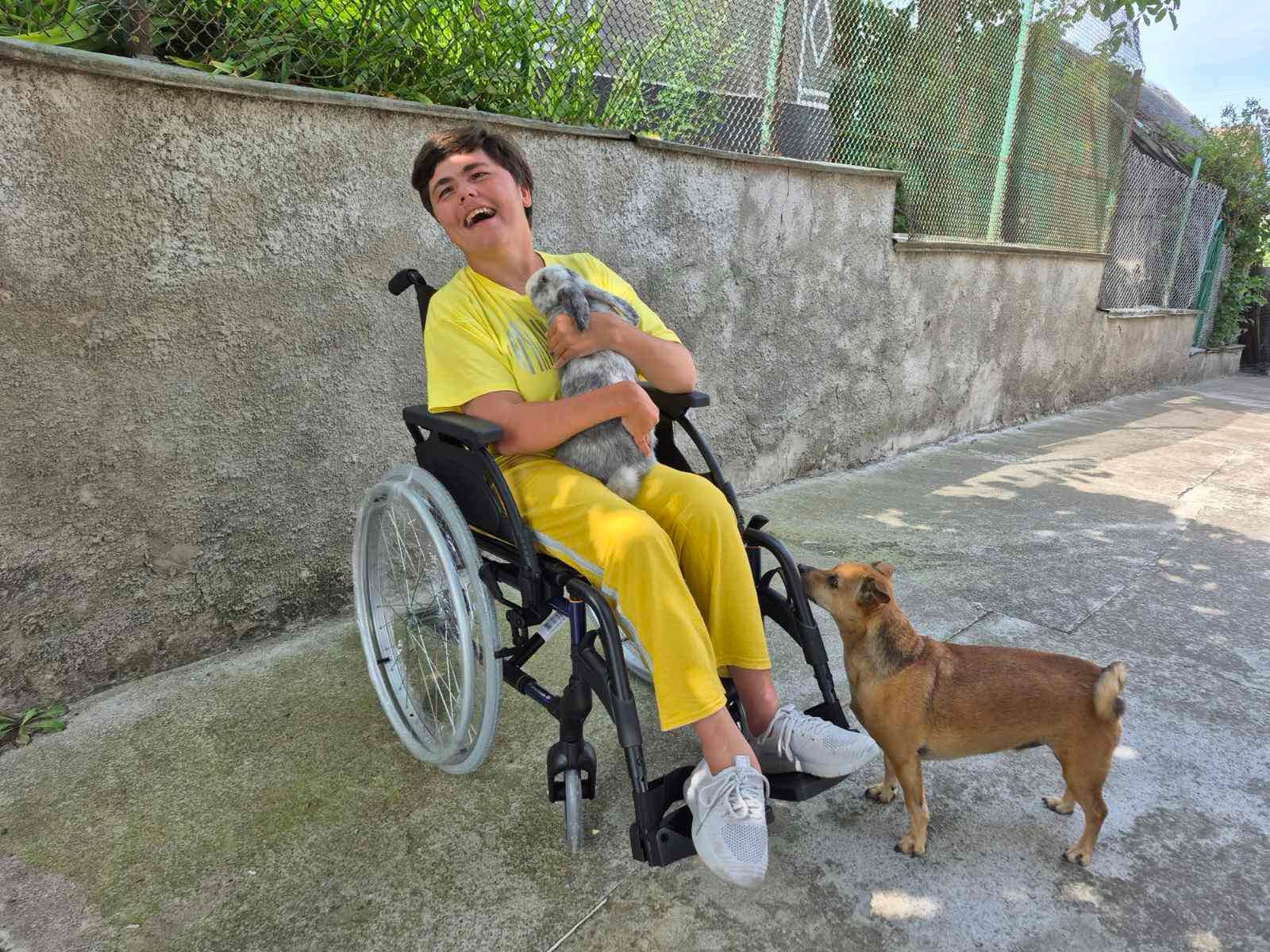
Провести час у дворі, поїхати у місто, дістатися лікарні чи аптеки, зустріти знайомих або просто прогулятися. Усі ці звичні справи є частиною повсякденного життя Ірини з Горохівскої громади, тому для неї важливо мати зручний і справний засіб мобільності. Ірина живе разом із мамою та дідусем. Основним прибутком родини є три пенсії. Тримати велике домашнє господарство […]
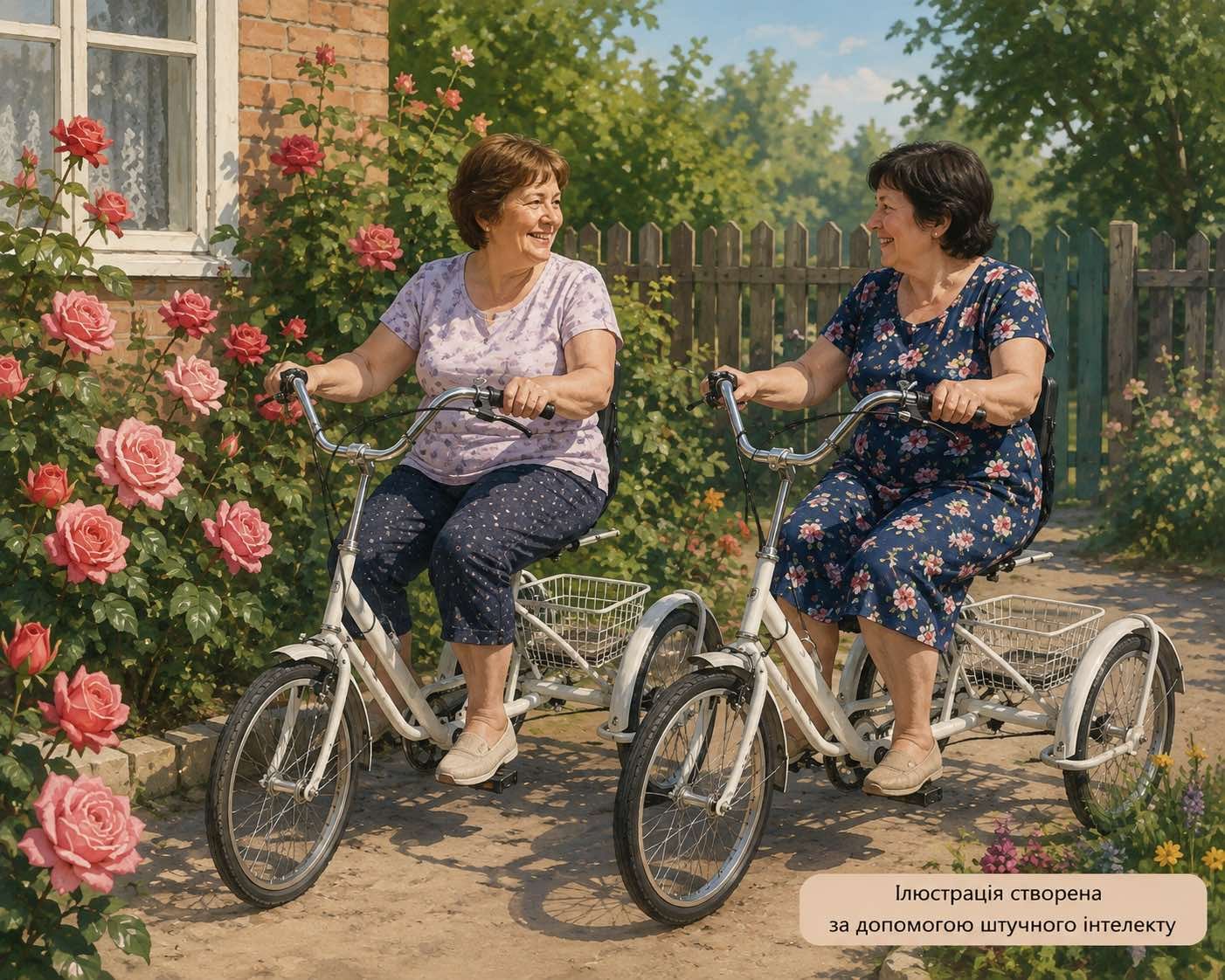
Коли щоденні справи пов’язані з постійними поїздками та пересуванням на значні відстані, можливість залишатися мобільною напряму впливає на те, наскільки людина може самостійно планувати своє життя. Для двох мешканок Чутівської громади це питання особливо практичне. Обидві жінки живуть у приватному секторі, займаються домашнім господарством, працюють на городі та мають спільне захоплення — вирощують квіти. У […]
Ресурсний центр Національної Асамблеї людей з інвалідністю України підготував черговий огляд законодавчих новацій, важливих для людей з інвалідністю, їхніх сімей, а також ветеранок і ветеранів. Серед основних тем липня і серпня — медична допомога й протезування, посилення соціальних гарантій, безпечна евакуація, підтримка у професійній освіті та доступність банківських послуг. 19 серпня Верховна Рада України ухвалила […]
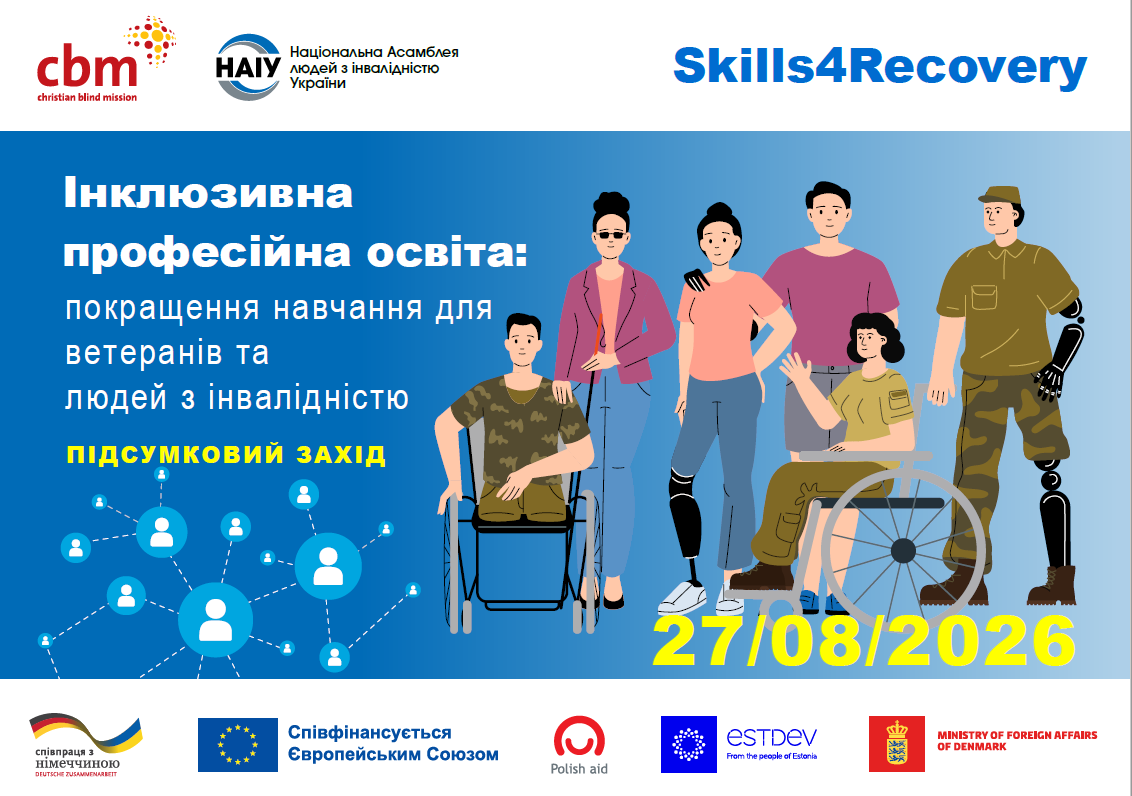
Запрошуємо долучатися до прямої трансляції та разом підбити підсумки роботи, яка об’єднала заклади професійної освіти, експертів і партнерів навколо спільної мети — зробити професійну освіту в Україні доступнішою та інклюзивнішою. Сьогодні говоримо про результати проєкту, практичний досвід закладів професійної освіти, підготовлені ресурси та рішення, які можуть працювати й після завершення проєкту. Запрошуємо долучитися до розмови […]
У 2026 році ветерани війни та інші визначені законодавством категорії громадян мають отримати разову грошову виплату до Дня Незалежності України. Більшості одержувачів гроші нарахують автоматично. Якщо людина набула відповідного статусу до 24 серпня, але станом на 1 жовтня виплату не отримала, вона може звернутися із заявою до Пенсійного фонду України. Повний перелік категорій, які мають […]