NAPD Methodological Cards as a Tool for Overcoming Stereotypes about People with Disabilities
December 16, 2025
Share:
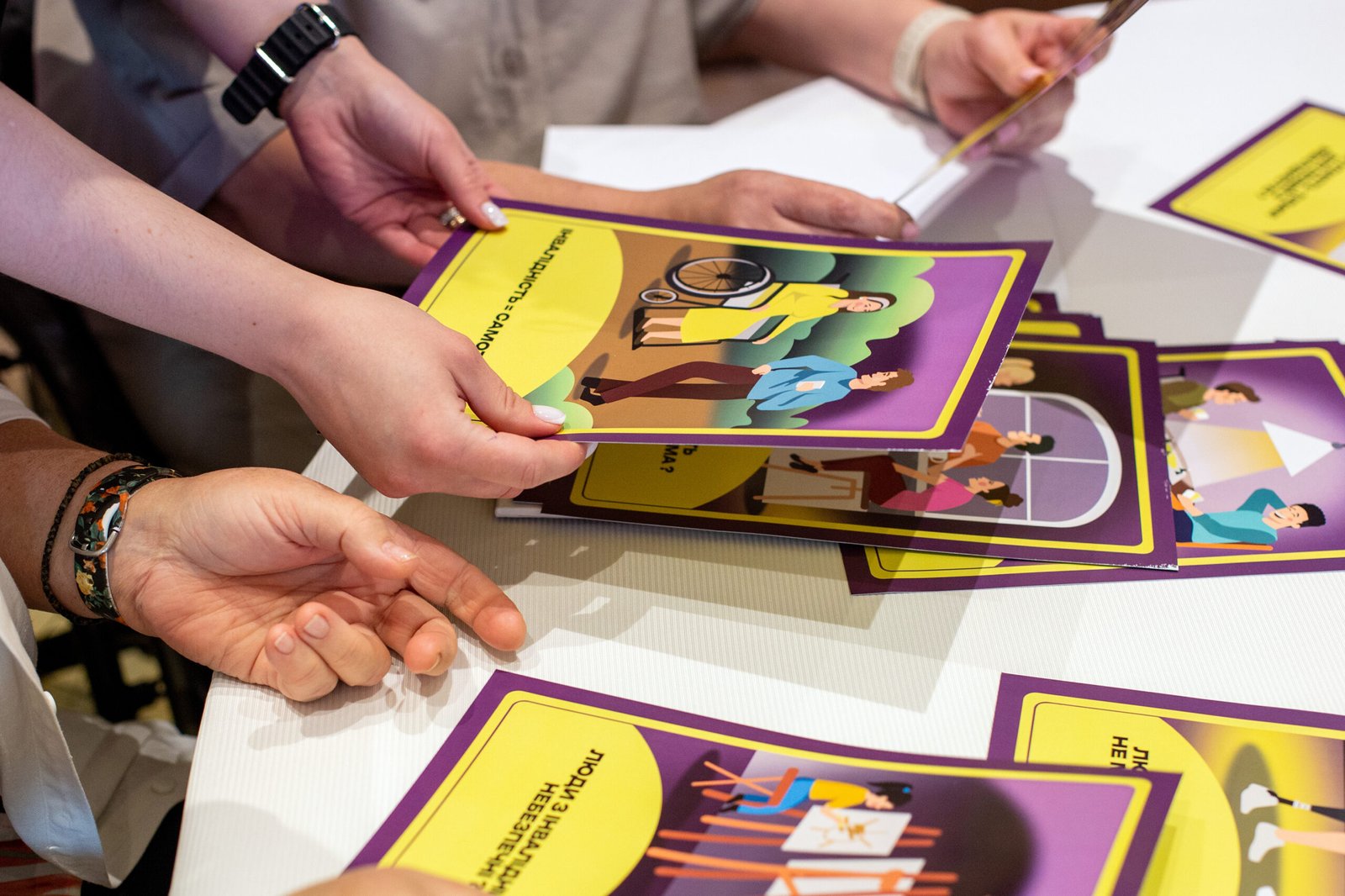
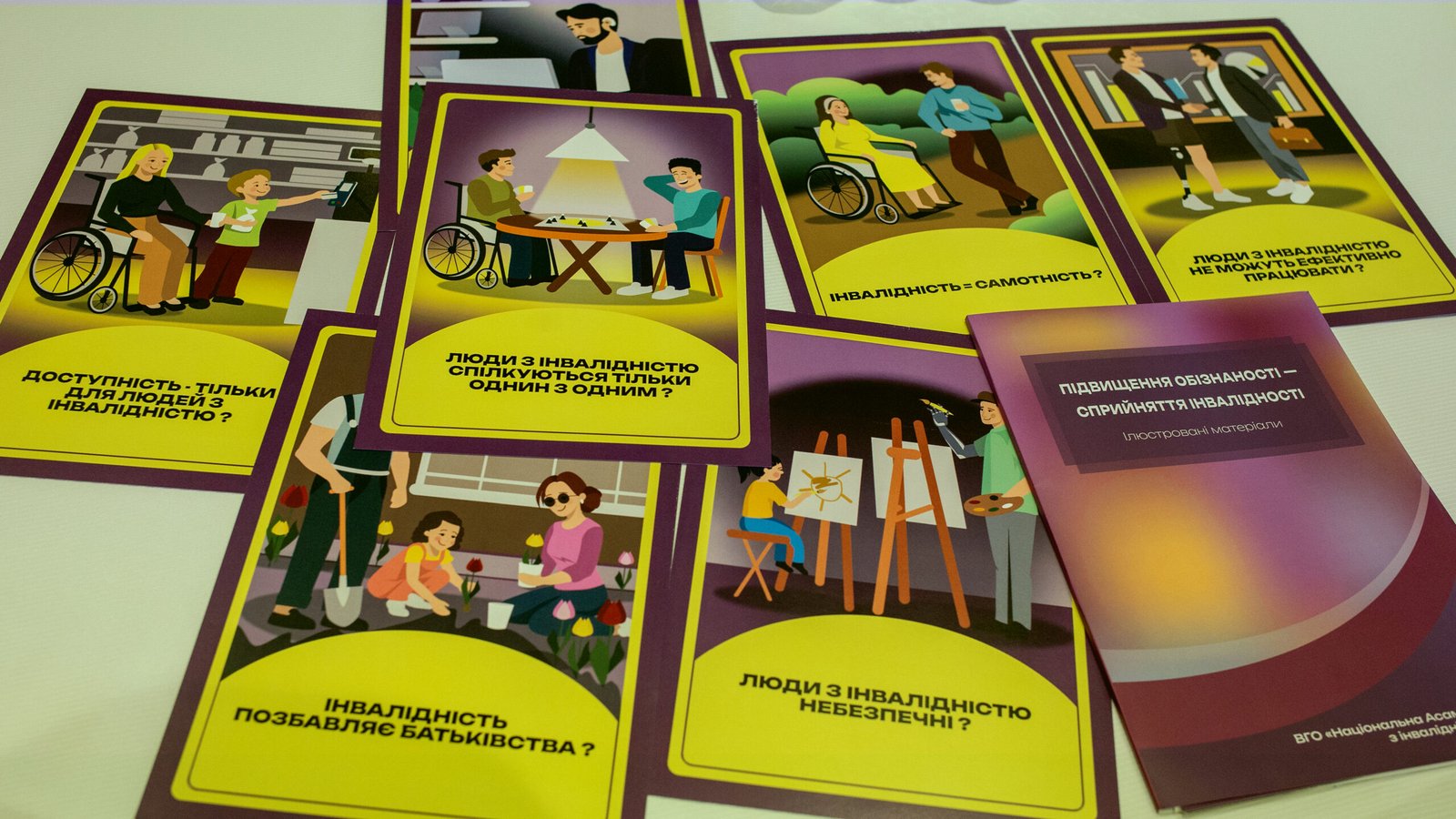
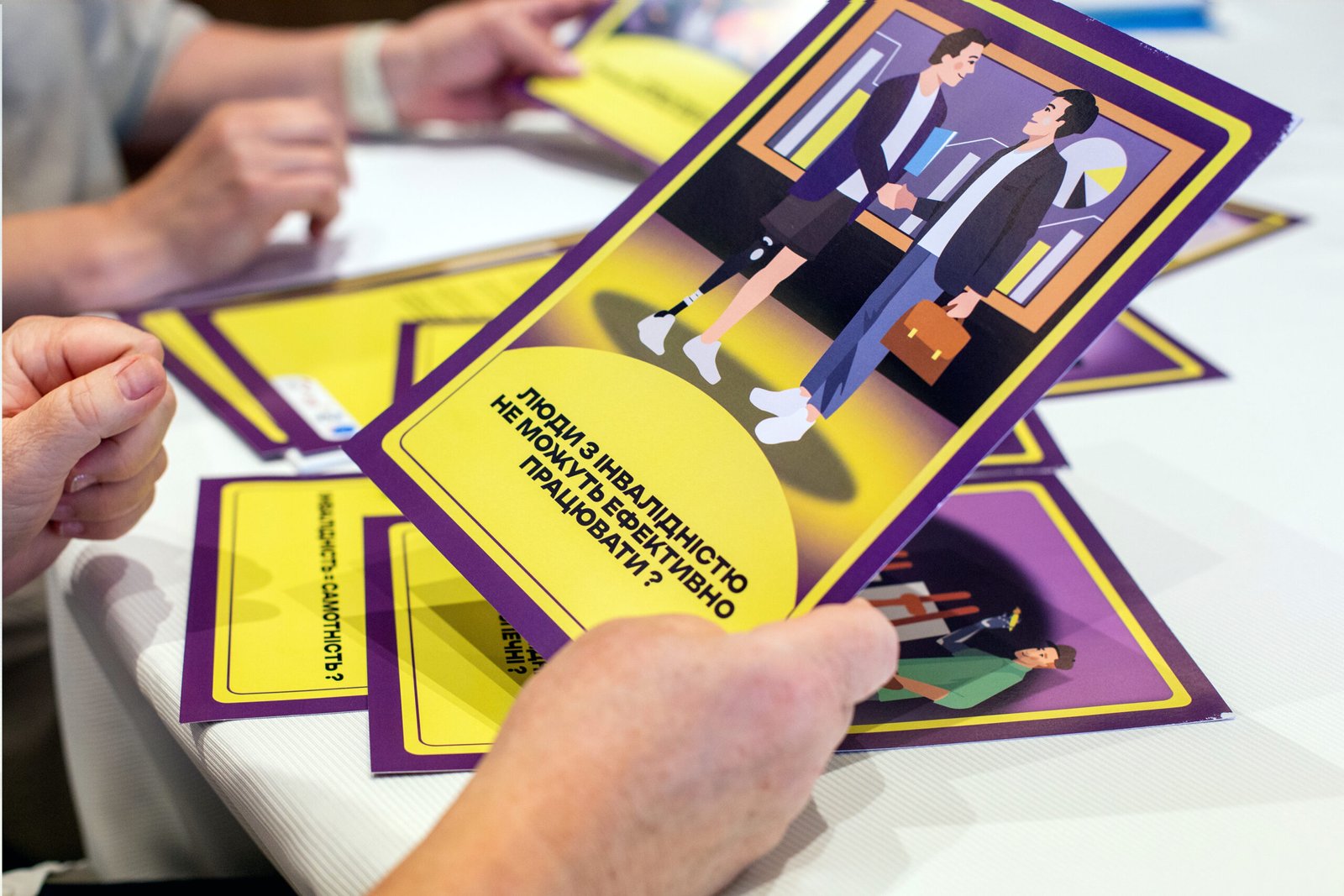
The National Assembly of People with Disabilities of Ukraine (NAPD), within the framework of the project “Disability-Inclusive Multisectoral Humanitarian Assistance for IDPs, Returnees, Veterans, and Host Communities in Ukraine”, implemented in partnership with the European Disability Forum (EDF) with the support of the German Federal Foreign Office (GFFO) and CBM (Christian Blind Mission), has developed unique methodological cards for use in seminars, webinars, and awareness-raising activities. These cards are aimed at dismantling deeply rooted stereotypes that still influence society’s perception of people with disabilities. They not only debunk false claims but also explain how such notions are formed and why they do not correspond to reality.
In public consciousness, there often remains the belief that disability supposedly condemns a person to isolation, dependence, or loneliness. In fact, social connections are determined by the accessibility of the environment and the attitudes of others, not by disability itself. People with disabilities create families, build careers, and lead rich cultural and civic lives—provided that barriers do not stand in their way.
Another widespread stereotype is the assumption that disability is inherently linked to illness. This approach stems from a lack of awareness and reduces a complex social phenomenon to a medical diagnosis. The methodological cards clearly explain the difference between a medical condition and the rights-based model of disability, where equality of opportunity and the removal of barriers are key. Disability is not an “illness” that needs to be cured, but rather the result of how the environment responds (or fails to respond) to a person’s needs.
There are also stereotypes based on fear or lack of knowledge—for example, the belief that people with disabilities may be dangerous or that their behavior is “unpredictable.” Such judgments are unfounded and arise where there is no real experience of interaction within an inclusive environment, because disability does not determine a person’s character traits.
The cards also draw attention to invisible impairments—those that have no outward signs. Societal recognition of their existence is an important step toward respecting privacy and eliminating the stigma that “real” disability must always be visible.
Myths also concern assistive devices and technologies. For instance, there is a common belief that a wheelchair “limits” a person. In reality, it provides freedom of movement, autonomy, and comfort. Equally false is the assumption that people with disabilities mainly socialize only with each other: social circles are formed based on interests and mutual affinity, not physical or sensory impairments. People with disabilities actively participate in cultural life and value art. Audio description, subtitles, tactile exhibits, adapted theatrical performances, and technological solutions make art accessible to everyone.
Using these cards in the work of clusters and at seminars allows for a deeper understanding of the needs of people with disabilities, rejection of false perceptions, and the development of truly inclusive approaches. They become a practical tool for discussions, case analysis, and interactive exercises, helping participants see the real-life consequences of stereotypes in practice.
The NAPD project is aimed at the systematic elimination of prejudice and the formation of a culture of equality, where the interests and needs of people with disabilities are integrated into all areas of community life. The methodological cards are part of this process, as they provide concrete examples, tools, and arguments for building humanitarian assistance and social practices based on respect, accessibility, and equal opportunities.
Oleksandra Perkova, Communications Manager of the Project
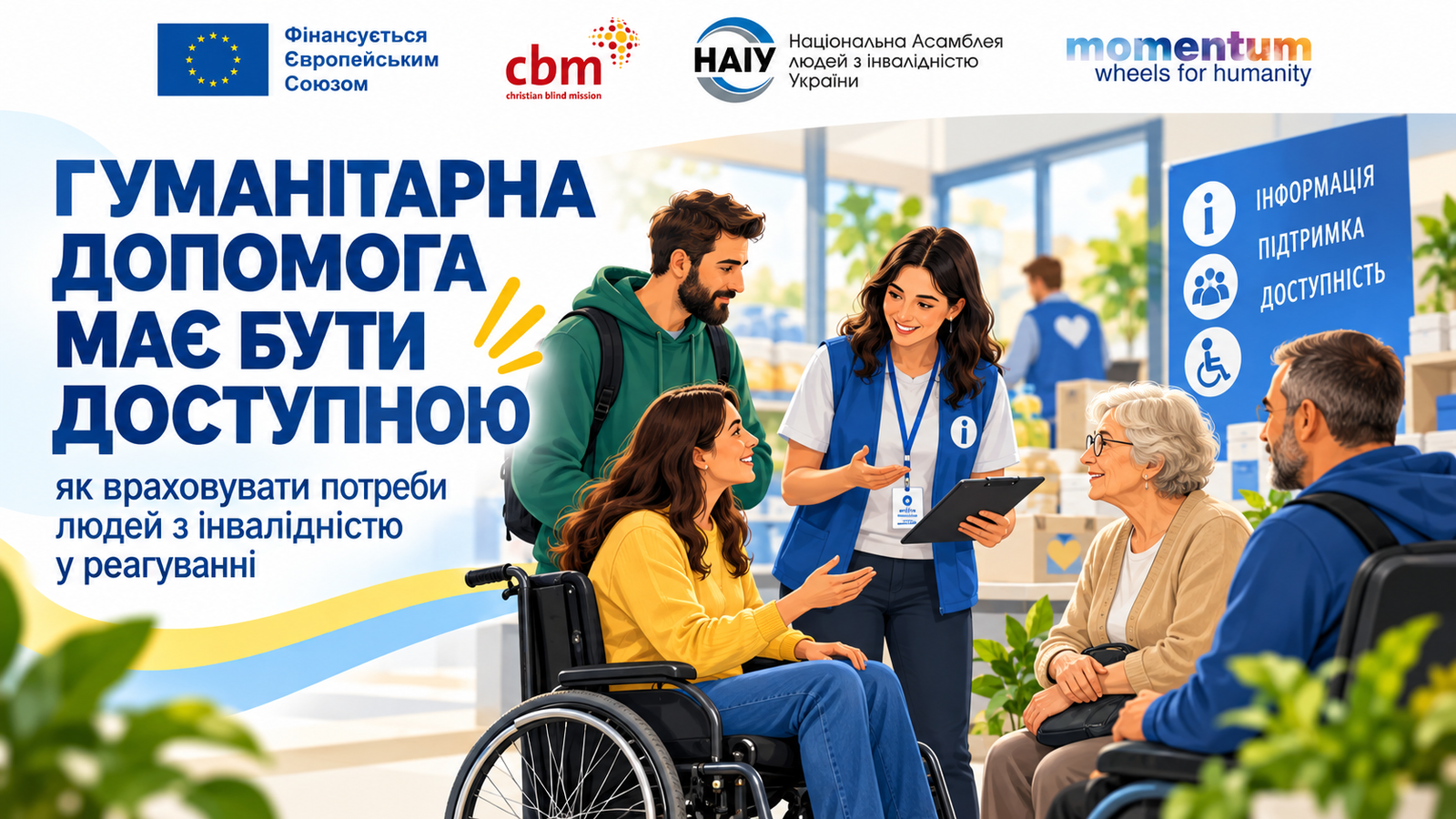
Гуманітарна допомога може бути передбачена програмою, профінансована і навіть доступна у громаді. Але головне питання інше: чи може людина, яка її потребує, реально нею скористатися? Саме про це говорили учасники дворівневого навчання «Гуманітарна діяльність: врахування потреб осіб з інвалідністю», яке у жовтні провела Національна Асамблея людей з інвалідністю України. До навчання долучилися представники гуманітарних і […]
Шукаємо координатора(-ку) з комунікацій у команду НАІУ (на проєкт) Національна Асамблея людей з інвалідністю України (НАІУ) реалізує проєкт «Інклюзія передусім — захист і підтримка дітей з аутизмом та іншими видами інвалідності, ветеранів і ветеранок в Україні», спільно з СВМ та СВМ Італія, спрямований на підтримку ветеранів та ветеранок, розвиток доступних можливостей для їхньої реабілітації, протезування, […]
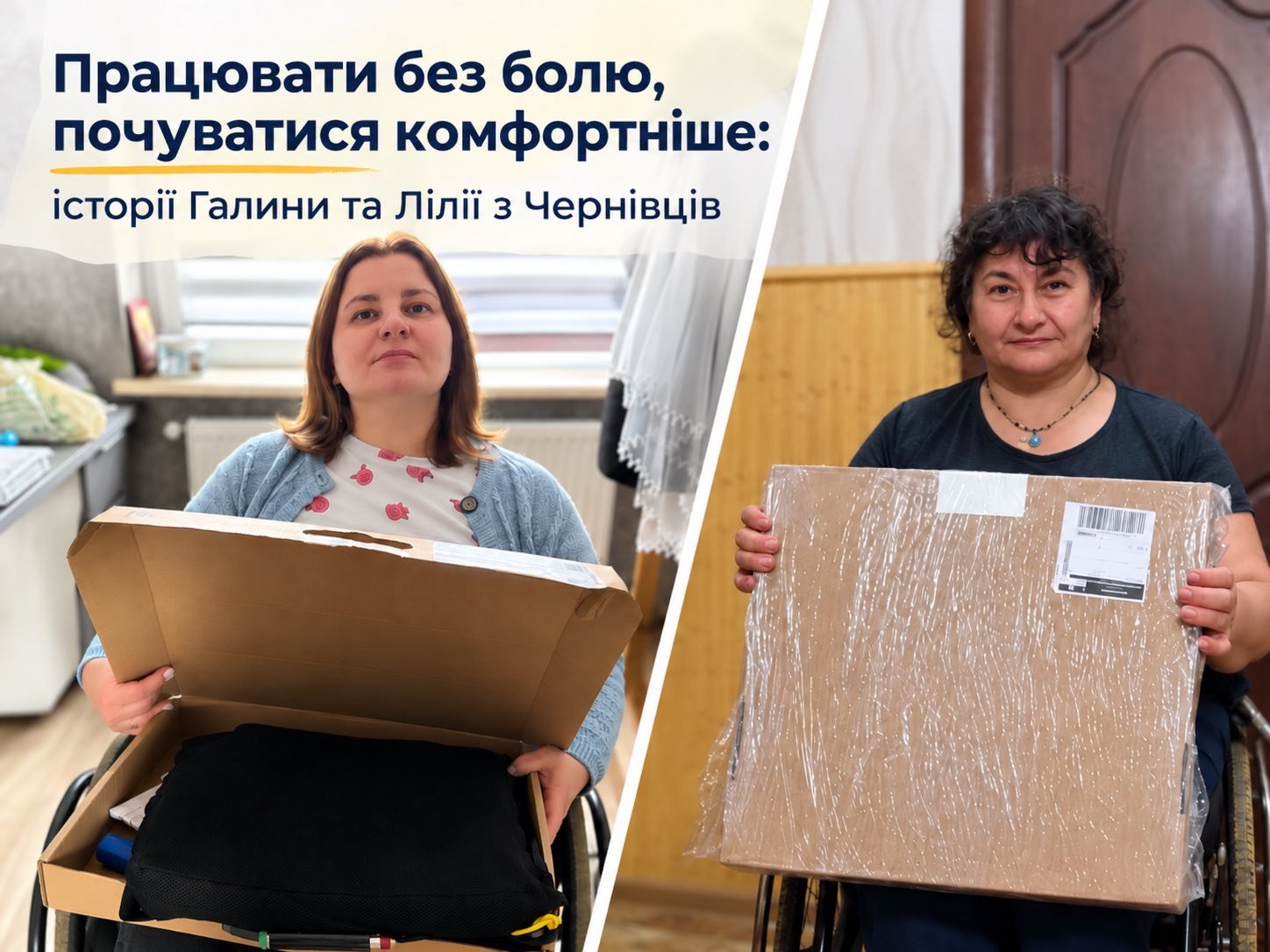
Галина з Чернівців створює весільні аксесуари для наречених. Її робота потребує творчості, терпіння та уваги до найменших деталей. За виготовленням прикрас жінка проводить багато годин, адже кожен виріб вимагає кропіткої ручної праці. Для Галини важливо мати можливість займатися улюбленою справою, однак тривала робота нерідко супроводжується фізичним дискомфортом. Жінка користується кріслом колісним, і через велике навантаження […]
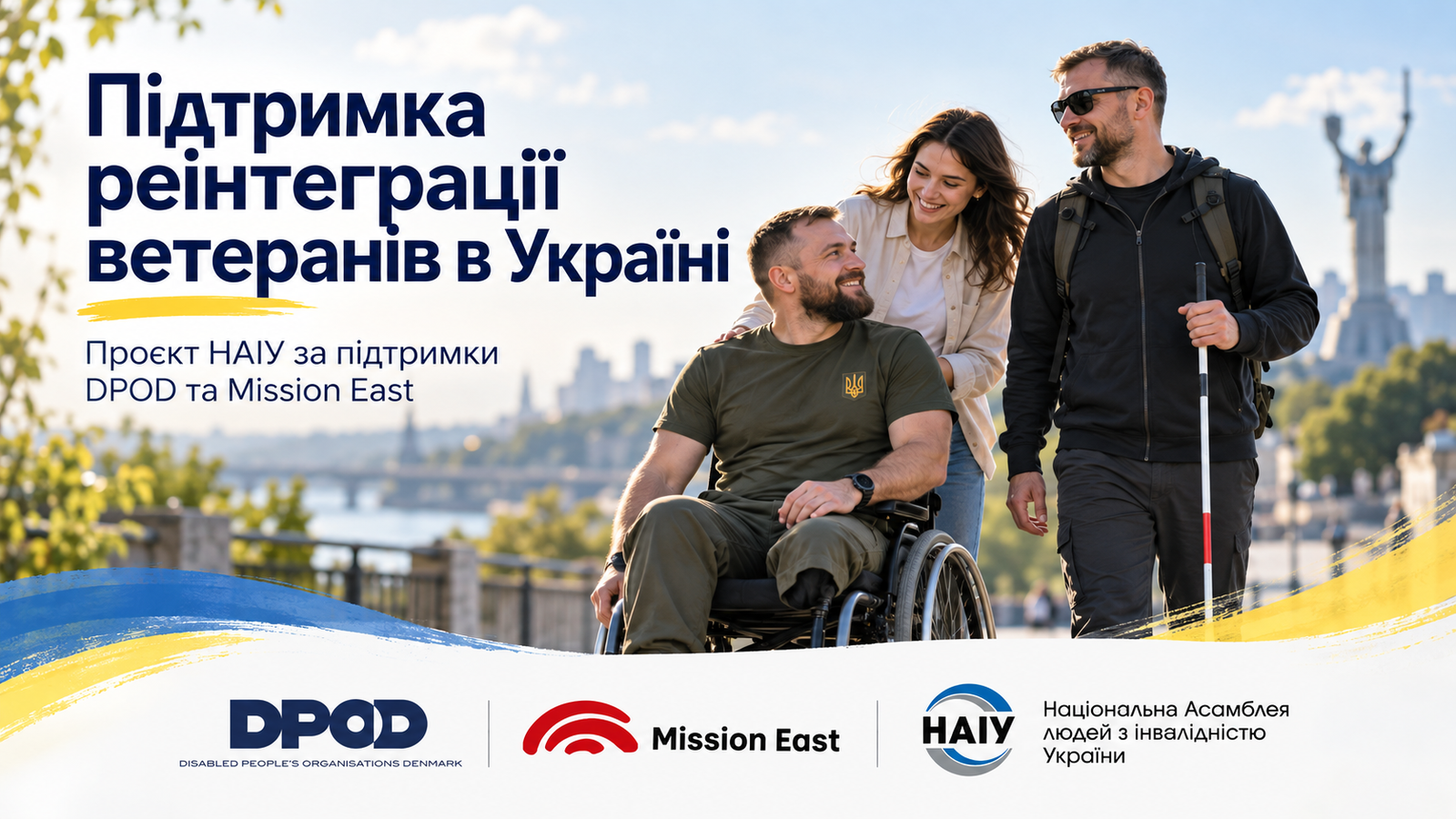
Повернення з військової служби до цивільного життя — це новий етап, який нерідко супроводжується непростими викликами. Особливо для ветеранів і ветеранок, які зазнали поранень або набули інвалідності. Реабілітація, пошук роботи, доступ до послуг, відновлення соціальних зв’язків — усе це потребує не лише особистих зусиль, а й підтримки суспільства. Національна Асамблея людей з інвалідністю України (НАІУ) […]
Упродовж програмного року — з 1 жовтня 2025-го до 30 вересня 2026-го — на гарячій лінії Національної Асамблеї людей з інвалідністю України (НАІУ) було надано 821 консультацію для 680 осіб. Найчастіше люди зверталися за роз’ясненням щодо своїх прав і пільг, зокрема отримання та поновлення виплат, оформлення догляду, встановлення й переоформлення інвалідності. Близько 70% звернень стосувалися […]
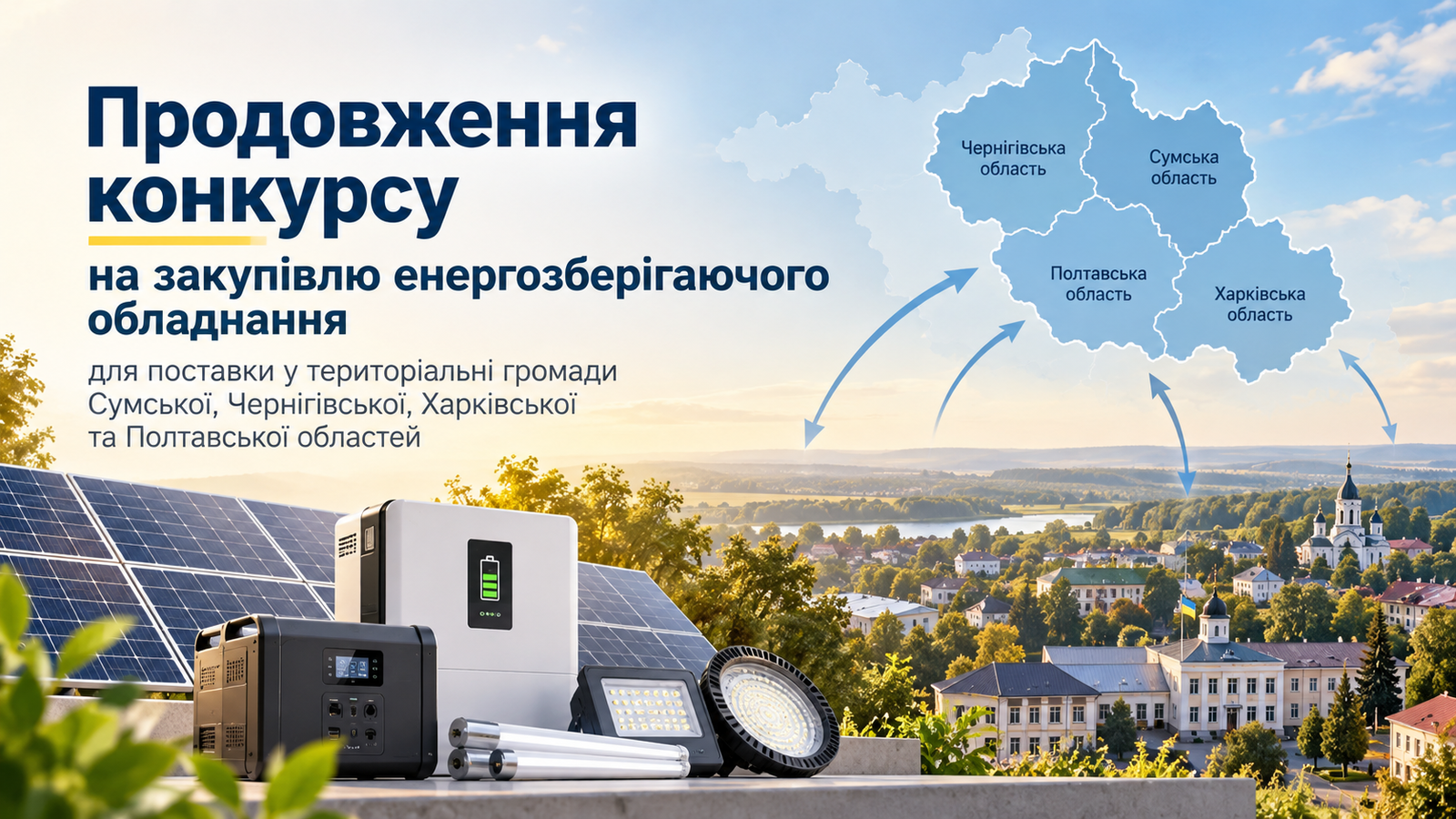
Громадська спілка “Всеукраїнське громадське об’єднання “Національна Асамблея людей з інвалідністю України” (далі – «Організатор») оголошує продовження конкурсу на закупівлю енергозберігаючого обладнання для поставки у територіальні громади Сумської, Чернігівської, Харківської та Полтавської областей. Джерело фінансування закупівлі: Дана закупівля здійснюється в рамках проєкту «Зміцнення інклюзивних послуг з охорони здоров’я, реабілітації та захисту населення, постраждалого від повномасштабного вторгнення в […]