Motherhood should not depend on disability, social status, or someone else’s idea of “normal.”
It is not a reward for conformity, not a privilege granted to a select few, and not a right that must be earned.
It is a natural, fundamental right of every woman.
But women with disabilities often face prejudice, pressure, and advice to “give up” or “not take the risk.”
They are burdened with doubt, denied support, and their ability to love, care for, and raise a child is questioned.
This video is about resistance.
About the voices of women who refused to be seen as “incapable,” “incompetent,” or “unfit” to be mothers.
About the right to give birth, to raise a child, and to be supported.
Motherhood must be free from prejudice, barriers, and discrimination.
Because love has no limits. And neither does dignity.
The project “Humanitarian Response and Recovery: Strengthening the Leadership of Organizations of Women with Disabilities” is implemented by the National Assembly of Persons with Disabilities of Ukraine, funded by The United Nations Women’s Peace and Humanitarian Fund (WPHF) with technical support of UN Women Ukraine. The United Nations Women’s Peace and Humanitarian Fund (WPHF) mobilizes critical support for local and grassroots civil society organizations working on women, peace and security and humanitarian action. WPHF is a flexible and rapid financing mechanism supporting quality interventions designed to enhance the capacity of women to prevent conflict, respond to crises and emergencies, and seize key peacebuilding opportunities.
This publication is produced with funding from the United Nations Women’s Peace and Humanitarian Fund (WPHF), however, the views expressed and content included does not imply official endorsement or acceptance by the United Nations.
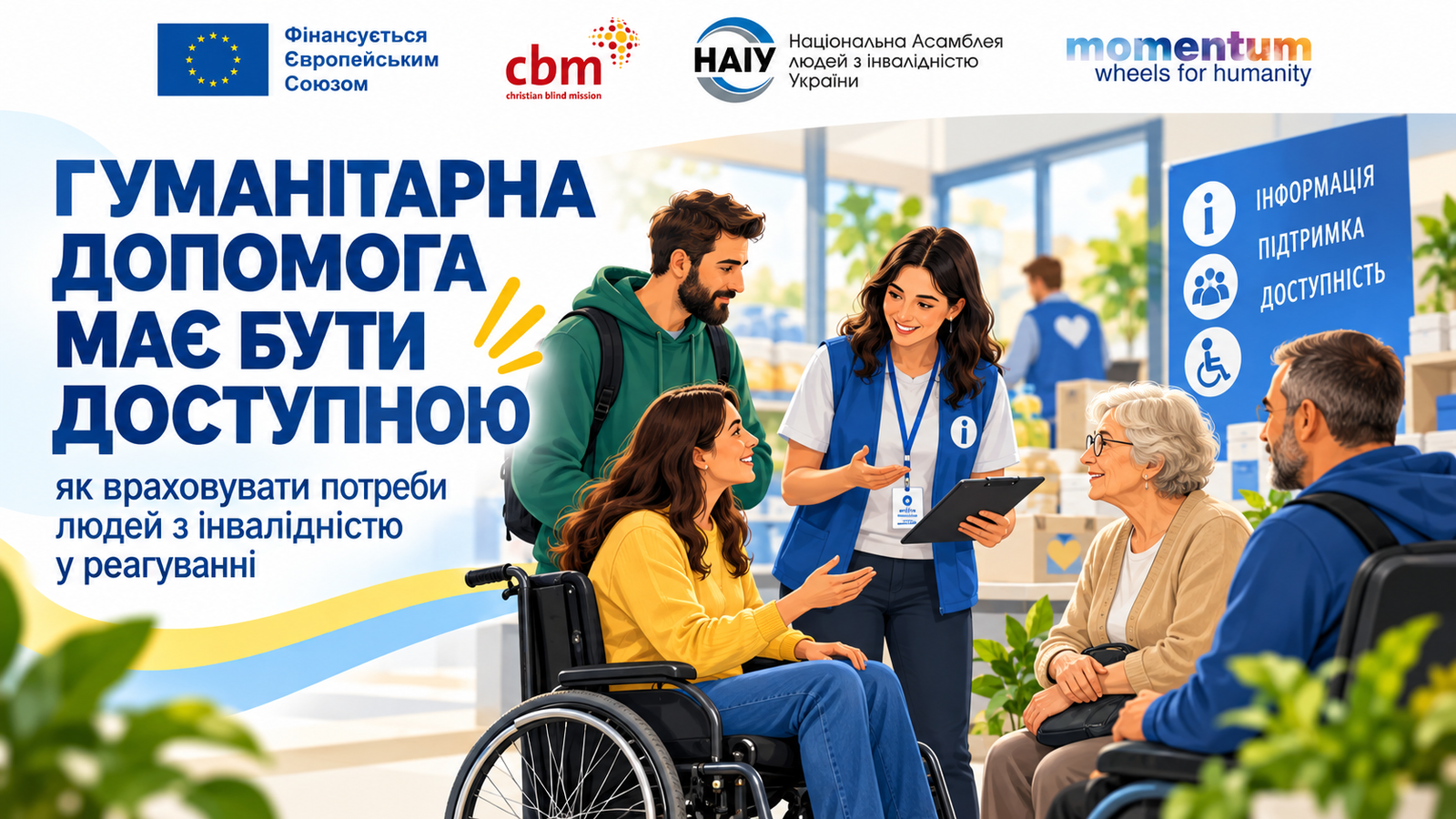
Гуманітарна допомога може бути передбачена програмою, профінансована і навіть доступна у громаді. Але головне питання інше: чи може людина, яка її потребує, реально нею скористатися? Саме про це говорили учасники дворівневого навчання «Гуманітарна діяльність: врахування потреб осіб з інвалідністю», яке у жовтні провела Національна Асамблея людей з інвалідністю України. До навчання долучилися представники гуманітарних і […]
Шукаємо координатора(-ку) з комунікацій у команду НАІУ (на проєкт) Національна Асамблея людей з інвалідністю України (НАІУ) реалізує проєкт «Інклюзія передусім — захист і підтримка дітей з аутизмом та іншими видами інвалідності, ветеранів і ветеранок в Україні», спільно з СВМ та СВМ Італія, спрямований на підтримку ветеранів та ветеранок, розвиток доступних можливостей для їхньої реабілітації, протезування, […]
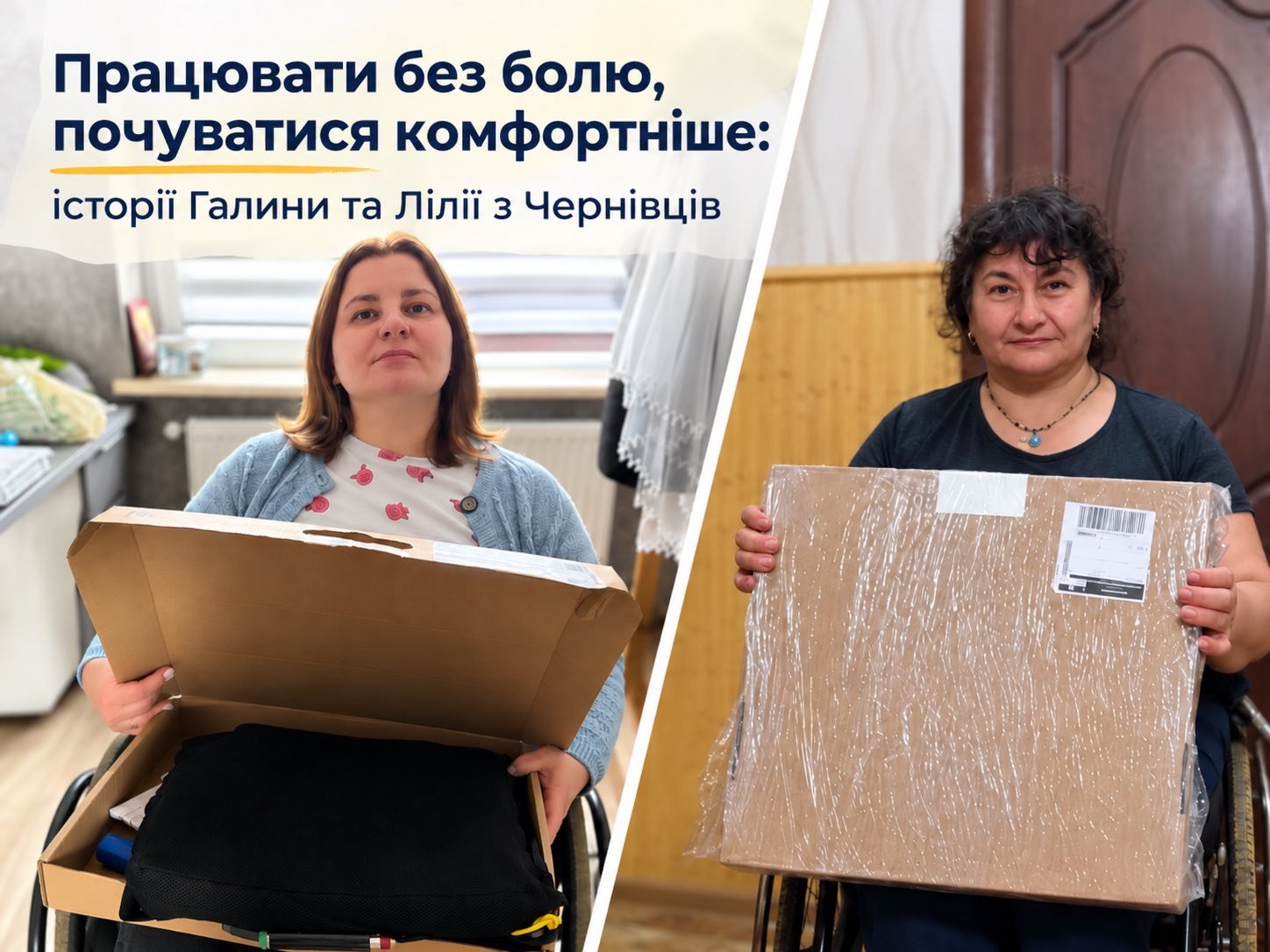
Галина з Чернівців створює весільні аксесуари для наречених. Її робота потребує творчості, терпіння та уваги до найменших деталей. За виготовленням прикрас жінка проводить багато годин, адже кожен виріб вимагає кропіткої ручної праці. Для Галини важливо мати можливість займатися улюбленою справою, однак тривала робота нерідко супроводжується фізичним дискомфортом. Жінка користується кріслом колісним, і через велике навантаження […]
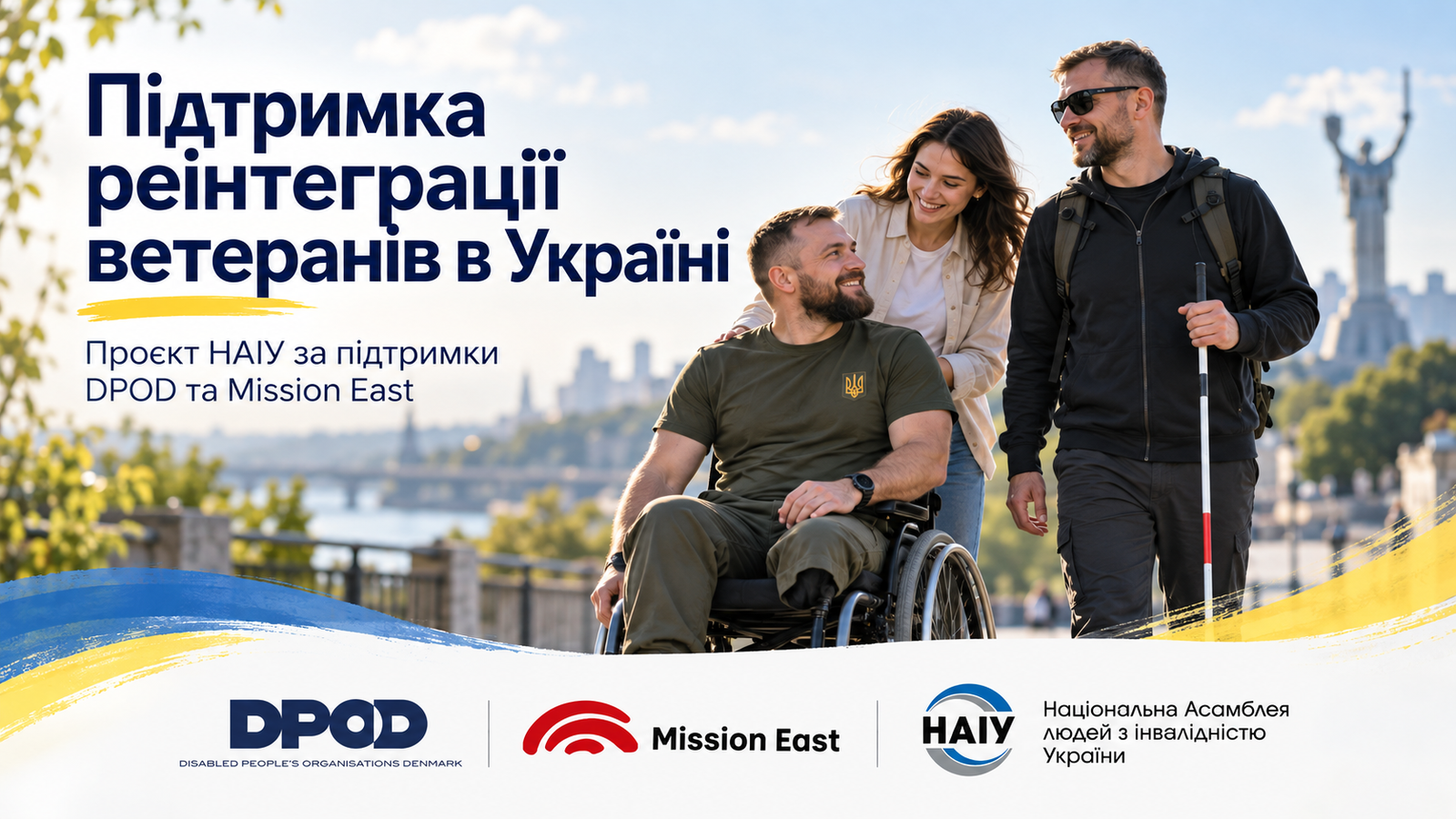
Повернення з військової служби до цивільного життя — це новий етап, який нерідко супроводжується непростими викликами. Особливо для ветеранів і ветеранок, які зазнали поранень або набули інвалідності. Реабілітація, пошук роботи, доступ до послуг, відновлення соціальних зв’язків — усе це потребує не лише особистих зусиль, а й підтримки суспільства. Національна Асамблея людей з інвалідністю України (НАІУ) […]
Упродовж програмного року — з 1 жовтня 2025-го до 30 вересня 2026-го — на гарячій лінії Національної Асамблеї людей з інвалідністю України (НАІУ) було надано 821 консультацію для 680 осіб. Найчастіше люди зверталися за роз’ясненням щодо своїх прав і пільг, зокрема отримання та поновлення виплат, оформлення догляду, встановлення й переоформлення інвалідності. Близько 70% звернень стосувалися […]
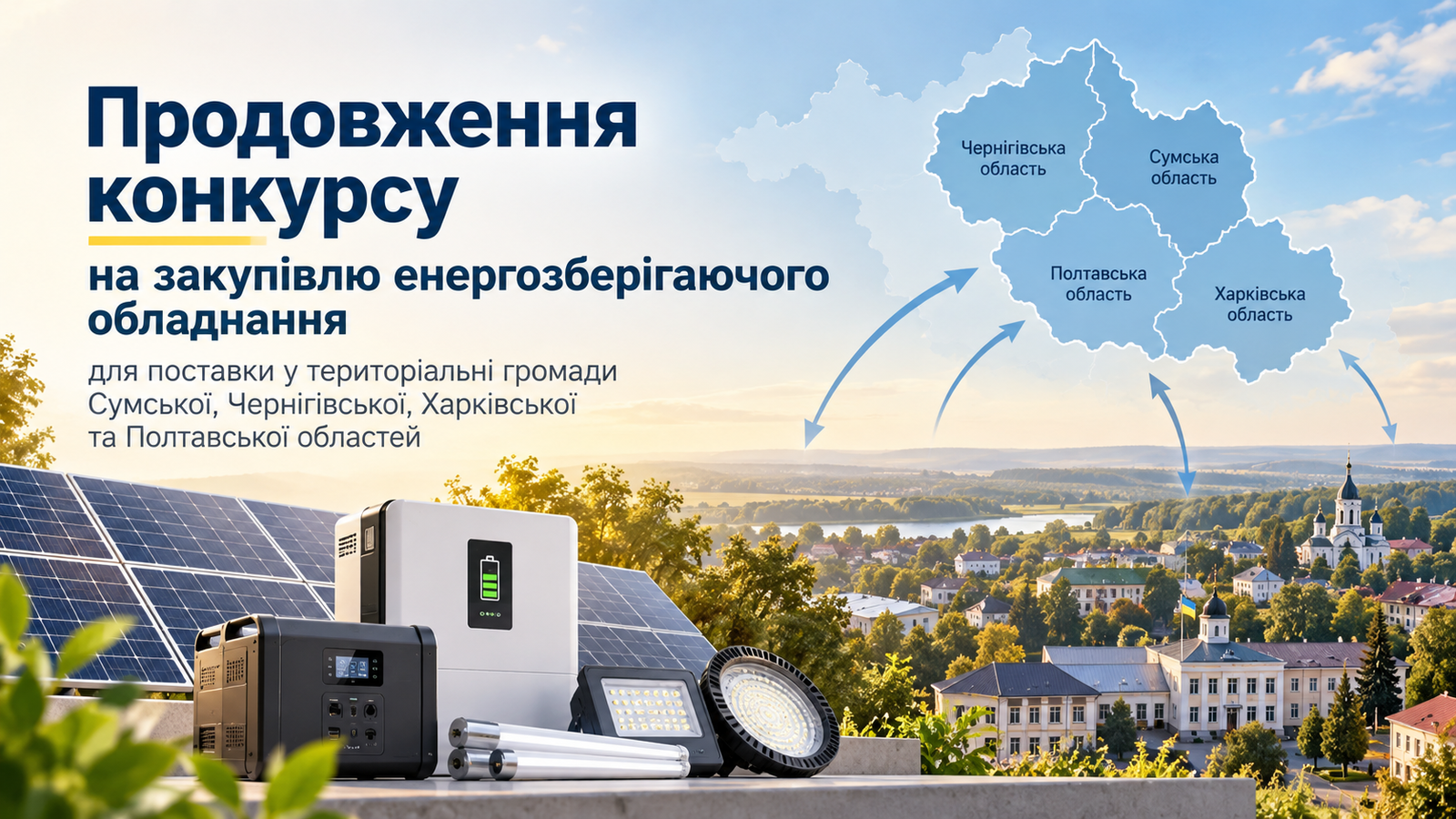
Громадська спілка “Всеукраїнське громадське об’єднання “Національна Асамблея людей з інвалідністю України” (далі – «Організатор») оголошує продовження конкурсу на закупівлю енергозберігаючого обладнання для поставки у територіальні громади Сумської, Чернігівської, Харківської та Полтавської областей. Джерело фінансування закупівлі: Дана закупівля здійснюється в рамках проєкту «Зміцнення інклюзивних послуг з охорони здоров’я, реабілітації та захисту населення, постраждалого від повномасштабного вторгнення в […]