Targeted Assistance for People with Disabilities and Elderly People in the Opishnia Community
November 12, 2025
Share:
People with disabilities and older persons are among the most vulnerable groups in society — both in peacetime and especially during war. Medicines, mobility aids, access to social services, or even basic food can become unavailable to them. With rising prices, damaged infrastructure, and limited social guarantees, many elderly people are forced to choose between essentials.
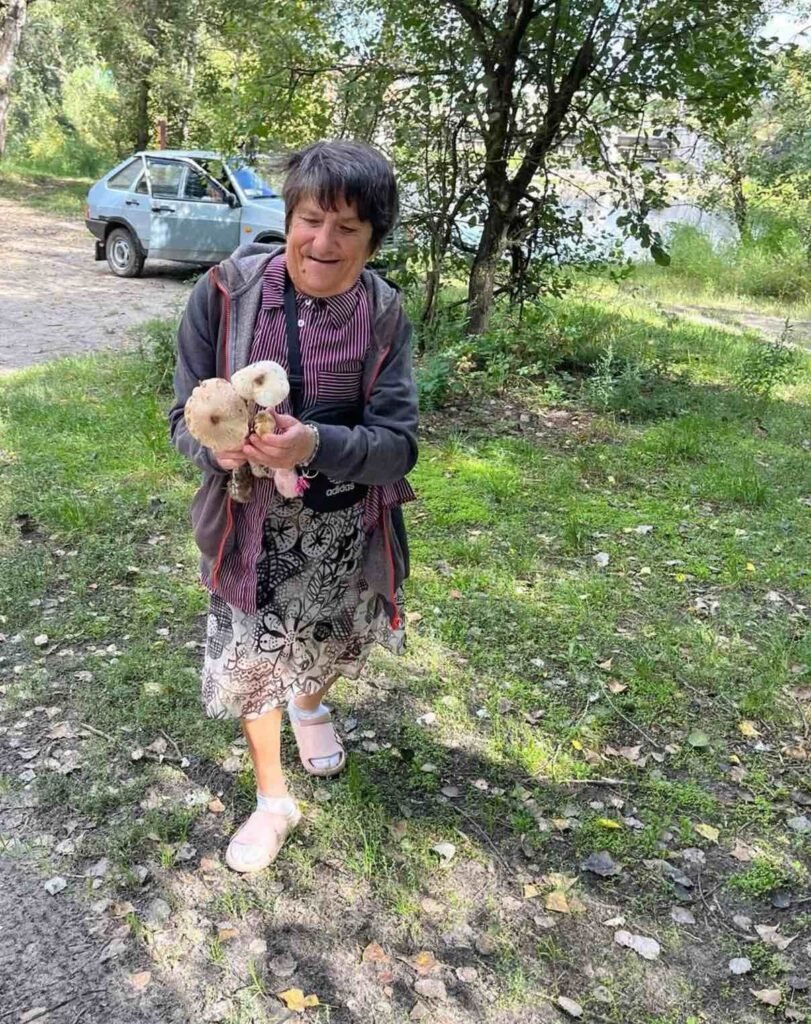
Svitlana and her brother have had disabilities since childhood. They live together and receive minimal pensions, which barely cover their basic needs. Every month, Svitlana has to make a difficult choice — whether to spend her limited funds on food or medicine. Both are essential, but her pension is not enough for both.
In response to these challenges, the National Assembly of People with Disabilities of Ukraine (NAPD), together with the European Disability Forum (EDF) and with the support of the Federal Foreign Office of Germany (GFFO) and CBM (Christian Blind Mission), is implementing the project “Disability-Inclusive Multi-Sectoral Humanitarian Aid for Internally Displaced Persons, Returnees, Veterans, and Host Communities in Ukraine.” Within this project, targeted cash assistance is provided to those who need it the most.
When Svitlana received financial assistance, for the first time in a long while she was able to buy food for the winter and purchase the necessary medicines. This brought great relief to her family.
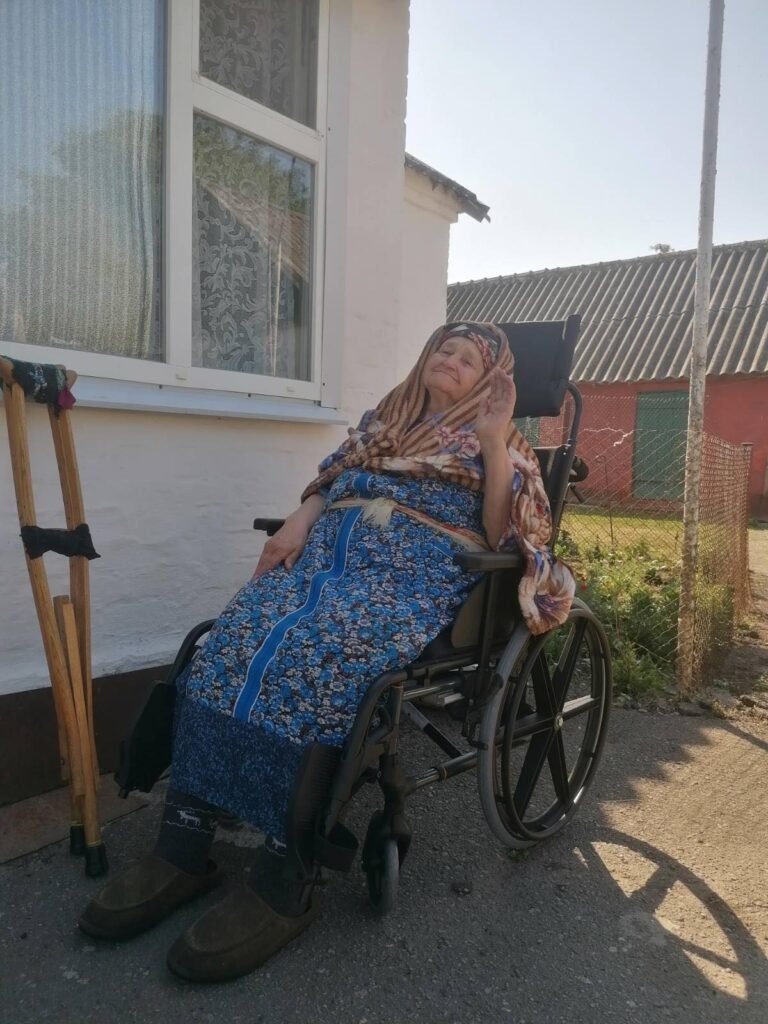
Iryna lives in a remote village in the Opishnia community. Due to illness, she became a person with limited mobility. She had long dreamed of being able to go outside again and take care of her household. Recently, Iryna received a wheelchair, which made mobility much easier for her. This summer, she helped her daughter prepare preserves for the winter, now goes outside every day, and enjoys being able to talk to her neighbors again.
Targeted assistance gives people a choice. It respects their right to decide what they truly need. This is not just resource distribution — it is recognition of human dignity.
Projects that provide standardized packages of goods or services often fail to consider individual needs. For example, one person may need medicine, another — food or heating fuel for the winter, while someone else may require a wheelchair or a hearing aid. One-size-fits-all support rarely works effectively.
By contrast, targeted and cash assistance are flexible — people themselves decide how to allocate the funds, as they know their own needs better than anyone. This makes the support meaningful rather than symbolic. A person receives respect, not imposed solutions. Moreover, cash assistance benefits not only individuals but also local communities, as the money is spent locally, supporting small businesses and strengthening the local economy.
Targeted cash assistance is not just about money or assistive technologies — it is about the ability to live with dignity, maintain autonomy, and feel part of society. During wartime, this matters more than ever. Because in a truly inclusive society, no one feels isolated or forgotten.
Oleksandra Perkova, Communications Manager of the Project
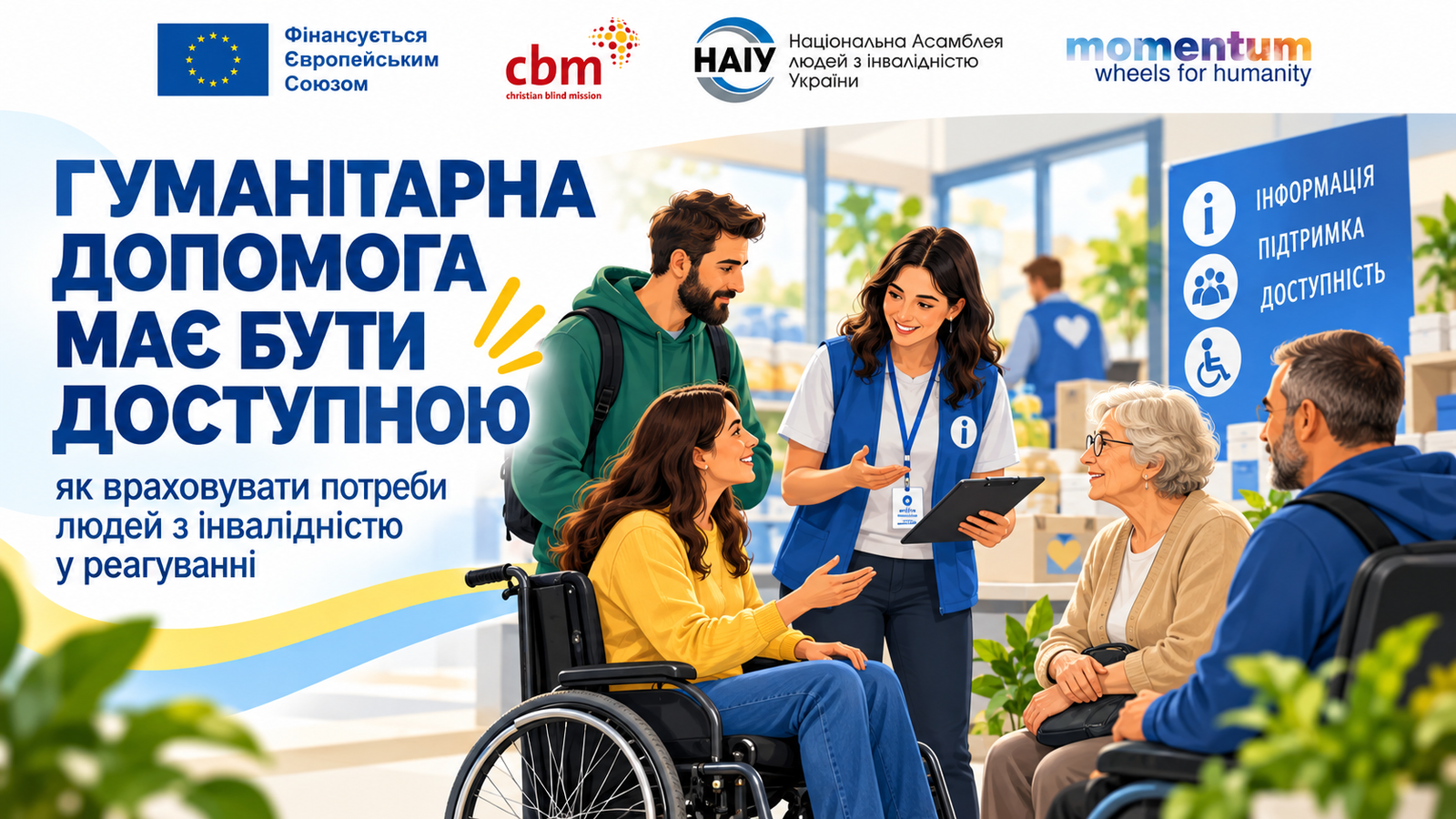
Гуманітарна допомога може бути передбачена програмою, профінансована і навіть доступна у громаді. Але головне питання інше: чи може людина, яка її потребує, реально нею скористатися? Саме про це говорили учасники дворівневого навчання «Гуманітарна діяльність: врахування потреб осіб з інвалідністю», яке у жовтні провела Національна Асамблея людей з інвалідністю України. До навчання долучилися представники гуманітарних і […]
Шукаємо координатора(-ку) з комунікацій у команду НАІУ (на проєкт) Національна Асамблея людей з інвалідністю України (НАІУ) реалізує проєкт «Інклюзія передусім — захист і підтримка дітей з аутизмом та іншими видами інвалідності, ветеранів і ветеранок в Україні», спільно з СВМ та СВМ Італія, спрямований на підтримку ветеранів та ветеранок, розвиток доступних можливостей для їхньої реабілітації, протезування, […]
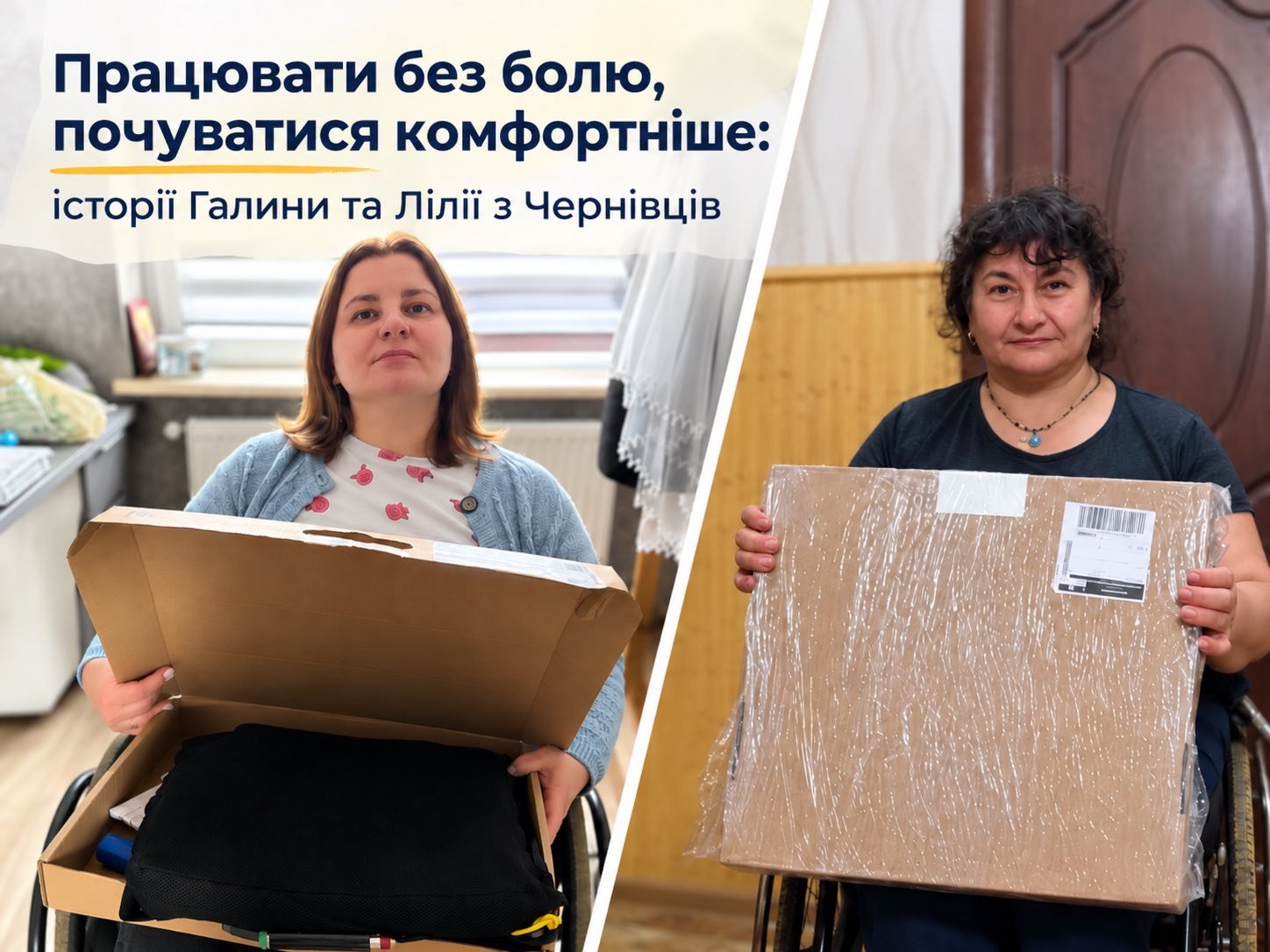
Галина з Чернівців створює весільні аксесуари для наречених. Її робота потребує творчості, терпіння та уваги до найменших деталей. За виготовленням прикрас жінка проводить багато годин, адже кожен виріб вимагає кропіткої ручної праці. Для Галини важливо мати можливість займатися улюбленою справою, однак тривала робота нерідко супроводжується фізичним дискомфортом. Жінка користується кріслом колісним, і через велике навантаження […]
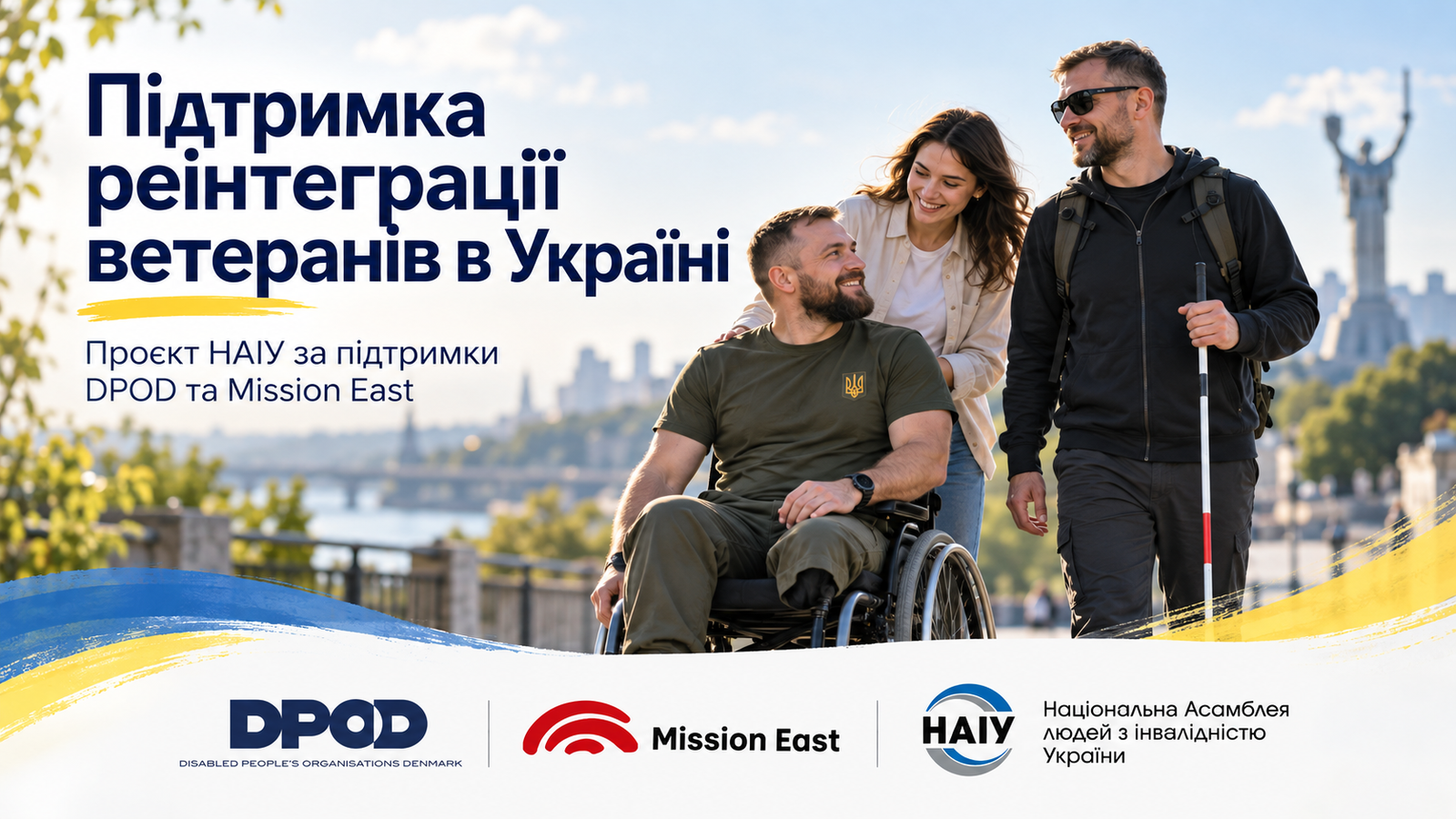
Повернення з військової служби до цивільного життя — це новий етап, який нерідко супроводжується непростими викликами. Особливо для ветеранів і ветеранок, які зазнали поранень або набули інвалідності. Реабілітація, пошук роботи, доступ до послуг, відновлення соціальних зв’язків — усе це потребує не лише особистих зусиль, а й підтримки суспільства. Національна Асамблея людей з інвалідністю України (НАІУ) […]
Упродовж програмного року — з 1 жовтня 2025-го до 30 вересня 2026-го — на гарячій лінії Національної Асамблеї людей з інвалідністю України (НАІУ) було надано 821 консультацію для 680 осіб. Найчастіше люди зверталися за роз’ясненням щодо своїх прав і пільг, зокрема отримання та поновлення виплат, оформлення догляду, встановлення й переоформлення інвалідності. Близько 70% звернень стосувалися […]
Громадська спілка “Всеукраїнське громадське об’єднання “Національна Асамблея людей з інвалідністю України” (далі – «Організатор») оголошує продовження конкурсу на закупівлю енергозберігаючого обладнання для поставки у територіальні громади Сумської, Чернігівської, Харківської та Полтавської областей. Джерело фінансування закупівлі: Дана закупівля здійснюється в рамках проєкту «Зміцнення інклюзивних послуг з охорони здоров’я, реабілітації та захисту населення, постраждалого від повномасштабного вторгнення в […]