18 Institutions, 100 Participants, and the Next Step Toward Change: The Training Cycle on Inclusive Vocational Education Concludes in Kyiv
30 March 2026
Share:
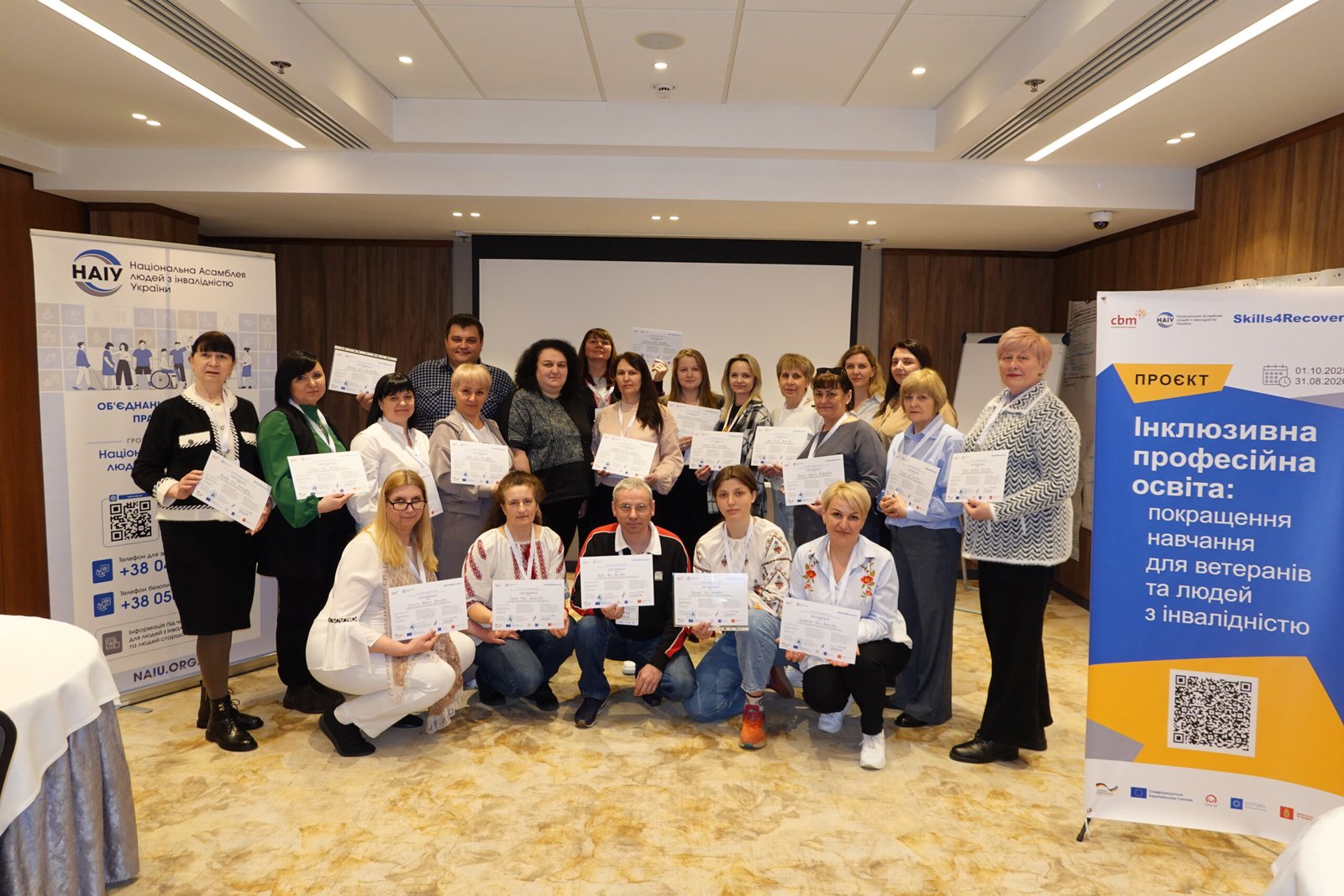
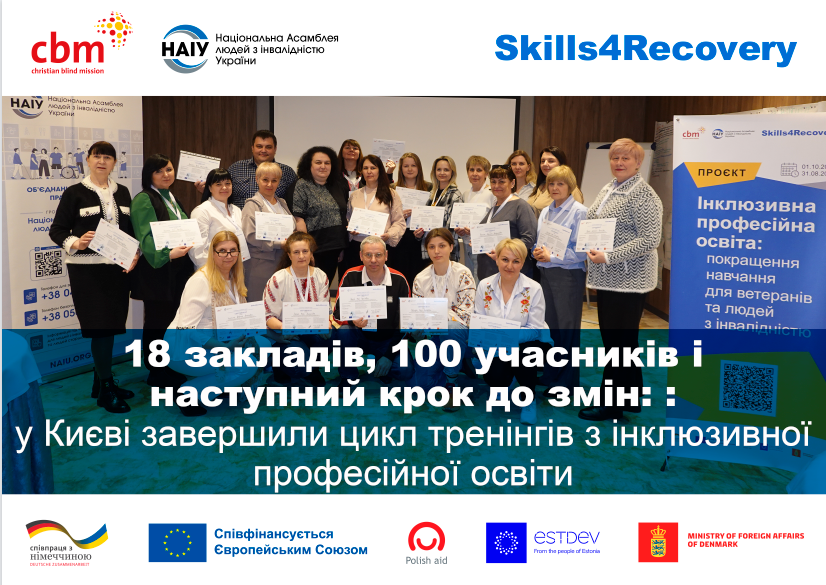
A series of trainings on inclusive vocational education for 18 vocational education institutions from different regions of Ukraine has been completed in Kyiv. 100 participants — administrators, teachers and masters of industrial training — completed the training. The next stage of the project is supervision, practical recommendations, an inclusive manual and new tools that will help institutions build inclusion into their daily work.
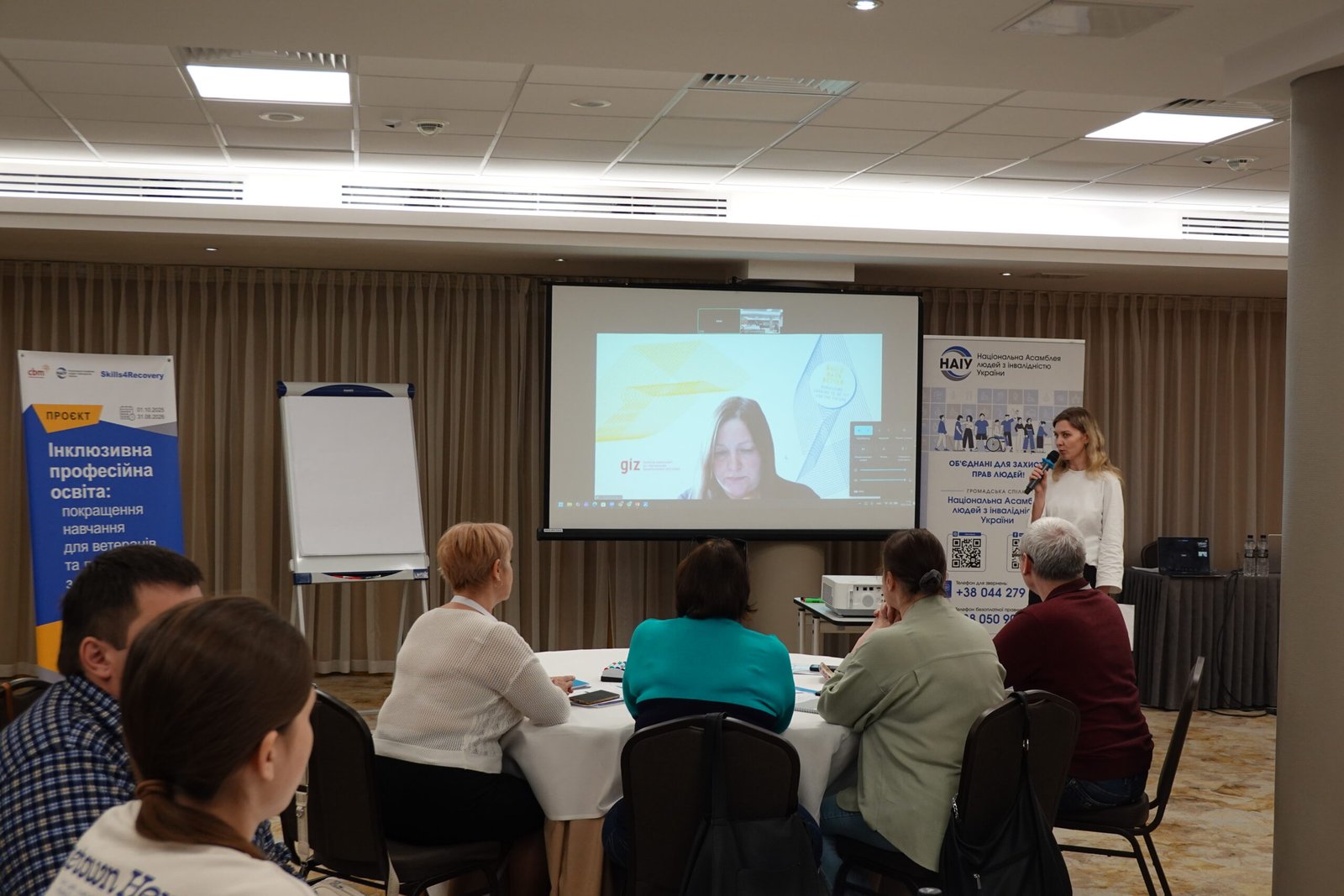
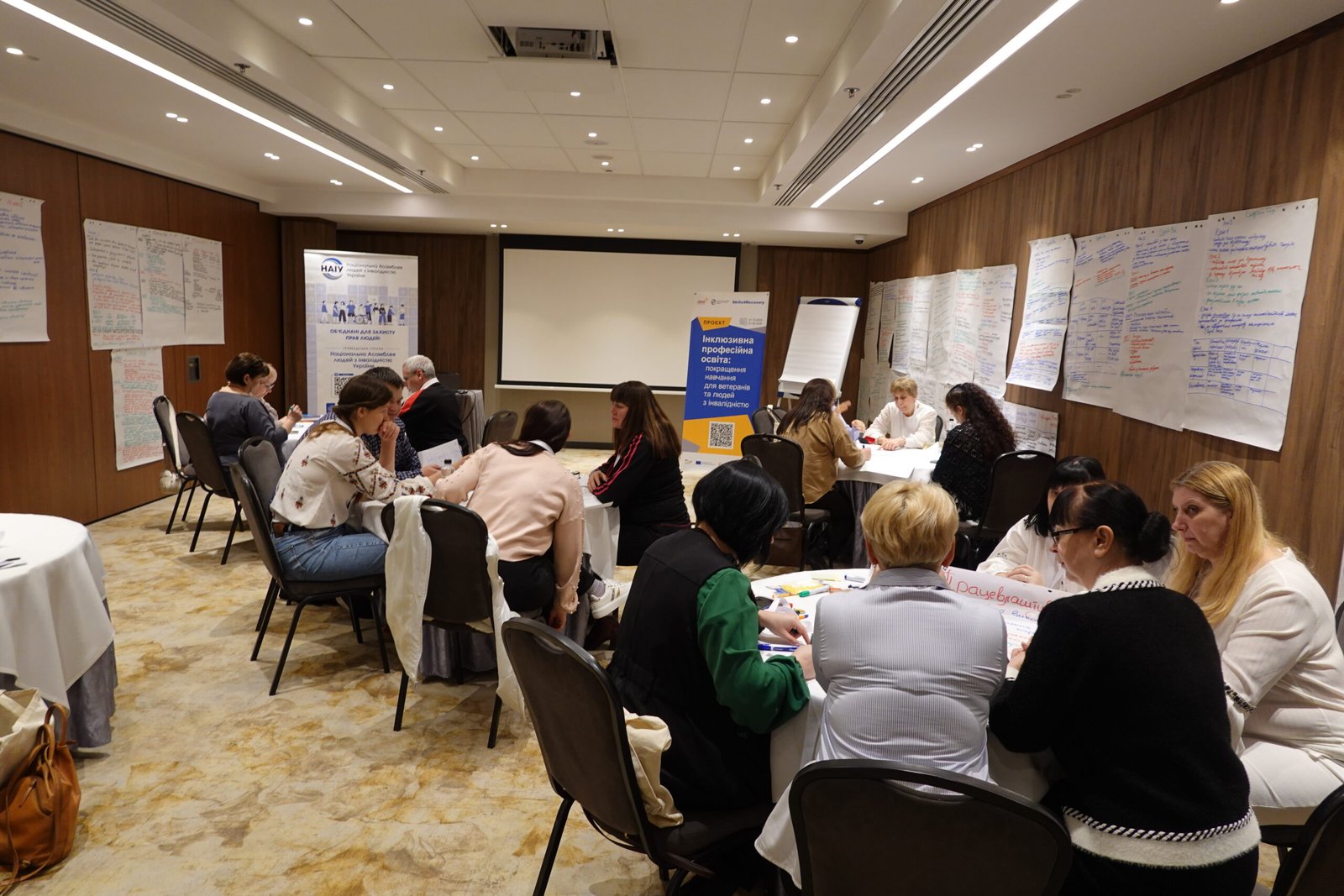
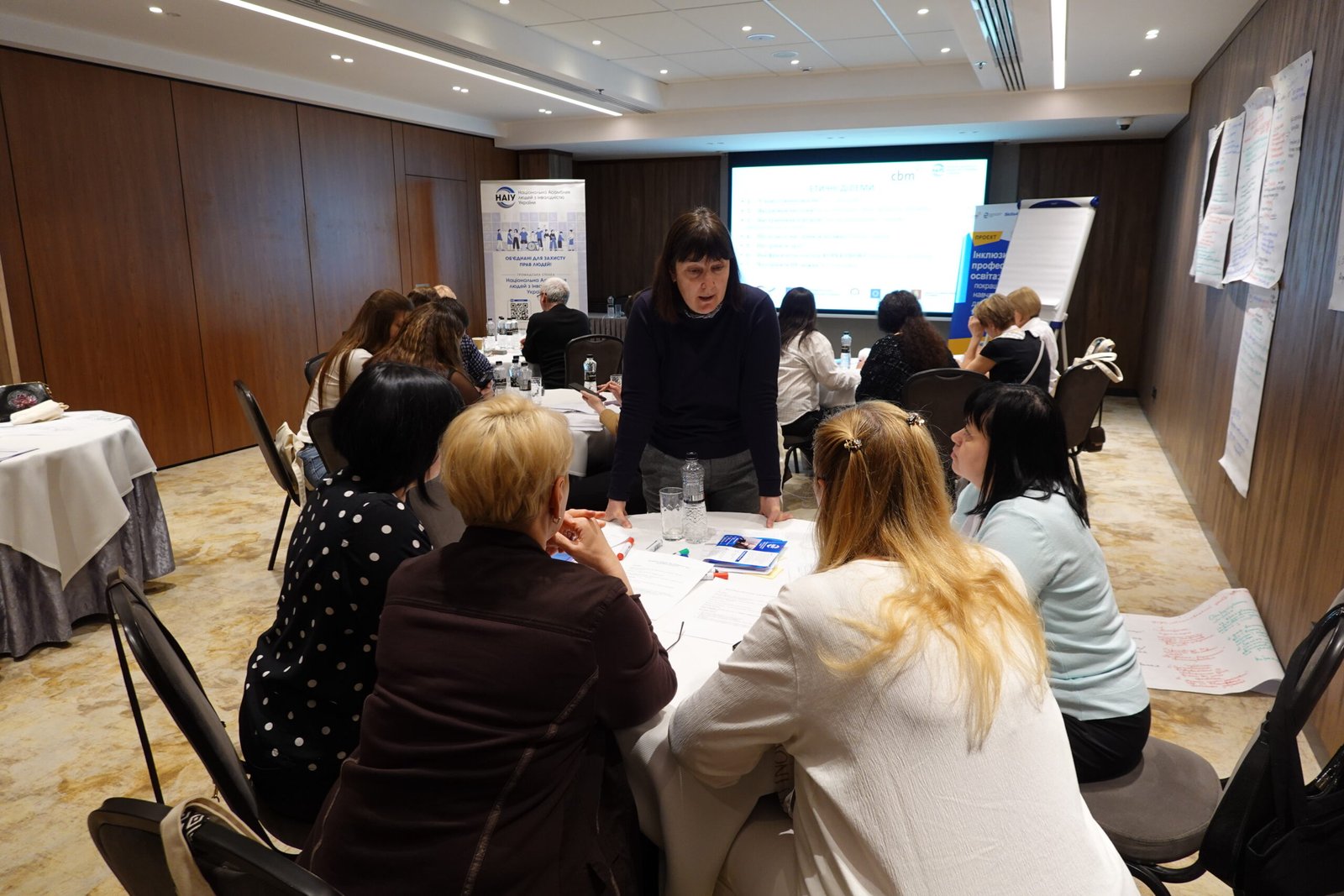
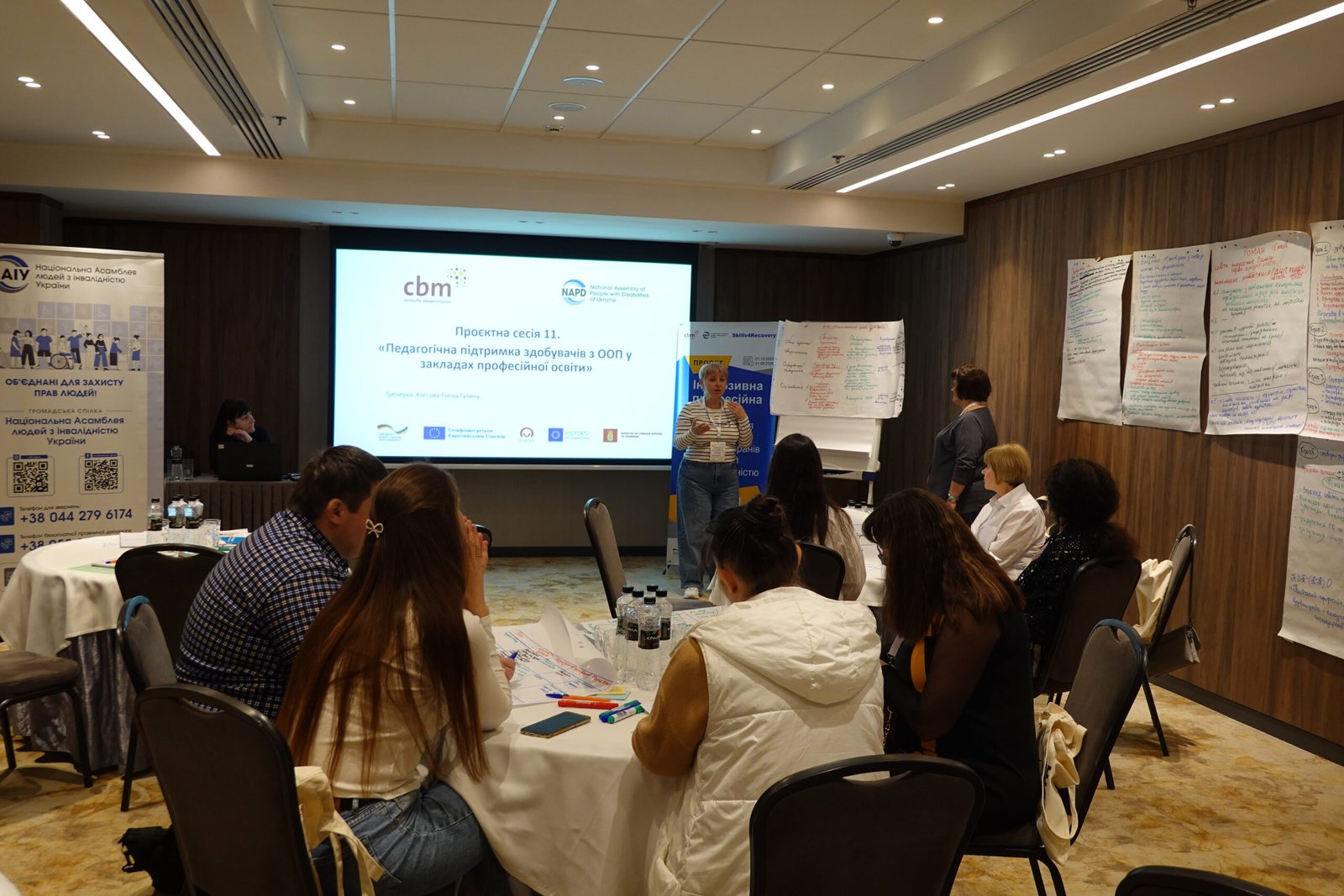
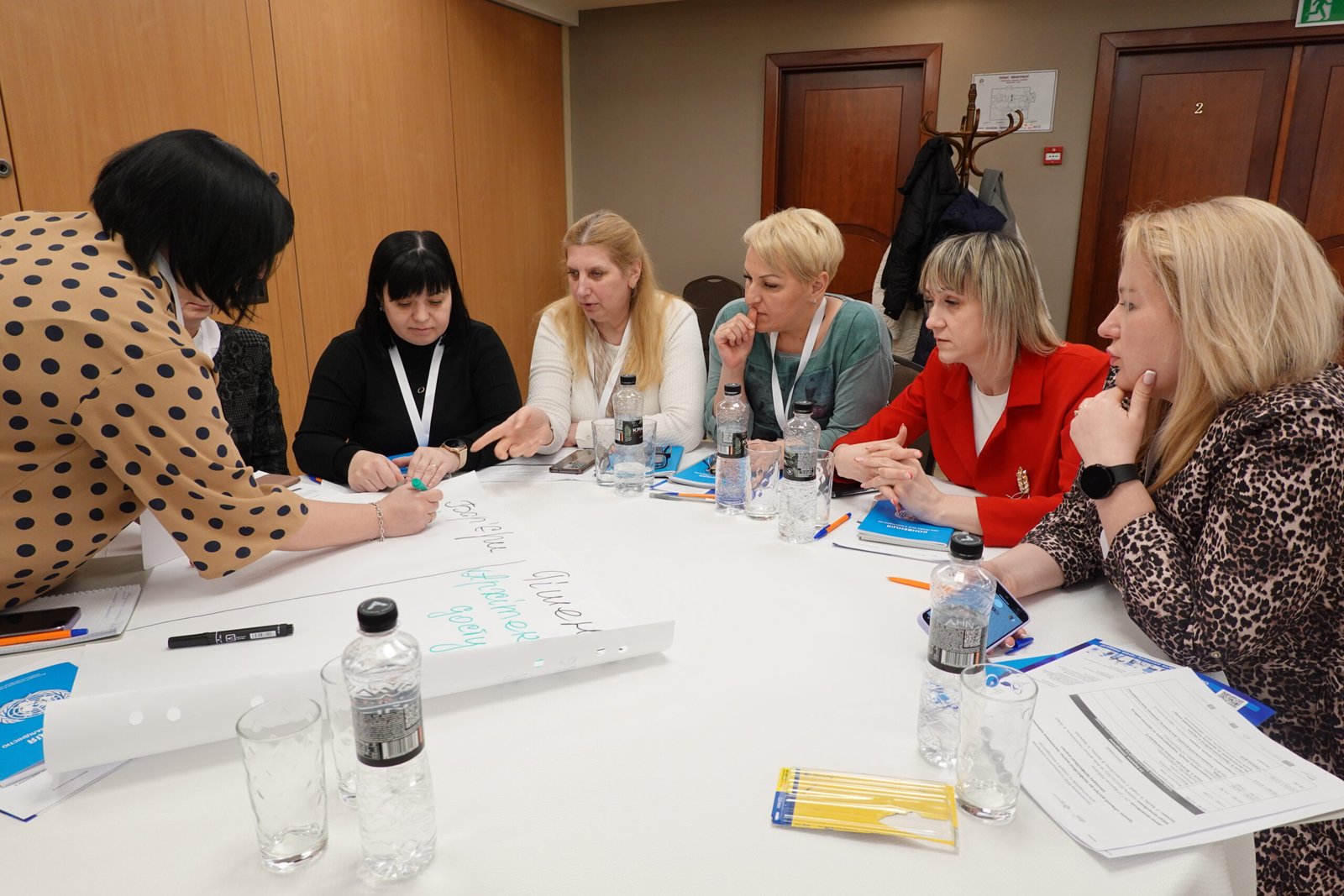
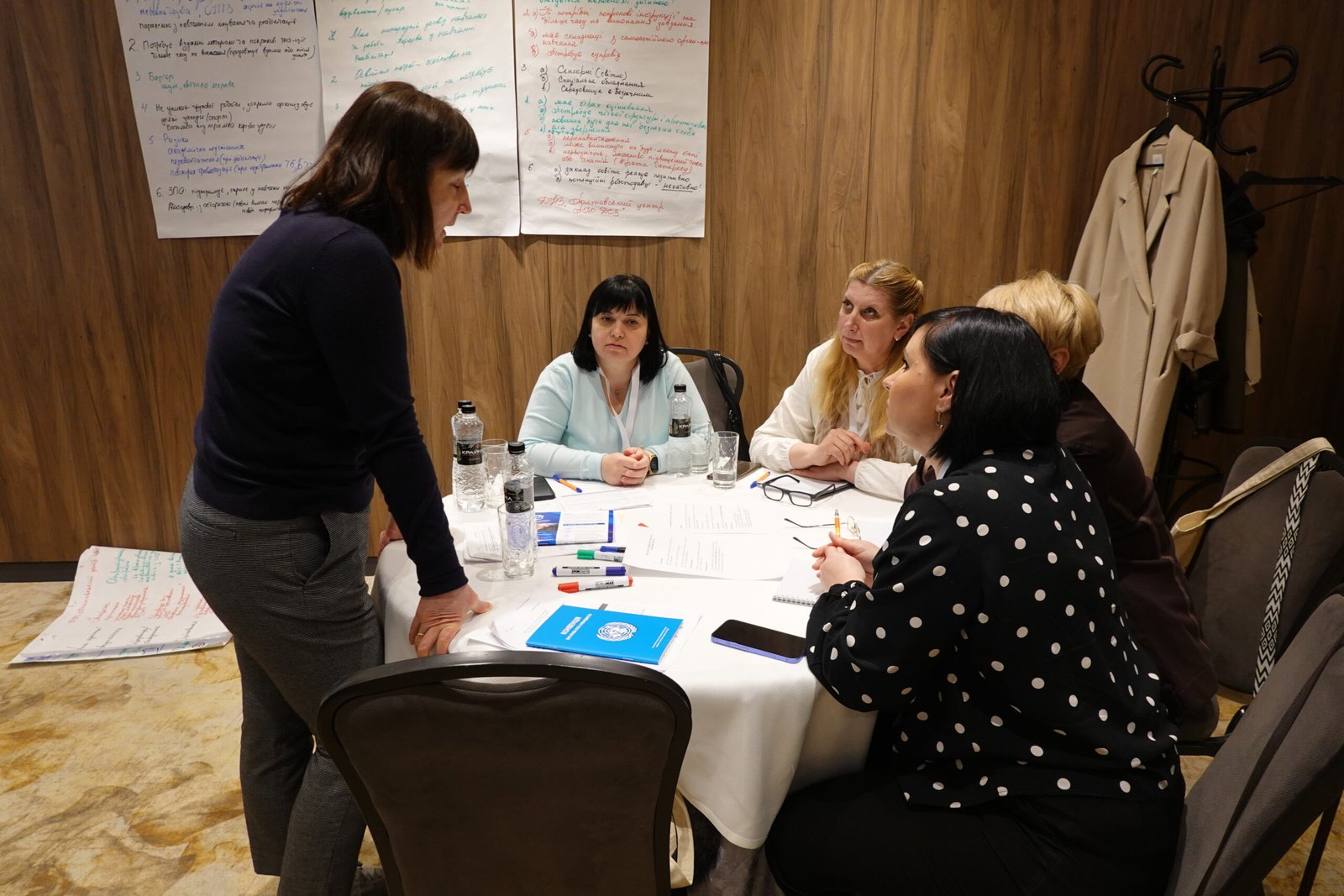
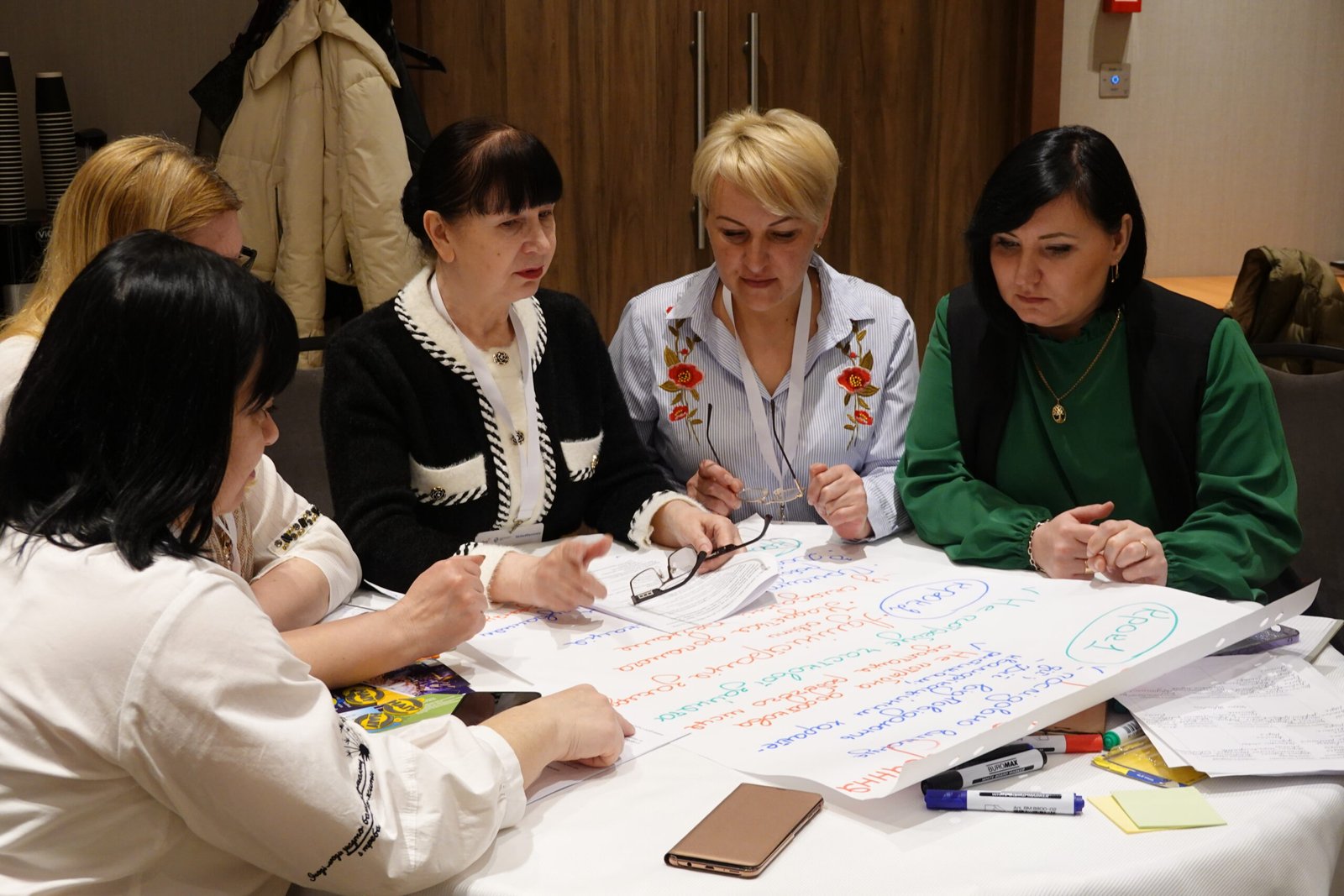
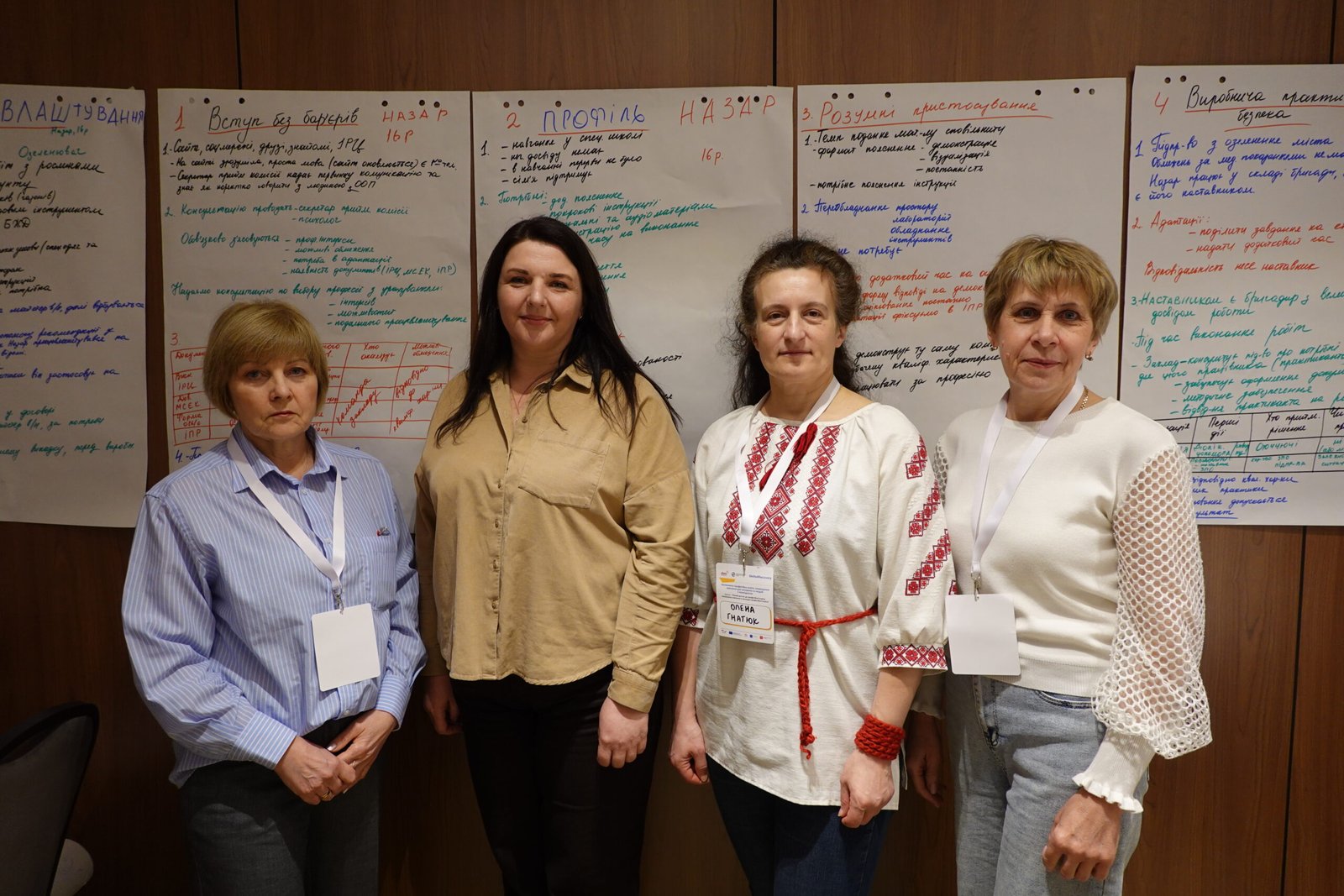
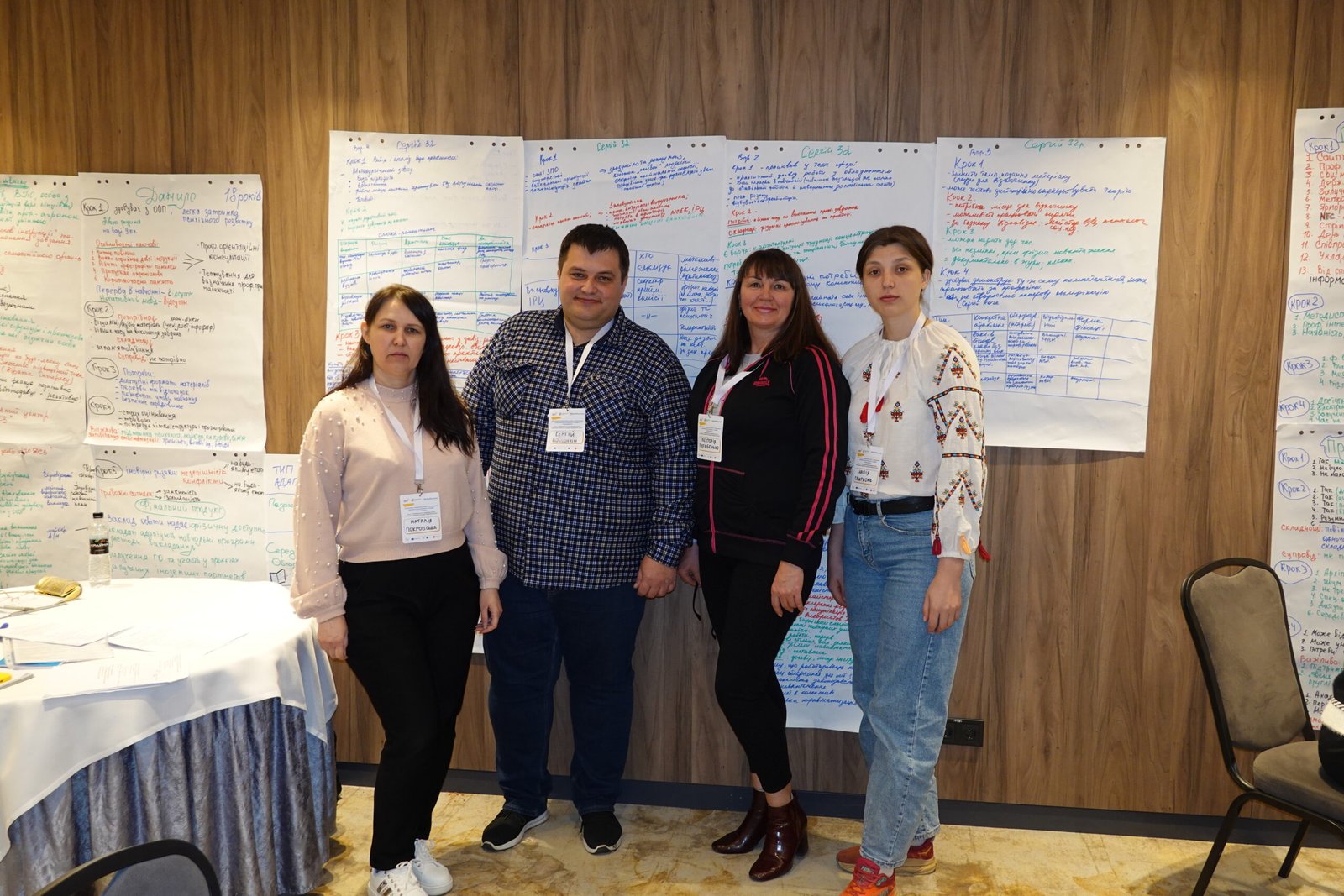
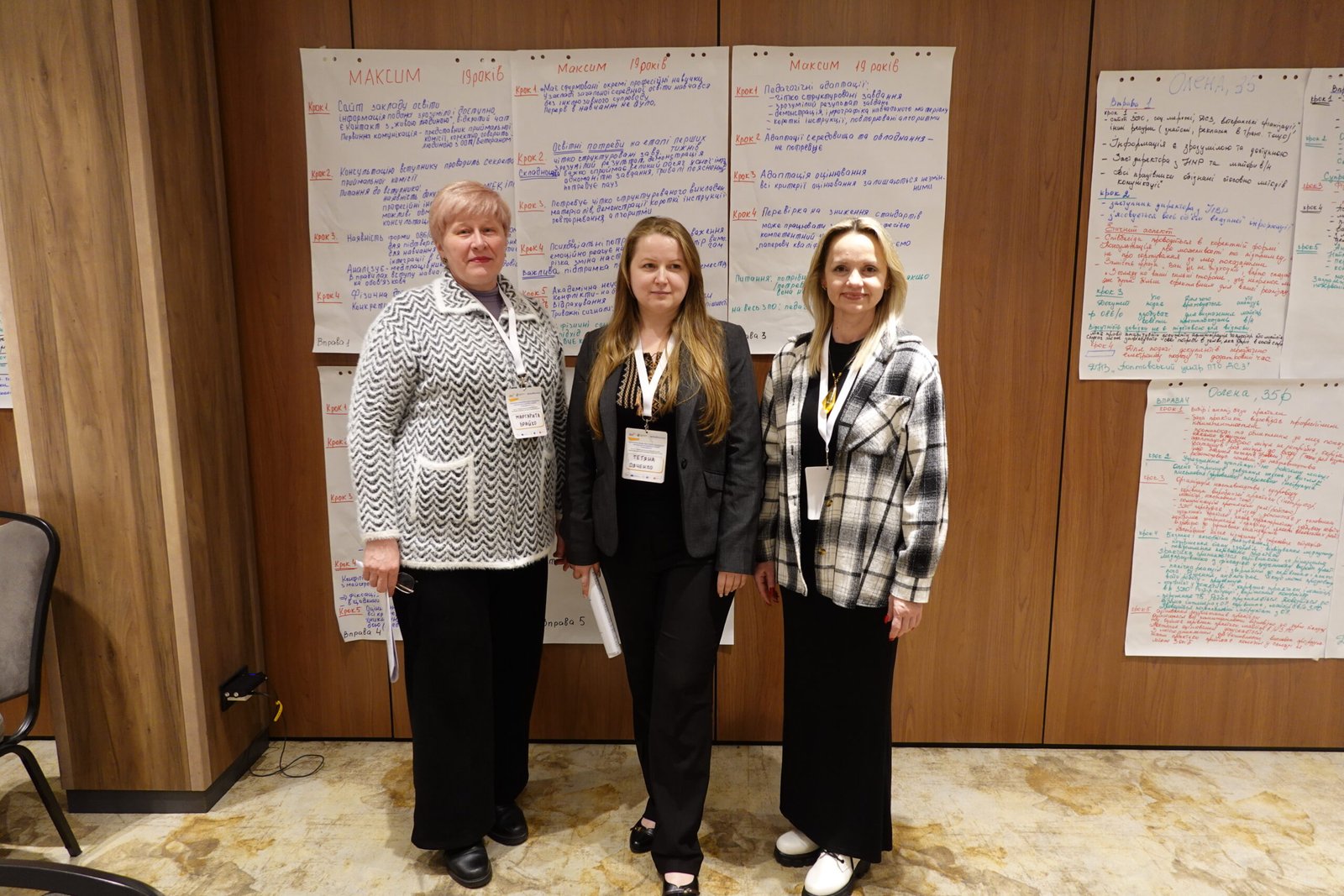
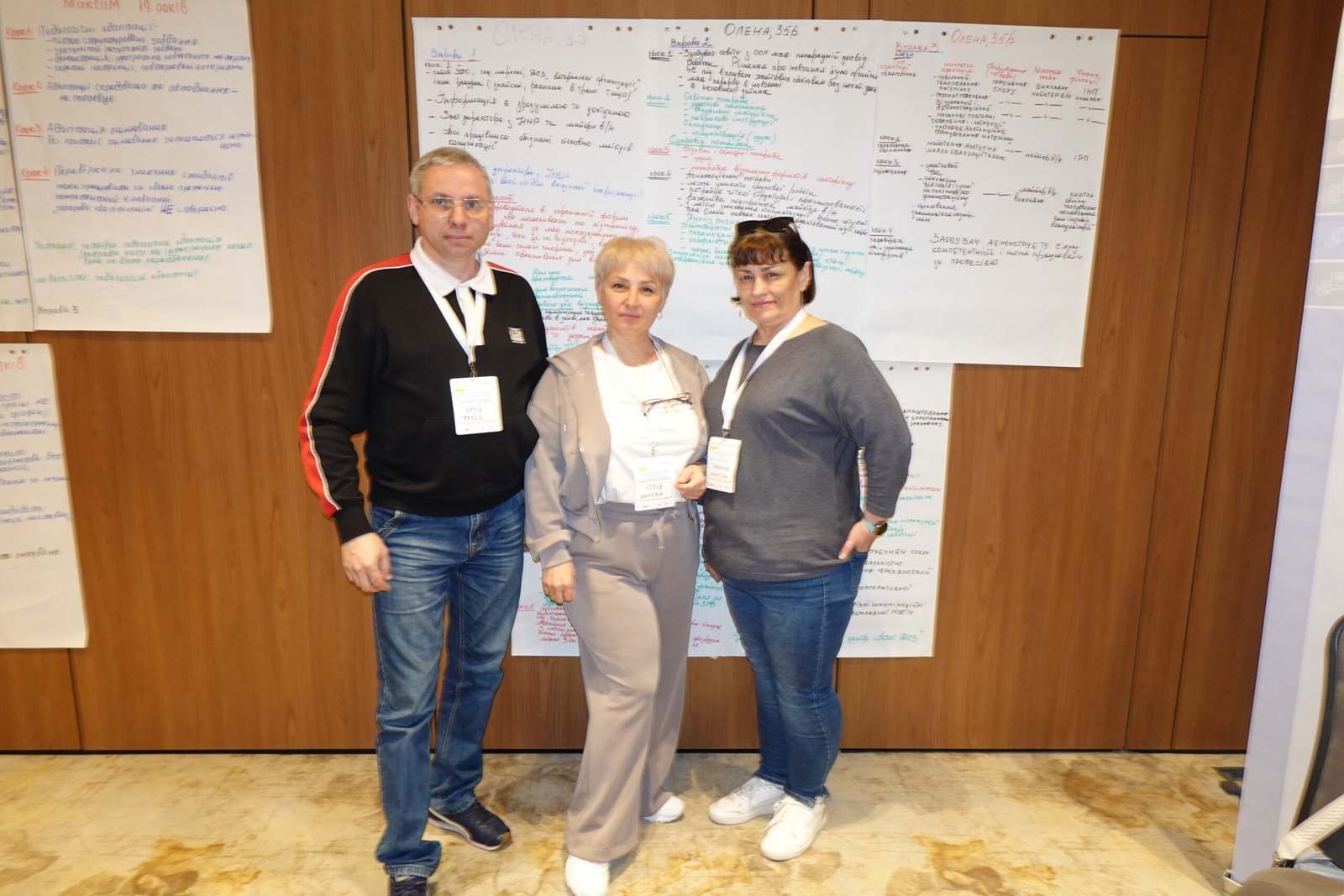
On 23–27 March, the fourth and final training on the development of inclusive vocational education took place in Kyiv within the framework of the Skills4Recovery Multi-Donor Initiative. It brought together and completed the full training cycle for 18 vocational education institutions from across Ukraine.
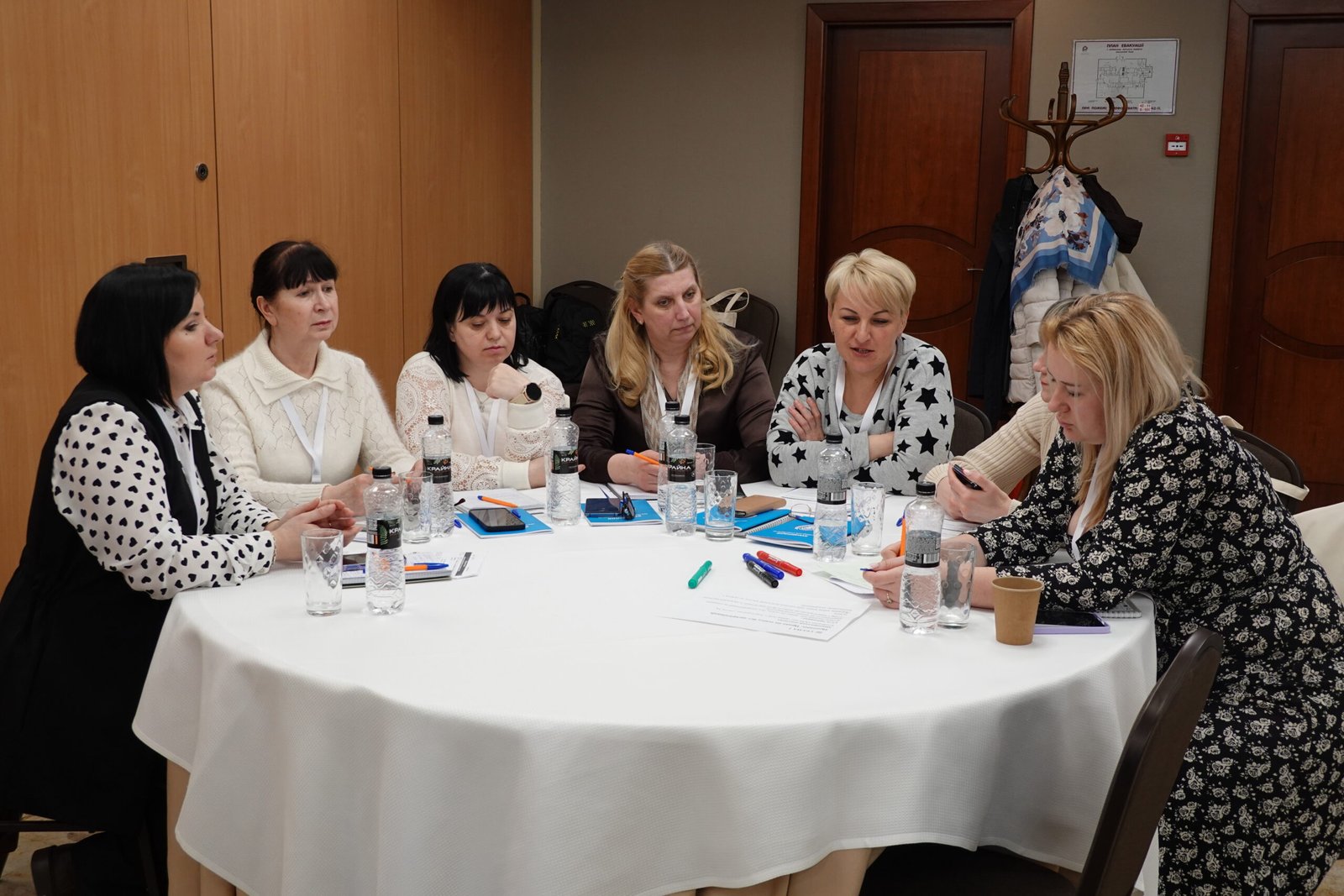
In total, 100 participants completed the training: 36 administrators, as well as 64 teachers and vocational training instructors. This is important because inclusive change within an institution does not begin with one individual — it begins with a team that shares a common vision and has practical tools for its work.
Throughout the training cycle, participants focused on highly practical issues: how to make the educational environment more accessible, how to adapt the learning process, and how to better support persons with disabilities, veterans, internally displaced persons, and other learners with diverse needs. The key topics included inclusive methodologies, universal design for learning, crisis support, psychological first aid, teamwork, and the everyday decisions that determine whether a person feels accepted and included in the educational process.
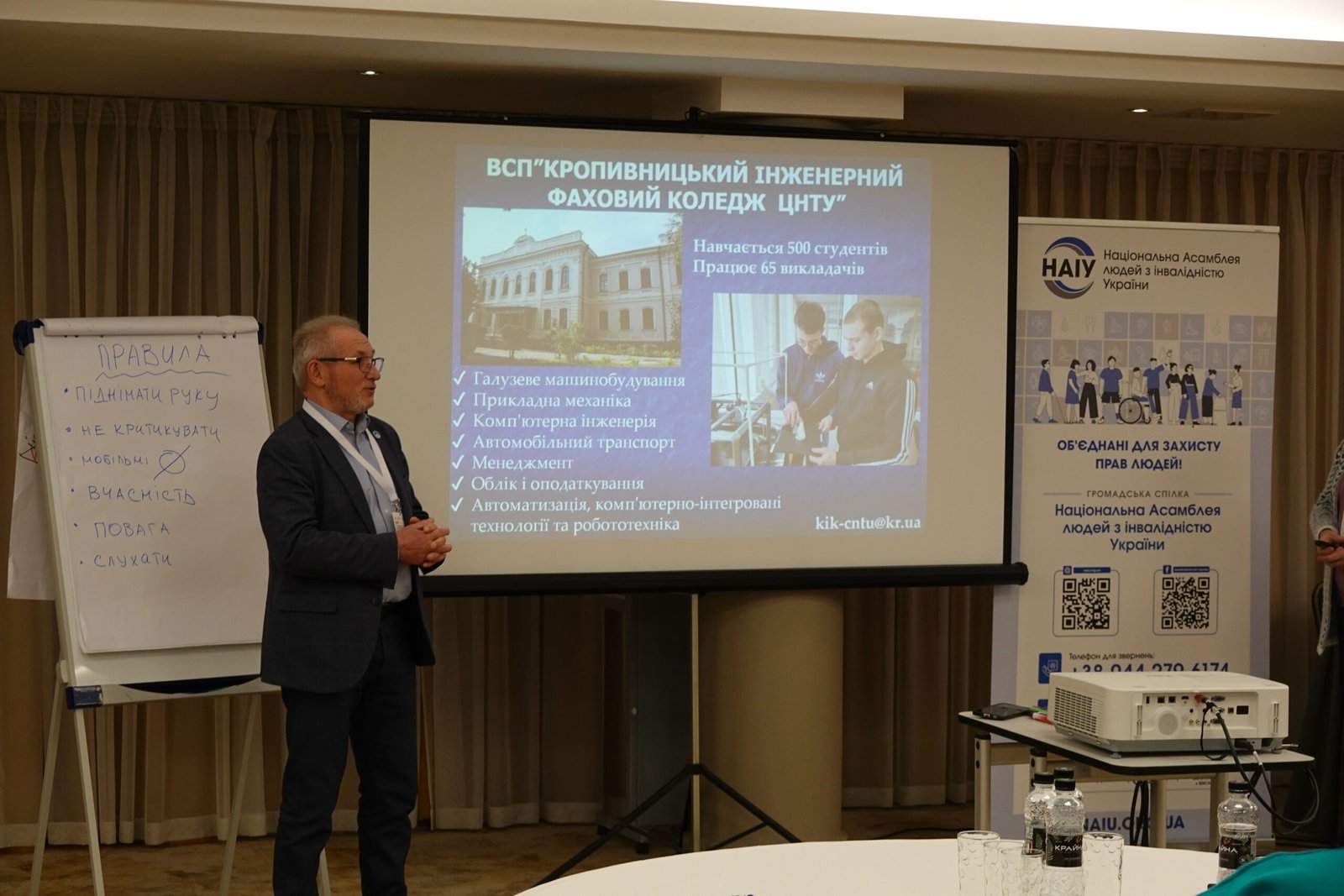
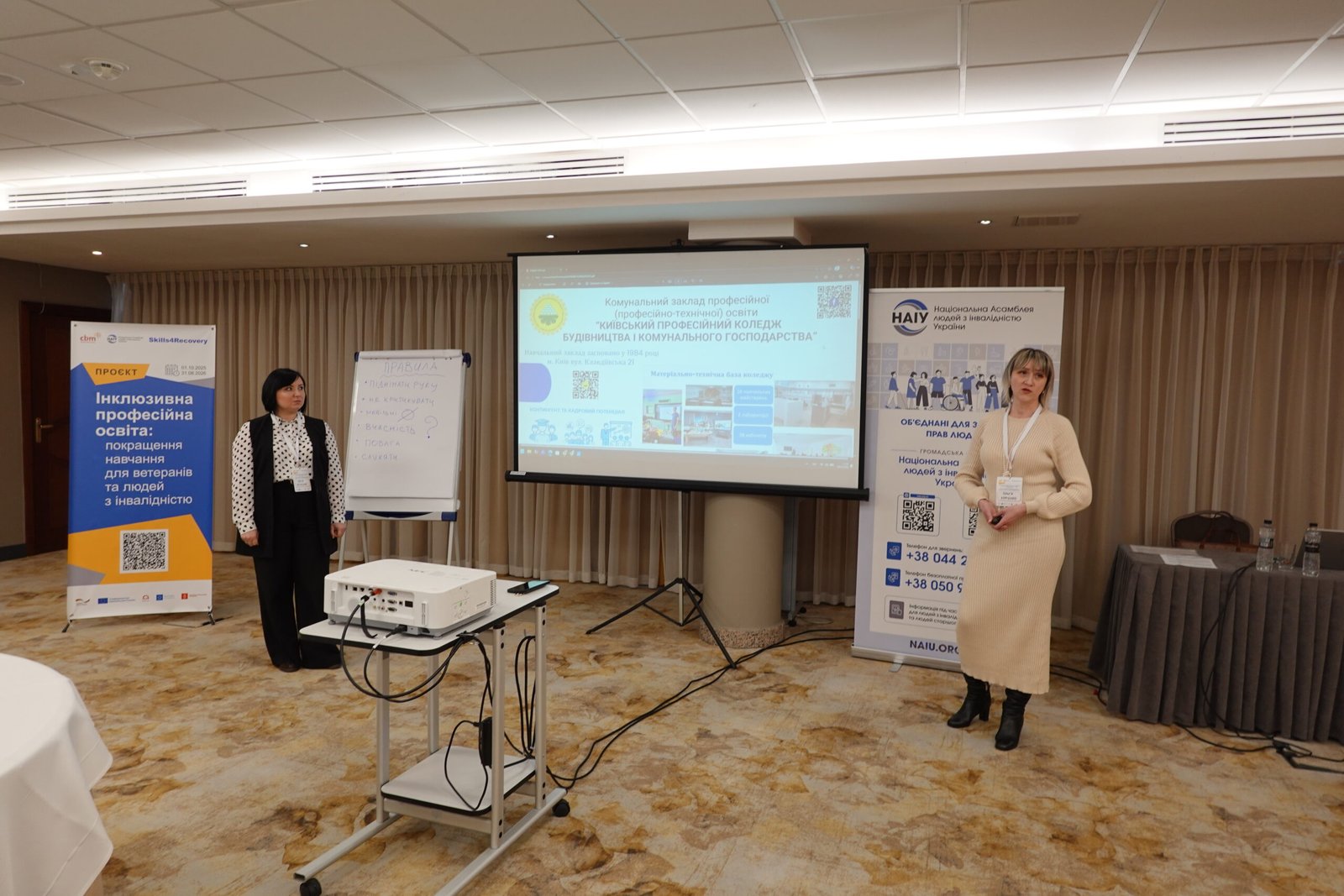
The fourth training completed the learning programme for the final three project participant institutions: Kyiv Vocational College of Construction and Municipal Services, Kropyvnytskyi Engineering Professional College of the Central Ukrainian National Technical University, and Poltava Centre for Vocational and Technical Education of the State Employment Service.
Kyiv Vocational College of Construction and Municipal Services already has practical experience in inclusive education. The institution employs a practical psychologist who supports both students and staff. The college has experience in training persons with hearing impairments and epilepsy, and regularly organises barrier-free days, anti-bullying seminars, meetings on tolerance, and discussions on language culture. At the same time, the team speaks openly about the areas that still require further strengthening: a formalised inclusion policy, adapted curricula, modern crisis response procedures, and the removal of physical barriers within the premises.
Kropyvnytskyi Engineering Professional College of the Central Ukrainian National Technical University is an institution with a long history dating back to 1870. Today, the college serves around 500 students, and its work with learners places particular emphasis on psychological support, adaptation measures for first-year students, an individual approach, and a culture of respect. The college adapts learning materials, flexibly adjusts programmes to students’ needs, and creates an environment with no place for bullying or stigmatisation. Among the key challenges are physical accessibility, limited resources, and the need for more systematic support for institutions that implement inclusion in technically demanding specialisations.
Poltava Vocational Education and Training Centre of the State Employment Service primarily works with adult learners — people who are seeking employment, changing professions, or upgrading their skills. Since 2014, the institution has gained considerable experience in training internally displaced persons, veterans, and persons with disabilities. Here, the educational process is built around the individual: the centre applies individualized approaches, daytime, evening, distance, and blended learning formats, as well as psychological support. At the same time, the team also speaks openly about the challenges it faces: architectural accessibility, the need for adapted equipment, sensory navigation, and practical methodologies for working with people with different types of impairments.
All three institutions differ in their history, scale, and operational model. However, they are united by one key factor: for them, inclusion is no longer an abstract topic, but part of their daily work with real people, real barriers, and real solutions.
What’s Next
The training cycle has ended, but the project is now moving into its next phase — support and wider dissemination of the solutions developed so far.
VET providers will receive supervision and consultative support to help teaching staff and administrative teams address the practical challenges of implementing inclusive approaches. This phase will combine online consultations, in-person visits, and peer-to-peer exchange between institutions.
As part of the project, a practical inclusive guide for vocational education and training providers will also be developed. It will include recommendations on creating an accessible learning environment for veterans and persons with disabilities and will help disseminate the solutions developed within the project more broadly.
Separate training is also planned on inclusive approaches to first aid in emergency situations and crisis conditions related to PTSD. Another area of focus is training on how to organise inclusive information campaigns so that institutions can communicate more effectively with learners and their families and encourage participation among people from vulnerable groups.
All of these efforts share one common goal: to help institutions move from isolated solutions to systematic work, where inclusion becomes part of everyday practice.
For the National Assembly of People with Disabilities of Ukraine (NAPD) and its partners, this cycle of trainings is an important step towards a broader objective: ensuring that vocational education and training in Ukraine becomes more open, safer, and genuinely accessible for people with different experiences and needs. For the institutions themselves, it is an opportunity not only to speak about inclusion, but to consistently embed it into the learning process, student support systems, and their development strategies.
Project. The project “Inclusive Vocational Education and Training (VET): Improving Training for Veterans and People with Disabilities” is being implemented by the National Assembly of People with Disabilities of Ukraine (NAPD), jointly with Christoffel-Blindenmission Christian Blind Mission e.V. (CBM), with financial support from the European Union, Germany, Poland, Estonia, and Denmark as part of the Skills4Recovery Multi-Donor Initiative, which is implemented by Deutsche Gesellschaft für Internationale Zusammenarbeit (GIZ) GmbH and Solidarity Fund PL (SFPL).
27 серпня 2026 року Національна Асамблея людей з інвалідністю України запрошує представників закладів професійної освіти, партнерів та всіх, хто працює над розвитком інклюзивного навчання, долучитися до підсумкового заходу проєкту «Інклюзивна професійна освіта: покращення навчання для ветеранів та людей з інвалідністю». Захід стане майданчиком для підбиття підсумків проєкту, обміну практичним досвідом та обговорення рішень, які допомагають […]
У Києві завершився цикл тренінгів з інклюзивної професійної освіти для 18 закладів професійної освіти з різних регіонів України. Навчання пройшли 100 учасників — адміністратори, педагоги та майстри виробничого навчання. Наступний етап проєкту — супервізія, практичні рекомендації, інклюзивний посібник і нові інструменти, які допоможуть закладам вбудовувати інклюзію в щоденну роботу. 23–27 березня в Києві відбувся четвертий, […]
In December 2025, the National Assembly of People with Disabilities of Ukraine, in cooperation with Christoffel-Blindenmission (CBM), conducted five focus group discussions within the Skills4Recovery Multi-Donor Initiative to capture the actual state of inclusion in vocational education and training (VET). The participants’ responses were compared, key issues identified, and findings were supported with the participants’ own words.